Nissan Sentra III (B13) photos
Photos
3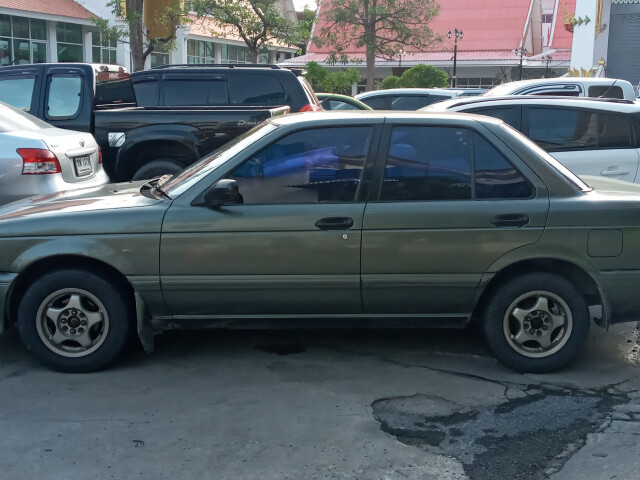

About this generation
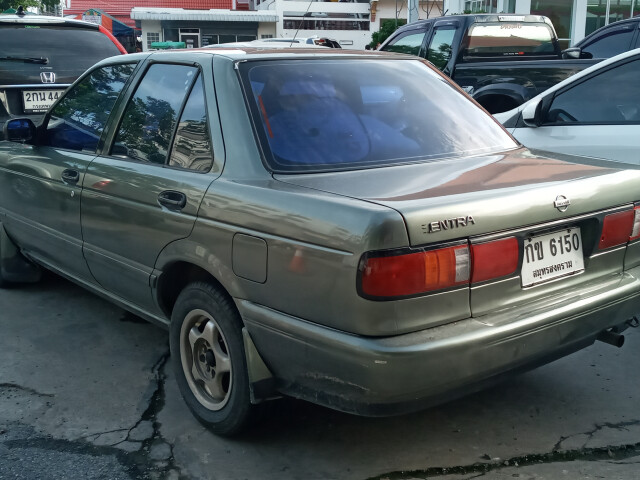
The third-generation Nissan Sentra (B13) traded boxy edges for rounded 1990s aerodynamics and introduced the iconic high-revving SE-R sport compact variant.
Manufactured from 1990 to 1995, the third-generation Nissan Sentra (chassis code B13) represented a major stylistic and mechanical leap forward over the angular B12 series. Built on an evolved version of the front-wheel-drive Nissan B platform with four-wheel independent suspension, the B13 adopted smoother, rounded bodywork, a lower beltline with improved visibility, and a thoroughly modernized cabin layout. Unlike its predecessor, the body style lineup was streamlined into two-door and four-door sedans, while hatchback and wagon derivatives were dropped in North America as the separate NX coupe filled the sporty hatchback niche. Under the hood, the B13 ushered in advanced twin-cam multi-valve engines: mainstream trims relied on the durable 1.6-liter 16-valve DOHC GA16DE inline-four, whereas the celebrated Sentra SE-R introduced the naturally aspirated 2.0-liter DOHC SR20DE engine paired with four-wheel disc brakes and a viscous limited-slip differential, making it a benchmark among affordable sport compacts. Buyers could choose between a crisp five-speed manual transmission and a four-speed automatic gearbox. A mid-cycle refresh around the 1993 model year brought revised front grilles, updated bumper moldings, driver airbag integration, and updated engine management tuning. While the B13 served as a mainstream compact bestseller in the United States, Canada, and selected Asian markets, it achieved legendary status in Mexico and Latin America where it was sold as the Nissan Tsuru and V16, remaining in continuous production long after successors arrived elsewhere.
Nissan news