Nissan Sentra I (B11) photos
Photos
3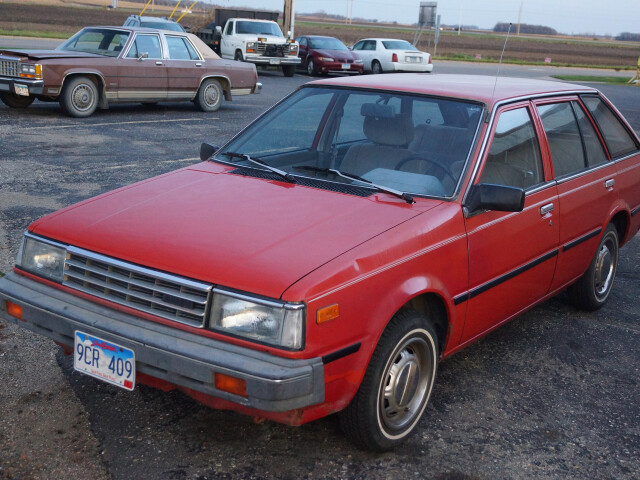
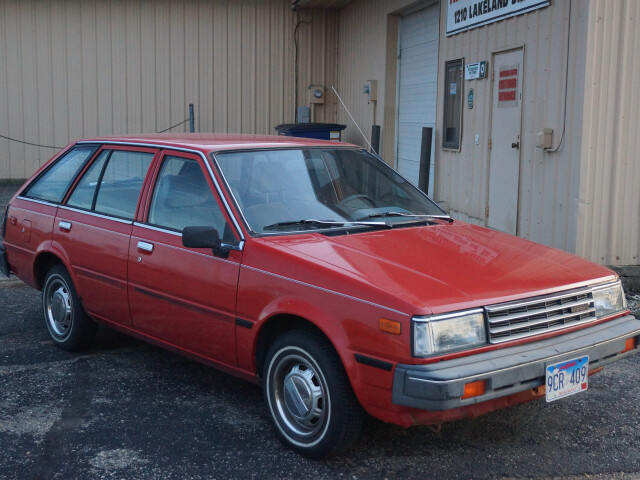
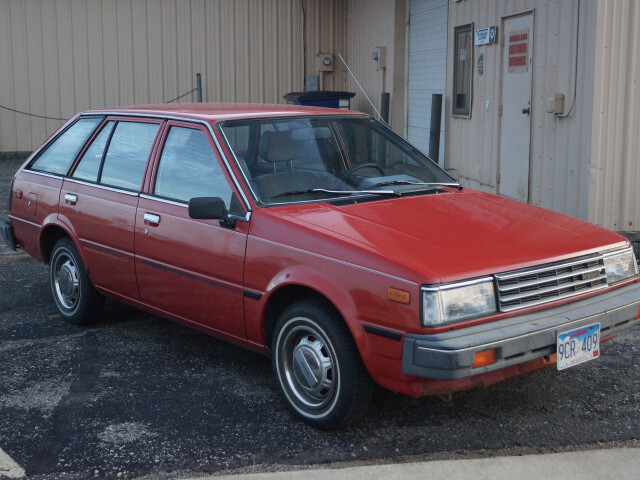
About this generation
The first-generation Nissan Sentra, built on the B11 platform from 1982 to 1986, introduced a modern front-wheel-drive subcompact architecture to replace the brand's earlier rear-wheel-drive economy cars.
The first-generation Nissan Sentra, carrying the B11 chassis designation, was introduced in 1982 as the direct successor to the rear-wheel-drive Datsun 210 (B310) and served as the export version of the Japanese-market B11 Nissan Sunny. Compared to the preceding generation of compact models, the B11 represented a fundamental engineering shift by adopting a transverse-engine, front-wheel-drive platform coupled with four-wheel independent suspension, which dramatically improved interior packaging efficiency and fuel economy. The model was offered in a versatile array of body styles, including a two-door sedan, a four-door sedan, a five-door station wagon, and a sleek three-door hatchback coupe. Power came from Nissan's lightweight E-series overhead-camshaft inline-four gasoline engines alongside an available CD-series inline-four diesel engine, paired with four-speed or five-speed manual transmissions or a three-speed automatic gearbox. During its production run, the B11 Sentra received minor styling and equipment updates and played a central role in the corporate transition from the Datsun badge to the Nissan name in export territories. North America was the primary market for the Sentra nameplate, where its low operating costs, practical cabin, and dependable mechanical layout quickly made it one of the brand's best-selling passenger cars.
Nissan news