Nissan Rogue E-Power Hybrid Launch Scheduled for November 2026
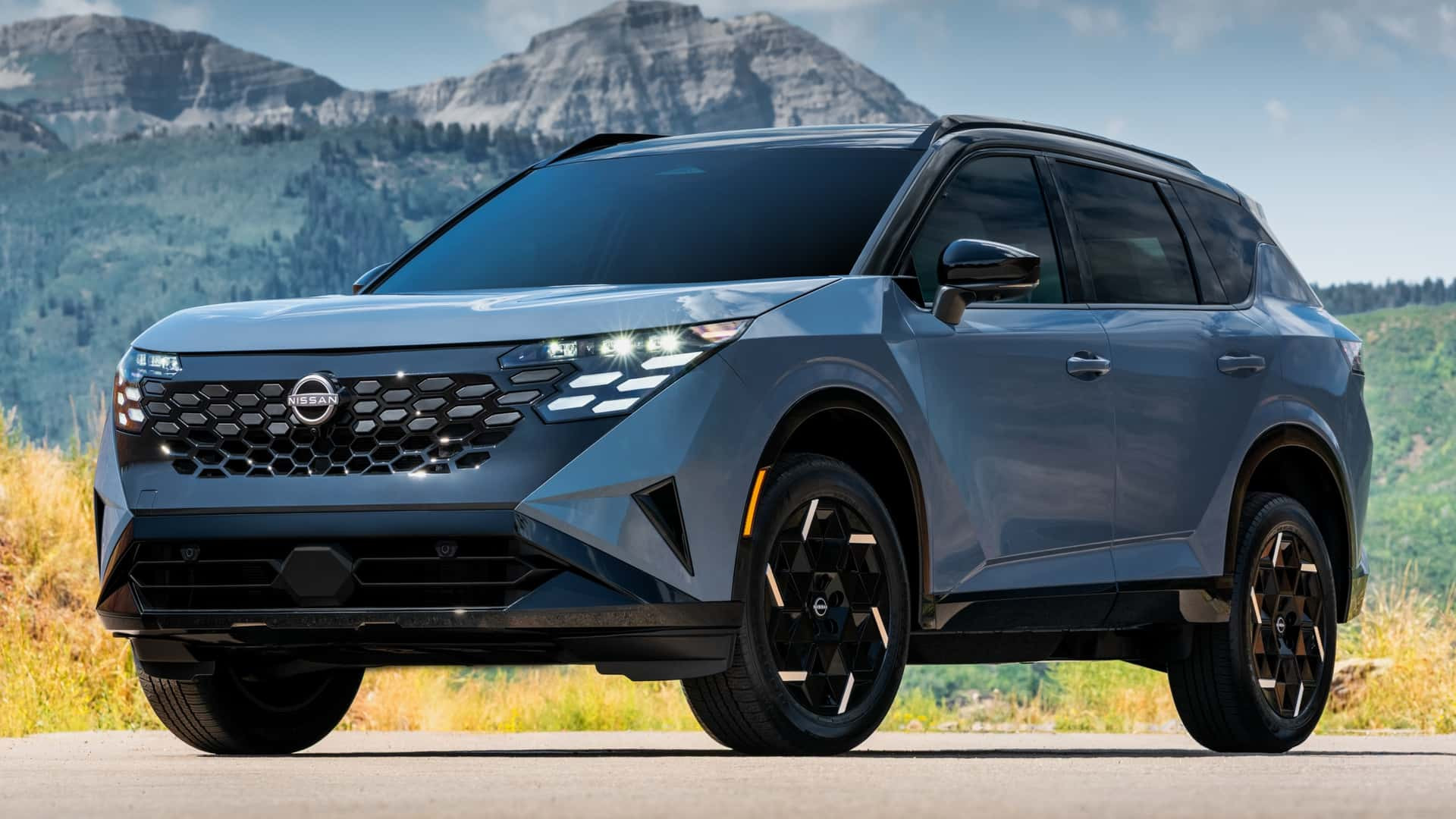
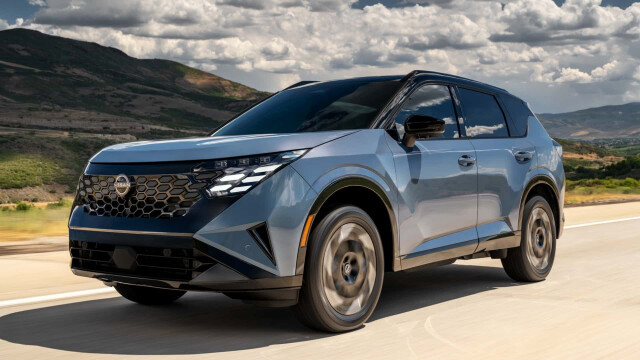
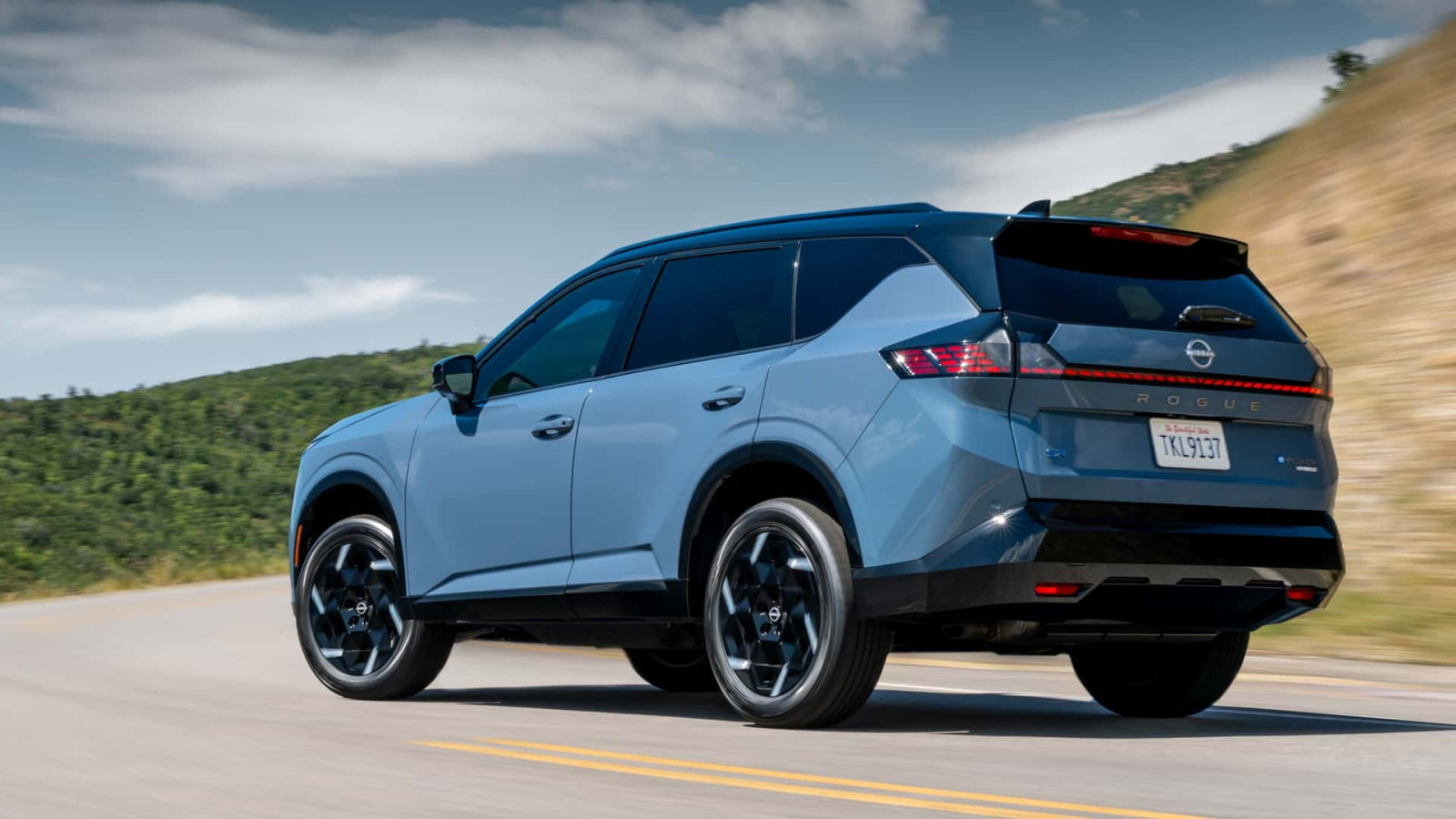
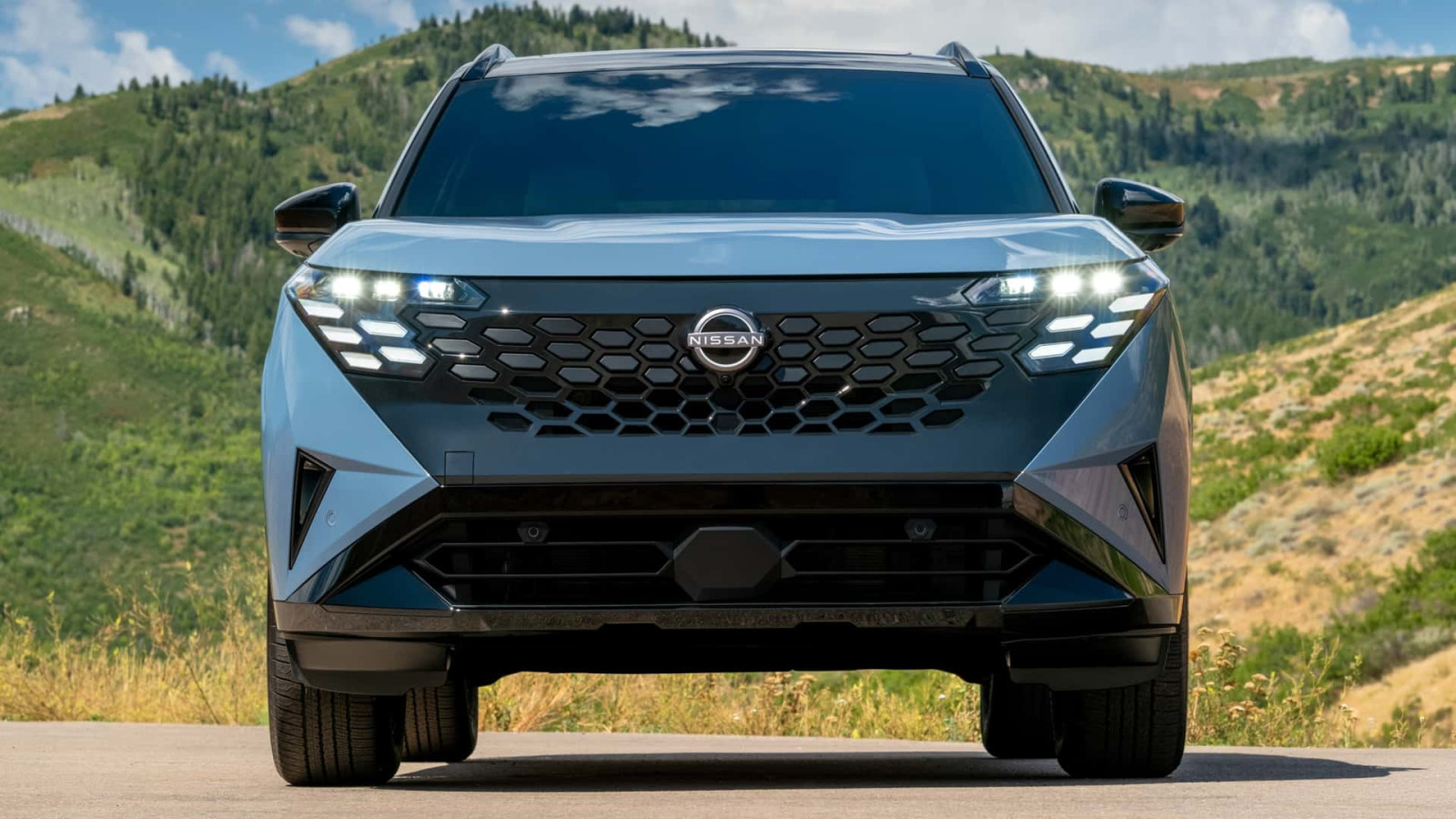
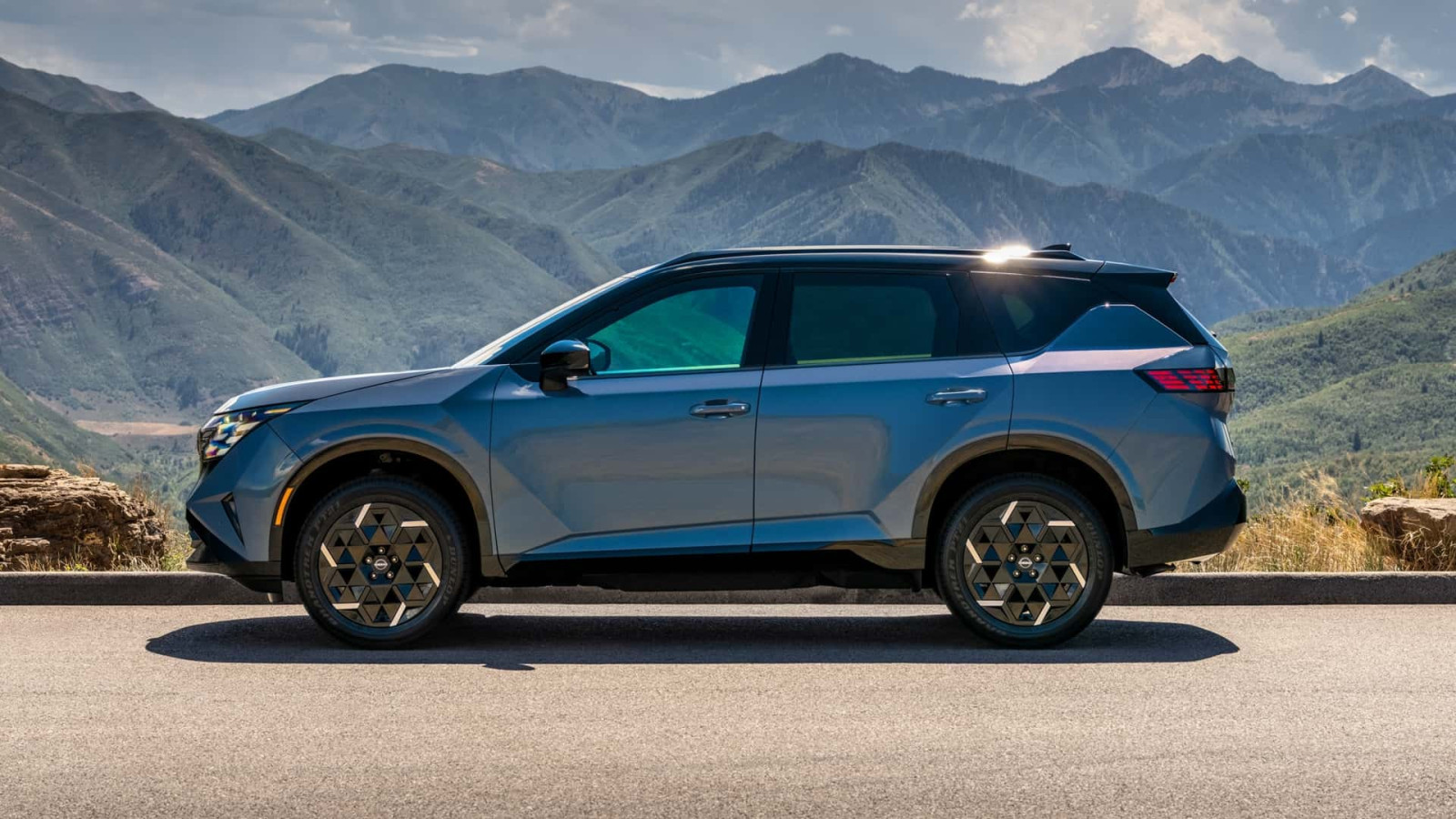
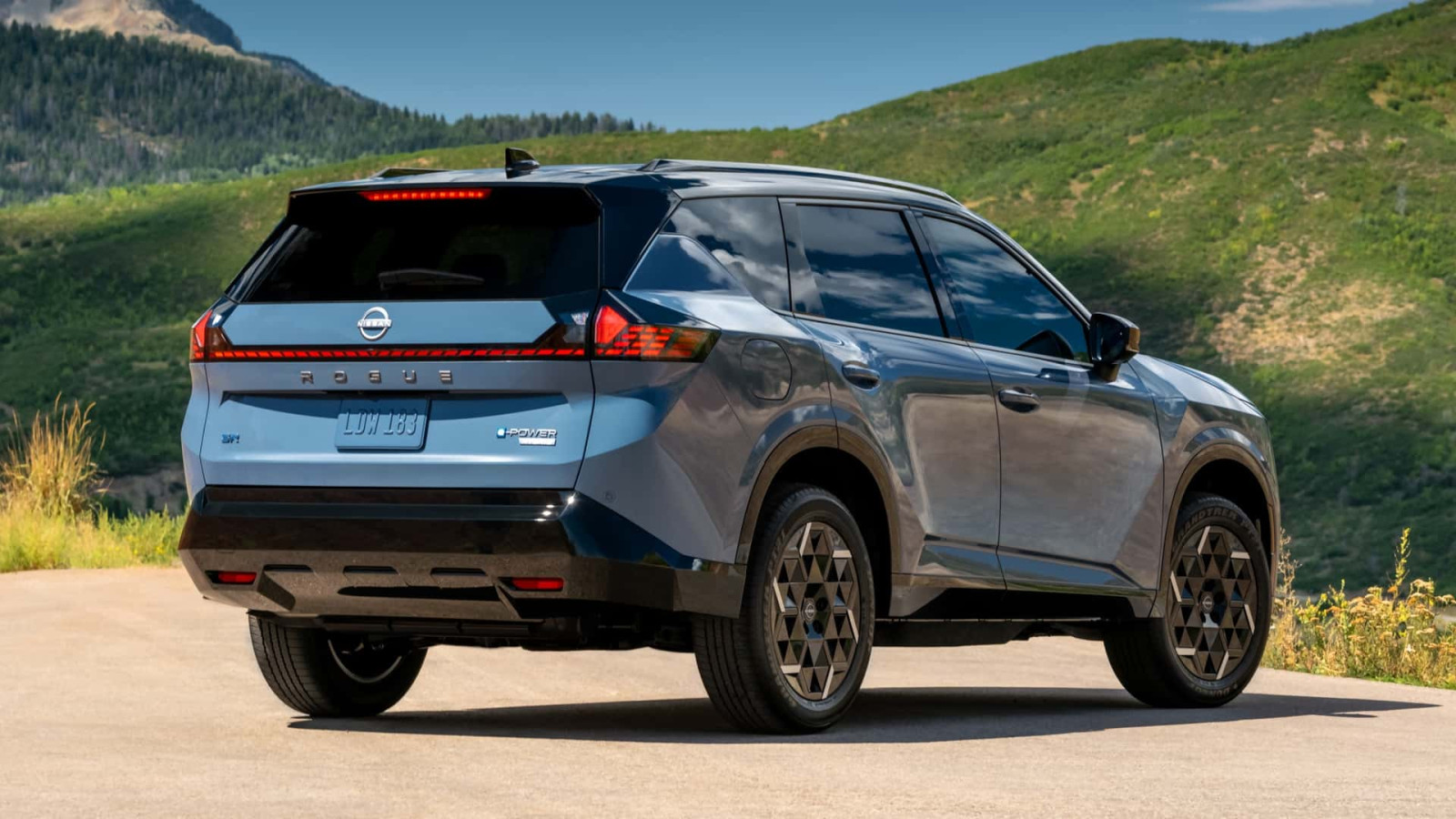
Nissan is preparing to introduce its E-Power hybrid technology to the United States market, beginning in November 2026 with the arrival of the 2027 Rogue Hybrid at American dealerships. Nissan Americas Chairman Christian Meunier projected that hybrid vehicles could quickly capture 30 to 40 percent of the country's C-segment mid-size crossover sales once the electrified Rogue hits showrooms, providing a direct alternative to established competitors like the Toyota RAV4 and Honda CR-V.
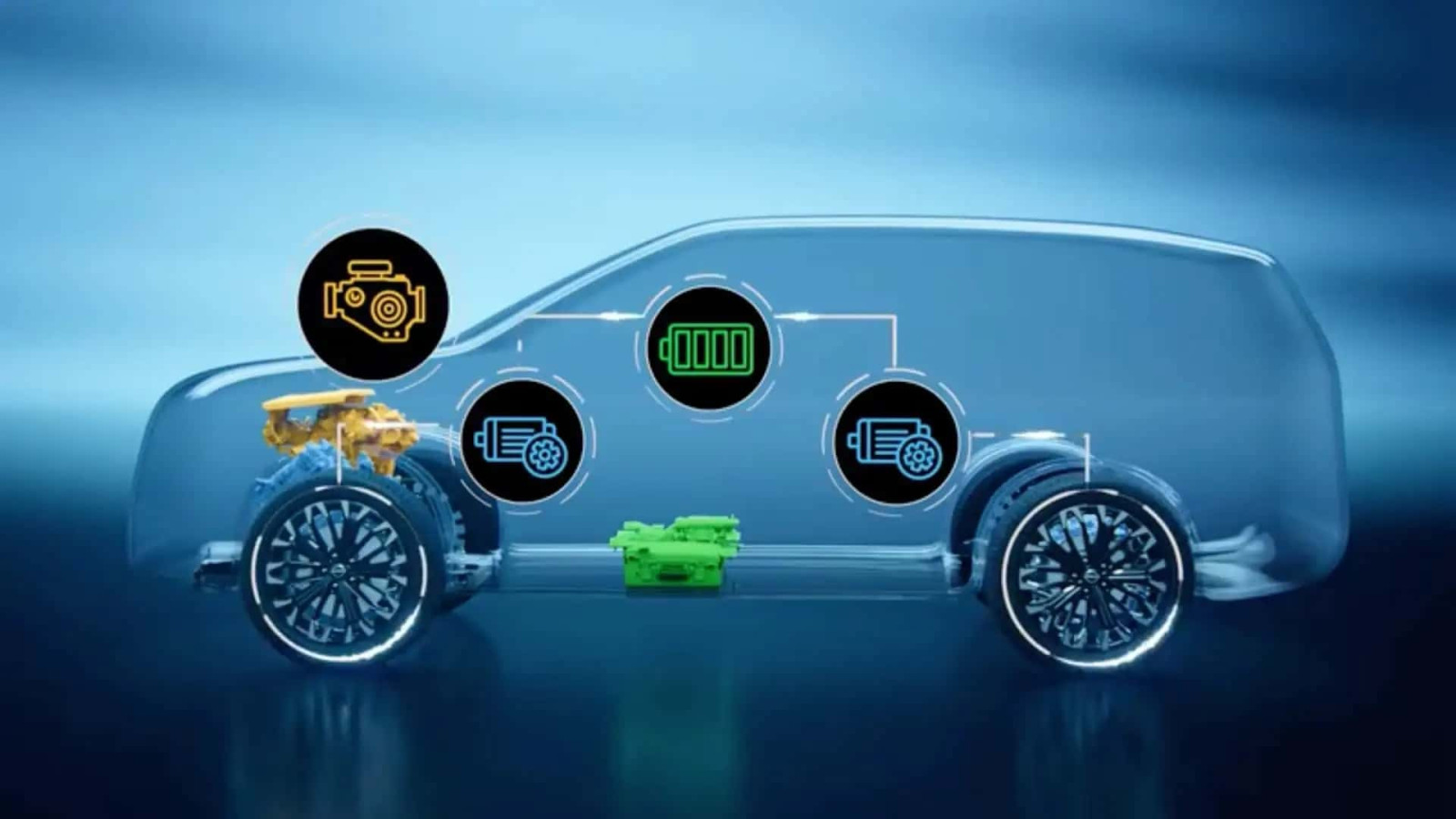
The 2027 Nissan Rogue Hybrid starts at $35,490. Its powertrain combines a turbocharged 1.5-liter gasoline engine with dual electric motors, standard all-wheel drive, and a 2.1-kilowatt-hour battery pack. Nissan rates the setup at 148 horsepower and 171 lb-ft of torque. Unlike conventional hybrid systems, such as Toyota's setup, the internal combustion engine never mechanically drives the wheels. Instead, the 1.5-liter engine functions solely as an onboard generator to recharge the battery and feed electricity to the electric drive motors that propel the vehicle.
The commercial rollout will follow a phased schedule. The initial launch this fall will be limited to the SR trim equipped with the SR Technology Package. Other trim levels, including SV, standard SR, and Platinum, are scheduled to arrive in early 2027 as dealer inventory expands. Initial production is taking place overseas at the Nissan Motor Kyushu plant in Japan, where October export shipments will supply November dealer stock. Christian Meunier indicated that potential local assembly in the United States would not occur before 2028.
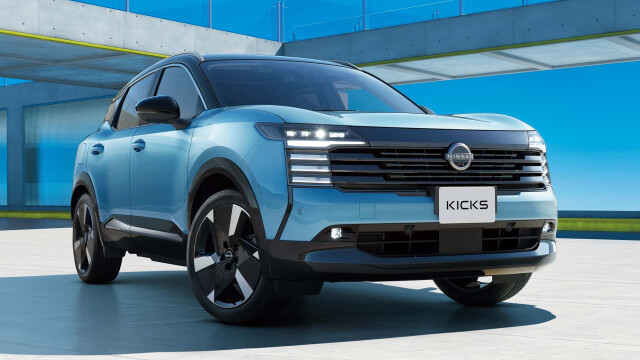
The Rogue Hybrid serves as the starting point for a broader North American electrification strategy. Nissan plans to expand E-Power technology to the subcompact Kicks crossover and introduce new V6 hybrid powertrains for upcoming Nissan and Infiniti pickup trucks. The automaker aims to make hybrids its primary powertrain in North America by 2030. Currently, Nissan's domestic US production share stands at roughly 65 percent, against a long-term goal of reaching 80 percent.
Photos
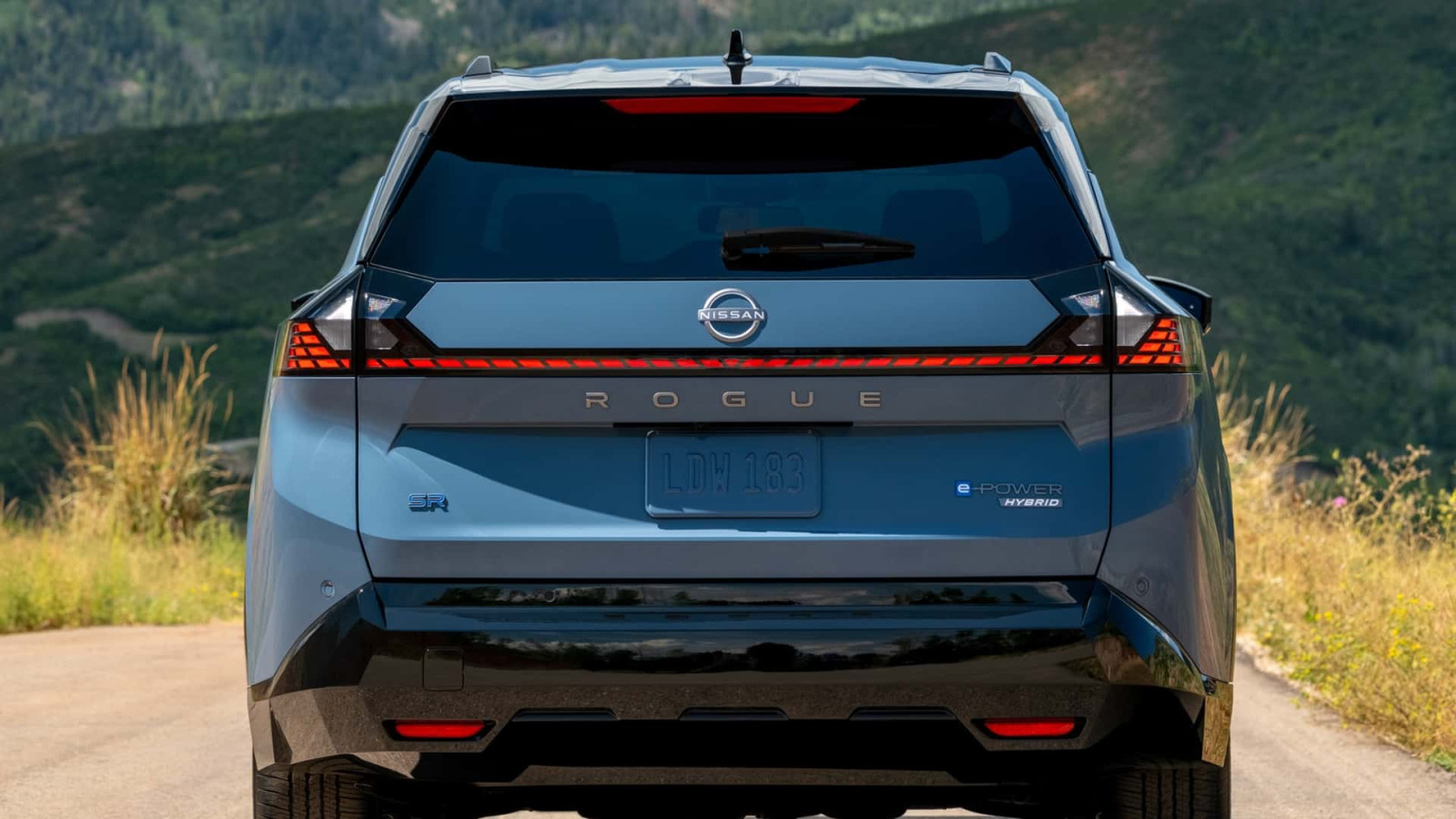
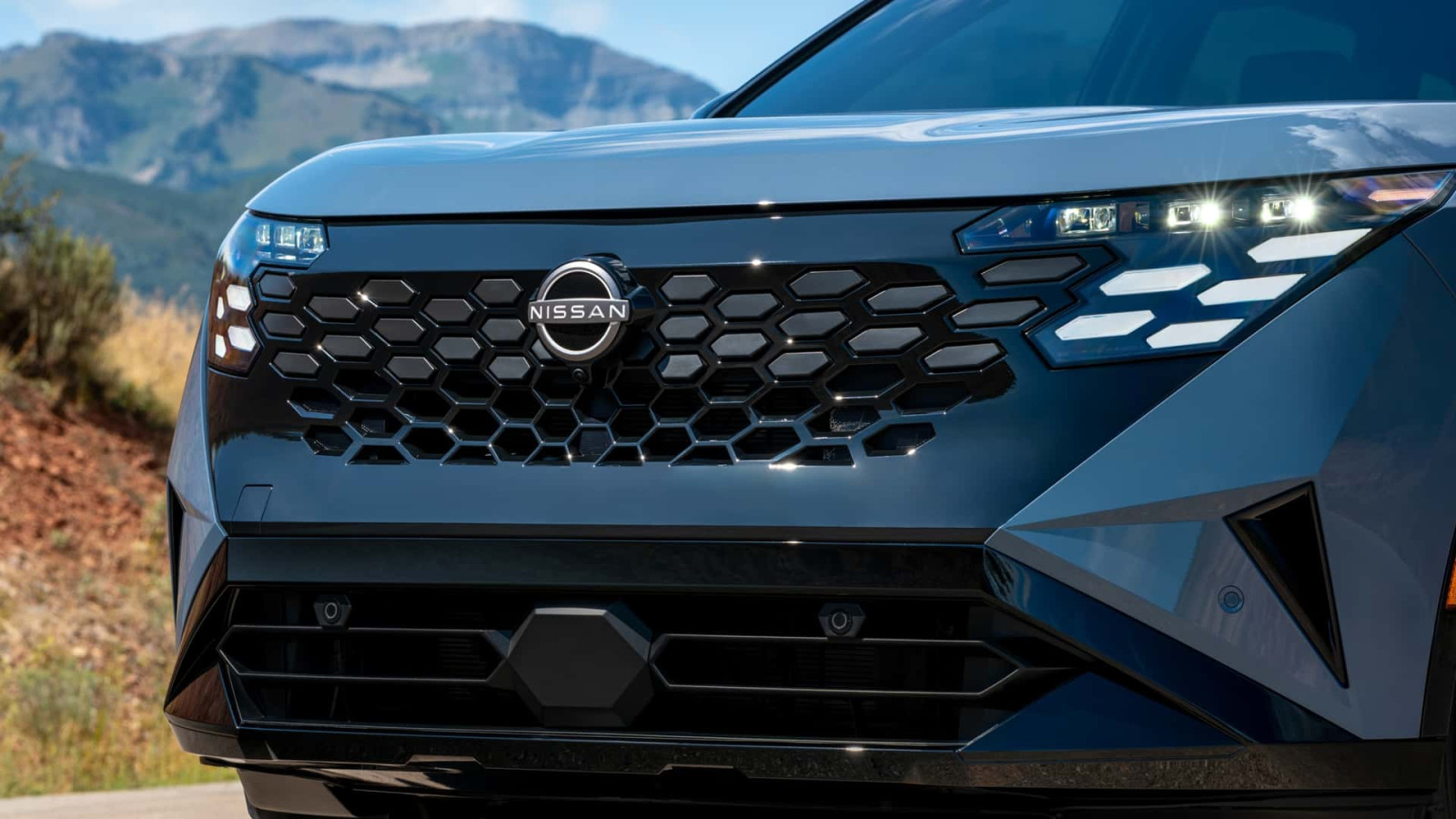
Photos in the catalog
More news