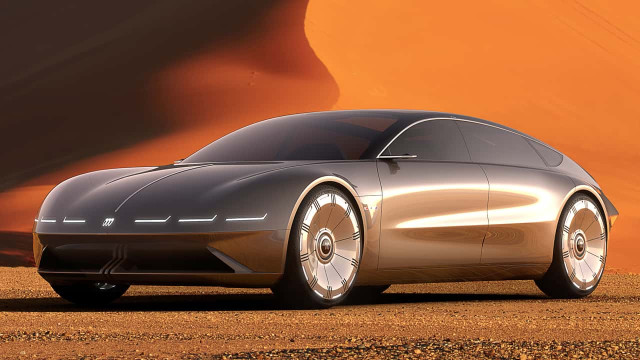
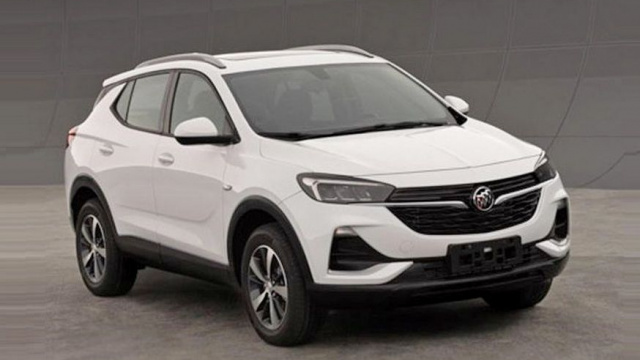
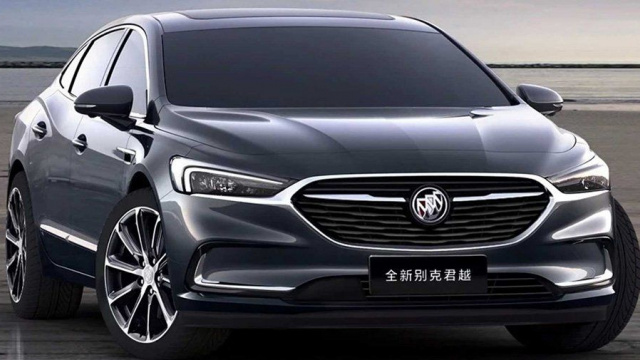
Buick Le Sabre I (B-body) photos
Photos
0No photos yet.
About this generation
The first generation of the full-size Buick LeSabre introduced dramatic tailfin styling and replaced the Buick Special as the entry full-size offering.
The first generation Buick LeSabre was introduced for the 1959 model year, replacing the long-running Buick Special as the entry-level full-size automobile in the brand portfolio. Built upon the rear-wheel-drive GM B-body architecture with a rigid X-frame chassis, the model was offered in an extensive range of body styles including two-door and four-door sedans, two-door and four-door pillared and pillarless hardtops, a two-door convertible, and a five-door station wagon. The exterior design was characterized by sweeping Delta Fins tailfins, a panoramic wraparound windshield, and a distinct front fascia. Power came from a 364 cubic-inch (6.0-liter) Nailhead V8 engine producing between 250 and 300 horsepower, mated to either a standard three-speed manual transmission or the smooth Turbine Drive (Dynaflow) automatic transmission. For the 1960 model year, the car received a significant styling refresh that featured more conservative rear fins, a classic concave vertical-bar grille, and the return of Buick signature functional VentiPorts on the front fenders. The vehicle was manufactured and sold predominantly in North America, establishing the LeSabre nameplate as a cornerstone of Buick sales success.
Buick news