Next-Generation Audi Q7 Earns Five-Star Euro NCAP Safety Rating
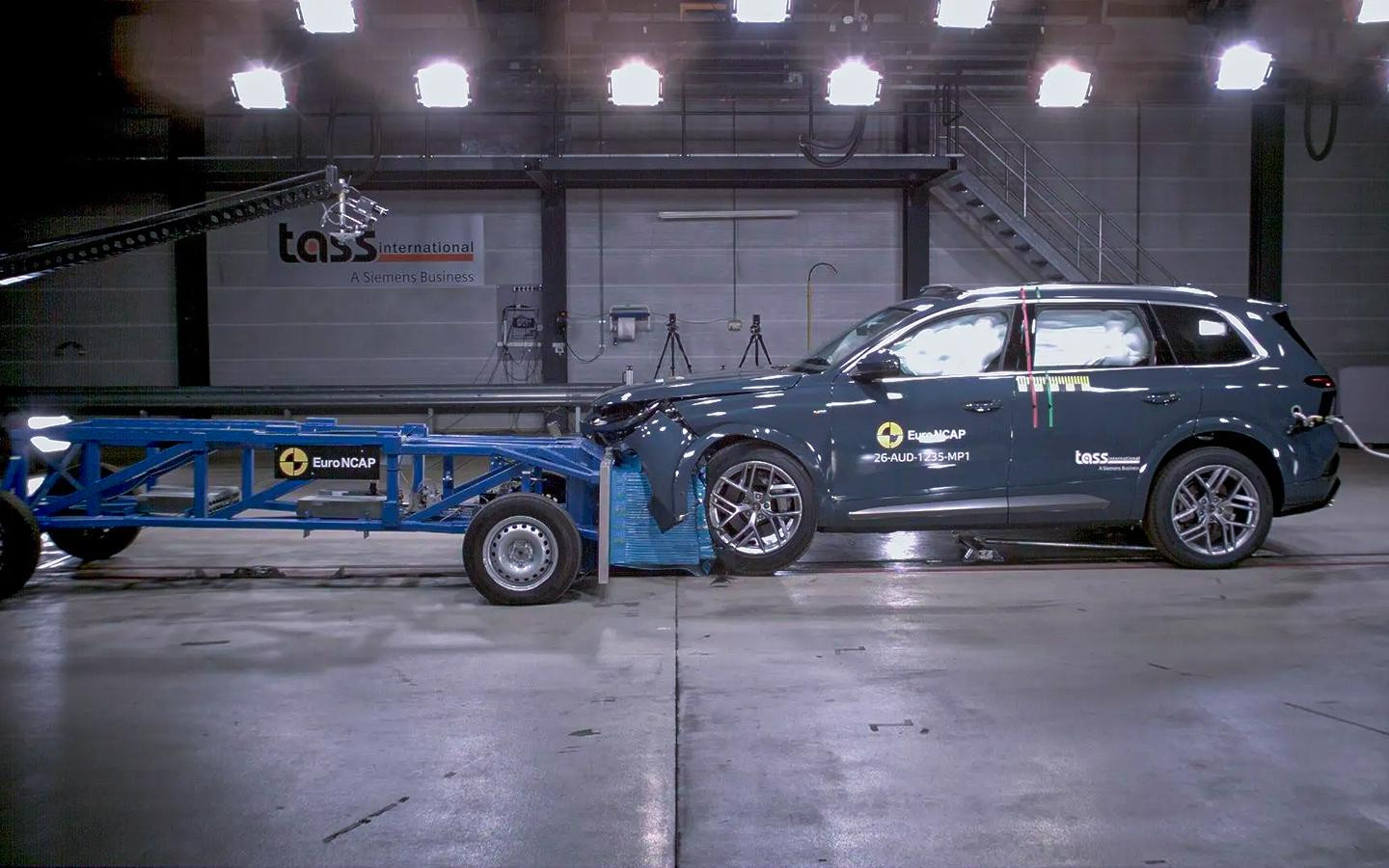
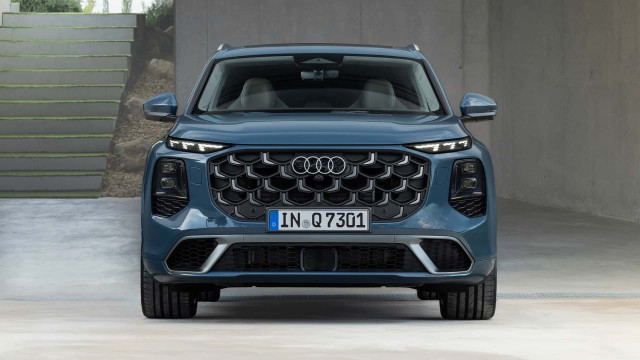
The next-generation Audi Q7 crossover, which debuted in the summer of 2026 to replace a predecessor that had been in production for ten years, underwent safety testing by the independent European organization Euro NCAP four months after its premiere. This international public body has been conducting crash tests since the 1990s, shaping vehicle requirements based on the analysis of real-world traffic accidents, current safety issues, and the development of modern technologies, before publishing detailed reports and awarding models an overall star rating.
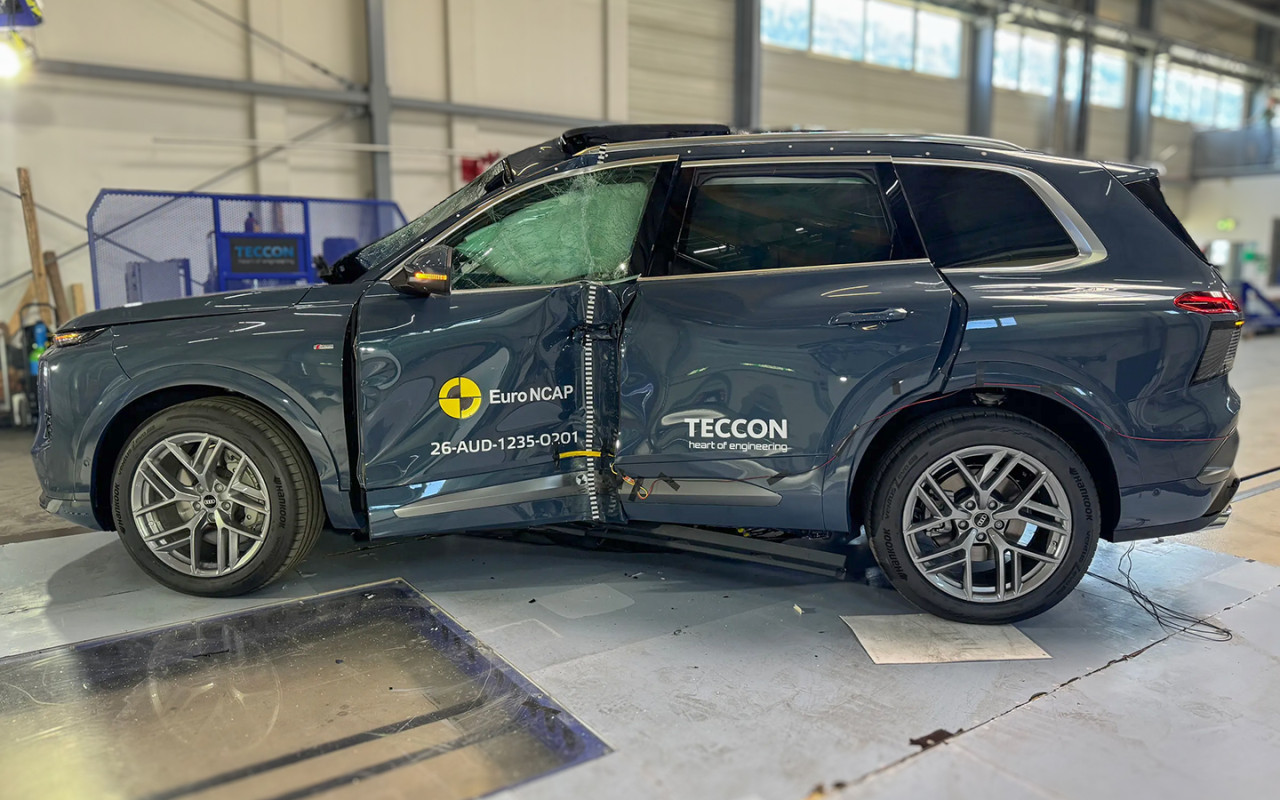
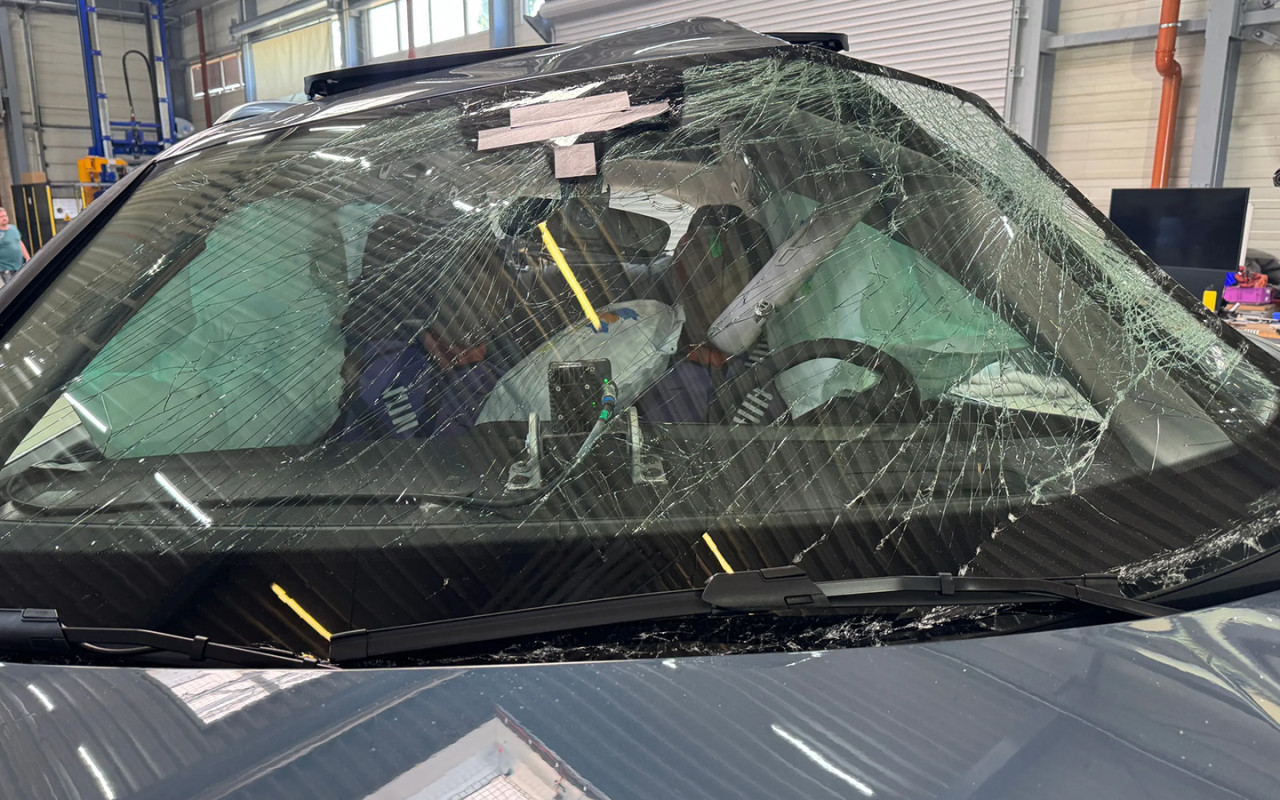
Following a series of impact and electronic tests, the new Audi Q7 earned the maximum five-star rating. Euro NCAP experts evaluated the vehicle's safety level across four key categories: safe driving, crash avoidance system effectiveness, direct crash protection for the driver and passengers, and post-crash safety. Across these four disciplines, the crossover scored 72%, 77%, 88%, and 100%, respectively.
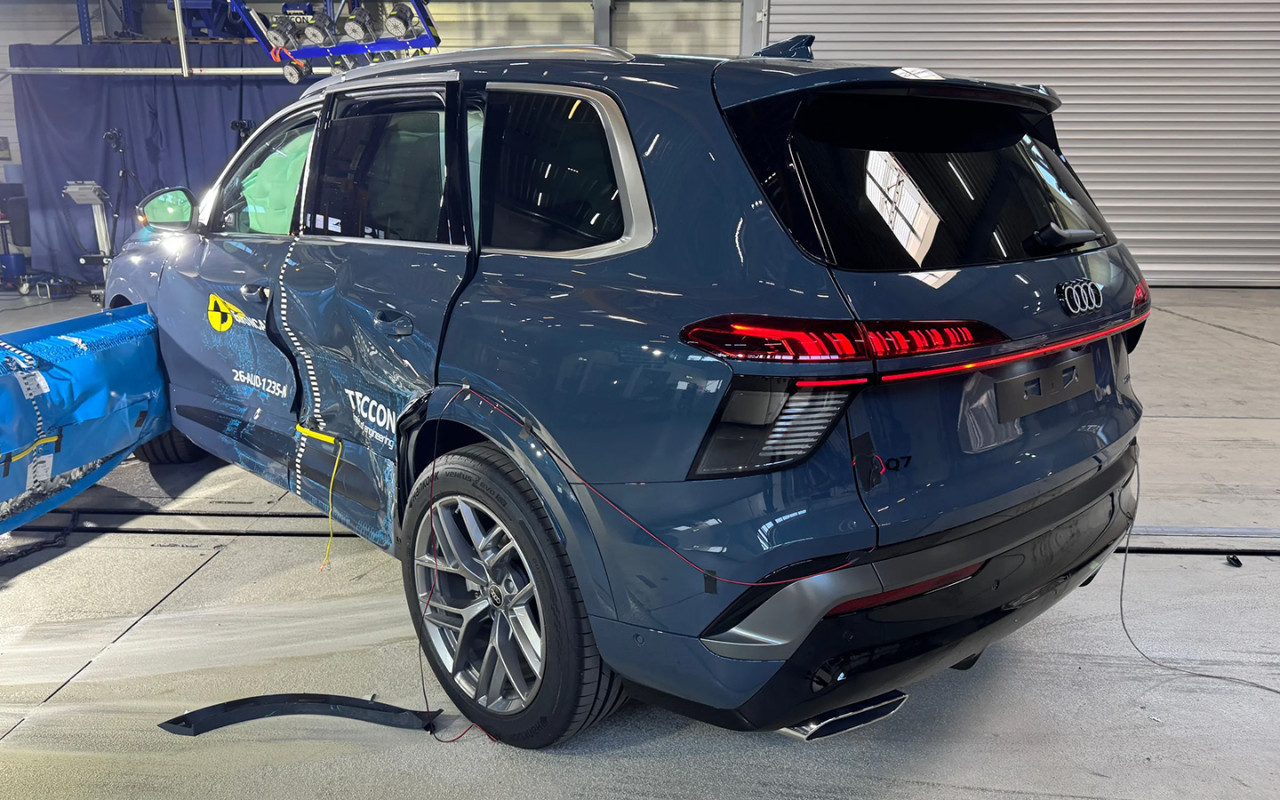
Despite the top overall score, specialists noted a number of shortcomings during the tests. In particular, in a simulated collision with a cyclist, protection for the cyclist's head proved to be poor. Furthermore, experts pointed out that a child presence detection system is not included as standard equipment on the model. A separate block of tests was dedicated to assessing crash compatibility and the consequences of a collision for other road users: the analysis showed that in a frontal impact, the massive Audi Q7 crossover may pose an increased hazard to an oncoming vehicle.
The 100% score in the post-crash safety category is attributed to well-thought-out emergency equipment. The crossover is fitted with an automatic emergency call system capable of transmitting precise data about the accident to rescue services, including the nature of the impact and information about the occupants inside the cabin. The maximum number of points was also awarded for technical solutions that help rescuers quickly and safely extricate injured occupants from the damaged vehicle.
Photos
Photos in the catalog
More news