The Icon Returns: Audi Unveils the All-Electric A2 E-Tron
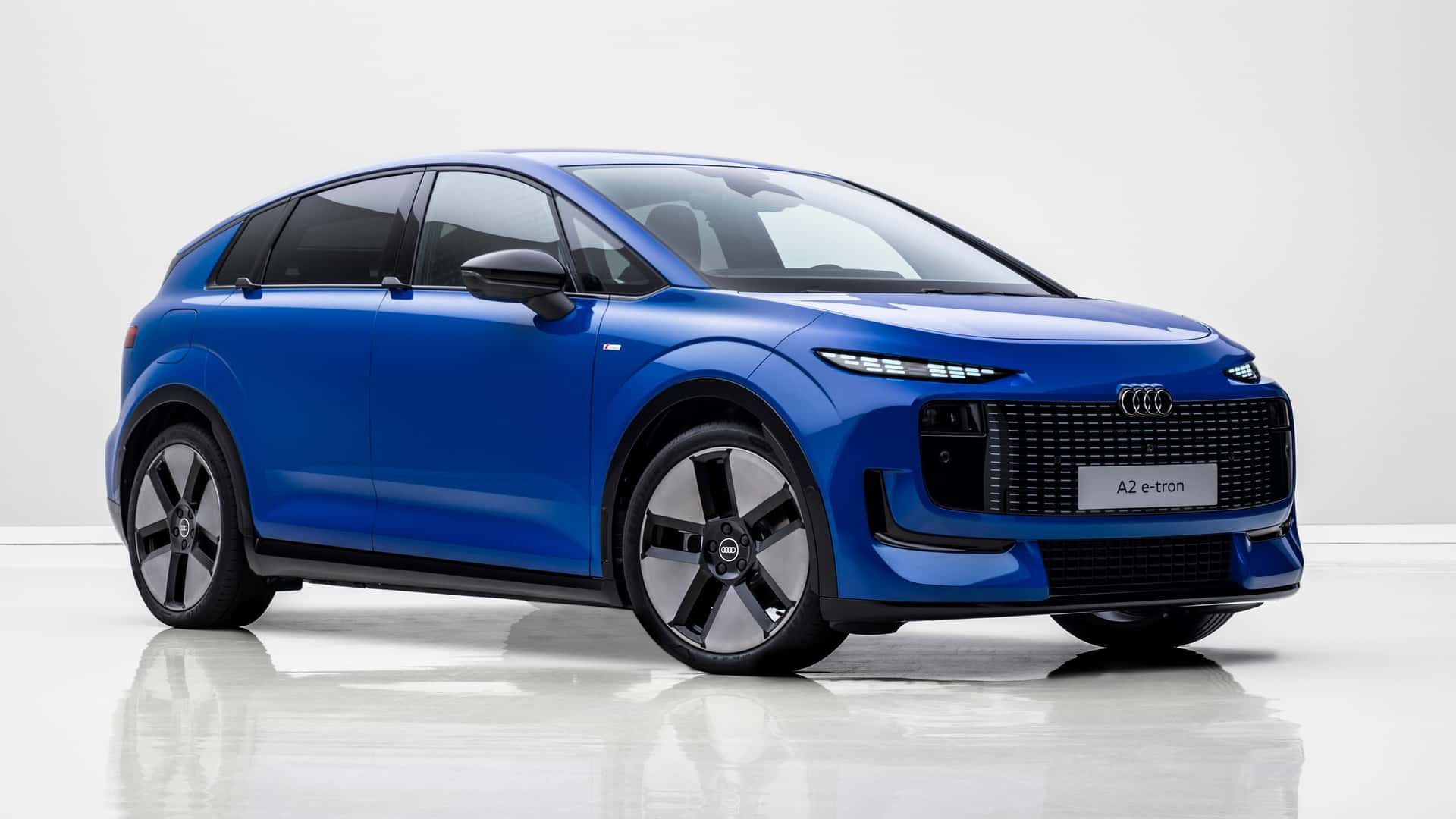
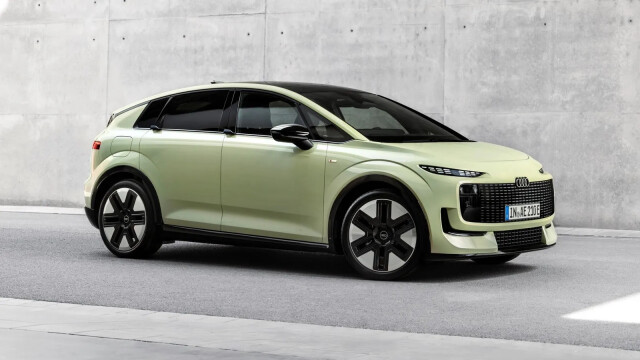
More than 20 years after the original disappeared from the lineup, Audi has revived the historic nameplate with the debut of the Audi A2 E-Tron. Reimagined as an all-electric compact hatchback, the new model aims to recapture the unconventional and forward-thinking spirit of its predecessor. Scheduled to arrive in Europe in late 2026, the car is not expected to make its way to the United States. In Germany, pricing starts at €38,350 (around $44,500 at current conversion rates) for the base version and climbs past €50,000 for higher-spec configurations.
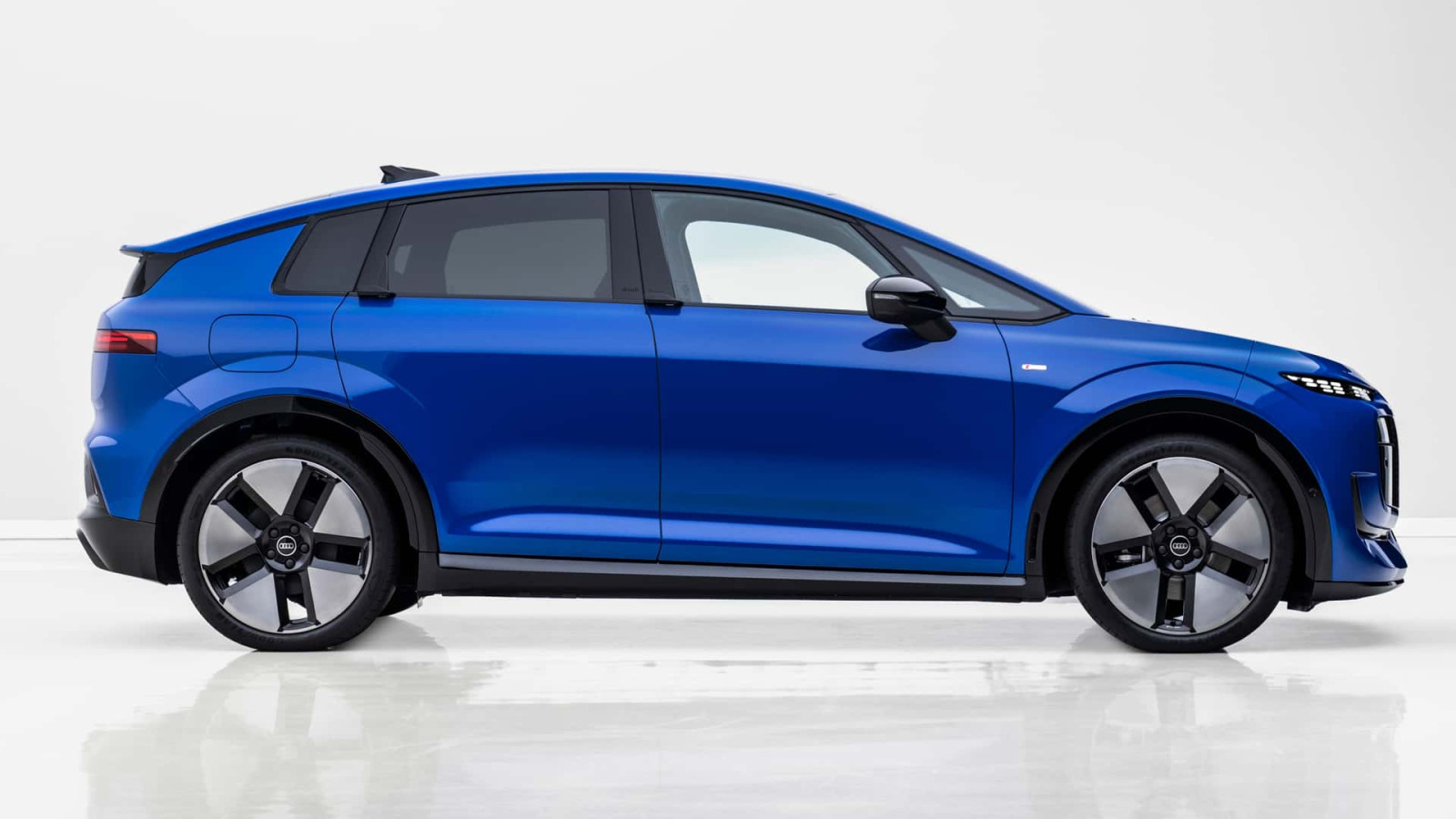
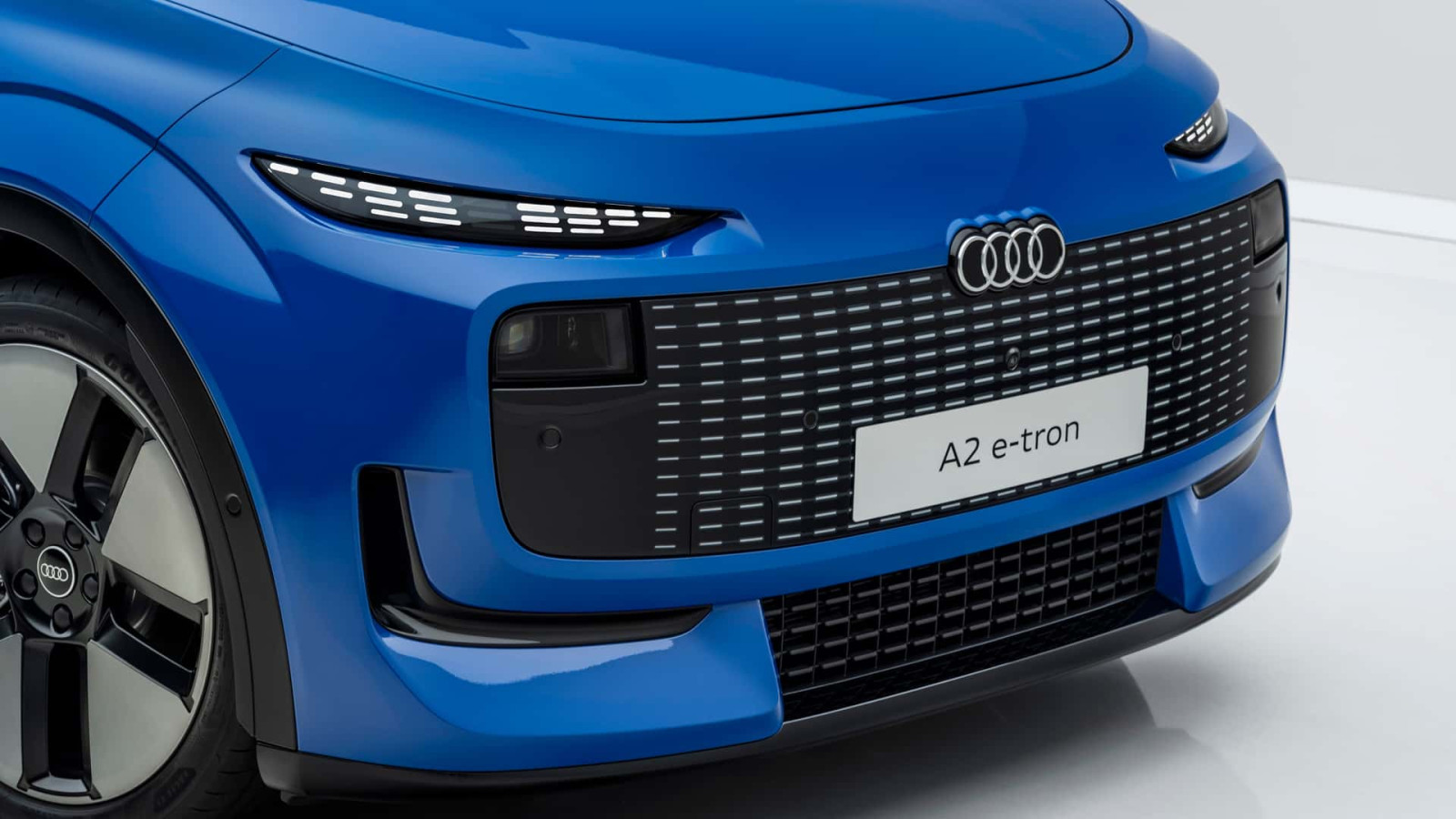
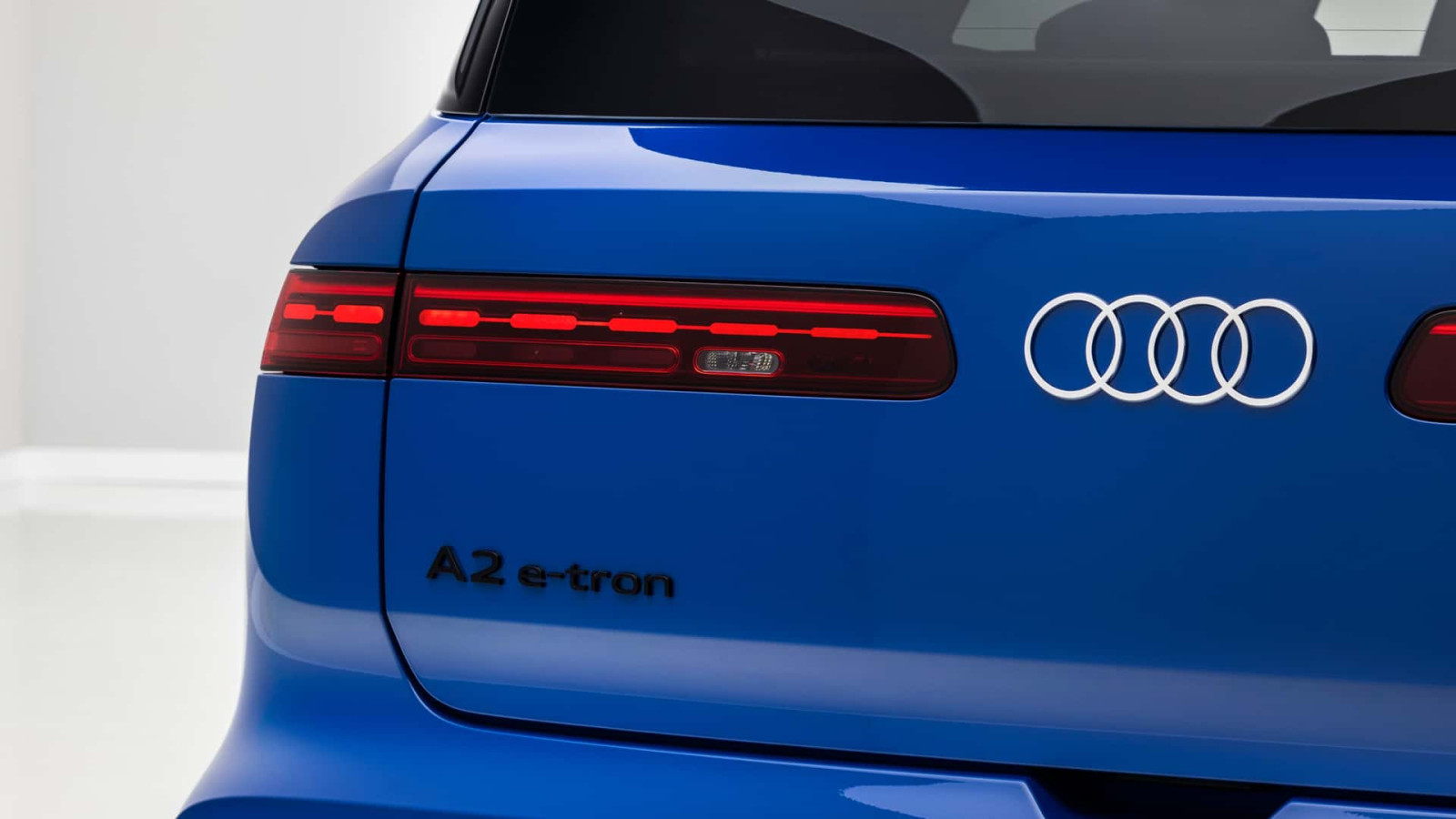
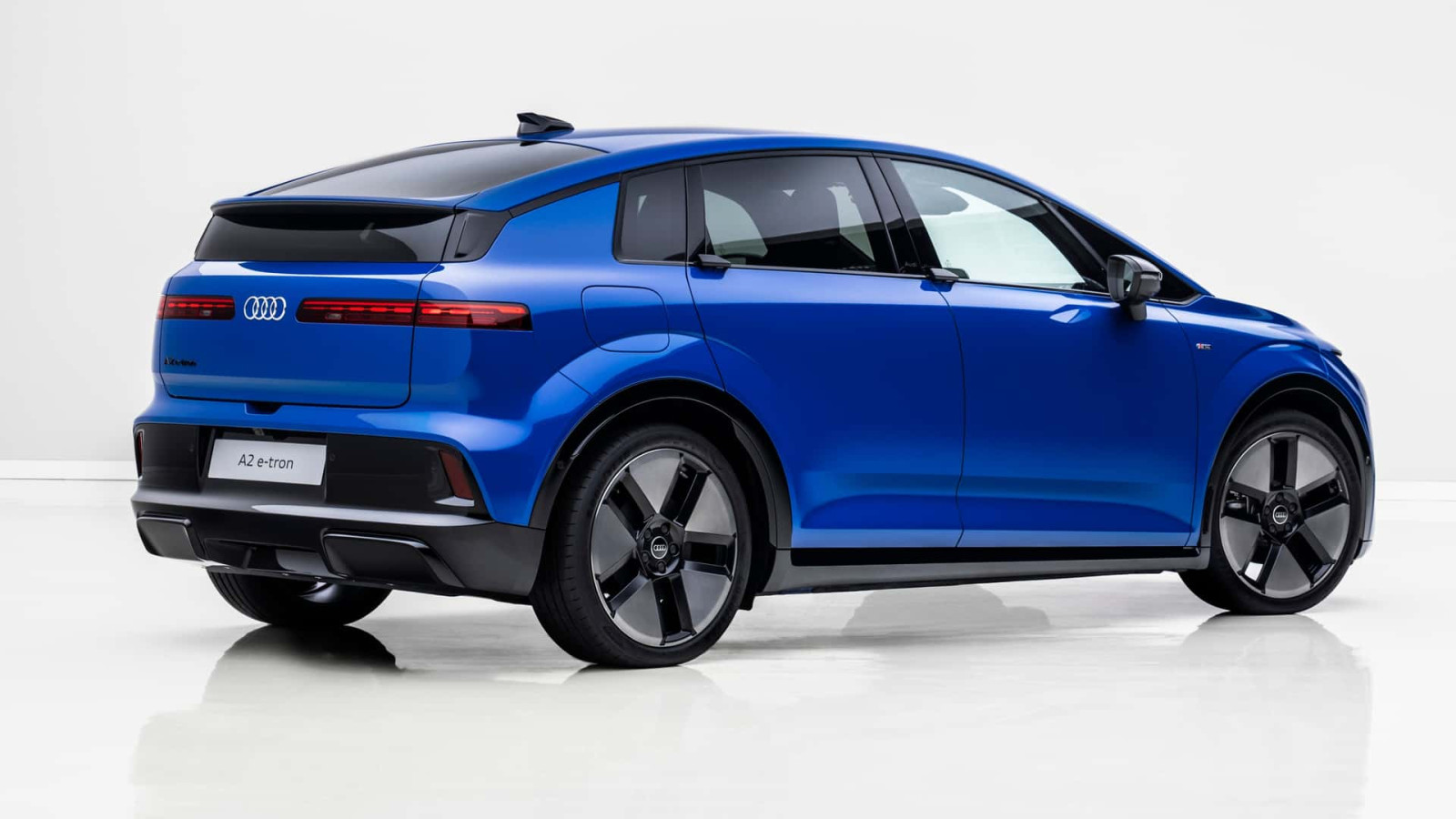
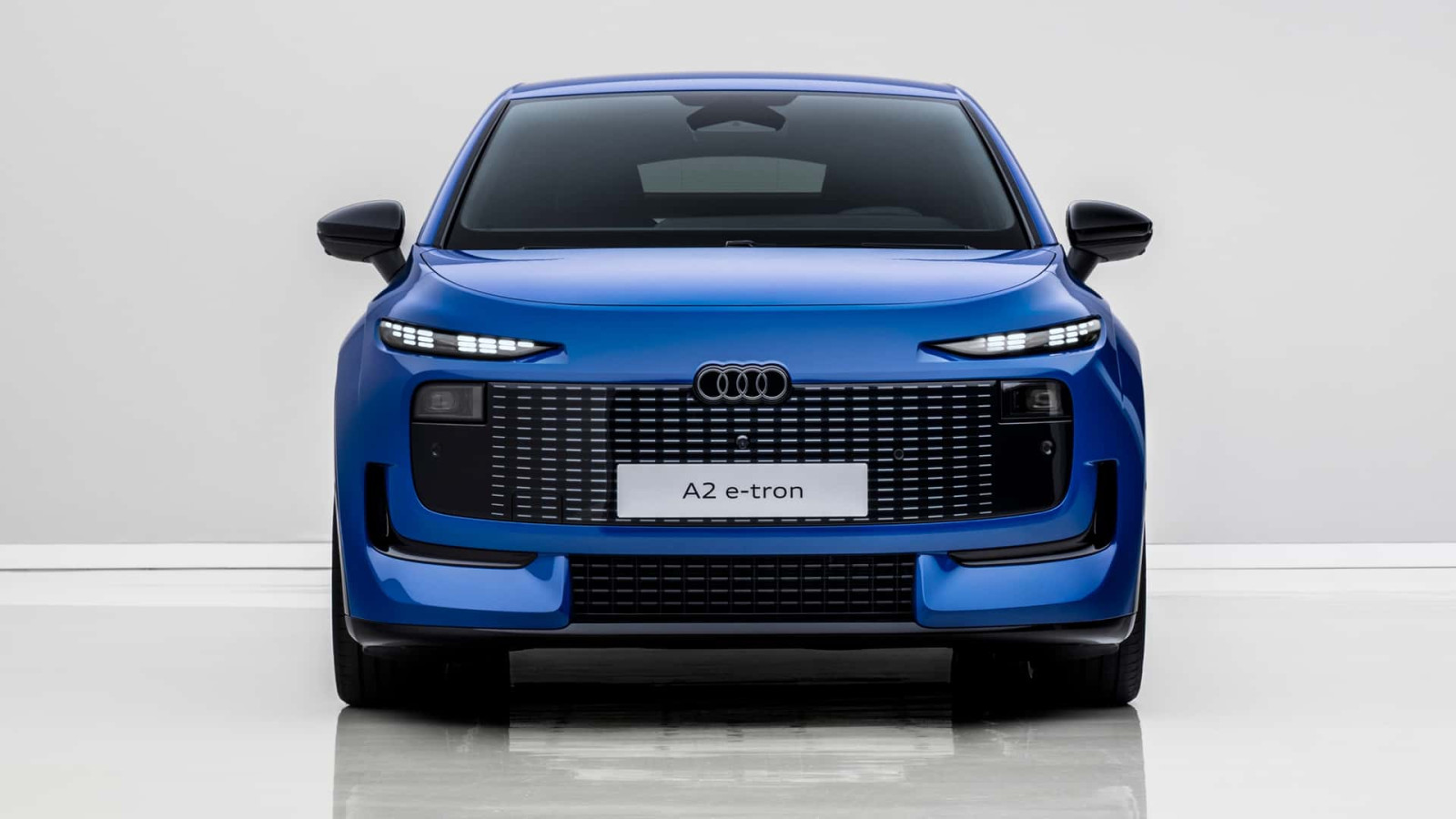
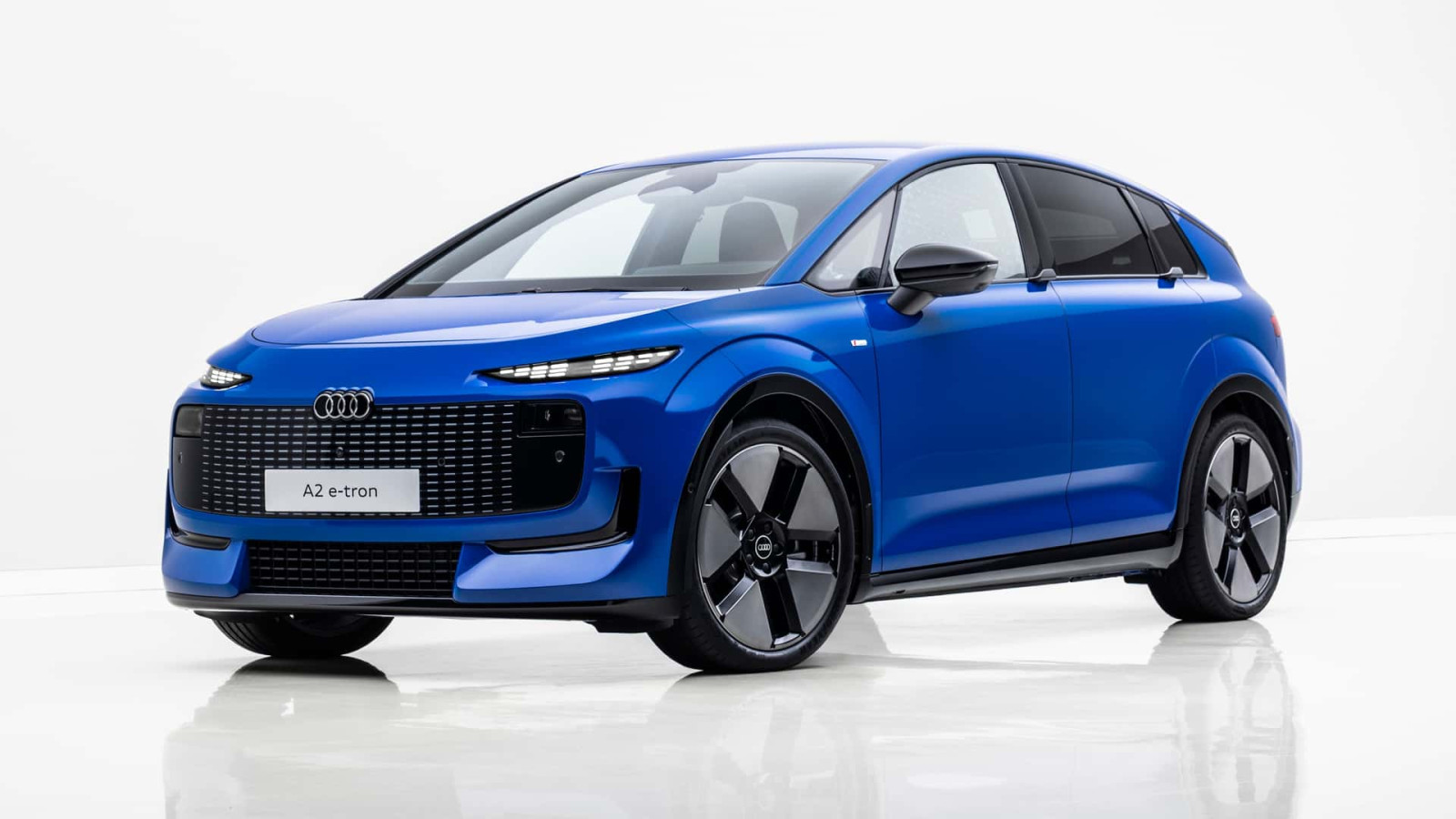
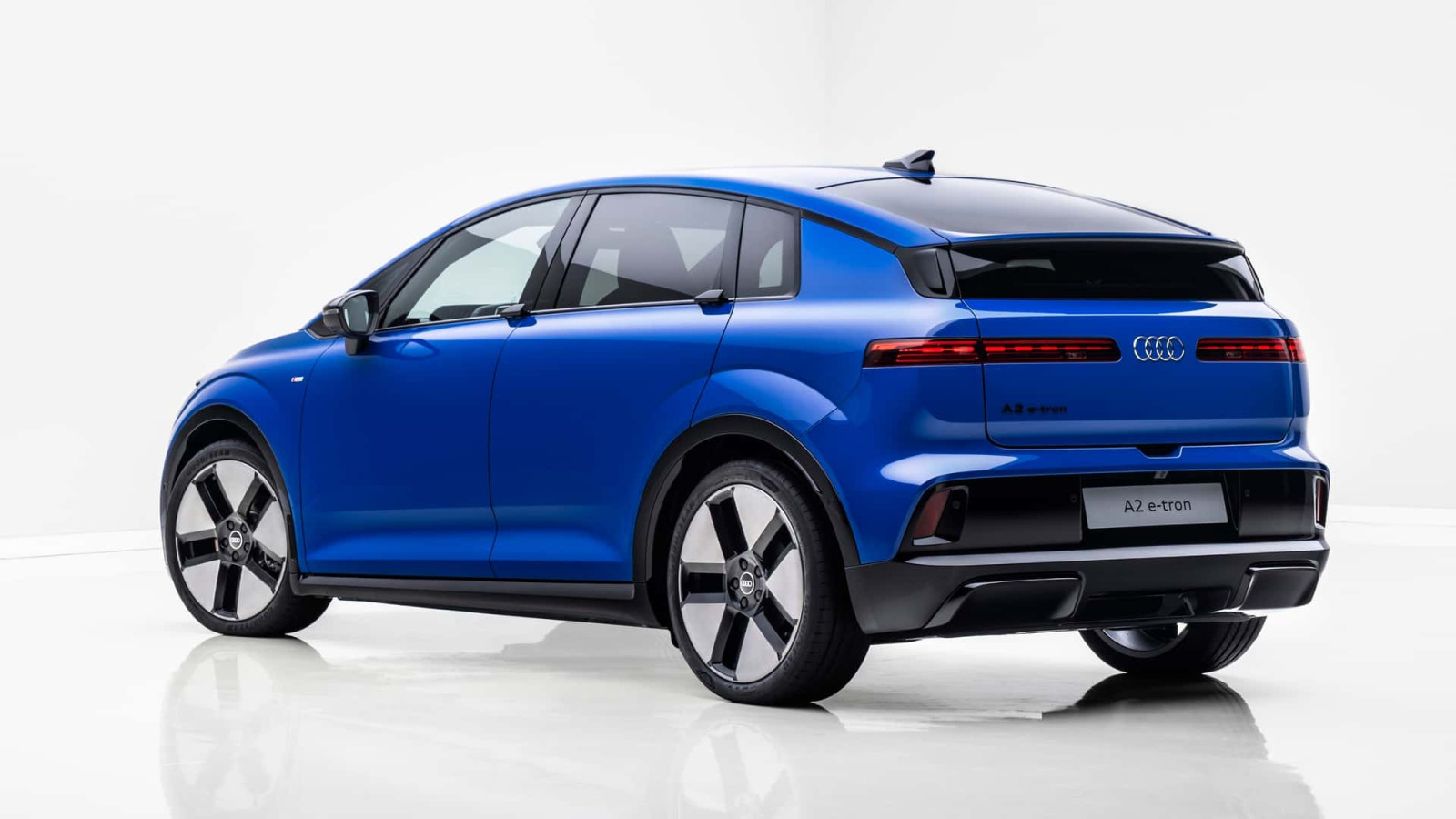
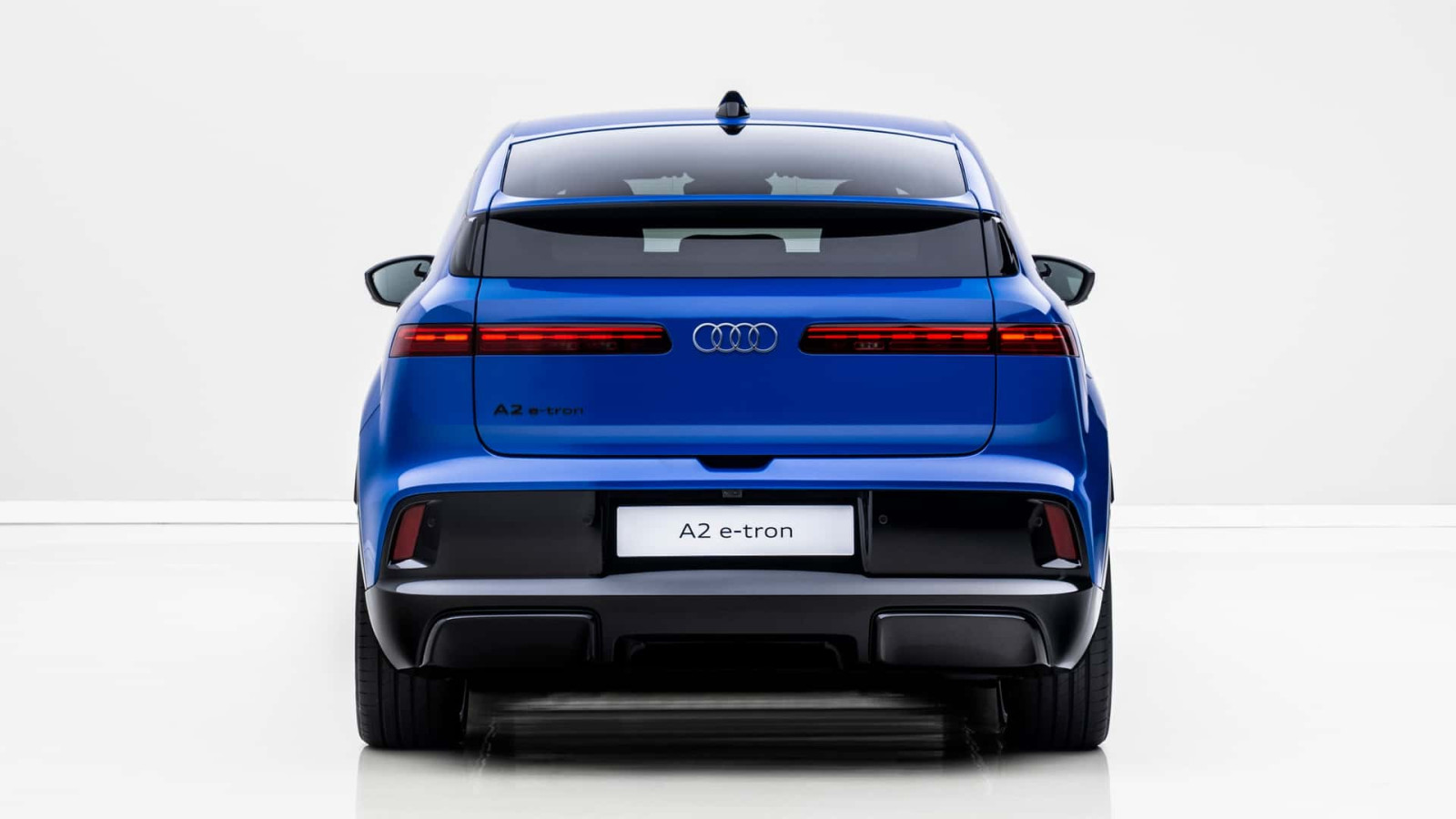
Efficiency and packaging are central to the A2 E-Tron's design. The compact EV measures 170.1 inches long, 70.5 inches wide, and 61.0 inches tall, with a 109.1-inch wheelbase. Short overhangs, a gently sloping roofline, a nearly fully enclosed underbody, active front air intakes, aerodynamic wheel arches, and aero-optimized wheels yield a drag coefficient of 0.24, making it Audi's most aerodynamic compact model. Alloy wheel options span 18 to 20 inches with 225- or 235-millimeter tires. Styling cues include a front black-panel element housing sensors and headlights beneath slim daytime running lights, full-width horizontal rear LED taillights, and wing-shaped electric door handles with haptic sensors.
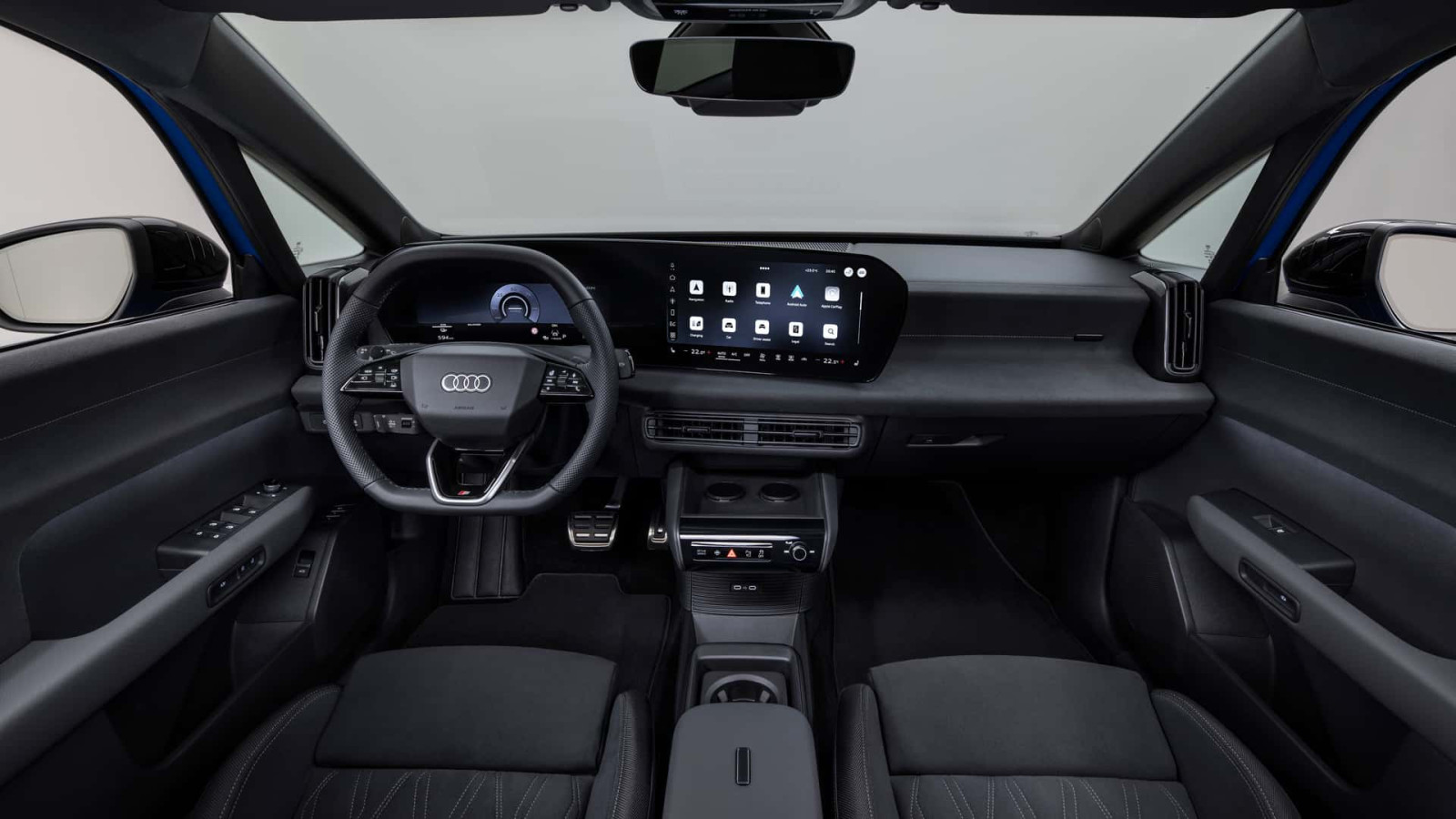
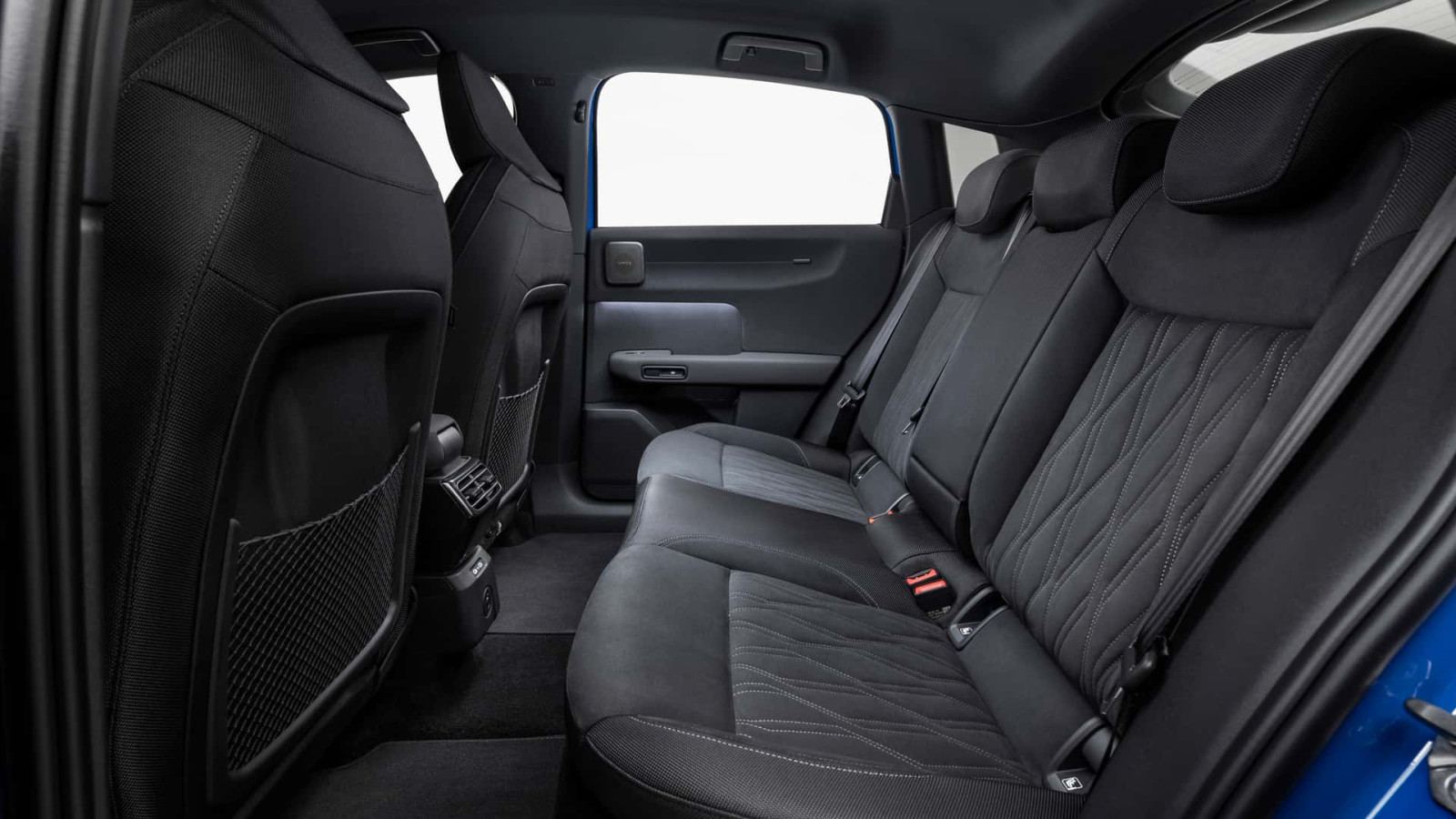
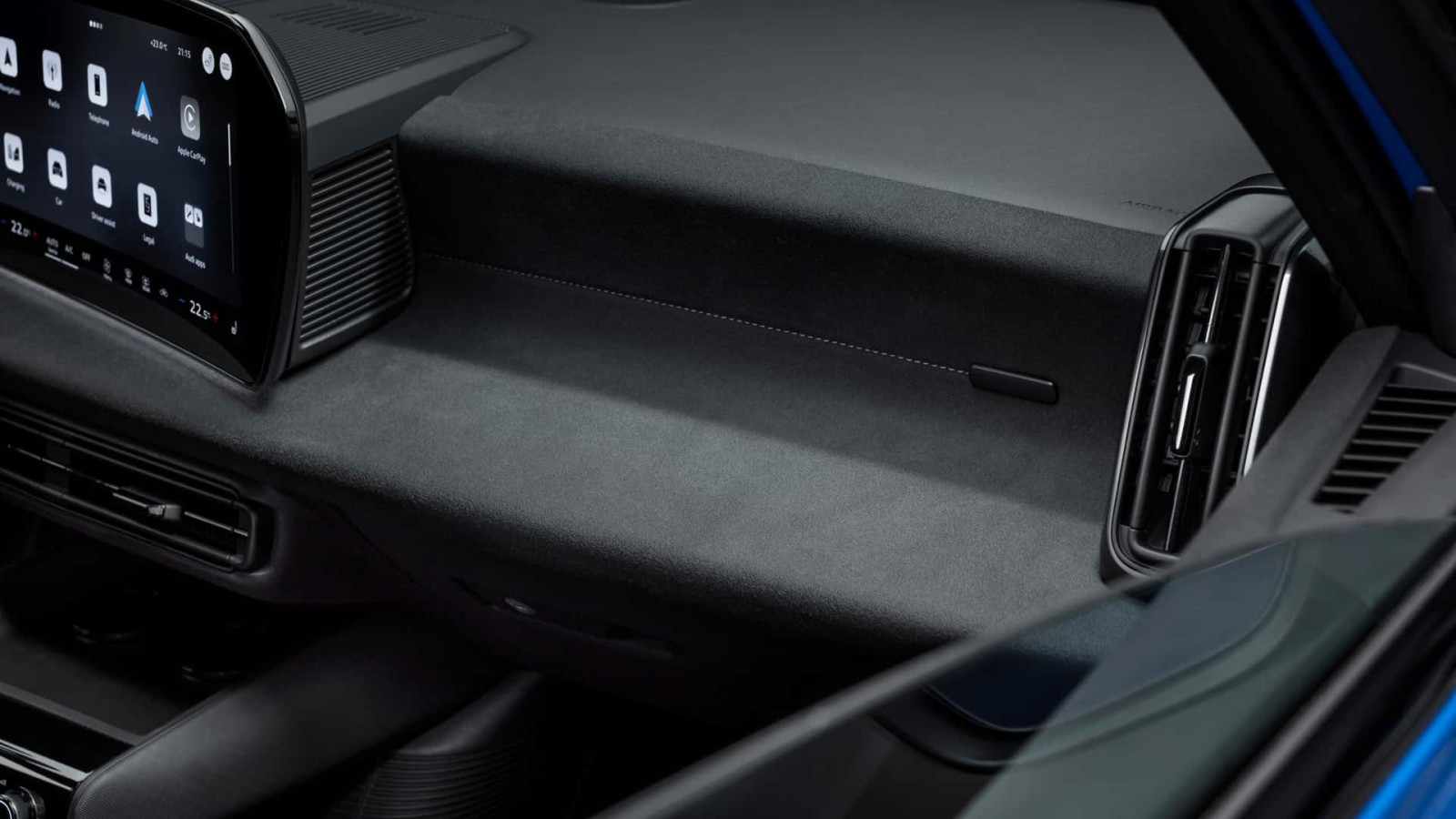
Inside, the cabin utilizes Audi's "Softwrap" architecture featuring soft fabric extending across the dashboard, door panels, and rear passenger compartment. The driver faces an 11.9-inch Virtual Cockpit Plus display alongside a curved 12.8-inch MMI touchscreen equipped with an AI-powered assistant and E-Tron route planner. Moving the gear selector to the steering column opens space in the center console for a Qi 2.2 dual-phone wireless charger with 25-watt capability and active cooling. Other interior highlights include standard Fidlock magnetic-mechanical accessory mounts, an optional 17.2-square-foot panoramic glass roof, and bottle storage up to 50.7 ounces. Cargo volume measures 14.0 cubic feet, expanding to 47.2 cubic feet with the rear seatbacks folded, while more powerful versions gain a 0.5-cubic-foot front trunk.
The rear-wheel-drive powertrain lineup uses permanent-magnet synchronous electric motors offered in four outputs: 168 hp, 187 hp, 228 hp, and 322 hp. The flagship 322-hp variant reaches 62 mph in 5.7 seconds with a top speed of 124 mph, while other versions are limited to 99 mph (recording 0-62 mph times of 8.8, 7.9, and 7.0 seconds). Audi offers three battery options: 52.0-kWh and 61.0-kWh packs using LFP chemistry, and an 84.0-kWh NMC pack. WLTP ranges span from 263 miles (52.0 kWh, 168 hp) and 320 miles (61.0 kWh, 187 hp) to 391 miles on the 322-hp model and up to 401 miles on the 228-hp version (roughly 350 miles EPA). DC fast charging reaches 183 kW, allowing a 10-to-80 percent charge in 24 to 29 minutes. The car also supports bidirectional charging via Vehicle-to-Load (V2L) and Vehicle-to-Home (V2H).
Photos
Photos in the catalog
More news