Audi Will Build the Q7, Q8, and Q9 SUVs at Its Future Plant in Georgia
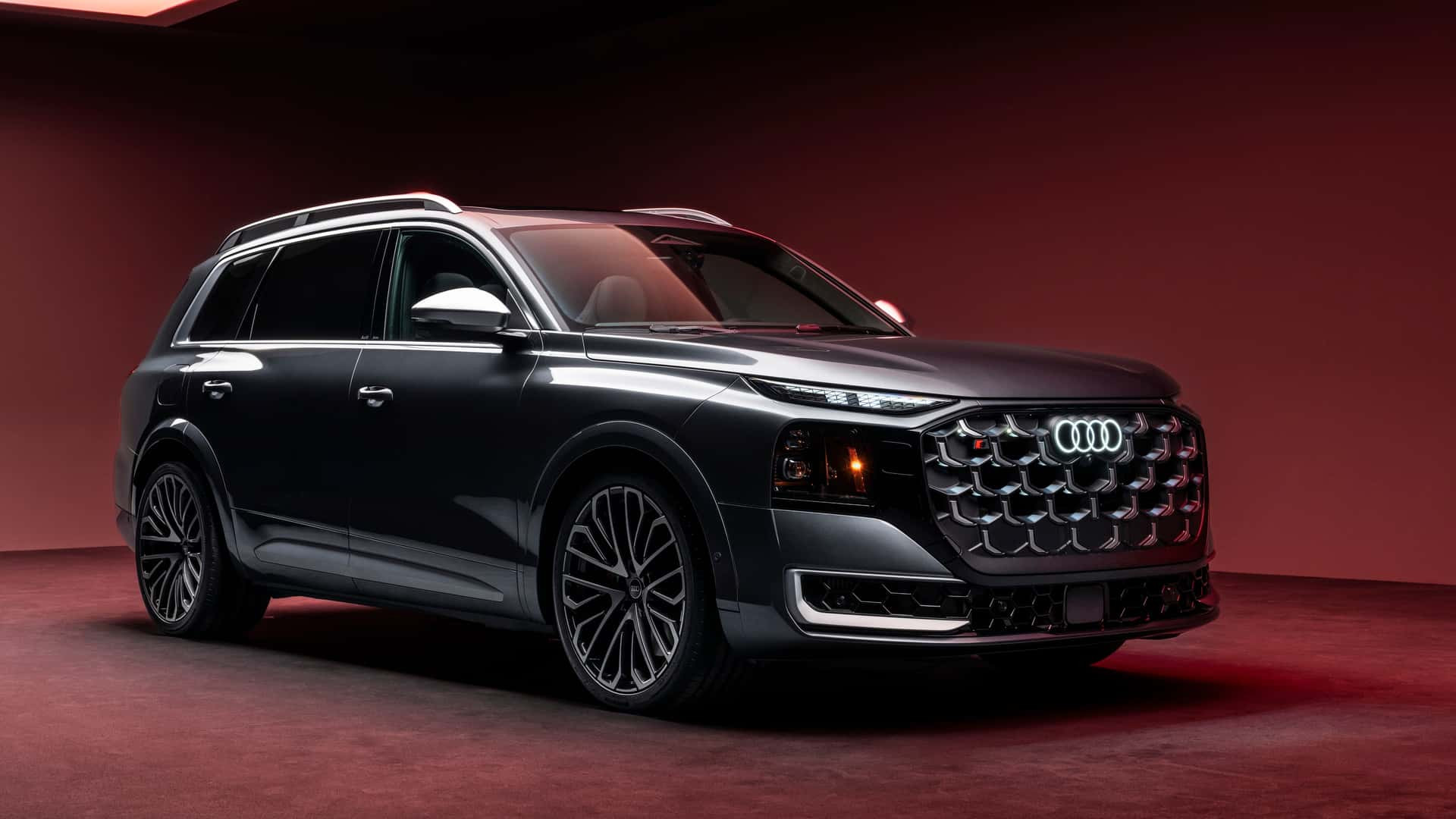
Audi is preparing to manufacture its largest SUVs in the United States, with plans for a $4 billion assembly plant near Macon, Georgia. Construction is slated to start in 2027, with vehicle production scheduled to commence in the early 2030s. Although the investment still awaits final approval from the Volkswagen Group's supervisory board, Audi CEO Gernot Döllner expects the green light by the end of the year. Once operational, the facility will have an annual production capacity of up to 200,000 vehicles and create roughly 4,500 jobs.
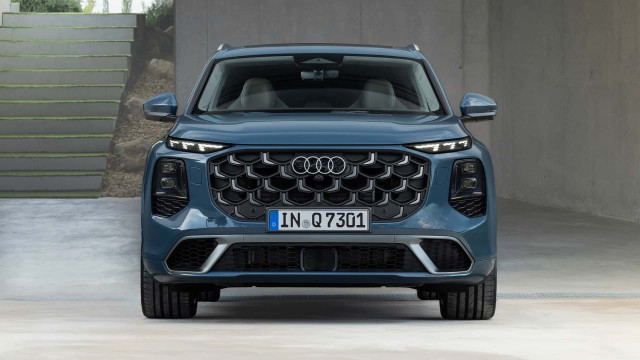
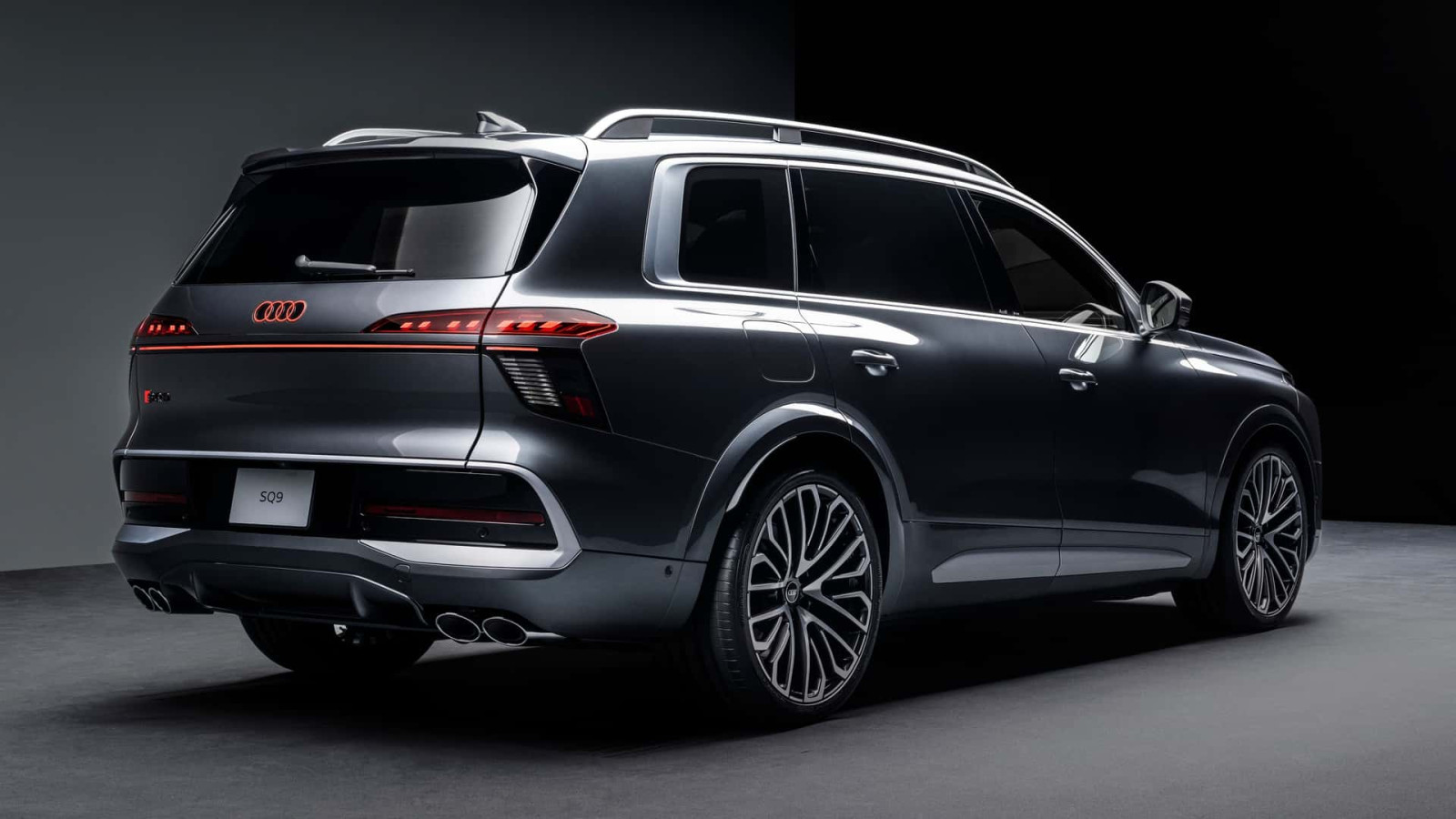
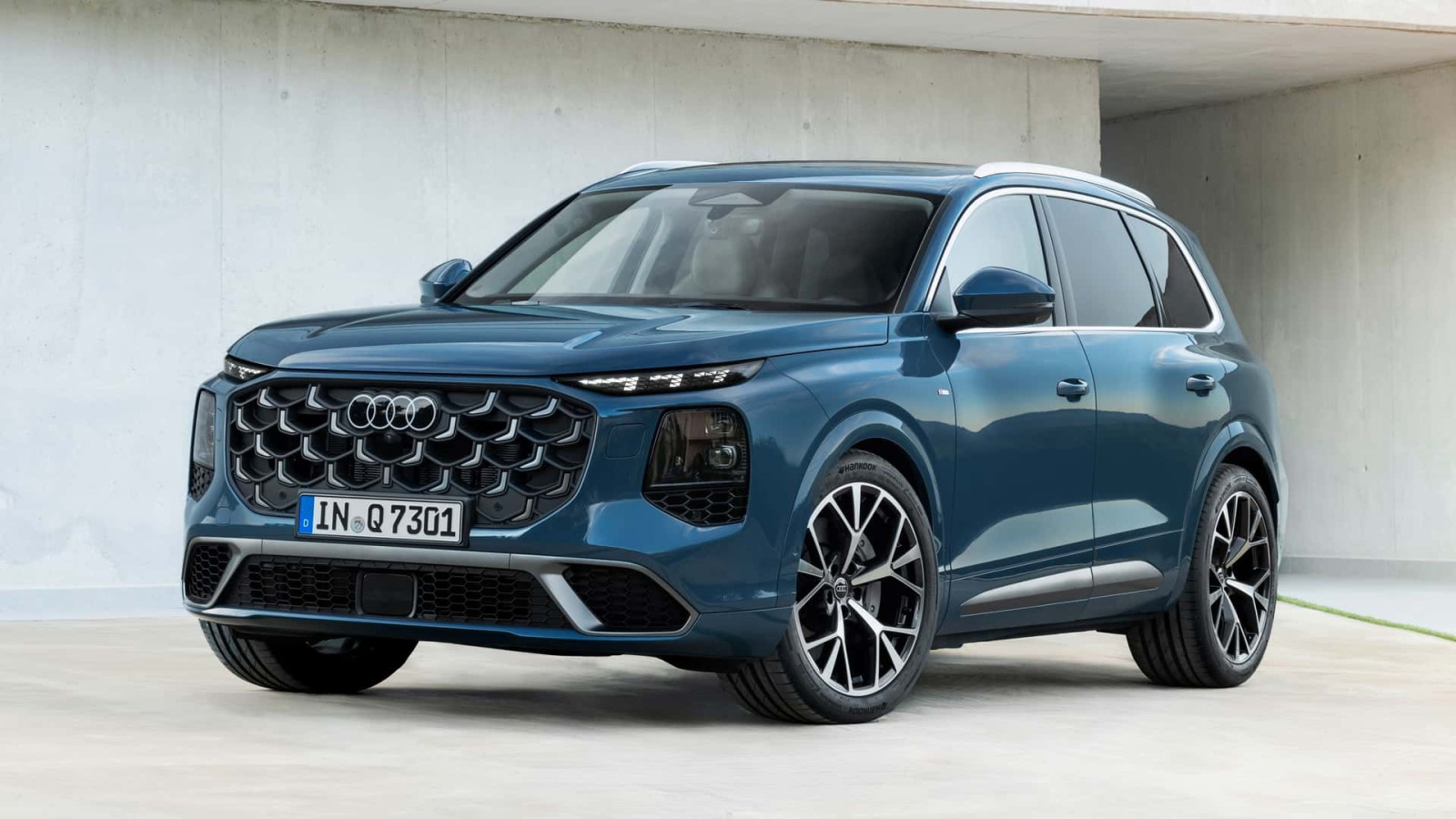
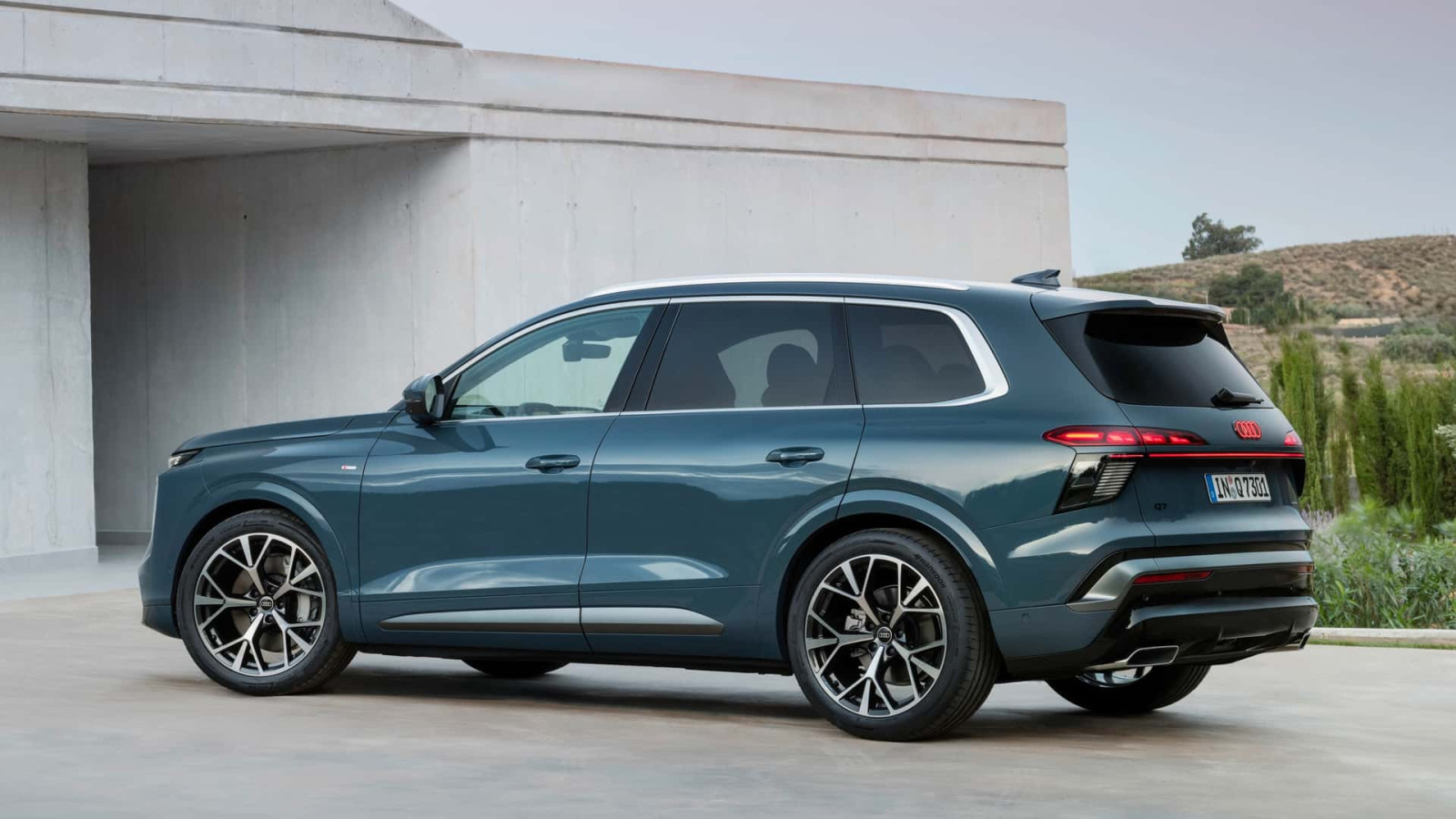
In an interview with Automotive News, Döllner confirmed that the Q7, Q8, and Q9 will form the core of the Georgia factory's output. This aligns with strong demand for luxury SUVs in the United States, where Audi competes against German rivals BMW and Mercedes-Benz, as well as domestic brands like Cadillac and Lincoln. The first-ever Q9 is specifically aimed at established full-size luxury SUVs such as the BMW X7 and Mercedes-Benz GLS.
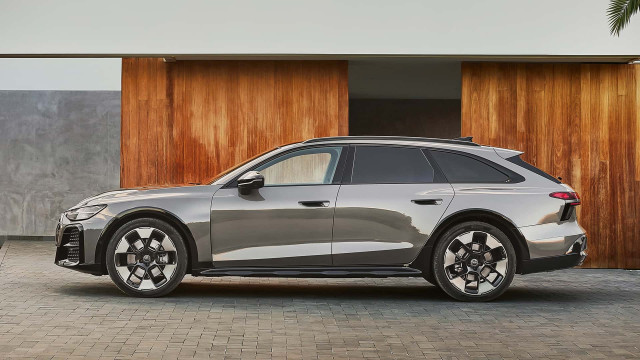
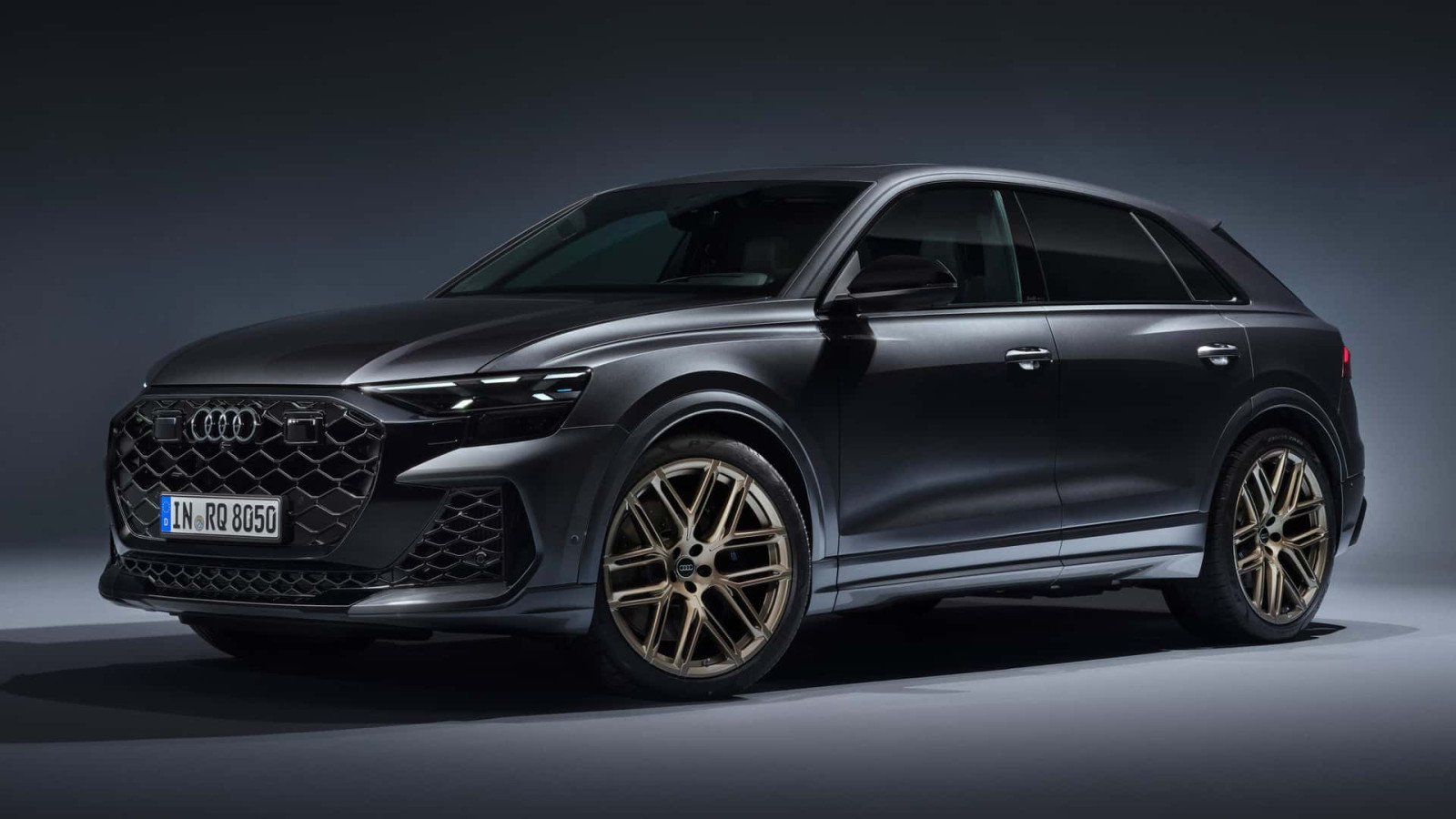
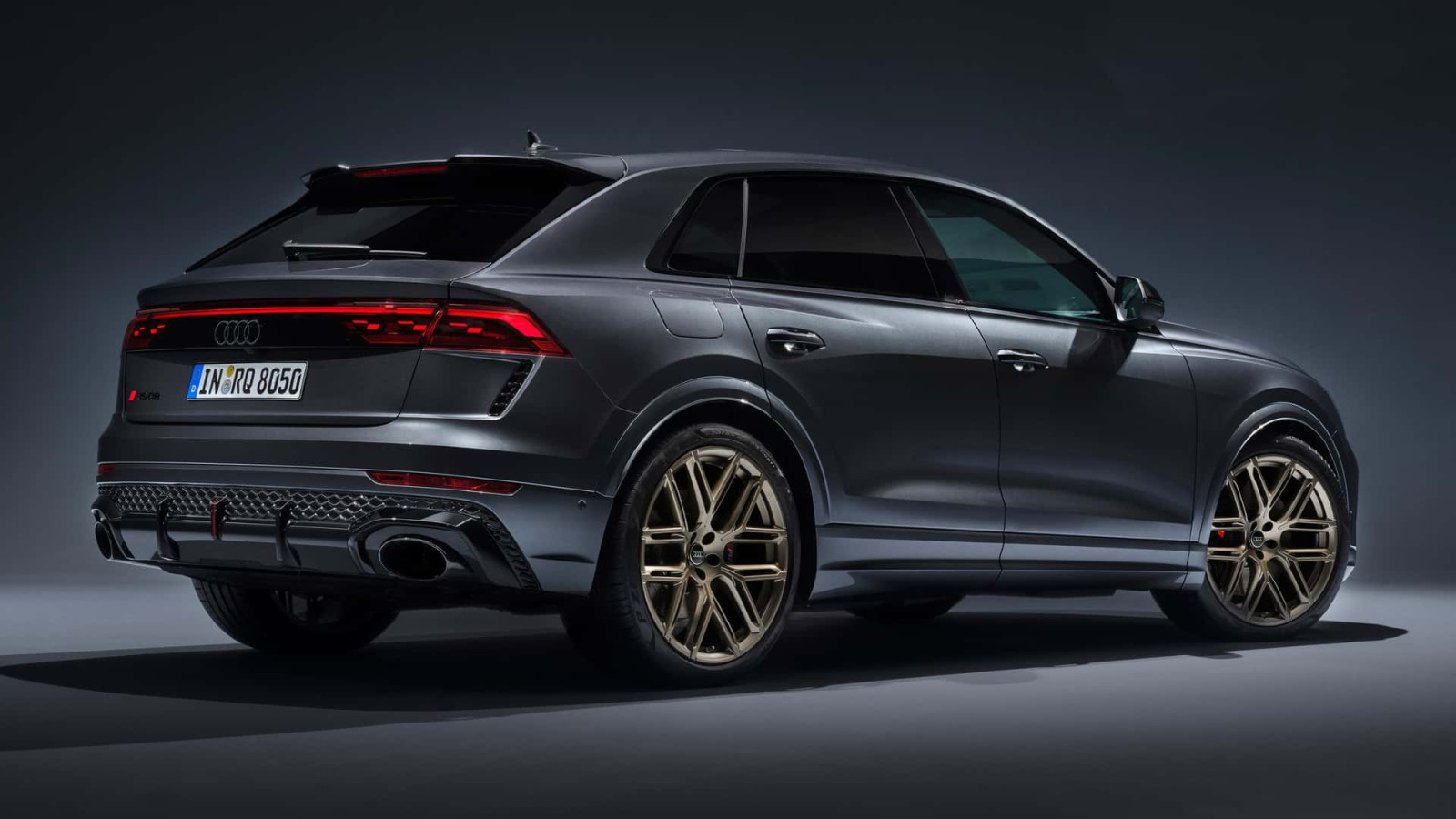
Because production in Georgia will not begin until the early 2030s, the recently unveiled 2027 Q7 and Q9 will likely undergo mid-cycle facelifts before American assembly starts. Until then, both models will be imported from the Bratislava factory in Slovakia. A second-generation Q8 has also been confirmed after new management reversed earlier plans to discontinue the coupe-styled SUV. Set to debut in the near future, the next Q8 will likewise be built in Bratislava before transitioning to the Georgia plant.
Regarding smaller crossovers, the Q5 will continue to be imported from San José Chiapa, Mexico, while US-bound Q3 models will still come from Győr, Hungary, at least during the initial phase of the Georgia facility. Audi has no plans to build fully electric vehicles at the new site; the Q7, Q8, and Q9 will feature internal combustion engines and plug-in hybrid powertrains, though the European V6 diesel will not be offered.
The Georgia plant will exclusively manufacture Audi models, with about half of its total output dedicated to the US market. Management considered sharing Volkswagen's Chattanooga, Tennessee plant or Scout Motors' upcoming Blythewood, South Carolina facility before choosing to build a dedicated factory from scratch. Establishing local production is intended to expand Audi's North American footprint and reduce exposure to import tariffs on vehicles currently shipped from Europe and Mexico.
Photos
More news