Audi Details What Makes Nuvolari $300,000 More Expensive Than Temerario
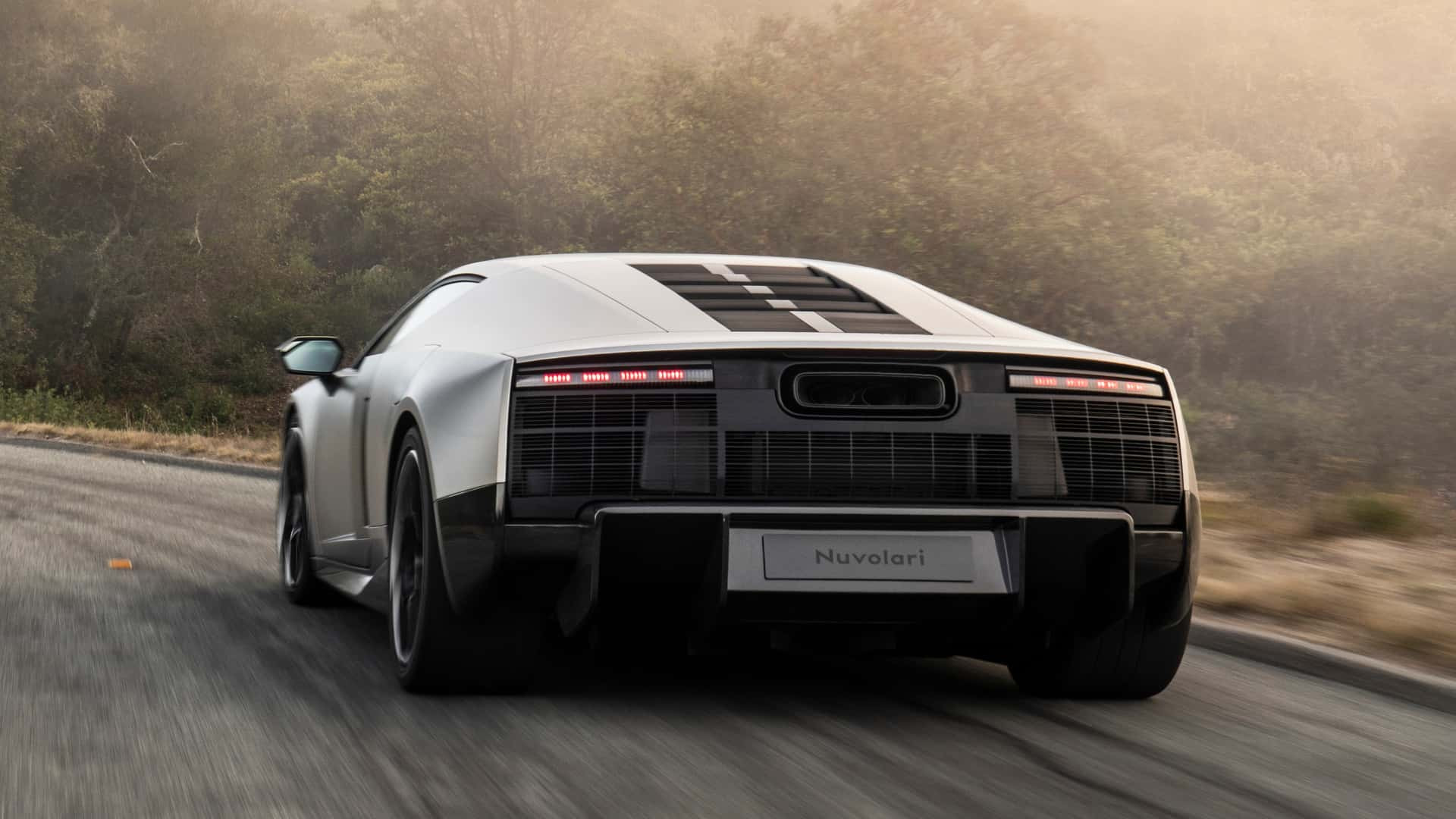
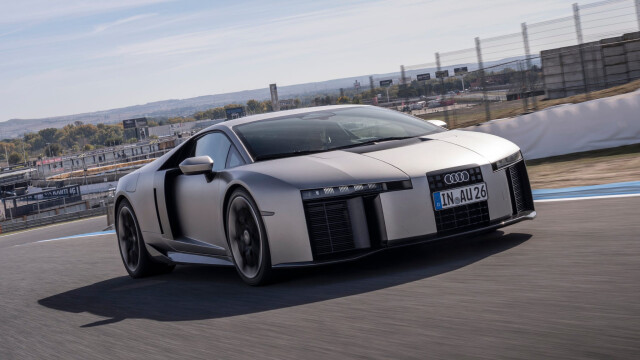
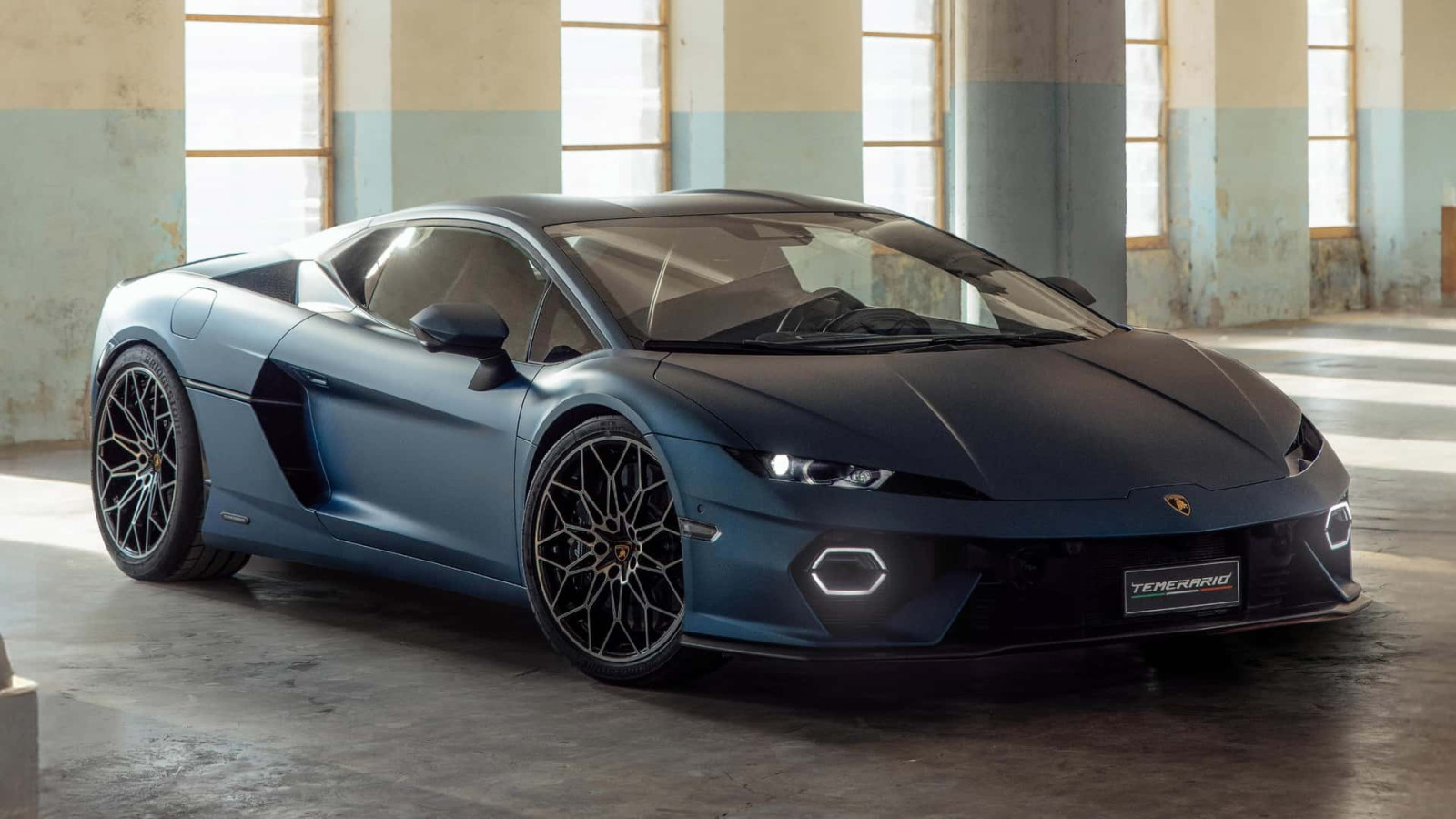
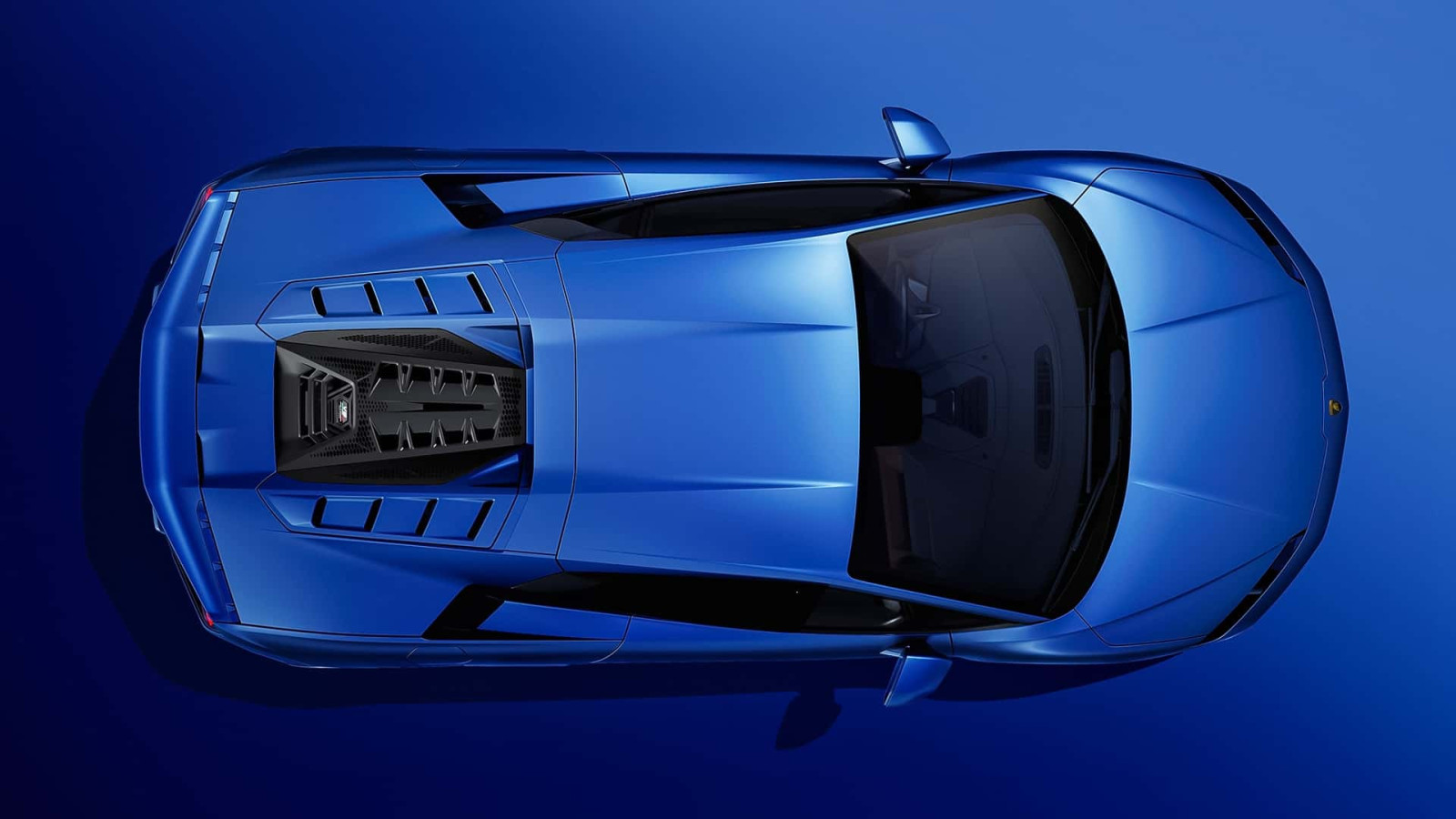
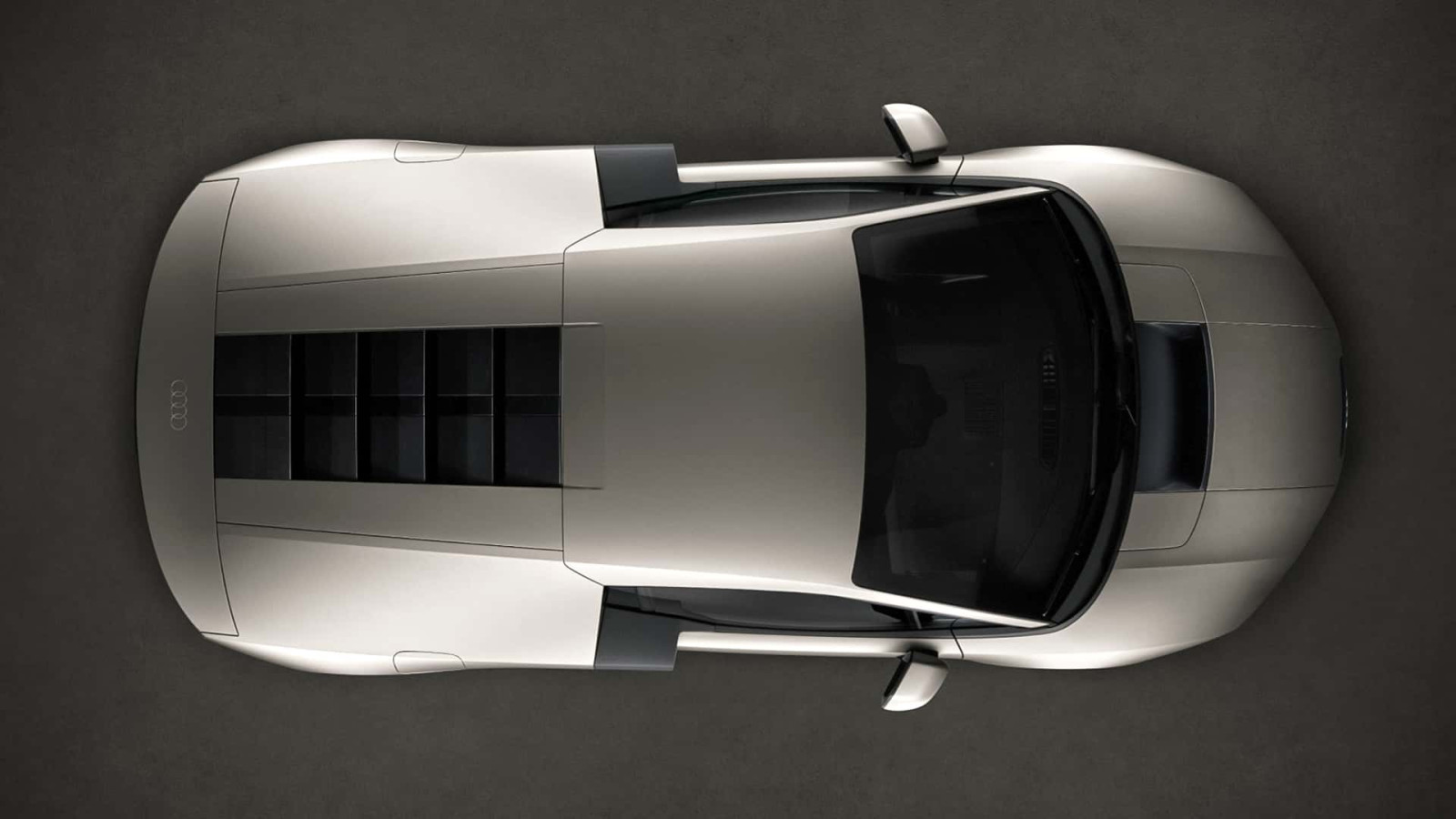
Audi has explained why its new Nuvolari supercar carries an approximate $700,000 price tag, costing roughly $300,000 more than the Lamborghini Temerario on which it is based. Mark Dahncke, Director of Communications at Audi of America, detailed the extensive list of engineering, aerodynamic, and material upgrades that distinguish the model from its Italian counterpart.
While both cars share the core platform, Audi built the Nuvolari with a full carbon-fiber exterior, complete with optional exposed carbon weave, contrasting with the aluminum bodywork of the Temerario. The rear spoiler also features four-ring badges milled directly from solid aluminum. Despite using lightweight carbon fiber, the Nuvolari has a dry weight of 3,858 lbs (1,750 kg), making it slightly heavier than the 3,759-pound (1,705 kg) Temerario, a gap that grows with Lamborghini's optional 55-lb Alleggerita weight reduction package.
In terms of aerodynamics, the Nuvolari features an active, Formula 1-inspired aero package producing over 882 lbs (400 kg) of downforce, outpacing even an Alleggerita-equipped Temerario. Audi notes this delivers significantly faster lap times on track. Powertrain output has also been upgraded: while both cars utilize a 4.0-liter twin-turbo V8 producing 789 hp and 538 lb-ft (730 Nm) on its own, the Nuvolari's trio of electric motors pushes total output to 987 hp. This compares to 908 hp for the Temerario. Acceleration from 0 to 62 mph (100 km/h) takes 2.6 seconds (a tenth quicker than the Lambo), and top speed exceeds 217 mph (350 km/h) versus 213 mph (343 km/h).
Stopping power comes from enlarged standard carbon-ceramic discs measuring 420 × 40 mm up front and 410 × 32 mm at the rear, clamped by ten-piston front and four-piston rear calipers. The Nuvolari also introduces Audi's predictive Quattro system, combining a central 6D movement sensor with torque vectoring across the front electric motors, brakes, and active aero to anticipate grip loss.
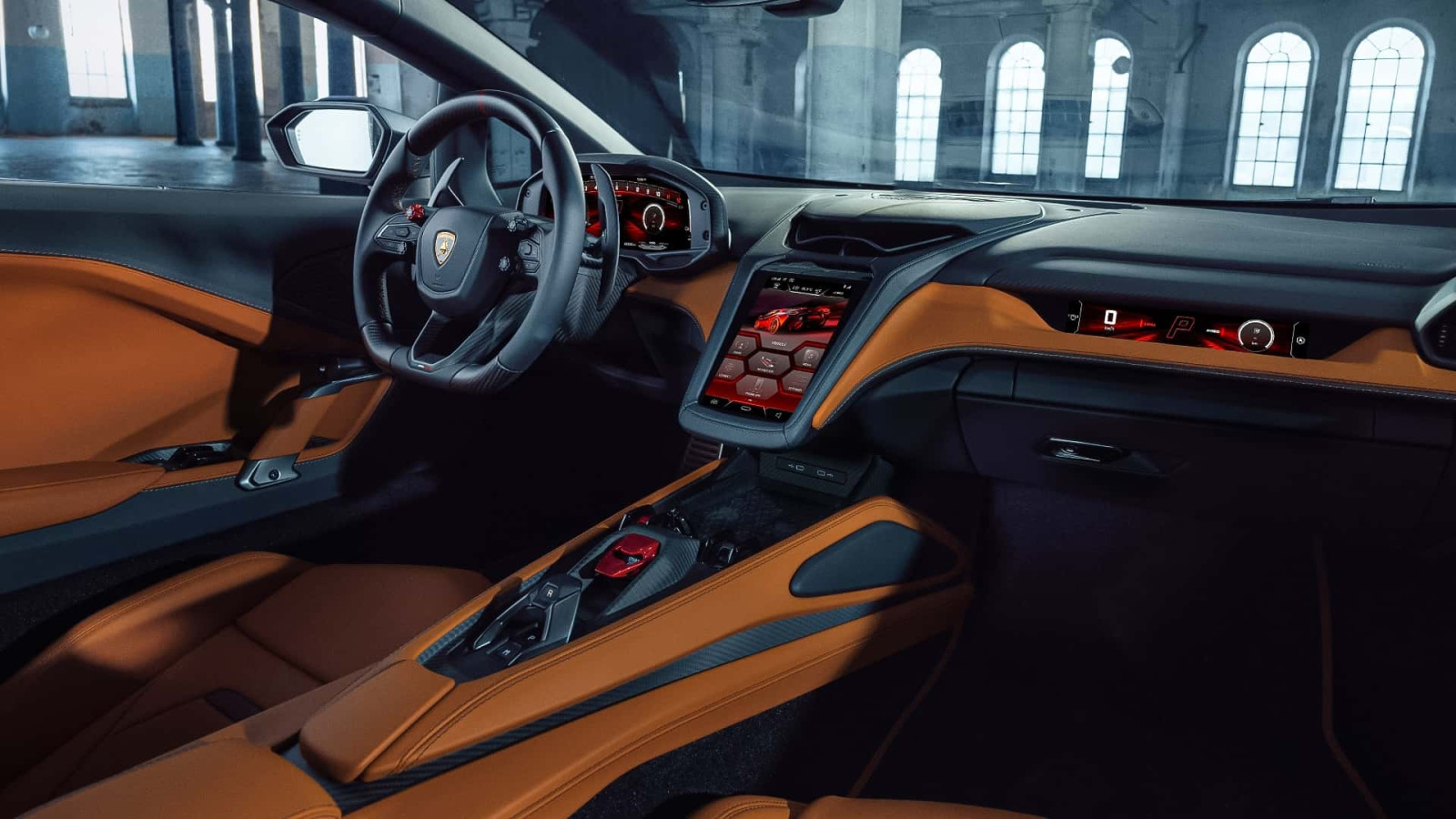
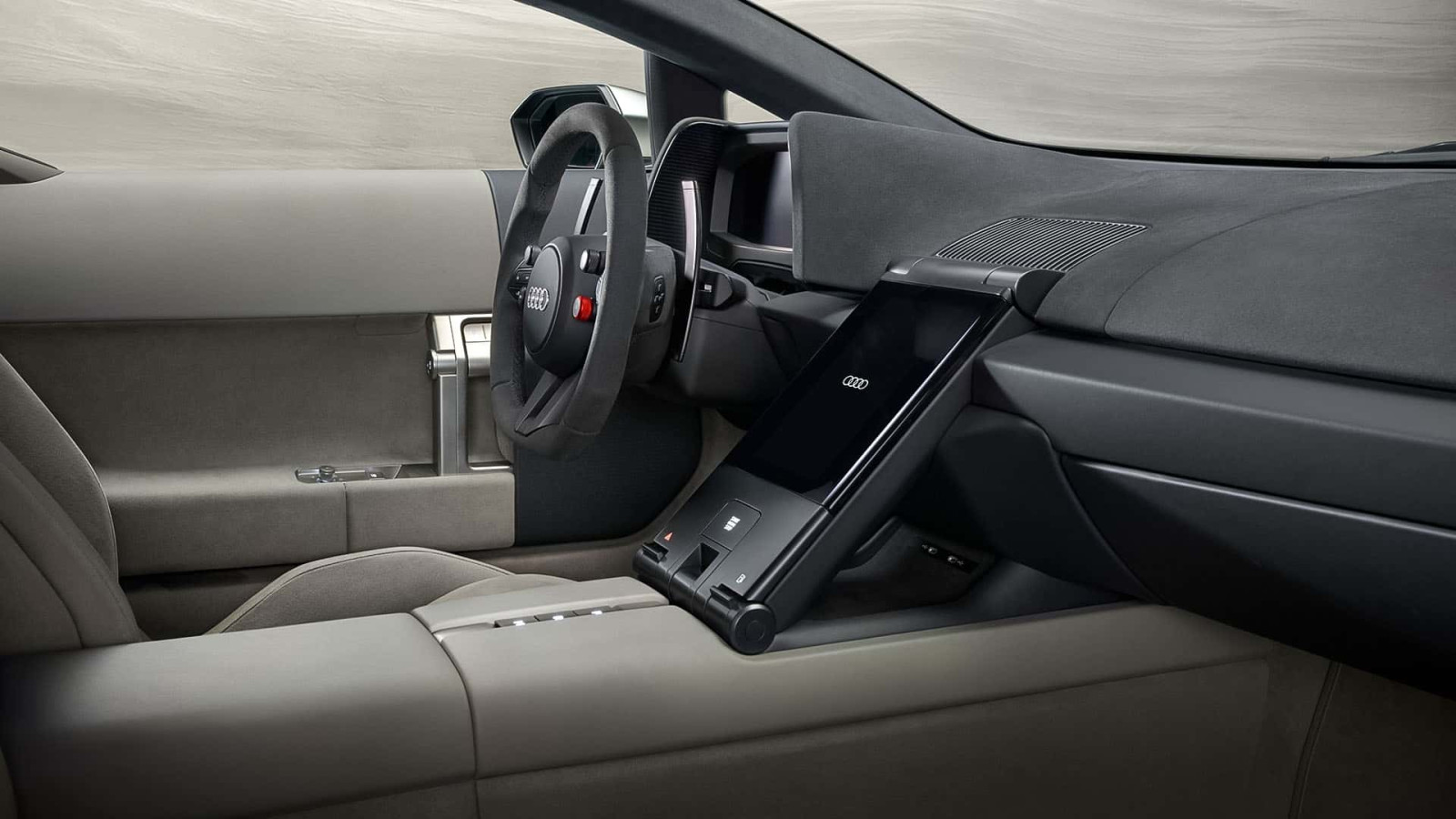
Inside, the cabin previews Audi's future interior philosophy with premium tactile switchgear, door handles, and air vents milled from anodized aluminum, along with more physical buttons and smaller screens. Production is capped at just 499 units worldwide (with 182 destined for the US), ensuring extreme exclusivity compared to the serial production Temerario.
Photos
Photos in the catalog
More news