Audi launches compact A2 e-tron with up to 401 miles of range for Europe
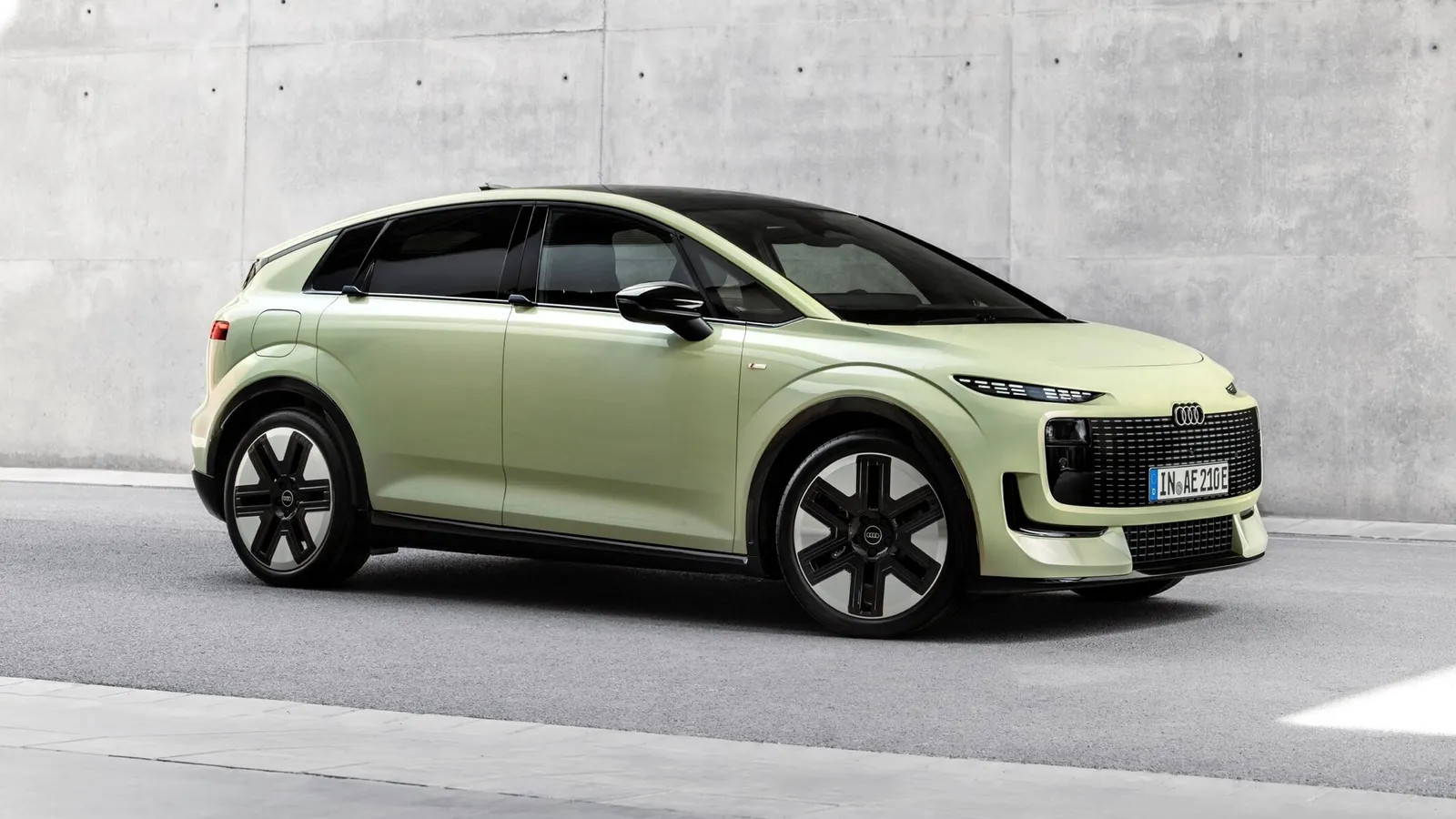
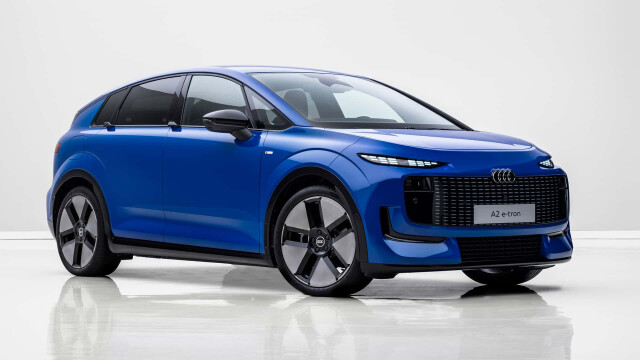
Audi is reviving the A2 nameplate for a new entry-level compact electric vehicle designed specifically for the European market. Dubbed the A2 e-tron, the model is already available to order in Europe, with initial customer deliveries scheduled to begin in December. The vehicle is not planned for sale in North America. Filling the niche left by the discontinued Q2, the German-developed EV starts at 38,200 euros (approximately $44,700) in Germany. While the original aluminum-bodied A2 was manufactured from 1999 to 2005, the new model adopts conventional steel construction and is built on Volkswagen Group's MEB platform with a 400V electrical architecture, sharing upgraded hardware with the ID.3 Neo.
The A2 e-tron lineup is strictly rear-wheel drive, powered by a single permanent-magnet synchronous electric motor mounted at the rear. Audi incorporated silicon-carbide power electronics, polished gear teeth in the single-speed transmission, friction-optimized bearings, and lower-viscosity oil to minimize energy loss. Four powertrain combinations deliver outputs ranging from 168 hp to 322 hp, with the quickest variant accelerating from 0 to 62 mph in 5.7 seconds compared to 8.8 seconds for the base version. Three battery capacities are available: a 52-kWh lithium iron phosphate (LFP) pack offering 263 miles of WLTP range, a 61-kWh LFP pack delivering 320 miles, and a top-tier 84-kWh nickel manganese cobalt (NMC) pack providing up to 401 miles. The smaller LFP packs use a cell-to-pack design, whereas the 84-kWh unit features modular construction. DC fast-charging from 10% to 80% takes between 24 and 29 minutes.
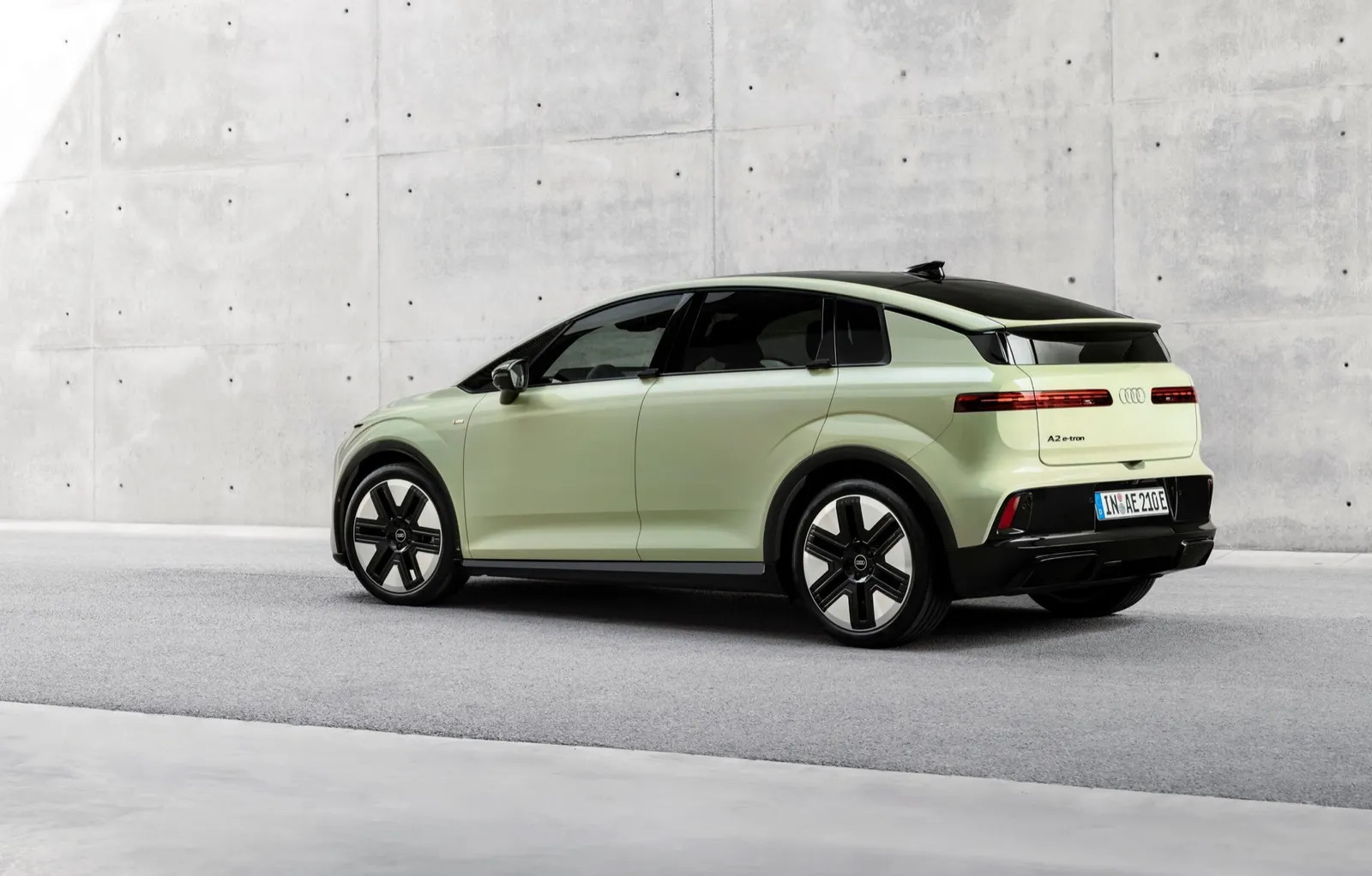
Aerodynamic efficiency is a key design priority, yielding a drag coefficient of 0.24, the lowest among modern compact Audi models. The 188-hp variant reaches an energy efficiency rating of around 4.9 miles/kWh when equipped with an optional efficiency package. Contributing aerodynamic elements include an actively controlled front cooling intake, an enclosed underbody, aerodynamically optimized wheels sized from 18 to 20 inches, and wheel gap reducers. Measuring approximately 168 inches long, 71 inches wide, and 60 inches tall, with a 109.1-inch wheelbase, the vehicle features short overhangs and generous interior space.
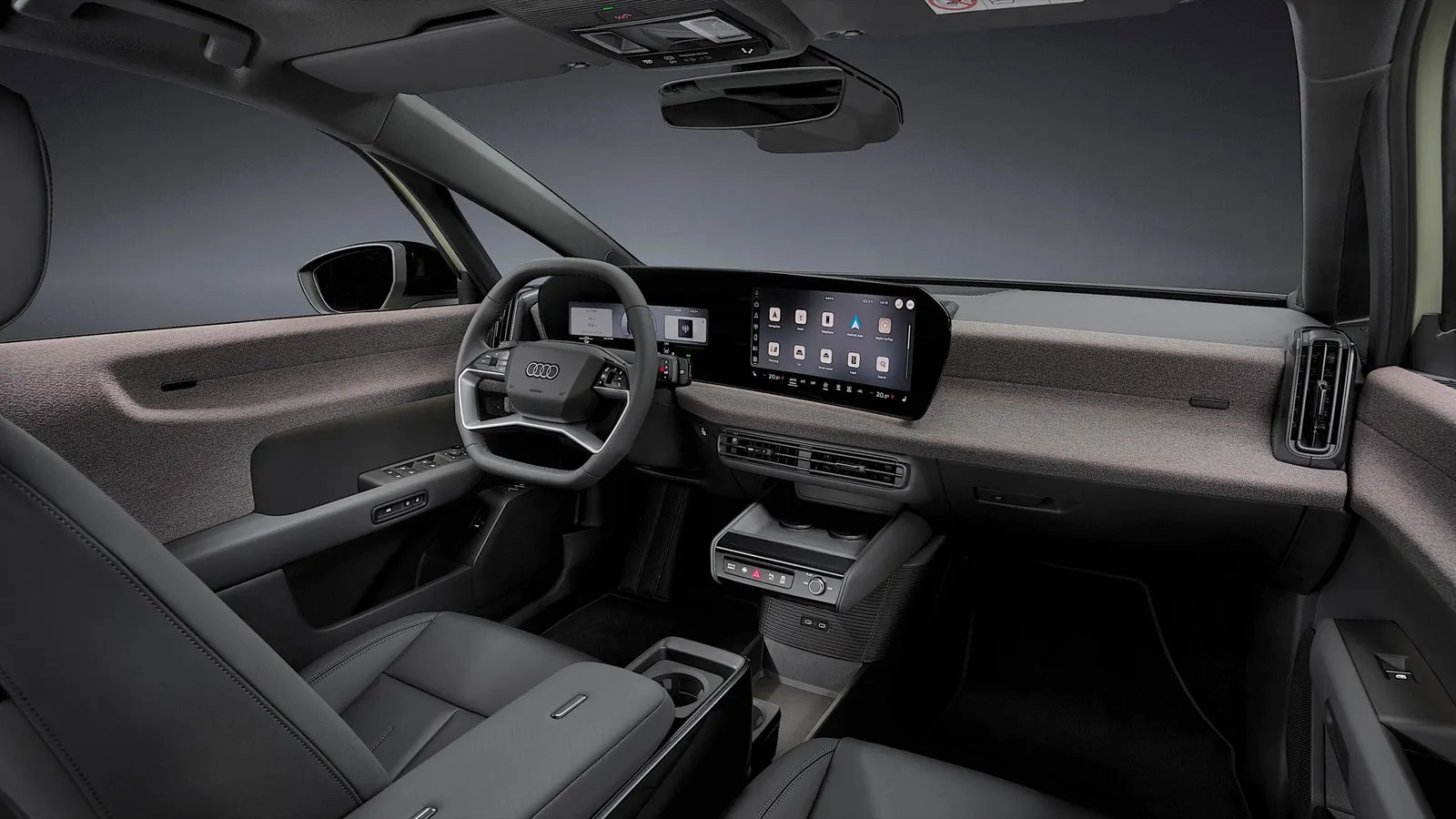
The cabin introduces a fabric-covered 'softwrap' architecture extending across the instrument panel into the doors and rear quarters. The digital cockpit integrates an 11.9-inch driver display and a curved 12.8-inch touchscreen into a single housing, complemented by an optional augmented-reality head-up display and physical controls on the steering wheel and center console. Cargo capacity stands at 14 cubic feet behind the rear seats, expanding to 47 cubic feet when folded, with 84-kWh models adding a 0.5-cubic-foot frunk. The vehicle also supports bidirectional charging (V2L and V2H), three-stage paddle-adjustable regenerative braking with one-pedal driving, and optional adaptive dampers. Assembly takes place at Audi's Ingolstadt plant in Germany alongside the A3, utilizing over 1,200 repurposed manufacturing assets.
Photos
Photos in the catalog
More news