Blue-Green Illumination for Autonomous Vehicle Indicators Nears Reality
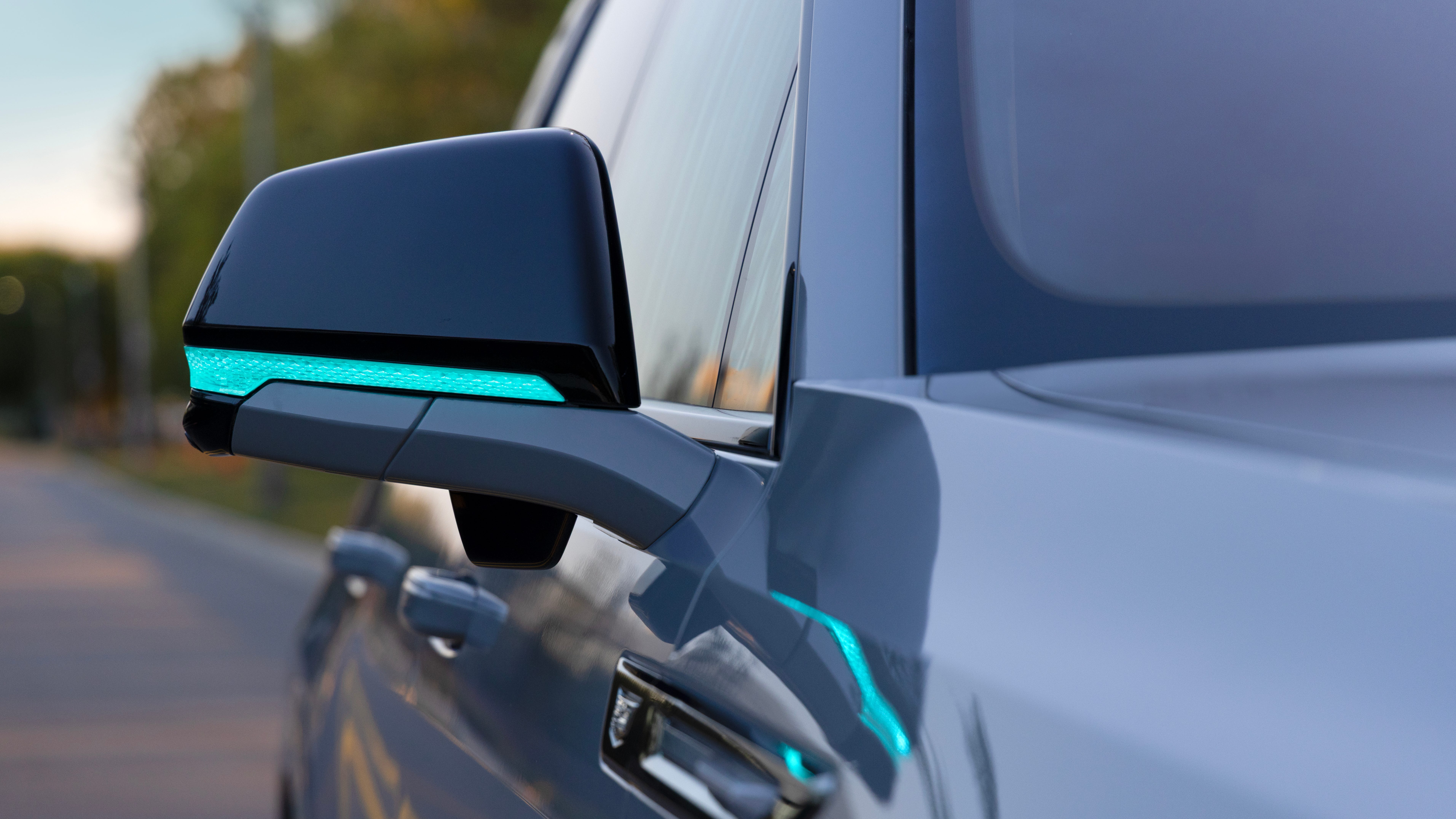
For decades, automotive front lighting has been limited to amber or white hues, a rule now being challenged by the Society of Automotive Engineers (SAE) with the introduction of SAE J3134_202512: Automated Driving System (ADS) Marker Lamp. This new standard paves the way for blue-green lights that alert others when a vehicle is under autonomous control.
Communication on the road often relies on subtle cues—pedestrians make eye contact with drivers before crossing, and drivers at intersections use gestures to indicate right-of-way. These human interactions become complicated when vehicles drive themselves. In areas where Waymo’s autonomous Jaguar iPaces operate, their unique white lighting signals their robo-driving status. But for other vehicles, such as Tesla Model Ys equipped with full self-driving hardware and running beta software, it has been difficult to distinguish when the car is truly in autonomous mode.
Since a passive occupant may not engage in typical driving communication, SAE’s J3134 standard suggests installing blue-green marker lights on vehicles operating in autonomous mode. This visual cue informs surrounding drivers and pedestrians that the person behind the wheel isn’t actively controlling the vehicle and may not respond as a human driver would.
Mercedes-Benz has been a pioneer in this area, experimenting with blue-green lighting on the headlamps, tail lamps, and side repeater lights of its Level 3 autonomous S-Class and EQS models tested in Nevada and California. Cadillac has also previewed similar lighting on its upcoming Escalade IQ to highlight hands-free capabilities. The latest J3134 version expands the scope beyond front marker lamps to include side and rear indicators, aligning with evolving regulatory discussions in Europe and China.
Implementing blue-green lighting is expected to be cost-effective, as it can be integrated into existing LED or light-pipe setups typically used for amber and red signals. However, this color requires specialized indium-gallium-nitride (InGaN) components operating near the 500nm wavelength, which aren’t compatible with conventional red/amber LEDs.
It’s important to note that this standard is voluntary and not legally mandated. The National Highway Traffic Safety Administration (NHTSA) may or may not officially approve blue-green lights for vehicle fronts, depending on manufacturer adoption and regulatory considerations. Nonetheless, blue-green markers are poised to become an important new way to differentiate human-driven vehicles from those controlled by autonomous systems, helping clarify who—or what—is behind the wheel.
More news