Nissan Pulsar VI (N16) photos
Photos
3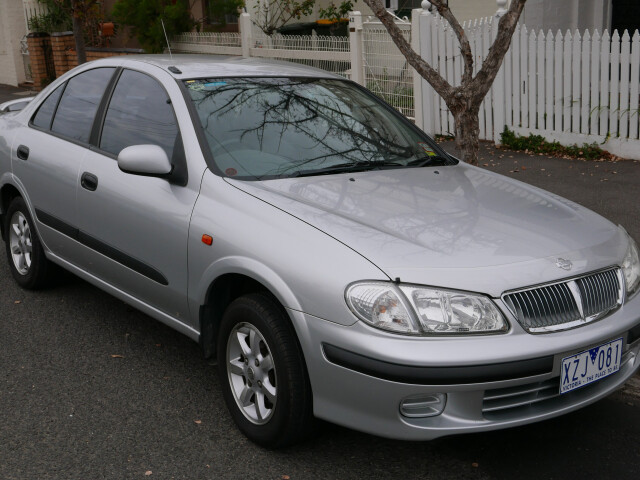

About this generation
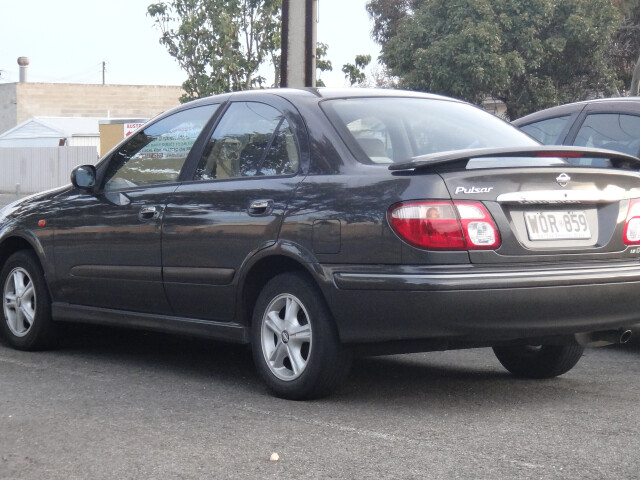
The N16 generation of the compact car transitioned to the global MS platform and replaced the angular styling of the 1990s with rounded, aerodynamic proportions.
Introduced in 2000, the N16 series represented a major consolidation of the manufacturer's compact vehicle architecture, utilizing the global front-wheel-drive Nissan MS platform shared with the second-generation European Almera and the Japanese-market Bluebird Sylphy. Compared to the angular and conservatively styled N15 predecessor, the N16 adopted a taller, more rounded silhouette with a cab-forward profile, a slightly stretched 2,535 mm wheelbase, and a multi-link beam rear suspension setup incorporating a Scott-Russell linkage. Depending on the regional market, the vehicle was offered as a four-door sedan alongside three-door and five-door hatchback body styles. In the engine bay, the older GA-series powerplants were retired in favor of the newer QG family of 16-valve DOHC inline-four gasoline engines—primarily the 1.5-liter QG15DE, 1.6-liter QG16DE, and 1.8-liter QG18DE units equipped with variable valve timing—paired with either a five-speed manual gearbox or a four-speed automatic transmission. A mid-cycle facelift arrived around 2002–2003, introducing restyled one-piece projector-style headlamps with integrated turn signals, revised front bumpers and grilles, updated interior trim with a redesigned center fascia, and retuned suspension settings. While the Pulsar nameplate was discontinued in its home Japanese market with this generation (where the sedan was sold as the Bluebird Sylphy and the hatchback as the Almera in Europe or Sunny in parts of Asia), the N16 retained the Pulsar badge in key export territories such as Australia and New Zealand until 2005.
Nissan news