Nissan Pulsar I (N10) photos
Photos
3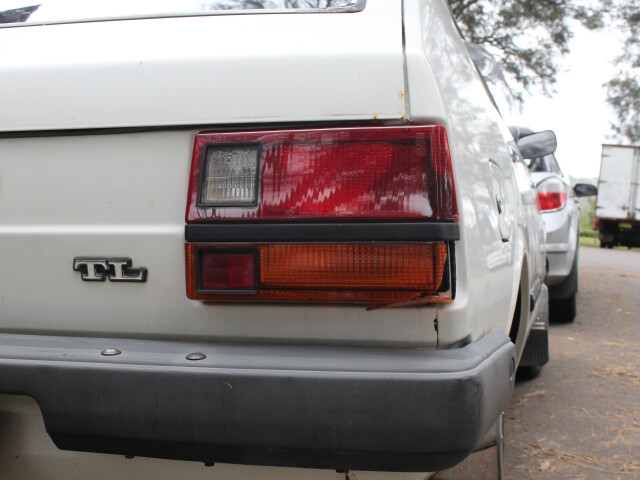
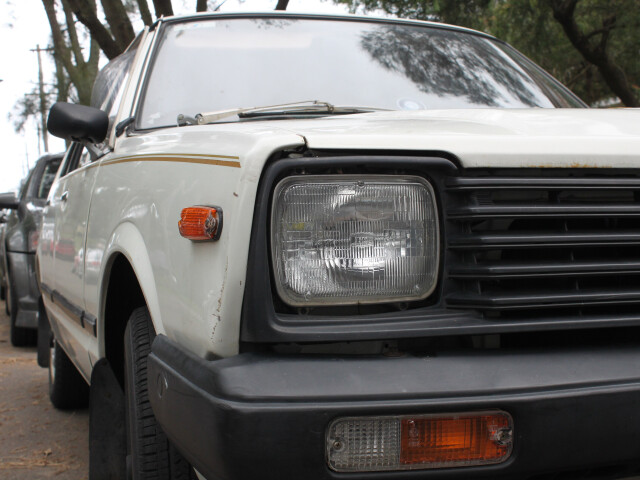
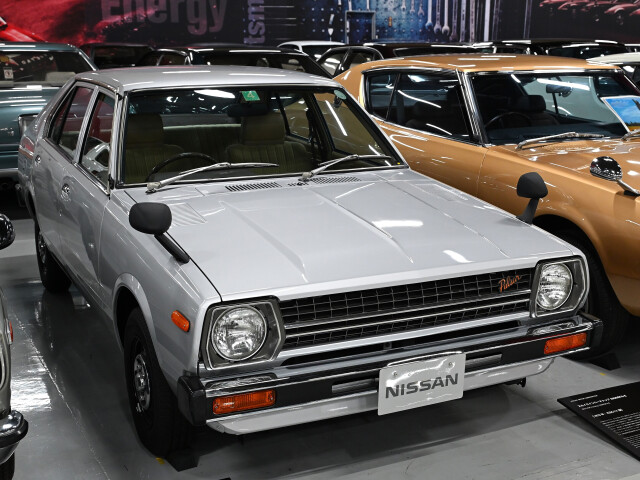
About this generation
The first-generation Nissan Pulsar (N10) spearheaded the brand's front-wheel-drive subcompact expansion across global markets in the late 1970s.
Introduced in 1978 to succeed the Cherry F-II series, the first-generation Nissan Pulsar (chassis code N10) was engineered as a modern, globally oriented subcompact car featuring a front-wheel-drive layout. Unlike the contemporary rear-wheel-drive Sunny lineup, the N10 platform utilized a transverse engine mounting and four-wheel independent suspension, maximizing interior passenger and cargo space within a compact footprint. Throughout its production run until 1982, the N10 was offered in an extensive range of body styles, including three-door and five-door hatchbacks, a four-door sedan, a practical five-door station wagon and delivery van, and a sleek fastback coupe. Early models were powered by Nissan's durable A-series overhead-valve four-cylinder gasoline engines, paired with either four-speed or five-speed manual gearboxes or a three-speed automatic transmission. During its mid-cycle facelift in the early 1980s, the N10 received updated exterior styling with rectangular headlights and transitioned to the newly developed, more fuel-efficient E-series overhead-camshaft engines. The N10 was a true world car marketed under different nameplates depending on the region: while sold as the Pulsar in Japan and Australia, it was badged as the Datsun Cherry across European markets and as the Datsun 310 in North America, where buyers valued its low operating costs and dependable mechanical architecture.
Specifications
70 in 5 body styles3-door Hatchback N10 16 specifications
Tap a card to see all specs
5-door Hatchback N10 16 specifications
Tap a card to see all specs
4-door Sedan N10 15 specifications
Tap a card to see all specs
Coupe N10 15 specifications
Tap a card to see all specs
5-door Wagon / Van VN10 8 specifications
Tap a card to see all specs
Nissan news