BMW 7-series II (E32) photos
Photos
34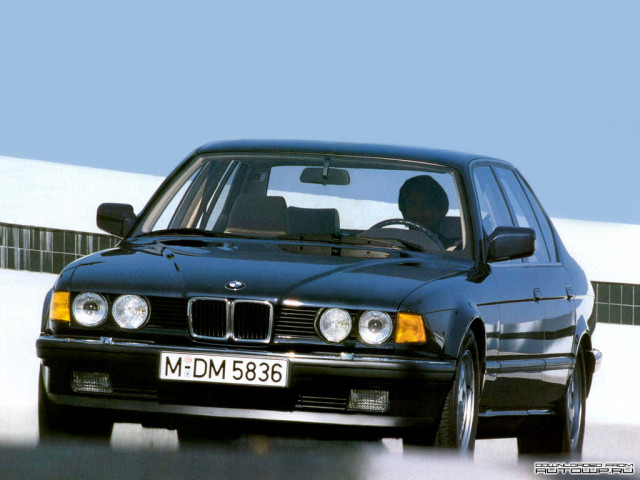 67
67
 88
88
 79
79
 71
71
 84
84
 83
83
 73
73
 81
81
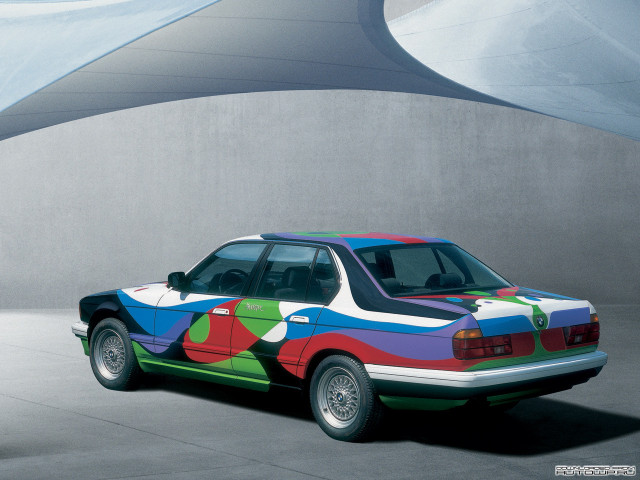 74
74
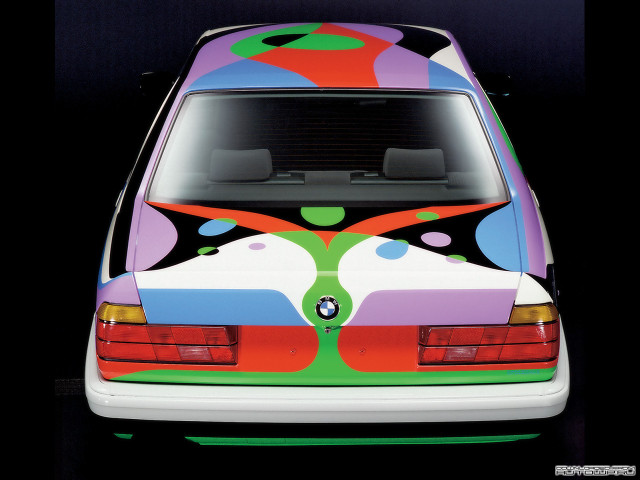 55
55
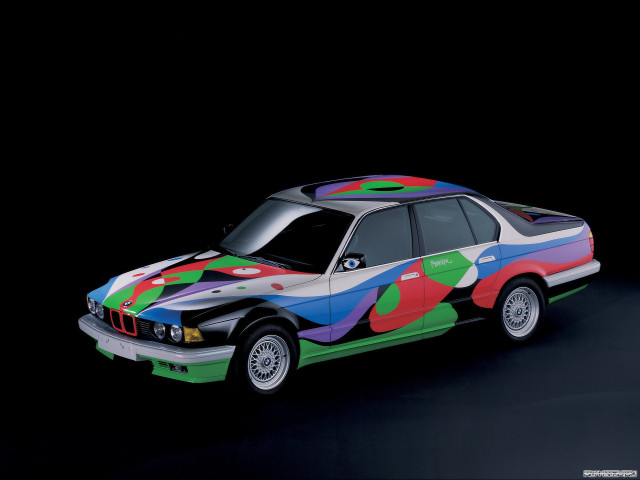 50
50
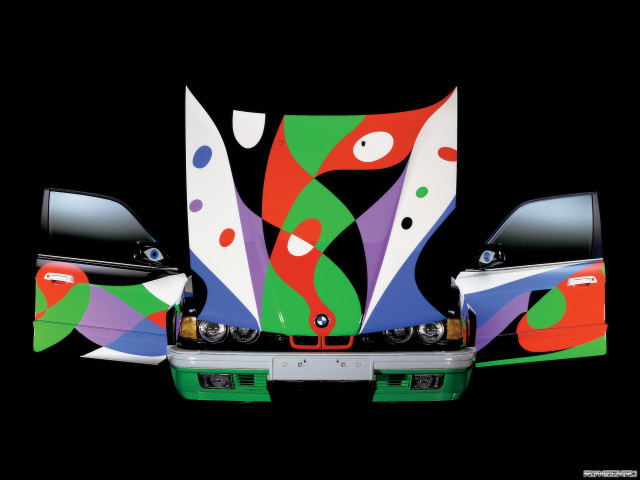 54
54
 55
55
 52
52
 55
55
About this generation
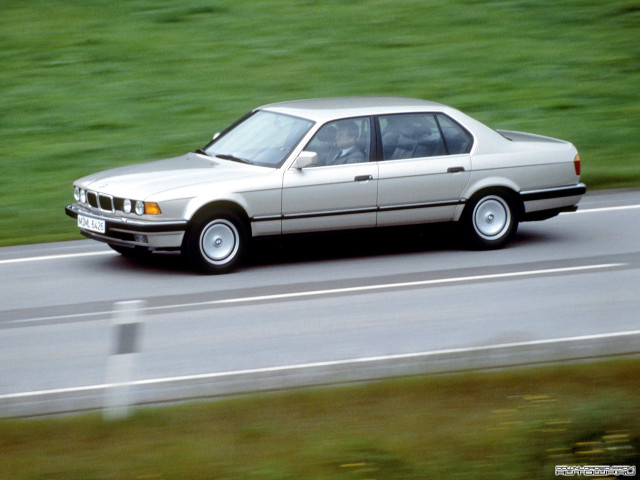
A landmark luxury sedan that introduced Germany's first postwar V12 engine and elevated BMW into peak luxury status.
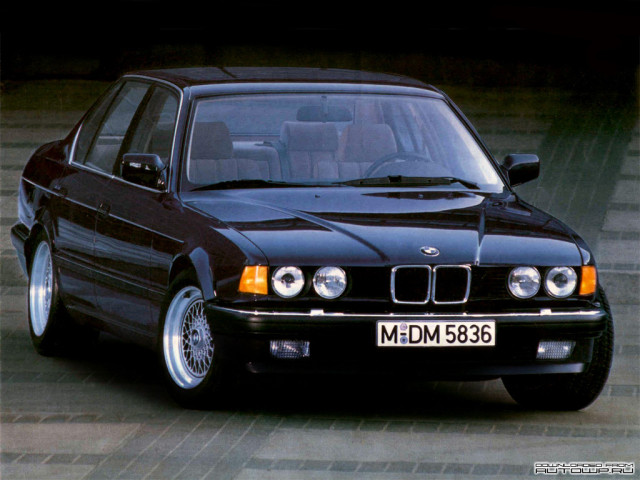
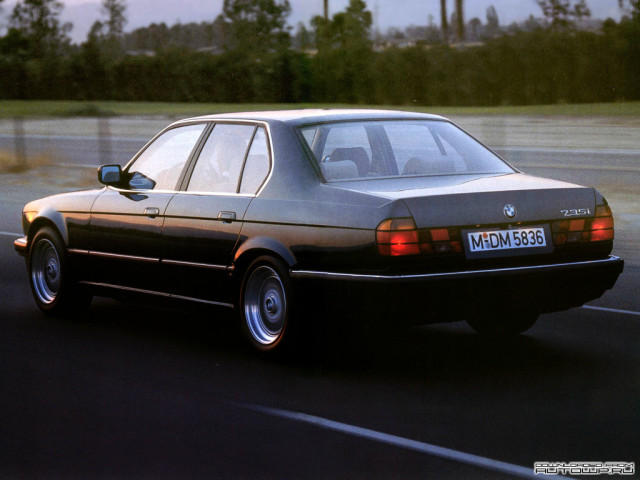
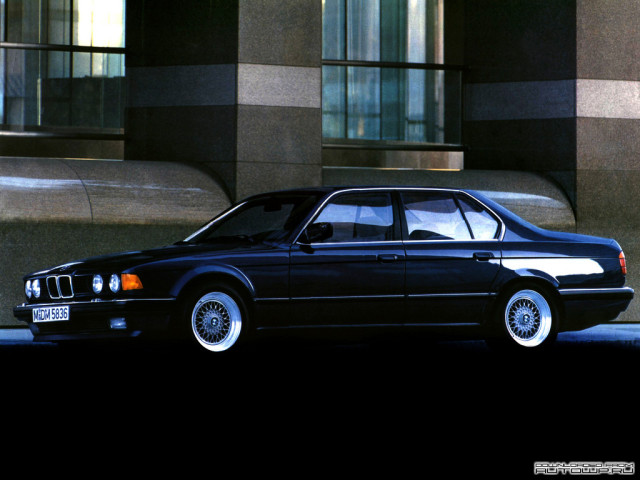
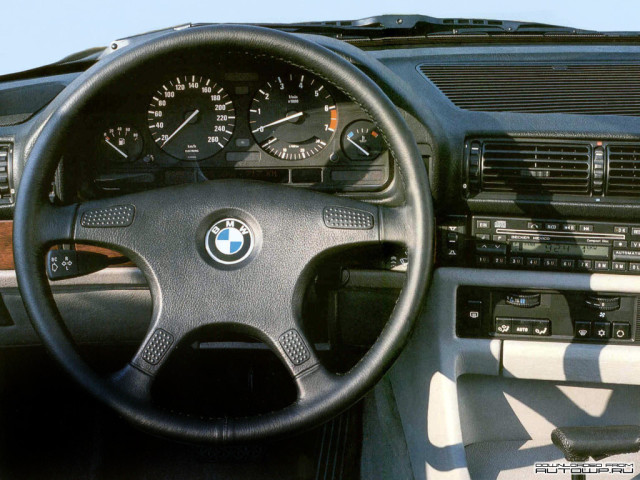
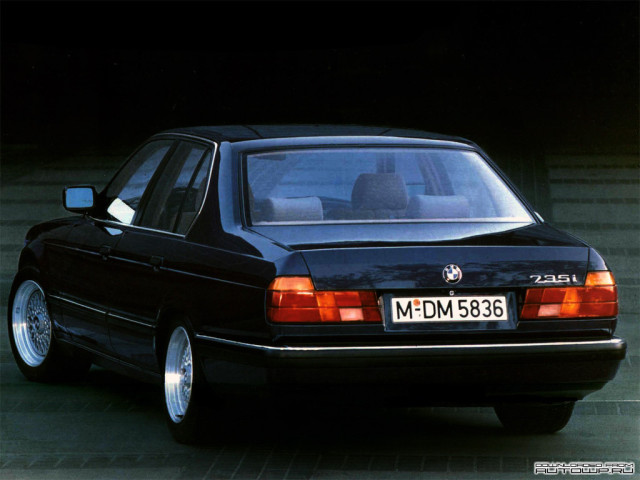
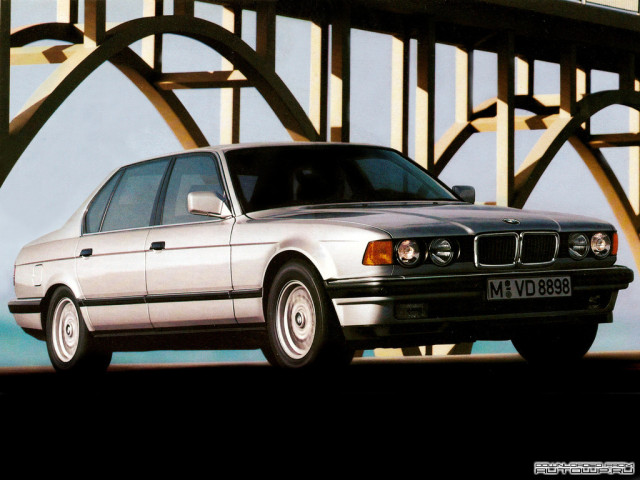
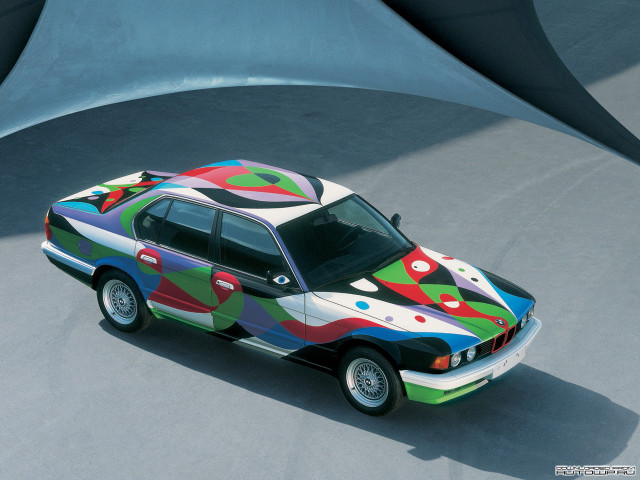
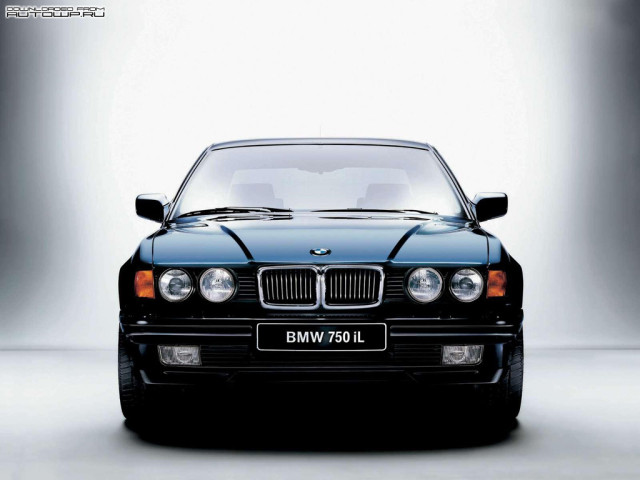
Designed by Ercole Spada under Claus Luthe, the E32 launched in 1986 with wide kidney grilles and a muscular profile that instantly recast the image of a chauffeur-driven flagship. It introduced long-wheelbase iL variants that provided rear passengers with supreme legroom and tailored luxury amenities.
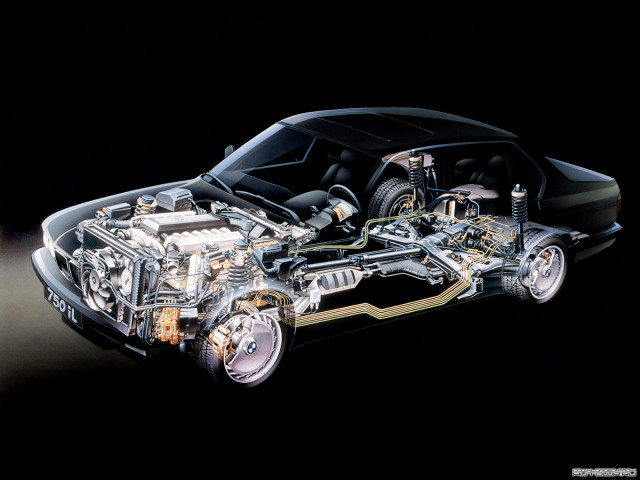
The E32 made global headlines in 1987 with the debut of the 750i, housing a silky-smooth 5.0-liter M70 V12 engine—the first German postwar V12 production saloon. Packed with double-glazed windows, adaptive damping, and early electronic traction controls, the E32 defined late-80s automotive opulence.
Specifications
15 in 2 body stylesSedan E32 8 specifications
Tap a card to see all specs
Long Sedan E32/2 7 specifications
Tap a card to see all specs
Special editions
1BMW news