Toyota's Japanese RAV4 PHEV Can Sustain Household Power for Nearly a Week
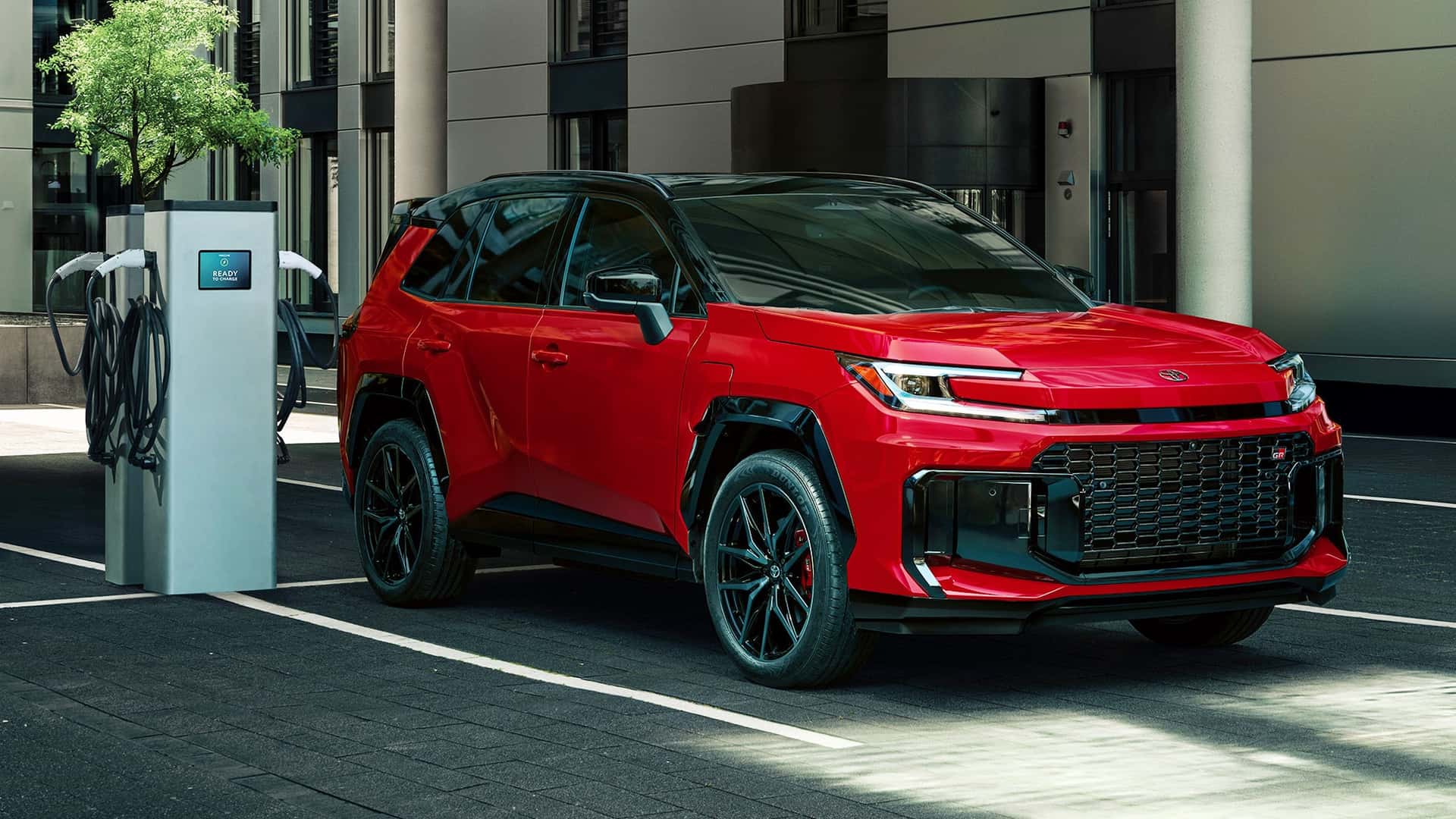
Key Features of the Japanese Toyota RAV4 PHEV
-
Introduction of 'HV power supply' mode enabling Vehicle-to-Home (V2H) and Vehicle-to-Load (V2L) functionality.
-
Capability to power an average household for as long as 6.5 days with a steady 400W consumption.
-
Utilizes a 100V outlet standard in Japan, delivering a longer backup duration compared to many rivals.
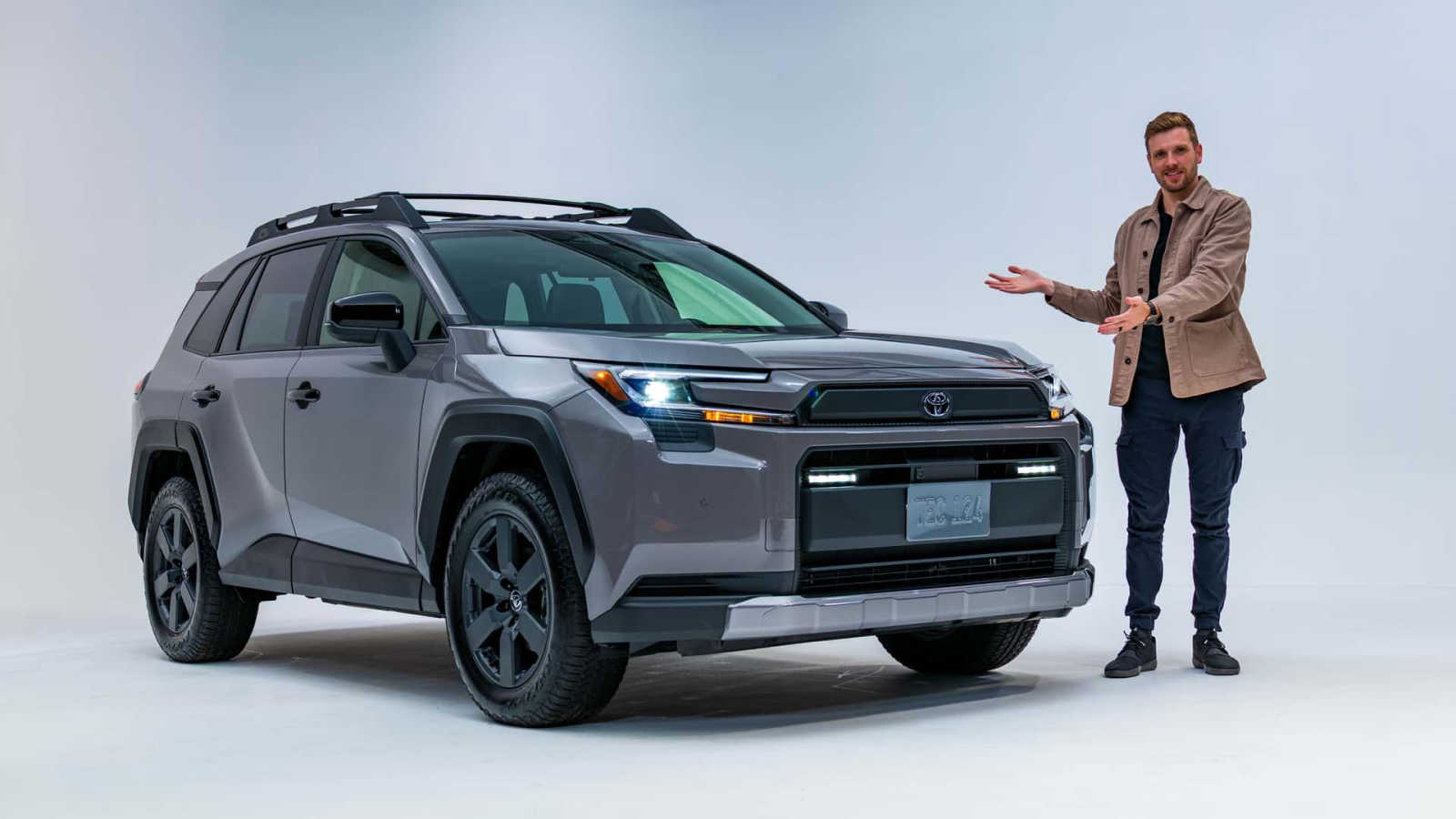
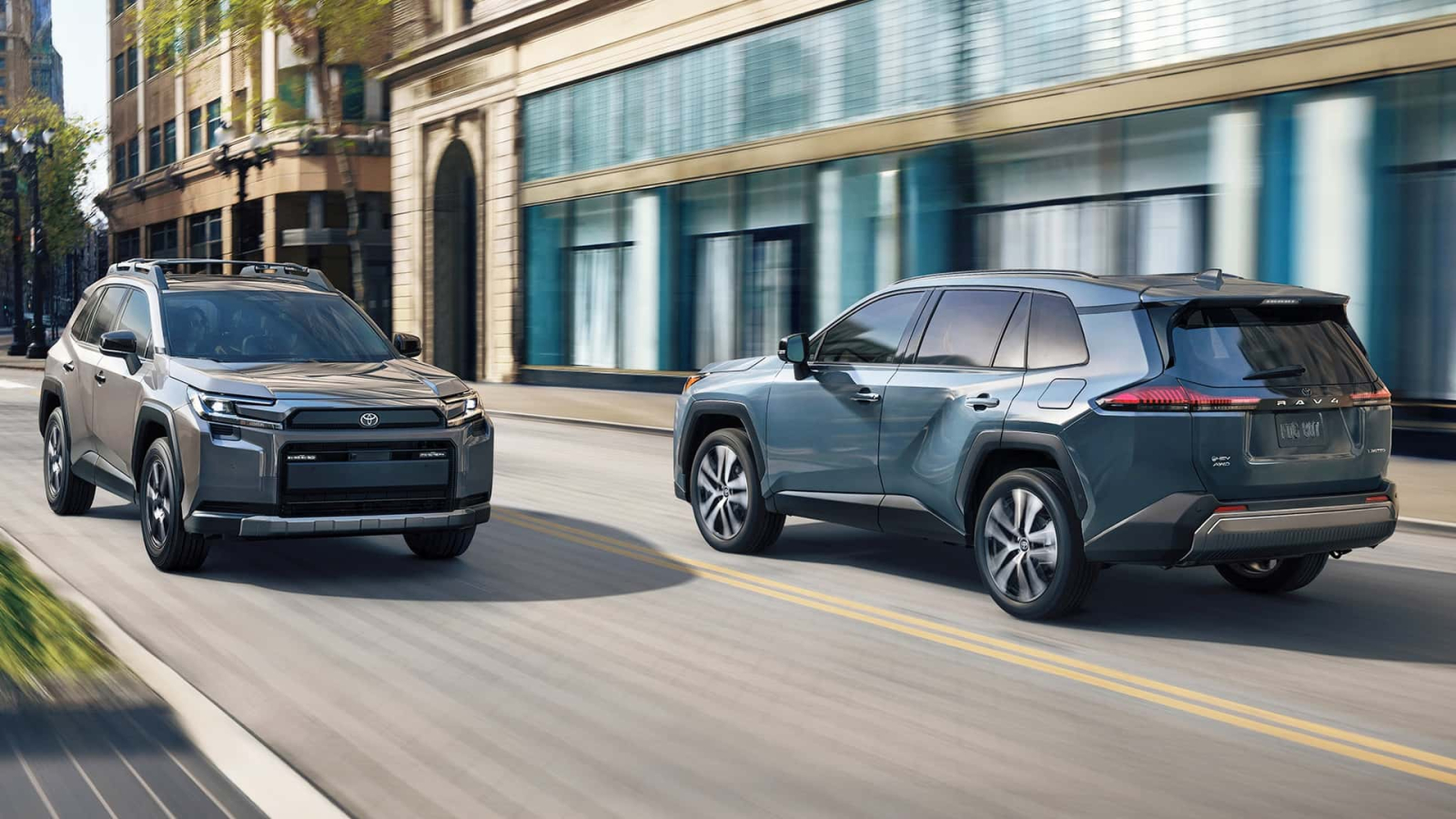
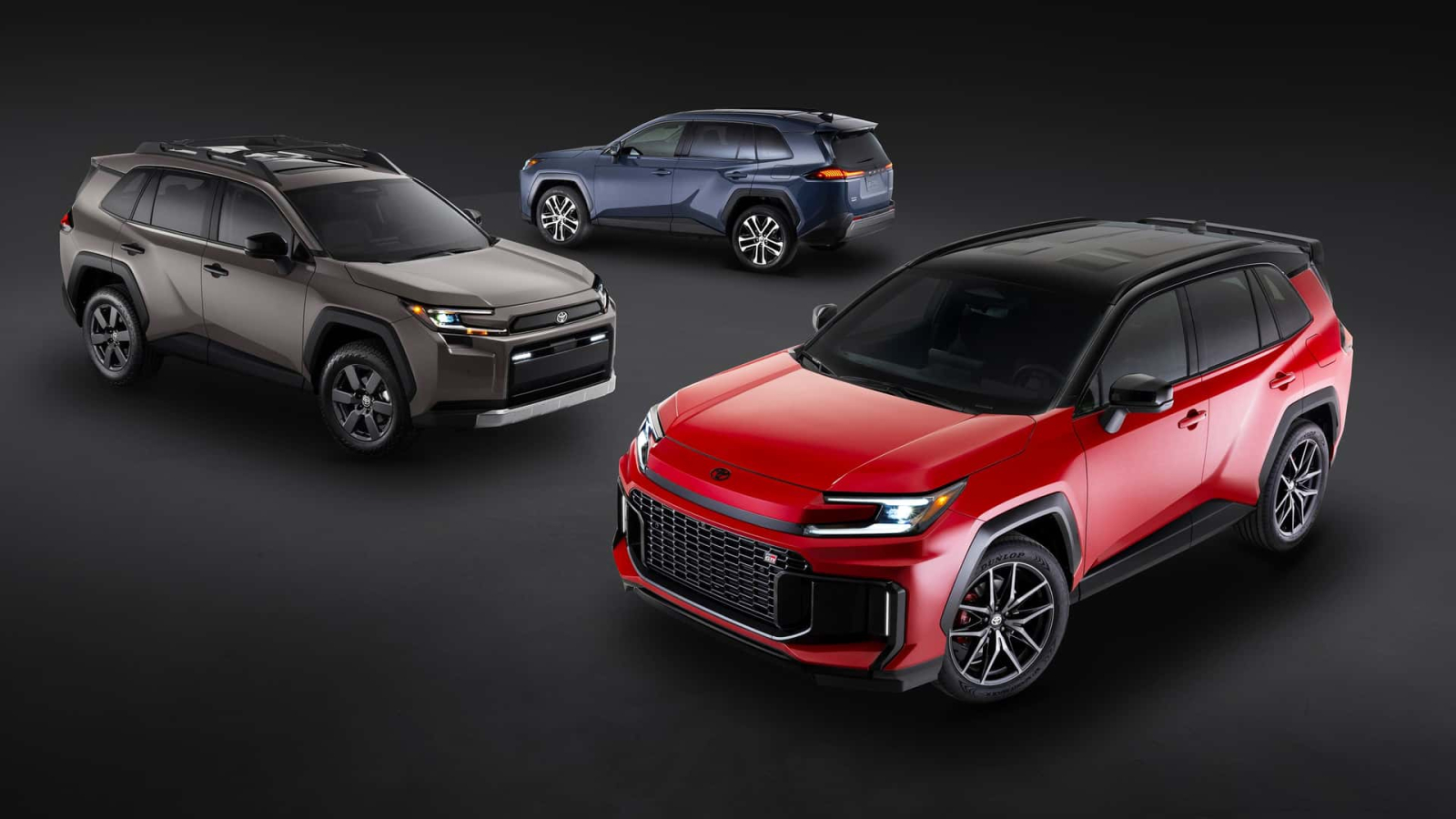
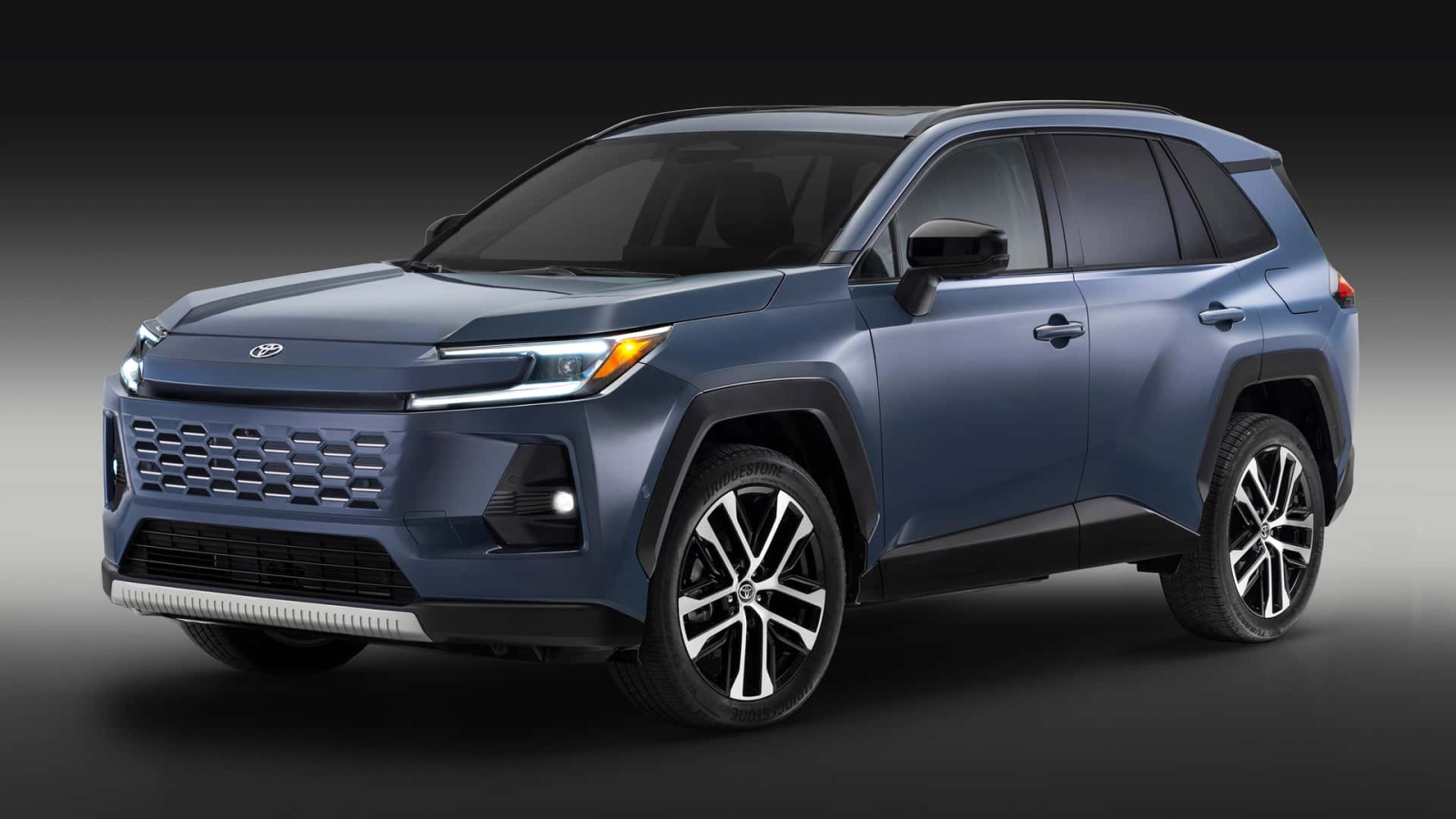
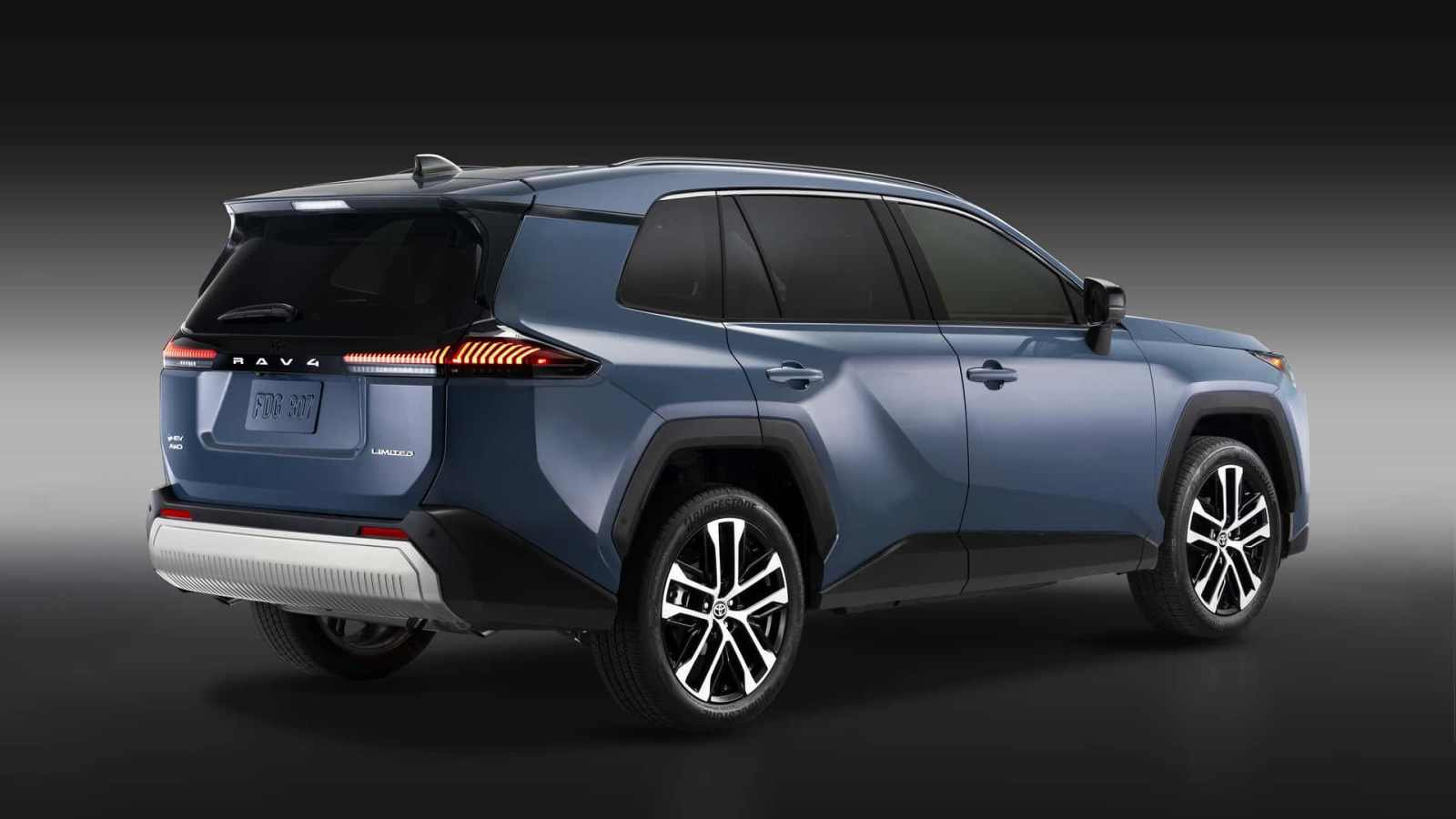
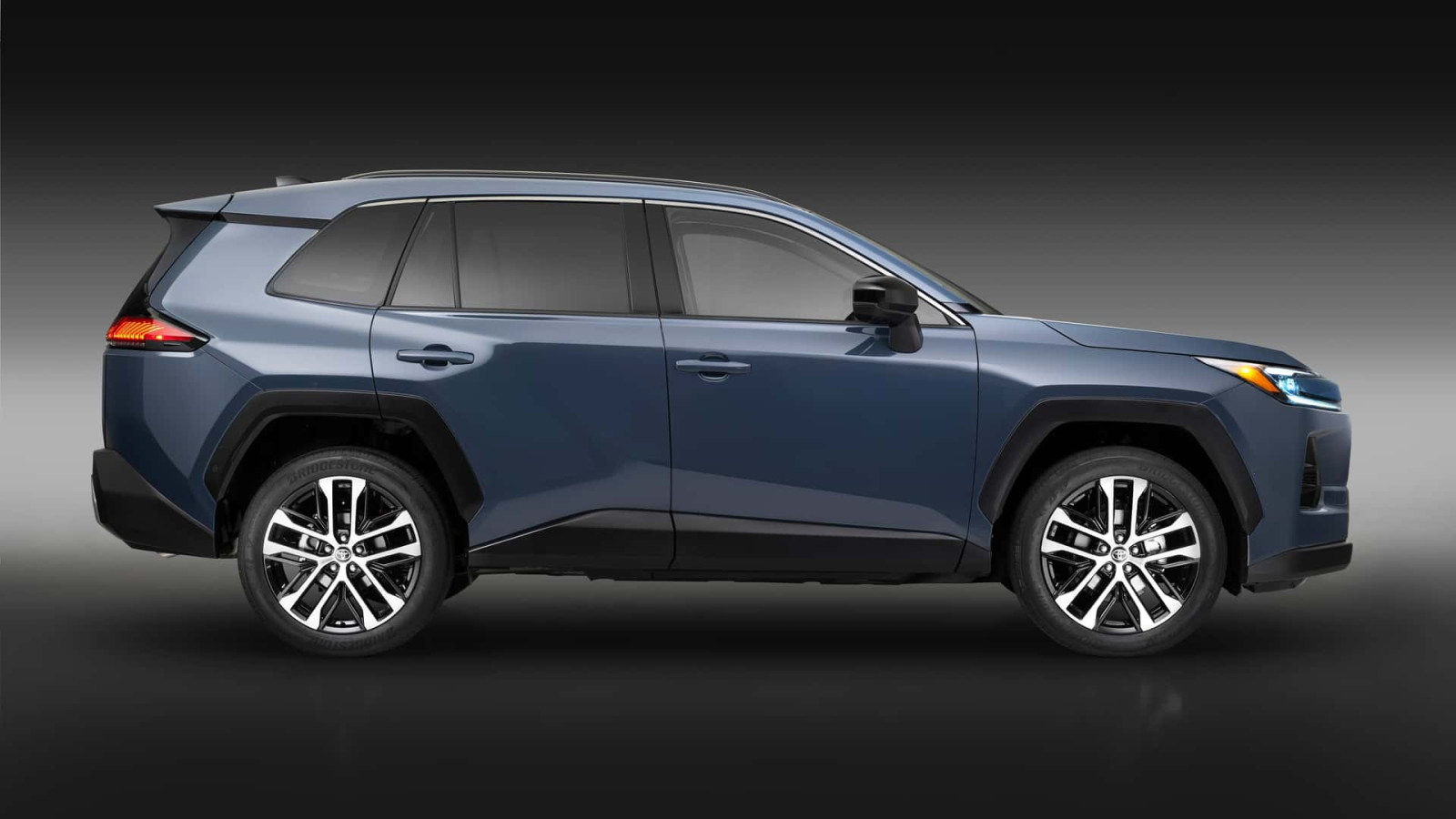
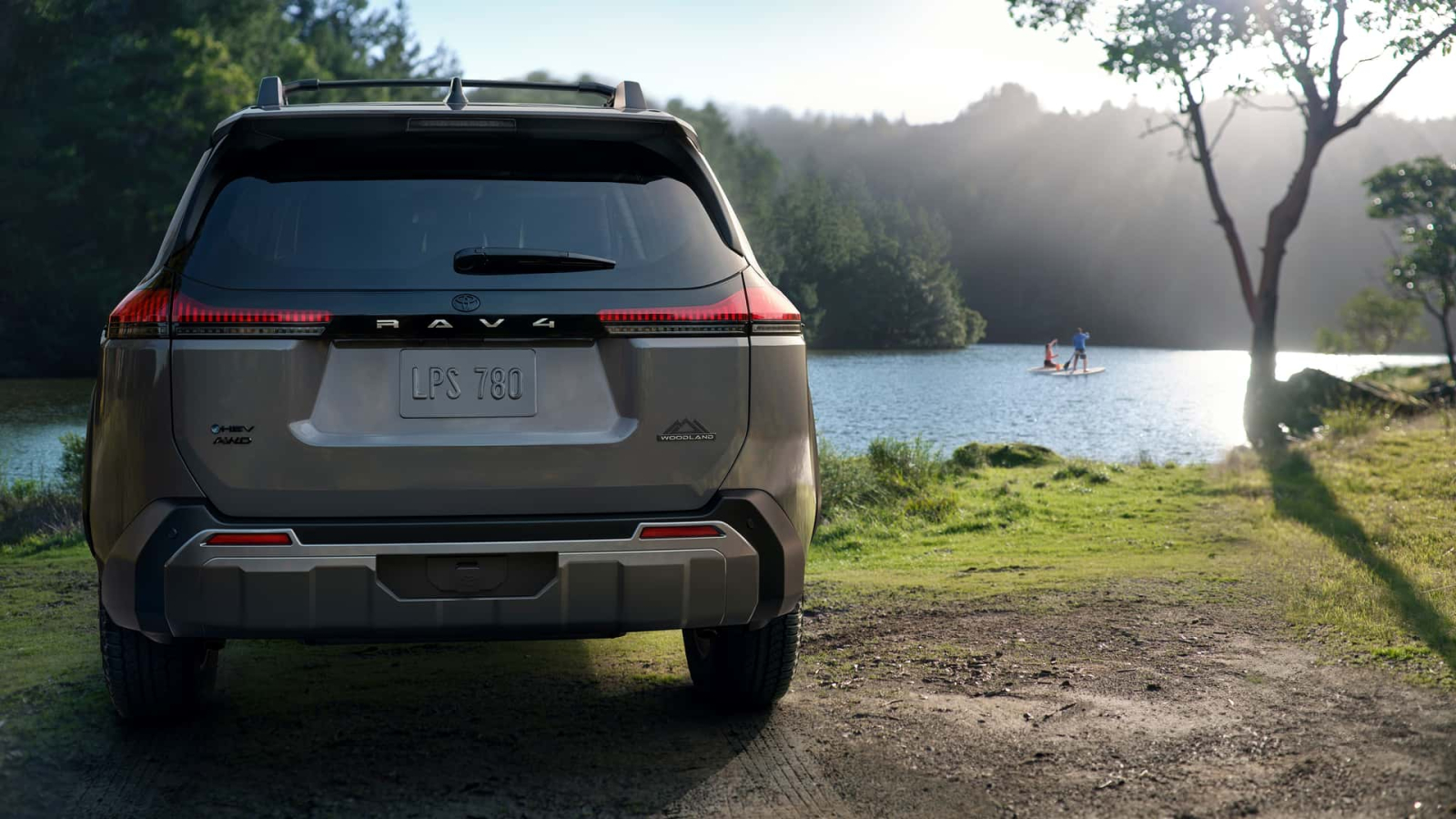
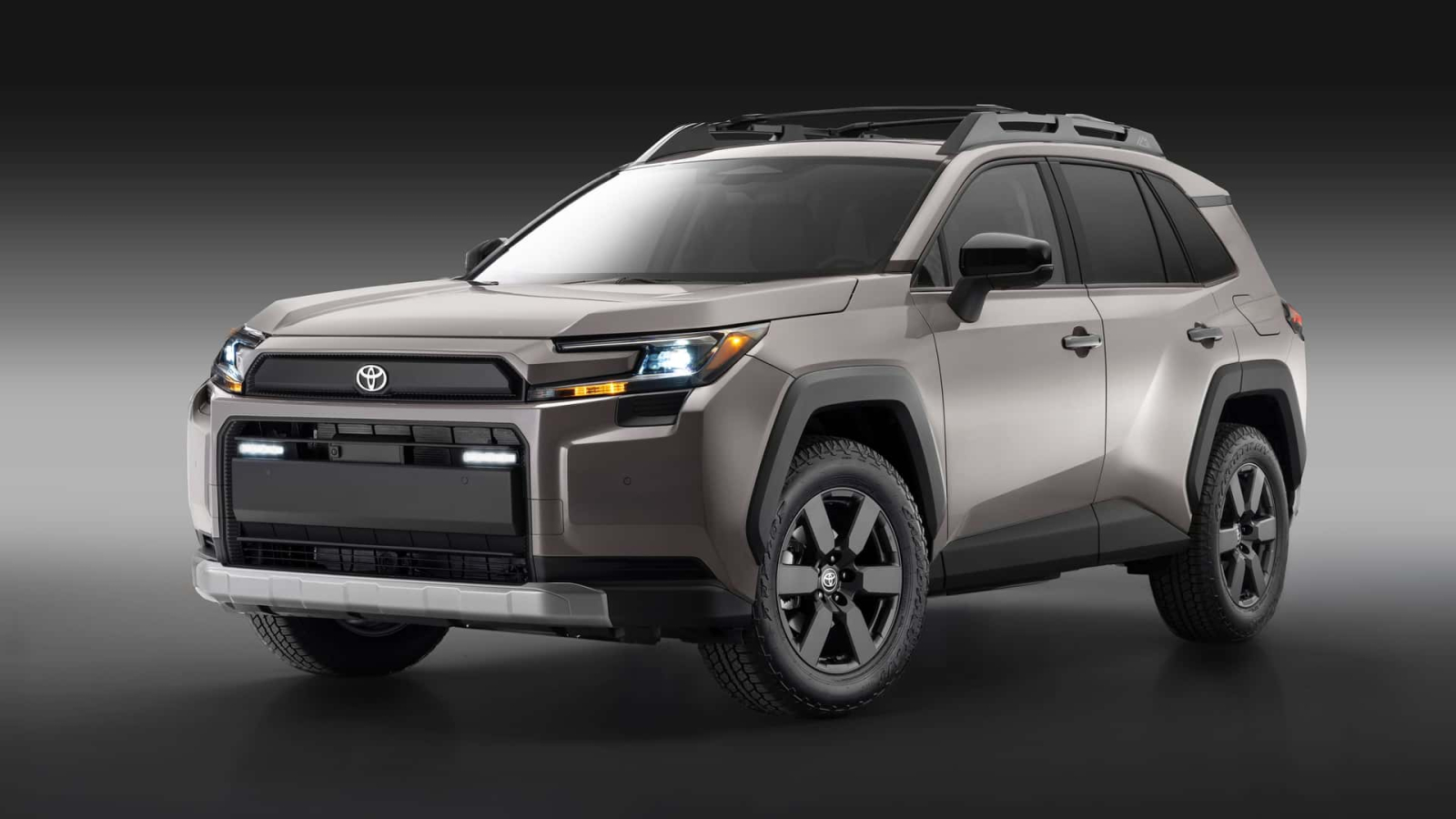
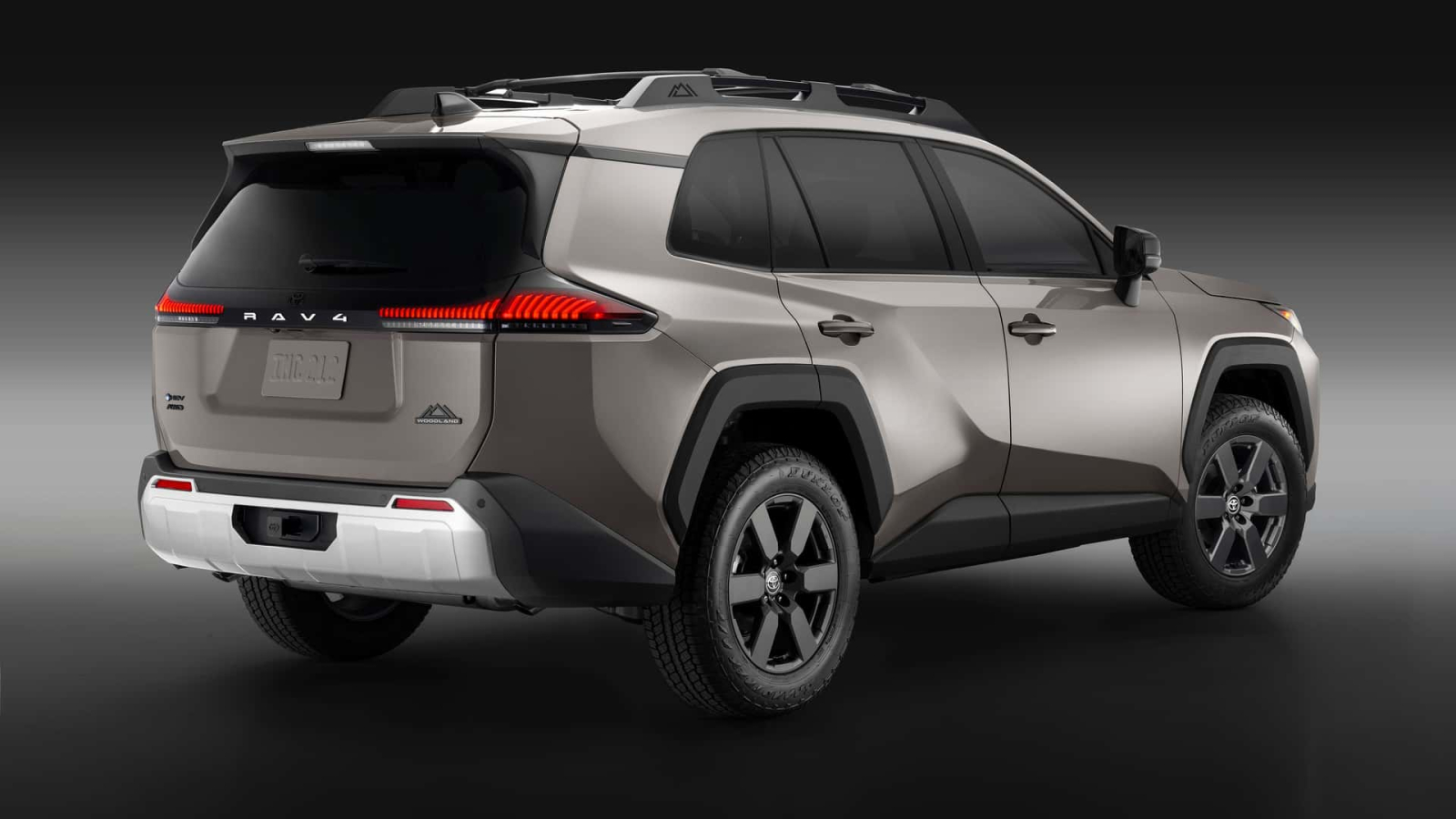
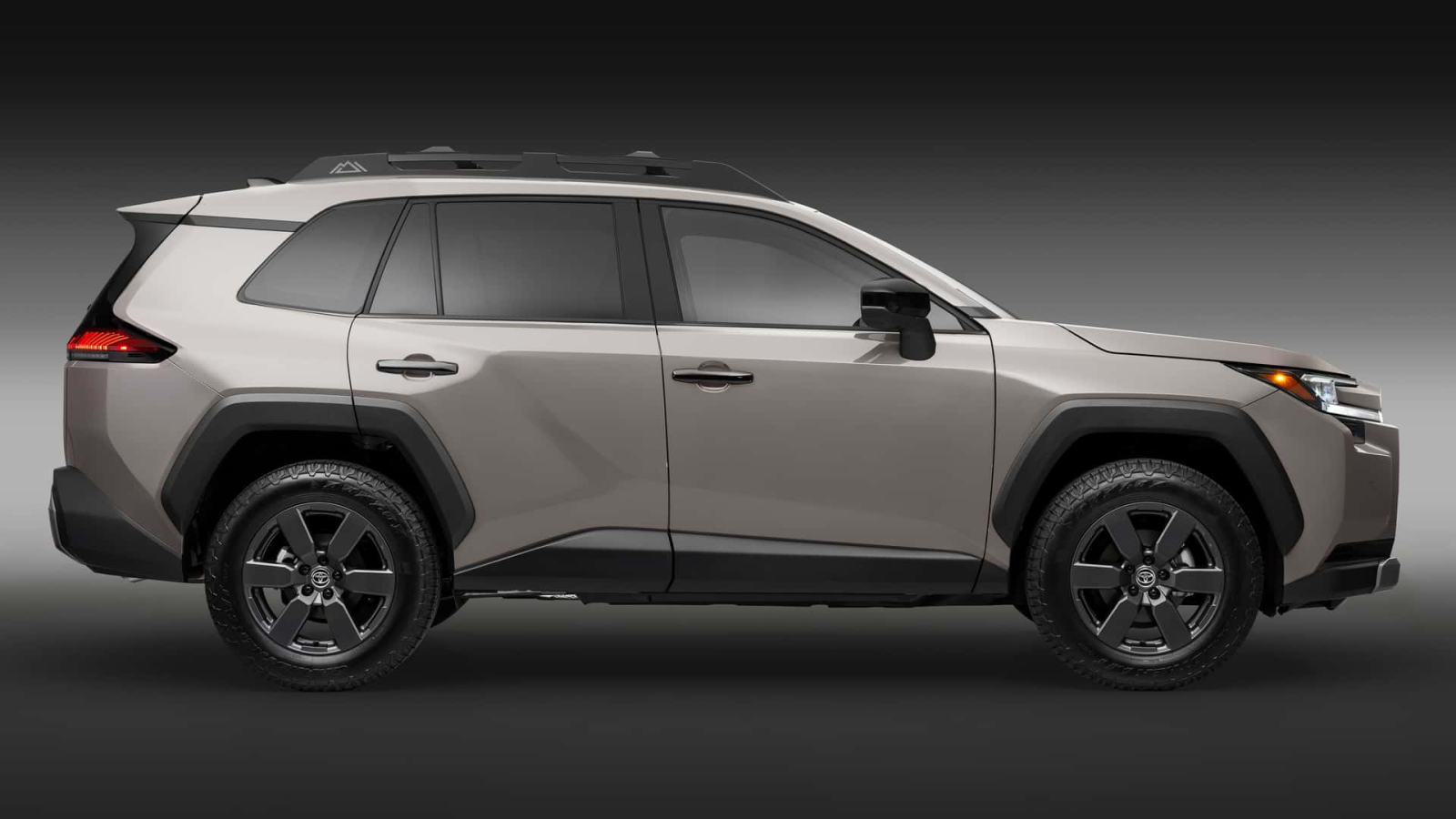
Toyota offers several trims of the RAV4 Plug-In Hybrid in the U.S., such as the tough Woodland, stylish XSE, and the sporty GR Sport, all powered by plug-in hybrid technology.
Similarly, the Japanese market will receive multiple RAV4 PHEV variants. However, the Japanese model stands out by integrating a unique 'HV power supply' mode not yet available in the U.S. versions.
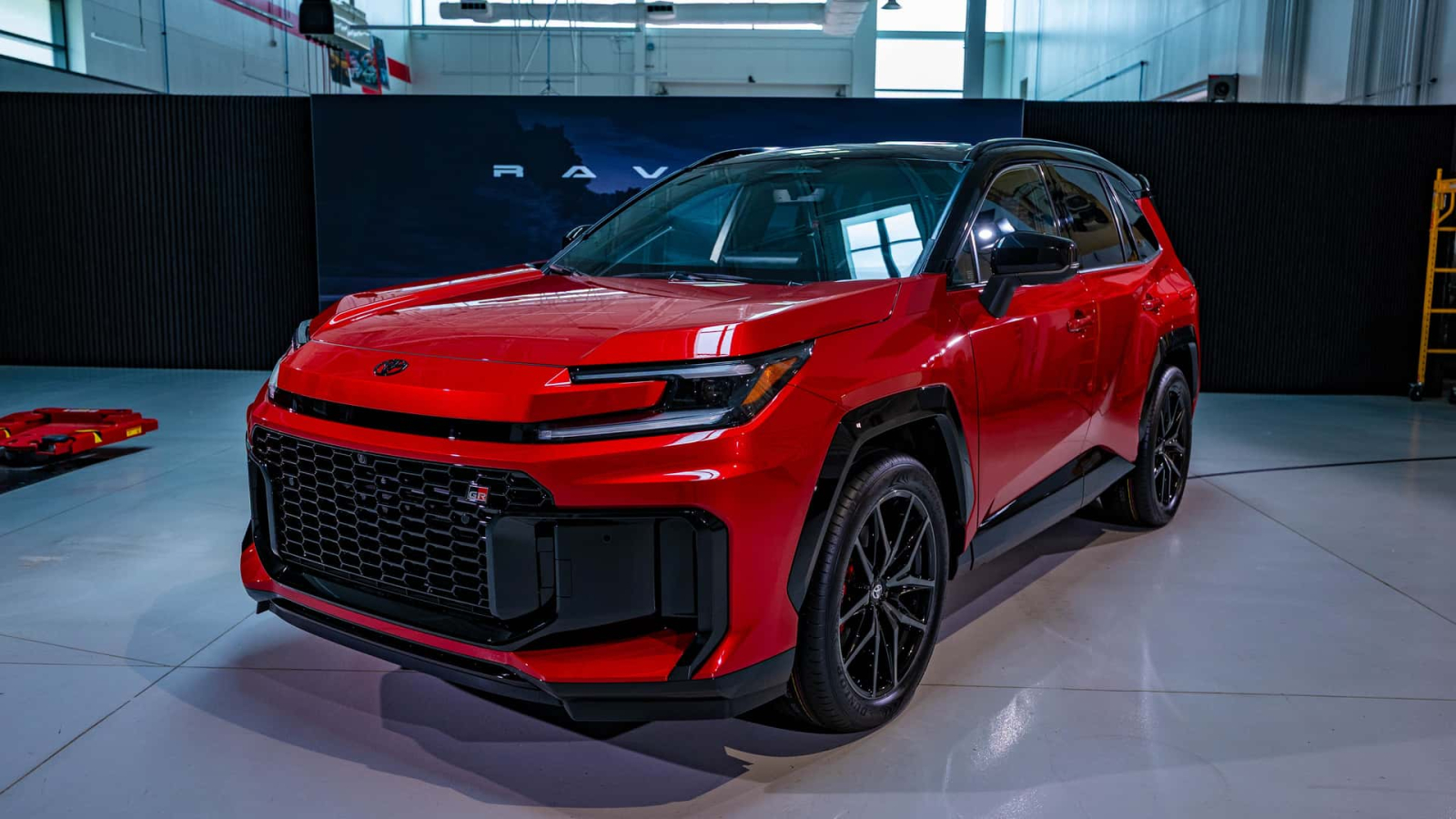
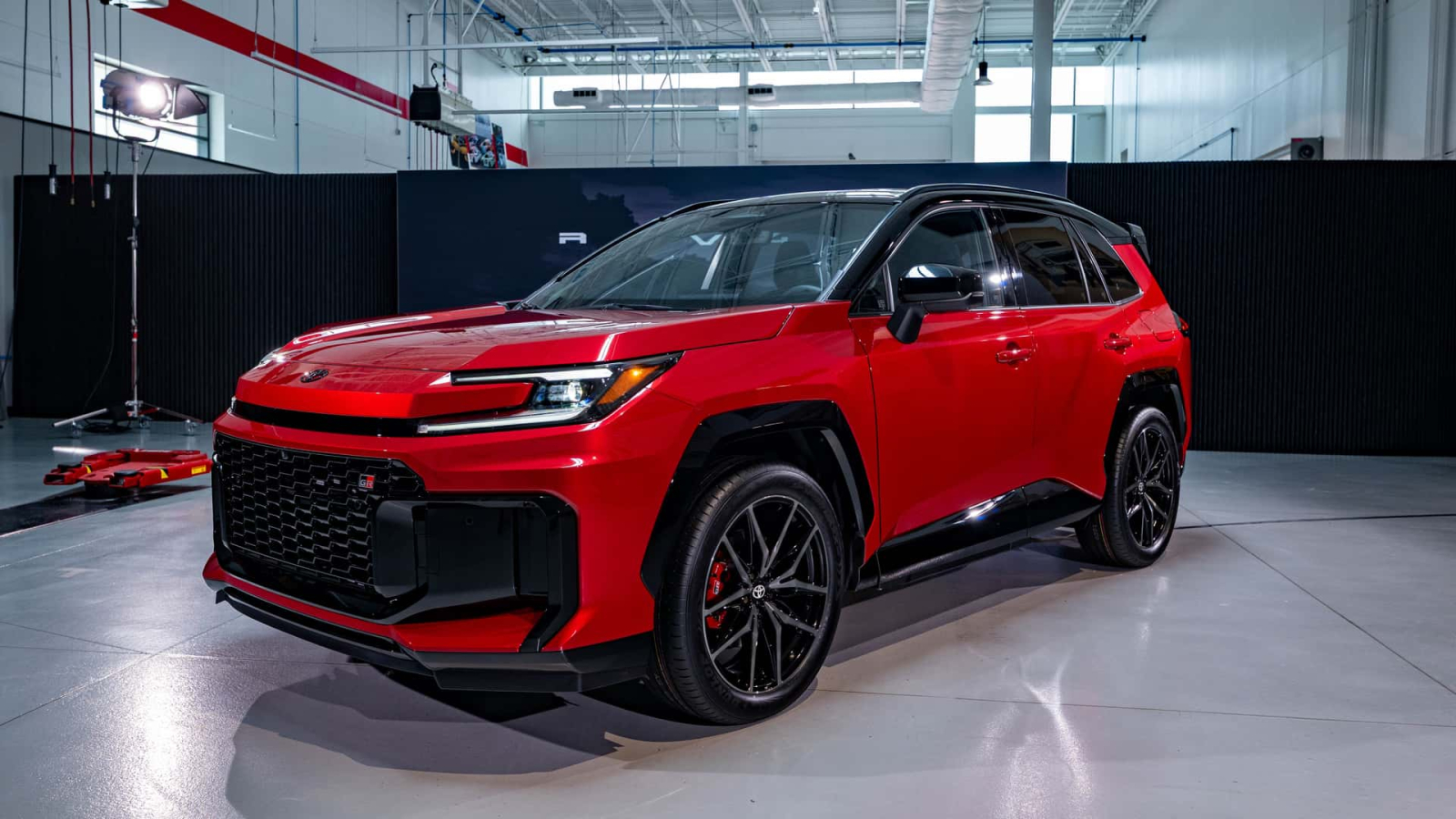
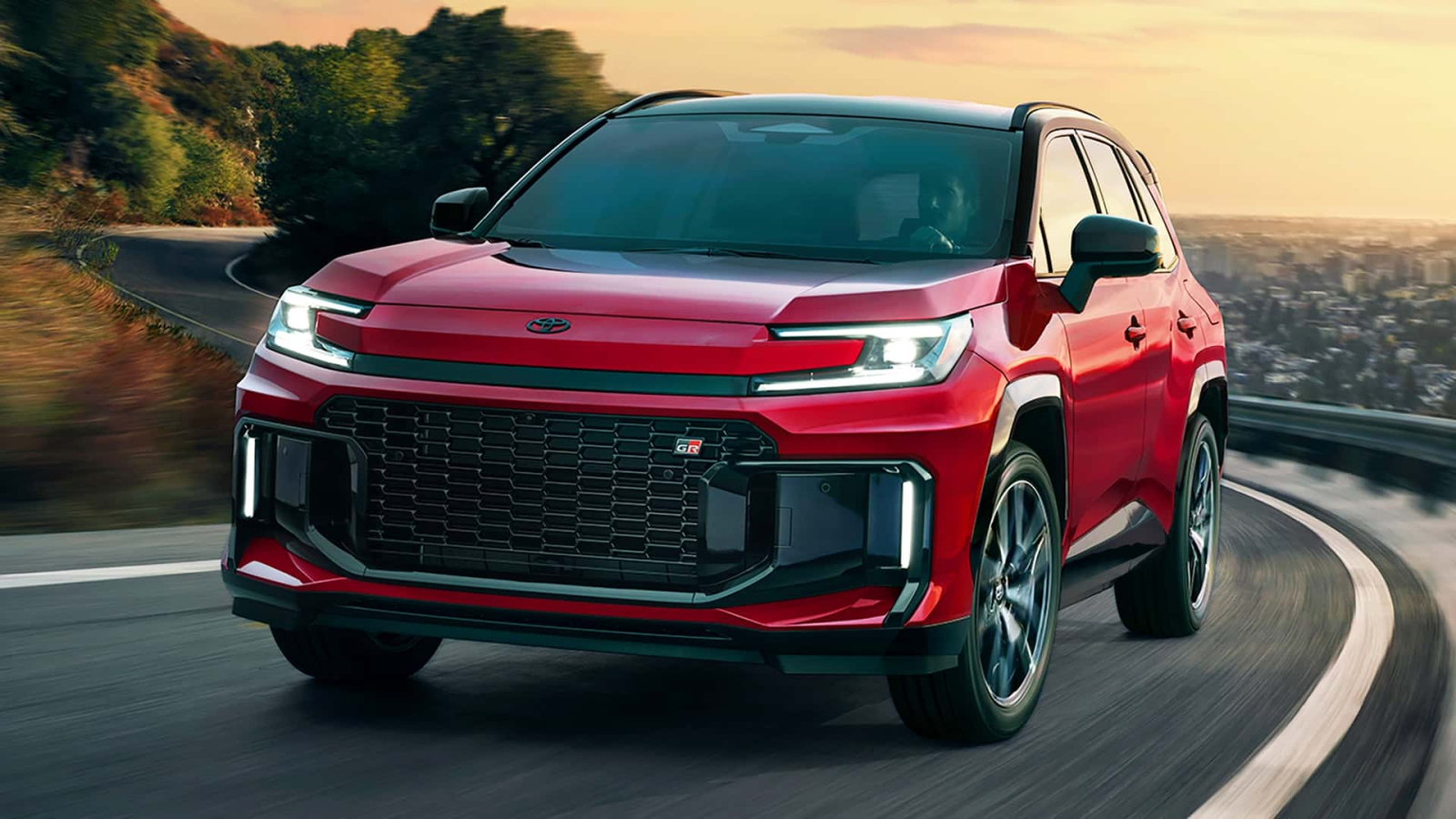
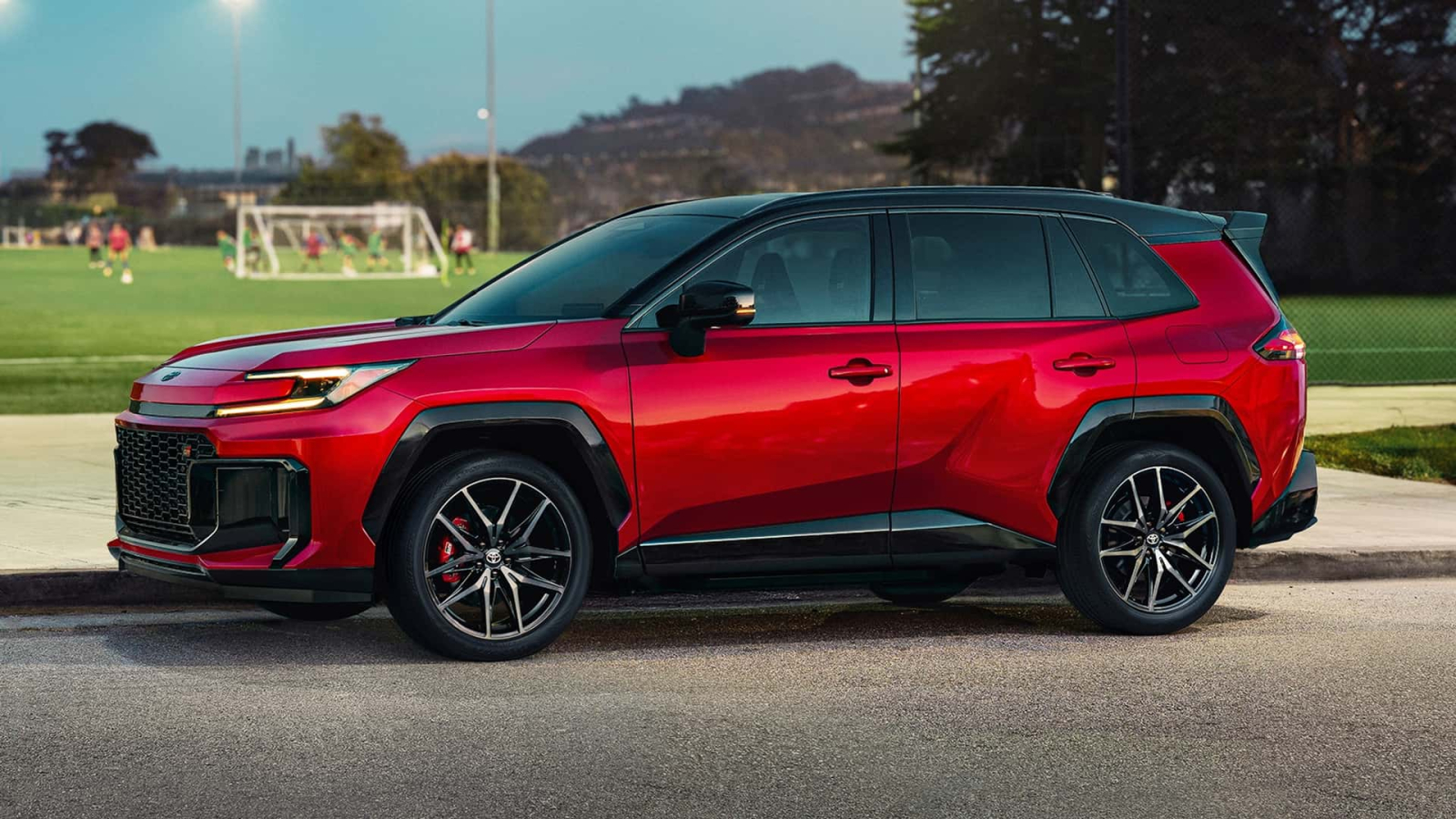
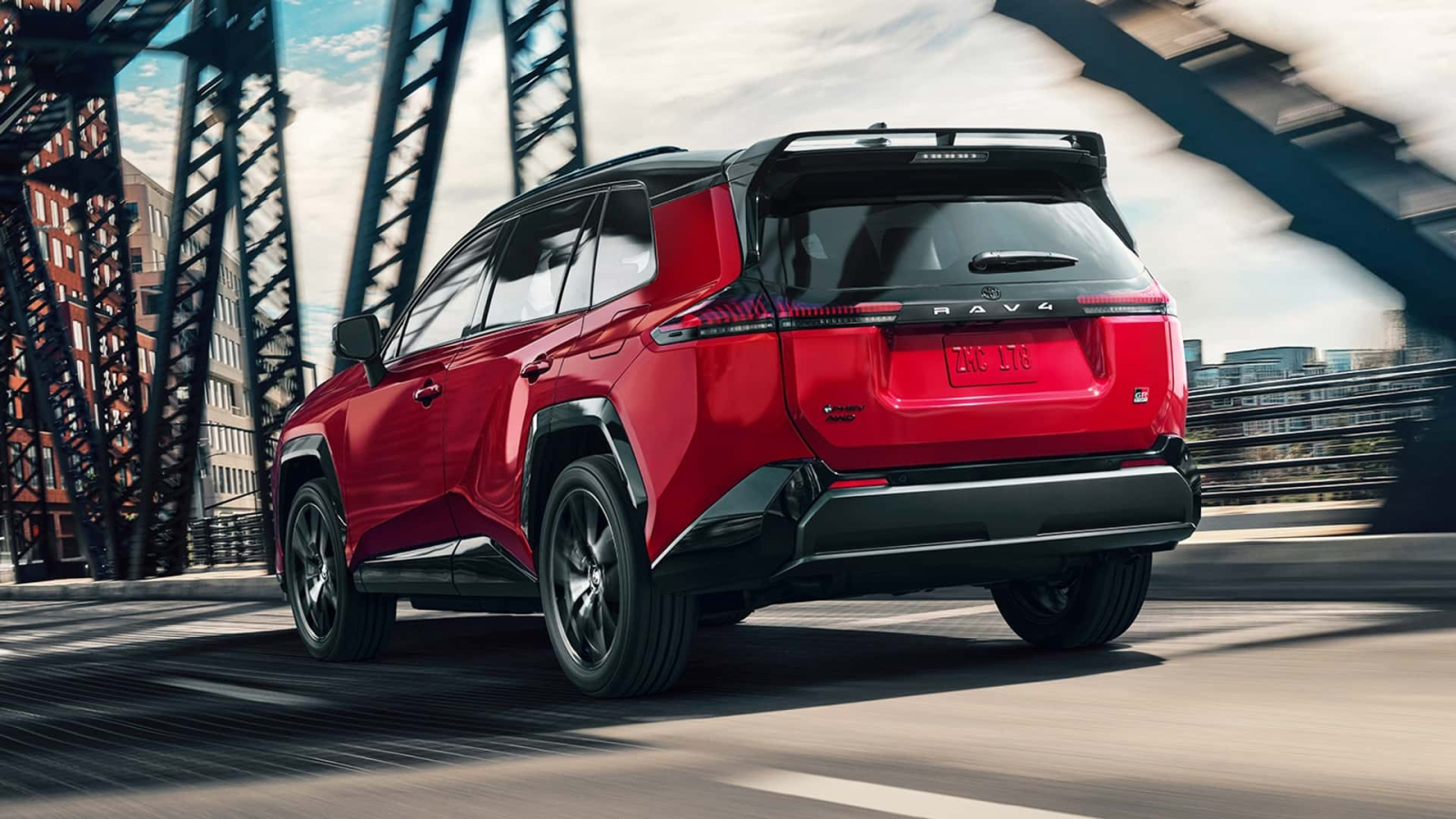
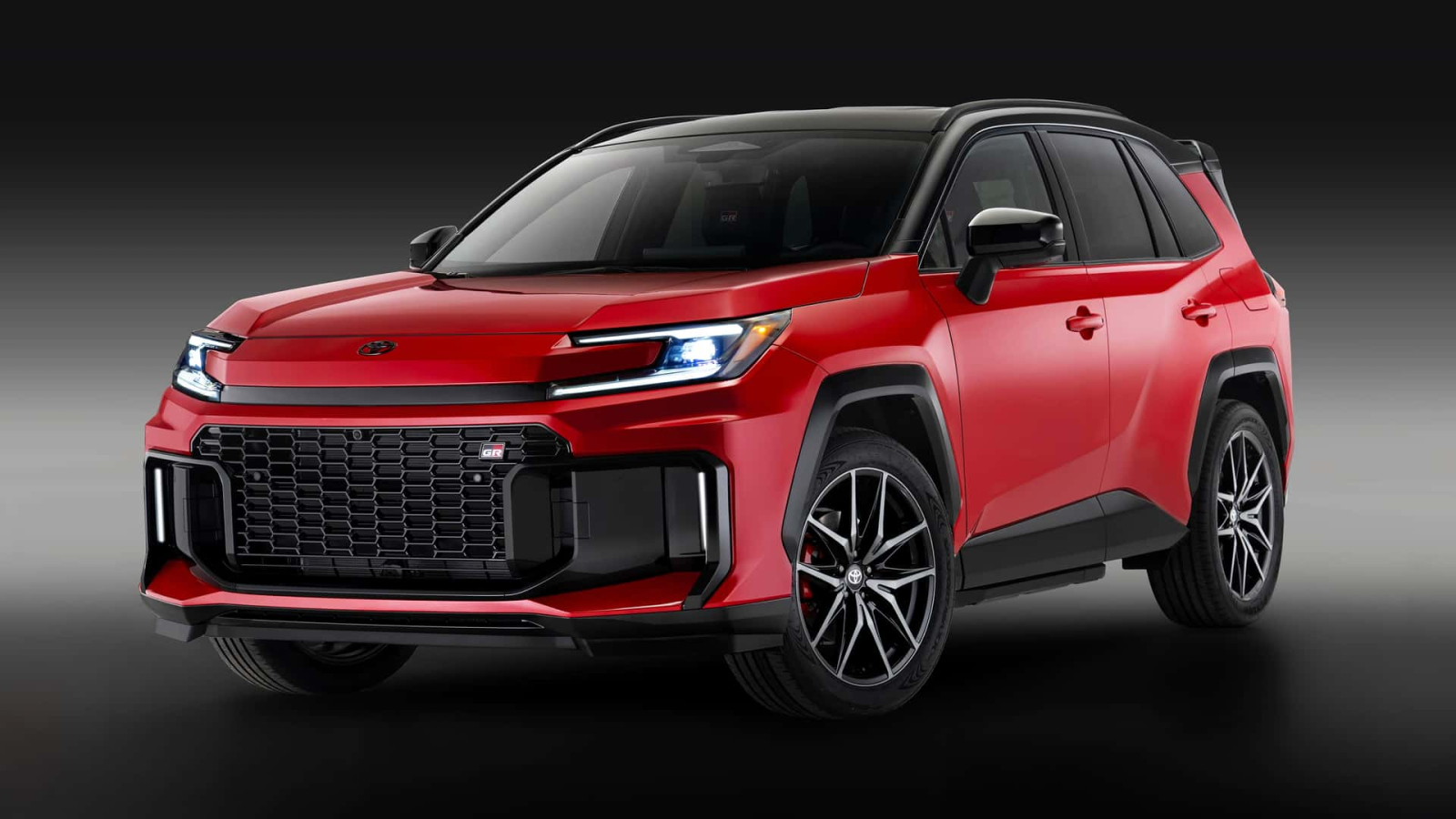
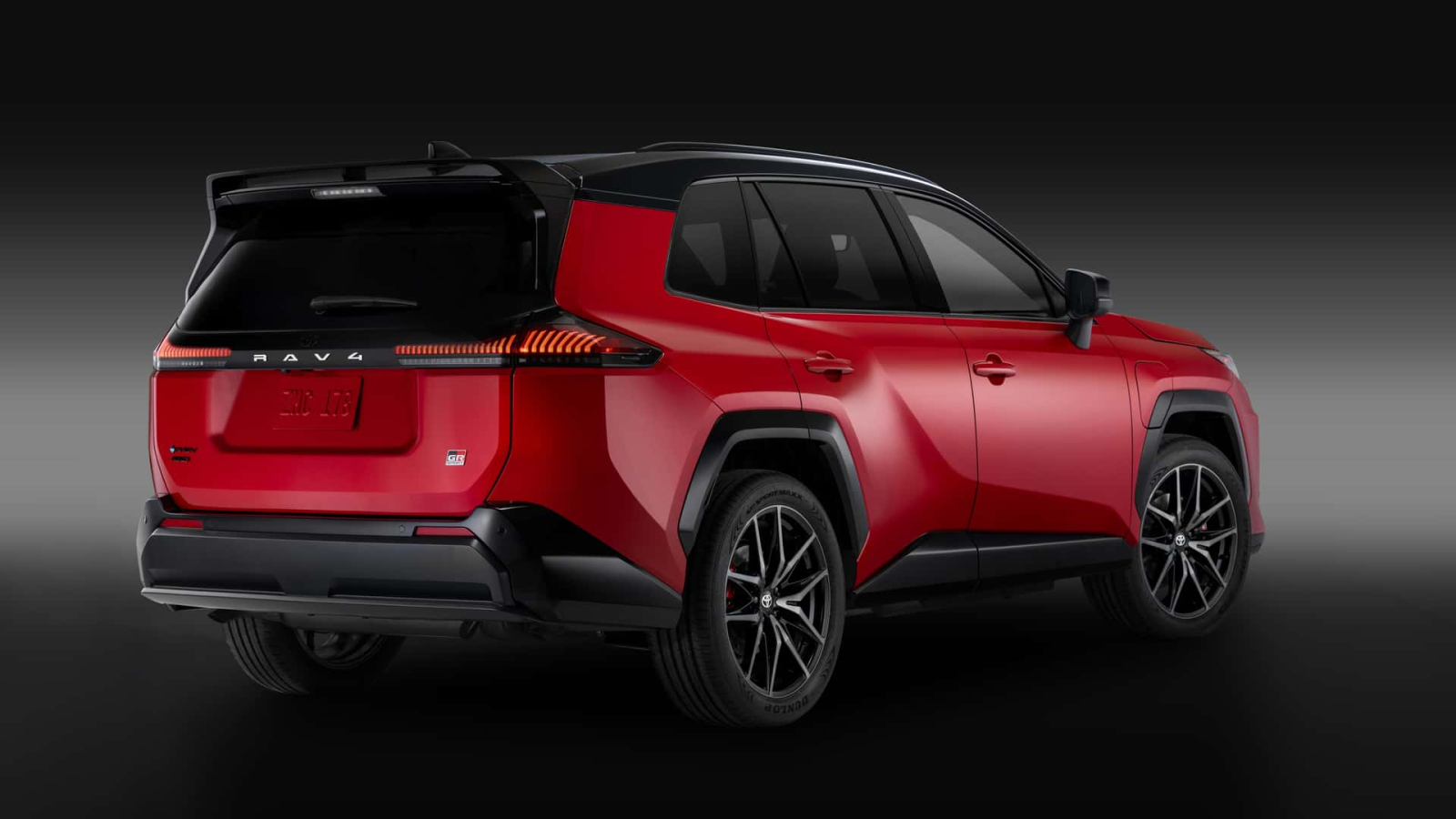
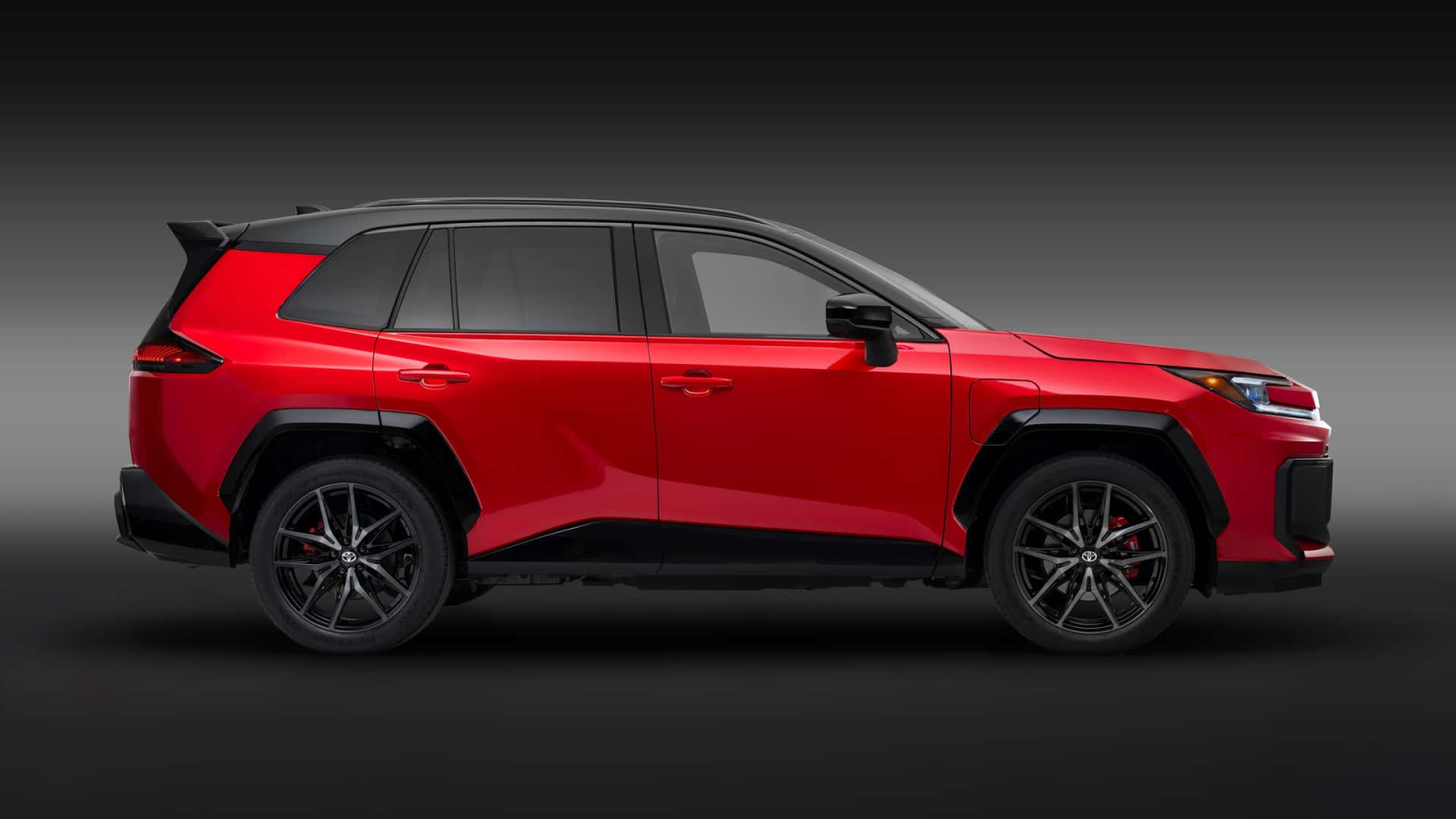
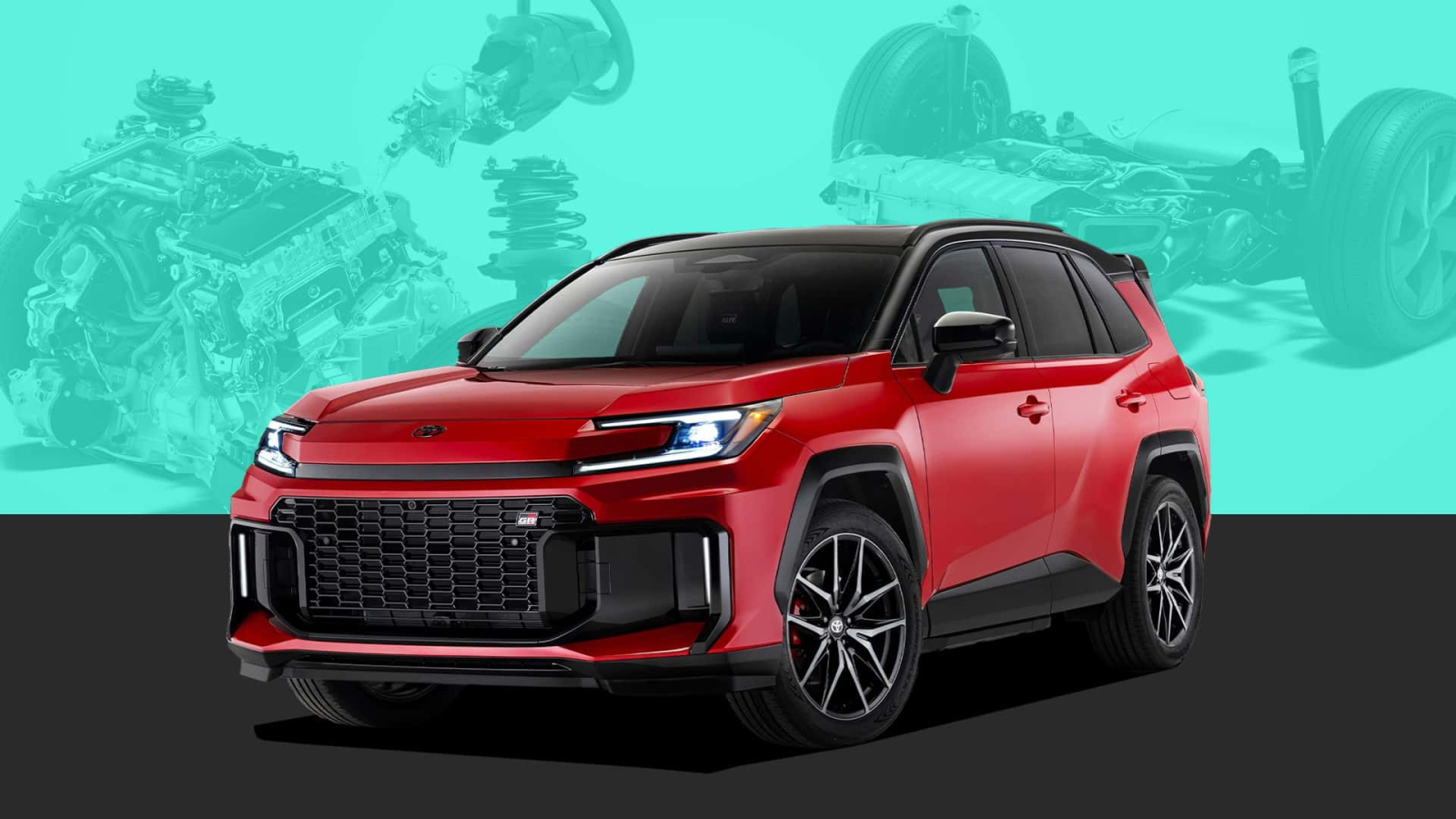
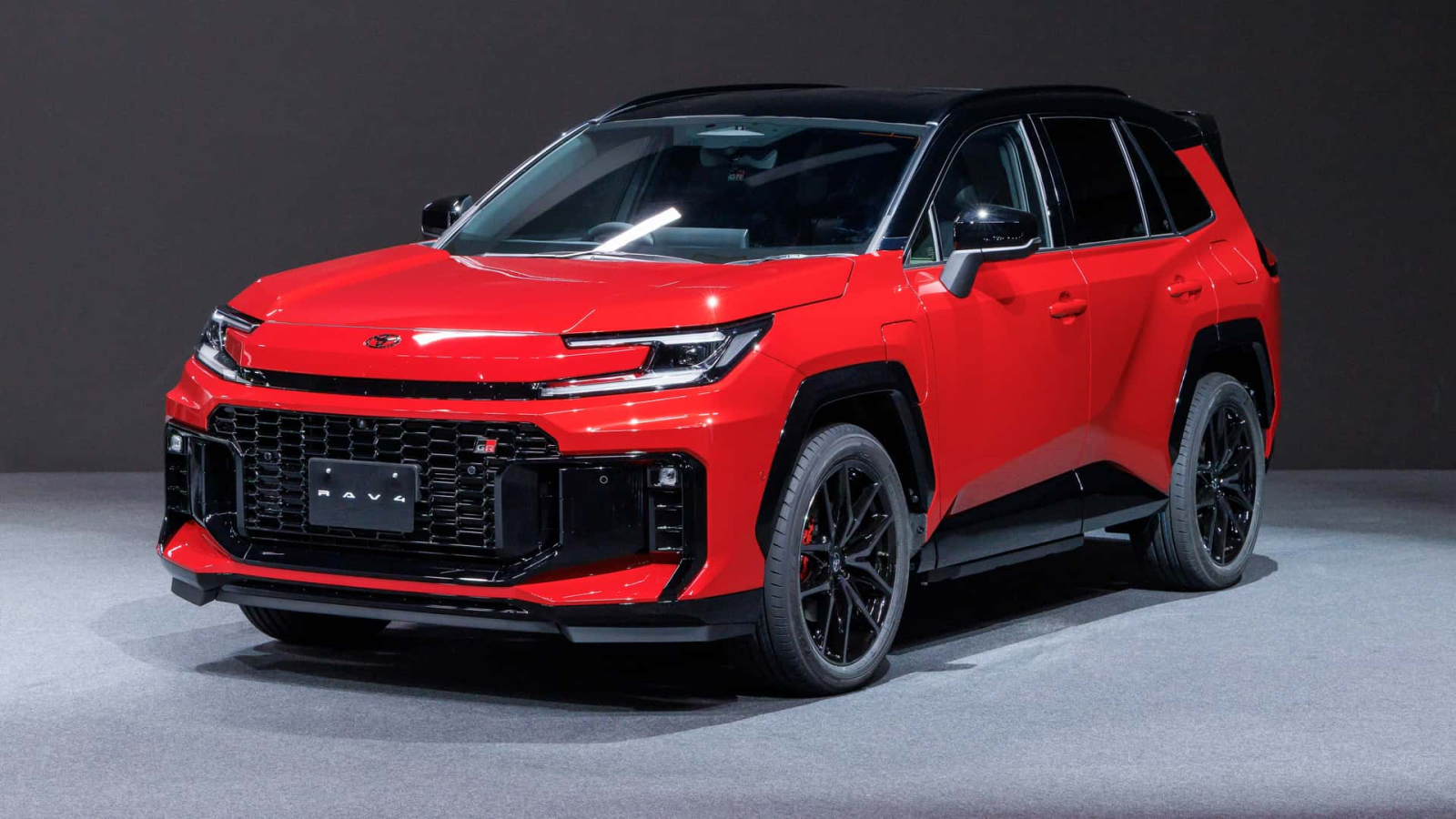
Toyota RAV4 GR Sport
Recently, Toyota revealed that the Japanese RAV4 PHEV includes this new 'HV power supply' feature, which essentially functions as vehicle-to-home (V2H) or vehicle-to-load (V2L) technology. Unlike some competitors, this system offers enhanced capabilities beyond those available from manufacturers like Ford and General Motors.
The system provides up to 1.5 kilowatts of power through a 100-volt outlet, the standard voltage in Japan (compared to 120 volts in the U.S.). This setup enables the vehicle to supply energy to an entire household for a prolonged period.
While the maximum power output is modest compared to others—Ford's F-150 Lightning supports 9.6 kW and can power homes for about three days under peak demand—Toyota claims the RAV4 PHEV's setup can keep a typical Japanese home running for approximately 6.5 days at an average consumption of 400 watts.
When contacted by Road & Track, Toyota did not confirm plans to introduce this feature in the U.S. RAV4 PHEV models. However, the upcoming Highlander EV, expected later this year, will include V2H functionality, though detailed specs on this system remain undisclosed.
The integration of V2H and V2L features represents a major advantage for EV and plug-in hybrid owners. It's encouraging to see Toyota bringing these capabilities to the Japanese market, and hopefully, such options will become available to buyers in the U.S. soon.
Photos
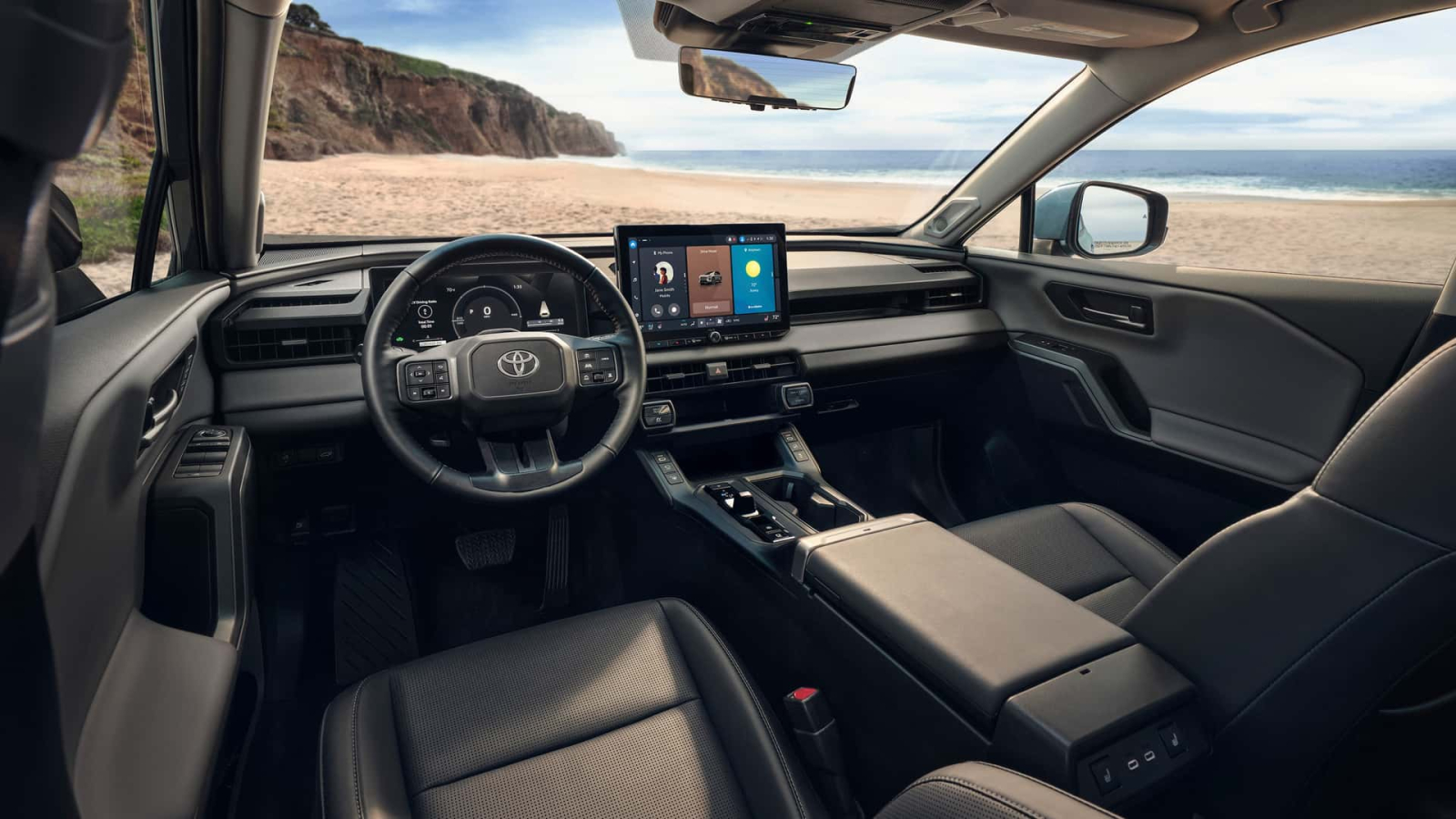

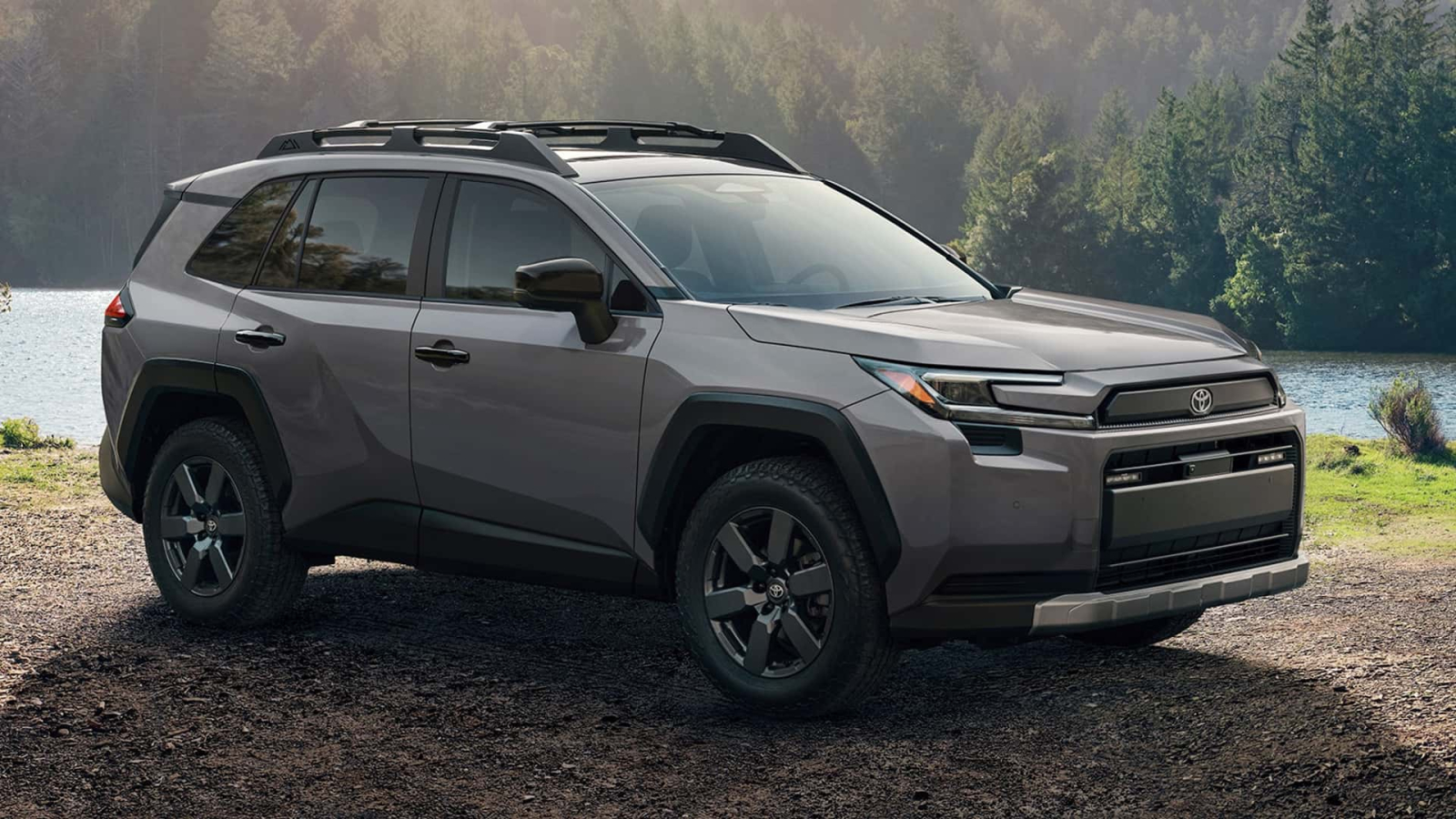
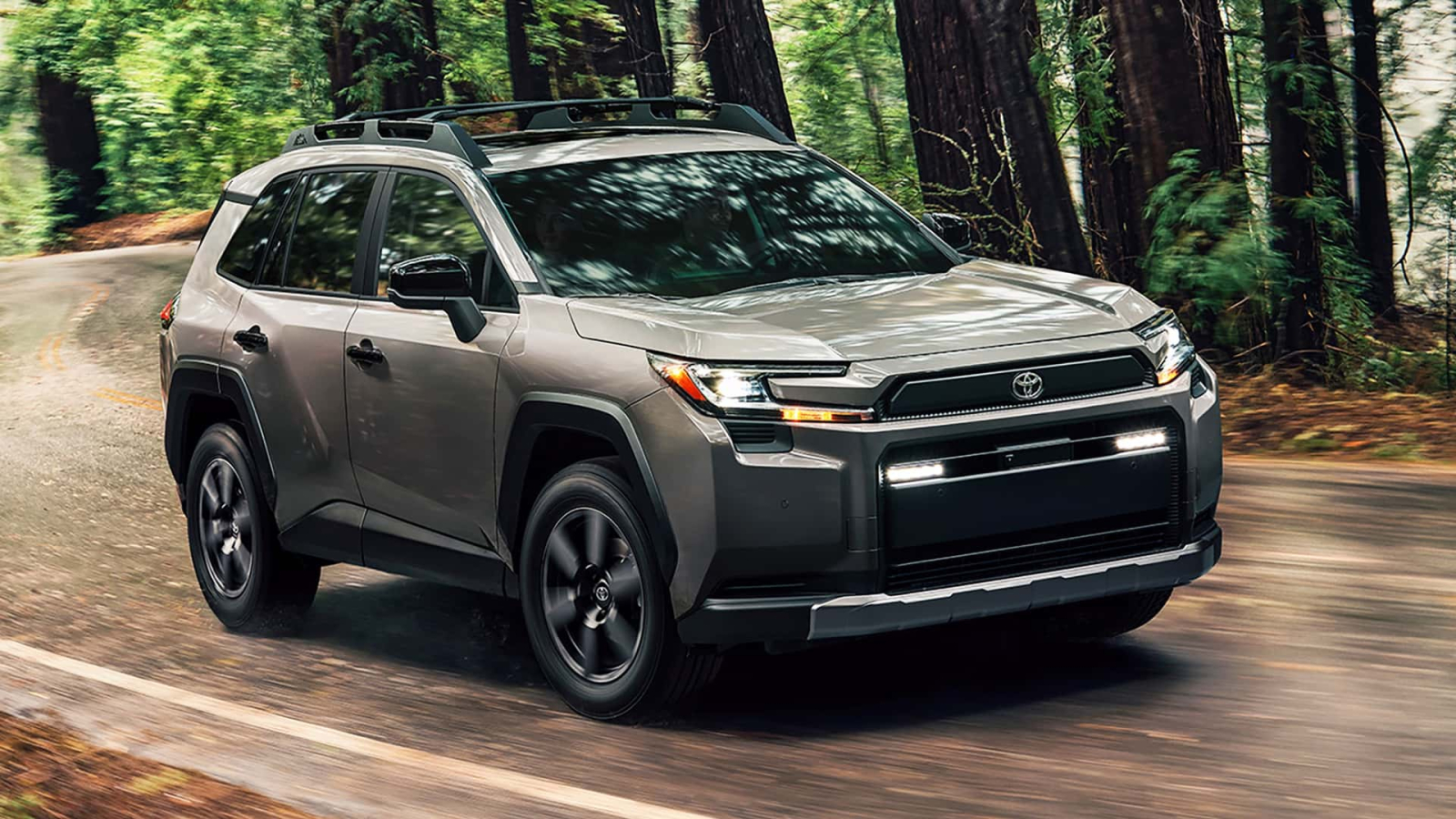
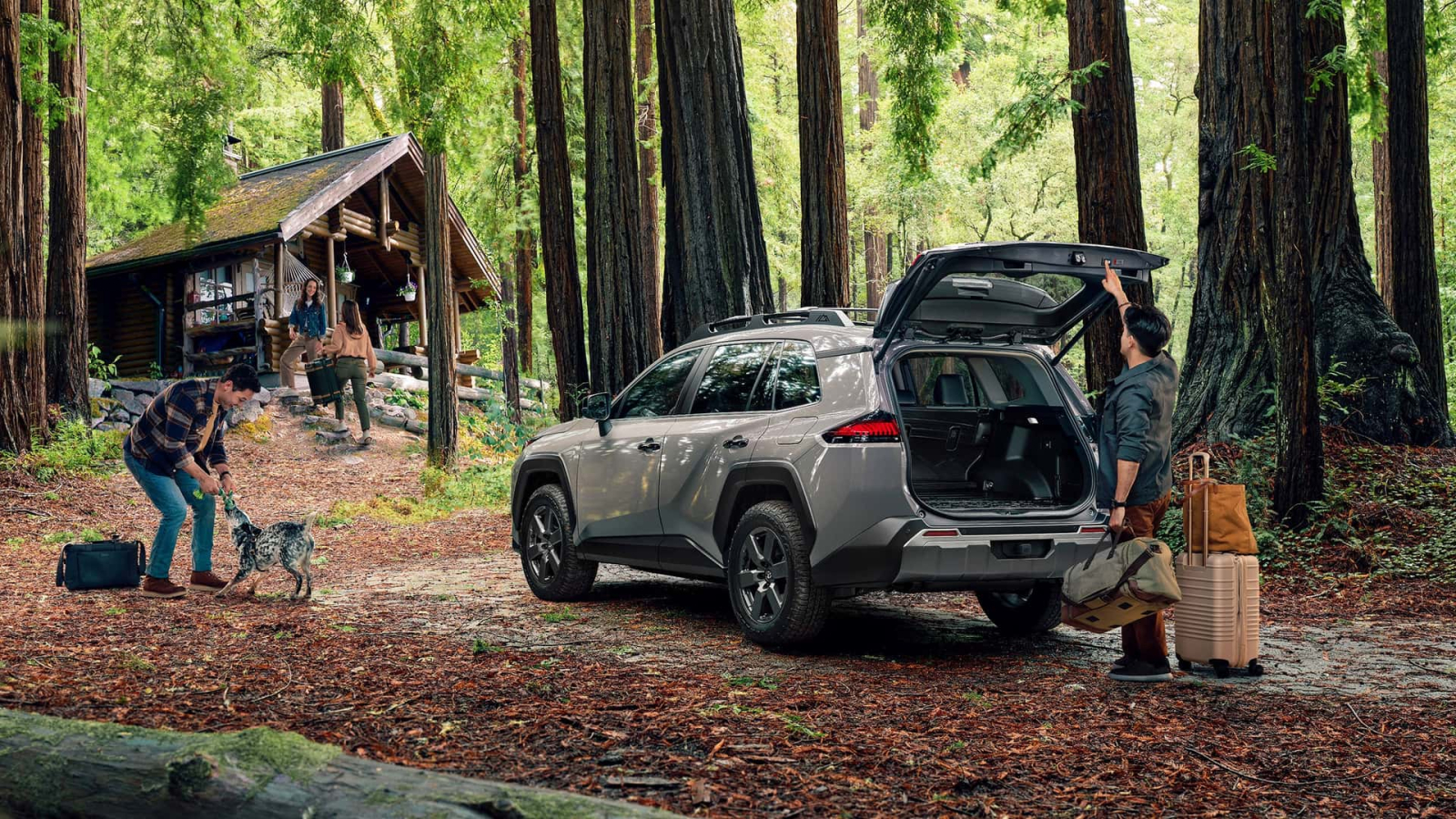
Photos in the catalog
More news