Second-Generation Hyundai Bayon Debuts With Larger Footprint And 136-HP Hybrid Powertrain
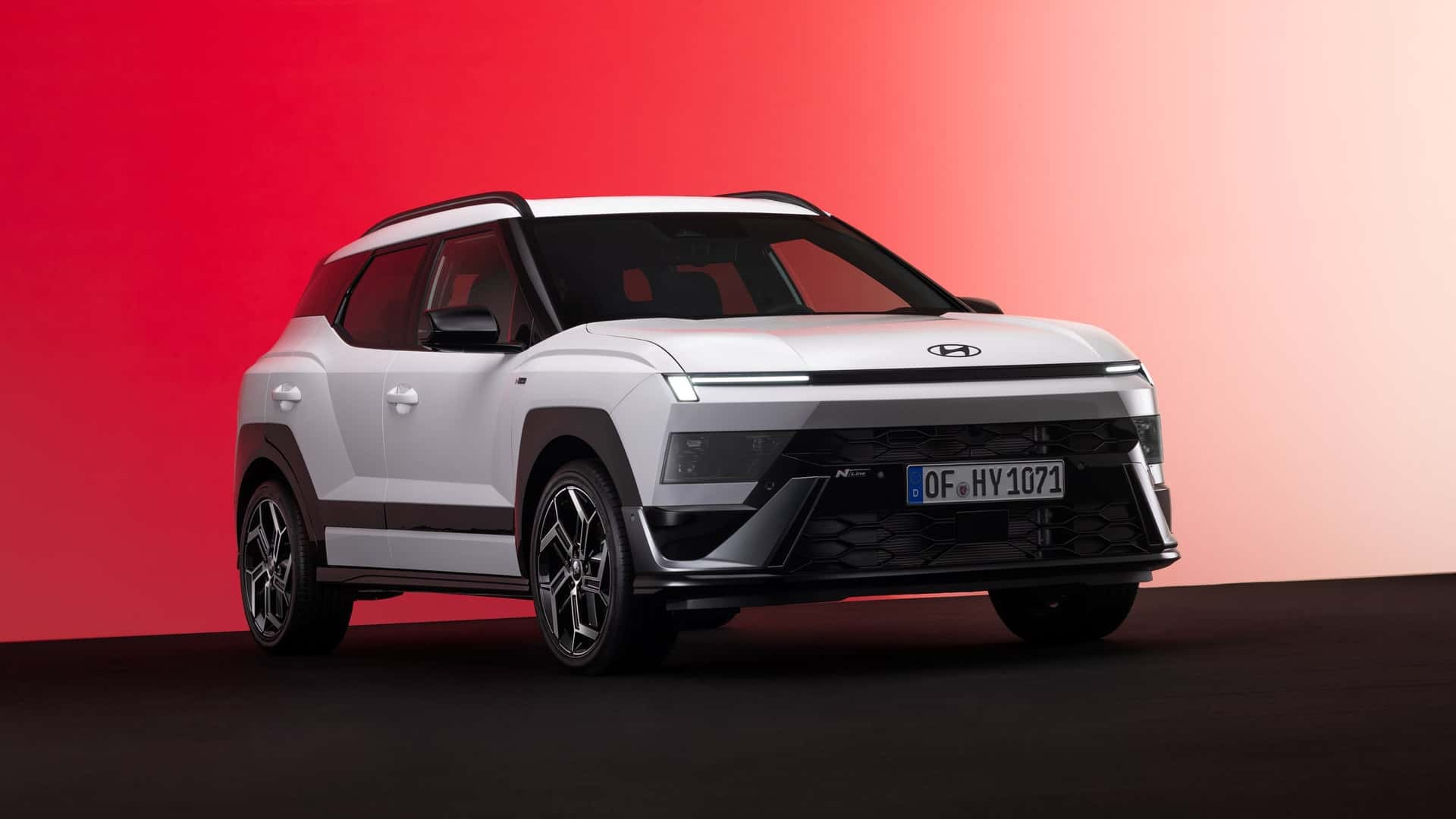
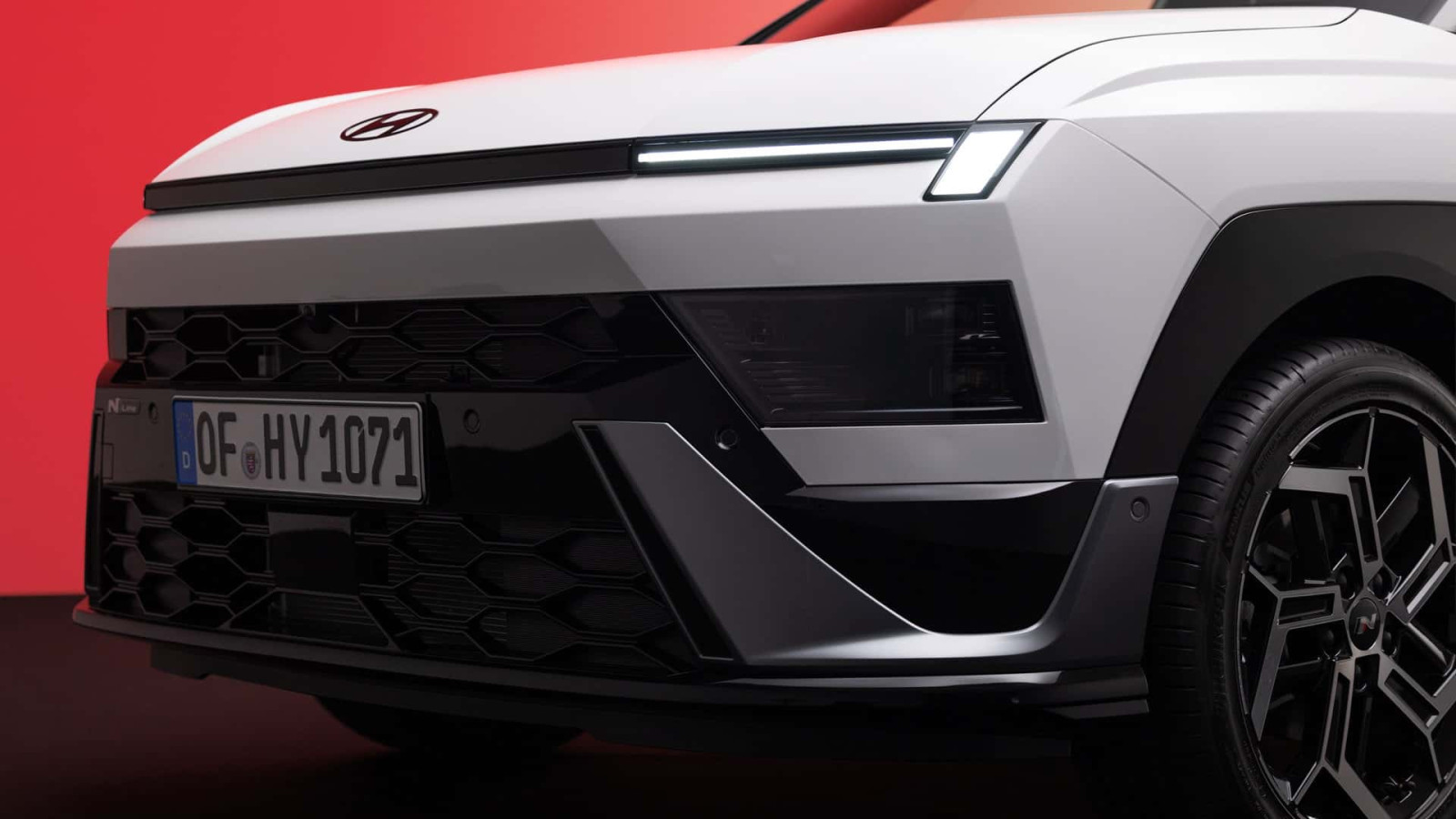
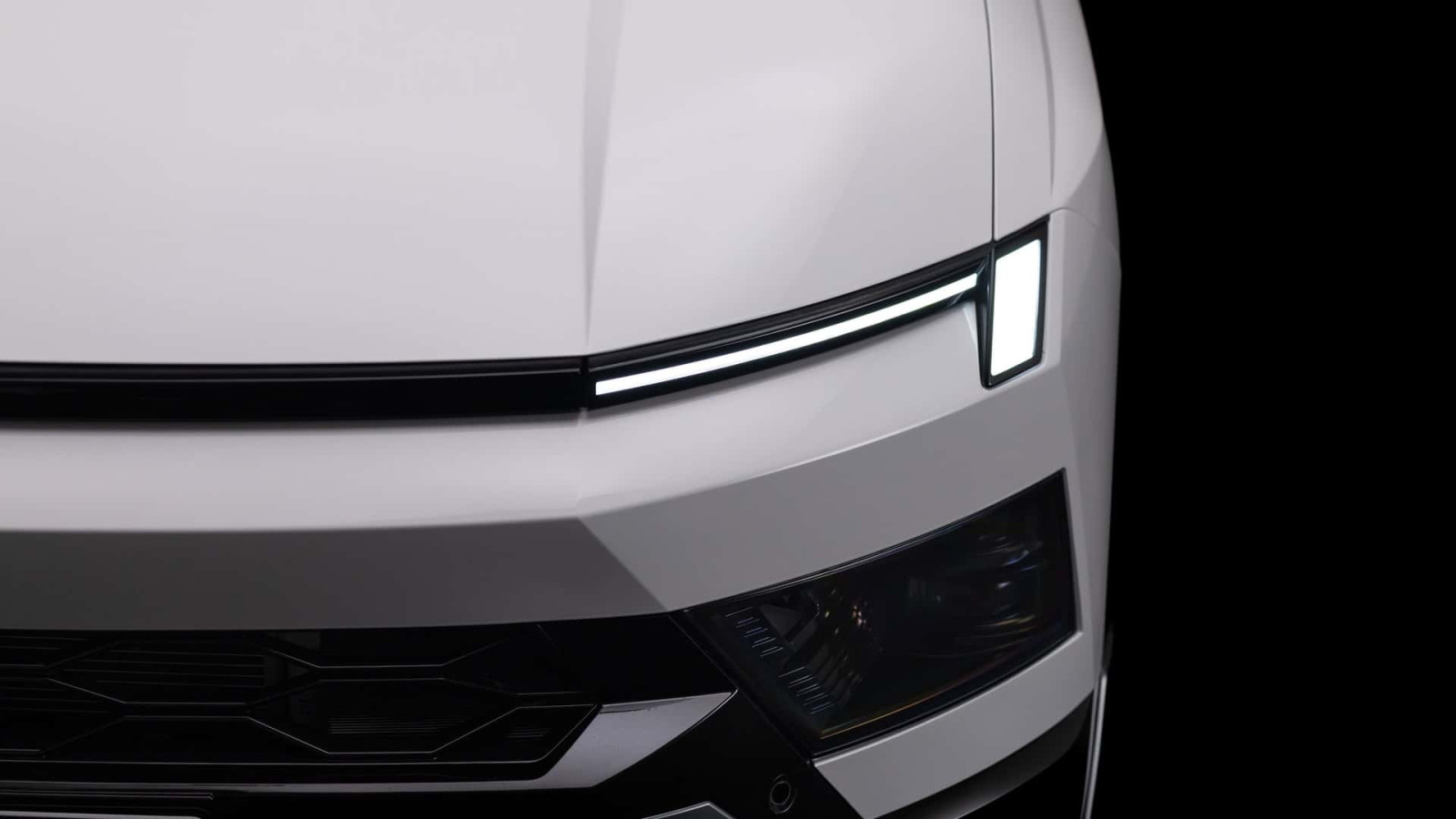
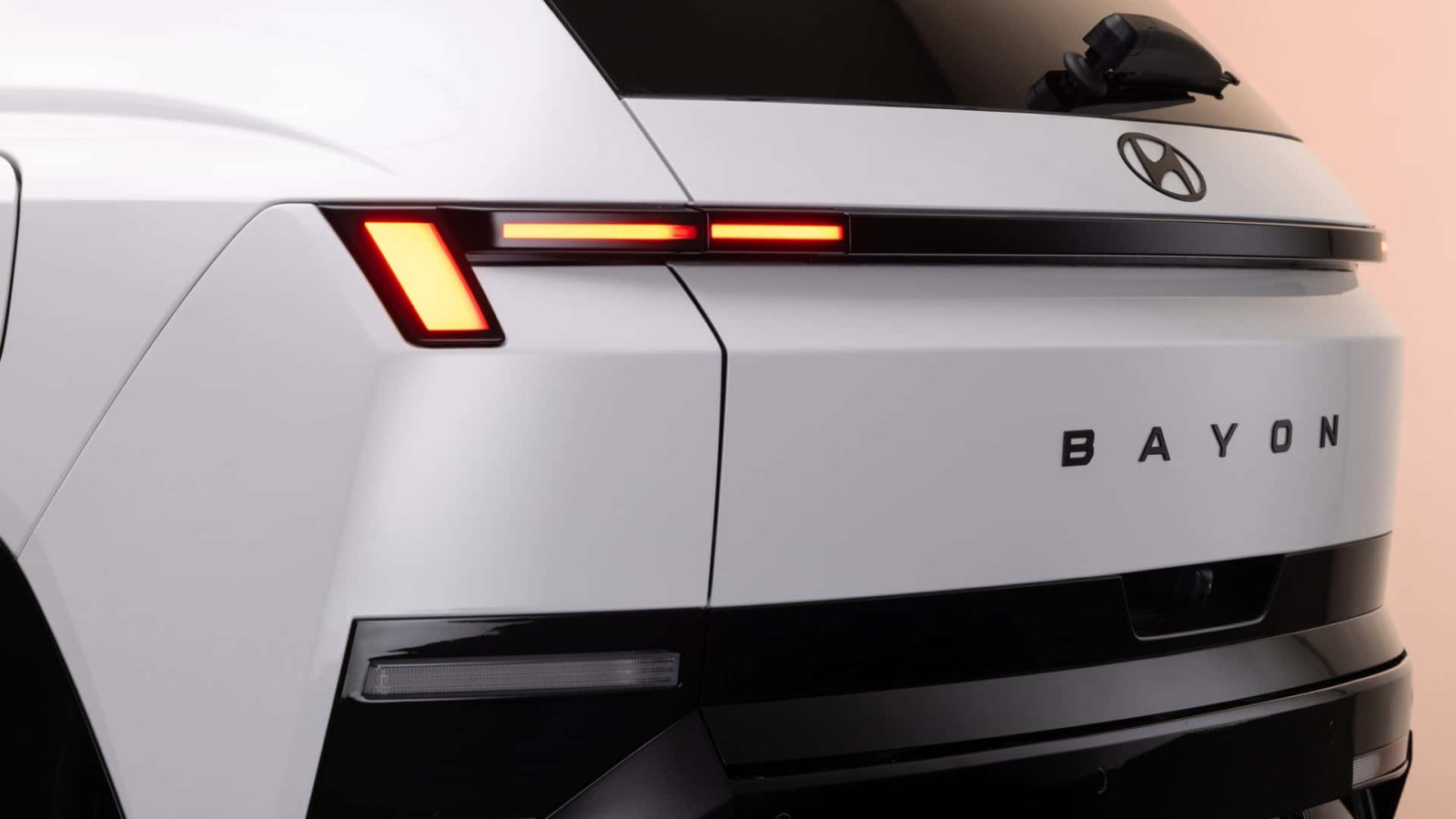
Hyundai has officially unveiled the second-generation Bayon, giving its smallest European crossover a comprehensive makeover with bolder styling, larger dimensions, and upgraded technology. Designed to cater to European demand for urban crossovers, the new model adopts a much sharper, more angular appearance with prominent body creases, chunky body cladding, and an upright stance. Up front, a full-width horizontal lighting signature dominates the fascia, complemented by projection LED headlights with static bending lights, while the rear features matching lighting elements and an angular skid plate.
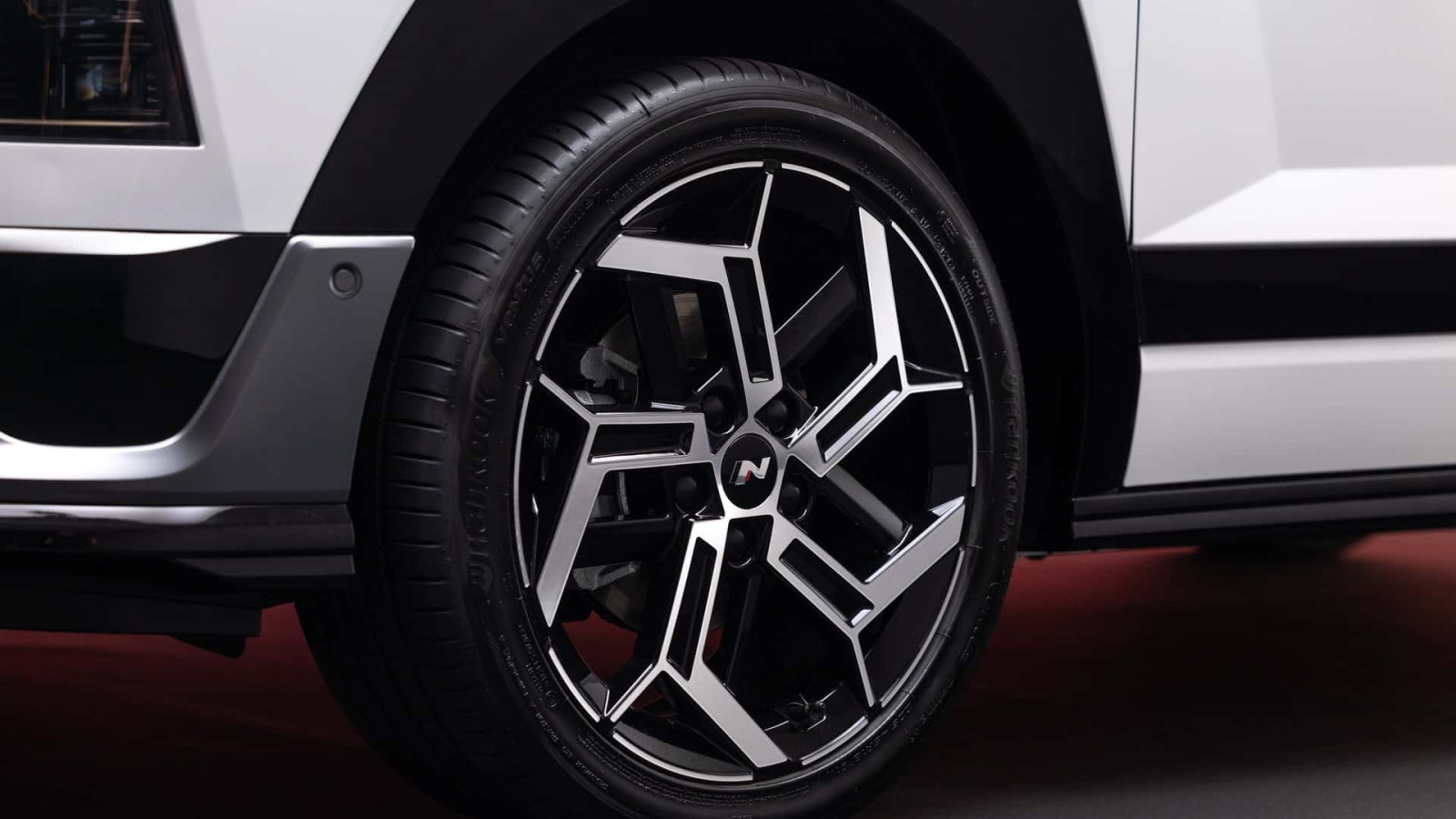
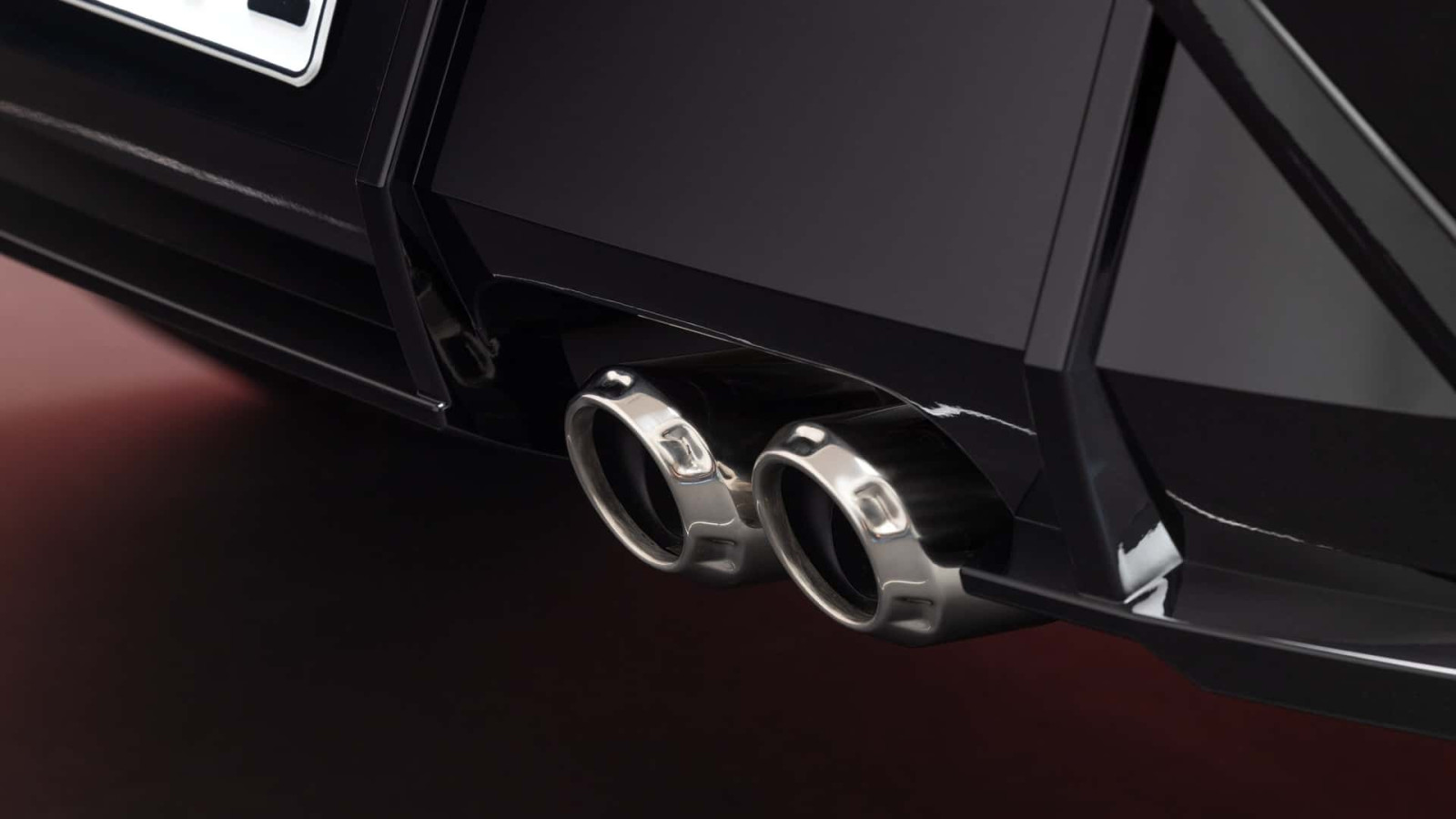
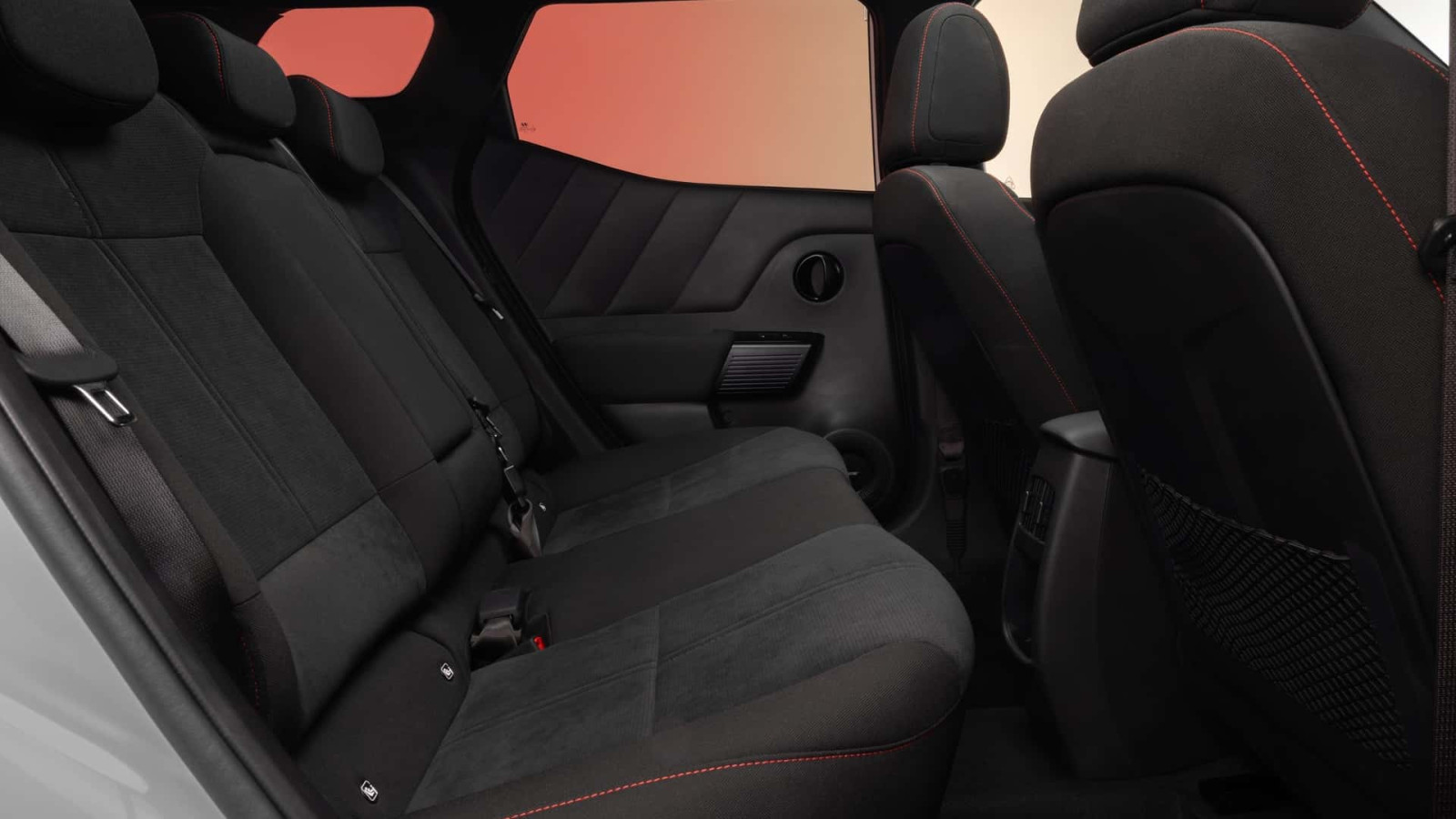
The new Bayon has grown compared to its predecessor. It measures 4,245 millimeters (167.1 inches) in length and 1,810 mm (71.3 inches) in width, representing increases of 65 mm (2.6 inches) and 35 mm (1.4 inches), respectively. The wheelbase spans 2,600 mm (102.4 inches), while ground clearance varies depending on the chosen powertrain and wheel package. Buyers can choose alloy wheels up to 18 inches, a two-tone roof, and various paint finishes including solid, metallic, pearl, or matte options. Available from launch, the sportier N Line trim adds dedicated 18-inch wheels, technical mesh accents, high-gloss black cladding, a rear diffuser with twin exhaust tips, and cloth and suede interior upholstery with red accents.
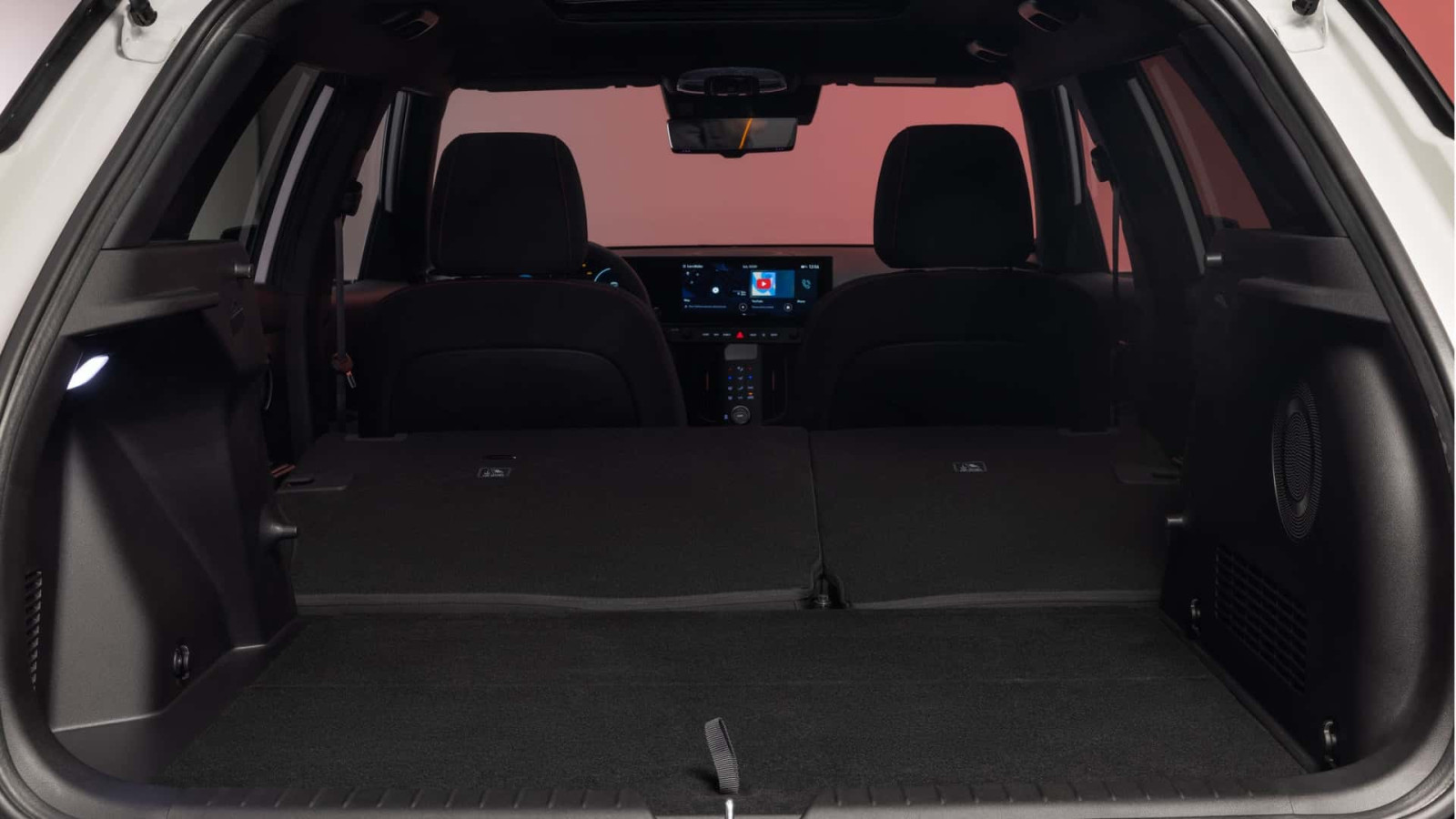
Inside, the cabin receives a curved panoramic display combining a 12.3-inch digital instrument cluster and a 12.3-inch touchscreen infotainment system. Physical buttons remain on the center console alongside elongated vertical air vents. Equipment includes wireless Apple CarPlay and Android Auto, wireless smartphone charging, digital key functionality via smartphone or smartwatch, heated and ventilated front seats, heated rear seats with reclining backrests, dedicated rear climate vents, a Bose sound system, and an opening panoramic glass sunroof. Cargo capacity is rated at 440 liters for internal-combustion models with underfloor storage, while the hybrid version offers 397 liters.
At launch, power comes from a turbocharged 1.0-liter three-cylinder gasoline engine delivering either 90 hp or 115 hp, mated to a six-speed manual or a seven-speed dual-clutch transmission. The base model reaches a top speed of 106 mph (171 km/h), while the 115 hp version tops out at 112 mph (180 km/h). A full-hybrid powertrain pairing a 1.6-liter gasoline engine with an electric motor and a six-speed dual-clutch transmission will arrive later, delivering a combined 136 hp alongside steering-wheel paddle-controlled regenerative braking. Hyundai has not yet announced official pricing or rollout dates.
Photos
Photos in the catalog
More news