Next-Gen Electric BMW M3: Quad Motors and Simulated Performance Stages
Making a fast electric vehicle feel truly exciting is a unique challenge. Without an internal combustion engine revving to redline or a transmission banging through gears, automakers are turning to simulated shifts and synthetic soundtracks to provide driver engagement. While systems like Hyundai's N e-Shift and N Active Sound+ have explored this territory, BMW M is taking its own distinct approach for its upcoming first electric M car based on the Neue Klasse architecture.
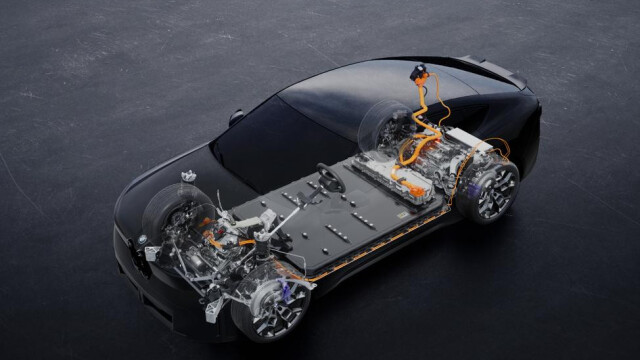
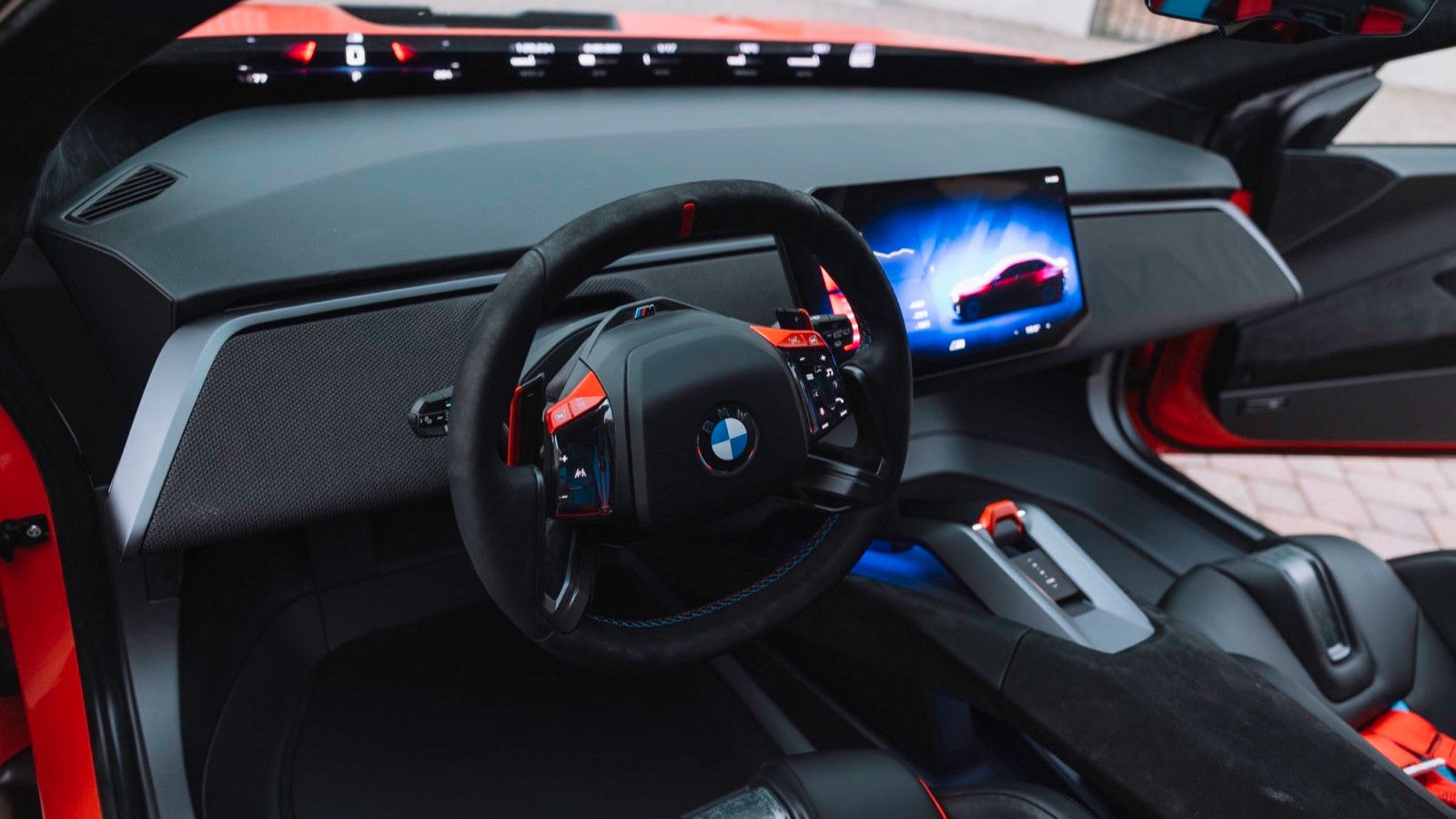
Equipped with four electric motors, the forthcoming electric M model is anticipated to be among the quickest M cars ever built. Ahead of the M Concept Neue Klasse's North American debut, Frank van Meel, head of BMW M, confirmed that the production version will feature paddle shifters and paddle-controlled "different stages" to give drivers intuitive feedback. However, BMW avoids simply mimicking a conventional gearbox to prevent replicating the brief power interruptions associated with mechanical gear changes. The goal is to provide intuitive speed and load cues without artificial drawbacks.
A similar bespoke philosophy applies to the acoustic experience. Rather than piping synthetic engine recordings into the cabin—despite experimenting with recordings of historical four-cylinder, six-cylinder, V-8, and E60 M5 V-10 engines during development—BMW M is designing a natural, emotional soundtrack rooted in the electric motor's character, reminiscent of a turbine, while avoiding overly sci-fi tones.
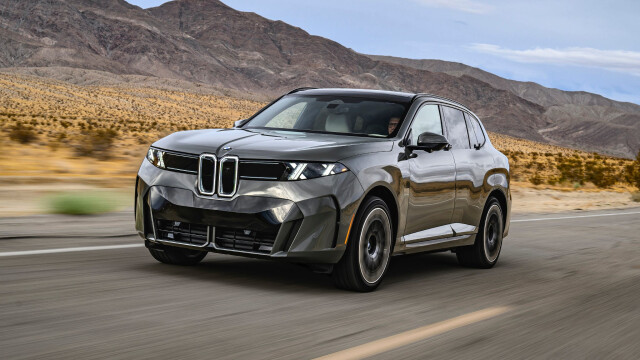
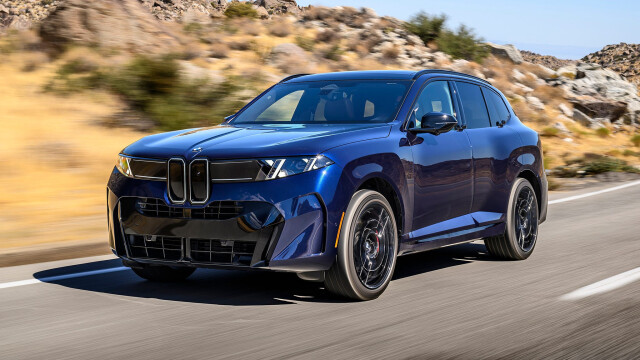
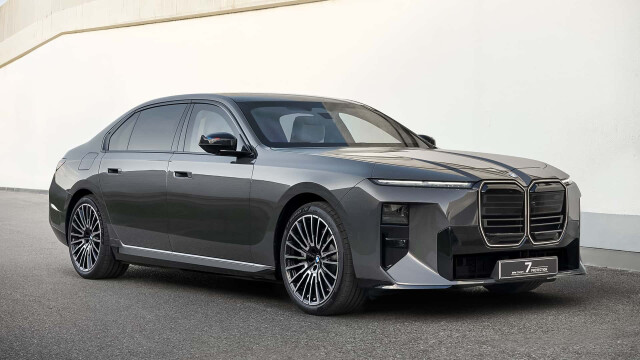
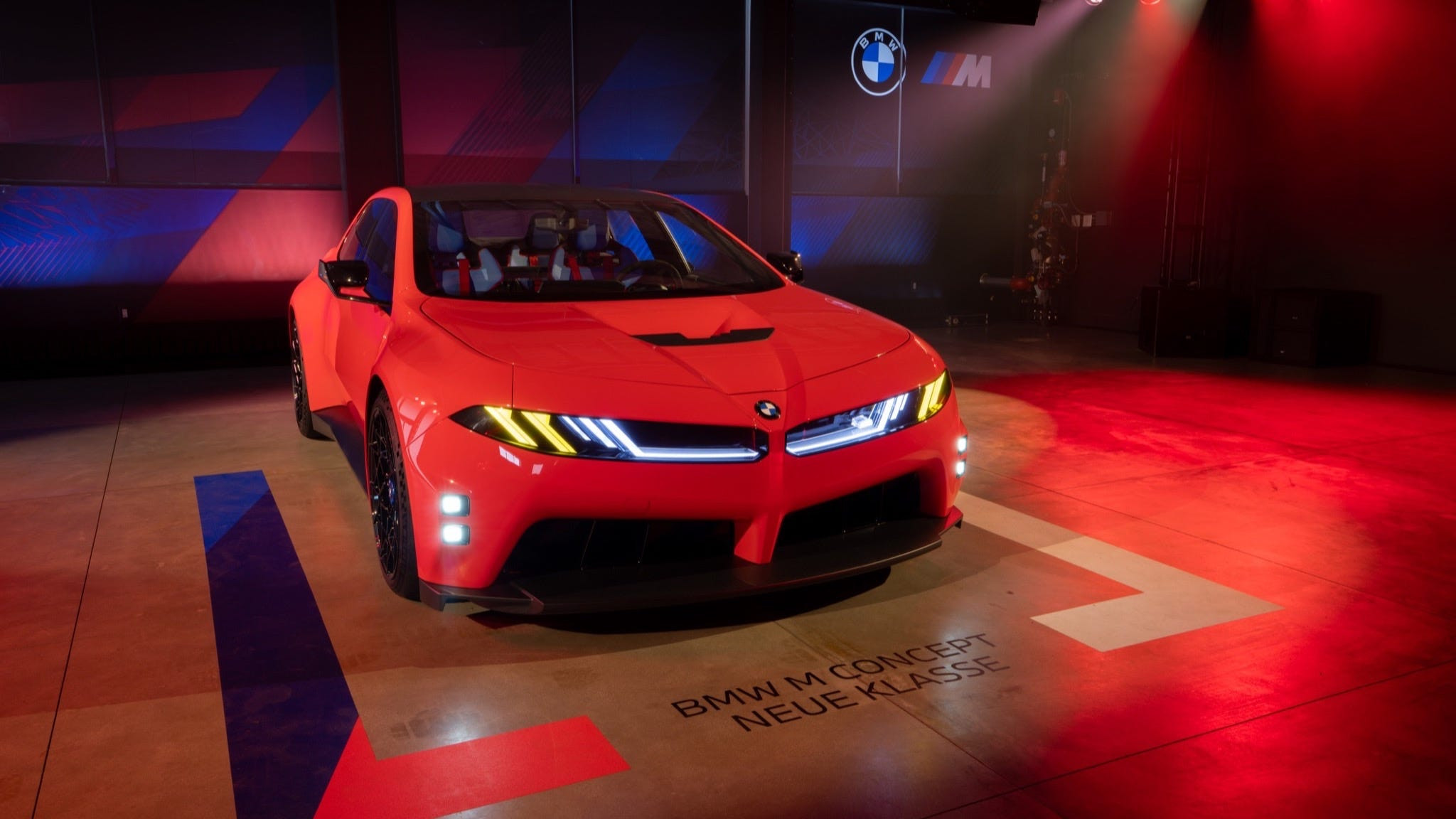
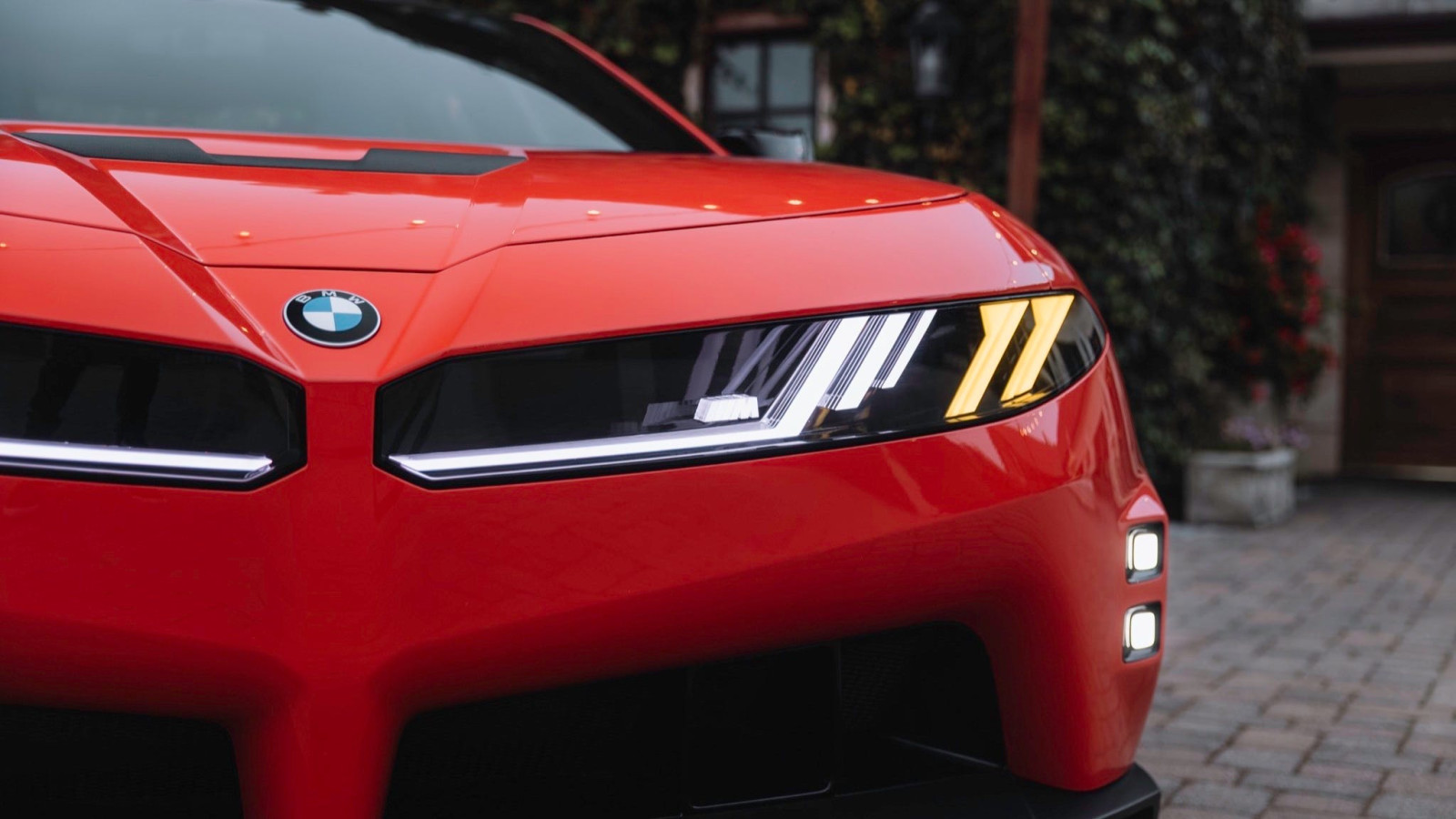
Design is also undergoing a major transformation. Oliver Heilmer, head of design at BMW M, explained that the Neue Klasse era enabled a shift away from the large vertical kidney grilles seen on current M3 and M4 models toward a reduced, functional design language. Drawing inspiration from classic models like the BMW 1500 and 507, the M Concept Neue Klasse features slim, illuminated horizontal kidney grilles serving primarily as a visual signature, with main cooling air entering through the lower front fascia. The production version is slated to arrive by 2027.
Photos
Photos in the catalog
More news