2027 BMW 3 Series gasoline and electric versions will share a unified design
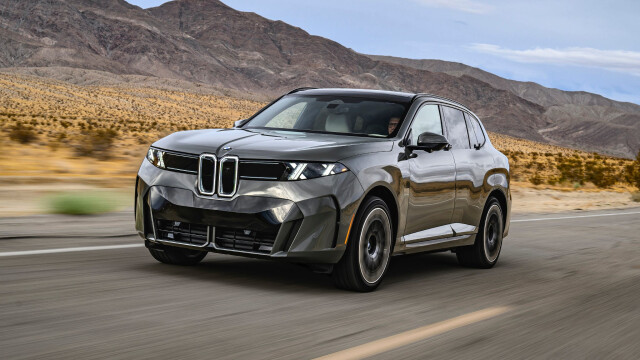
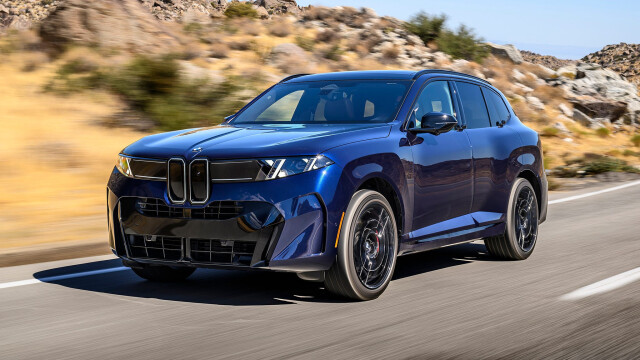
As automakers enter the second and third generations of modern electric vehicles, BMW is preparing to roll out its next-generation battery-electric portfolio built around Neue Klasse technologies. With this major shift, the Bavarian brand has decided to stop making its electric cars look unusual, quirky, or distinct from the rest of its lineup, focusing this unified approach on core, high-volume models such as the new 2027 BMW 3 Series.
During a roundtable interview at a product preview event in Munich, Germany, BMW design chief Adrian van Hooydonk stated that electric and internal-combustion vehicles should broadly share the same aesthetic language regardless of powertrain differences. He pointed out that the industry is entering a decisive phase where electric mobility needs to become more agreeable and accessible to mainstream customers. Van Hooydonk noted that thoughtful design can help ease both range anxiety and charging concerns, emphasizing that the early pioneer stage—in which early adopters accepted peculiar styling for the sake of driving electric—has definitively passed.
BMW is also keen to avoid splitting its product portfolio down the middle. Under its stated philosophy of technology openness, the company will apply Neue Klasse styling, cabin interfaces, and software architecture to combustion-engine vehicles as well. Van Hooydonk explained that Neue Klasse serves as an overarching reset for the entire brand's look and feel, allowing customers to freely choose their preferred drivetrain without facing different exterior aesthetics.
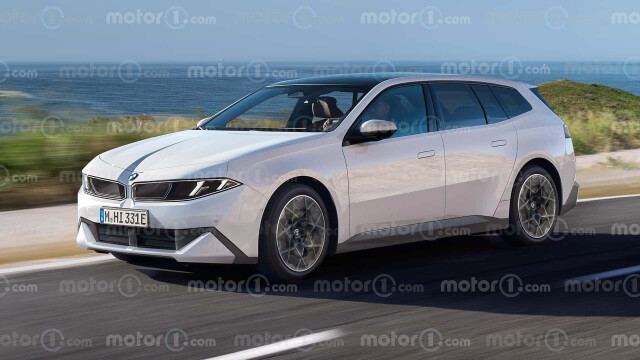
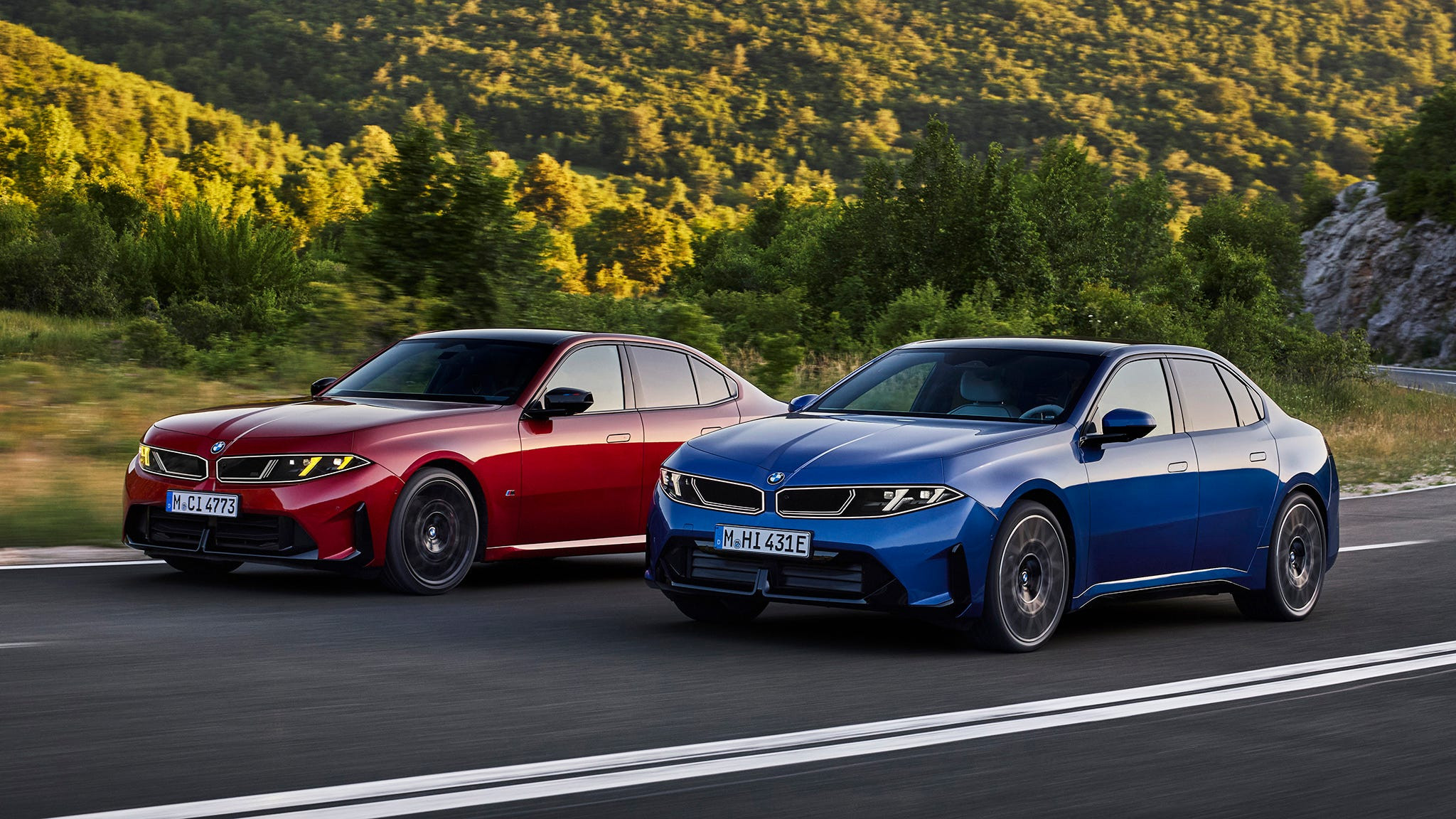
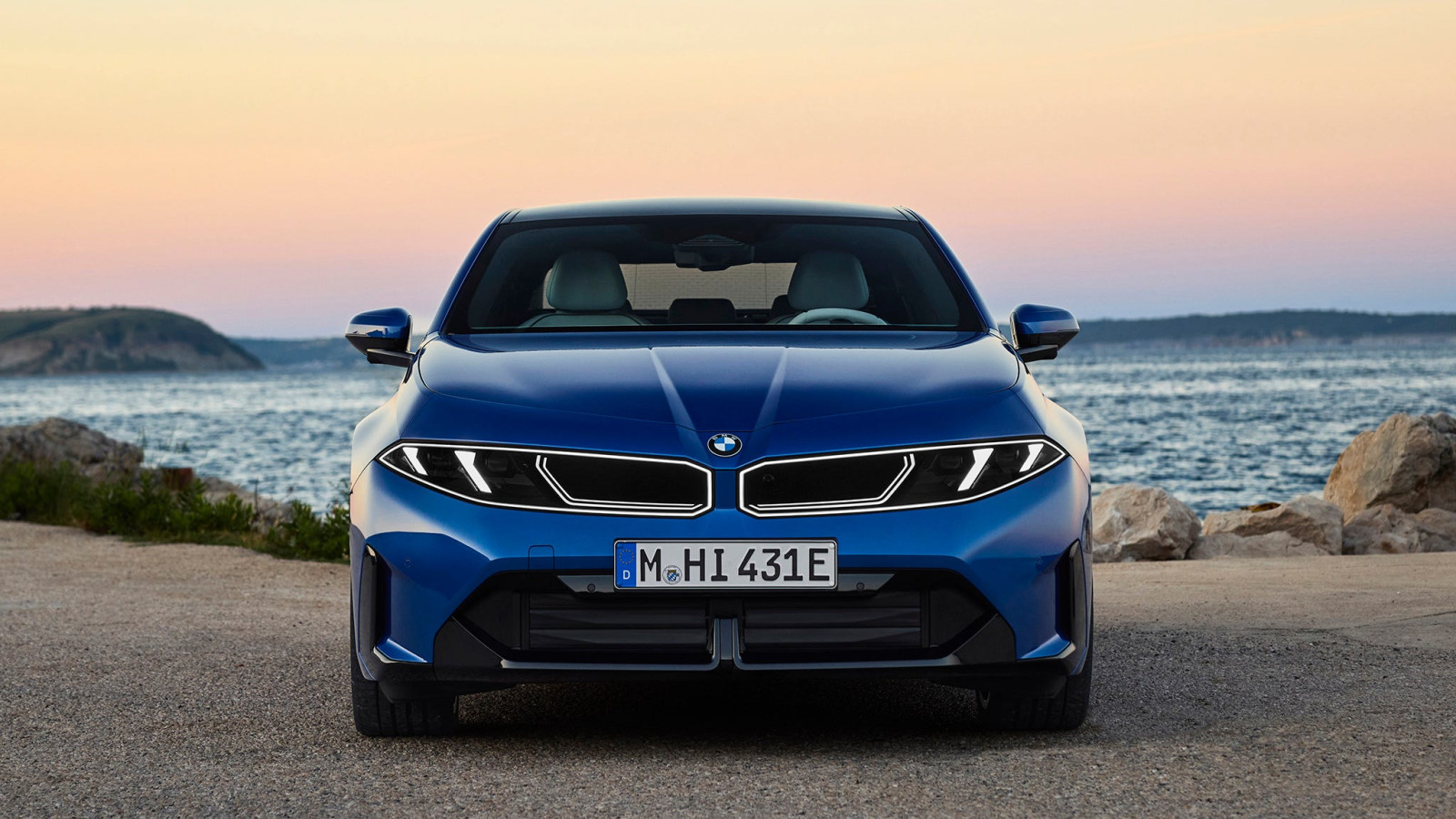
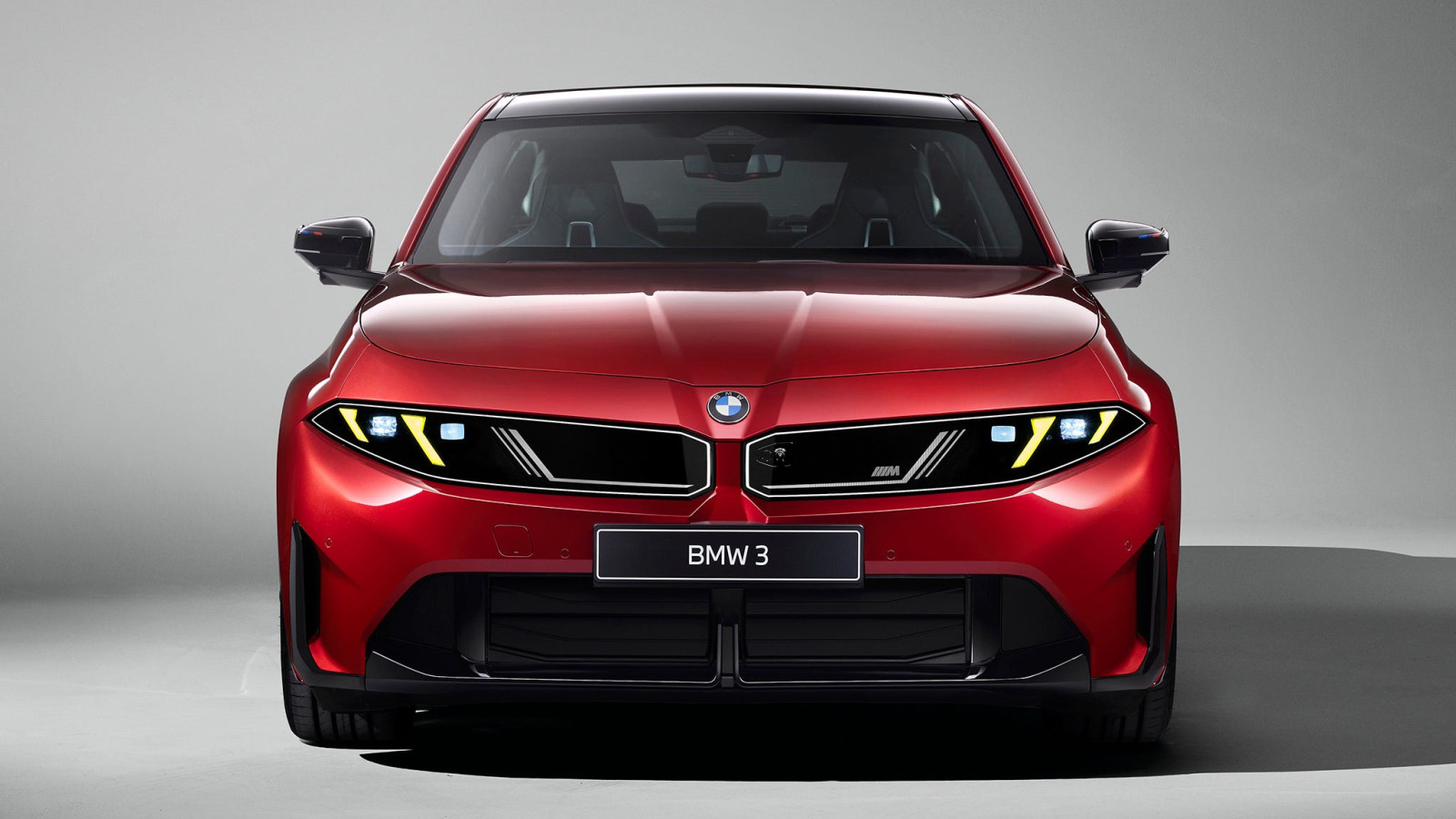
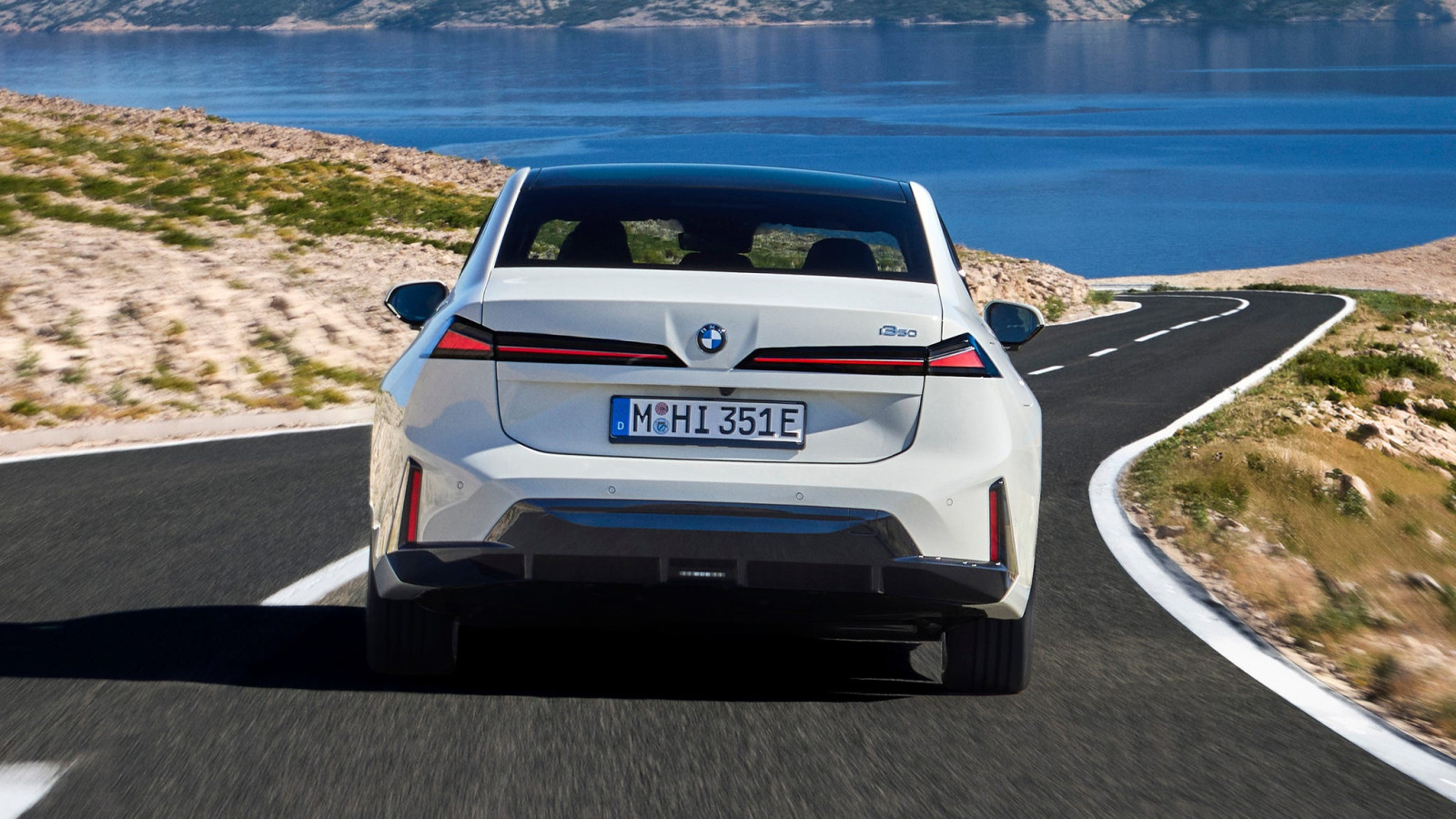
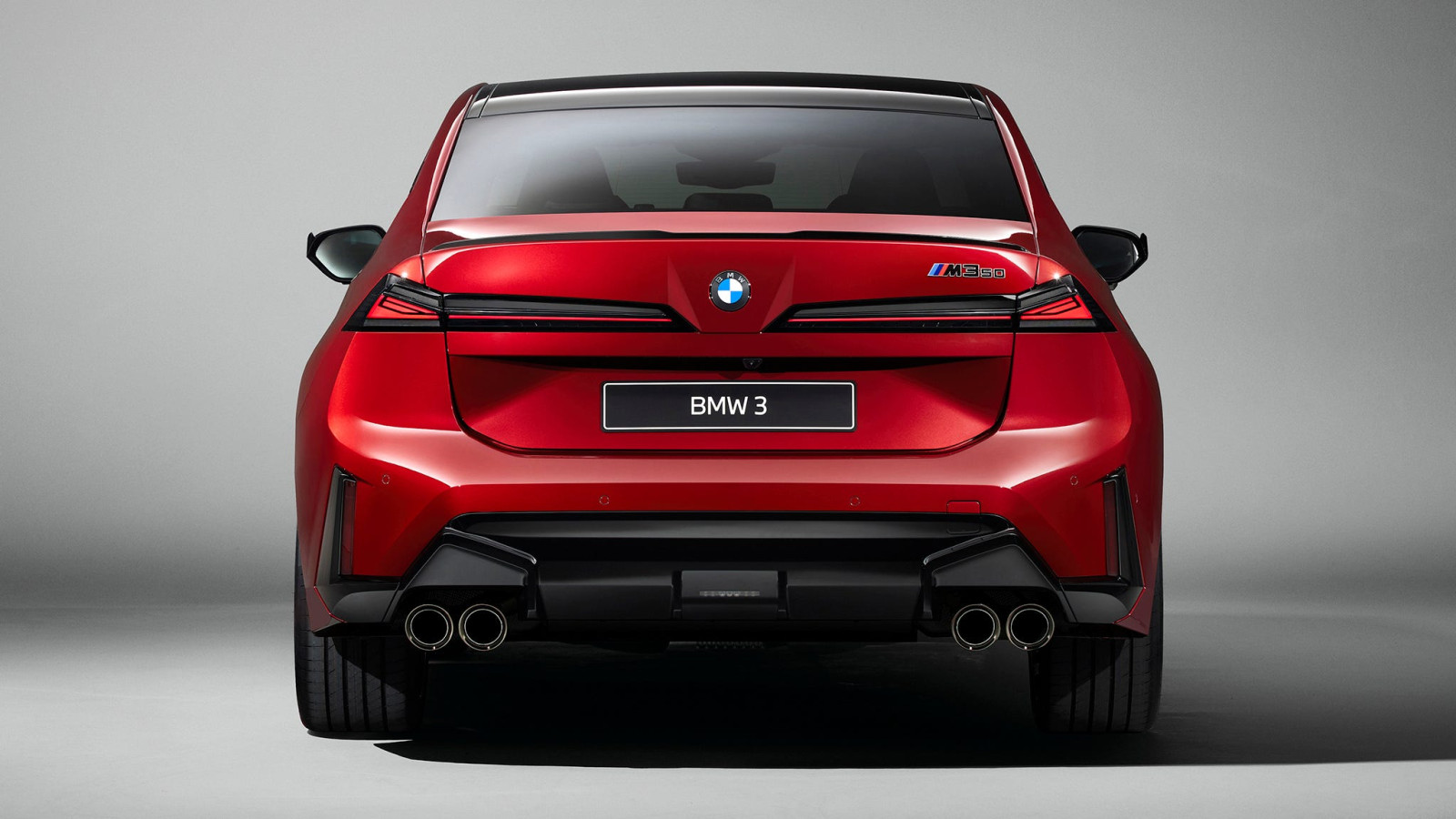
Consequently, the all-electric i3 sedan—showcased as the i3 50 xDrive in Le Castellet Blue and the i3 xDrive in Alpine White—is visually nearly indistinguishable from the gasoline-powered 2027 BMW 3 Series and M350 xDrive. This marks a sharp departure from the eccentric, carbon-intensive i3 hatchback of previous years. Apart from slight dimensional differences needed to accommodate vehicle architecture and the elimination of tailpipes, one sedan is practically identical to the other. This cohesive strategy contrasts sharply with competitors like Mercedes-Benz, which maintain distinct front- and rear-end aesthetics for their dedicated electric offerings.
Photos
Photos in the catalog
More news