Nissan Sunny VI (B12) photos
Photos
3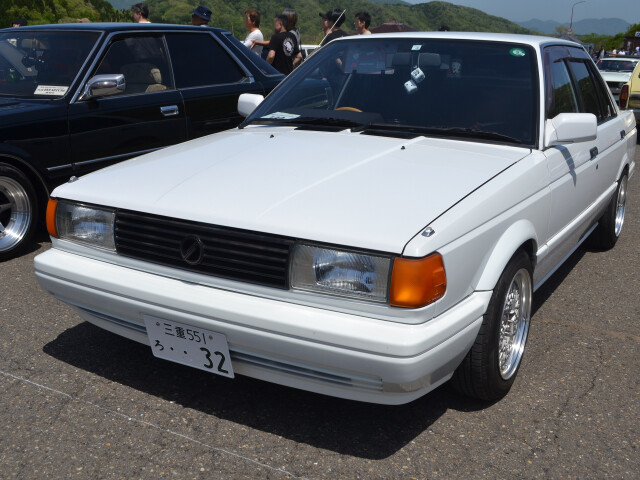
About this generation
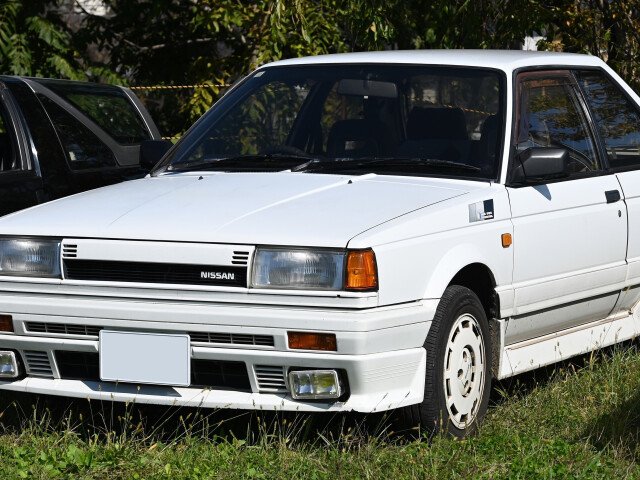
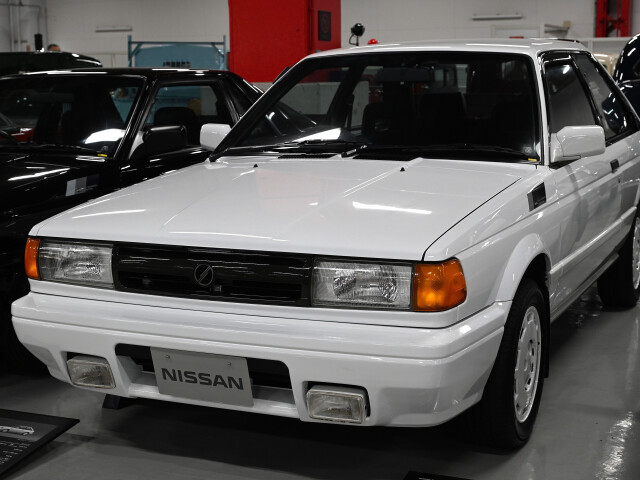
The sixth-generation Nissan Sunny (B12, 1985–1990) featured distinctive angular styling, a stiffer chassis with available all-wheel drive, and a transition to newer multi-valve engines.
Launched in 1985, the sixth-generation Nissan Sunny (chassis code B12) evolved the front-wheel-drive foundation of the outgoing B11 while introducing a bold, boxy, and geometric exterior design language—affectionately marketed as the 'Trad Sunny' in Japan—accompanied by increased torsional rigidity, larger glass areas, and refined suspension geometry. A major technical advancement over the B11 generation was the introduction of optional four-wheel-drive (4WD) variants alongside the standard front-wheel-drive layout. The diverse B12 lineup encompassed four-door sedans, two-door sedans (primarily for North America), three-door and five-door hatchbacks, a spacious five-door station wagon, and a sleek wedge-shaped three-door coupe (known as the Sunny RZ-1 in Japan and Sunny Coupe in Europe). Early models carried over refined versions of the E-series petrol inline-four engines and the 1.7-liter CD17 diesel, paired with four- or five-speed manual gearboxes and three- or four-speed automatic transmissions. During its mid-cycle facelift around 1987–1988, the B12 received updated grilles, lighting clusters, and interior refinements, while transitioning toward Nissan's newer SOHC multi-valve GA-series petrol engines and offering twin-cam 16-valve CA-series units (CA16DE and CA18DE) in performance-oriented trims. The B12 achieved widespread international success, selling across Japan, North America (as the second-generation Nissan Sentra), Latin America, and Europe, where it was sold alongside the closely related N13-series Sunny.
Nissan news