 2
2
 56
56
 49
49
 60
60
 47
47
 53
53
 57
57
 50
50
 53
53
 49
49
 28
28
 32
32
 37
37
 42
42
 32
32
 34
34
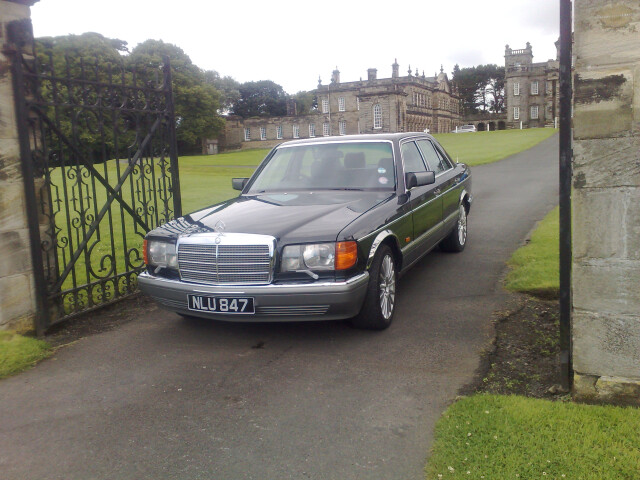
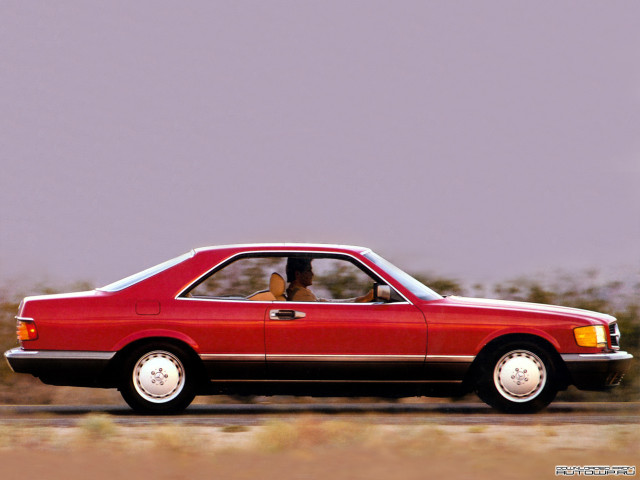
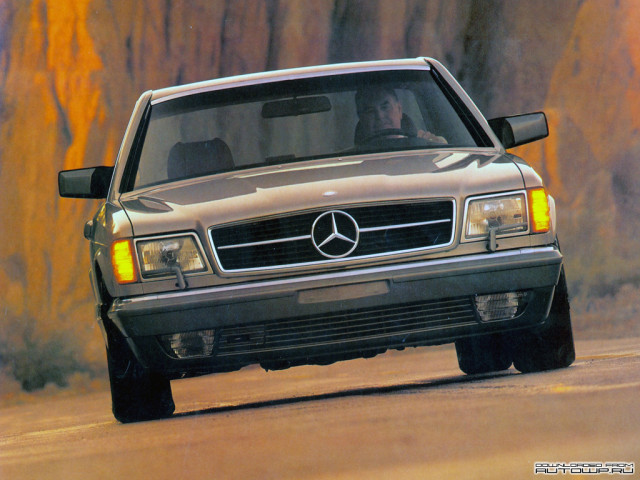
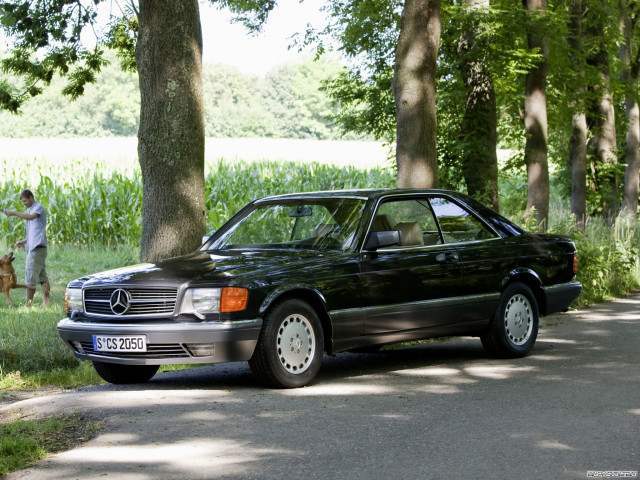
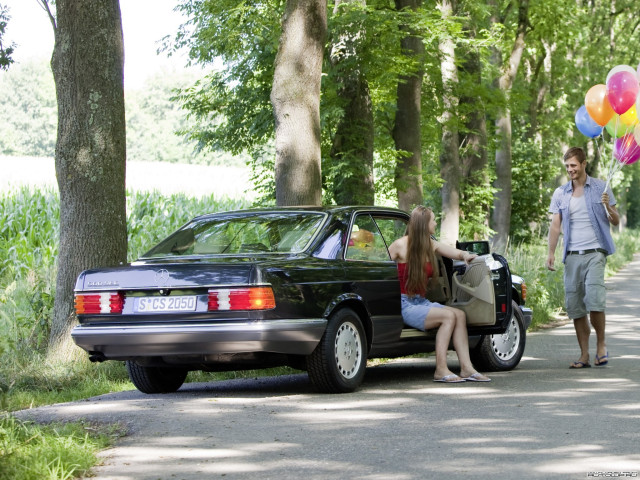
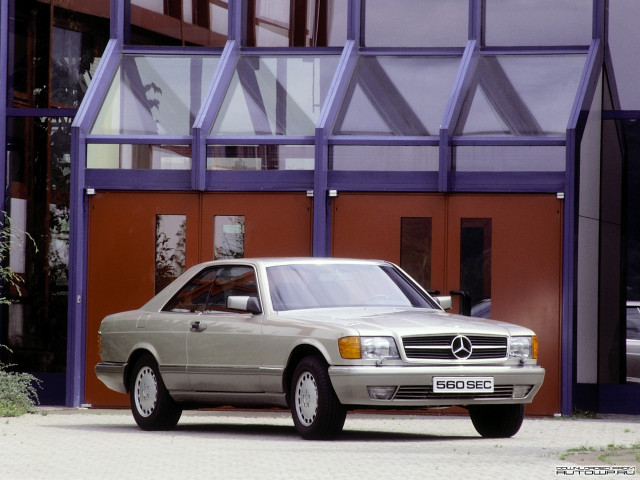
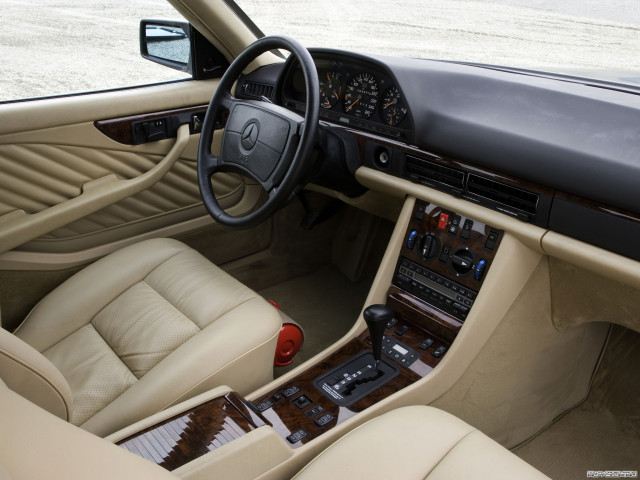
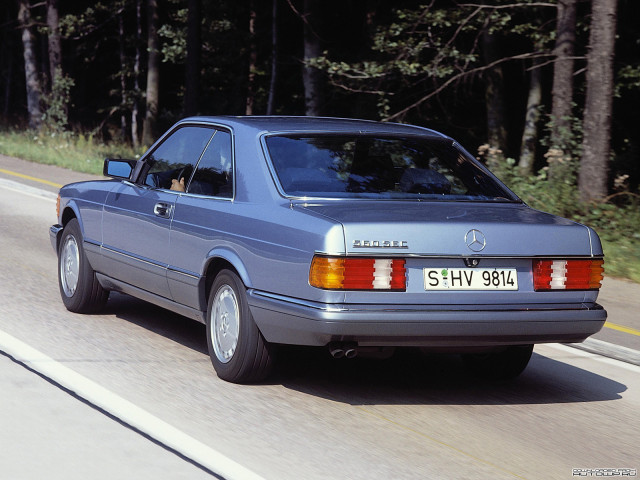
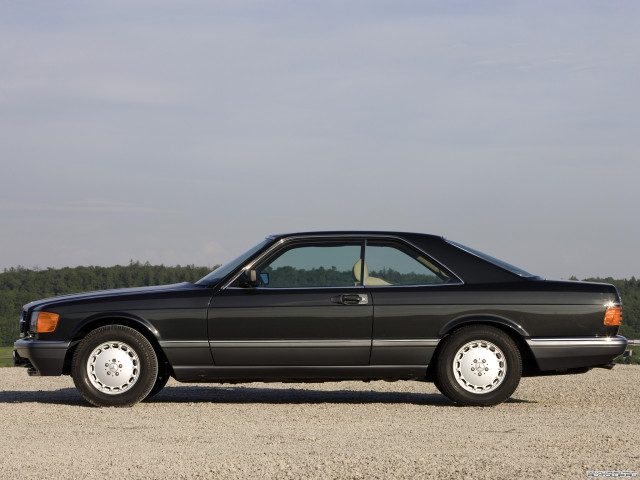
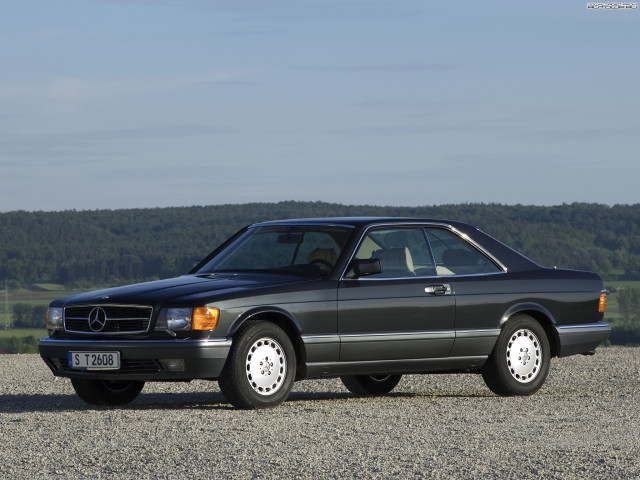
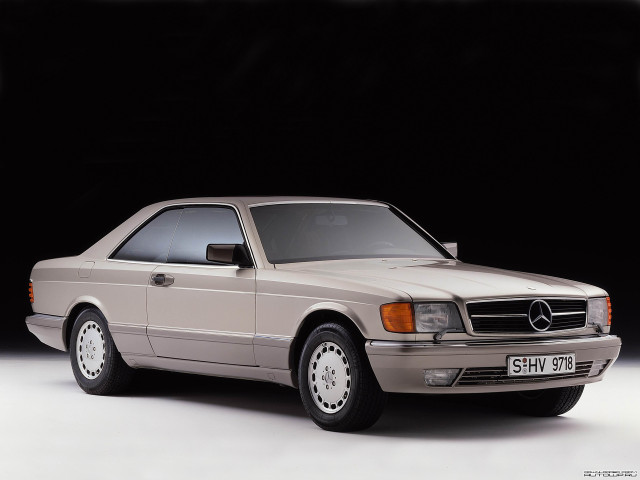
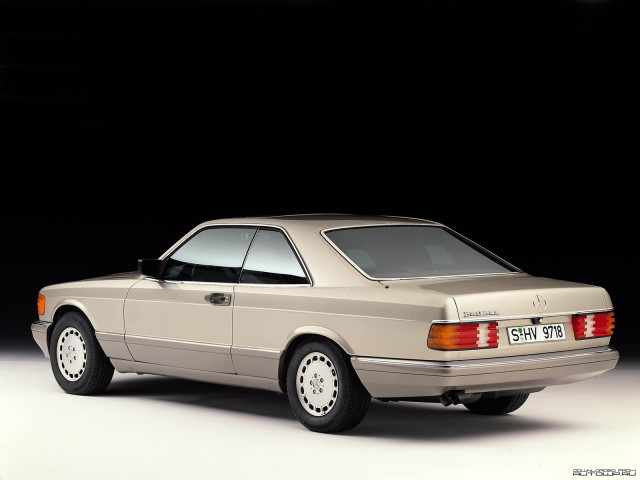
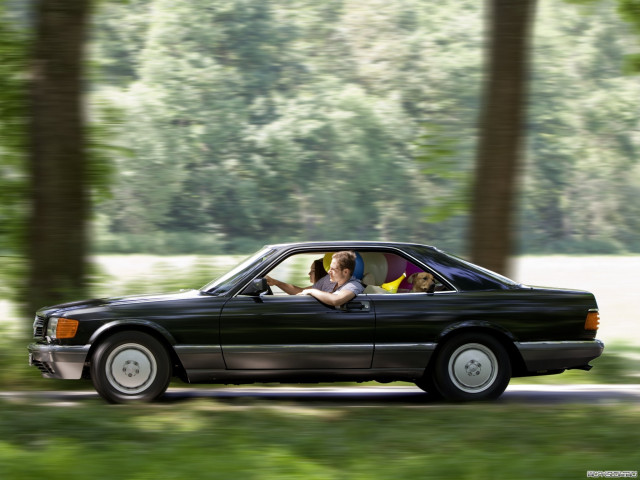
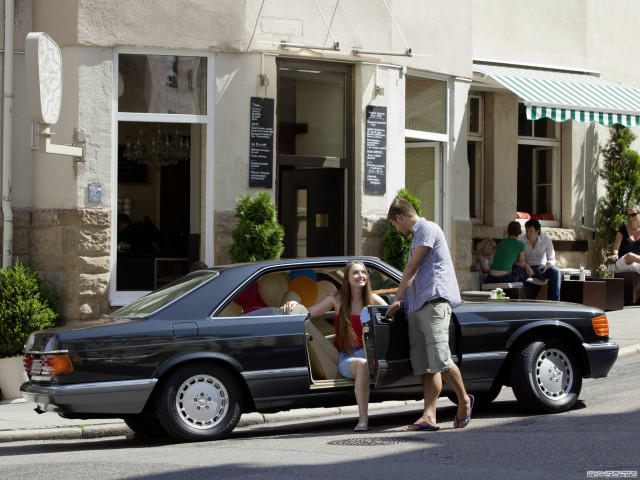
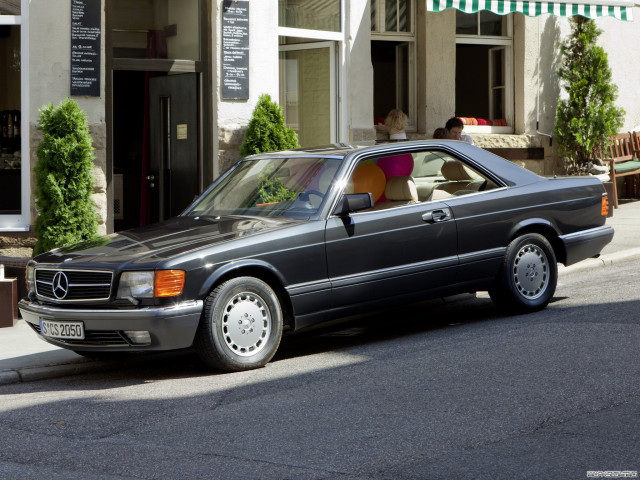
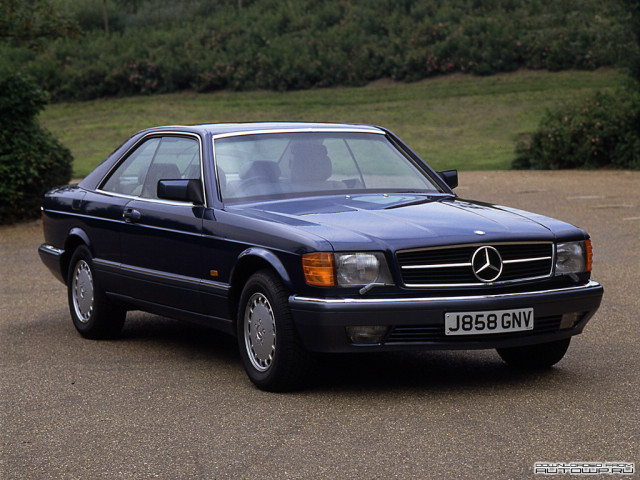
Sixth generation Mercedes-Benz S-Class (W126), manufactured from 1979 to 1991 as the longest-running and highest-selling S-Class in history.
The sixth-generation Mercedes-Benz S-Class (W126) launched at the Frankfurt Motor Show in September 1979. Masterminded by chief designer Bruno Sacco, the aerodynamic body boasted a class-leading drag coefficient of 0.36 and polyurethane side protective cladding ('Sacco planks'). The lineup featured standard-wheelbase sedans (W126), long-wheelbase variants (V126 SEL), and the regal SEC two-door coupe (C126). Production spanned 12 years, yielding over 818,000 sedans and 74,000 coupes—a record volume for the flagship line.
Engine choices ranged from inline-sixes (280 SE, 300 SE) to smooth V8s spanning 3.8 to 5.6 liters (380 SE, 420 SE, 500 SE, and the 300 hp 560 SEL), alongside 3.0L/3.5L turbodiesels for North America. Safety milestones pioneered on the W126 included the production debut of the driver's airbag and seatbelt pretensioners in 1981, followed by passenger airbags, ASR traction control, and automatic climate systems. A 1985 mid-cycle update updated side cladding, wheel designs, and introduced revised M103 and V8 engine series.
Tap a card to see all specs
Tap a card to see all specs
Latest posts with photos