Mercedes-Benz E-Class II (W110/W111) photos
Photos
7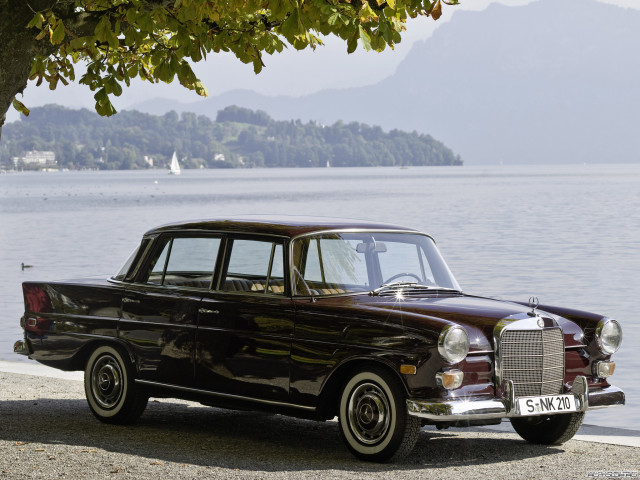 74
74
 60
60
 61
61
 63
63
 59
59
 54
54
 59
59
About this generation
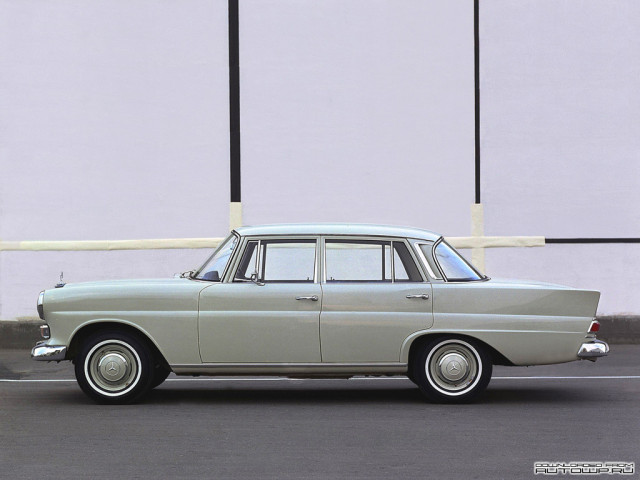
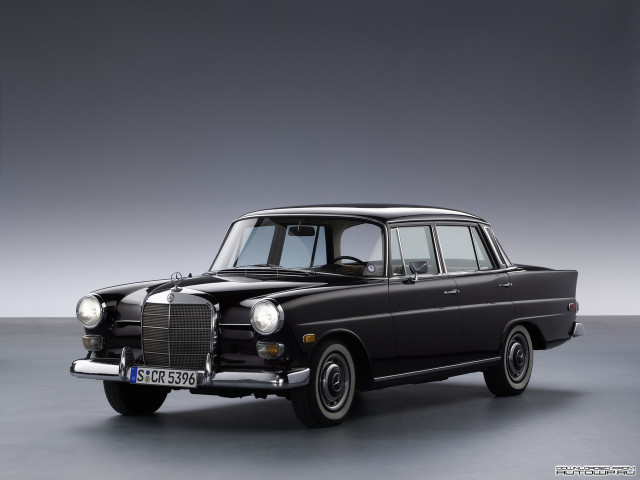
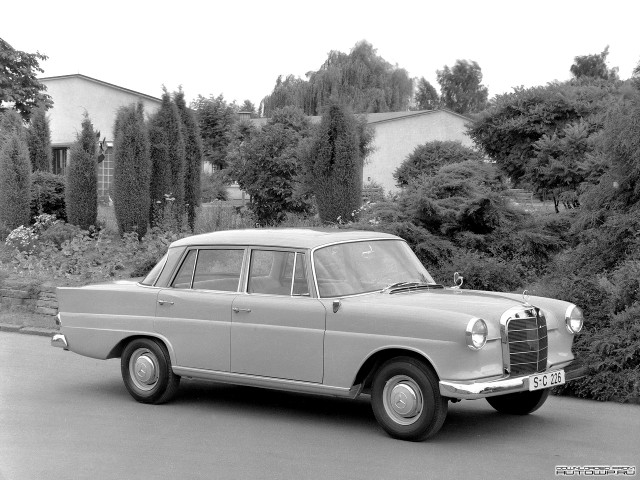
Second generation E-Class precursor series (W110/W111 'Fintail'), produced from 1961 to 1968 featuring early safety crumple zone innovations.
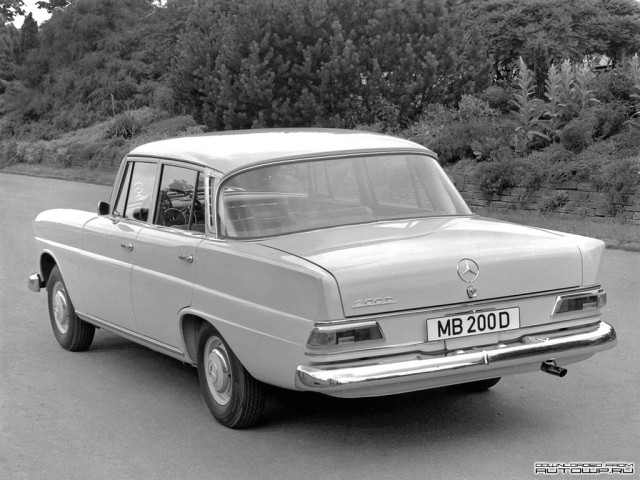
The Mercedes-Benz W110 sedan series, alongside related W111 models produced between 1961 and 1968, is widely recognized as the 'Heckflosse' or 'Fintail' generation of Mercedes' mid-size executive line. The distinctive exterior featured modest tailfins designed to assist driver reverse orientation. Crucially, the W110 was among the first automobiles engineered around safety pioneer Béla Barényi's patented safety concept, incorporating a rigid passenger safety cell flanked by front and rear impact energy-absorbing crumple zones.
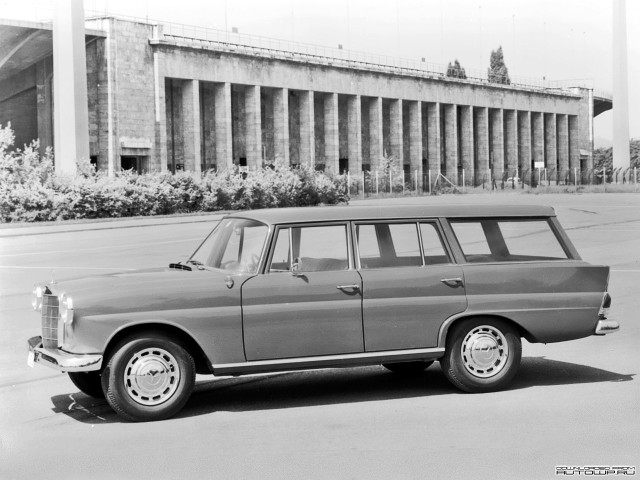
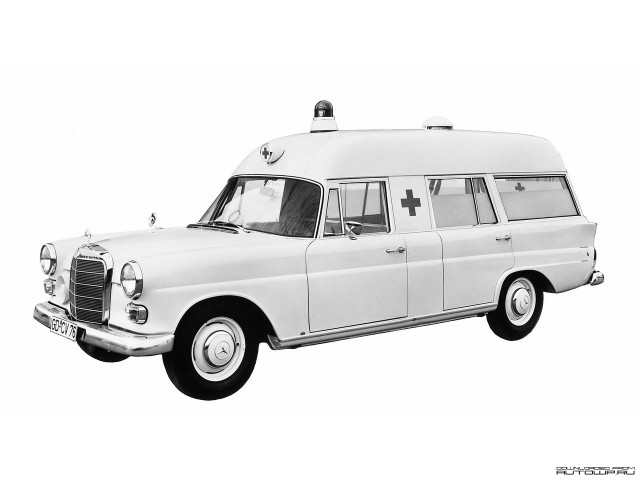
Engine offerings included 1.9-liter and 2.0-liter gasoline four-cylinders (190 c, 200) and rugged OM621 diesel engines (190 Dc, 200 D), plus the smooth inline-six 230 model. Power was routed through a four-speed manual or Mercedes-Benz's own four-speed automatic transmission, with front disc brakes gradually becoming standard equipment. In addition to the main four-door sedan, coachbuilder IMA in Belgium built official 'Universal' station wagon conversions. The W110 cemented Mercedes' dominance in durability and global taxi operation.
Specifications
28 in 2 body stylesSedan W110, W111 18 specifications
Tap a card to see all specs
Estate 5-door W110, W111 10 specifications
Tap a card to see all specs
Mercedes-Benz news