Audi RS5 I (B8/8T) photos

2010 — 2015 · hatchback, coupe
130
photos
2
specifications
444
hp
4.5 s
best 0–100

About this generation

The inaugural Audi RS5 featured a high-revving 4.2-liter naturally aspirated V8 paired with a crown-gear quattro system and timeless GT styling.

Debuting at the 2010 Geneva Motor Show, the original Audi RS5 Coupe established a new high-water mark for Audi's midsize performance cars. It was powered by a high-revving 4.2-liter naturally aspirated FSI V8 producing 450 hp at 8,250 rpm and 430 Nm of torque. Mated to a fast-shifting seven-speed dual-clutch S tronic transmission, this atmospheric masterpiece produced an intoxicating acoustic note while pushing the coupe from 0 to 100 km/h in just 4.6 seconds.

Technologically, the B8 introduced Audi's innovative crown-gear center differential for its quattro all-wheel drive, enabling faster and broader torque distribution between axles alongside an optional rear sport differential with active torque vectoring. With flared wheel arches evoking the iconic Ur-Quattro rally legend, a speed-activated rear spoiler, and signature oval tailpipes, the B8 RS5 remains revered as the ultimate naturally aspirated V8 grand tourer ever built by Audi Sport.

Specifications

2 in 2 body styles

Coupe 8T3 1 specification

4649 mm183.0 in
Length
1860 mm73.2 in
Width
1366 mm53.8 in
Height
2751 mm108.3 in
Wheelbase
455 l16.1 cu ft
Trunk
Petrol
4.2 FSI quattro S tronic
444hp(331 kW)
4.2 l 7-speed DCT AWD 0–100 4.5 s
Torque
430 Nm (317 lb-ft)
Top speed
250 km/h (155 mph)
Displacement
4163 cc
Cylinders
8
Engine
CFSA
Aspiration
naturally aspirated
Curb weight
1790 kg (3946 lb)
Fuel tank
61 l (16.1 gal US)
Fuel consumption
10.5 l/100 km (22 mpg US) NEDC
CO₂
246 g/km (NEDC)
Emissions standard
Euro 5

Tap a card to see all specs

Cabriolet 8F7 1 specification

4649 mm183.0 in
Length
1860 mm73.2 in
Width
1380 mm54.3 in
Height
2751 mm108.3 in
Wheelbase
380 l13.4 cu ft
Trunk
Petrol
4.2 FSI quattro S tronic
444hp(331 kW)
4.2 l 7-speed DCT AWD 0–100 4.9 s
Torque
430 Nm (317 lb-ft)
Top speed
250 km/h (155 mph)
Displacement
4163 cc
Cylinders
8
Engine
CFSA
Aspiration
naturally aspirated
Curb weight
1995 kg (4398 lb)
Fuel tank
61 l (16.1 gal US)
Fuel consumption
10.7 l/100 km (22 mpg US) NEDC
CO₂
249 g/km (NEDC)
Emissions standard
Euro 5

Tap a card to see all specs

News

Audi news

All Audi news
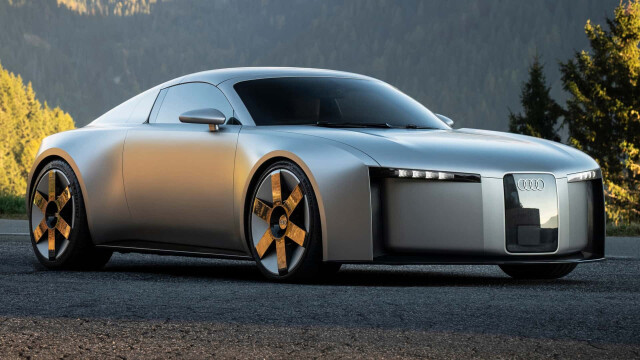
Audi's Upcoming Electric Targa Sports Car Will Share the Next Porsche 718 EV Platform
Porsche CFO Jochen Breckner confirmed that the production version of the Audi Concept C, known internally as C-Sport, will use the dedicated electric architecture developed for the next-generation 718 Boxster and Cayman. Both Porsche's electric sports cars and Audi's open-top targa are scheduled to debut in 2027.
28.Oct.2026
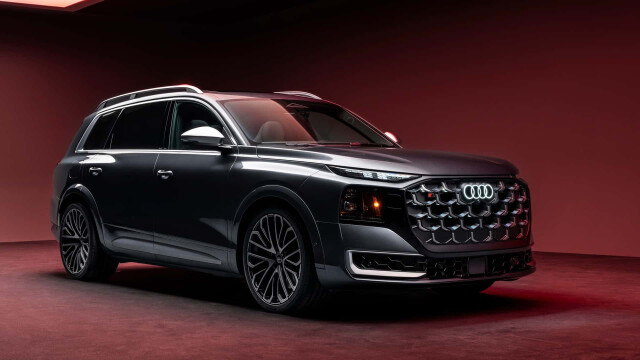
Audi Will Build the Q7, Q8, and Q9 SUVs at Its Future Plant in Georgia
Audi CEO Gernot Döllner confirmed that the company's upcoming US factory, with an annual capacity of up to 200,000 vehicles, will assemble combustion and plug-in hybrid Q7, Q8, and Q9 SUVs starting in the early 2030s.
27.Oct.2026
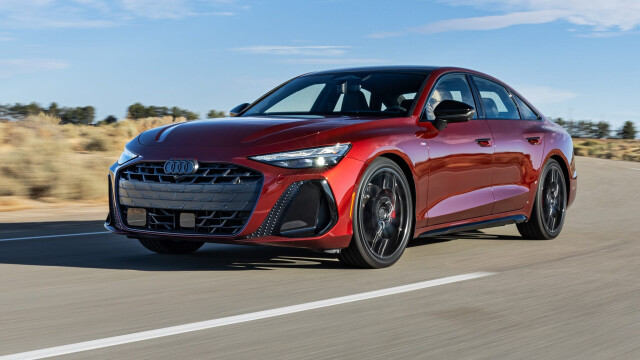
2026 Audi A6 Sedan with 362-HP V-6 Tested in MotorTrend Car of the Year Finals
MotorTrend evaluated the redesigned 2026 Audi A6 sedan during its Car of the Year testing, putting both Prestige and Sport trims through proving ground and road tests. Now powered exclusively by a 362-hp 3.0-liter turbocharged V-6, the luxury sedan reached the finalist round thanks to its cabin technology and handling, despite criticism of its throttle response and firm steel-spring ride.
20.Oct.2026
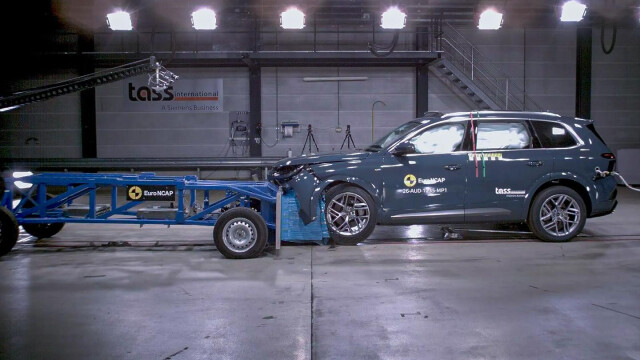
Next-Generation Audi Q7 Earns Five-Star Euro NCAP Safety Rating
European safety organization Euro NCAP has tested the new-generation Audi Q7, awarding the SUV a maximum five-star rating alongside a 100% score for post-crash safety. At the same time, testers noted weak head protection for cyclists and increased frontal impact severity for oncoming vehicles.
19.Oct.2026