Volkswagen’s New Tukan Pickup Debuts in Brazil, But Americans Won’t Get It
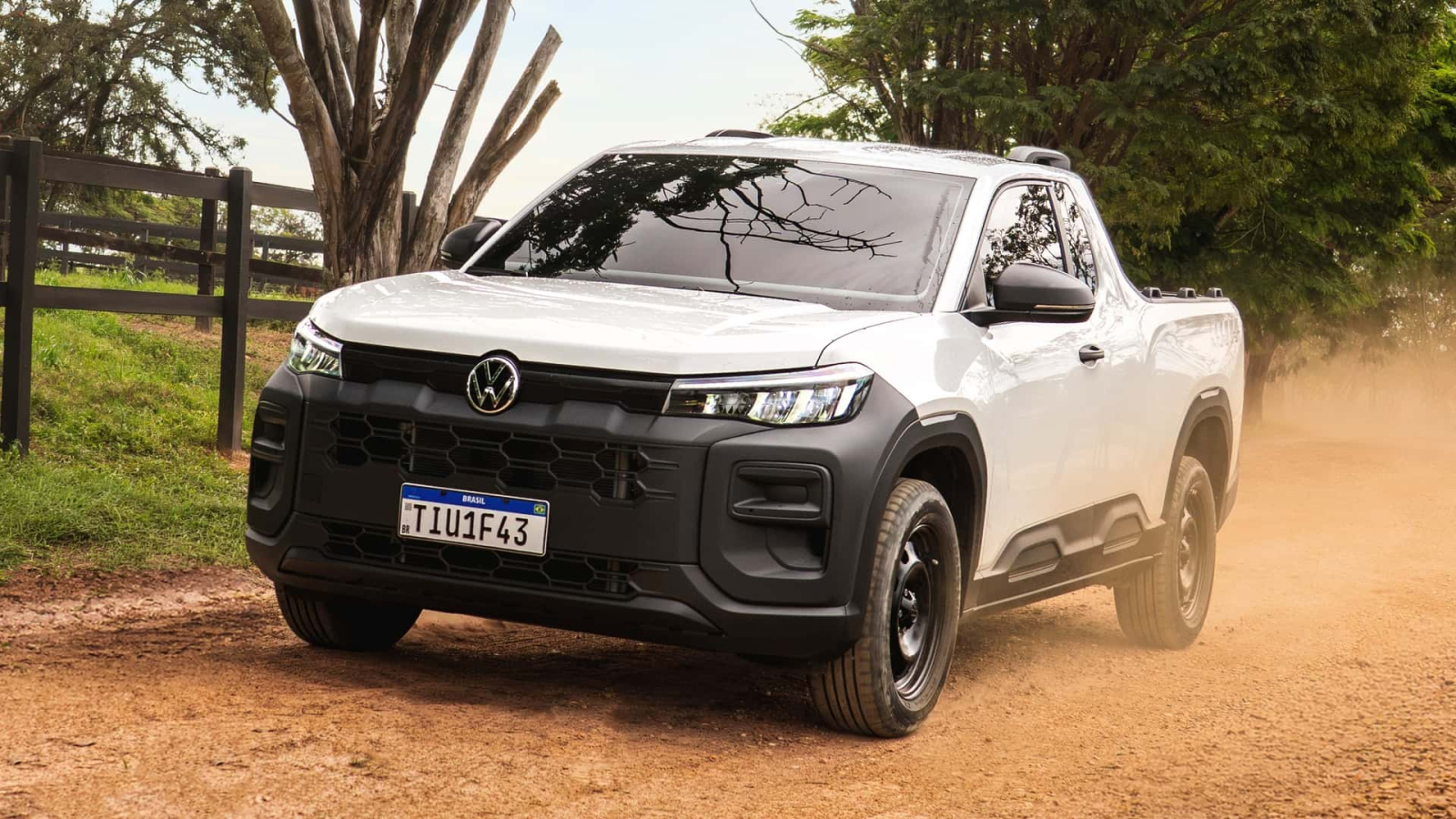
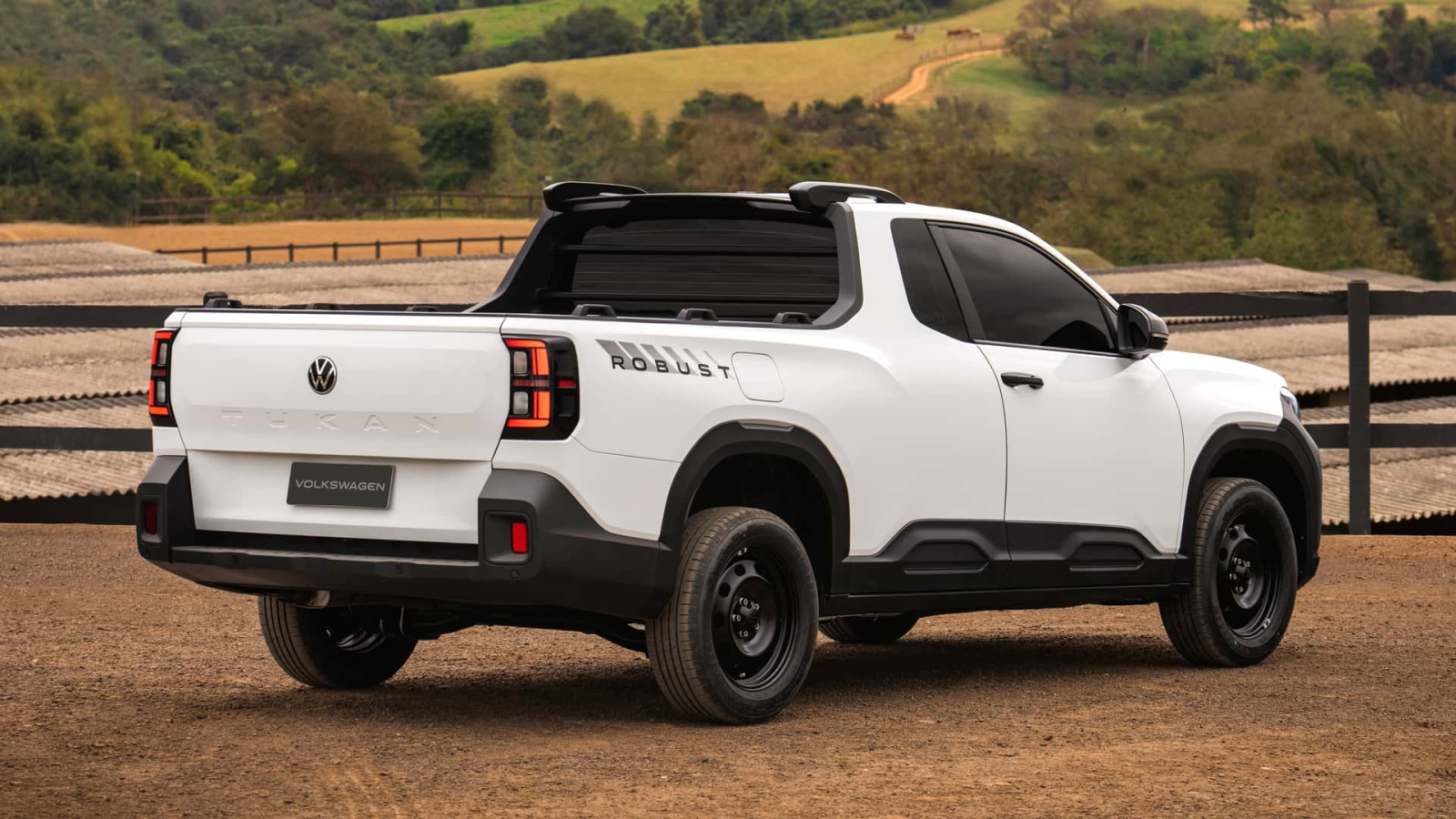
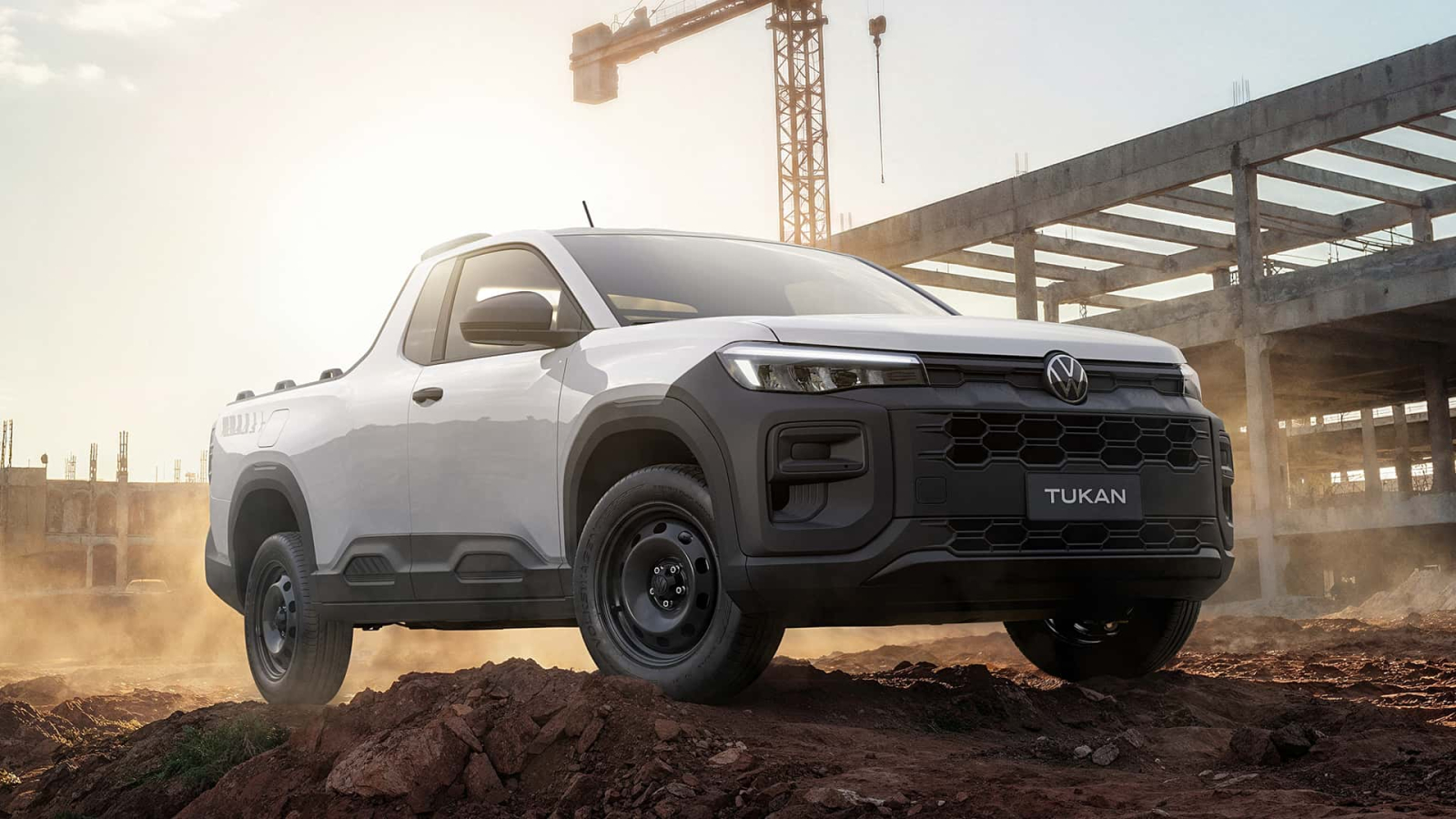
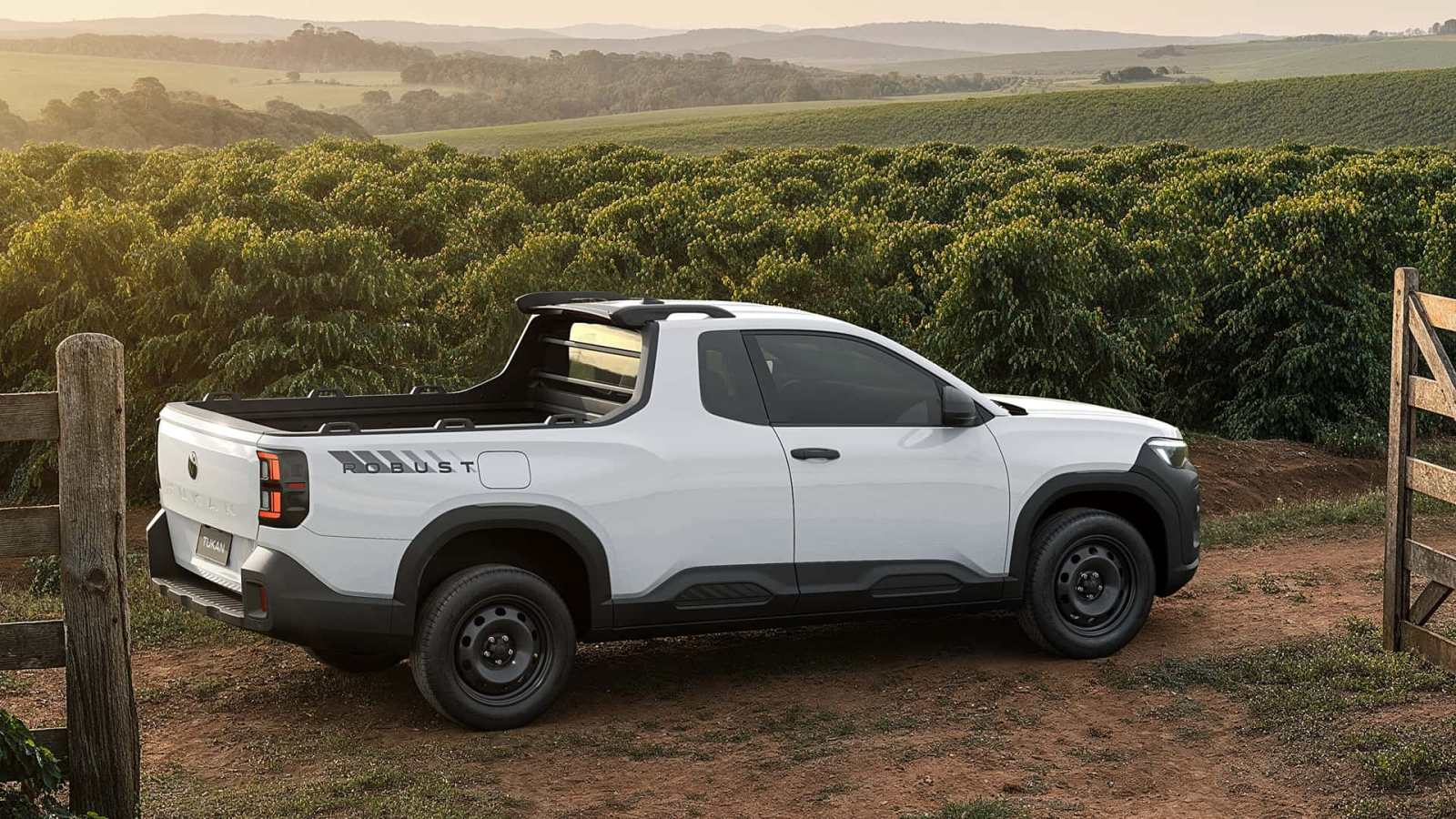
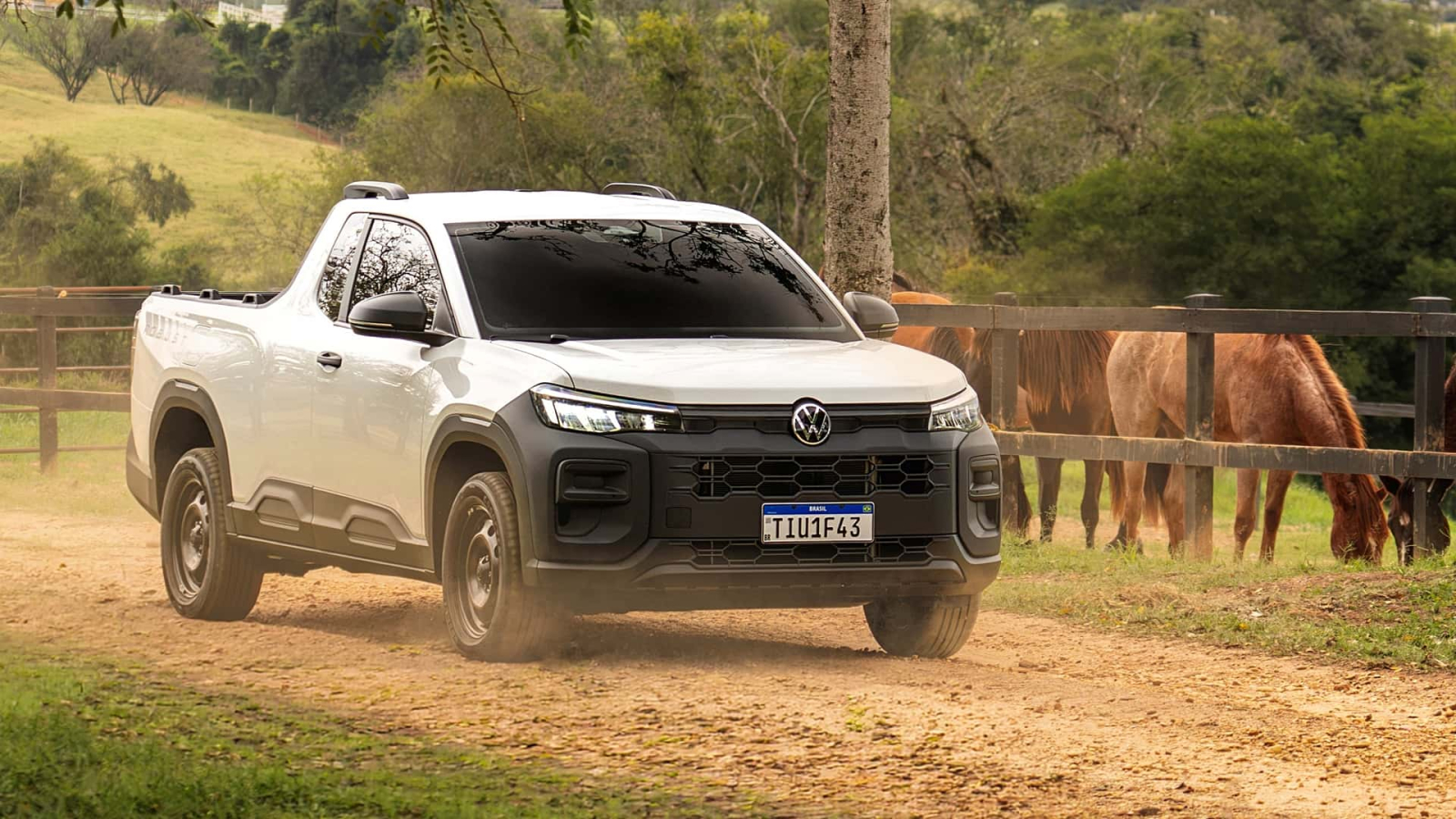
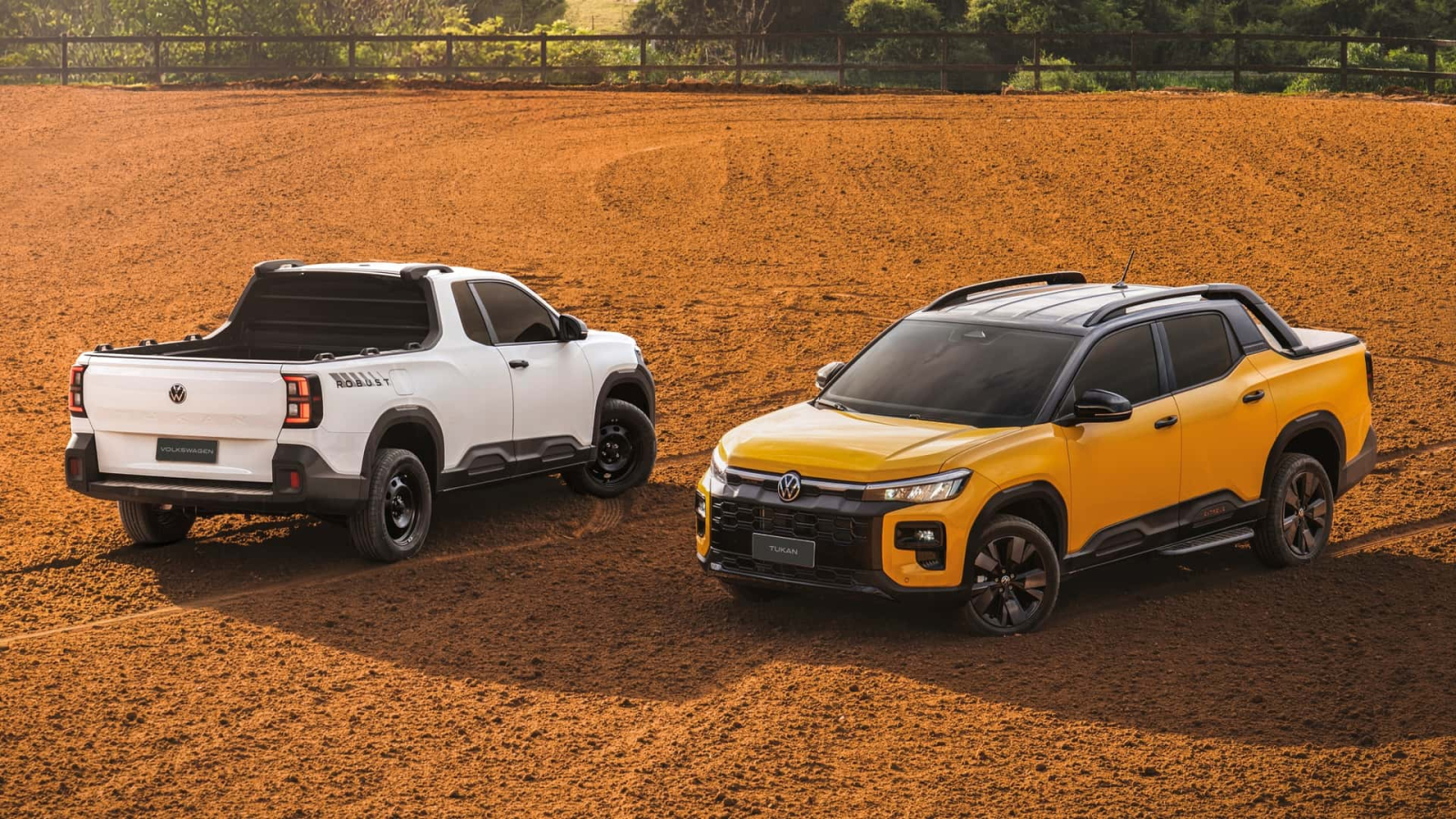
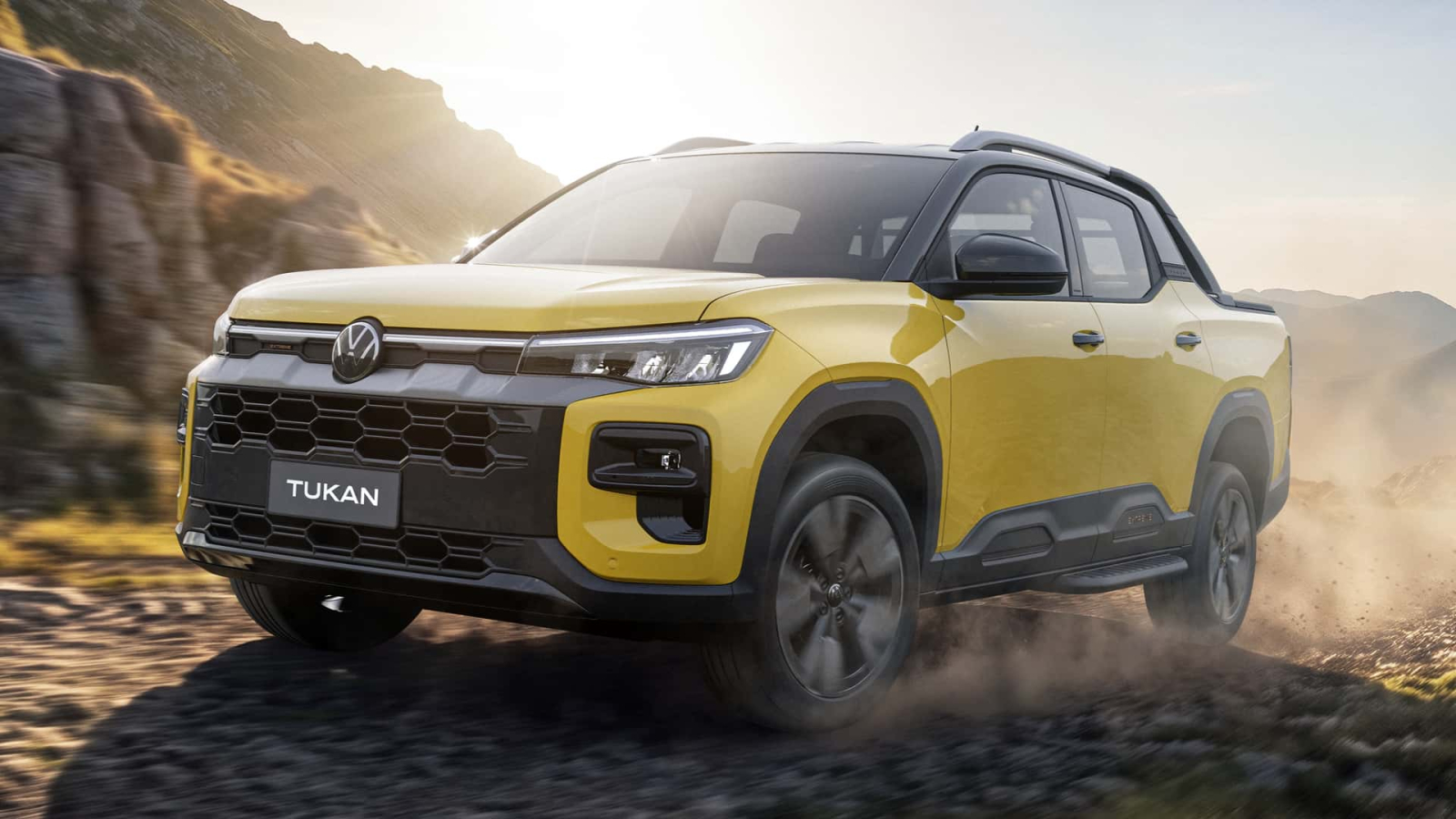
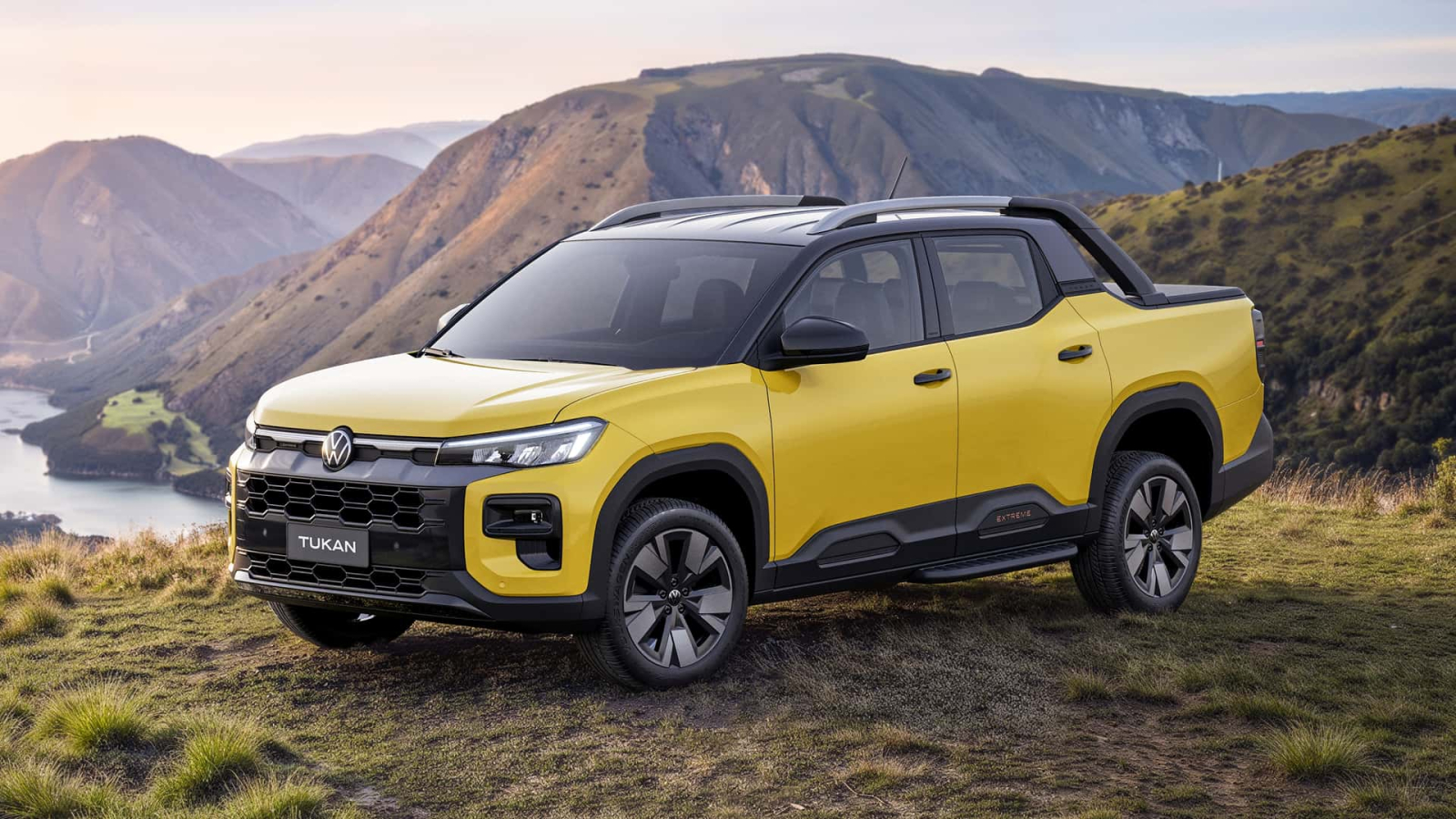
Volkswagen has taken the wraps off its all-new Tukan in Brazil, revealing the compact pickup without camouflage for the first time. The model is set to replace the long-running Saveiro and is making its public debut at the Barretos Rodeo Festival in São Paulo state. Both single-cab and double-cab versions are being shown, while the market launch is expected in early 2027.
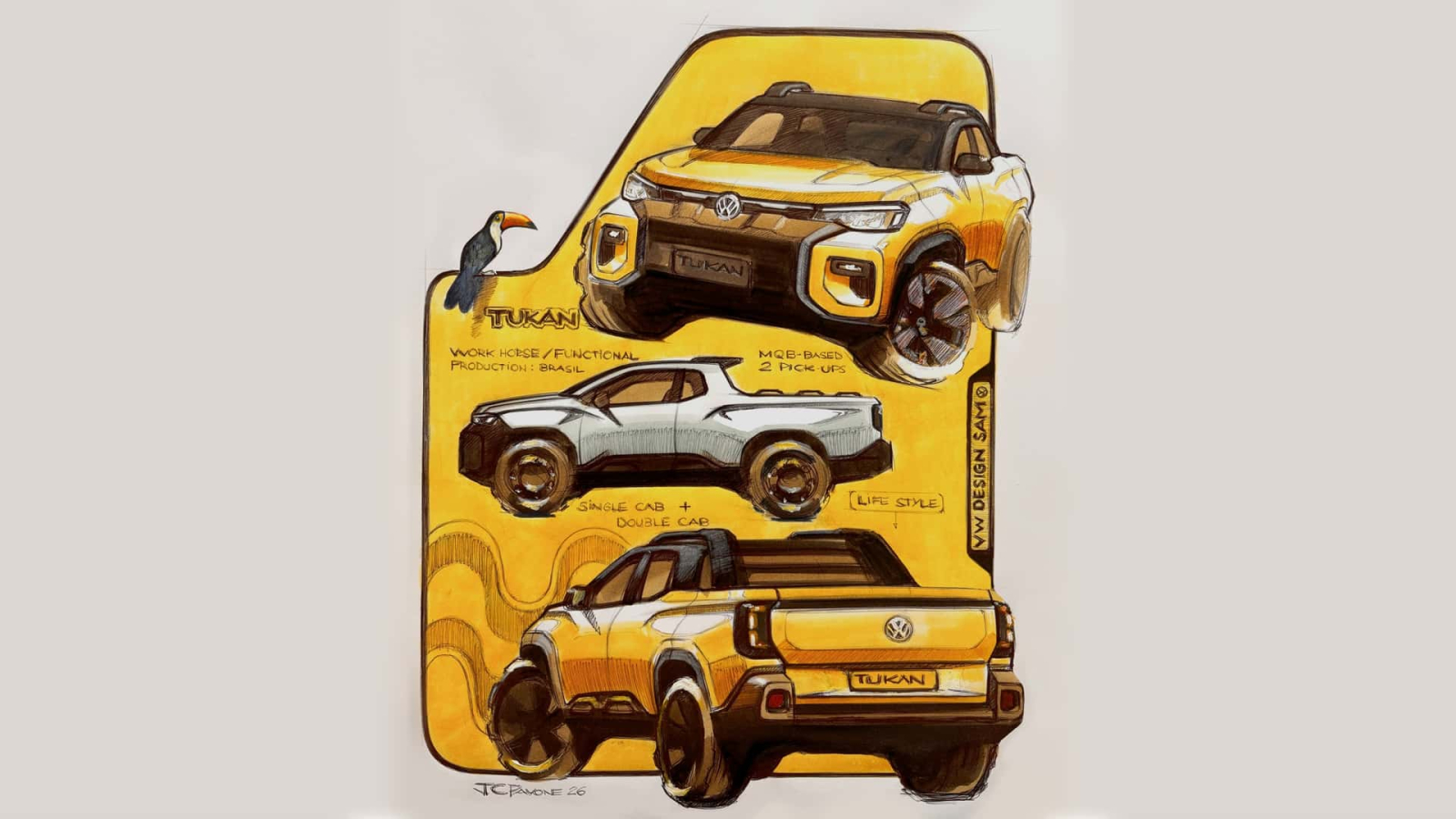
Built in São José dos Pinhais, Paraná, the Tukan will be positioned above the Saveiro in size and modernity, and it is expected to go after the Fiat Strada. Volkswagen has not yet shared full specifications such as dimensions, payload figures, or trim structure, but the two cab layouts indicate a split between practical work-focused versions and more comfortable variants for everyday use.
A Bigger, More Modern Replacement
Early assumptions suggested the Tukan might challenge the Fiat Toro, but it now appears closer in footprint to the Chevrolet Montana. That places it in the gap between compact and midsize pickups, while still keeping its commercial role in view.
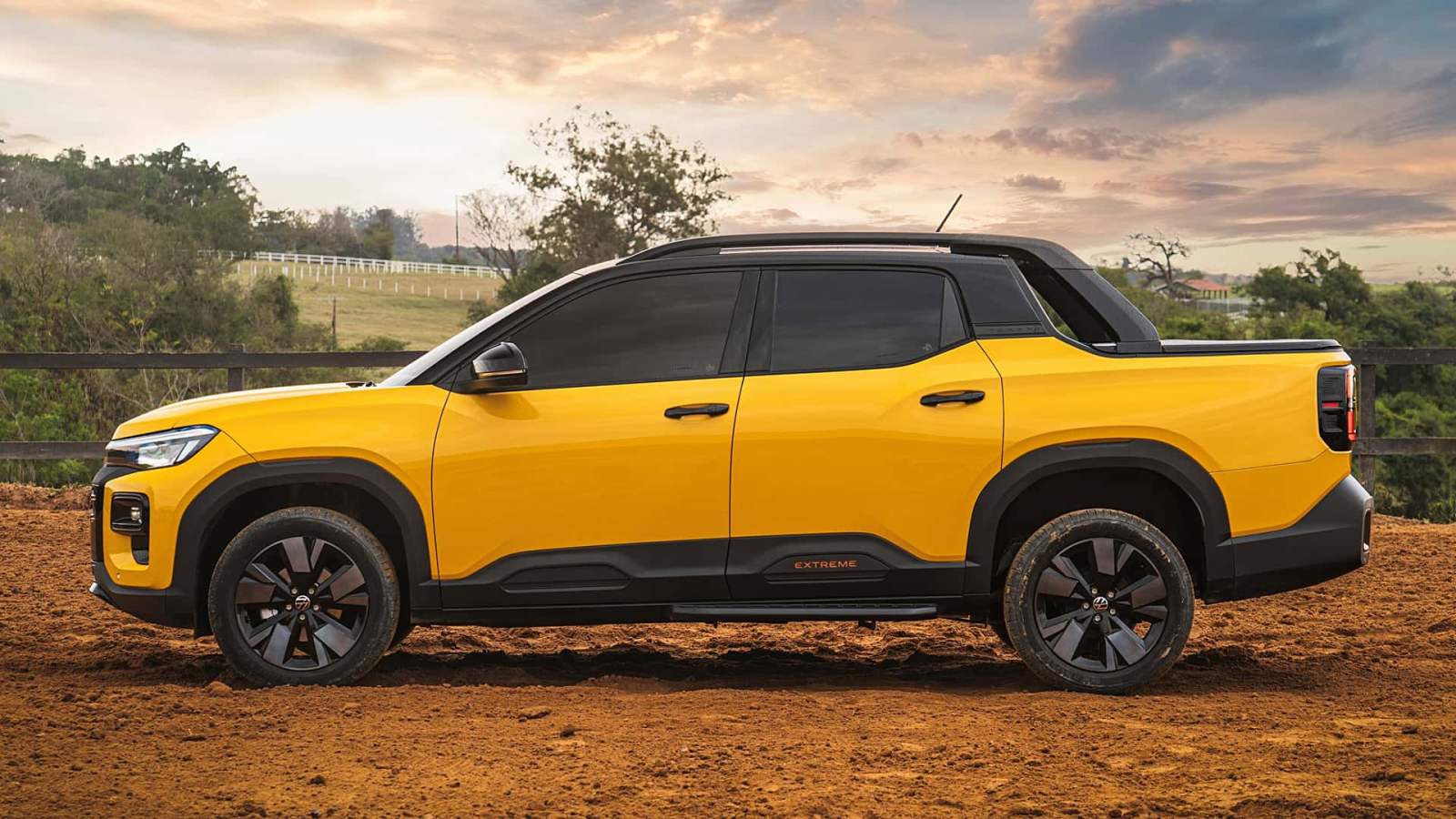
The single-cab model should appeal to buyers looking for maximum bed space and a lower-cost work truck, similar to the entry-level side of the Fiat Strada lineup. The double-cab version is likely to bring more powerful and better-equipped configurations, including automatic and turbocharged options for customers who want a pickup that can also serve as a personal vehicle.
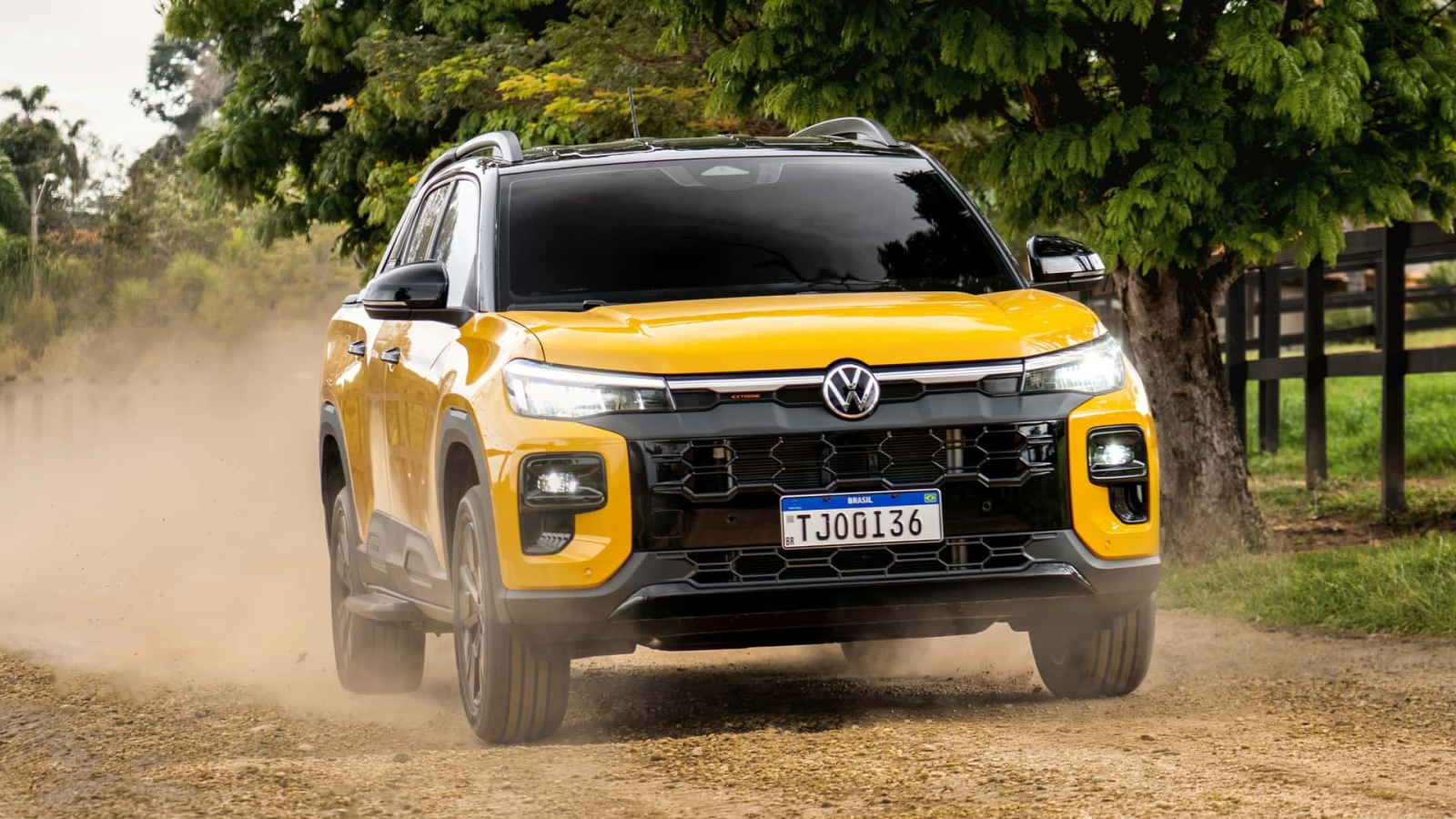
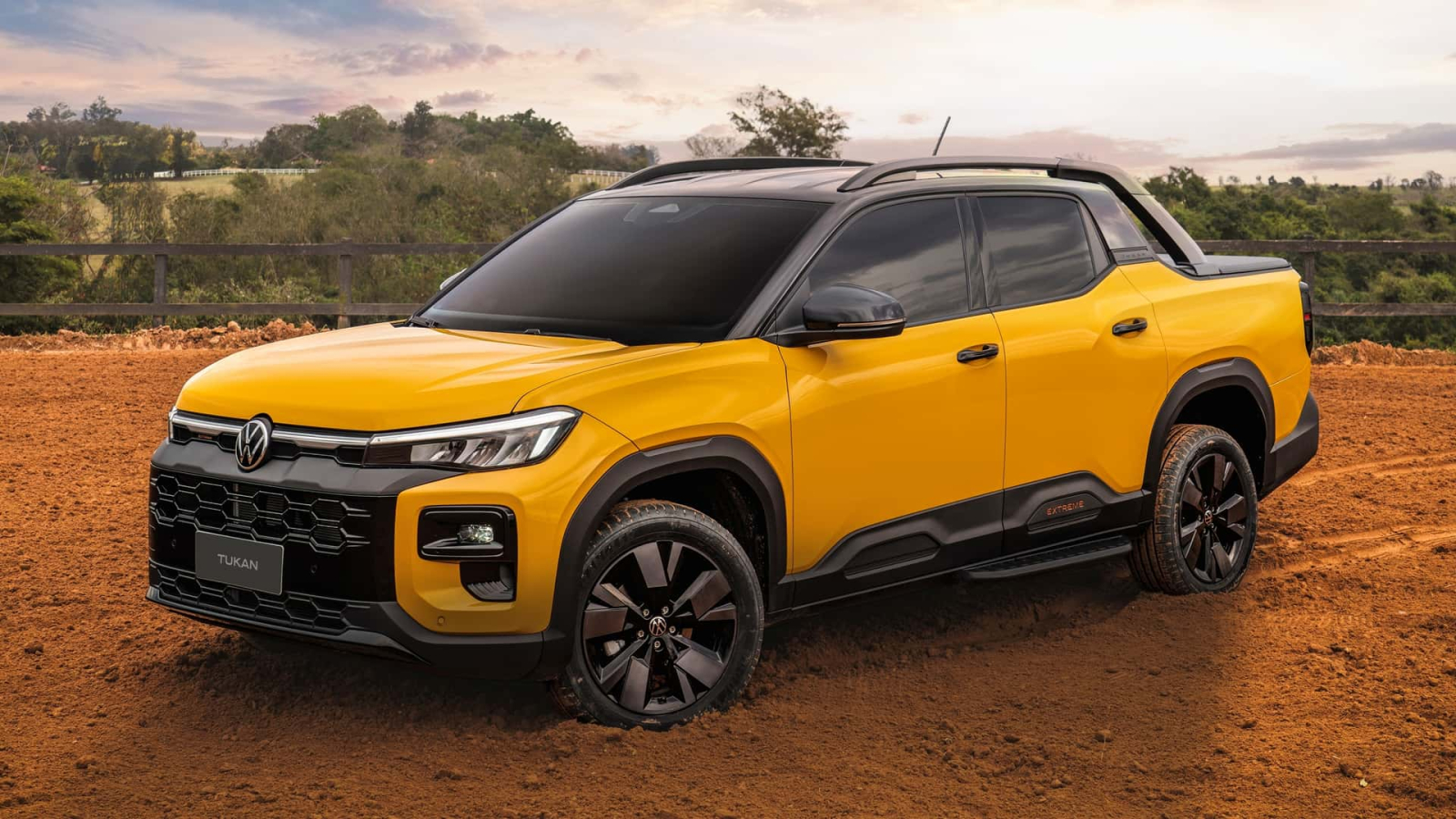
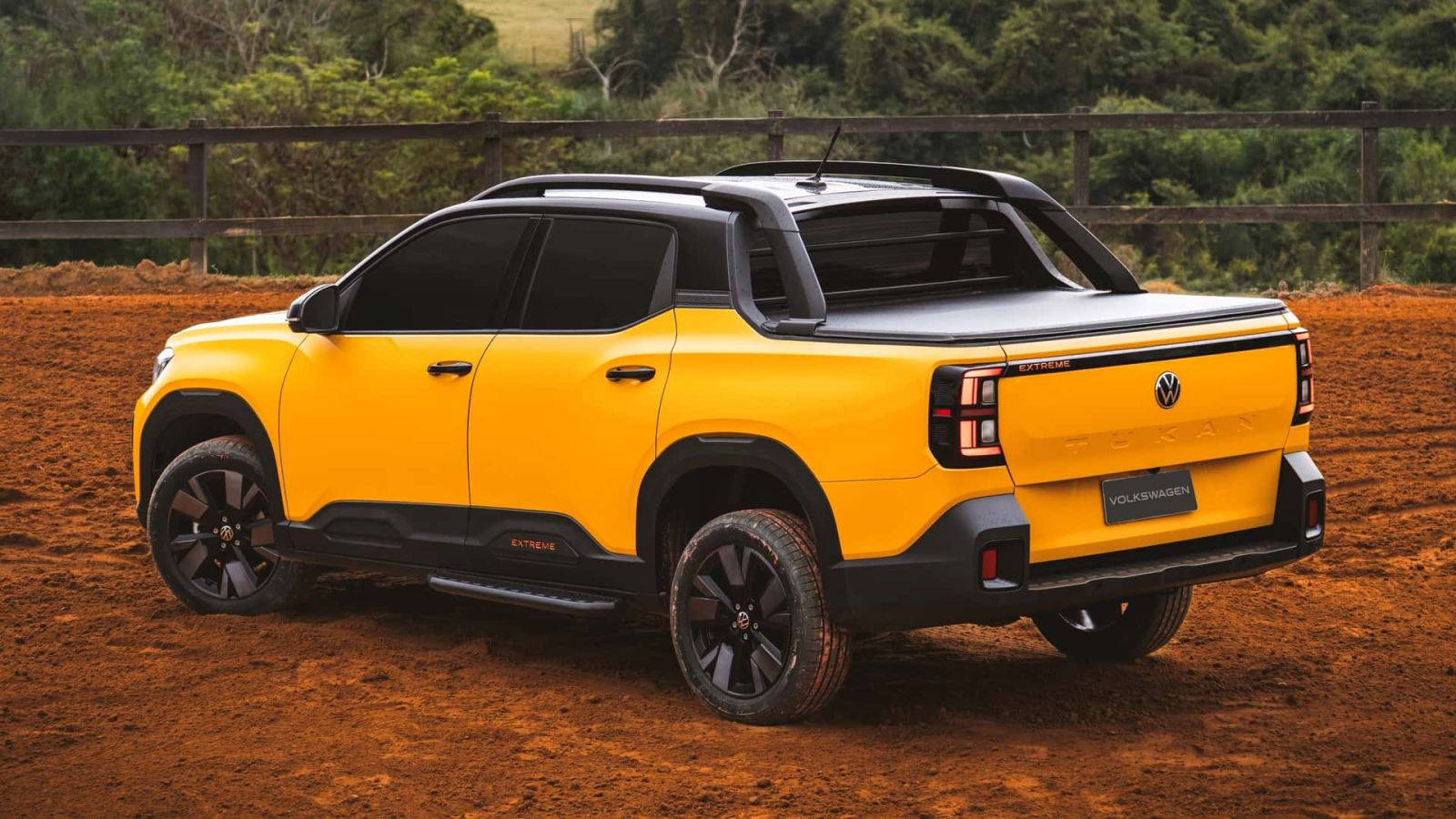
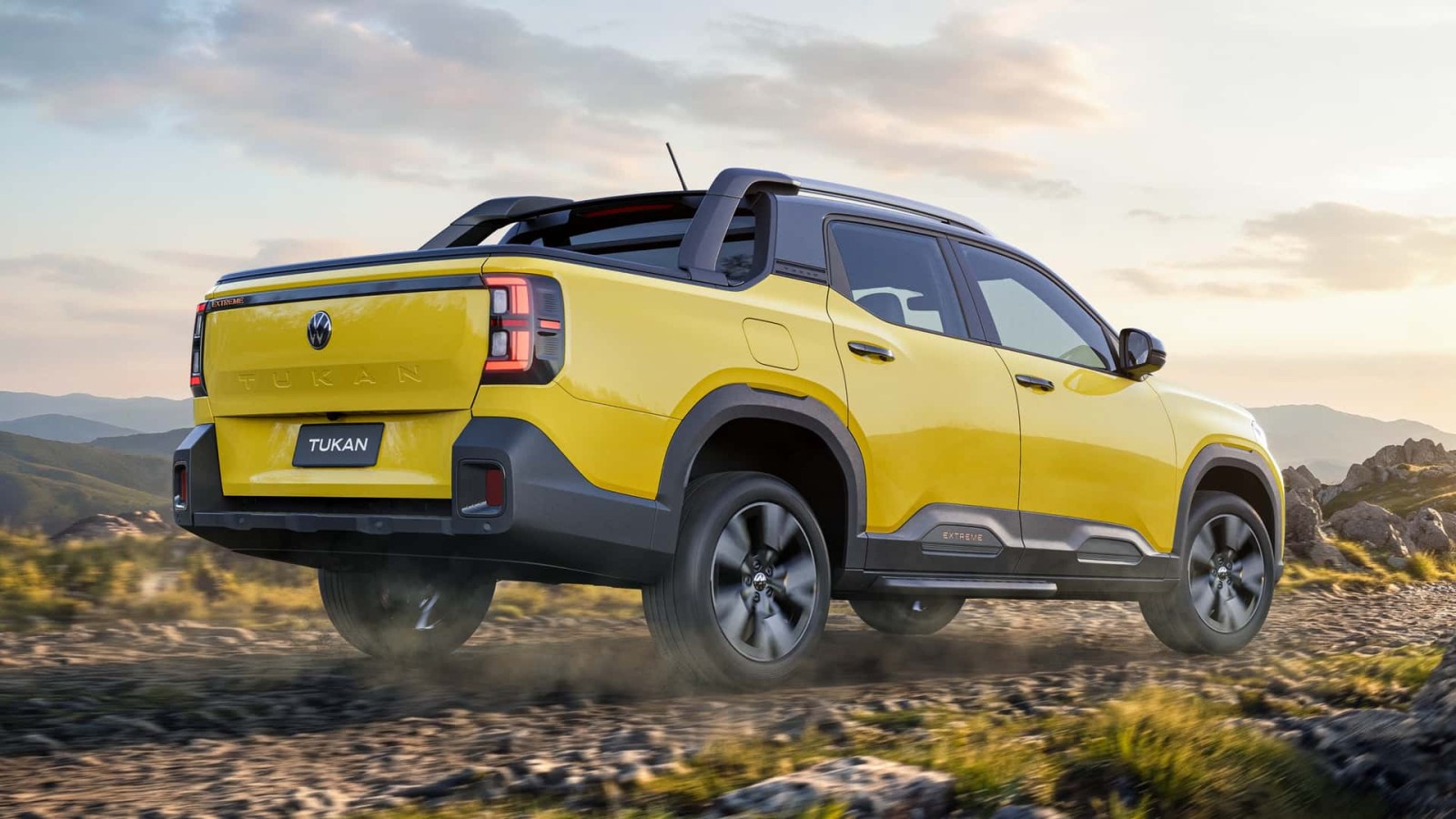
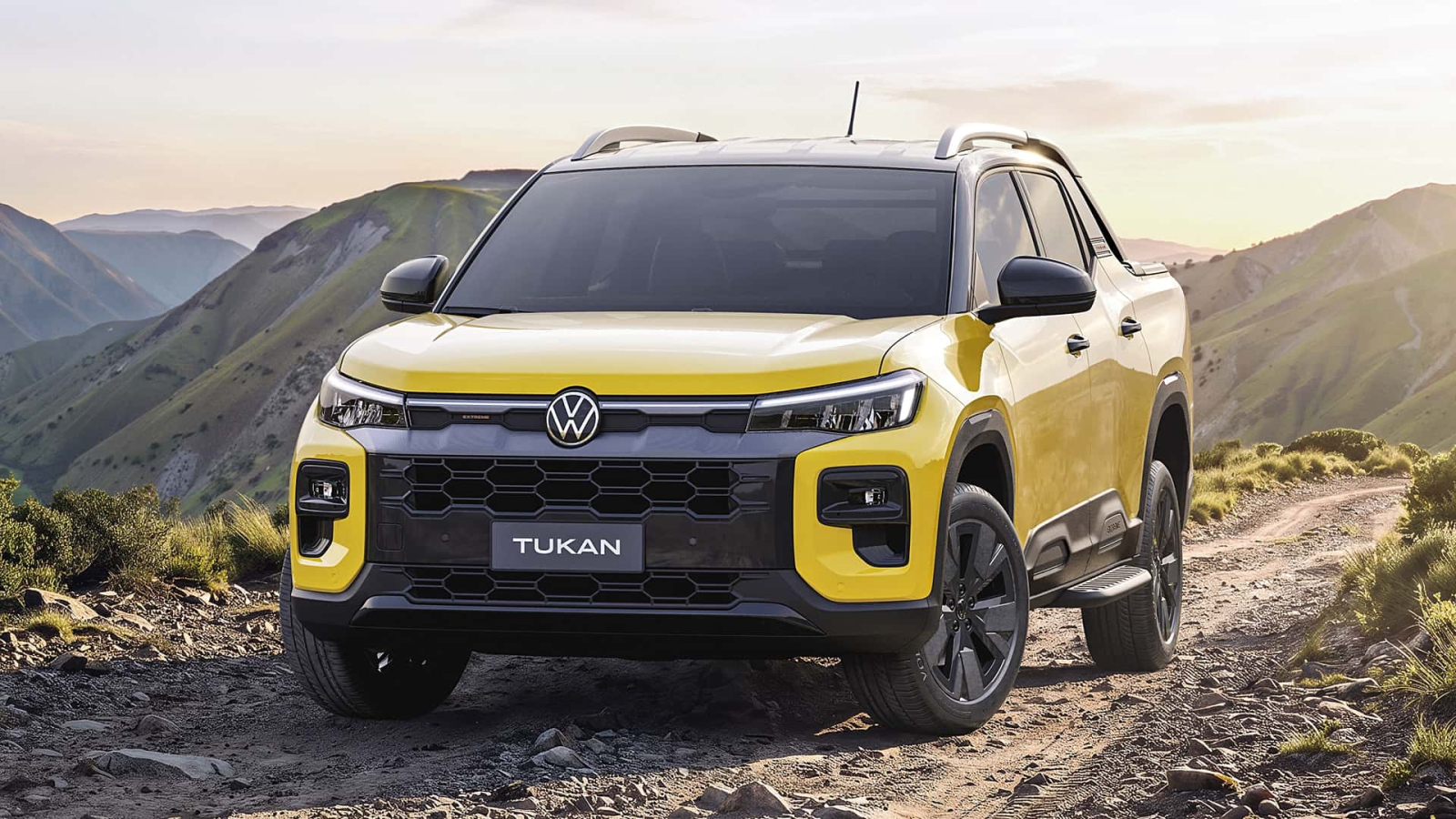
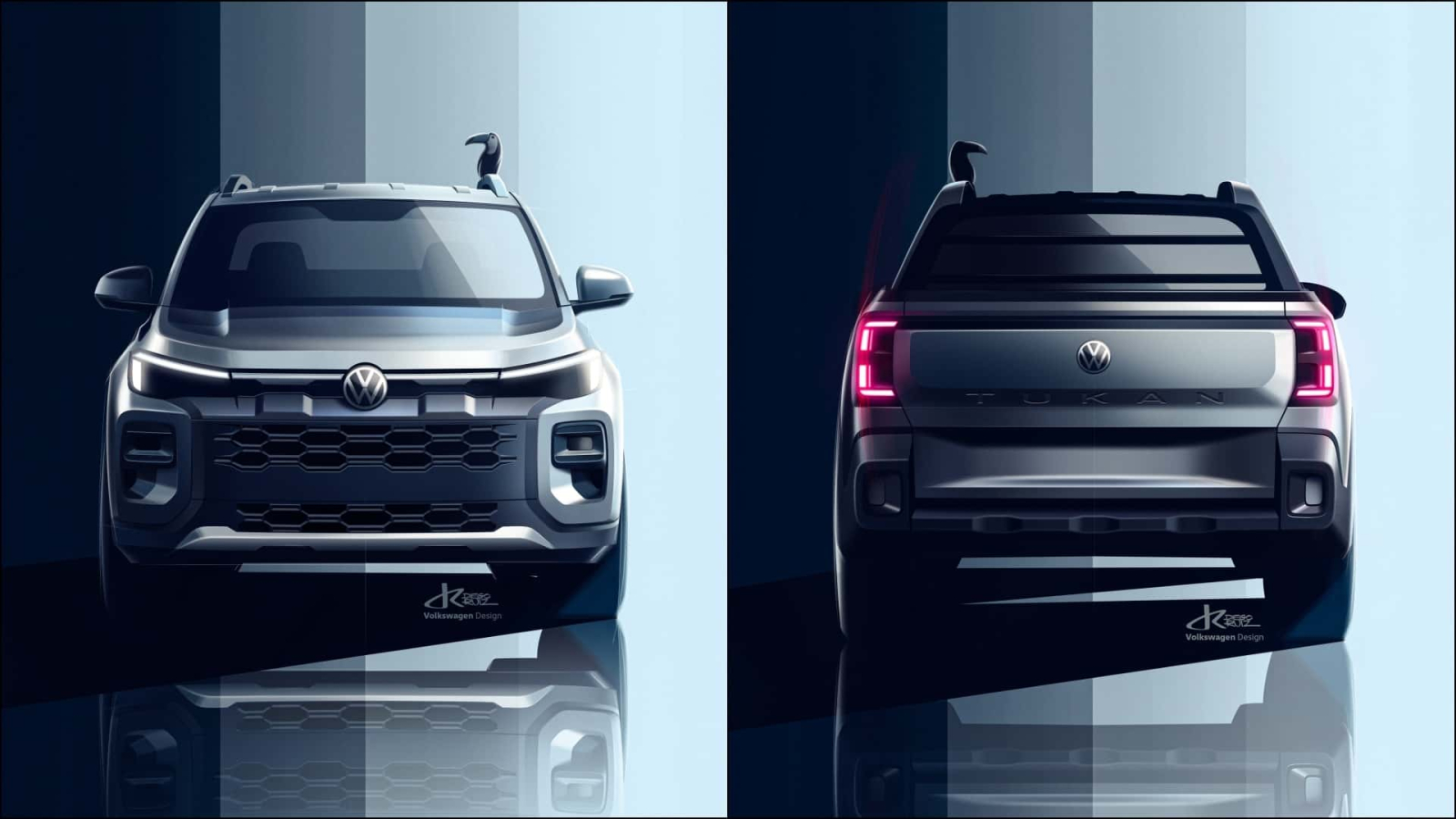
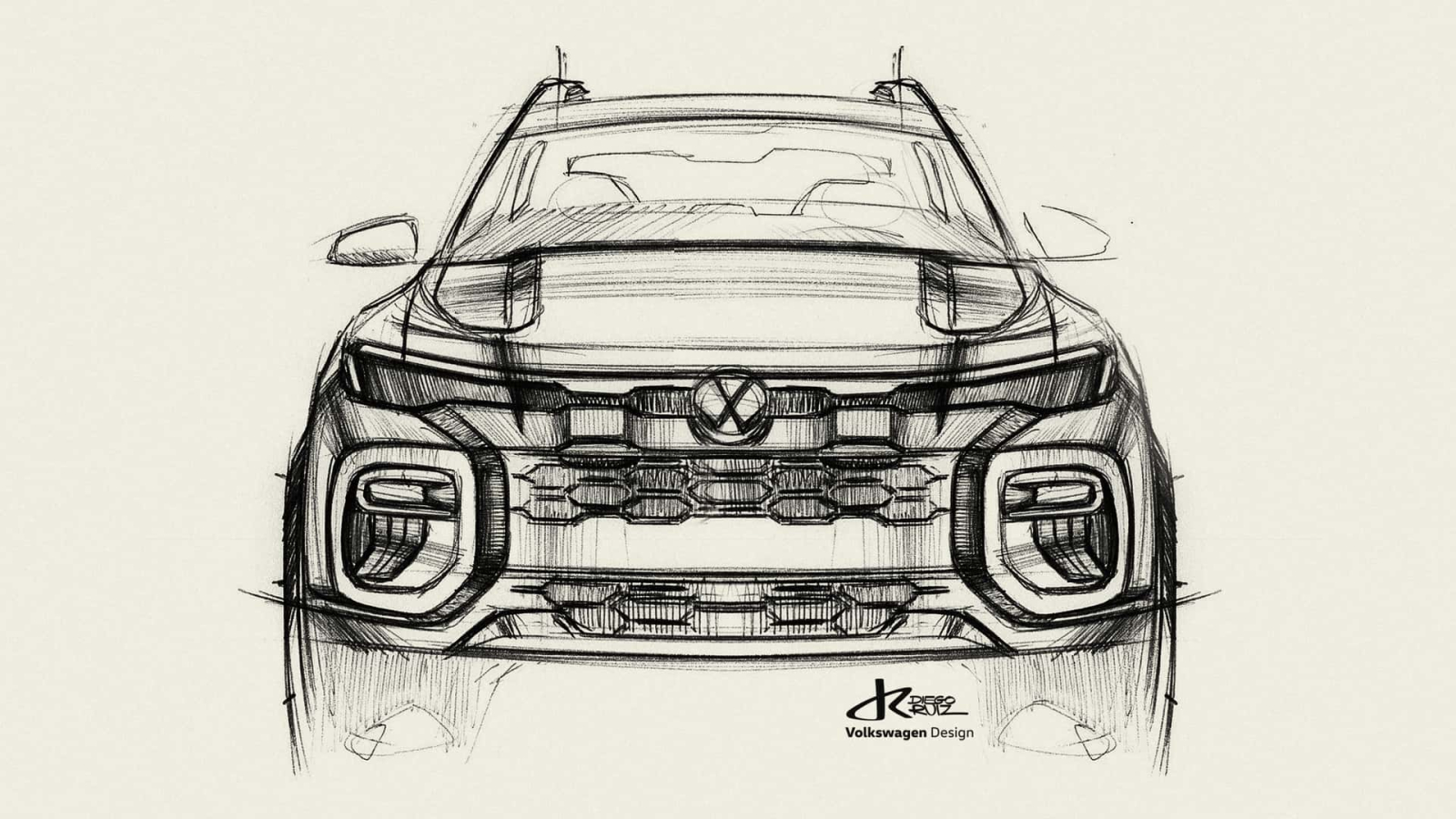
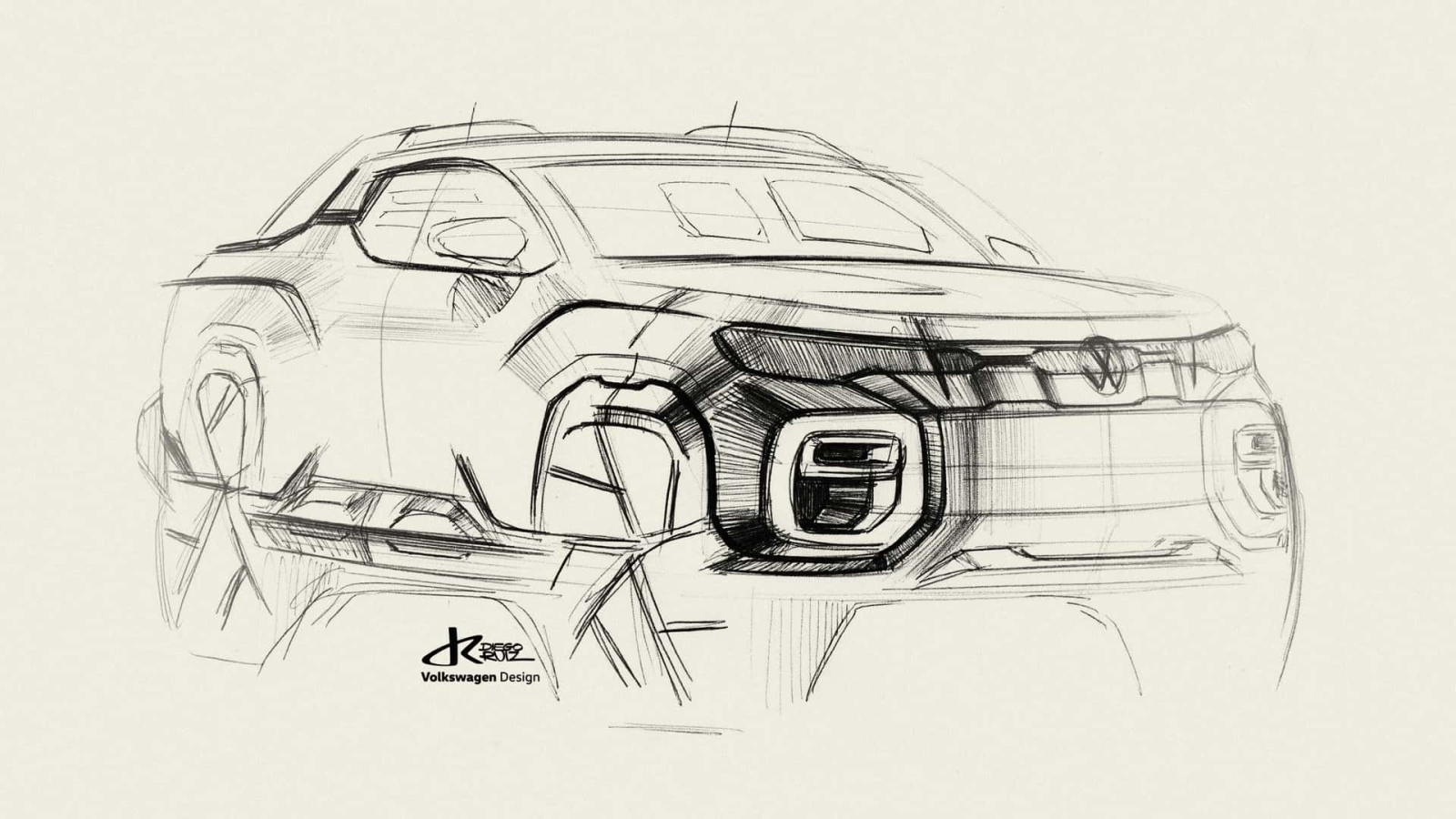
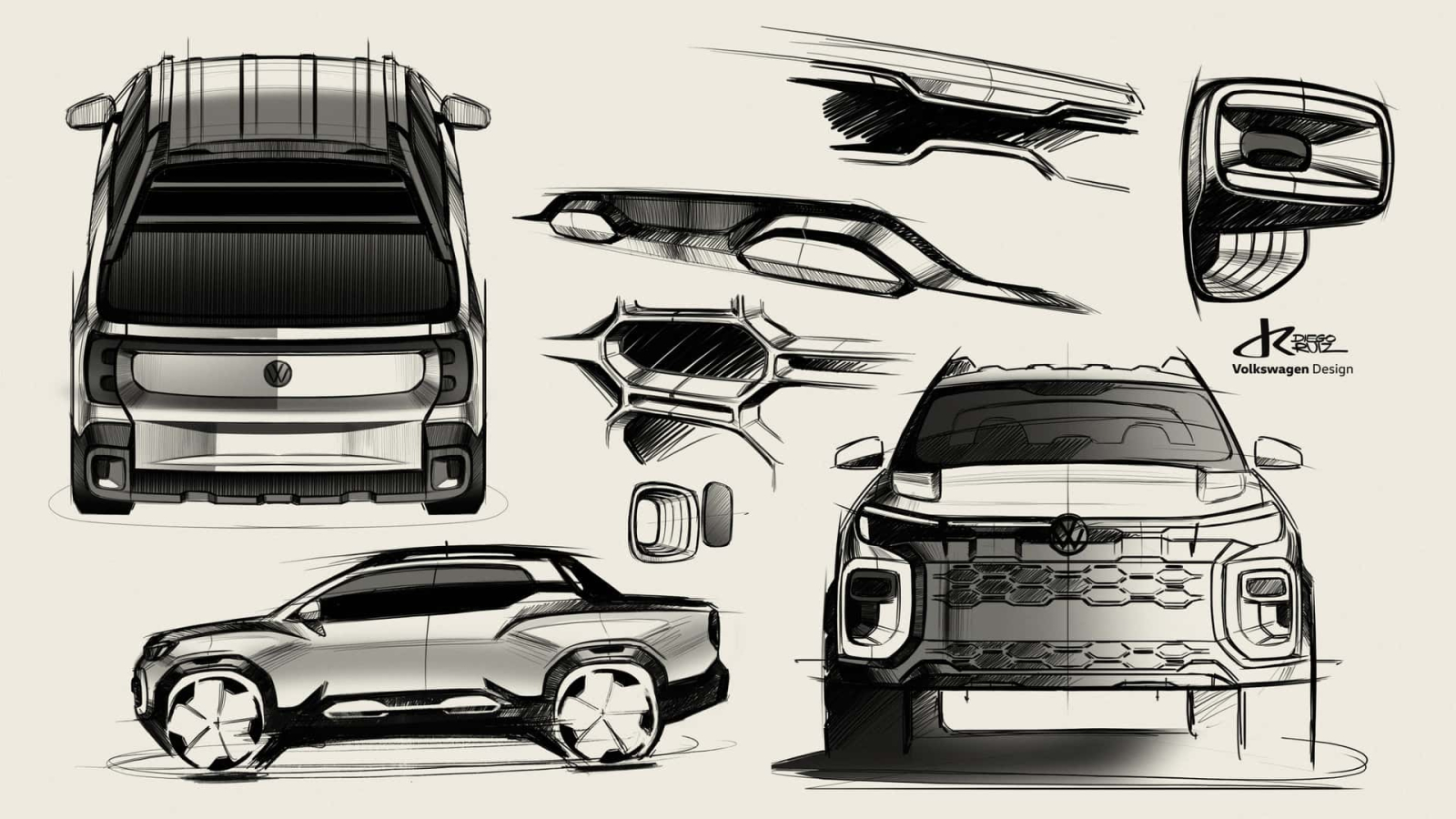
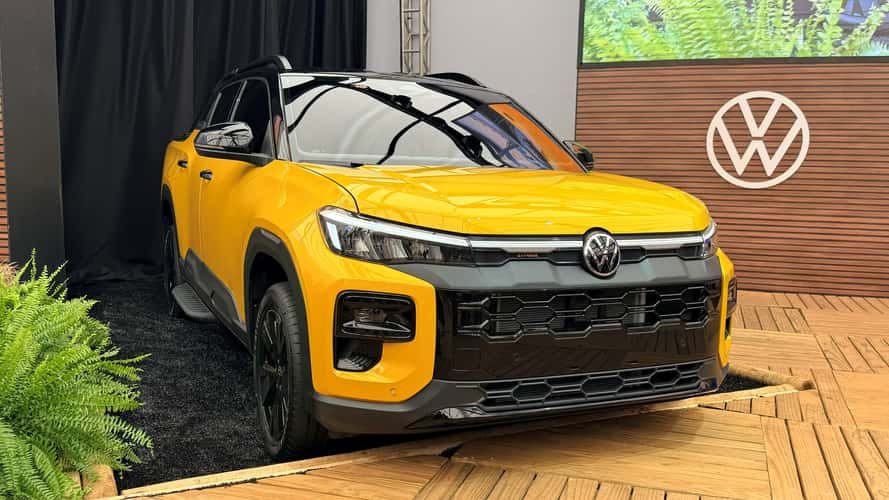
Styling follows Volkswagen’s current design language. Up front, narrow headlights are connected by a horizontal visual element, while the front bumper uses tougher, more squared-off details. At the rear, the taillamps feature an E-shaped lighting pattern and are linked by a trim piece across the tailgate.
Expected Powertrain Lineup
Volkswagen is not yet confirming the mechanical details, but the Tukan is widely expected to offer different engines depending on version. Base trims may continue with the familiar naturally aspirated 1.6 MSI engine paired with a manual gearbox, a setup aimed at fleets and smaller businesses.
Higher trims could use the 1.0 TSI flex-fuel engine matched to a six-speed automatic, or possibly the newer eight-speed transmission recently introduced in the T-Cross. At the top of the range, Volkswagen may launch its new 1.5 TSI Evo2 with a 48-volt mild-hybrid system in Brazil, with the possibility of that technology spreading to other locally produced models later on.
The truck will ride on the MQB family of architecture already used by the Polo, Nivus, Tera, and T-Cross. The rear suspension, however, is expected to use a solid axle with leaf springs, a durable solution commonly found in cargo vehicles and one also used by the Fiat Strada. That setup should help the Tukan handle heavier loads and hard commercial use.
The Saveiro’s Long Run Comes to an End
The Tukan’s arrival will also signal the retirement of the Saveiro, the last remaining member of the original Gol-based family. First launched in 1982, the pickup has stayed in production for more than 40 years, but it now relies on an older platform and a very limited powertrain choice: a naturally aspirated 1.6-liter engine with a manual transmission.
Production is expected to stop in the last quarter of 2026, clearing the way for the new model. The current Saveiro is sold in Robust, Trendline, and Extreme trims, with both single-cab and double-cab options, but it does not offer turbocharged engines or an automatic gearbox.
Built to Challenge Brazil’s Market Leader
Volkswagen’s main target is the Fiat Strada, which has led Brazil’s pickup market since 2021. The Strada’s success comes from a broad lineup that covers everything from basic work trucks to more expensive double-cab versions.
The Tukan will borrow part of that formula, while adding turbo power, automatic transmissions, and mild-hybrid technology at the upper end of the range. Pricing and equipment details will be announced closer to launch in early 2027. For now, the unveiling in Barretos offers the first clear look at the Brazil-developed pickup that will take over from the Saveiro.
Photos
More news