Volkswagen Unveiled Mission Efficiency Concept EV With Record 0.158 Drag Coefficient
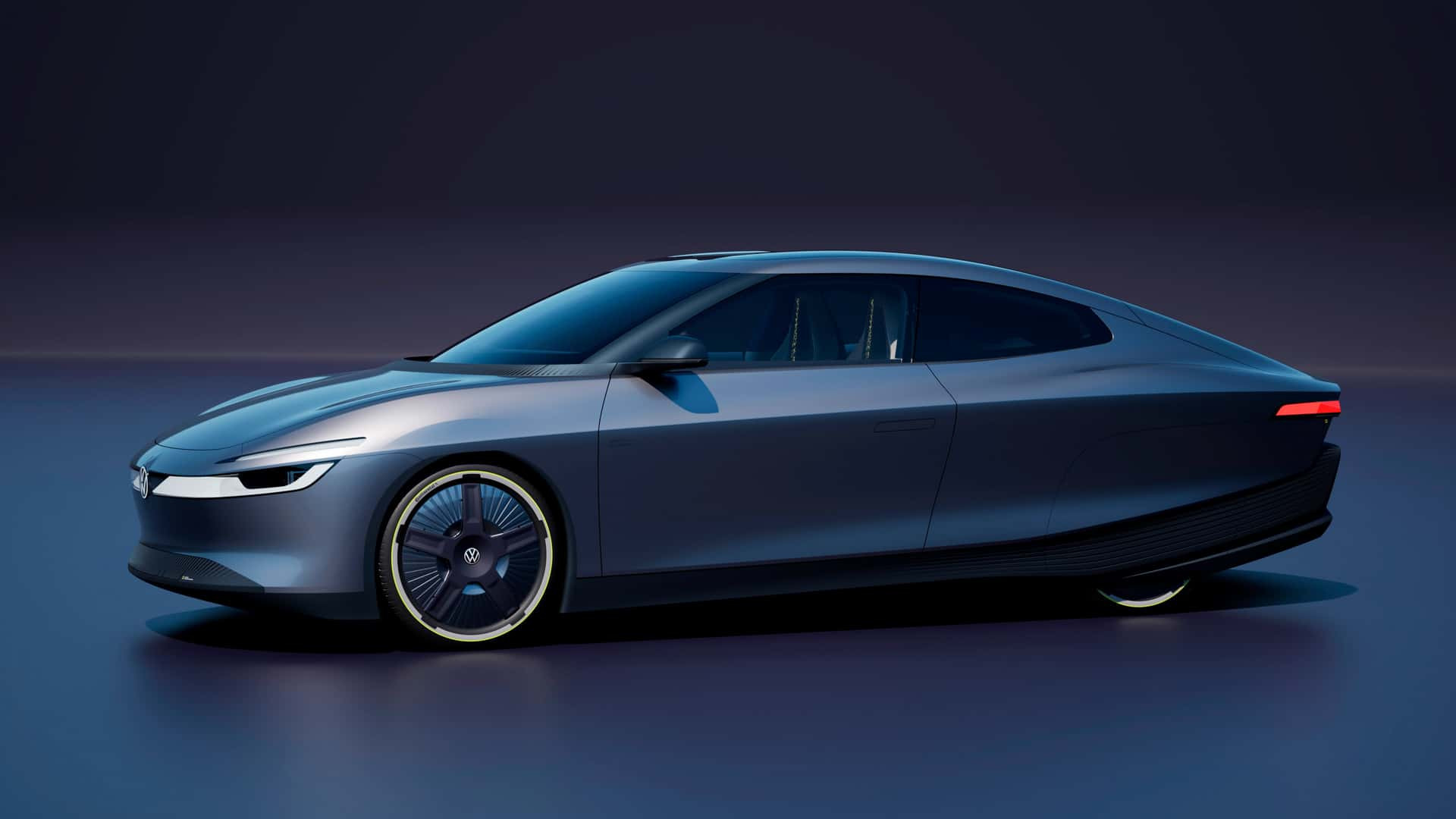
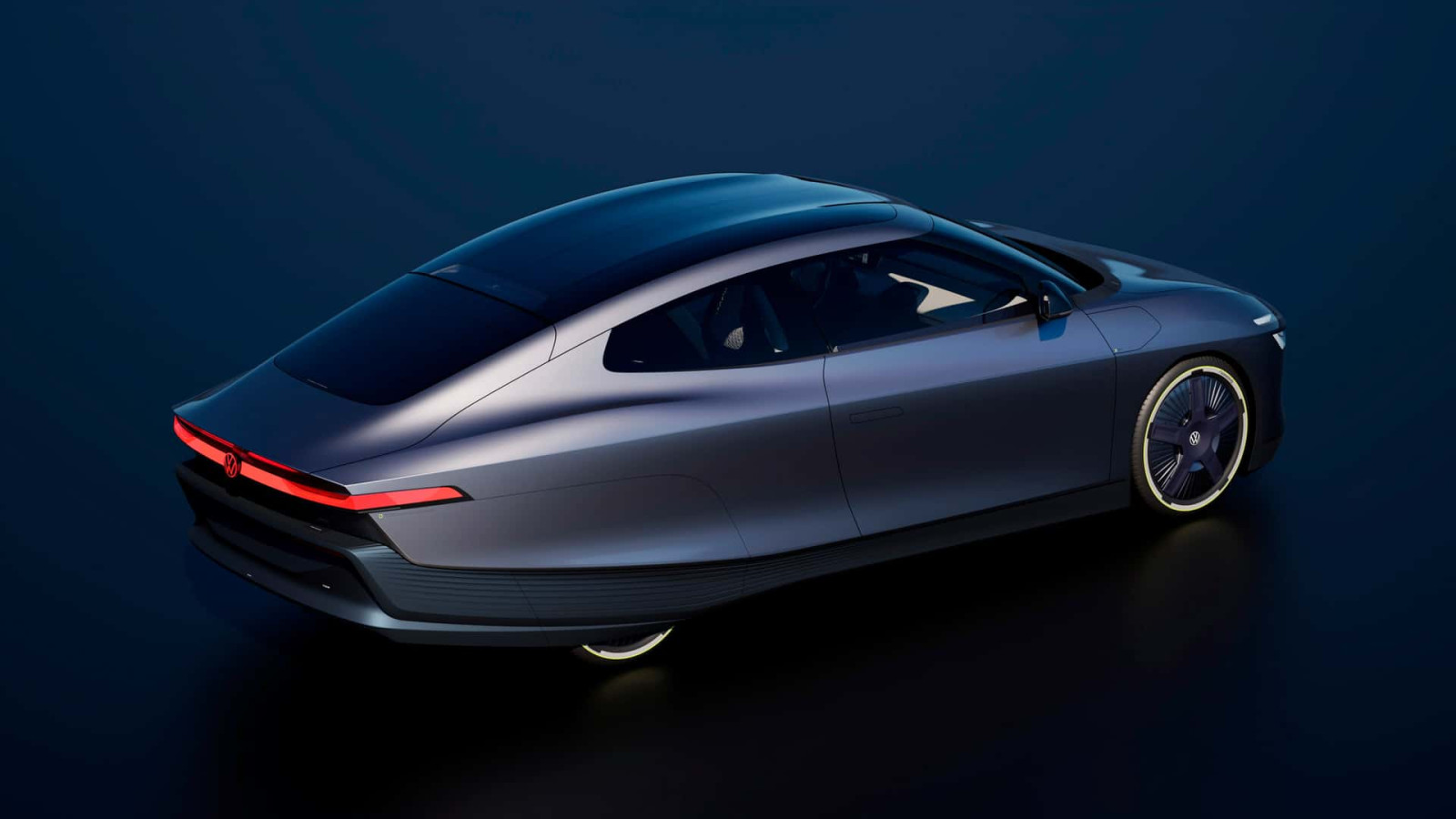
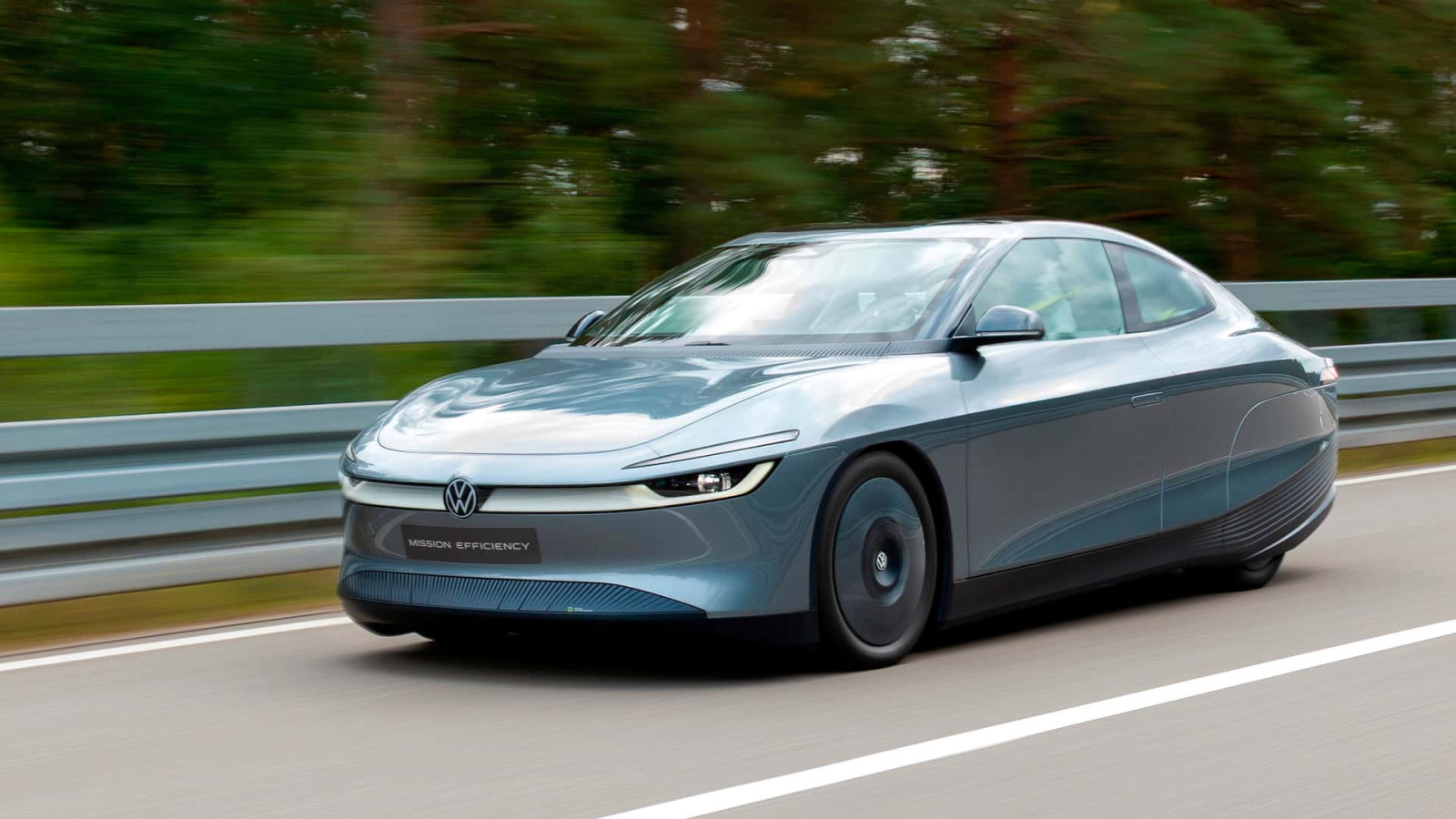
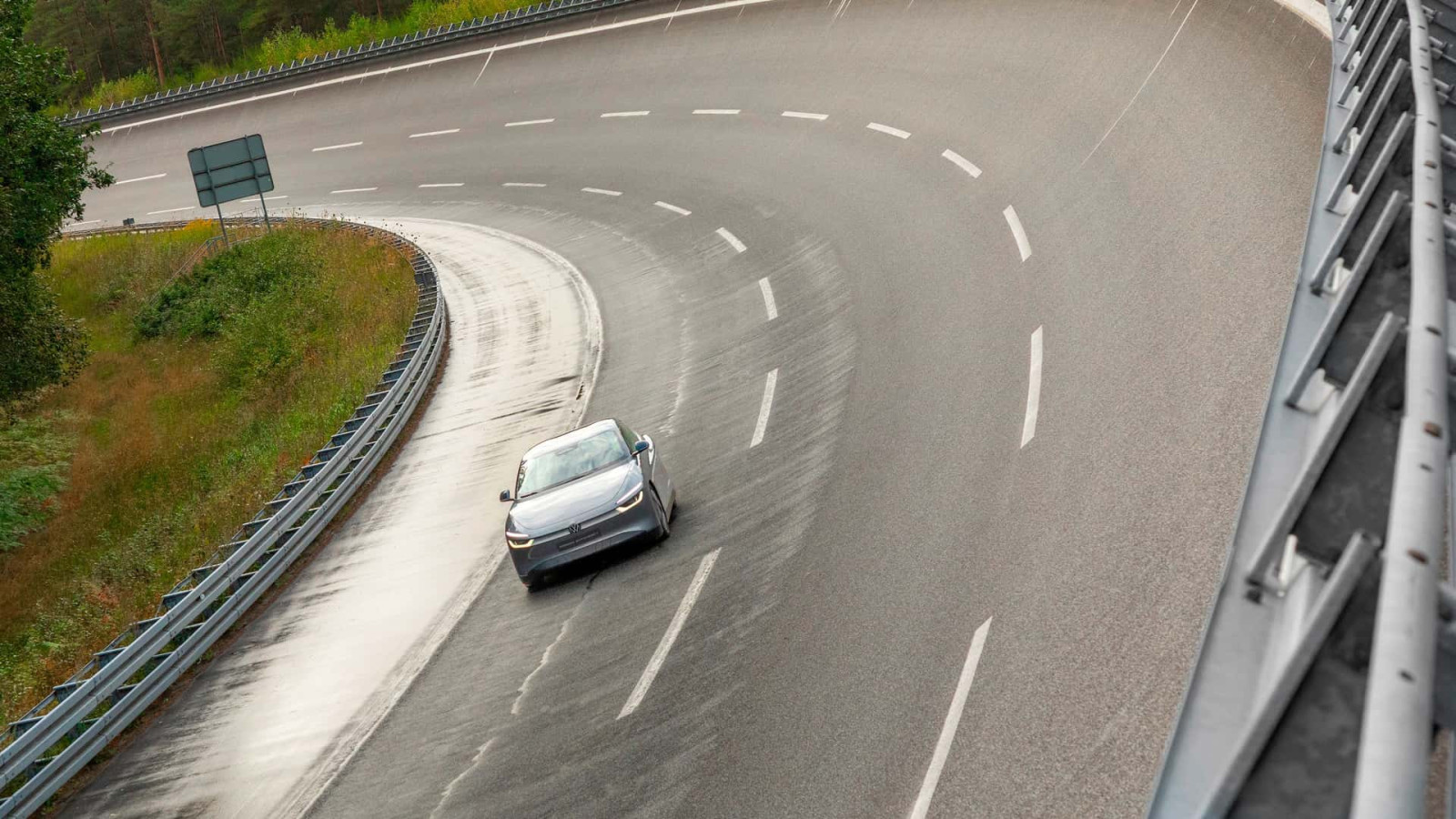
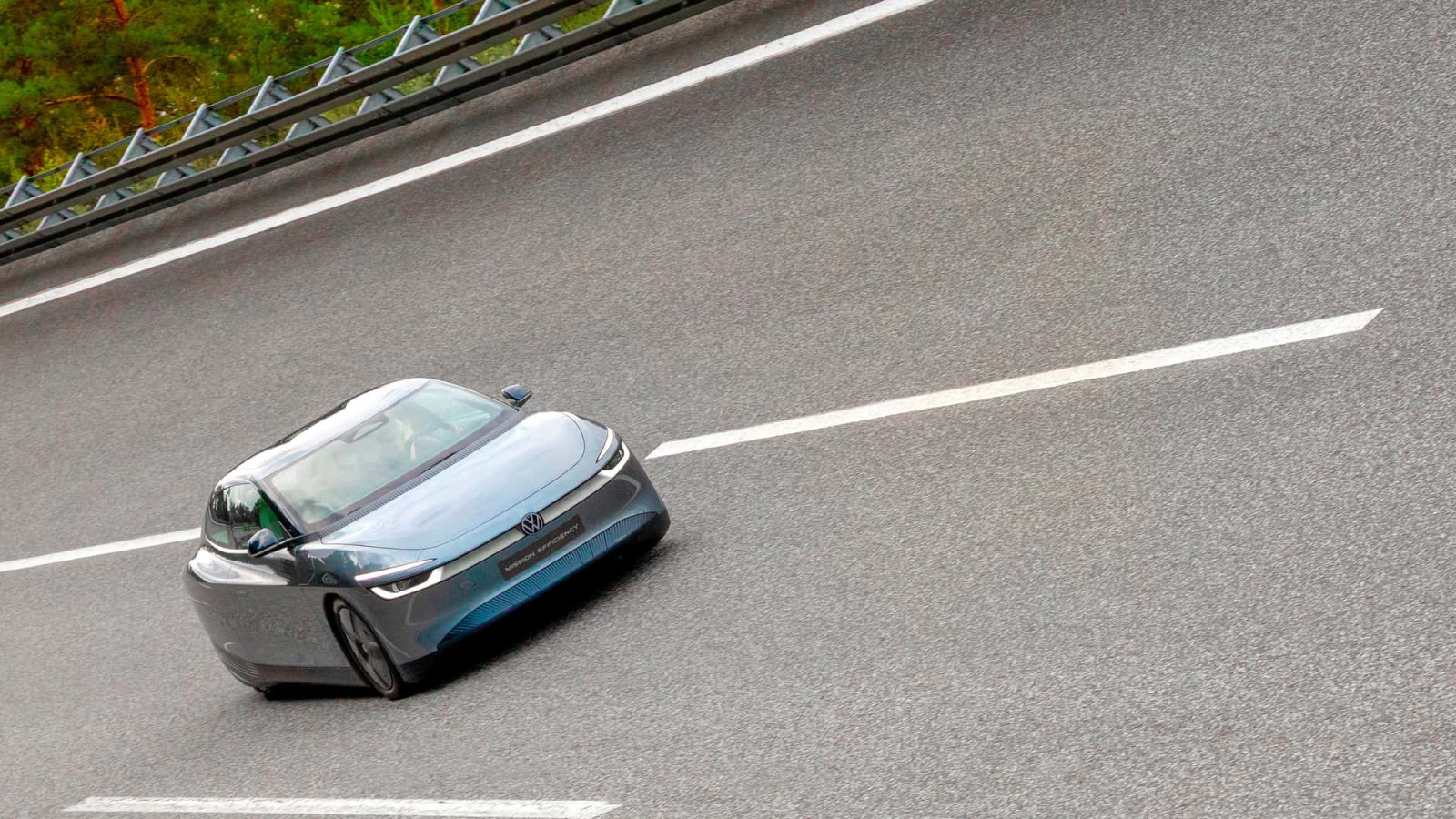
Volkswagen has revealed the Mission Efficiency concept, an ultra-aerodynamic electric coupe designed to push the boundaries of EV range and energy consumption. Drawing direct inspiration from the Ferdinand Piëch era one-liter car program and the ultra-slippery XL1 plug-in hybrid, the experimental vehicle achieves a drag coefficient of just 0.158, making it the most aerodynamic road-legal automobile ever built. Its frontal area measures only 22.4 square feet (2.08 square meters).
During testing, the Mission Efficiency set remarkable efficiency benchmarks. In an ideal test at a steady 42 mph (68 km/h) with auxiliary systems deactivated, it consumed a mere 6.48 kWh per 100 km. To prove its real-world capability, Volkswagen drove the prototype from Wolfsburg to Vienna through Poznań, Poland, and Olomouc, Czech Republic. The certified 794-mile (1,278.36-kilometer) journey was completed at an average speed of 42 mph (67.72 km/h) and a top speed of 86 mph (138 km/h). The concept consumed 6.89 kWh per 100 km excluding charging losses (7.51 kWh per 100 km with losses). Its 54.9-kWh net battery was plugged in only once, reaching Vienna with 102 miles (164 km) of remaining range, translating to a theoretical range exceeding 870 miles (1,400 km). Germany's Record Institute (RID) certified the vehicle as the most efficient near-production four-seat EV.
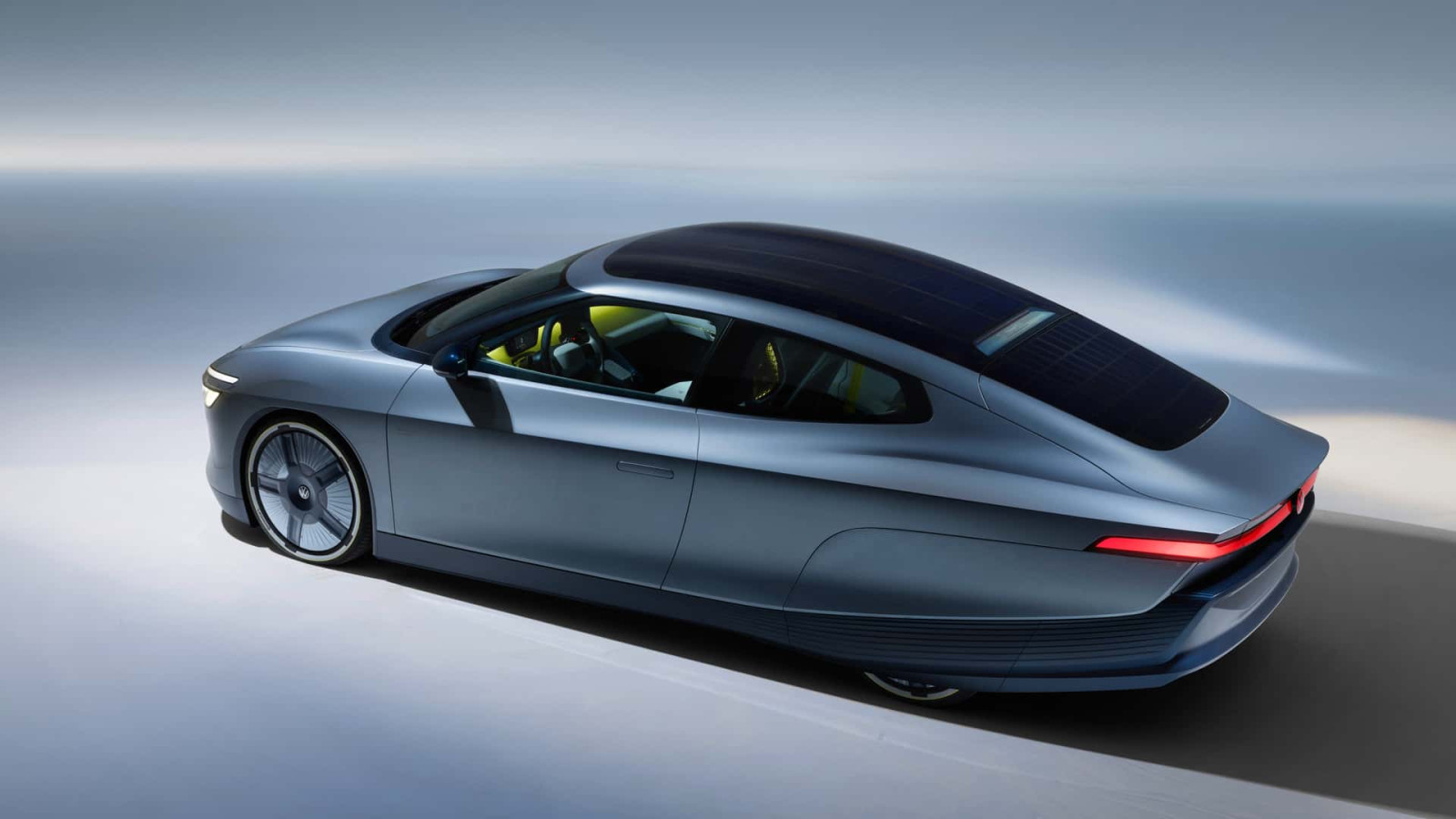
Built on Volkswagen's front-wheel-drive MEB+ platform, the concept borrows its powertrain directly from the ID. Polo supermini. An APP290 permanent-magnet synchronous motor delivers 135 horsepower and 195 lb-ft (264 Nm) of torque through a single-speed gearbox, with the drive unit weighing just 165 pounds (75 kg). The 54.9-kWh NMC battery had an extra 2.9 kWh of usable capacity temporarily unlocked via software for the test run. DC fast charging reaches up to 105 kW, while AC charging tops out at 11 kW. A 370-watt photovoltaic array integrated into the glass roof and tailgate powers the 12-volt vehicle systems, adding up to 19 miles (30 km) of range daily in sunny conditions.
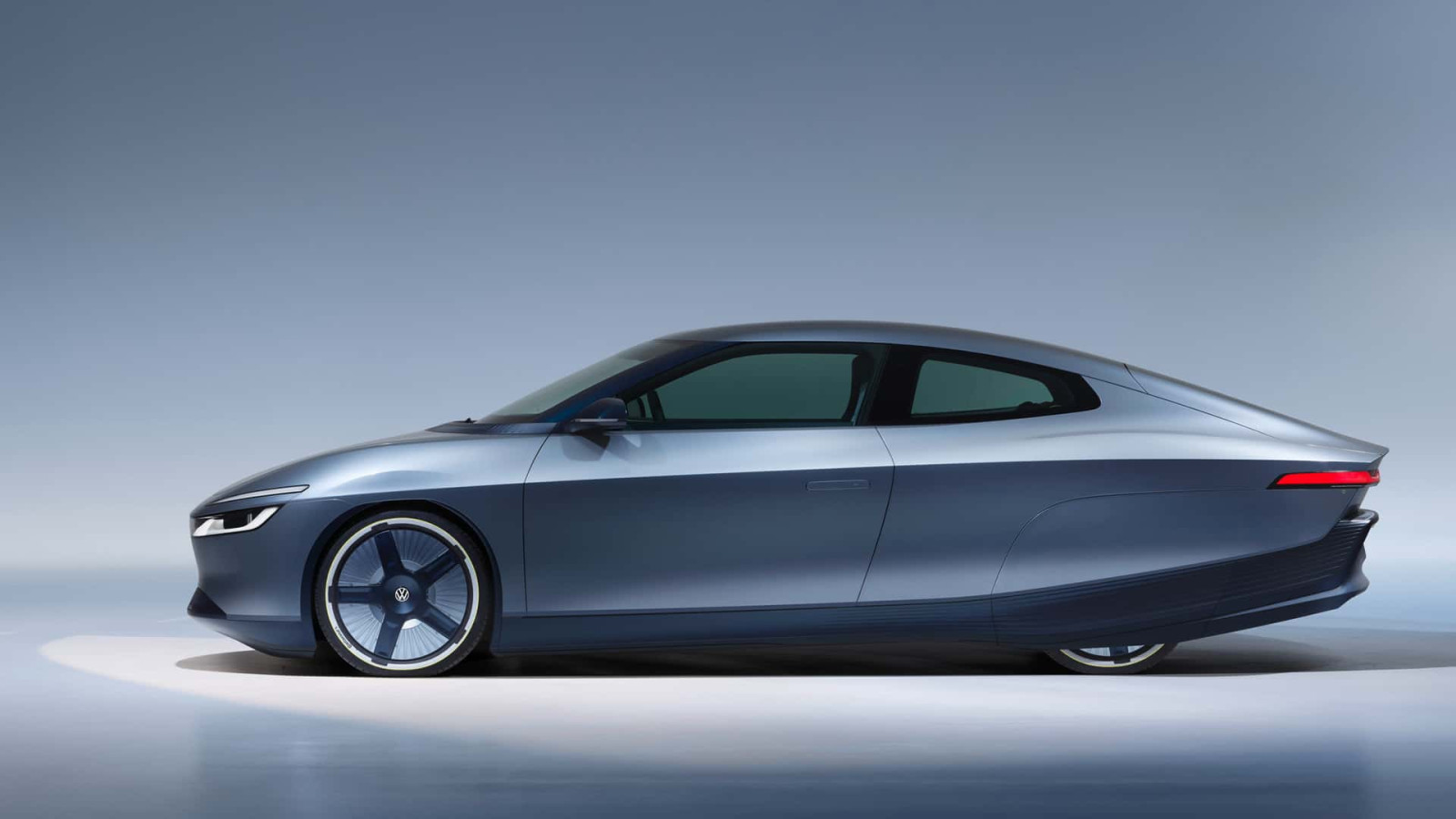
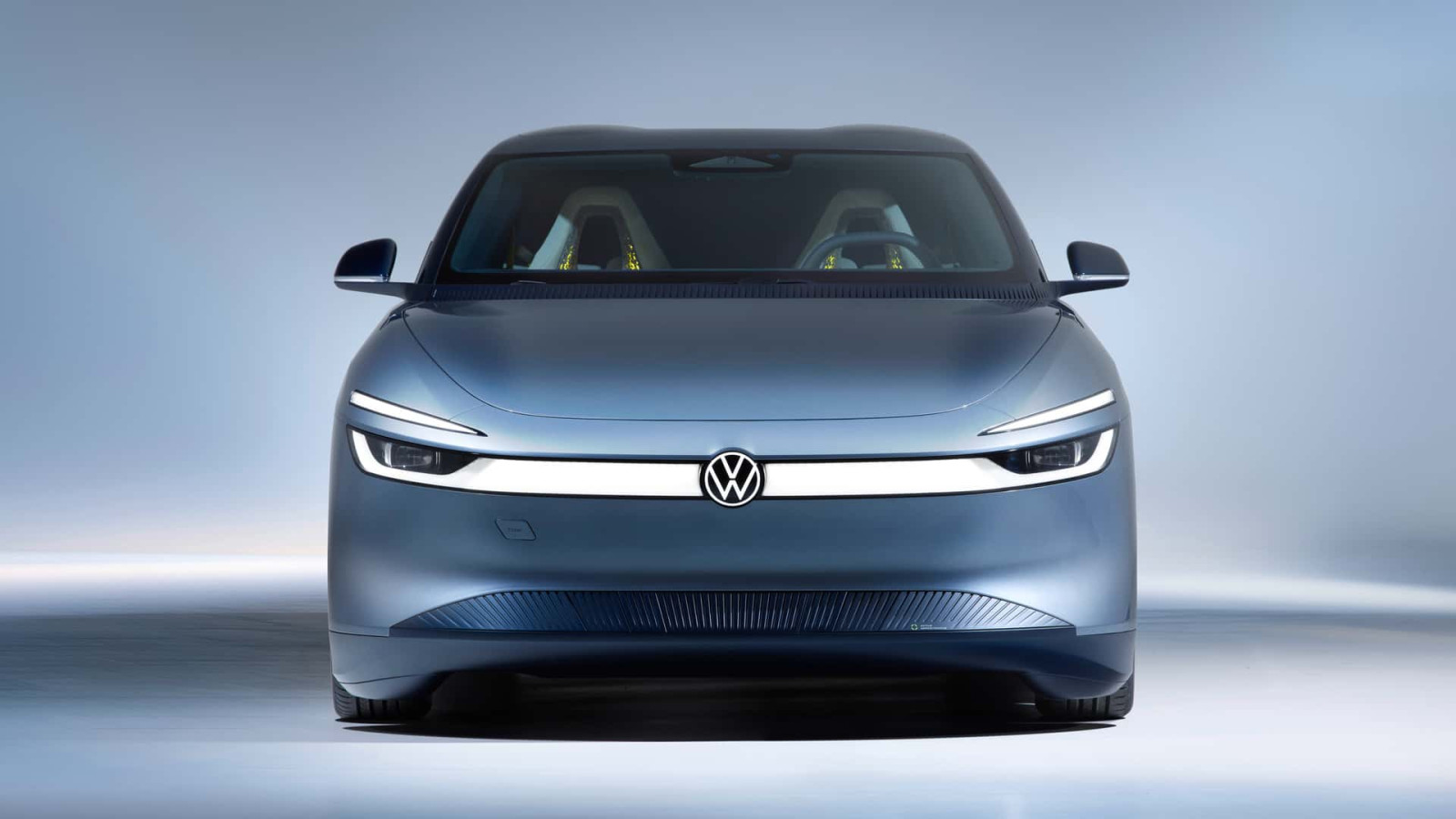
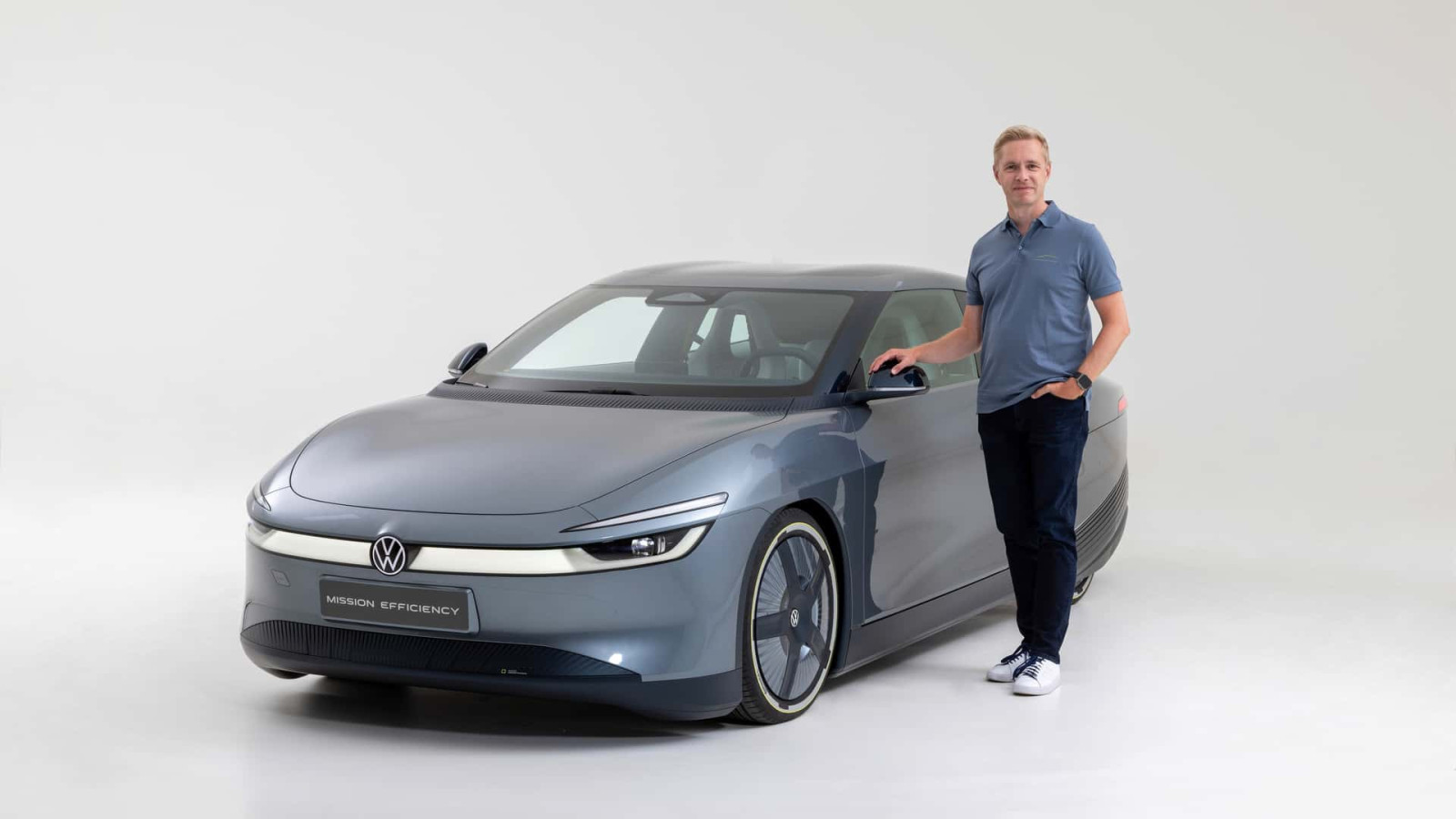
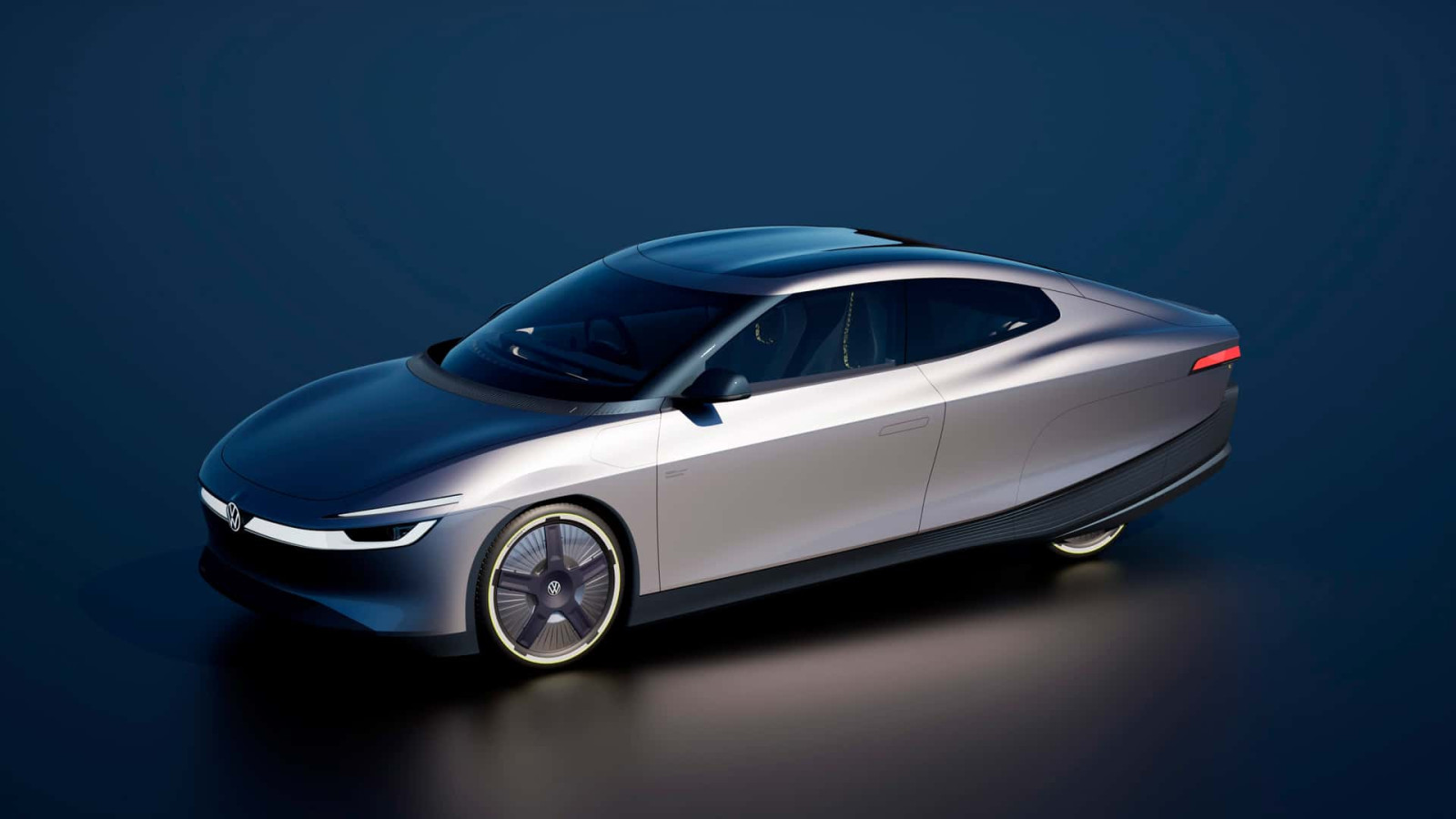
Aesthetically, the Mission Efficiency features a teardrop silhouette with a boat-tail rear design. It measures 188 inches (4,775 mm) long, 69 inches (1,744 mm) wide, and 55 inches (1,392 mm) tall, riding on a 106.3-inch (2,700-mm) wheelbase. The rear axle is narrowed by 6.7 inches (170 mm) relative to the ID. Polo. Aerodynamic highlights include three active front cooling flaps with five configurations, covered rear wheels, front wheel deflectors, fully enclosed underbody panels, and custom Continental tires based on the EcoContact 7. Volkswagen deliberately retained conventional exterior side mirrors, finding digital cameras too power-hungry and expensive for negligible aerodynamic benefit.
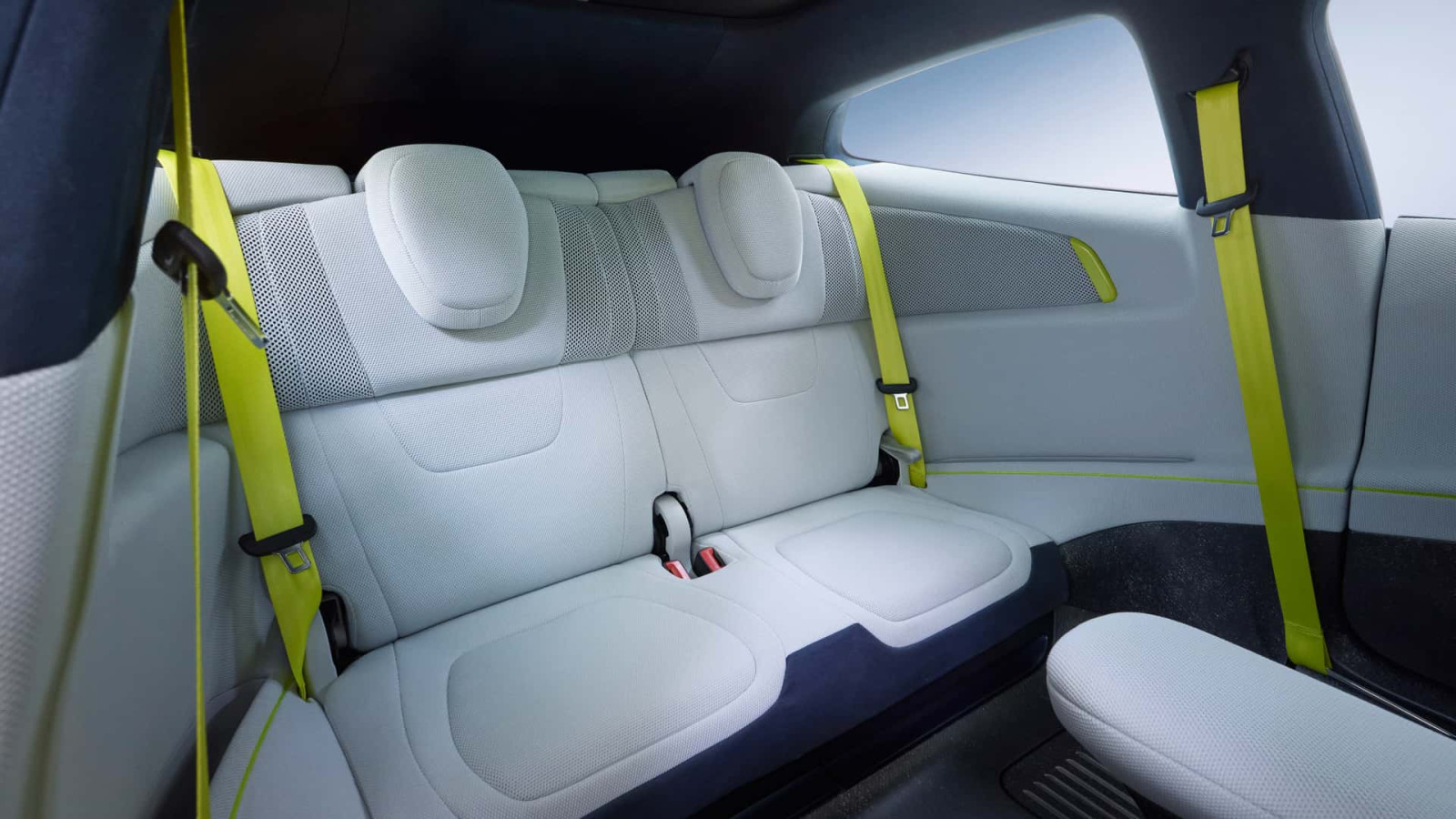
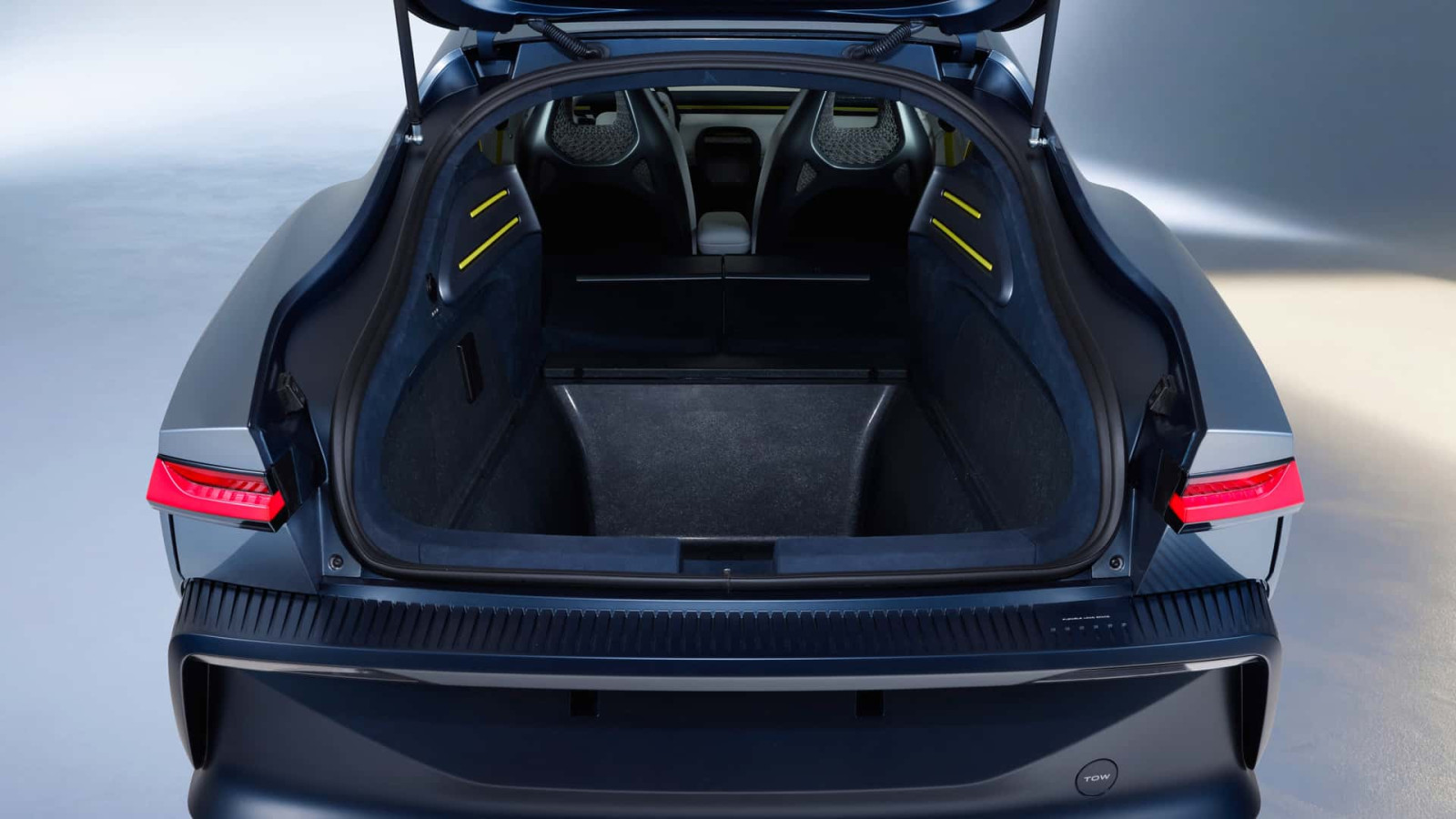
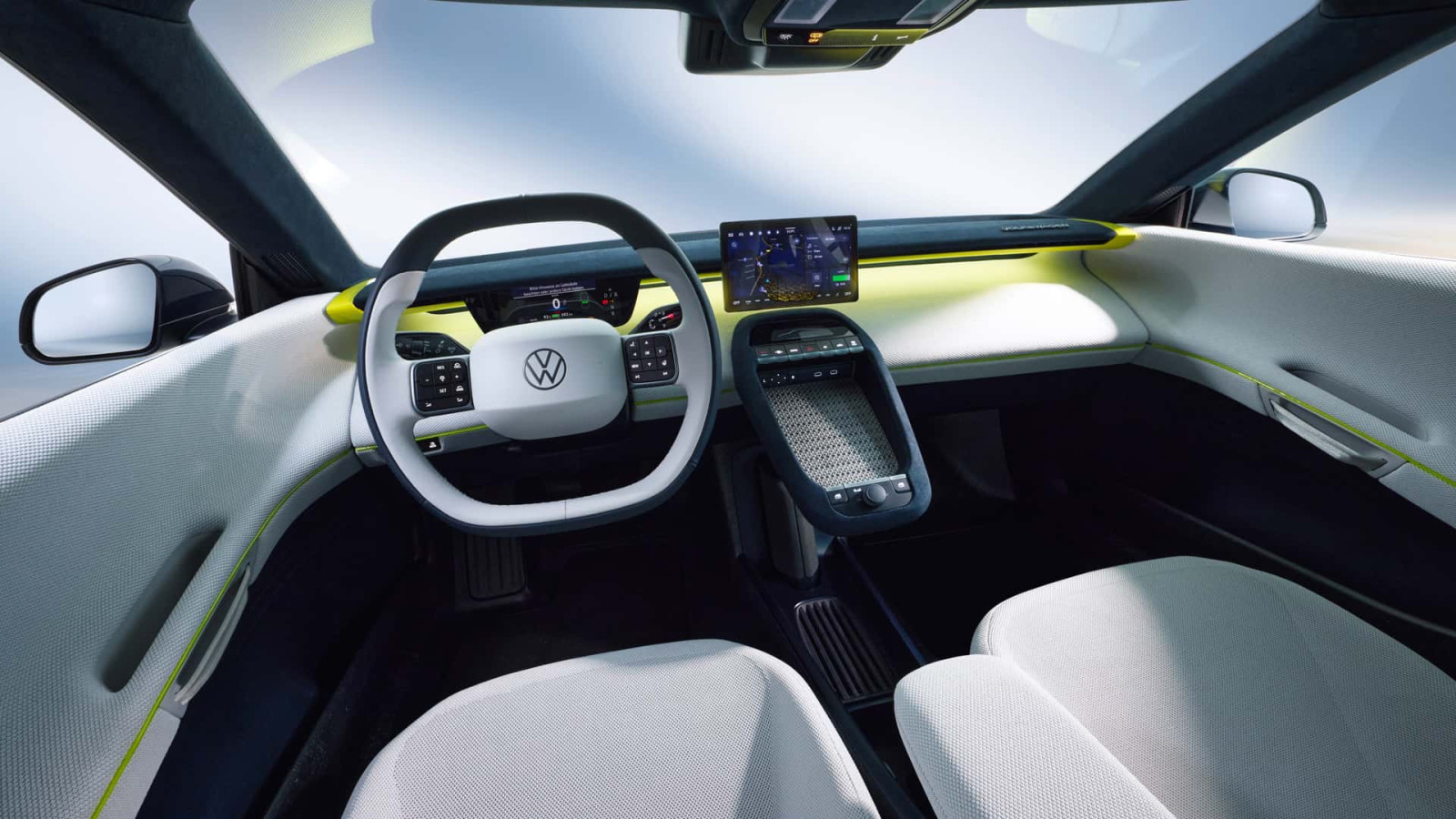
Despite its teardrop shape, the car retains practical utility as a 2+2 coupe with 17 cubic feet (481 liters) of luggage space. Folding the rear seats, which accommodate passengers up to 5 feet 3 inches (1.60 meters), creates a 5.9-foot (1.8-meter) cargo floor. The minimalist cabin replaces fixed infotainment screens with a universal smartphone and tablet mounting rail, echoing the VW up!. A portable Bluetooth speaker substitutes for conventional door speakers, while composite flooring with rubber grips eliminates the need for floor mats. Although echoing the XL1's experimental spirit, Volkswagen has not announced any production plans.
Photos
More news