Volkswagen Confirms Next-Gen ID. Buzz on SSP Platform to Lower Prices
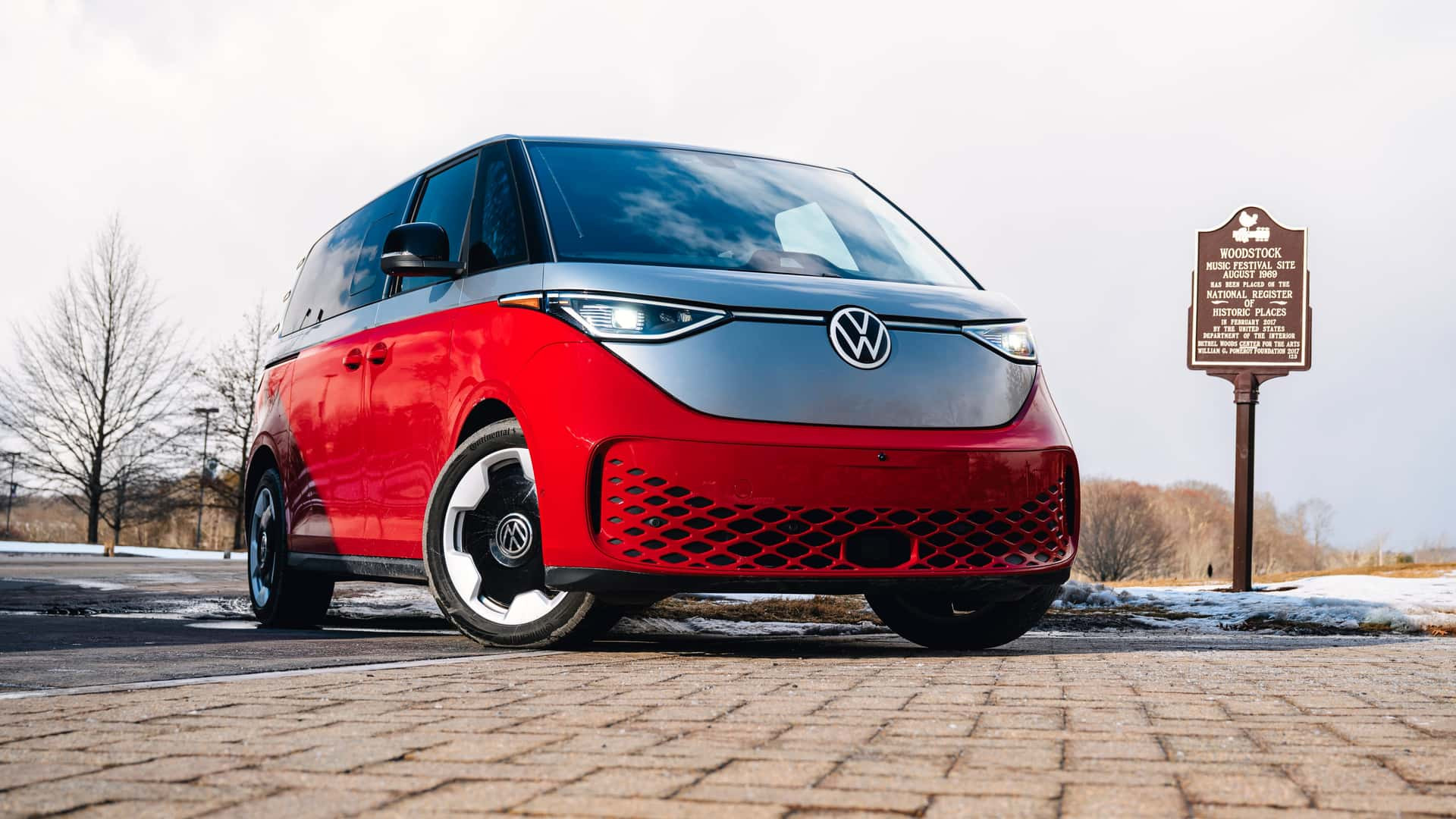
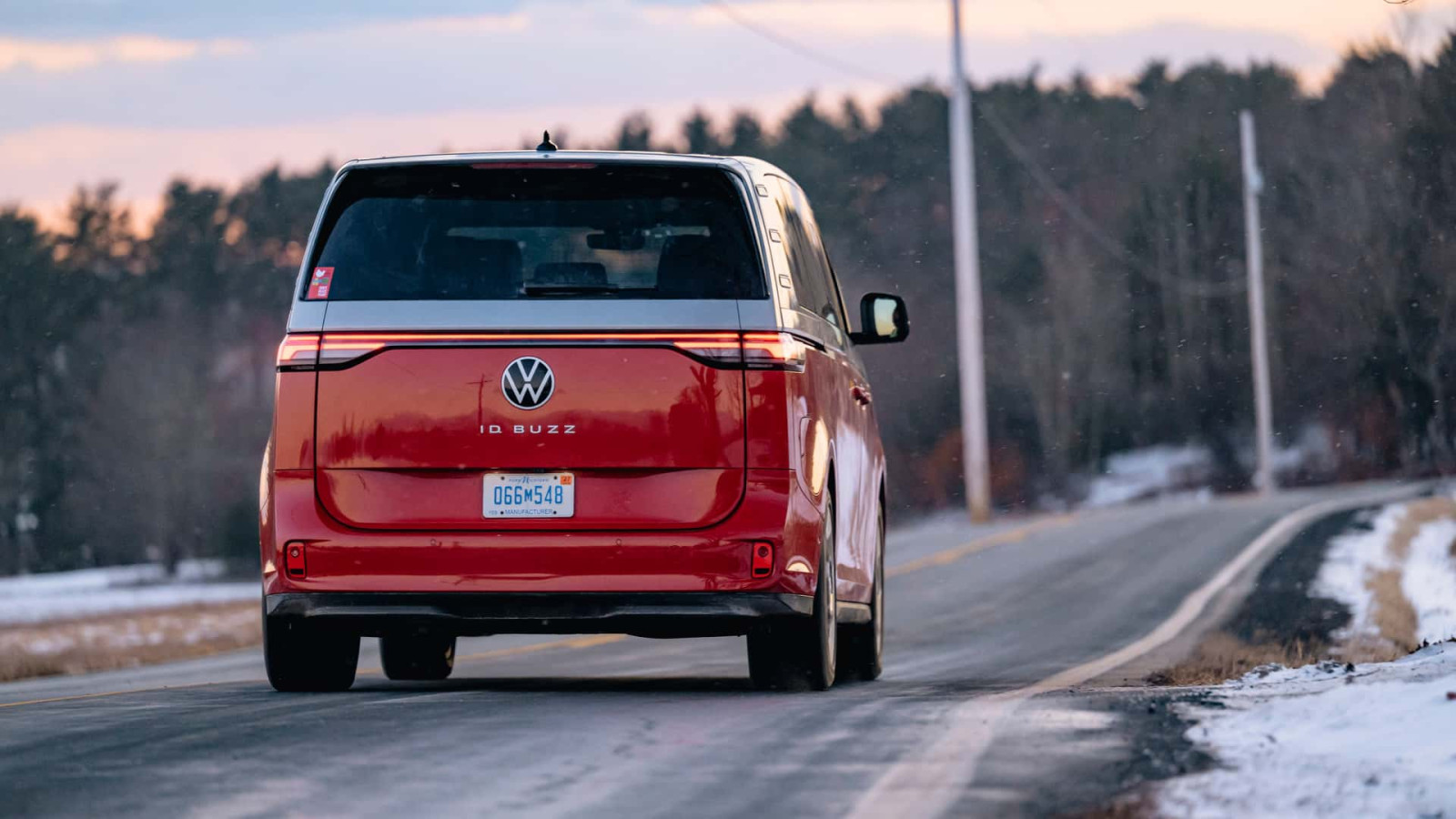
Volkswagen CEO Thomas Schäfer has confirmed that the ID. Buzz electric minivan will receive a second-generation successor designed to resolve the high price tag that has limited the current model's market adoption. Speaking to Auto Express at the 2026 Paris Motor Show, Schäfer acknowledged that while the retro-inspired van possesses immense charm, its steep cost makes it difficult to achieve broader commercial success. To overcome this limitation, the next-generation microbus will migrate from the current MEB platform to Volkswagen Group's upcoming Scalable Systems Platform (SSP).
Moving to the unified SSP architecture is expected to bring substantial advancements, including extended driving range, faster charging speeds, and modernized software integration. Crucially, the extensive deployment of SSP across multiple Volkswagen Group brands will achieve greater economies of scale, significantly reducing development and production overheads. Volkswagen is also evaluating cheaper lithium-iron phosphate (LFP) battery chemistries to further lower initial purchase costs, although final battery specifications have not yet been disclosed.
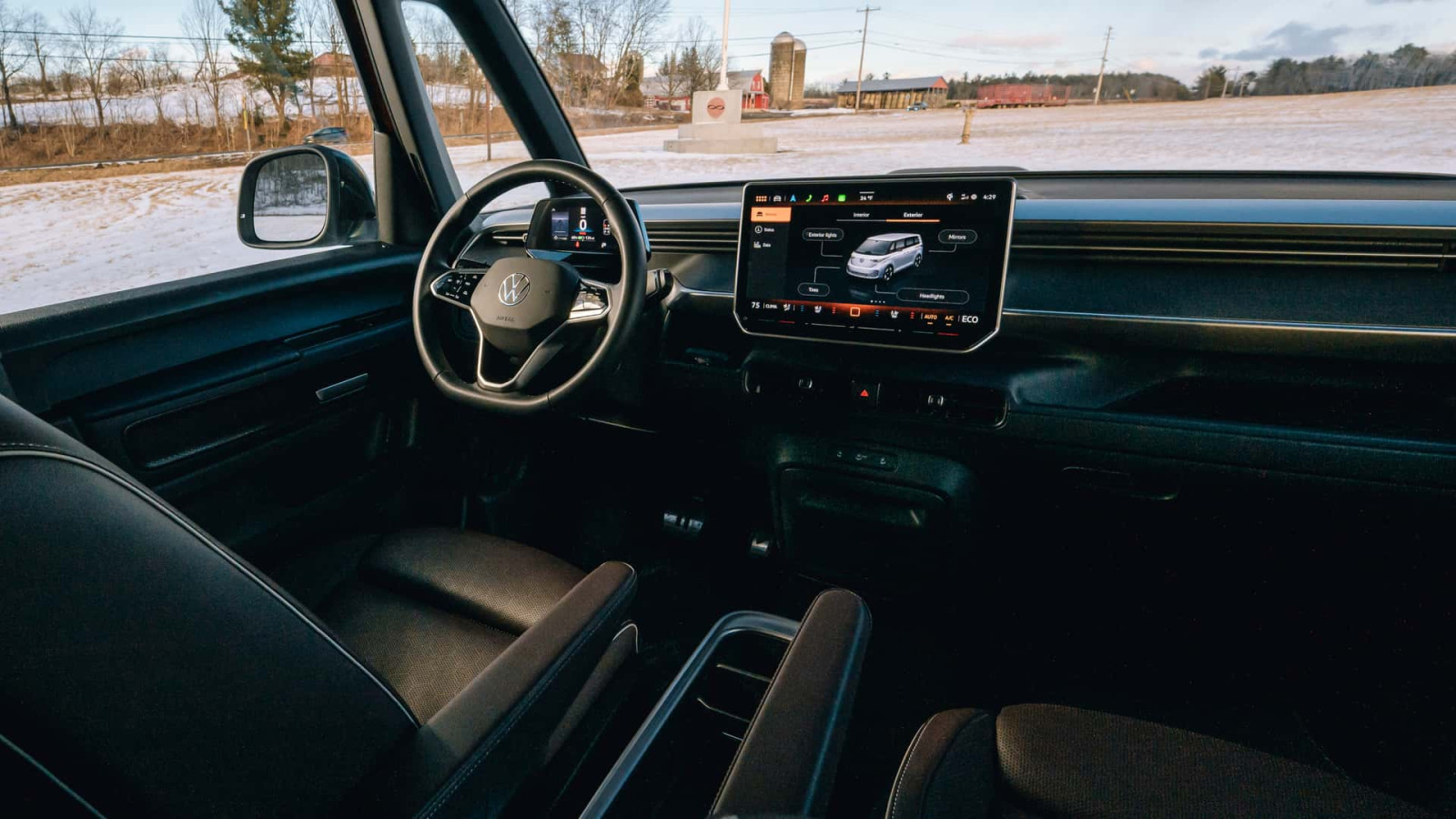
Cabin ergonomics are also set for an overhaul. Addressing widespread customer criticism of capacitive touch sliders, recent models such as the ID. Polo, ID.3 Neo, and ID. Tiguan have returned to physical switchgear and more intuitive layouts. The next ID. Buzz is poised to adopt this user-friendly philosophy, adding tactile steering-wheel controls and individual window switches to create a more functional family vehicle.
On the design side, styling chief Andreas Mindt emphasized that future iterations must remain distinctive without relying endlessly on retro nostalgia, drawing lessons from the modern Beetle. A market launch for the second-generation van remains several years away, as the first SSP-based vehicle will be a flagship SUV arriving toward the end of the decade, making an ID. Buzz debut before 2030 unlikely. In the meantime, Volkswagen will continue rolling out in-generation updates to the current van, which recorded 60,700 global sales last year across passenger and cargo configurations.
Photos
More news