Toyota Confirms Hydrogen Hilux Pickup With 248-Mile Range
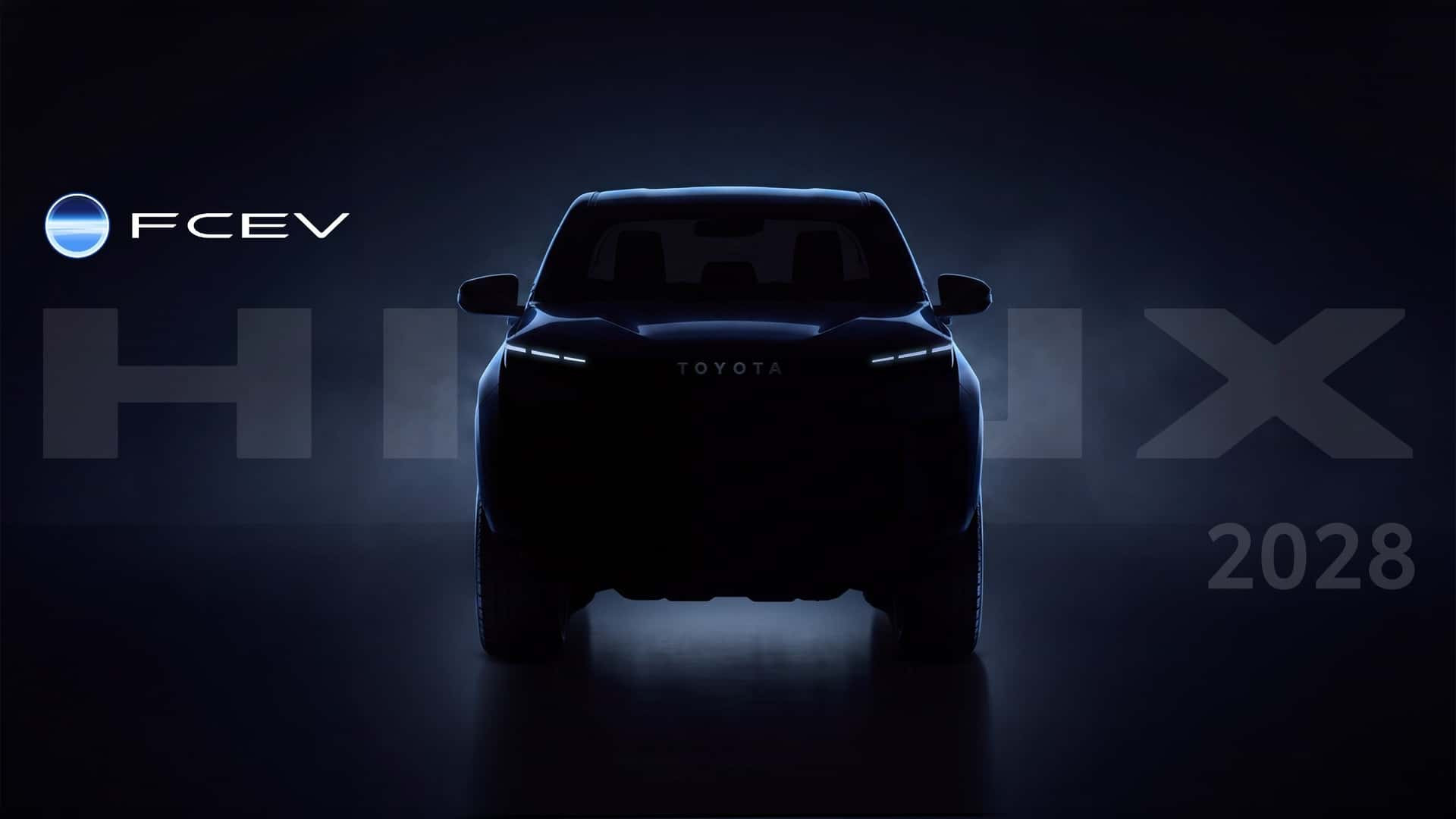
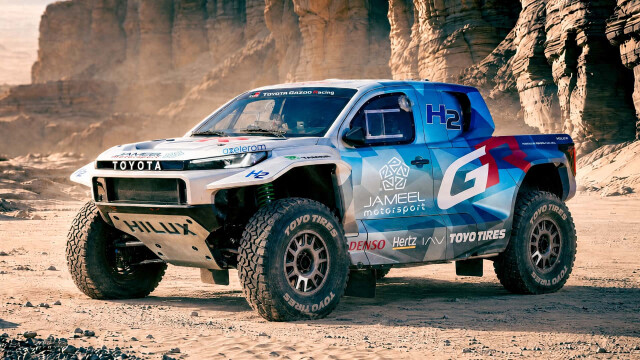
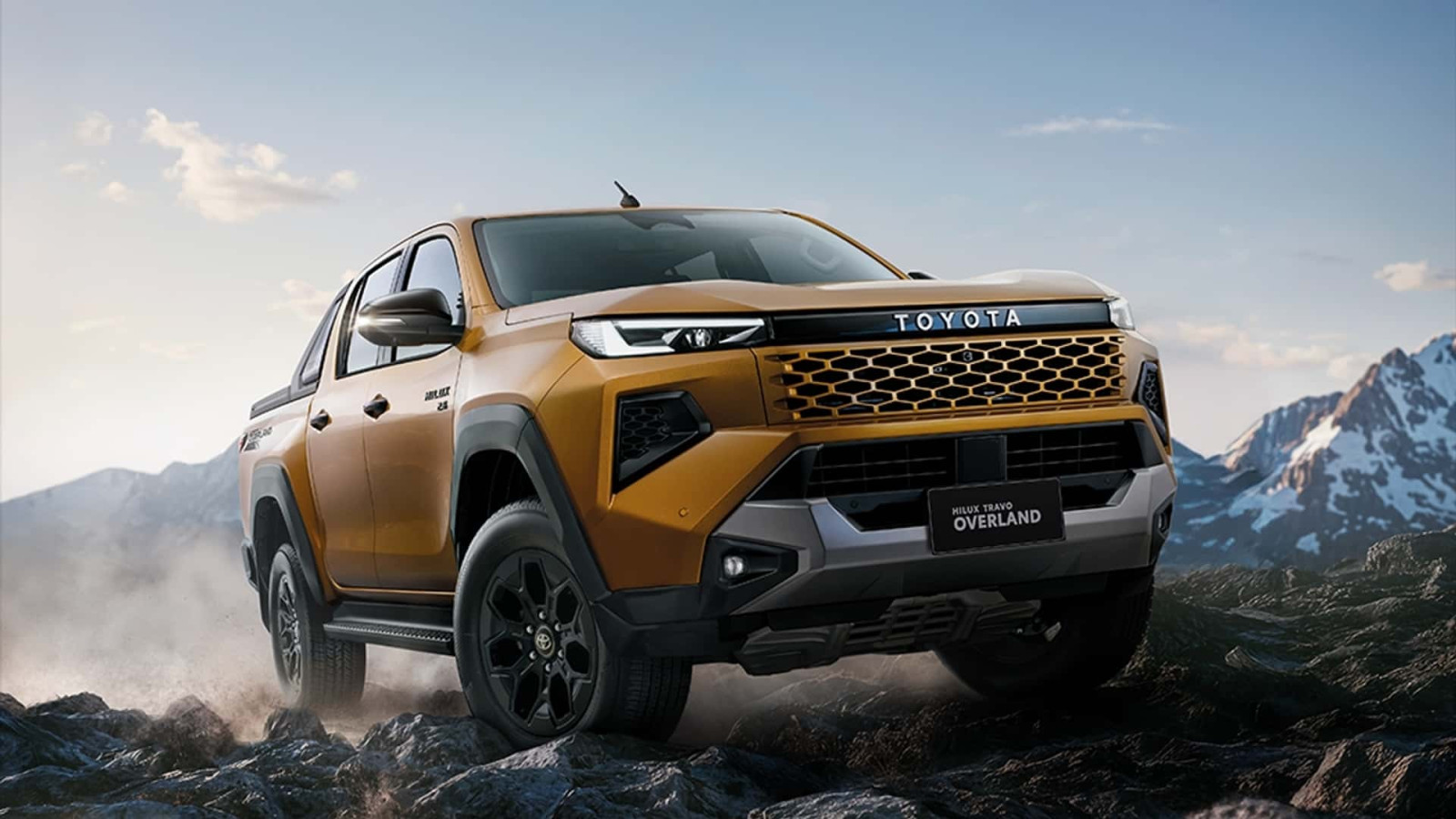
At IAA Transportation 2026 in Hannover, Toyota outlined plans for a hydrogen fuel cell version of the Hilux pickup, targeting a 2028 production launch for European corporate fleets and leasing customers. The automaker claims the fuel-cell truck will outperform its purely battery-electric counterpart on two crucial fleet metrics: driving range and towing capacity.
The Hilux FCEV aims for a WLTP range of 248 miles and a maximum braked towing capability of 5,512 pounds (2,500 kg), alongside a refueling time of approximately three to five minutes under normal station conditions. Built on Toyota's ninth-generation pickup platform, the hydrogen model will join the existing lineup rather than replace conventional internal-combustion or electric offerings.
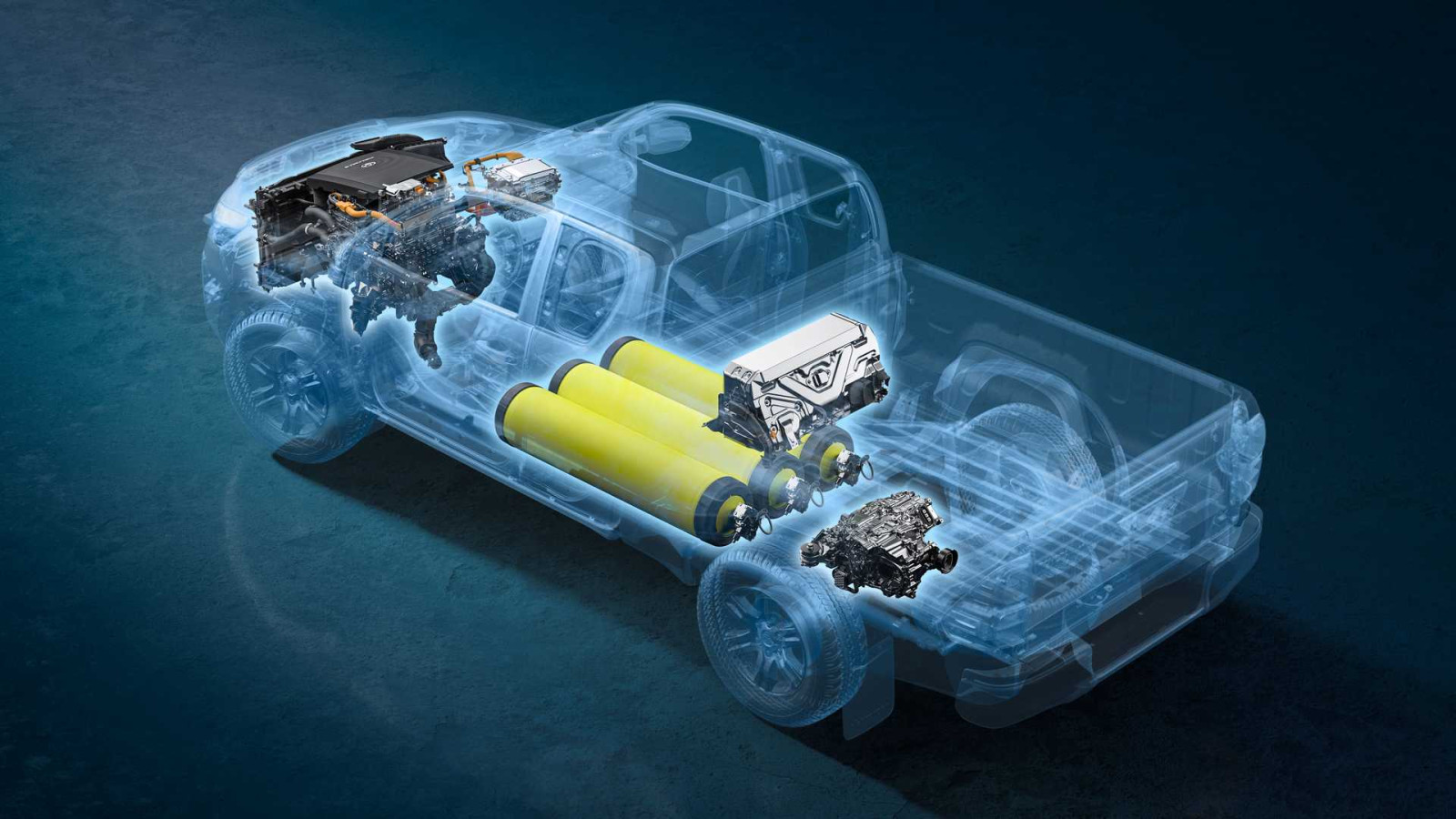
Under the bodywork, the pickup leverages fuel-cell technology adapted from the Mirai passenger sedan. It relies on electrochemical reactions between onboard hydrogen and atmospheric oxygen to generate electric power, producing only pure water vapor from its exhaust. Toyota clarified that this configuration uses a fuel-cell stack rather than an internal combustion engine adapted to burn hydrogen.
Compared to current specifications of the battery-electric Hilux BEV, which targets approximately 149 to 152 miles of WLTP range and up to 4,410 pounds (2,000 kg) of towing, the FCEV variant offers a measurable performance advantage for heavy-duty commercial users. The quick refueling cycle also provides a distinct operational contrast to DC fast charging, which takes around 30 minutes for a 10 to 80 percent charge.
Infrastructure remains the primary hurdle for broader market adoption. Europe and the UK currently count roughly 200 public hydrogen refueling stations, compared to more than 1.3 million public EV charge points across the European Union. Toyota has not disclosed pricing details or announced any timeline for a North American market introduction.
Photos
Photos in the catalog
More news