Tesla Invests 3 Billion Euros To Build Cybercab In Germany
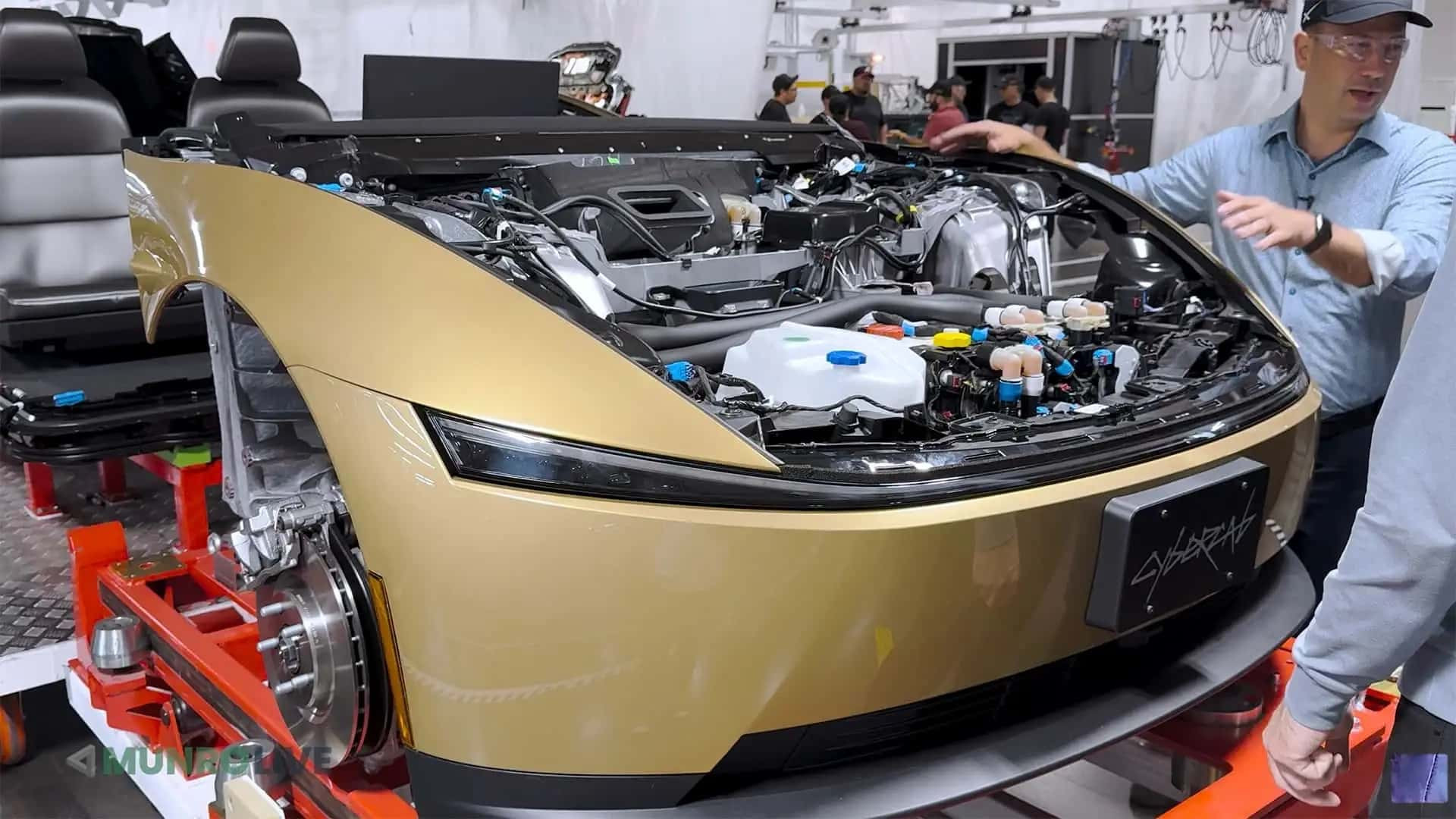
Tesla is putting significant financial backing behind its autonomous Cybercab by planning European production in Germany. On November 16, the automaker announced an investment of 3 billion euros (approximately $3.3 billion) to expand its Gigafactory Berlin-Brandenburg facility located in Grünheide.
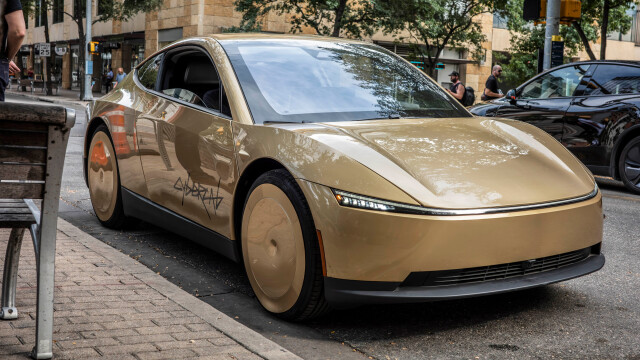
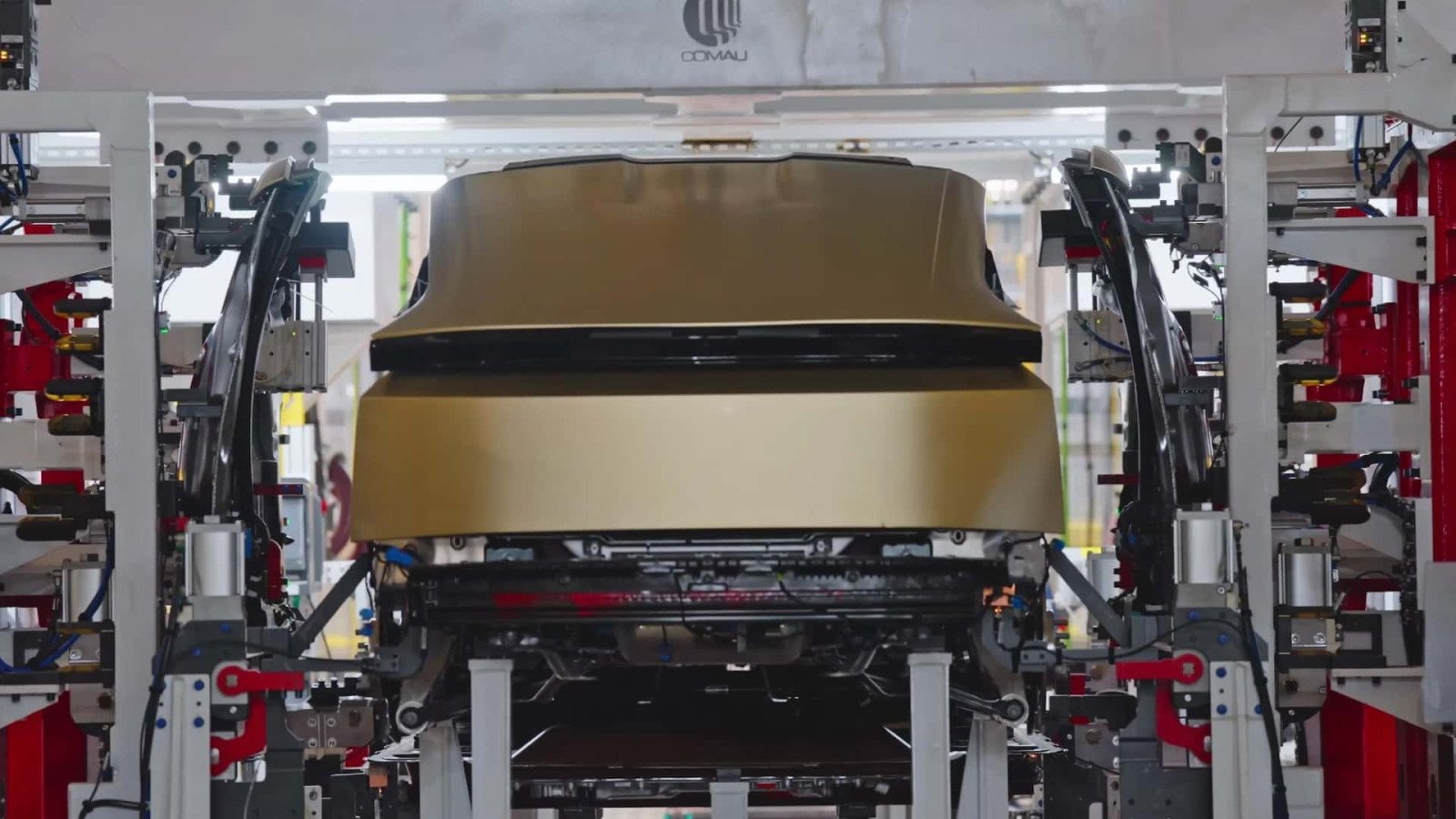
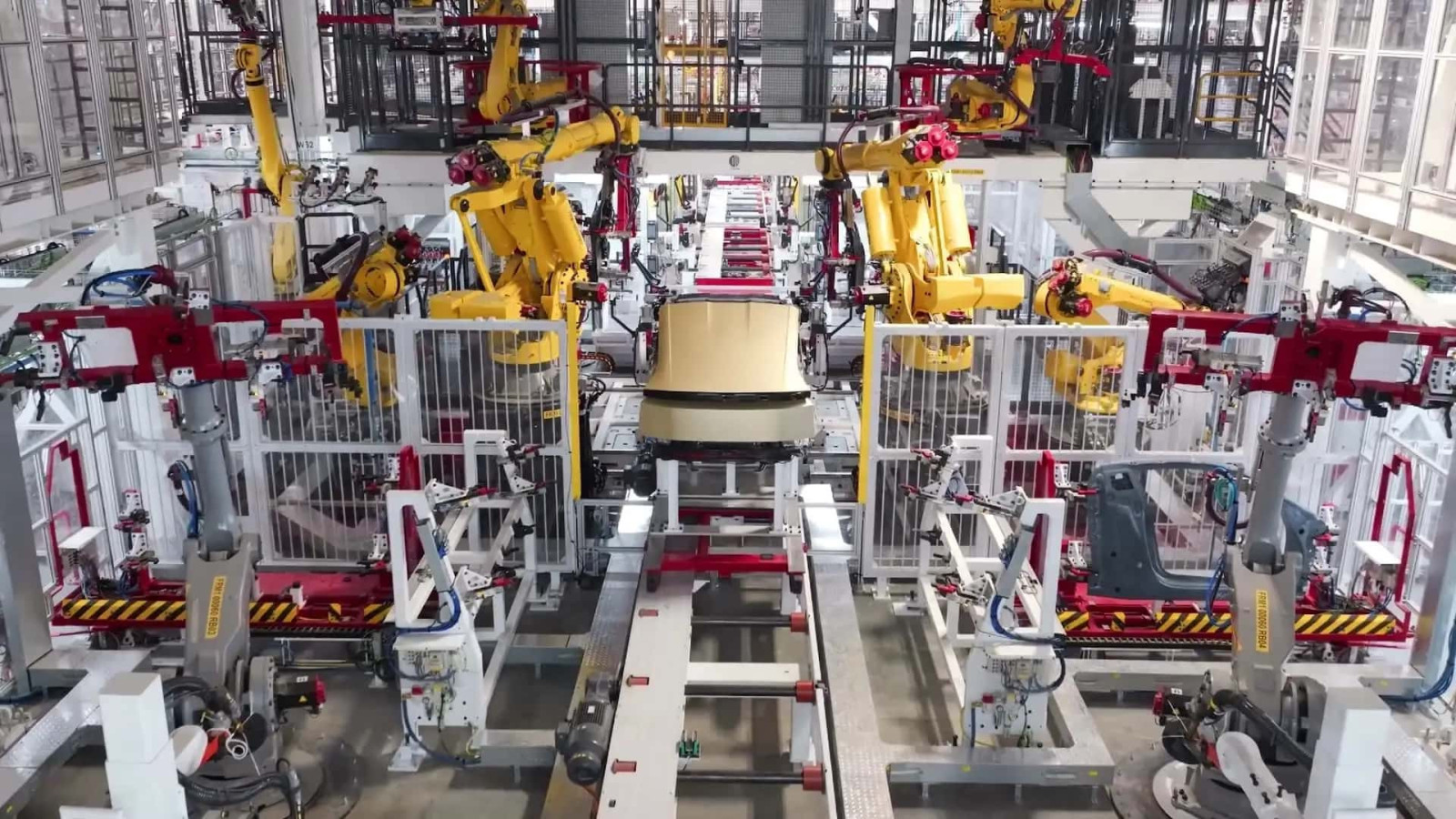
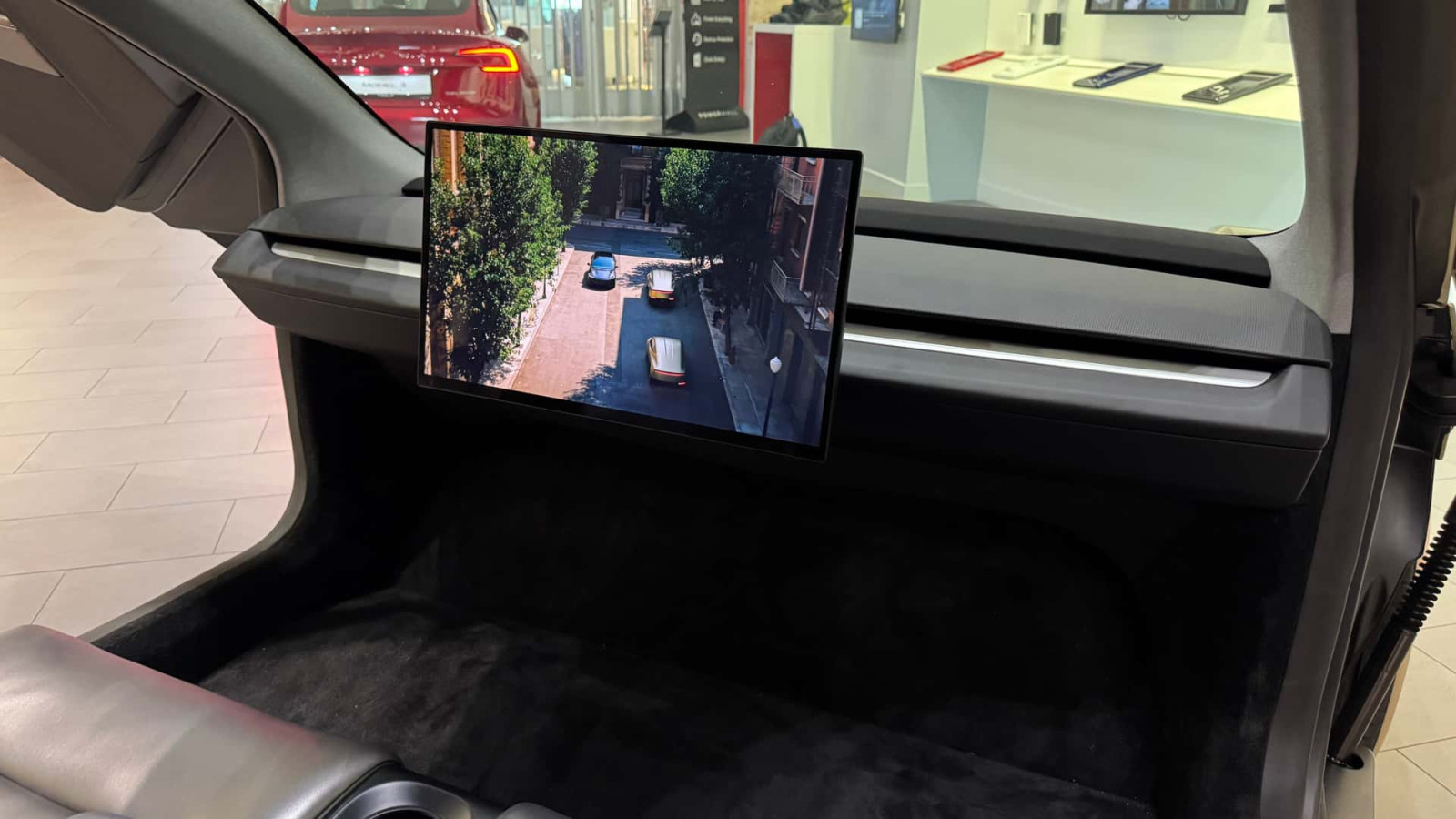
The investment will fund the construction of a new production building dedicated specifically to the Cybercab, a two-seat robotaxi engineered entirely without steering wheels or pedals. According to Tesla, the planned structure will be roughly twice the size of the existing main manufacturing hall. In the long term, the site is designed to reach an annual production capacity of up to 1 million Cybercabs.
Assembly of the Model Y will continue in parallel at Grünheide, where output is currently ramping toward 7,500 units per week (around 375,000 vehicles annually). The plant workforce has reached roughly 12,600 employees after adding around 2,000 workers recently, with hundreds more being recruited for construction and manufacturing planning.
The facility expansion aligns with Tesla's broader battery manufacturing initiatives. Plant manager André Thierig confirmed that full production of 4680-format battery cells at the German site remains on schedule for mid-2027, backed by a separate investment approaching 1 billion euros and projected to create over 1,500 jobs.
Tesla aims to submit its building permit application before the end of 2026, building upon an earlier 2023 expansion filing. Groundbreaking and construction are scheduled to commence in the first half of 2027, with the first production Cybercabs targeted to roll off the Grünheide assembly lines in 2029.
Despite the European manufacturing roadmap, according to Motor1.com, the Cybercab currently operates only in Austin, and the German factory plans do not grant European regulatory approval for unsupervised autonomous transport. Nevertheless, Brandenburg authorities welcomed the multi-billion commitment as a vital boost to regional industry amid widespread cutbacks across Germany's automotive sector.
Photos

Photos in the catalog
More news