Driverless Debut: Production-Ready Tesla Cybercab Revealed
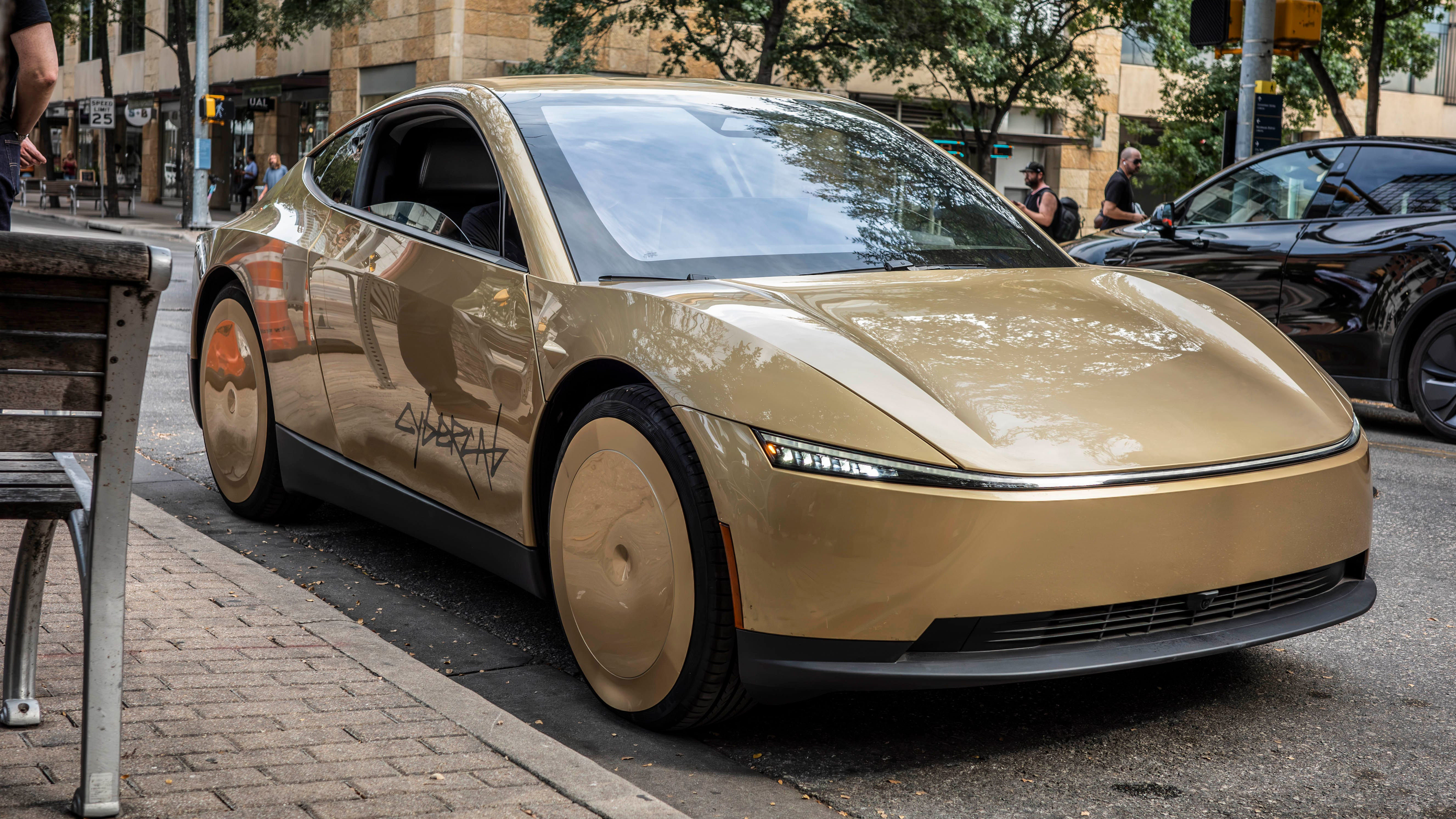
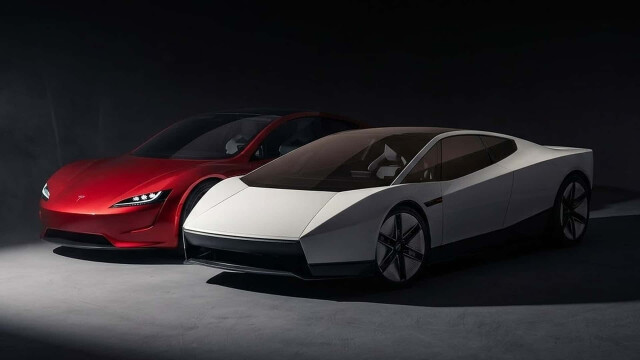
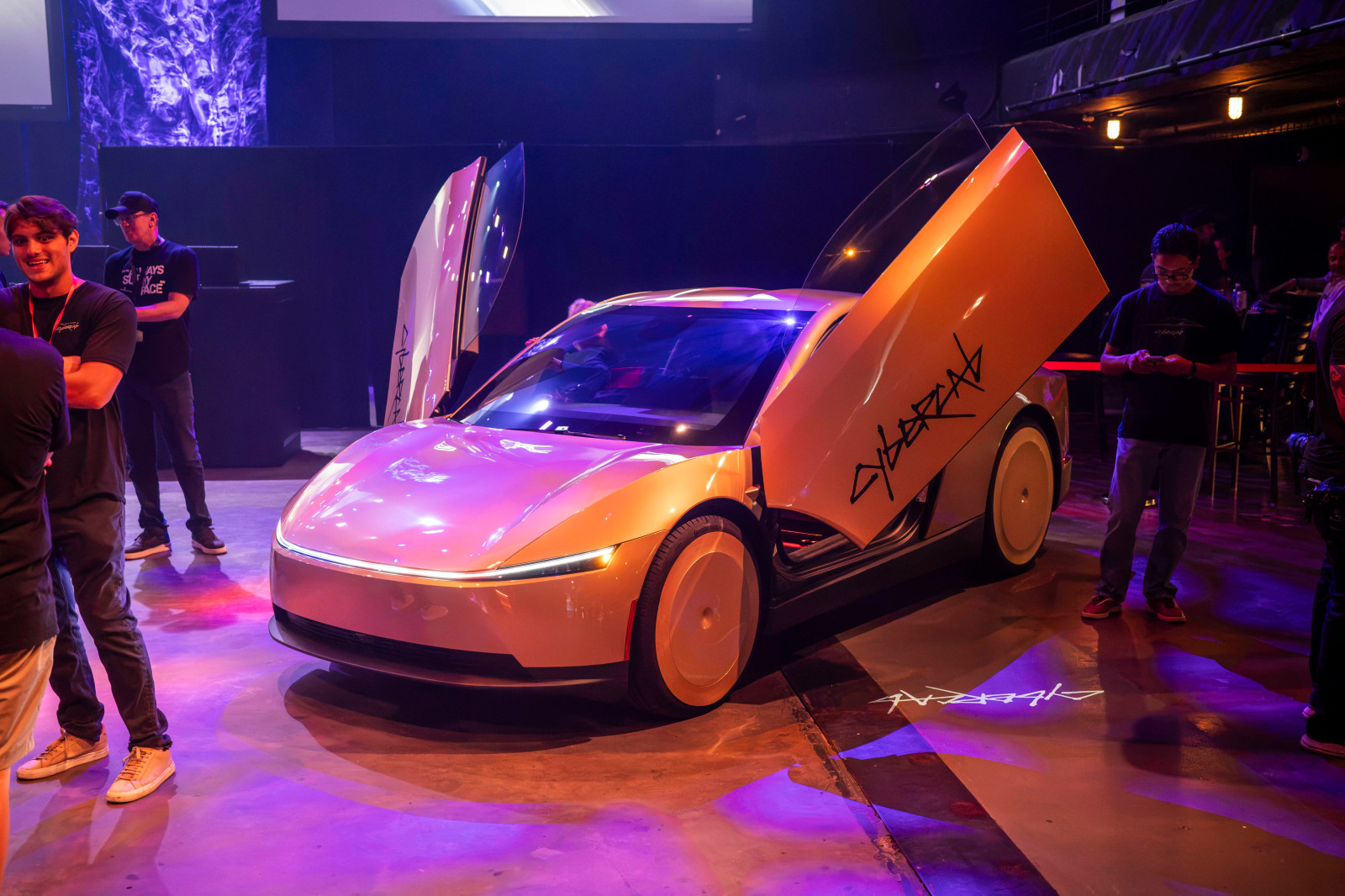
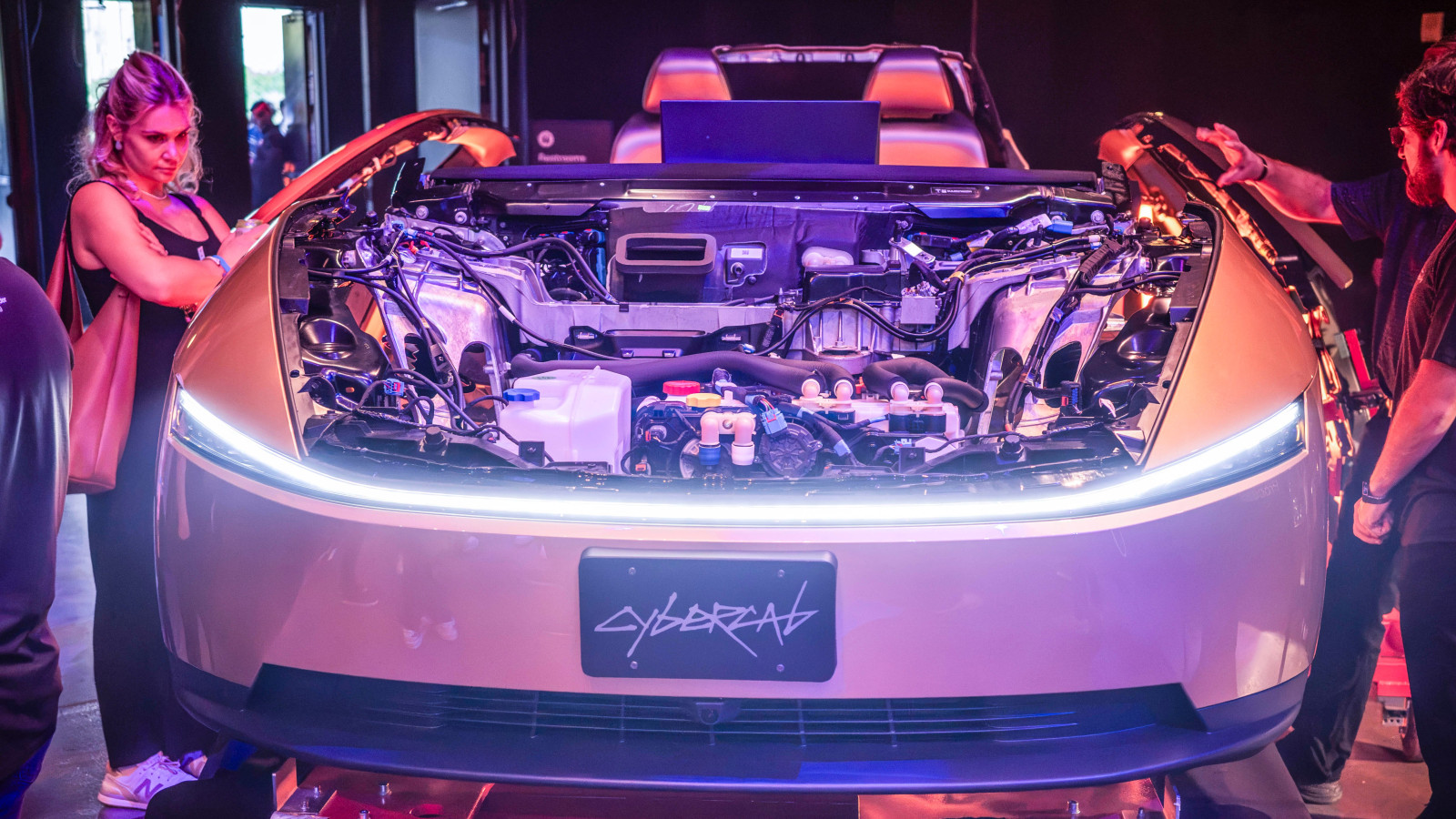
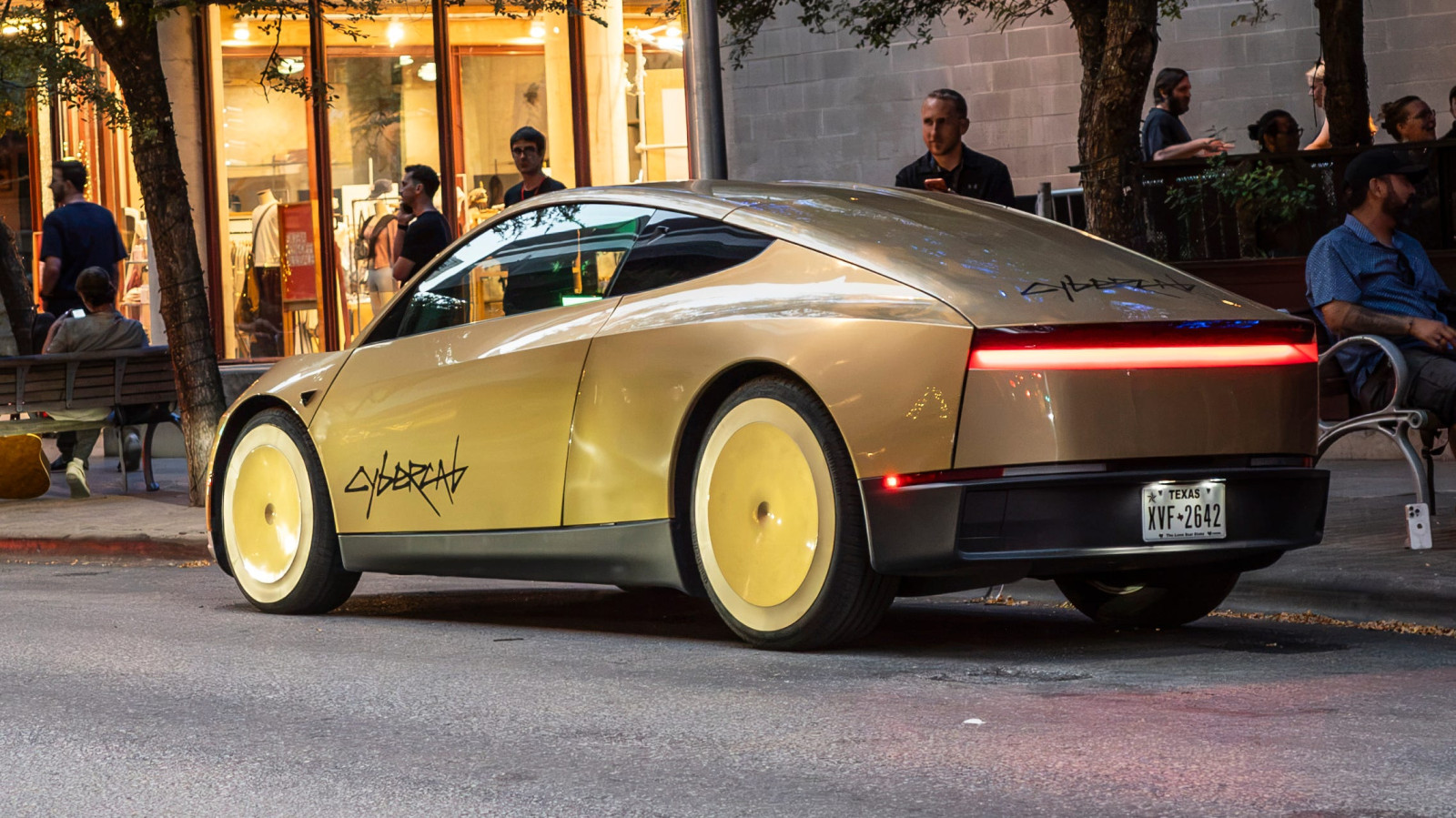
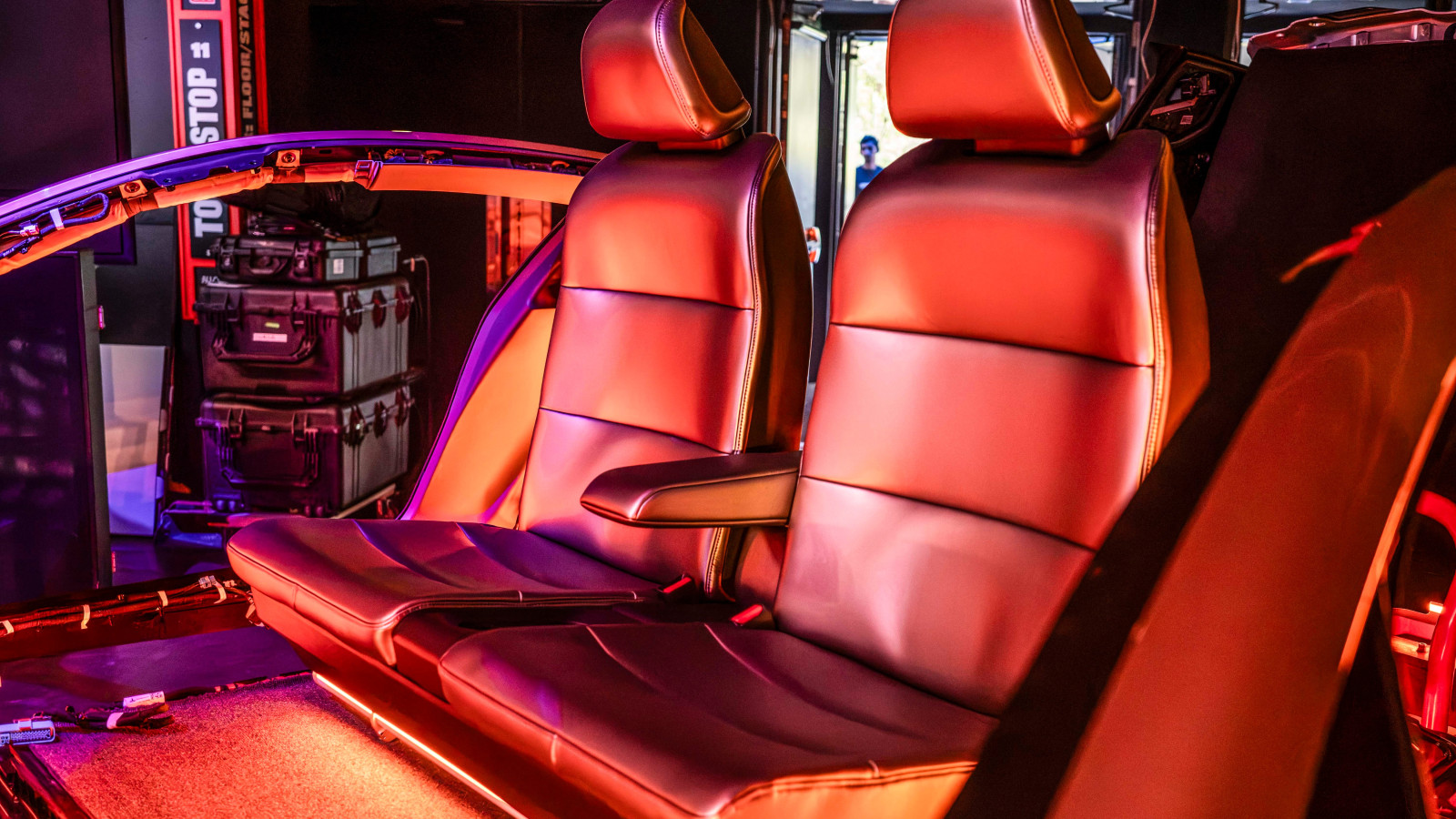
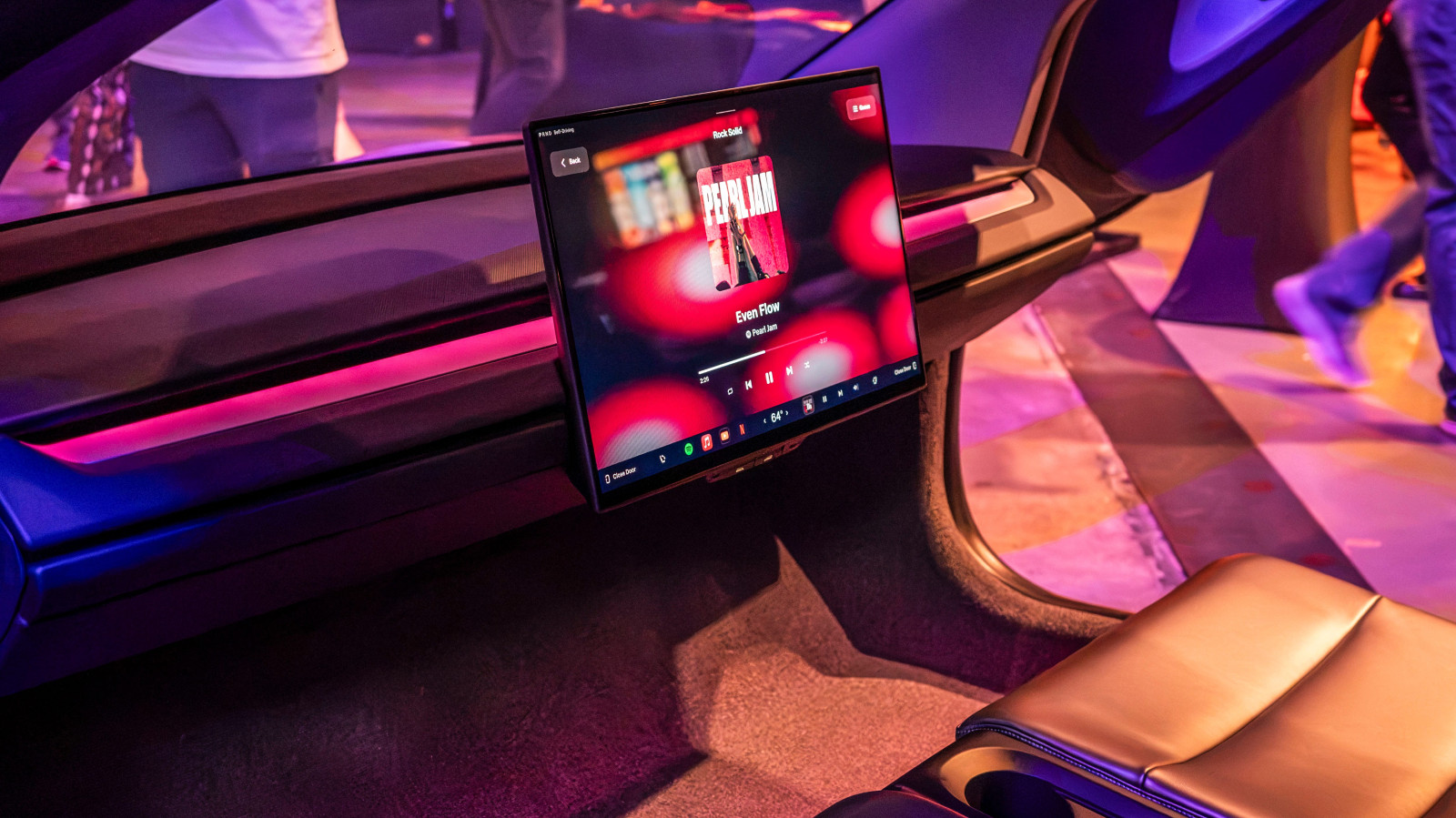
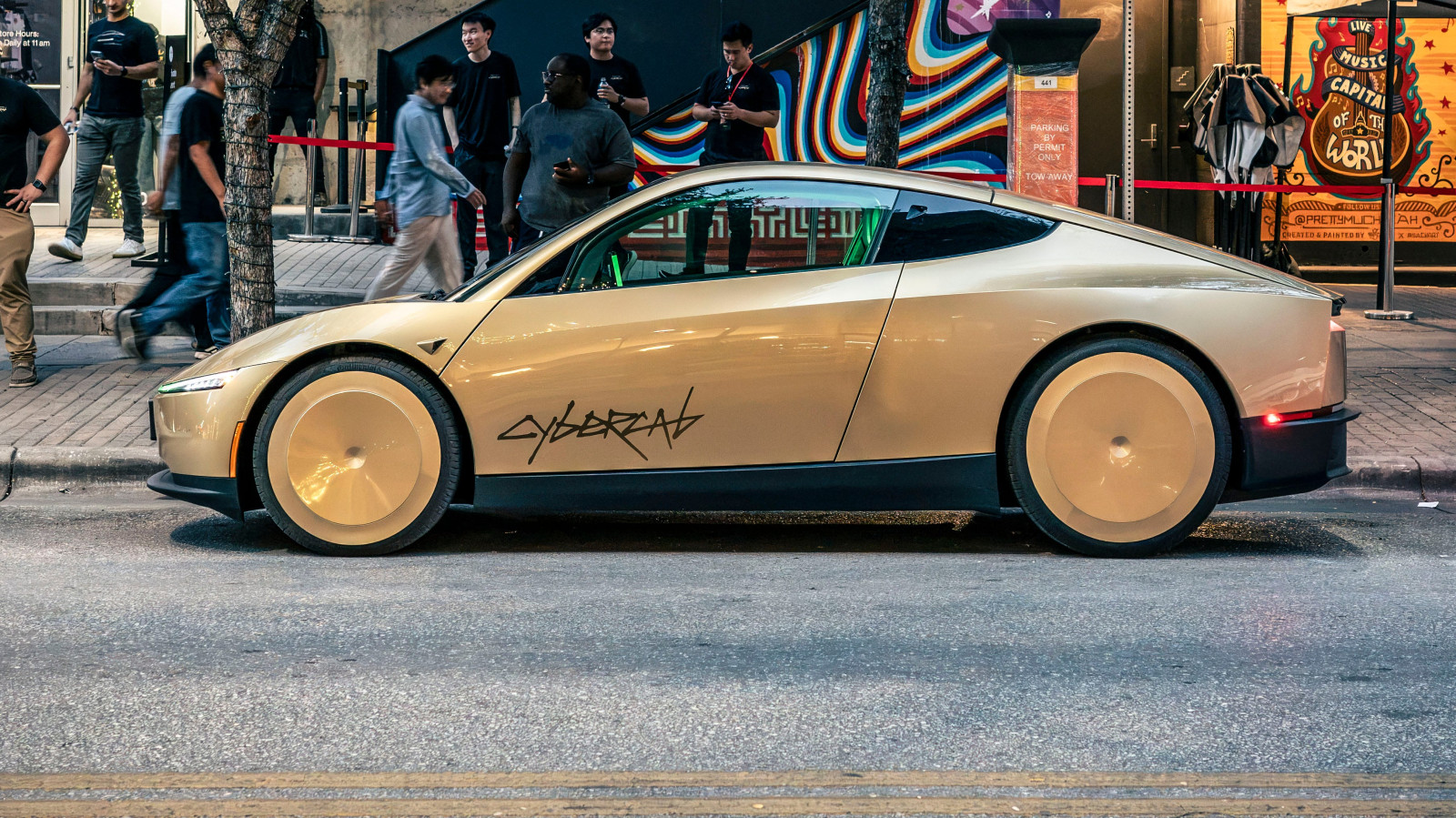
Tesla has officially unveiled the production-ready Cybercab, its long-anticipated vision for a purpose-built fully autonomous vehicle. Designed as a compact, all-electric two-passenger coupe without a steering wheel, pedals, or side mirrors, the vehicle is tailored strictly for driverless ride-hailing. According to Tesla, the two-seat configuration reflects company data indicating that over 80 percent of standard taxi trips carry two passengers or fewer. The Cybercab features powered butterfly doors, a large rear cargo area, mood lighting, and a large central touchscreen, alongside voice control through the onboard Grok AI assistant to provide a cozy, living-room-style atmosphere.
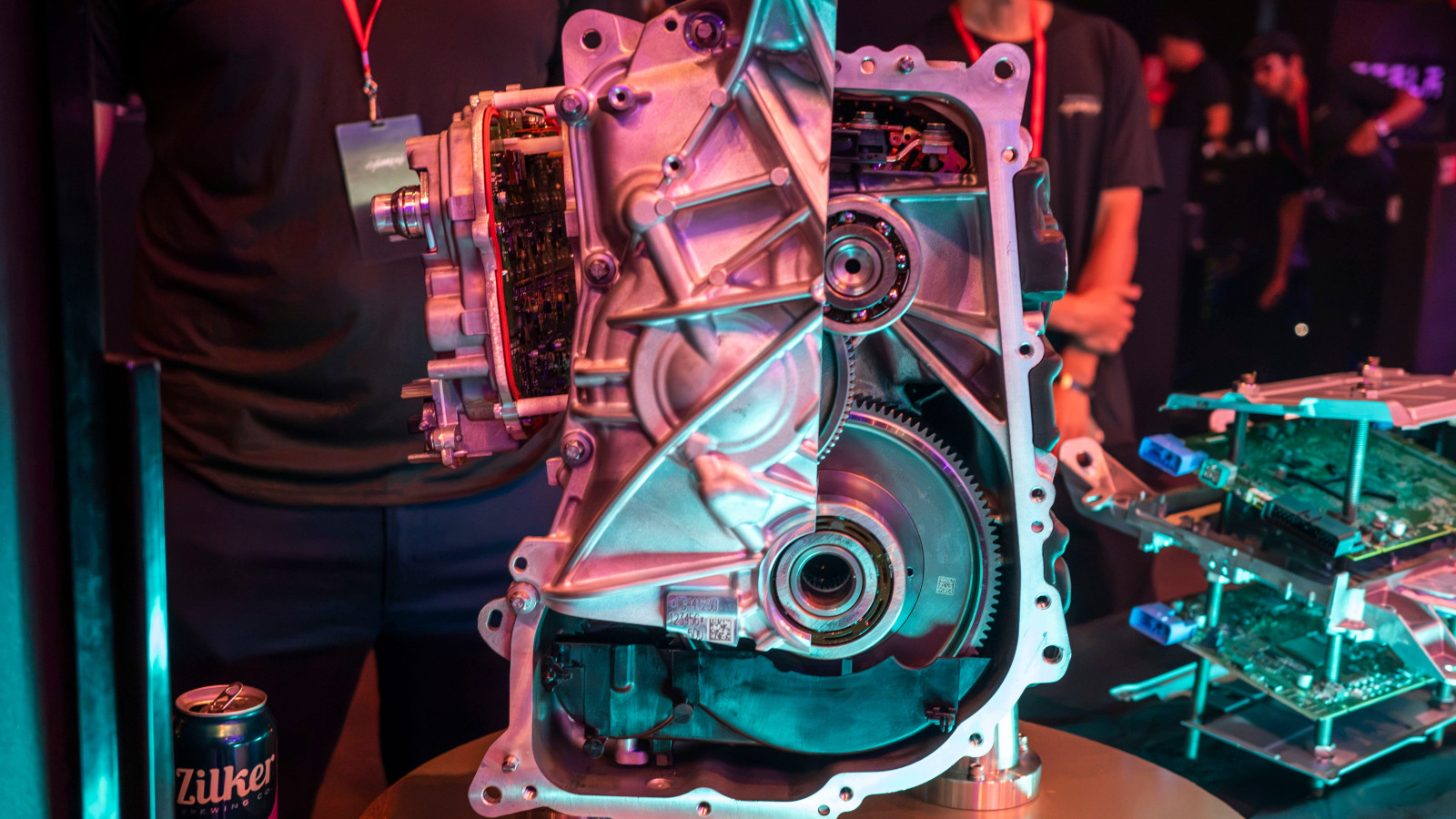
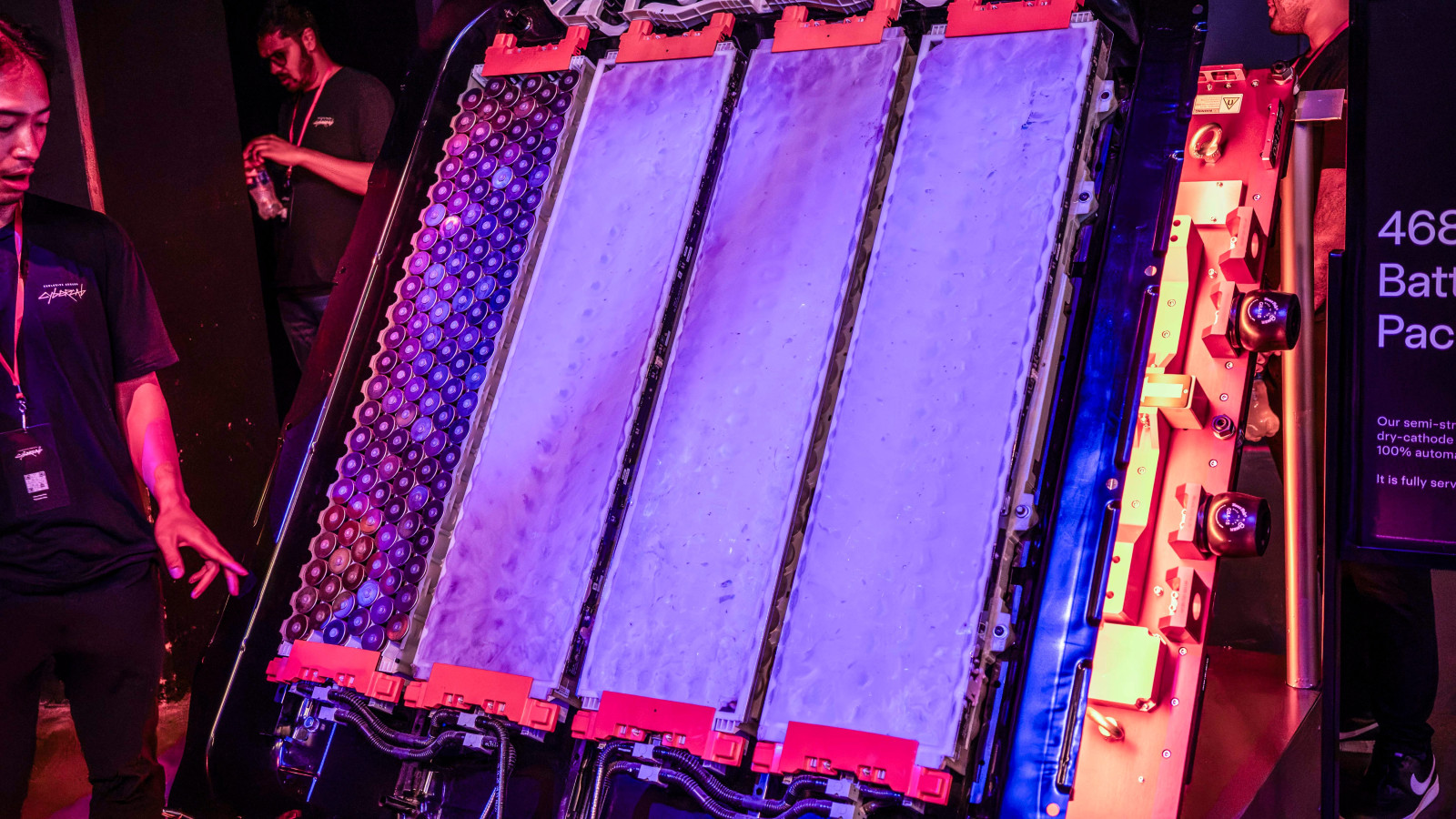
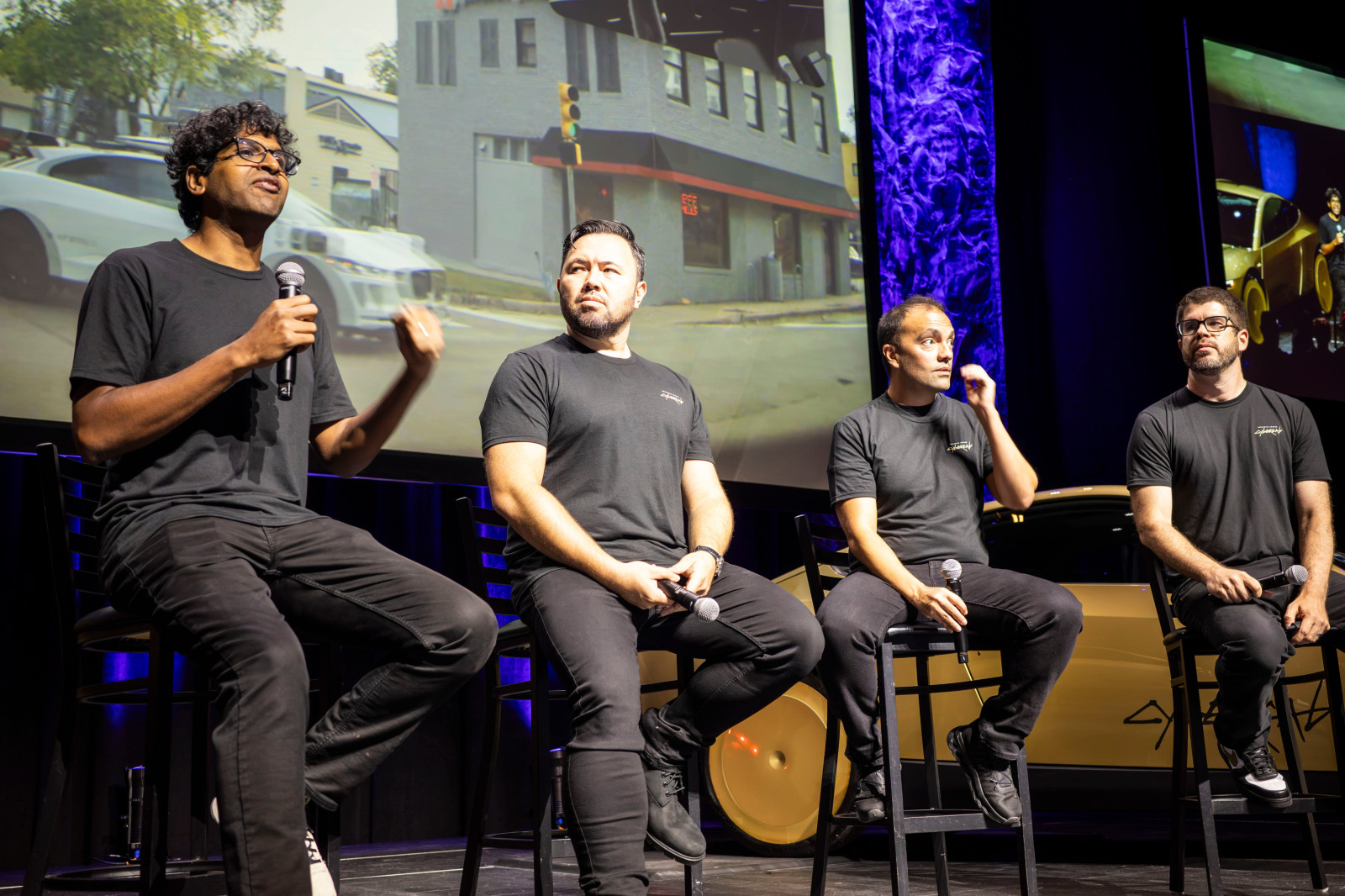
During the launch presentation, lead engineer Eric Earle, vehicle software lead Silvio Brugada, designer Ian Kettle, and autonomous driving lead Ashok Elluswamy emphasized priorities centered on high efficiency and low-cost production. The vehicle features a teardrop silhouette achieving a claimed drag coefficient below 0.20, beating the Tesla Model 3's 0.22 and rivaling the GM EV1. According to EPA documentation, the Cybercab is powered by a single permanent-magnet electric motor driving the front wheels with 219 horsepower. Tesla claims this motor is 18 percent smaller, 25 percent lighter, and more efficient than existing drive units. Electrical energy is supplied by a 48-kWh lithium-ion battery pack assembled from 4680 cylindrical cells utilizing a dry-cathode manufacturing process to cut production costs and plant footprint.
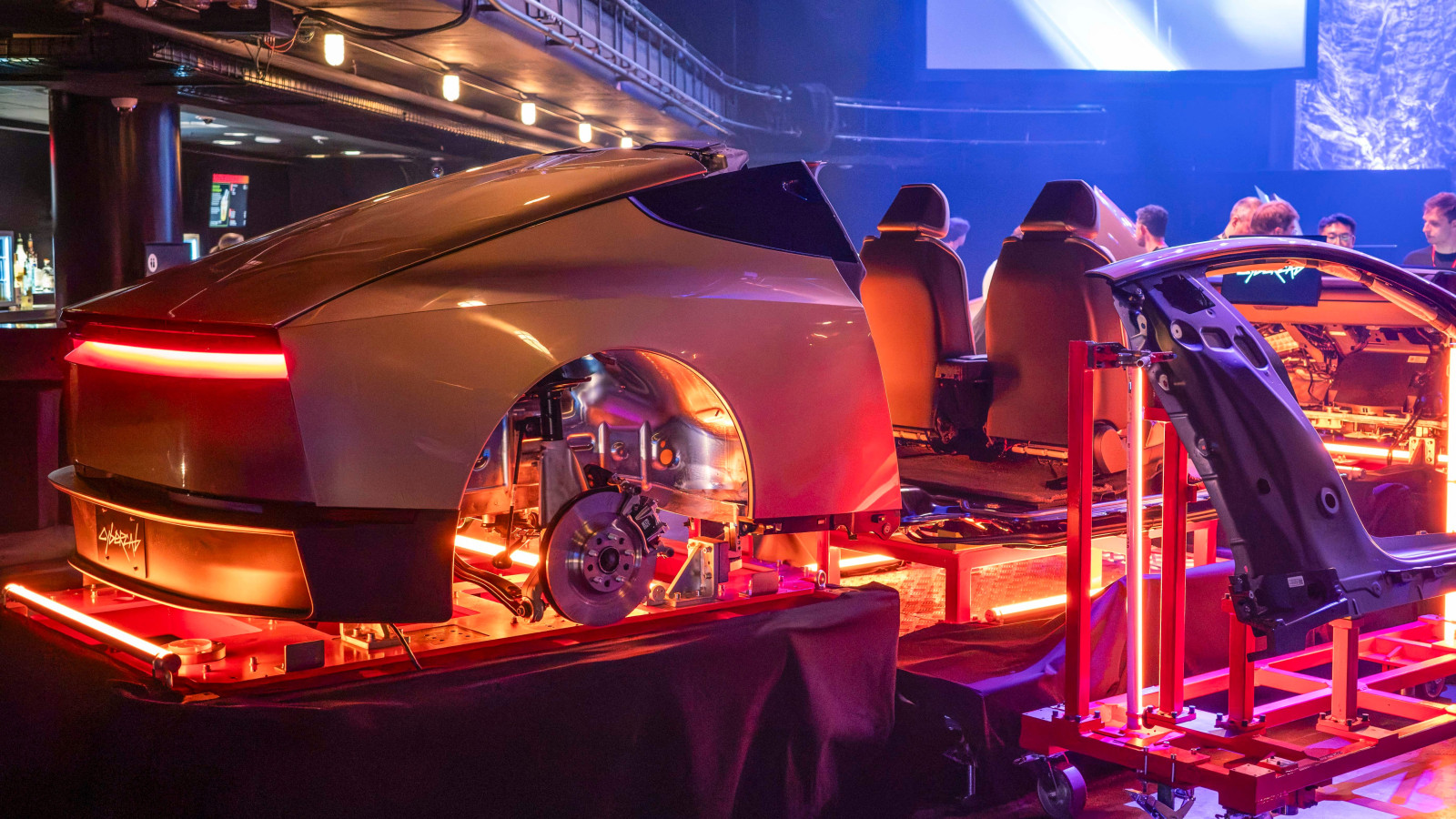
To streamline manufacturing, Tesla employs an "unboxed manufacturing" line structure that reduces line length by 50 percent while increasing assembly volume. The exterior body panels are formed using reaction injection molding (RIM) from gold-colored recycled plastic. Because the plastic is molded in color, the Cybercab requires no exterior painting, eliminating expensive dedicated paint shop operations.
The Cybercab operates autonomously via an unsupervised version of Tesla's vision-based driving system. Unlike competitors using lidar and radar, the vehicle relies strictly on optical cameras mounted on the nose, front fenders, B-pillars, and rear. Video feeds are analyzed in real time by onboard computer neural networks trained on over 100,000 lifetimes of driving data, with Tesla logging over one million miles of unsupervised robotaxi operations.
Rides are booked through Tesla's RoboTaxi mobile application. Before boarding, the car syncs with the user's profile via local wireless connection to set preferred seat positions, cabin temperature, and media. Exterior lightbars display an assigned color to help riders spot their vehicle. Service is initially geofenced in six cities across Texas and Florida, beginning in downtown Austin with dynamic pricing to balance vehicle supply and wait times.
Photos
Photos in the catalog
More news