Porsche will revive gas Macan and develop three-row SUV under new restructuring plan
Porsche was long considered one of the world's most profitable automotive brands, but its financial performance has deteriorated sharply. The parent Volkswagen Group anticipates a mere 1 percent profit margin in 2026 after booking $11.5 billion in charges related to employee buyouts, declining demand in China, and a $6.9 billion write-down on its 75 percent holding in Porsche. Porsche's own operating margin fell to 1 percent in 2025 as sales in China tumbled and aggressive EV investments faltered.
To reverse this downturn, Porsche AG executive board chairman Michael Leiters has introduced a restructuring program dubbed Sportwagenschmiede ’35. The strategy reallocates resources toward primary markets in Europe and North America, targeting a 35 percent volume growth in both regions to offset an expected 15 percent drop in Chinese market share. Porsche intends to release at least one new model annually while pruning low-performing derivatives and avoiding internal segment cannibalization.
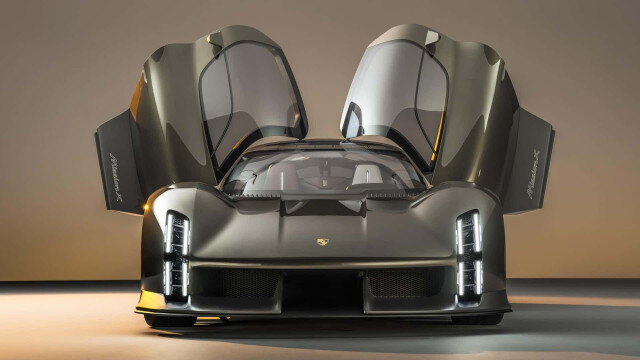
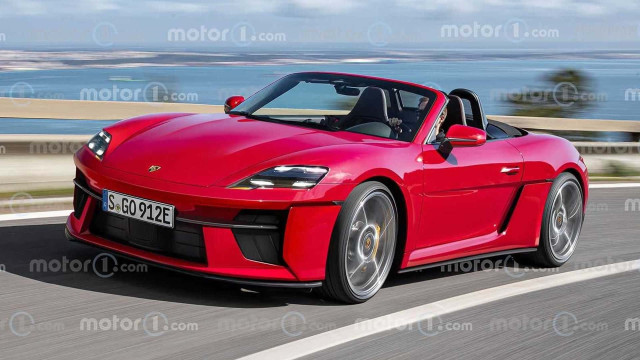
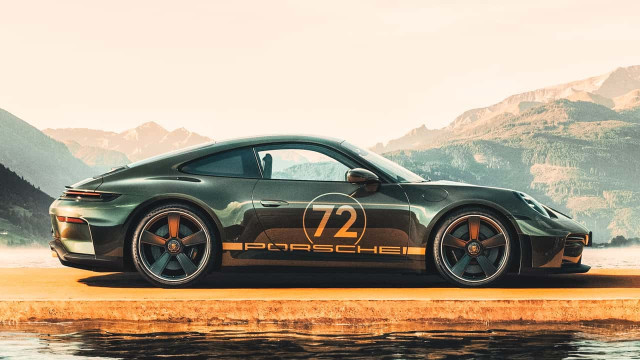
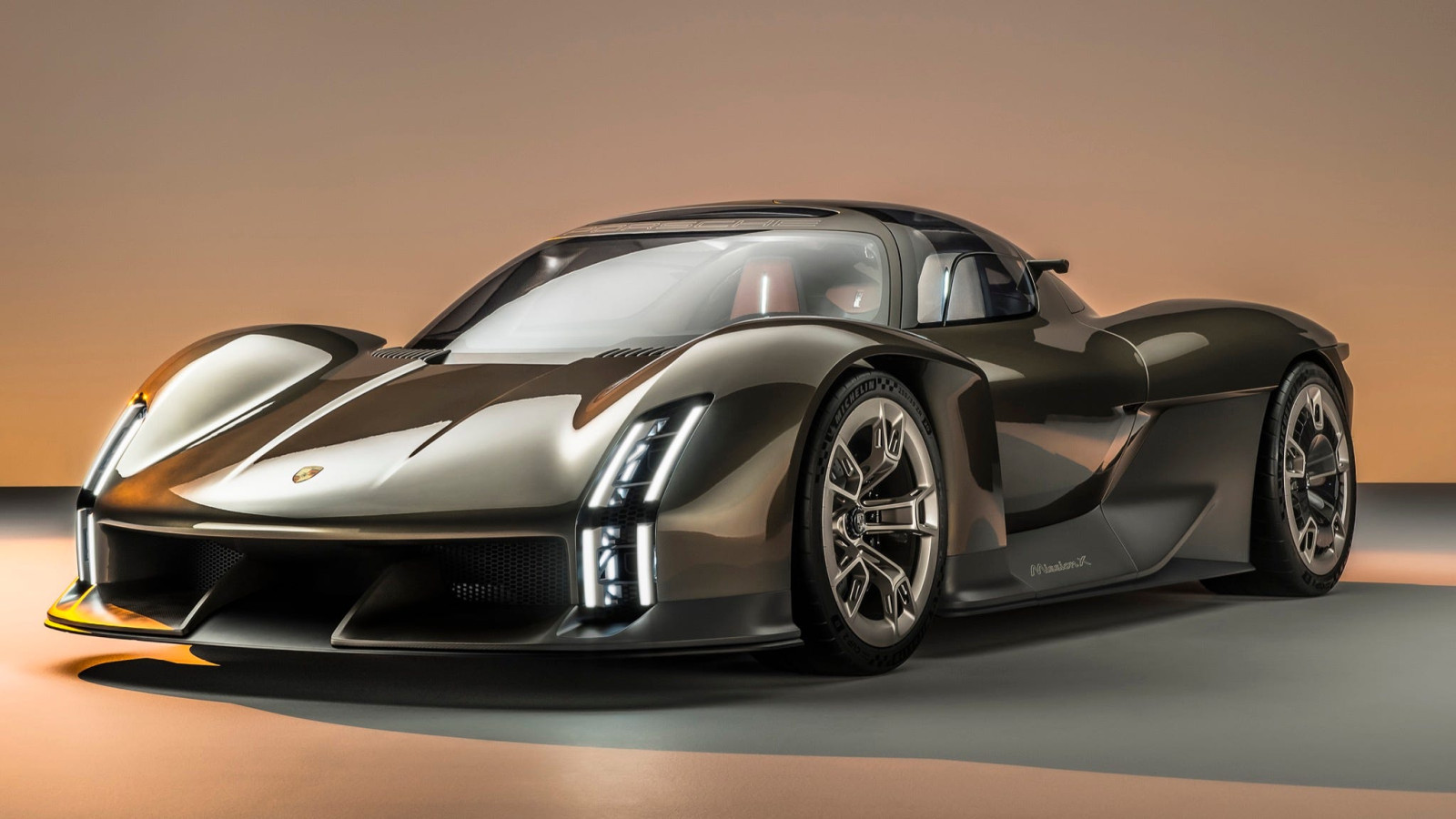
Product plans feature an all-new mid-engine supercar positioned above the 911, previewed by the upcoming Mission S concept scheduled for unveiling on October 15. The delayed all-electric 718 Boxster and Cayman will arrive next year utilizing the proprietary E-Core powertrain platform and an 800-volt electrical architecture developed in collaboration with Rivian.
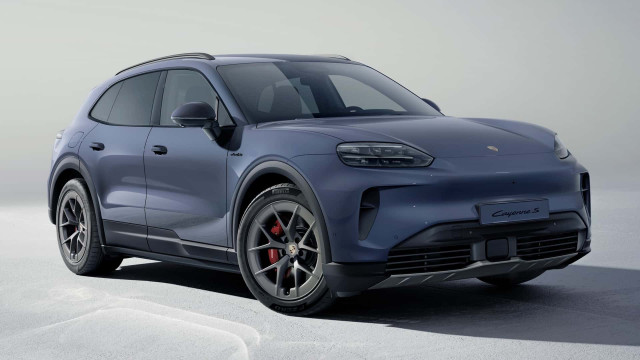
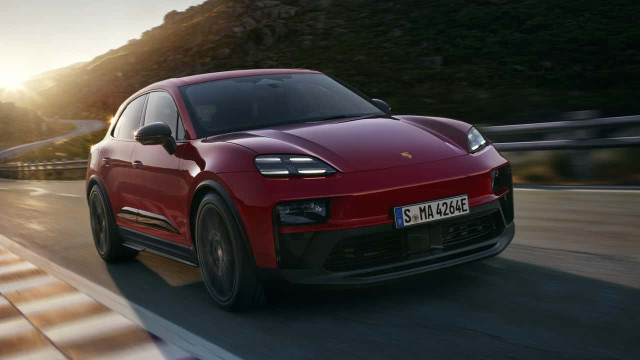
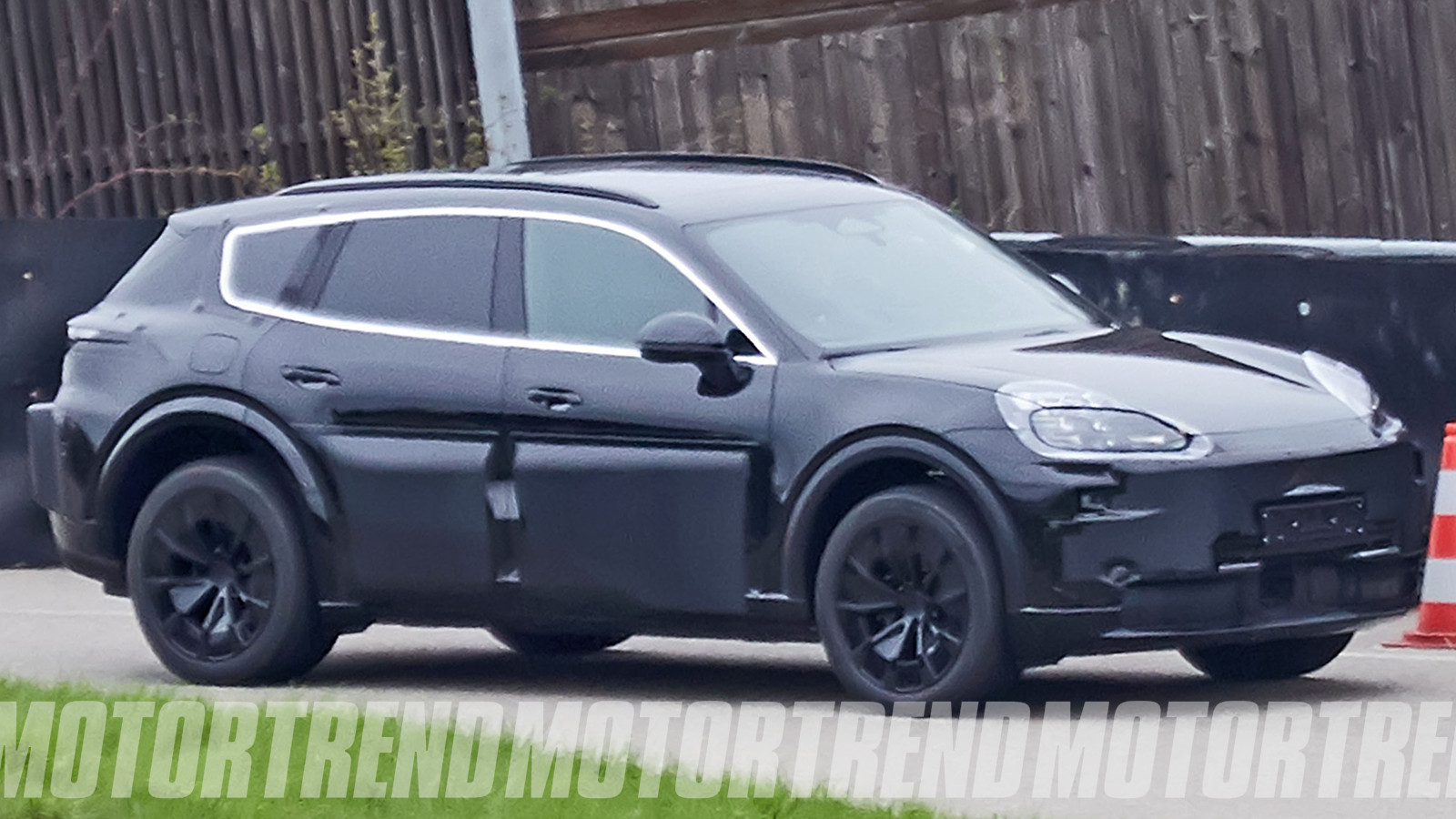
Crucially, Porsche will revive a combustion-powered Macan in 2028. Internally designated M1, this B-segment crossover will ride on Audi’s Premium Platform Combustion (PPC) architecture, offering pure gasoline and plug-in hybrid options alongside the battery-electric Macan with assembly expected in Leipzig. Additionally, plans for the previously proposed electric K1 three-row SUV have been scrapped in favor of a gasoline-powered seven-passenger SUV slated for 2029 on Audi’s PPC platform to challenge the BMW X7 and Mercedes-Benz GLE.
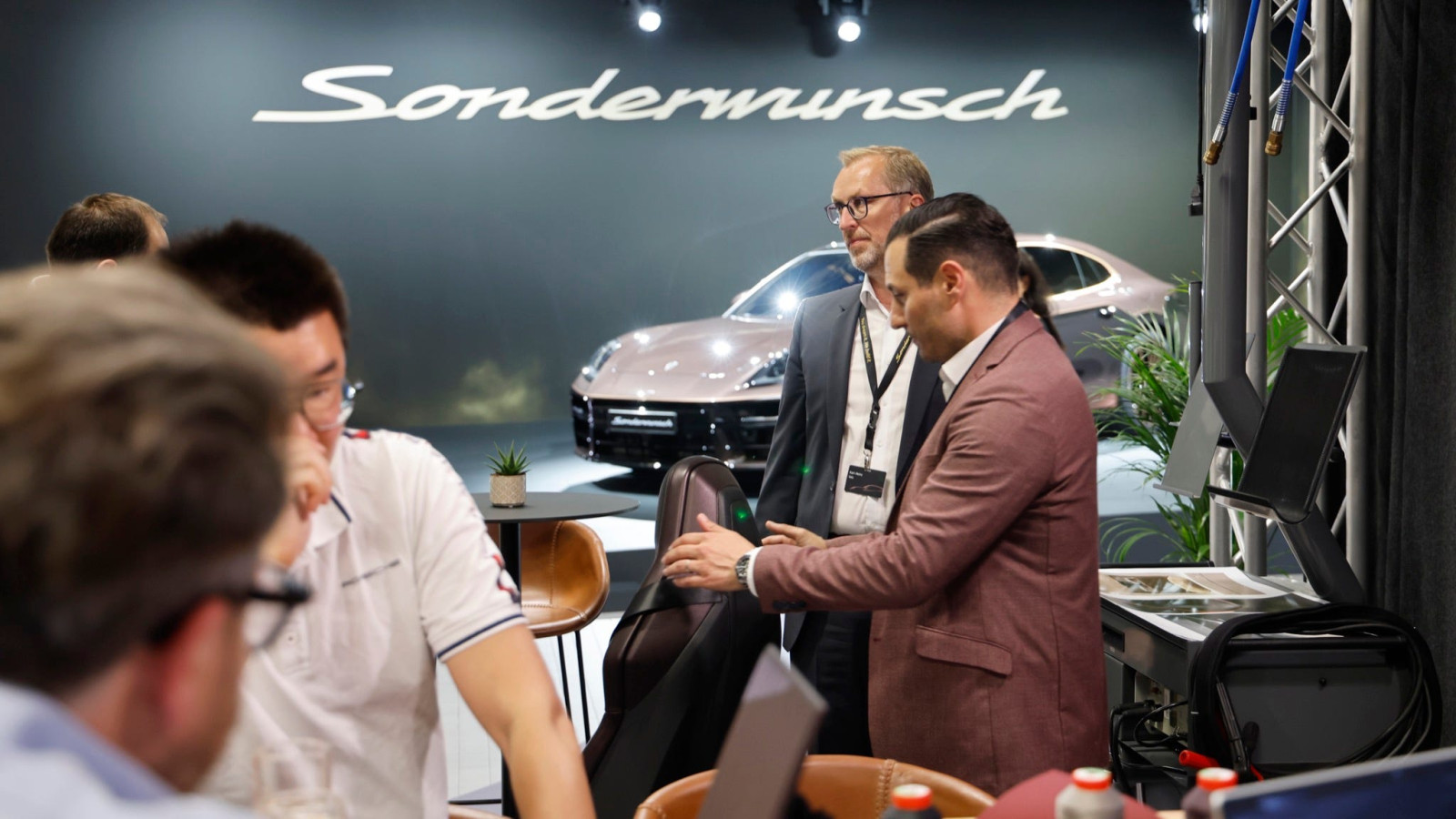
Across its vehicle portfolio, Porsche targets a 2:1 ratio favoring internal combustion engines and hybrid setups over pure electric vehicles. Leiters confirmed the 911 will never transition to full electric drive. The powertrain catalog will span 4-, 6-, and 8-cylinder engines with naturally aspirated, turbocharged, and eTurbo setups, combined with manual, automatic, and PDK gearboxes. Customization initiatives will also expand across Sonderwunsch, Exclusive Manufaktur, and Manthey programs, with Porsche raising its stake in Manthey to 67 percent.
On the cost-reduction front, Porsche plans to trim 9,000 jobs, reducing management costs by 40 percent, general workforce by 25 percent, and compensation and bonuses by 10 percent. Operating targets include lowering the annual break-even threshold below 200,000 units, cutting model derivatives by 20 percent, slashing development costs by 20 percent, and reducing vehicle development cycle times by 40 percent. Furthermore, Porsche is merging its engineering and digital arms into Porsche Technologies while shedding non-core assets, including selling IT arm MHP to Tata Consultancy, divesting holdings in Rimac and Bugatti Rimac, and winding down Cellforce Group, Porsche eBike Performance, and Cetitec.
Photos
Photos in the catalog
More news