Mazda Confirms Next-Generation BT-50 Pickup Truck Is In Development
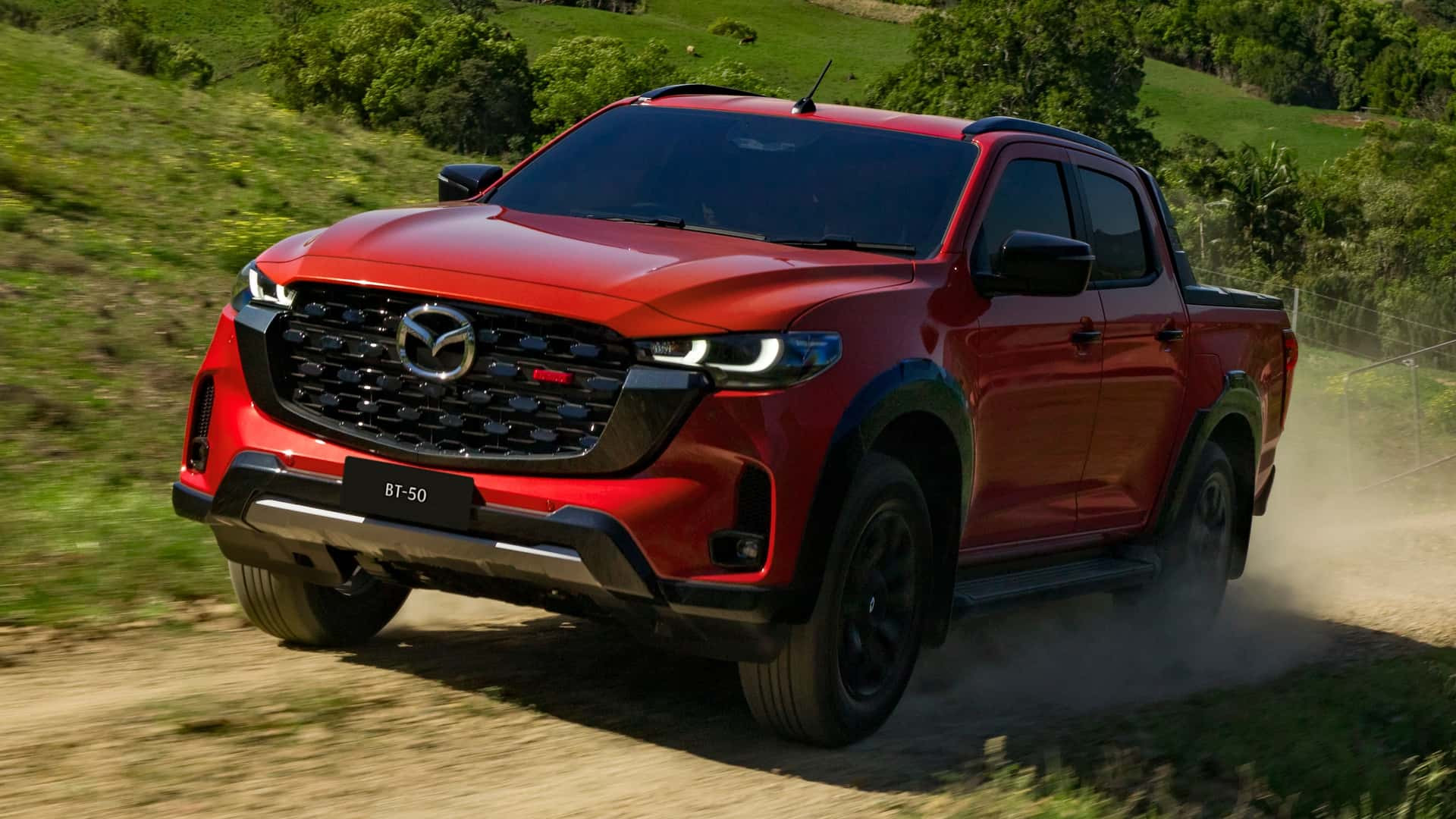
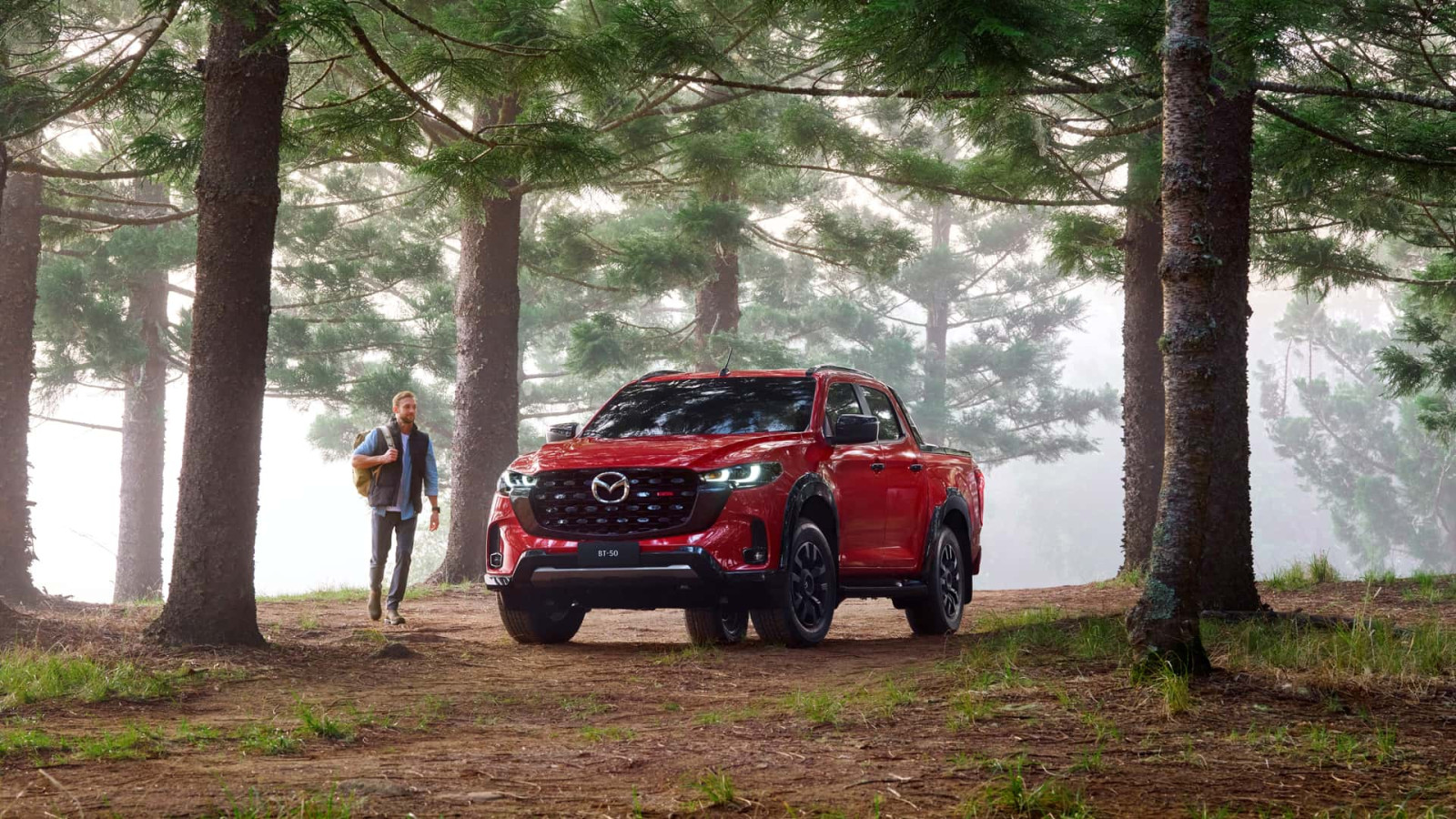
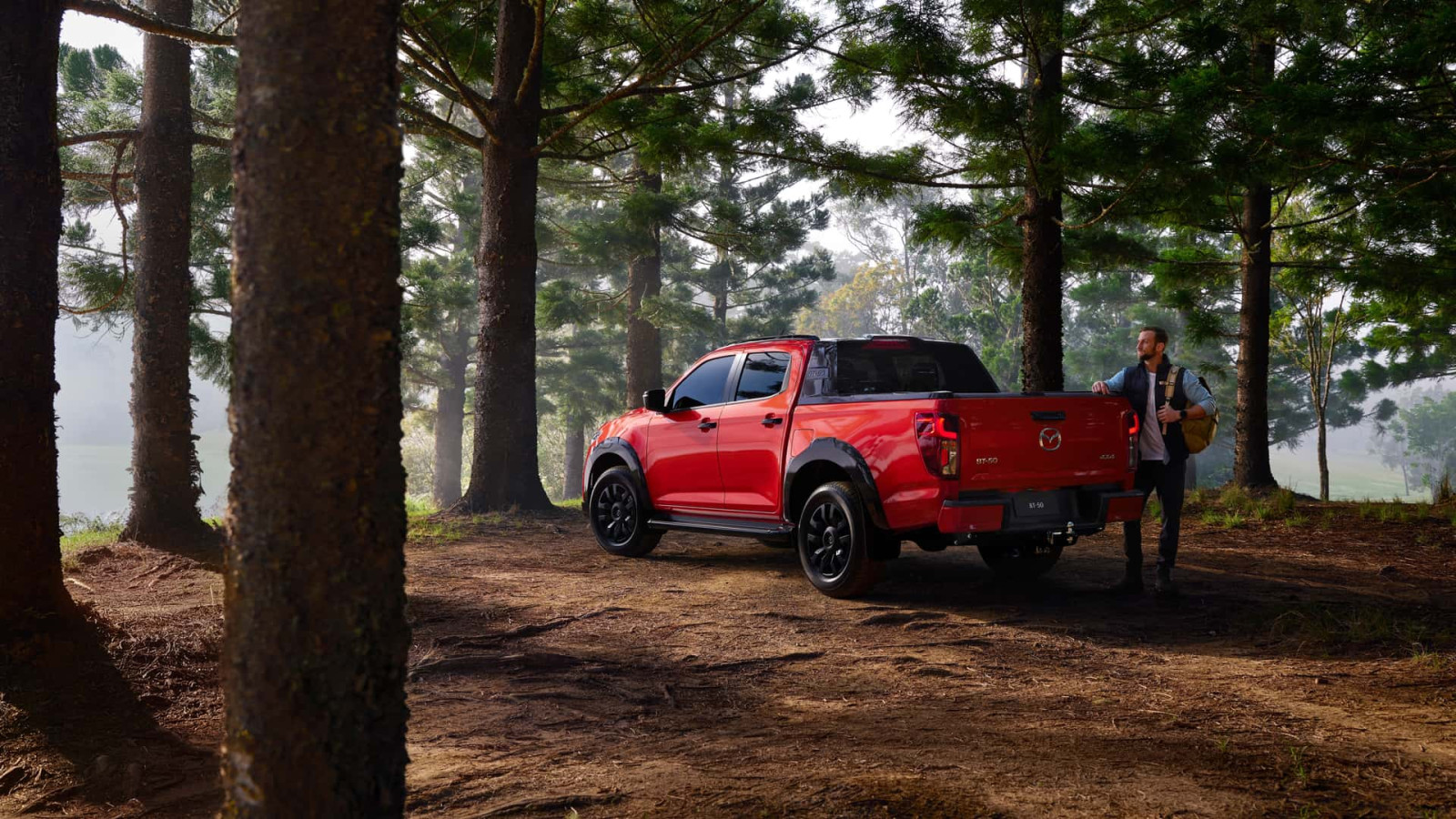
Mazda may be widely recognized for its roadsters and crossovers, but the company has officially confirmed plans to develop a next-generation pickup truck to succeed the current BT-50. Speaking in an interview with CarsGuide, Vinesh Bhindi, managing director of Mazda Australia, confirmed that the Japanese brand sees a continued role for its midsize truck in an increasingly fragmented global market.
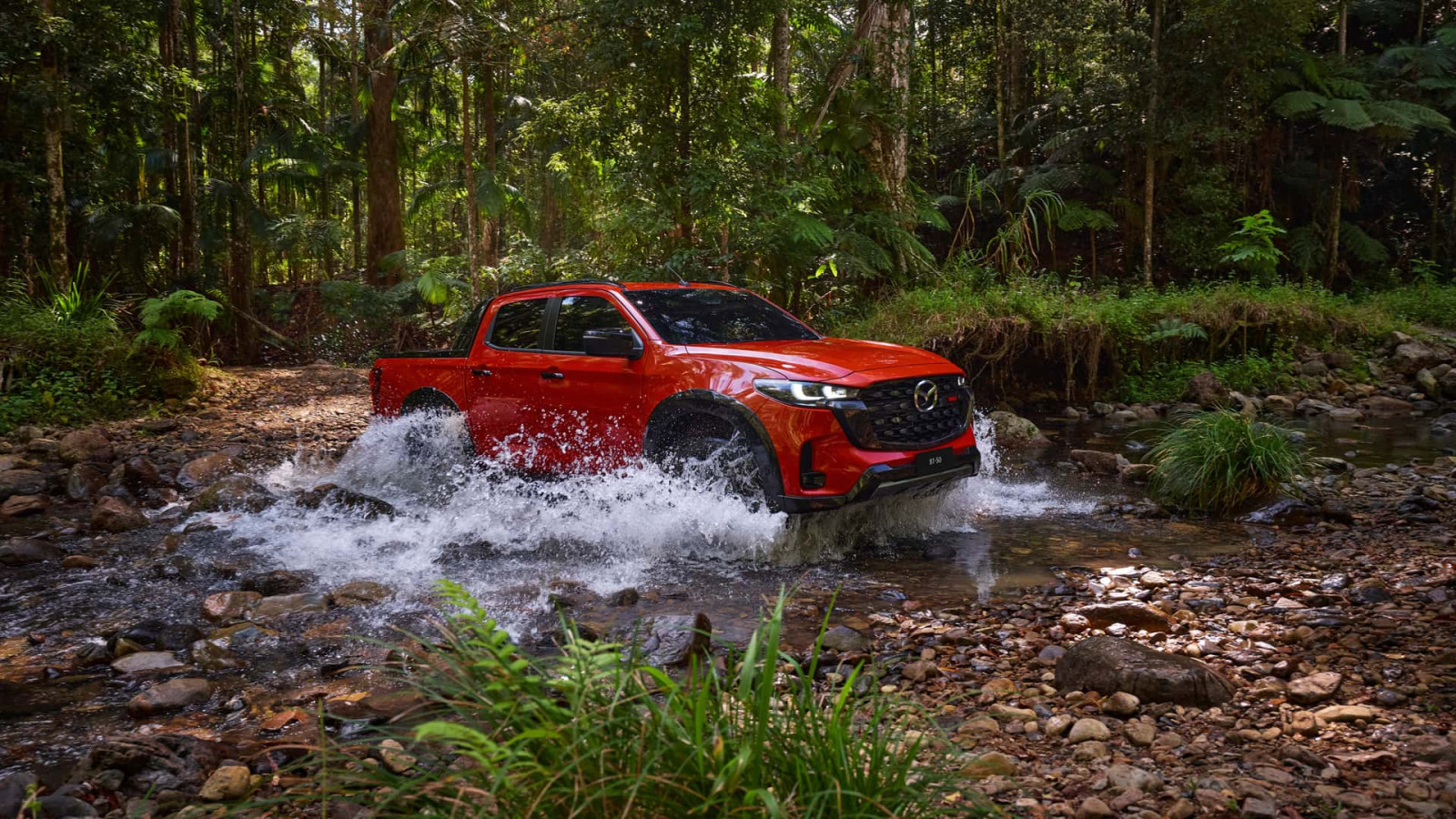
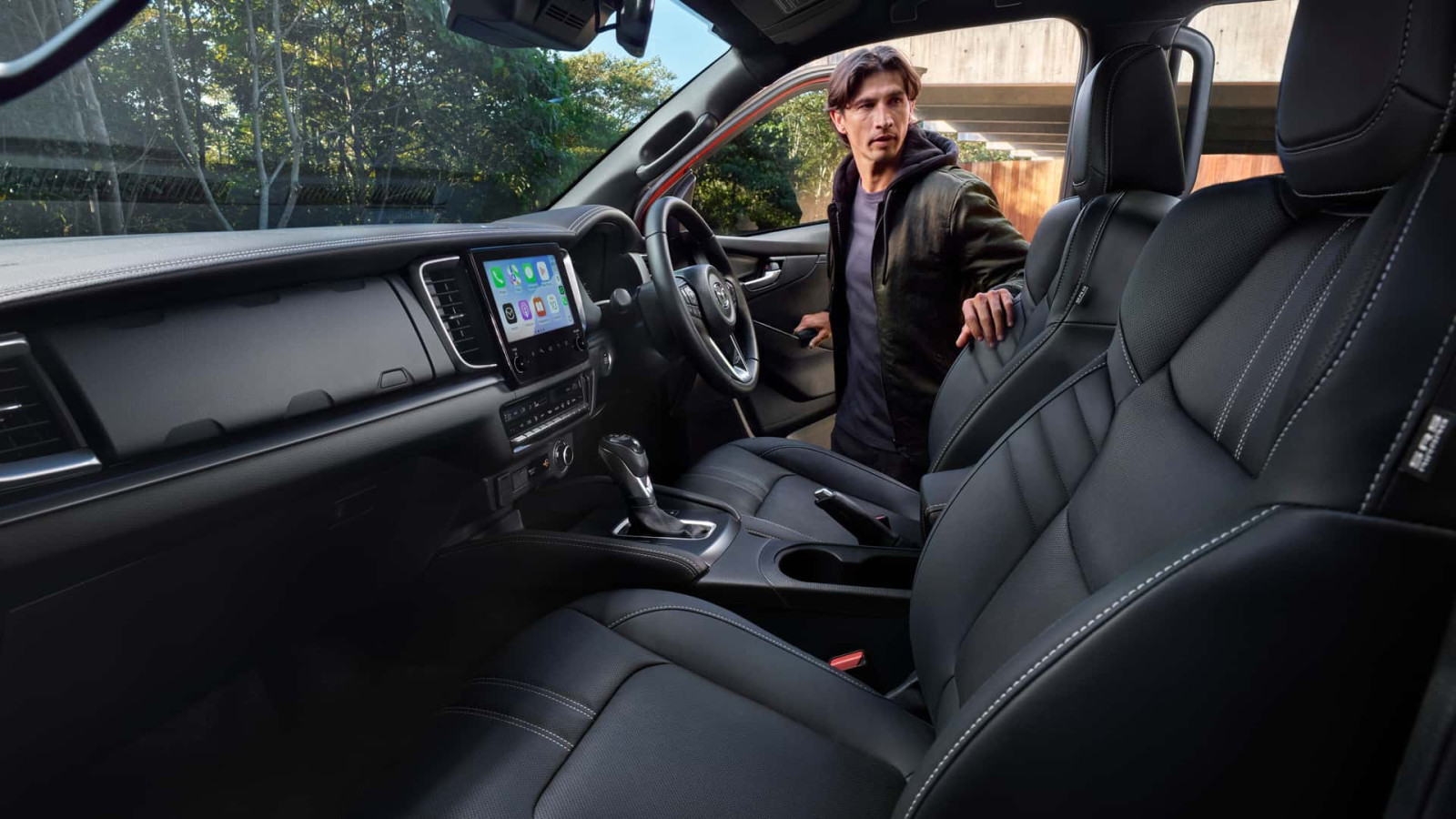
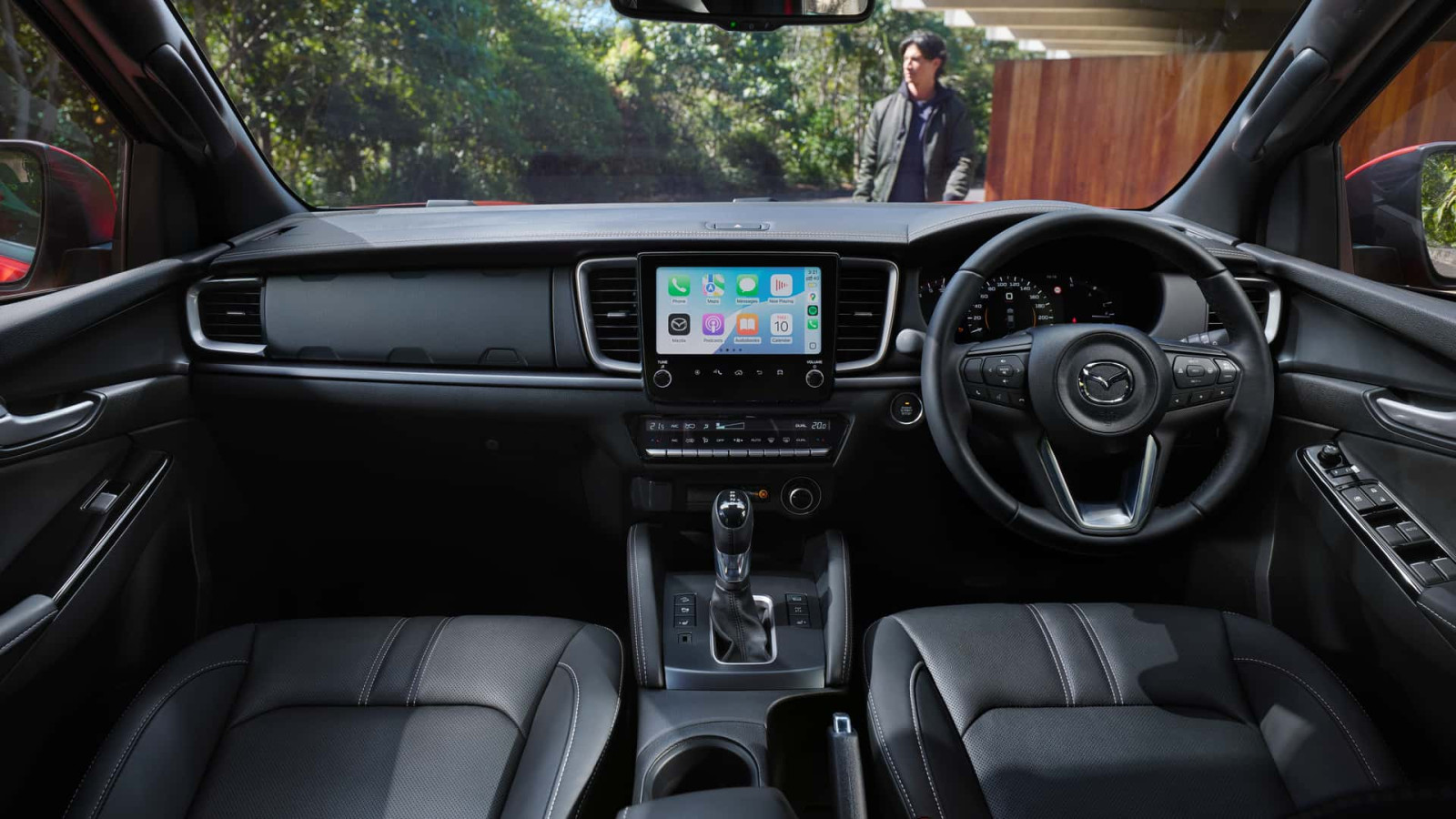
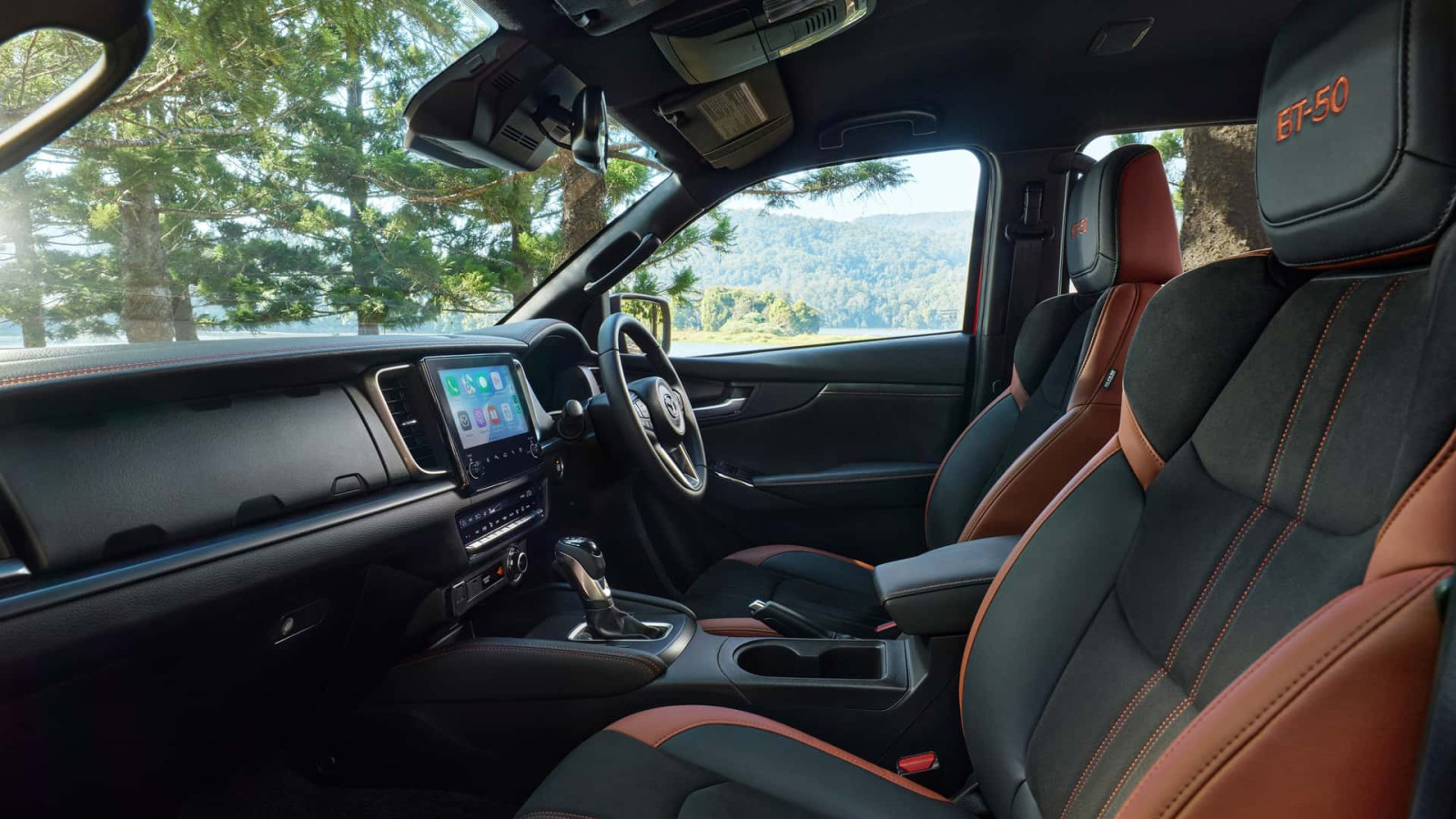
The current Mazda BT-50 debuted in 2020 and shares its underlying architecture with the Isuzu D-Max, shifting away from the Ford Ranger platform used in its previous iteration. Because Mazda does not engineer pickup chassis independently, continuing its existing partnership with Isuzu represents the most direct development path for the next-generation model. Eiji Kimoto, chief designer for Mazda who penned the current pickup, is leading design work on the replacement, noting simply that enthusiasts should look forward to what comes next.
Industry speculation had pointed to an alternate route through Mazda's expanding joint venture with Chinese automaker Changan, which produces models like the 6e and CX-6e (EZ-60). Changan manufactures the K50 Hunter, an extended-range electric pickup featuring a 31-kWh battery, twin electric motors, all-wheel drive, a 2.0-liter turbocharged generator engine, and an overall range of 641 miles (1,031 kilometers). However, Mazda Australia indicated that the future BT-50 will prioritize traditional commercial and utility buyers rather than lifestyle-oriented hybrid applications.
As a result, diesel powertrains remain the expected propulsion choice at debut to serve demands for towing, payload capacity, and off-road work. While long-term electrification is not permanently excluded, Mazda has no immediate plans to introduce battery-electric or plug-in hybrid options for the model. The replacement is anticipated to arrive around 2028, continuing a lineage of commercial haulers that traces back to Mazda's three-wheeled Type-DA in 1931 and four-wheeled trucks from the late 1950s.
Photos
Photos in the catalog
More news