Mazda Eyes Synthetic Fuels to Preserve Miata’s Lightweight Spirit
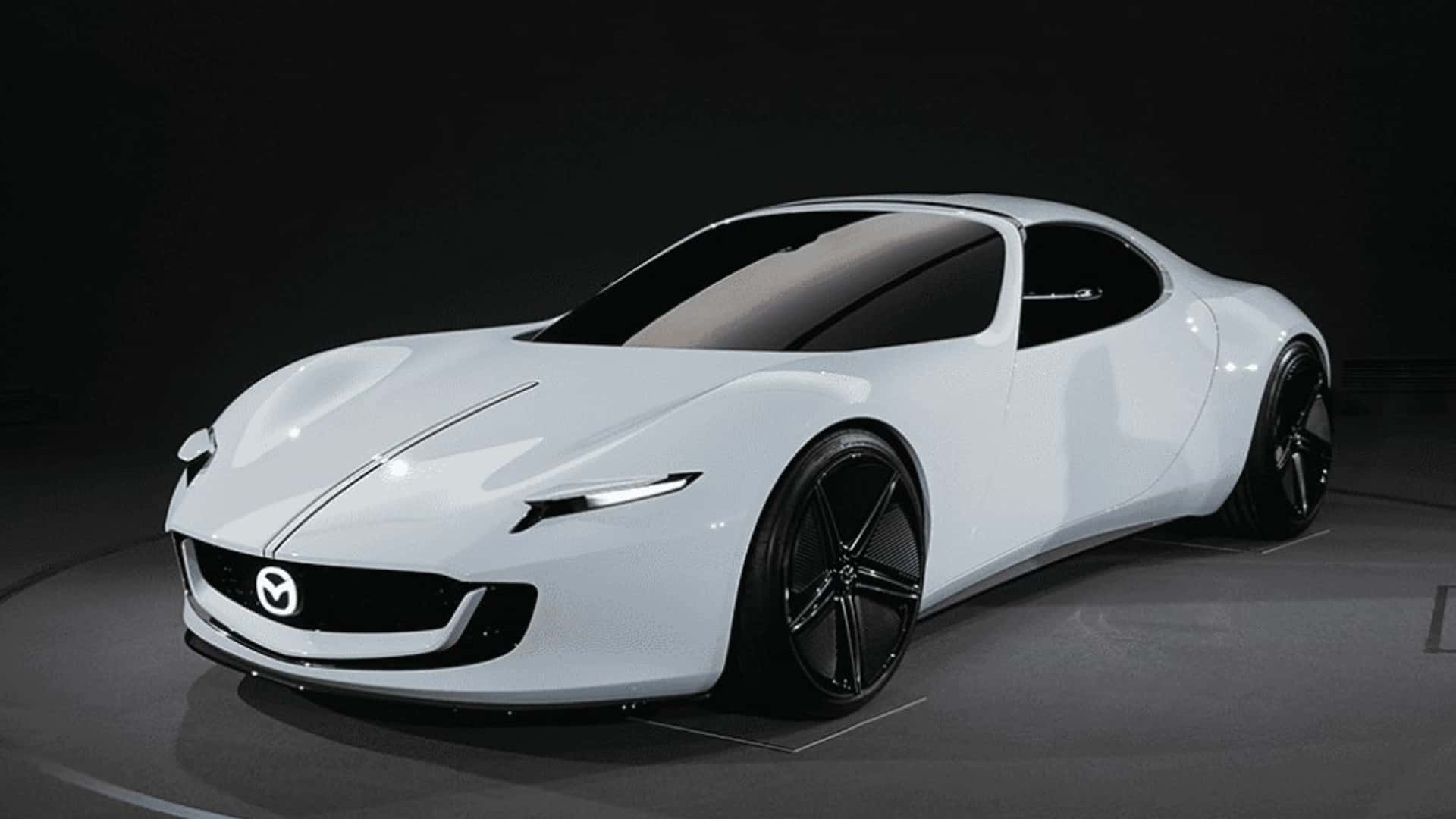
- The next Miata generation won’t arrive soon.
- Mazda prioritizes keeping the car lightweight and true to its roots.
- Synthetic fuels are seen as a promising way to meet emissions standards without extra weight.
Mazda’s commitment to the Miata remains strong, despite the fifth generation being several years away. Even though the current ND model has been around for over a decade, the company has confirmed the successor will take some time to develop. Jo Stenuit, Mazda’s European design lead, recently shared that the next MX-5 will require a few more years before it’s ready.
In an interview with the Dutch outlet AutoRAI, Stenuit revealed that Mazda has yet to finalize the powertrain for the new Miata. While electrification seems inevitable to satisfy emissions laws, the brand is cautious about the added weight that comes with hybrid systems. Mild hybrid tech is on the table but viewed as just one of several options.
Christian Schultze, Mazda’s European R&D chief, told AutoRAI that the ideal scenario would be to use a combustion engine powered by synthetic fuel. This approach could meet stricter environmental regulations without compromising the car’s lightweight design by avoiding the extra mass of electrification. However, this remains a hopeful idea since widespread synthetic fuel infrastructure doesn’t currently exist.
"The most straightforward way to lower the MX-5’s emissions is through synthetic fuels," Schultze explained. "This CO2-neutral fuel lets us keep the existing internal combustion engine architecture intact, which is crucial for a model that depends so much on lightness, balance, and mechanical simplicity."
Emissions compliance has been a challenge for Mazda lately. The company was forced to discontinue the 2.0-liter engine in Europe nearly two years ago due to EU regulations, leaving only the smaller 1.5-liter engine available for the Miata on the continent.
Despite the ND’s long run since 2014, Mazda continues refining its engines. Schultze mentioned ongoing efforts to enhance the 1.5- and 2.0-liter units with improvements in combustion efficiency, exhaust treatment, and overall performance. There’s hope the larger engine might return to Europe before the current generation is retired.
Looking ahead, if synthetic fuel doesn’t become viable, Mazda’s preference is to adopt the lightest electrification possible to maintain the Miata’s character. Plans to introduce the new 2.5-liter Skyactiv-Z engine seem less likely now, as it could upset the vehicle’s balance and hinder compliance with upcoming Euro 7 standards. Schultze admitted that balancing customer expectations with regulatory demands is no easy feat:
"Our goal is to find a technically sound solution that delivers the right performance, keeps weight down, and adheres to regulations. It’s a complex challenge."
Mazda’s Future Miata Strategy
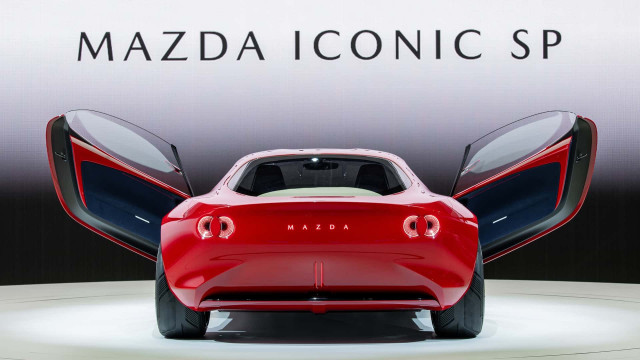
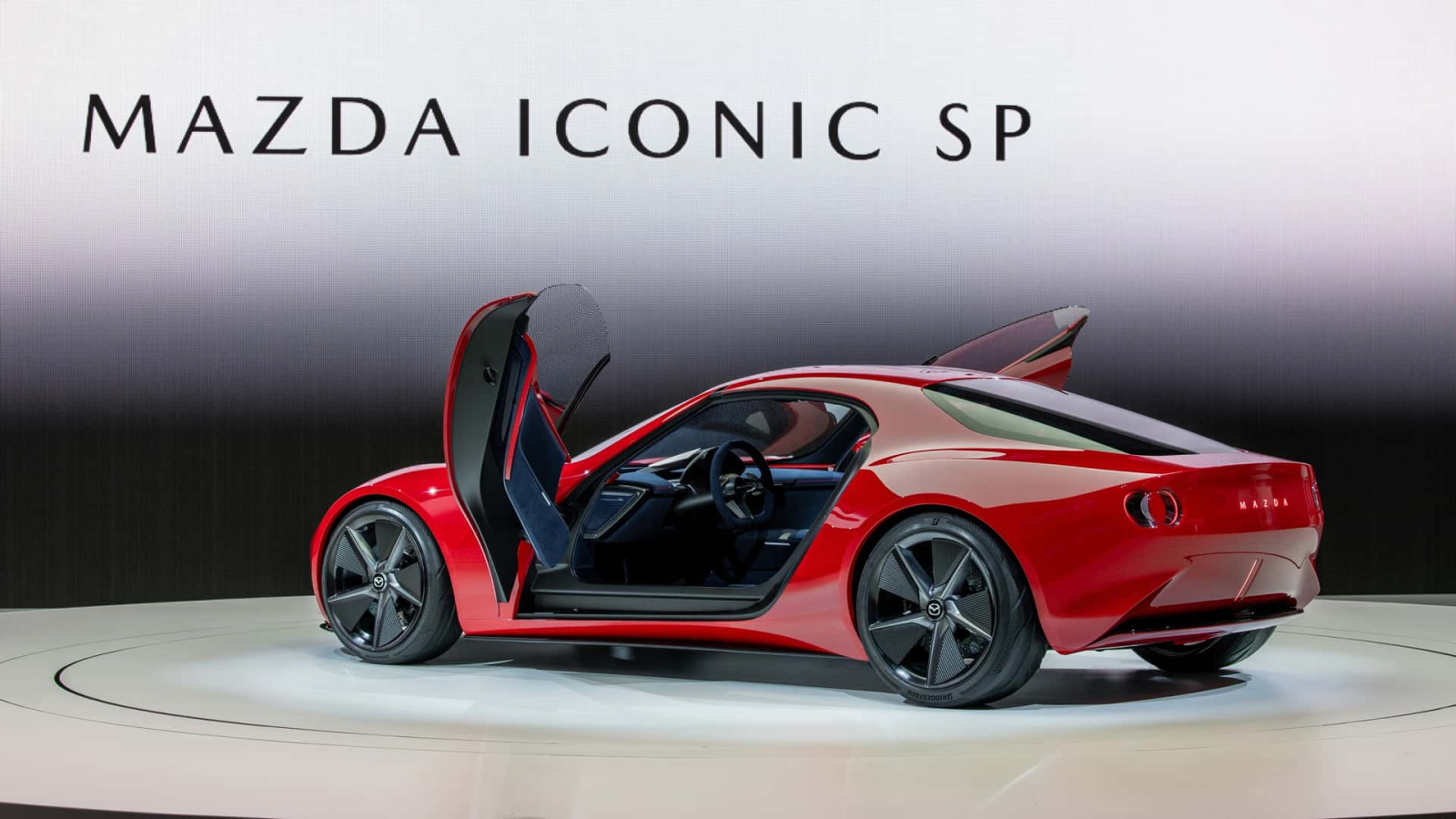
Mazda isn’t rushing to replace the ND, despite its age. Without any spy shots or prototypes yet, the new MX-5 is likely at least a couple of years from debut and even longer before hitting dealerships. Given how refined the current model is, it’s understandable why Mazda wants to get it right rather than rush an update.
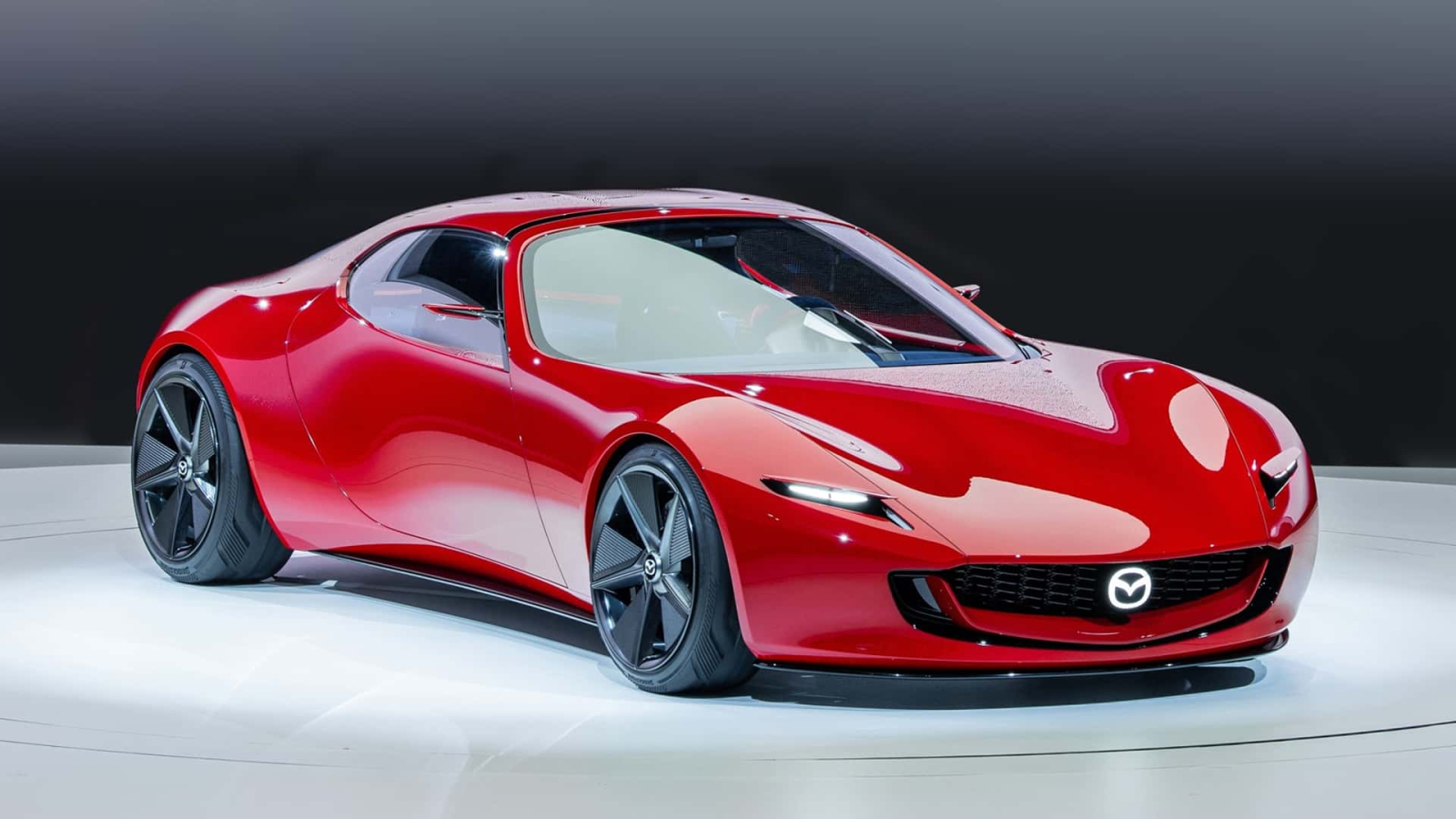
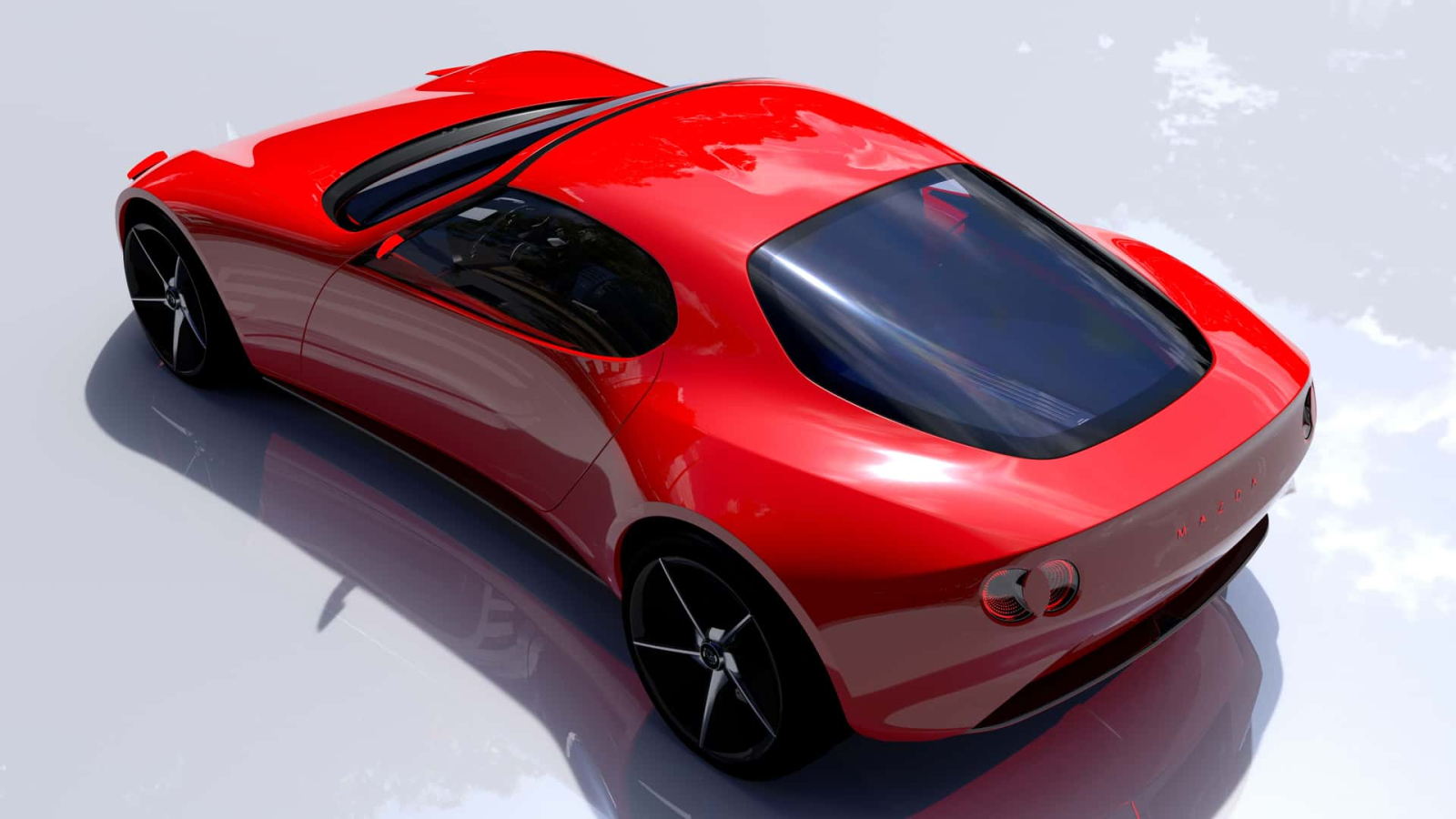
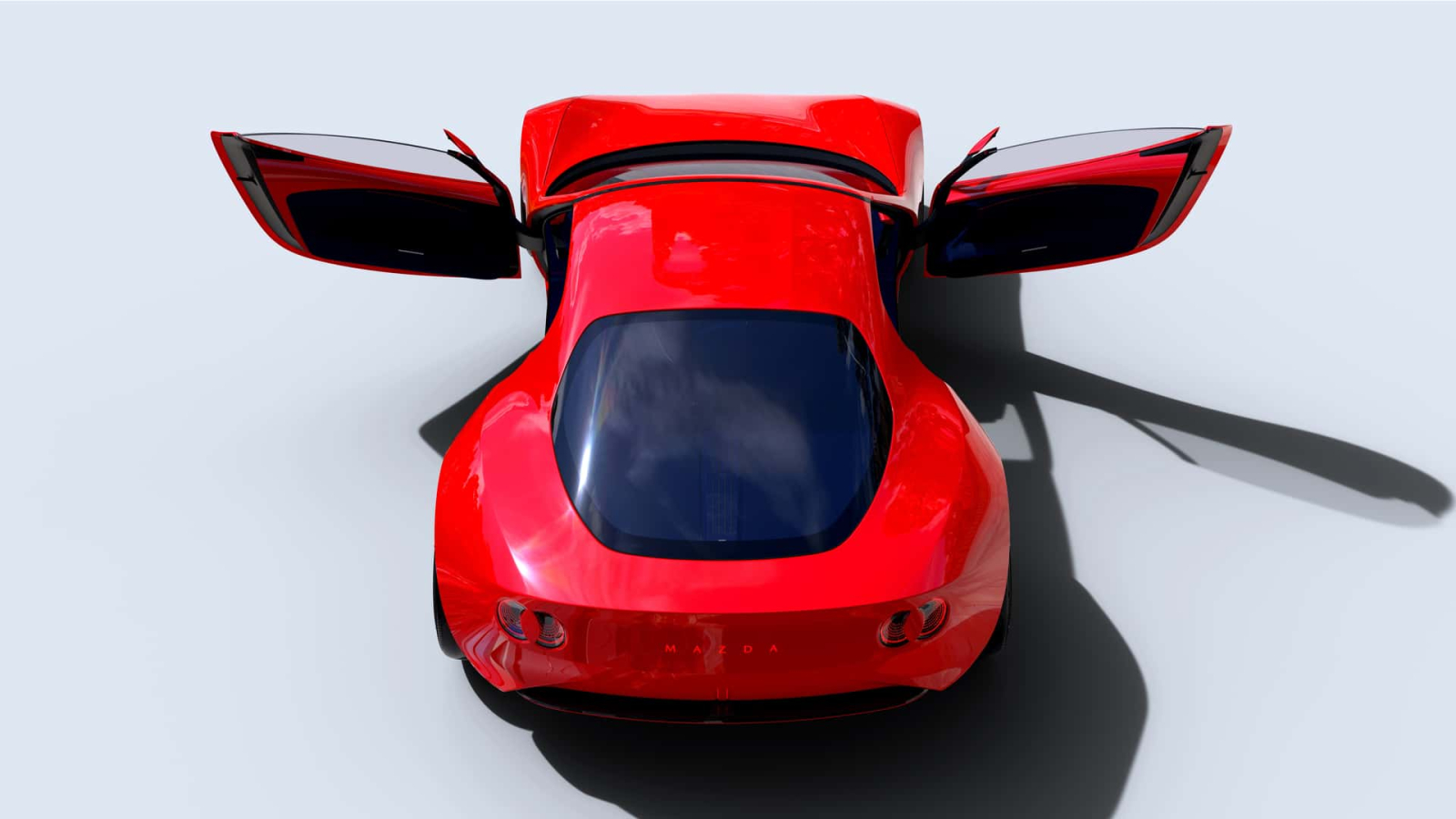
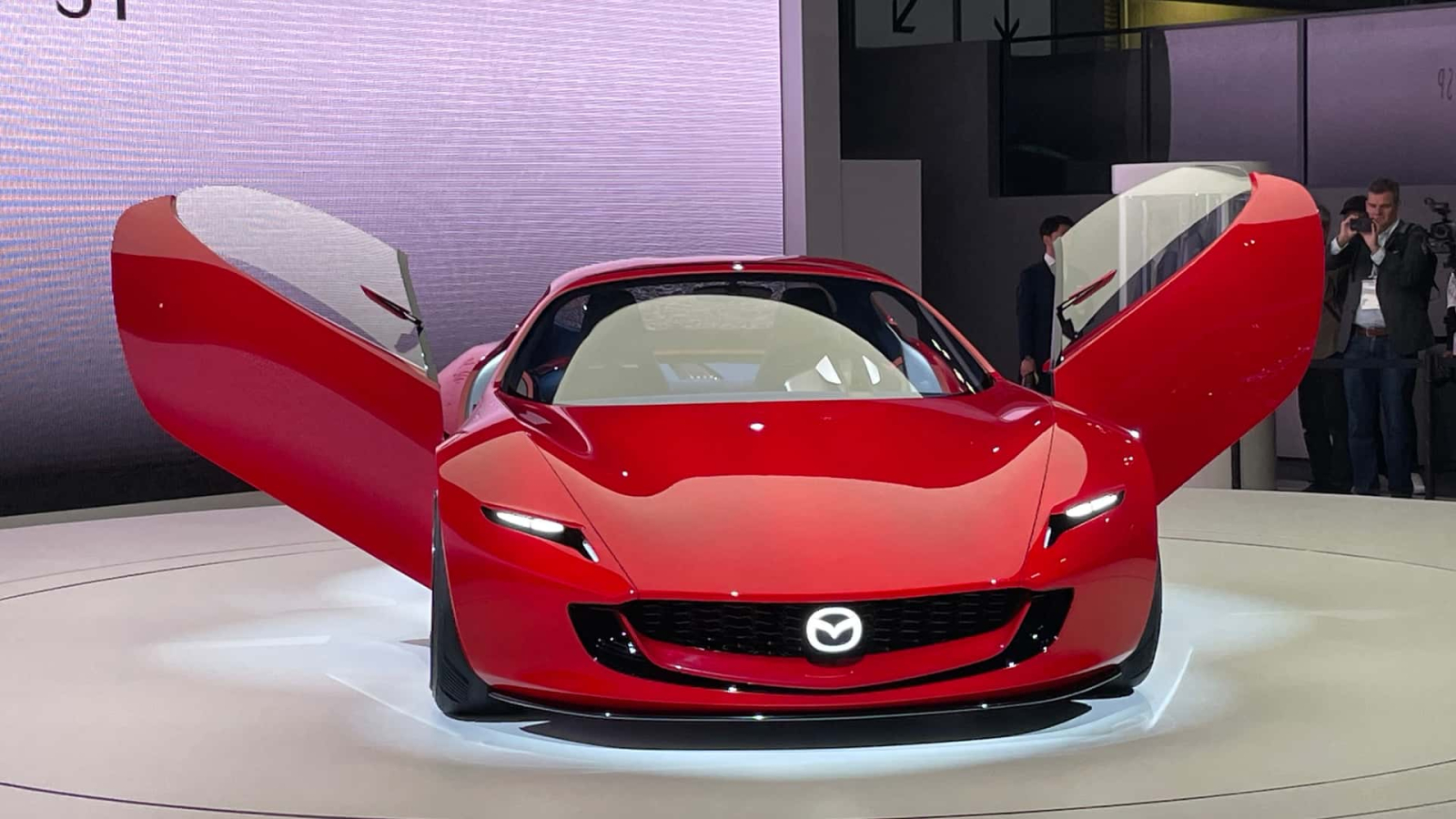
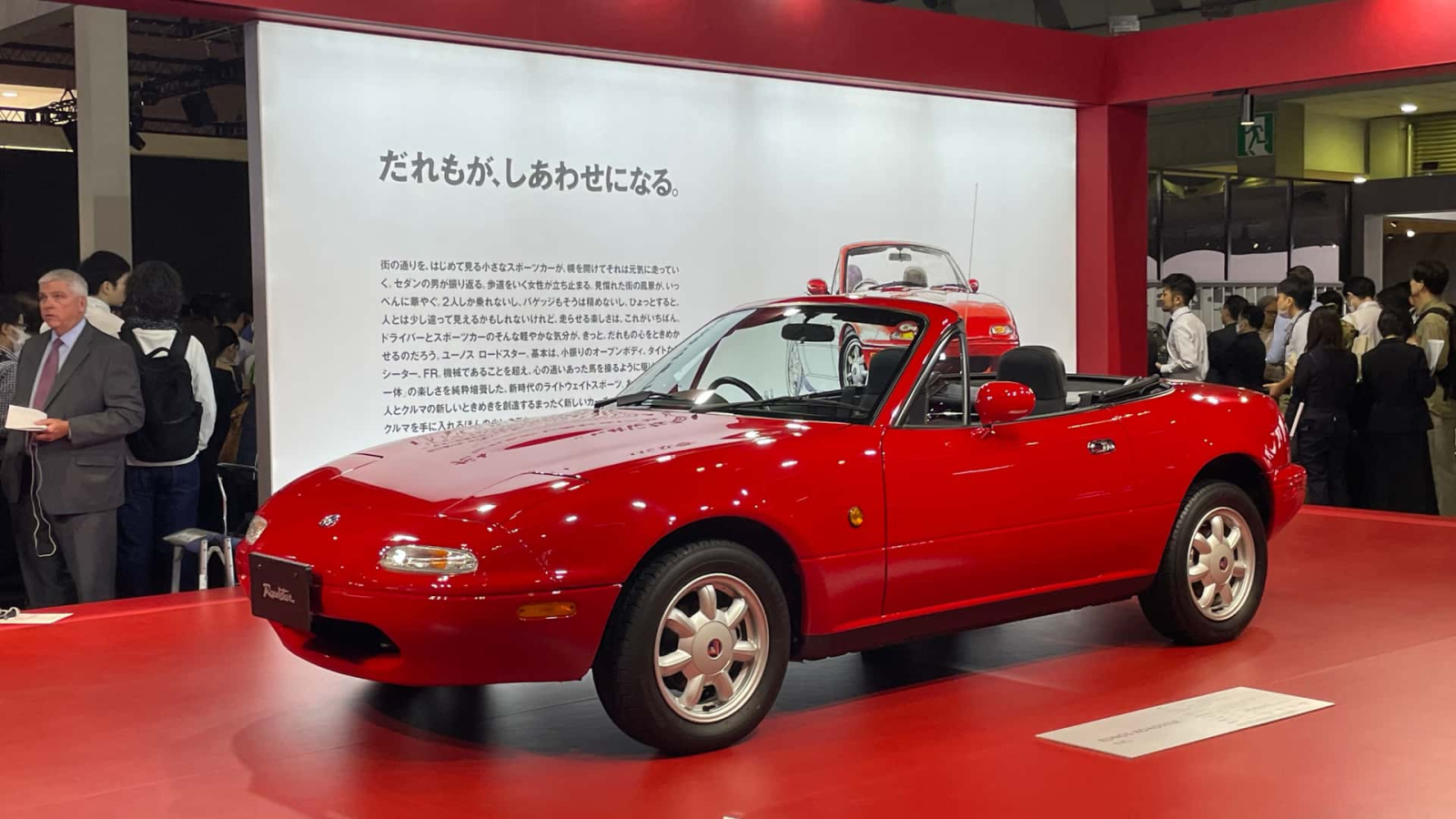
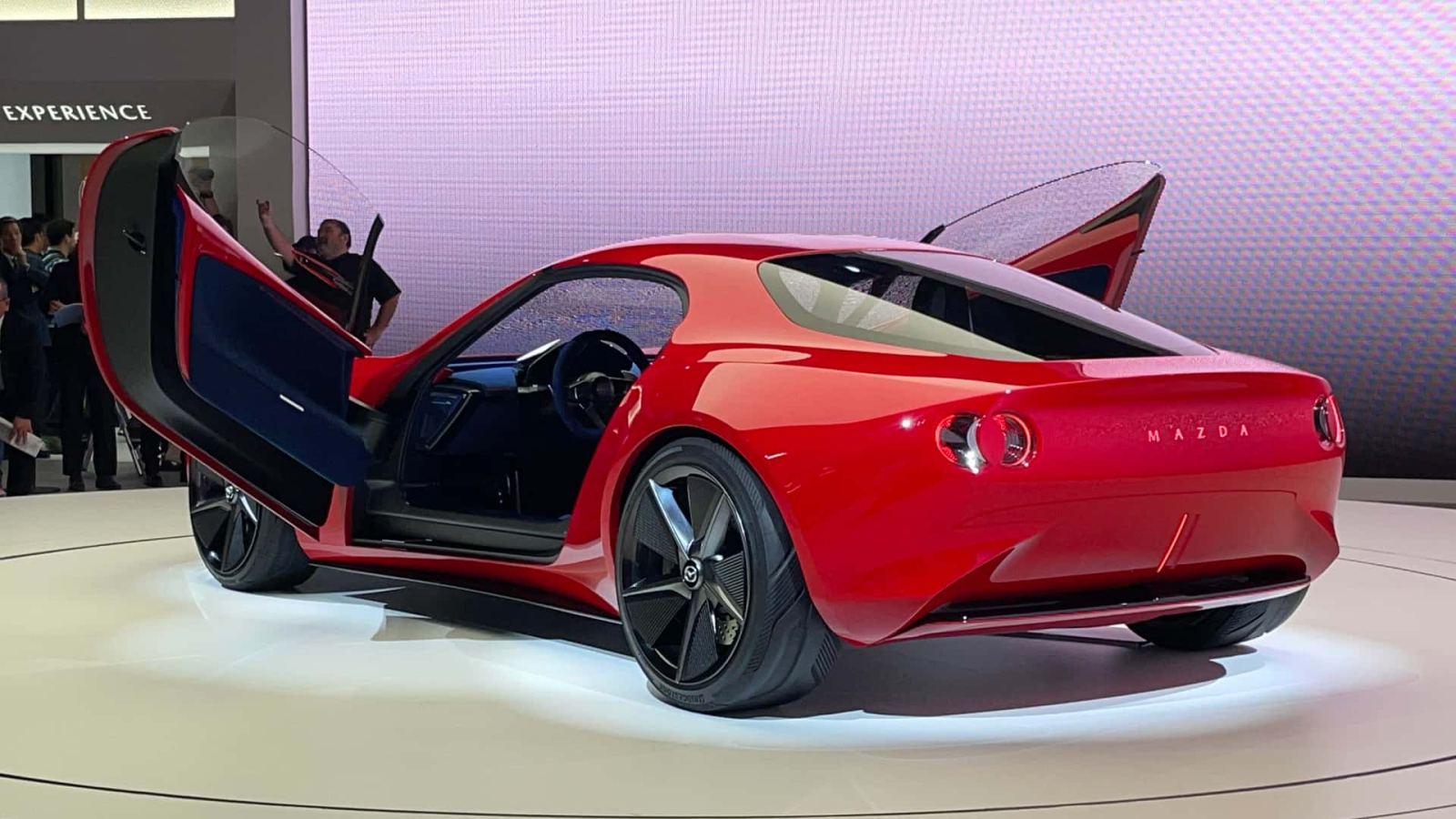
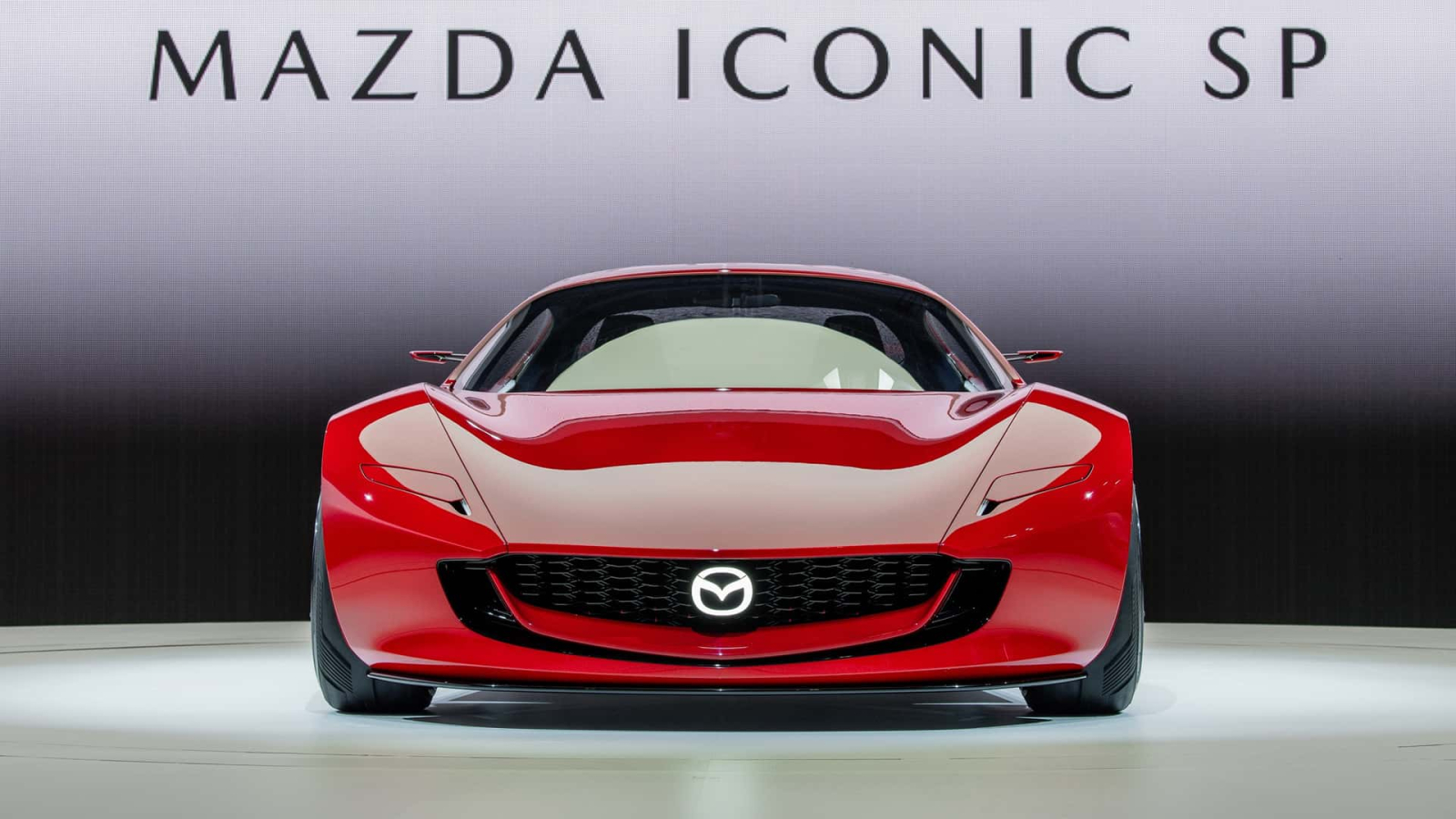
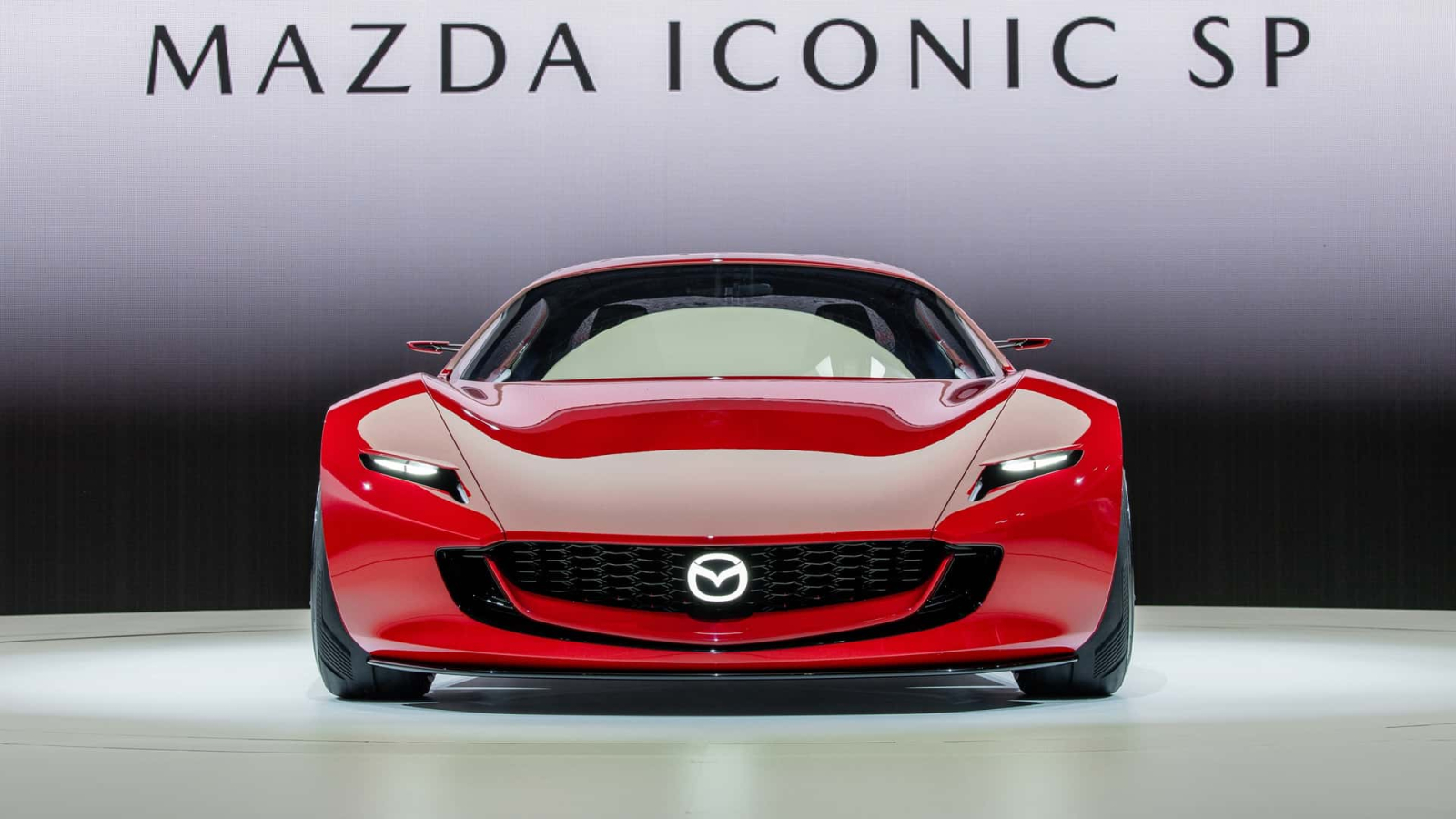
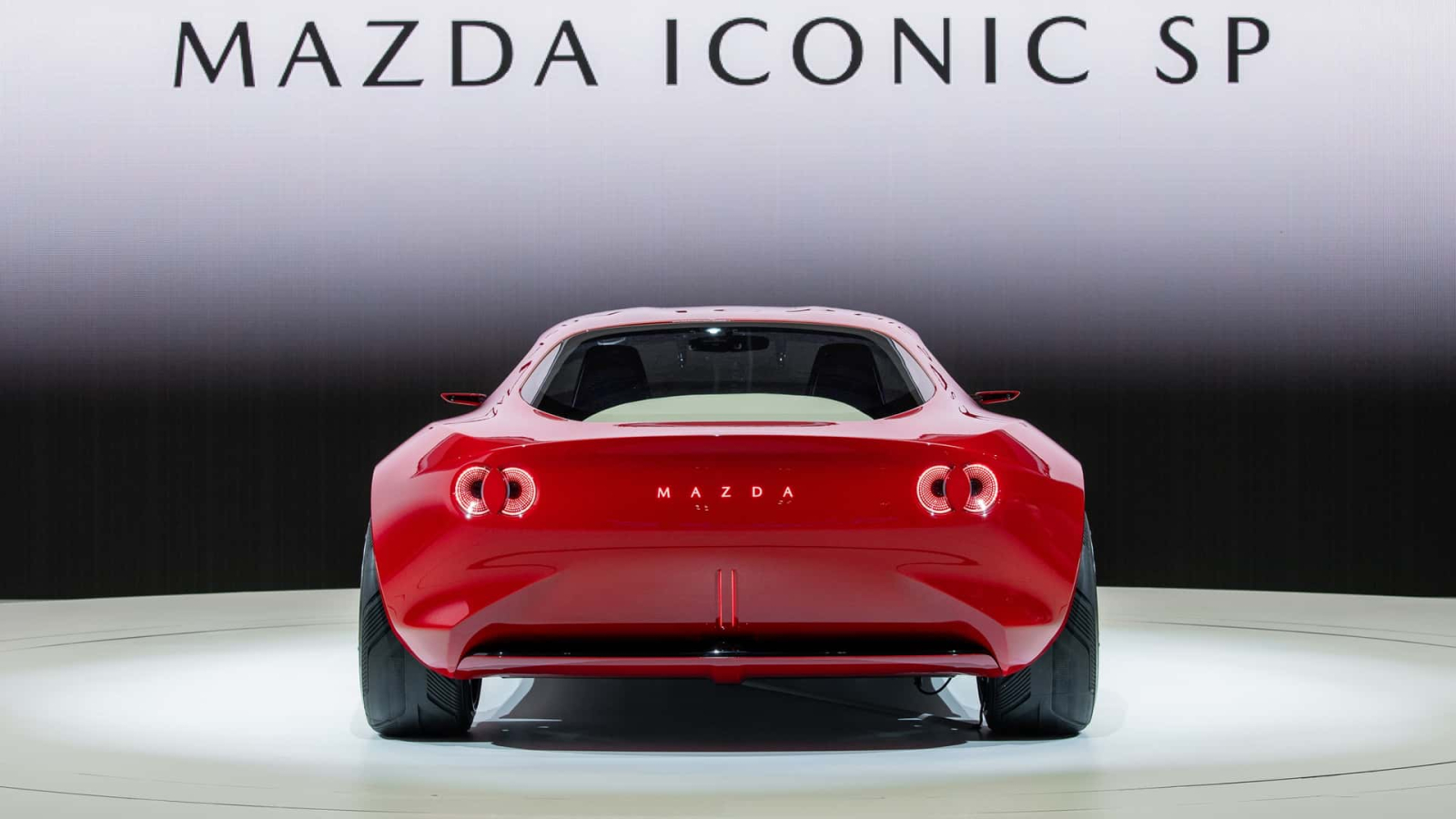
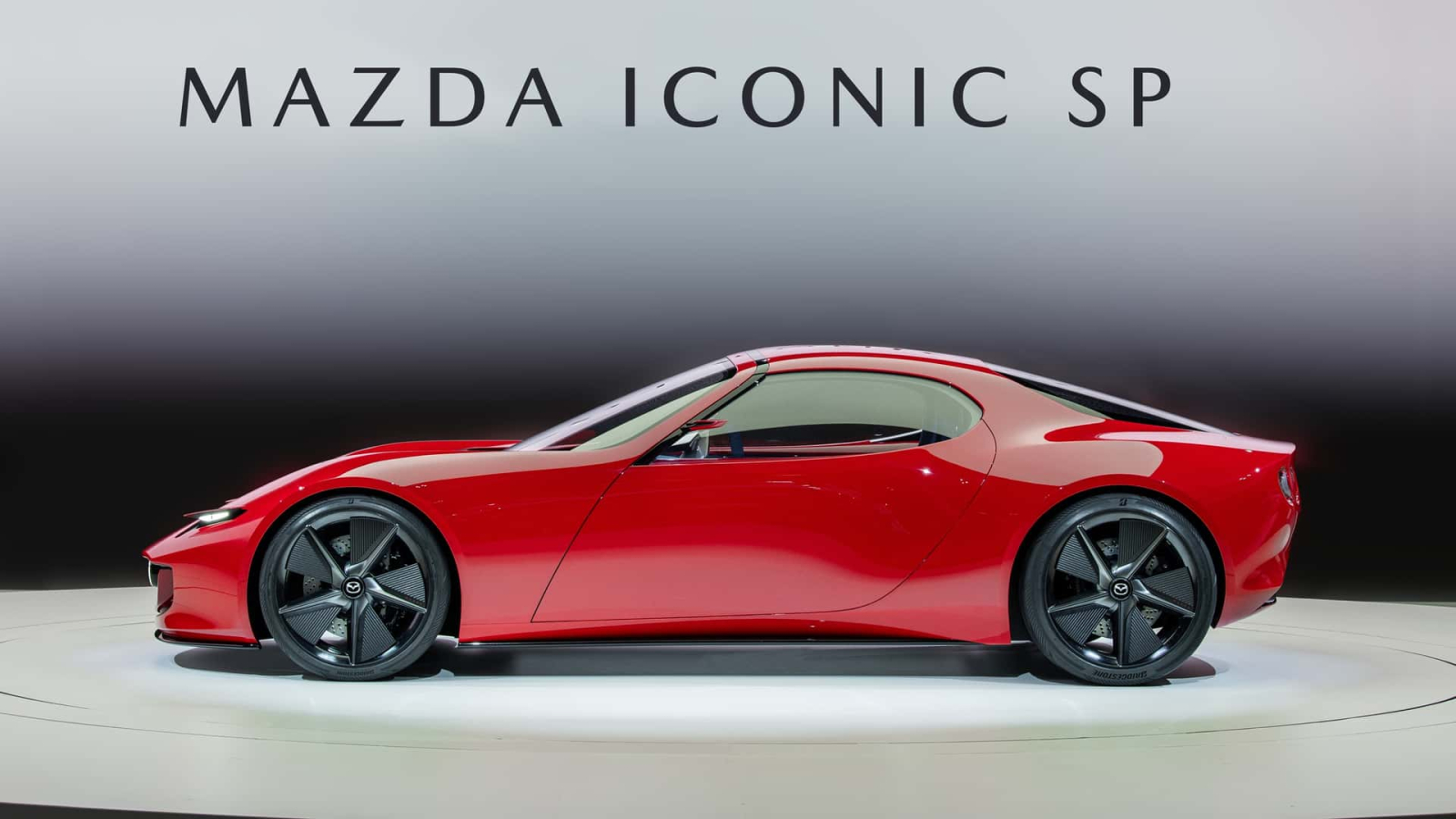
While many details remain uncertain, Mazda’s commitment to the Miata’s rear-wheel-drive layout, manual transmission, and lightweight ethos is encouraging for enthusiasts. The next-generation MX-5 promises to uphold the qualities that have made the roadster a beloved icon.
Photos
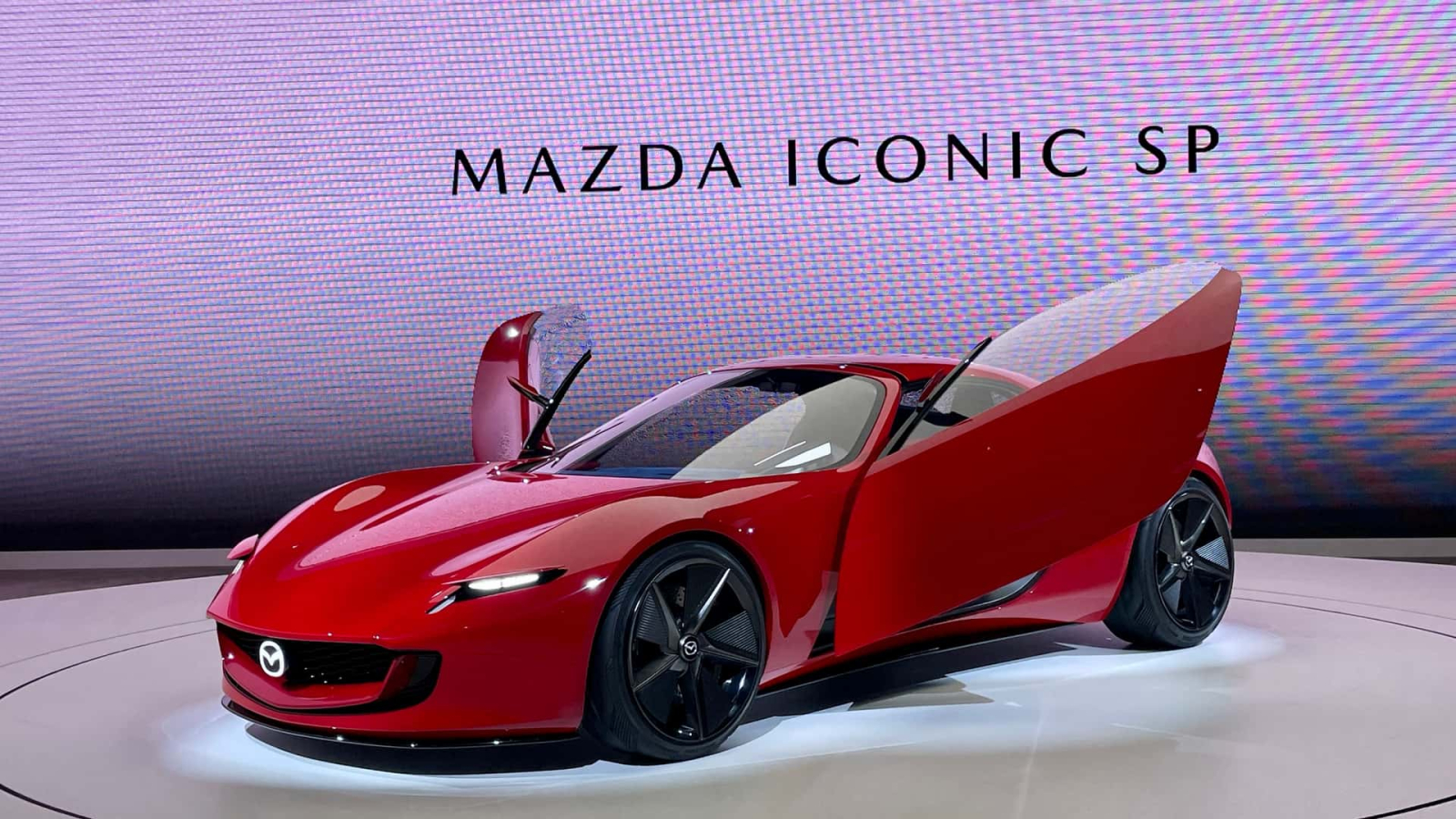
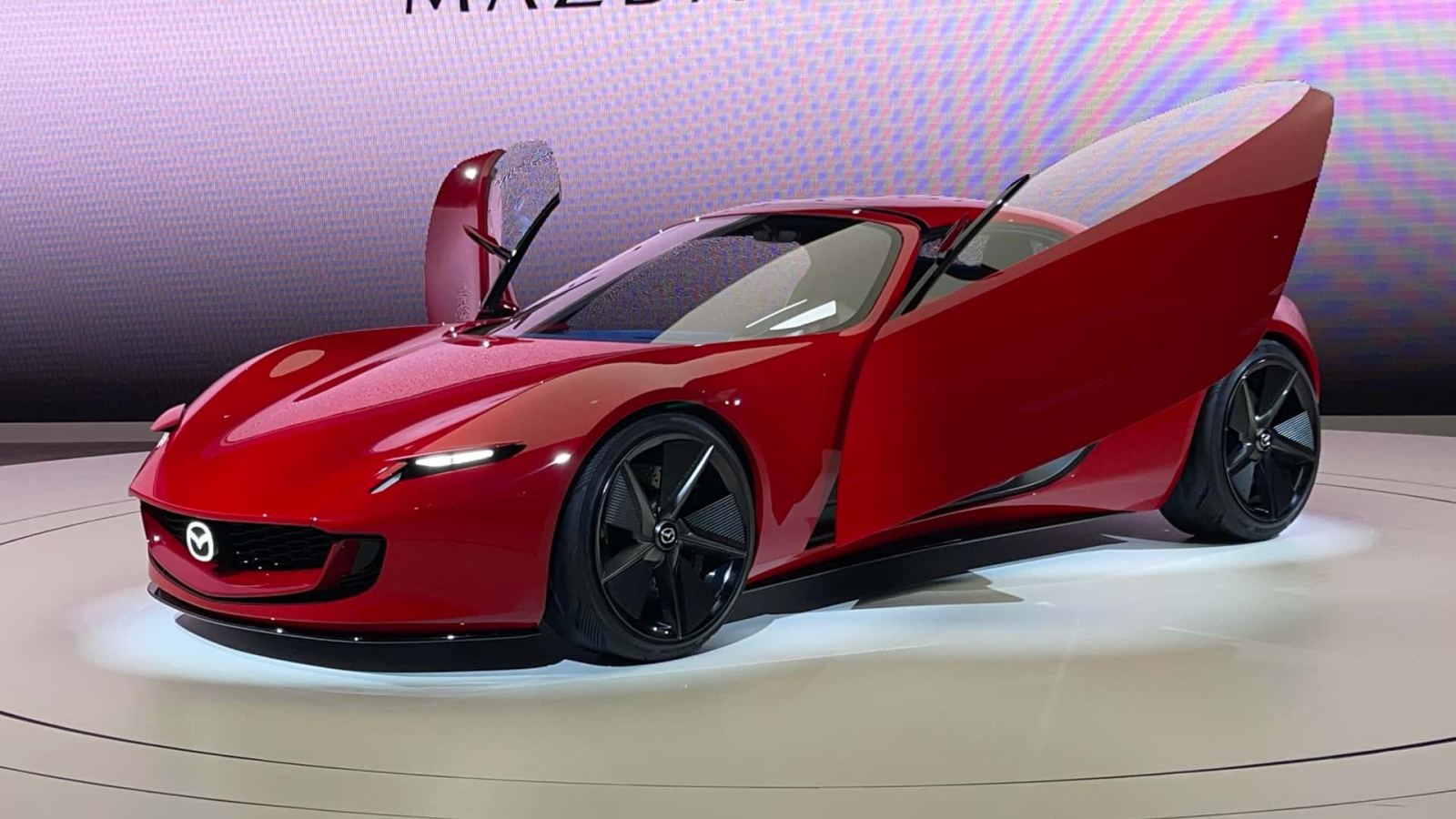
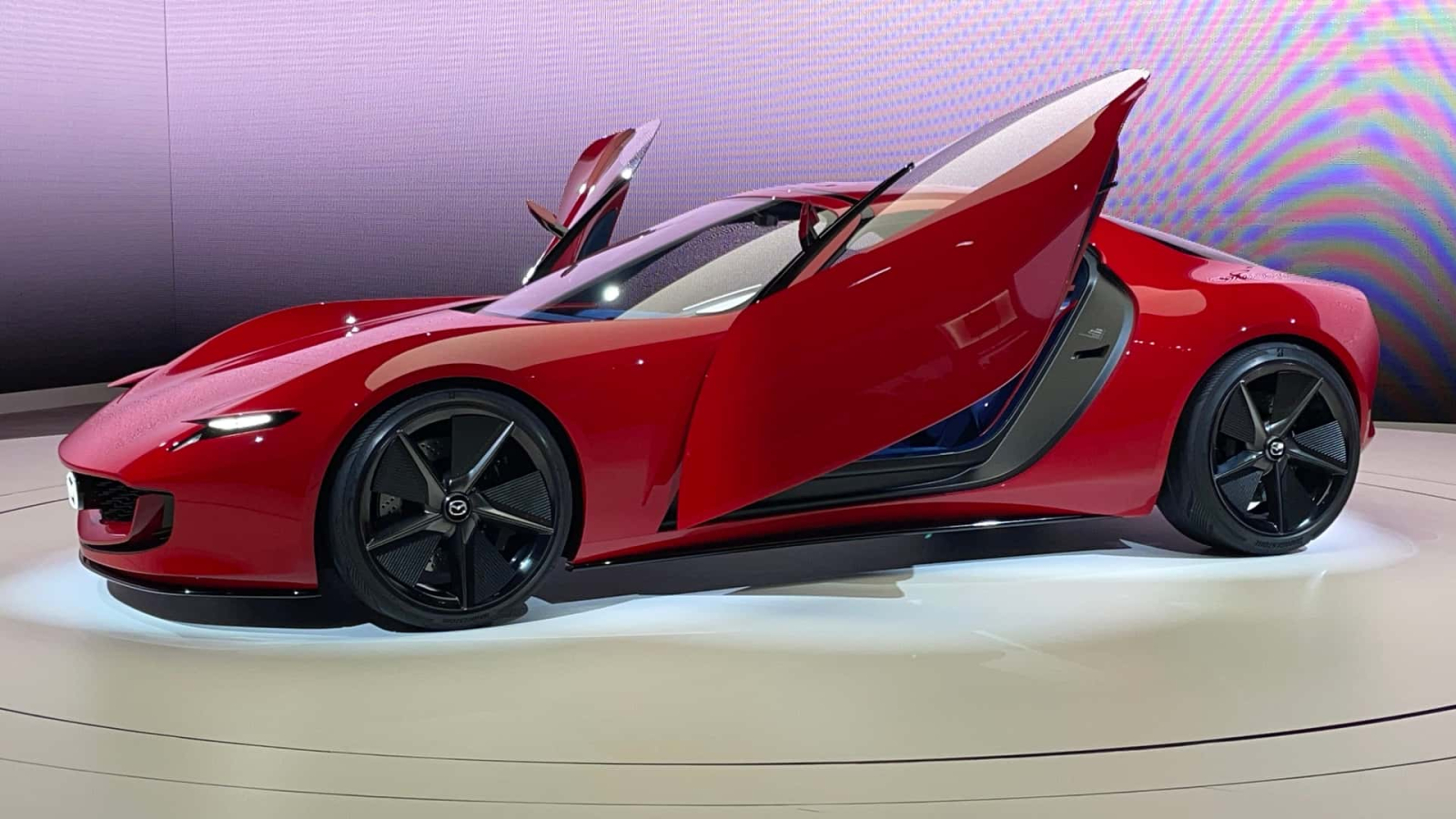
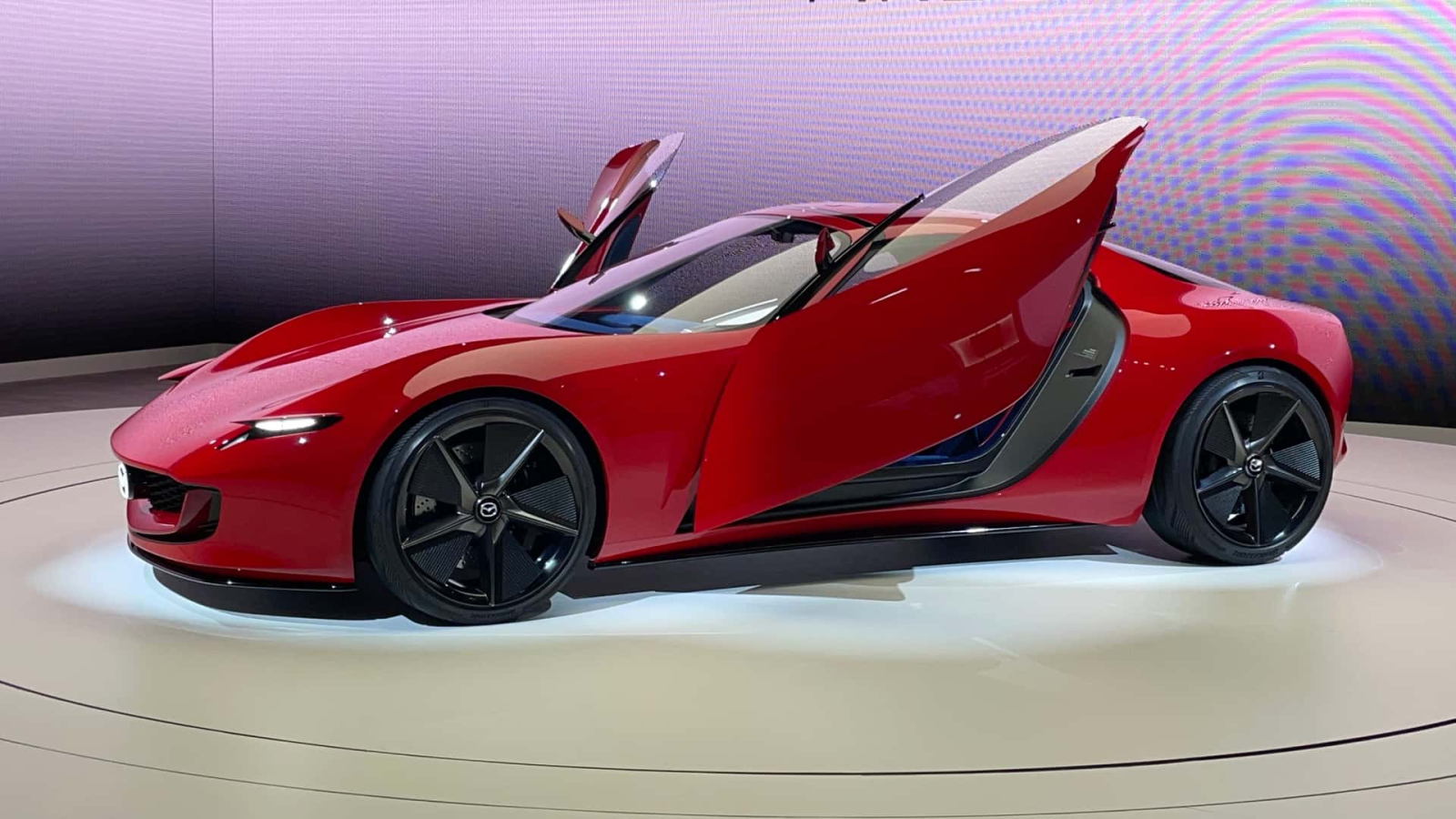
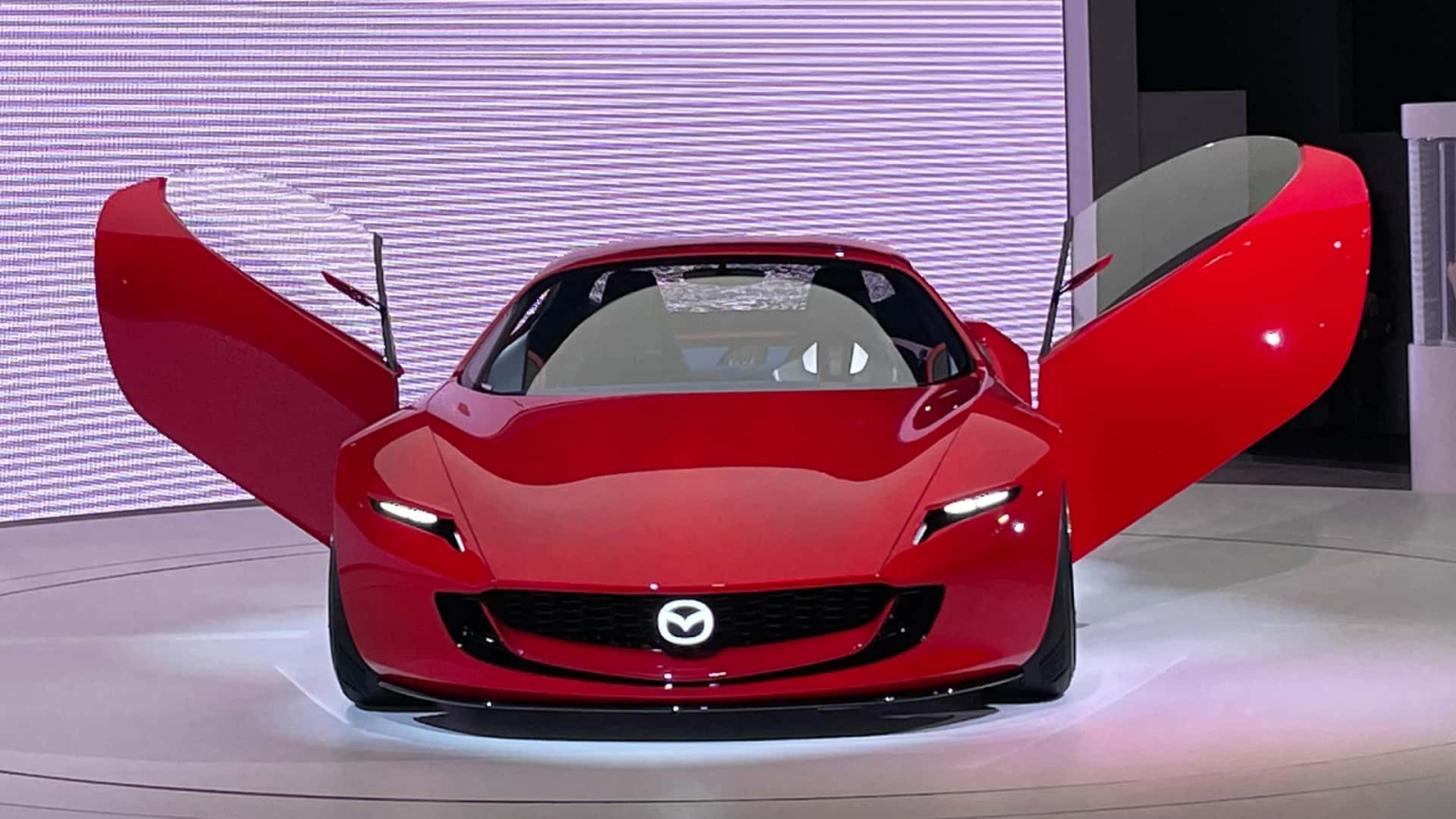
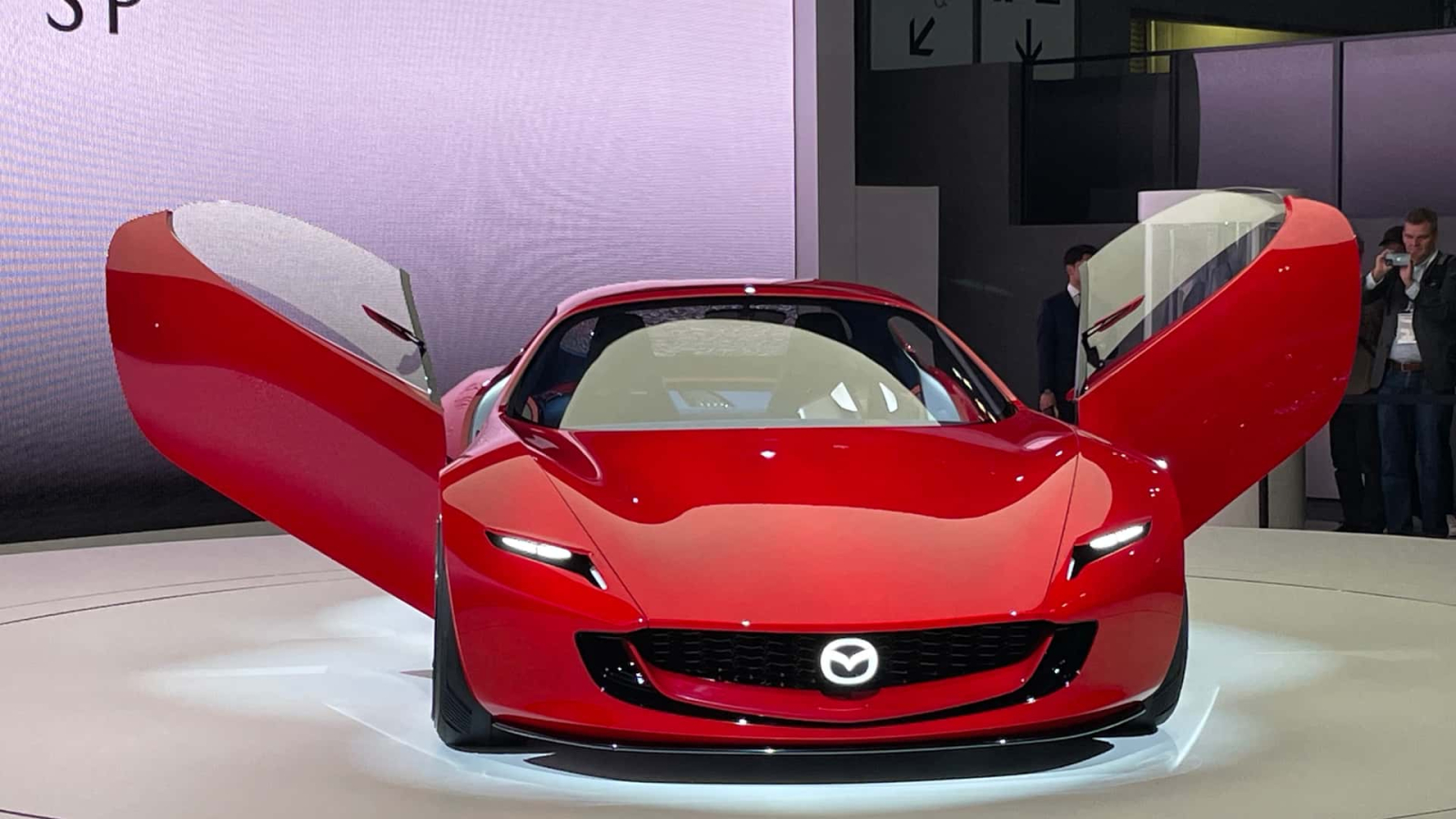
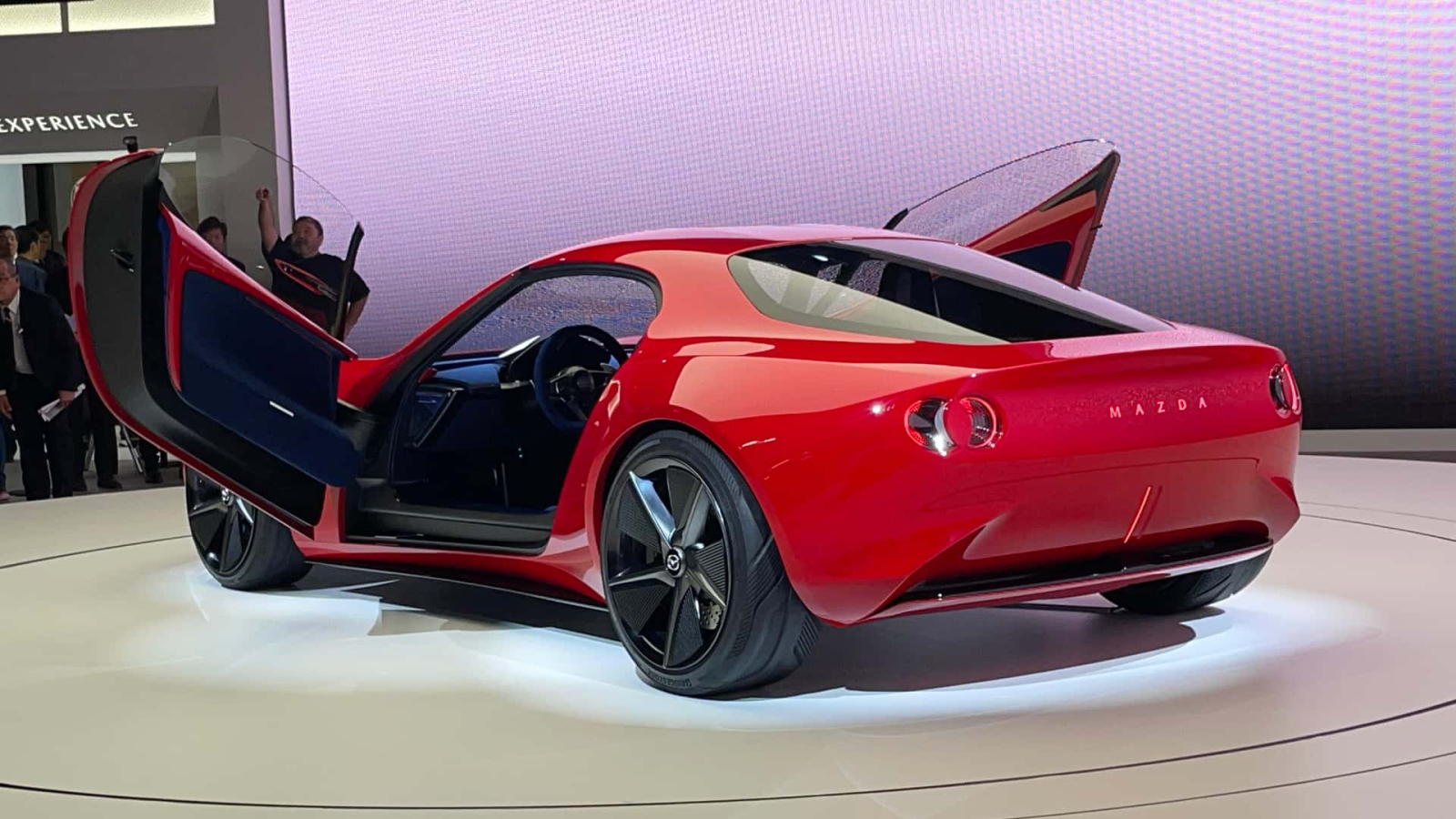
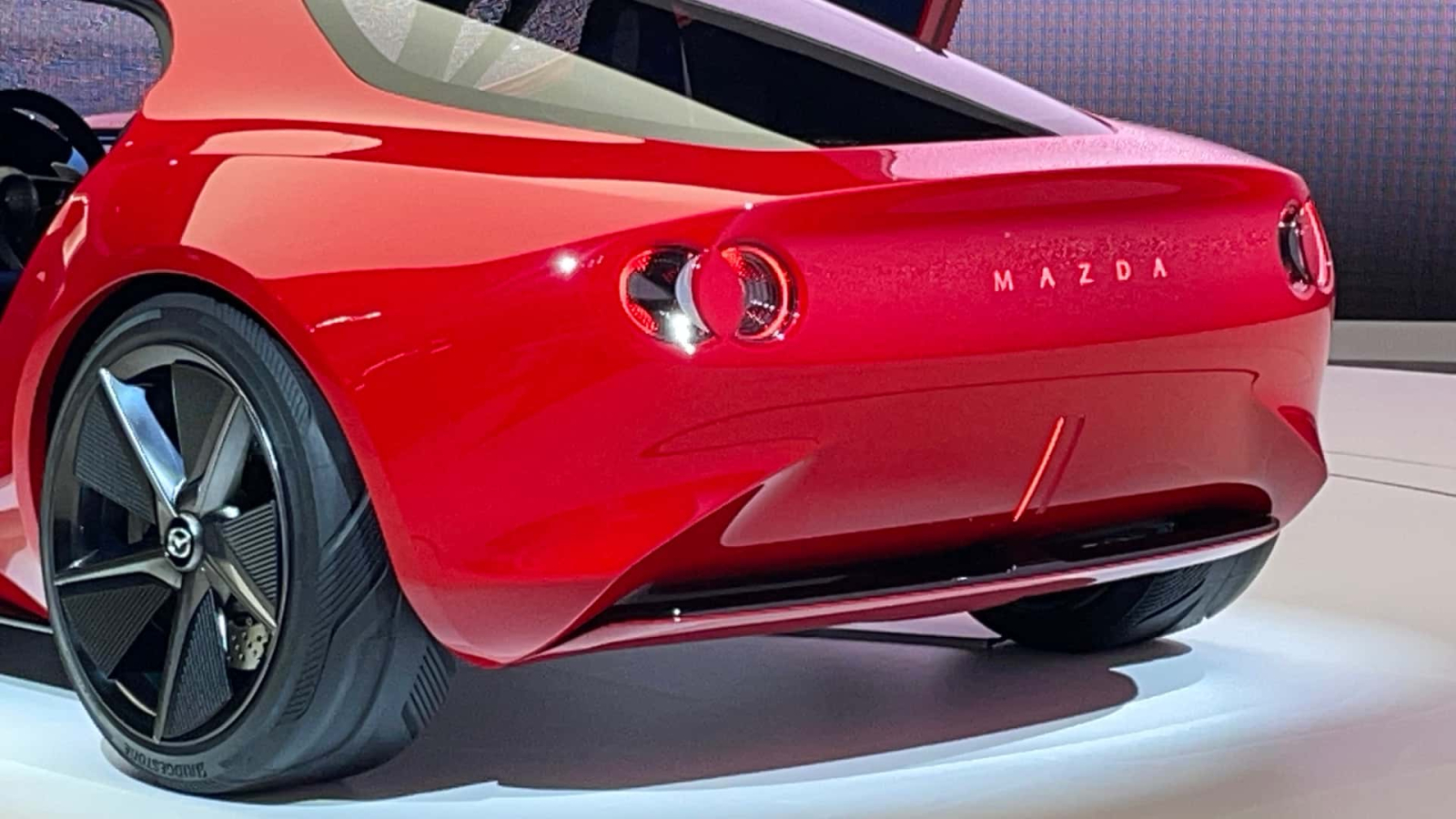
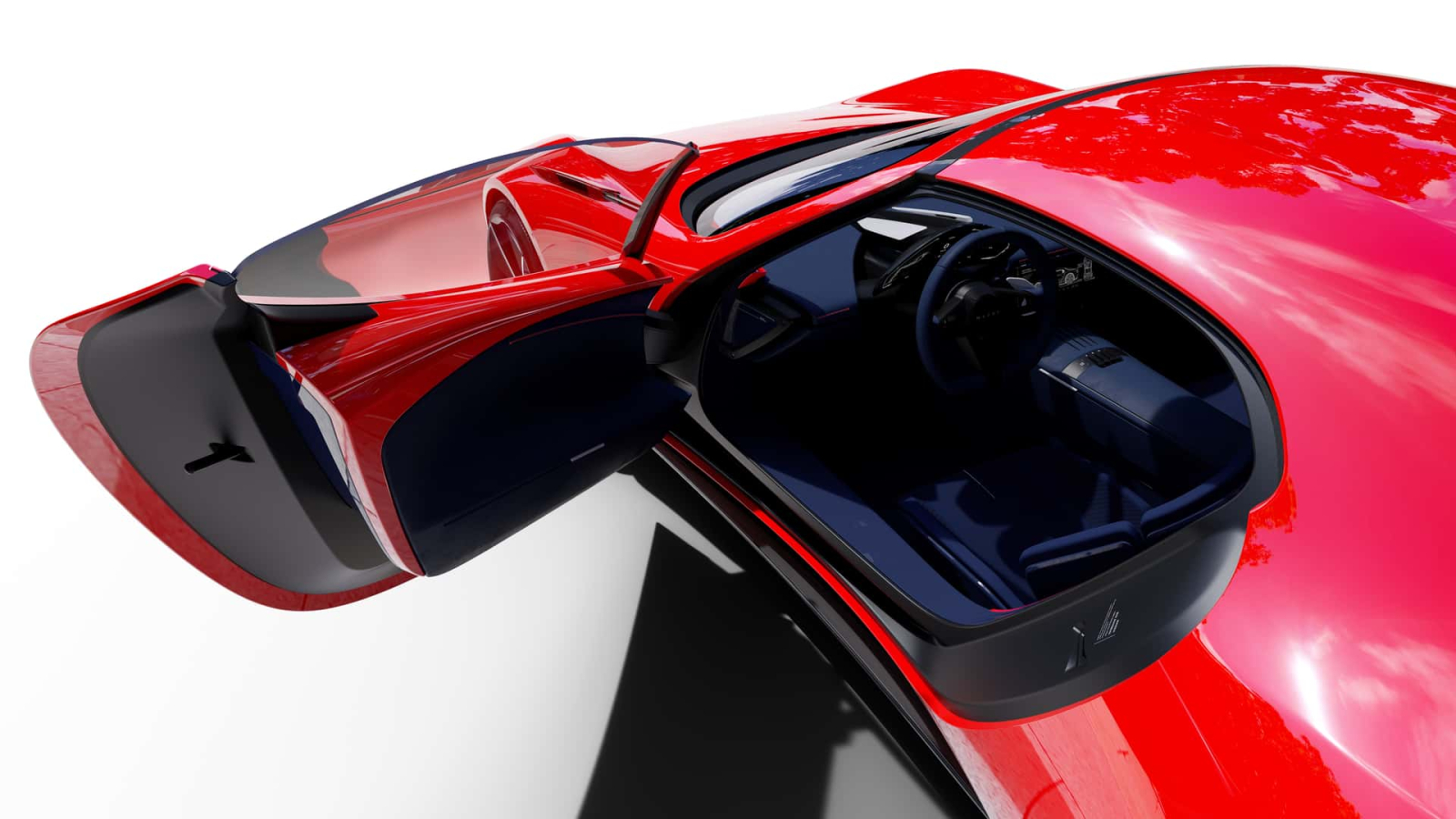
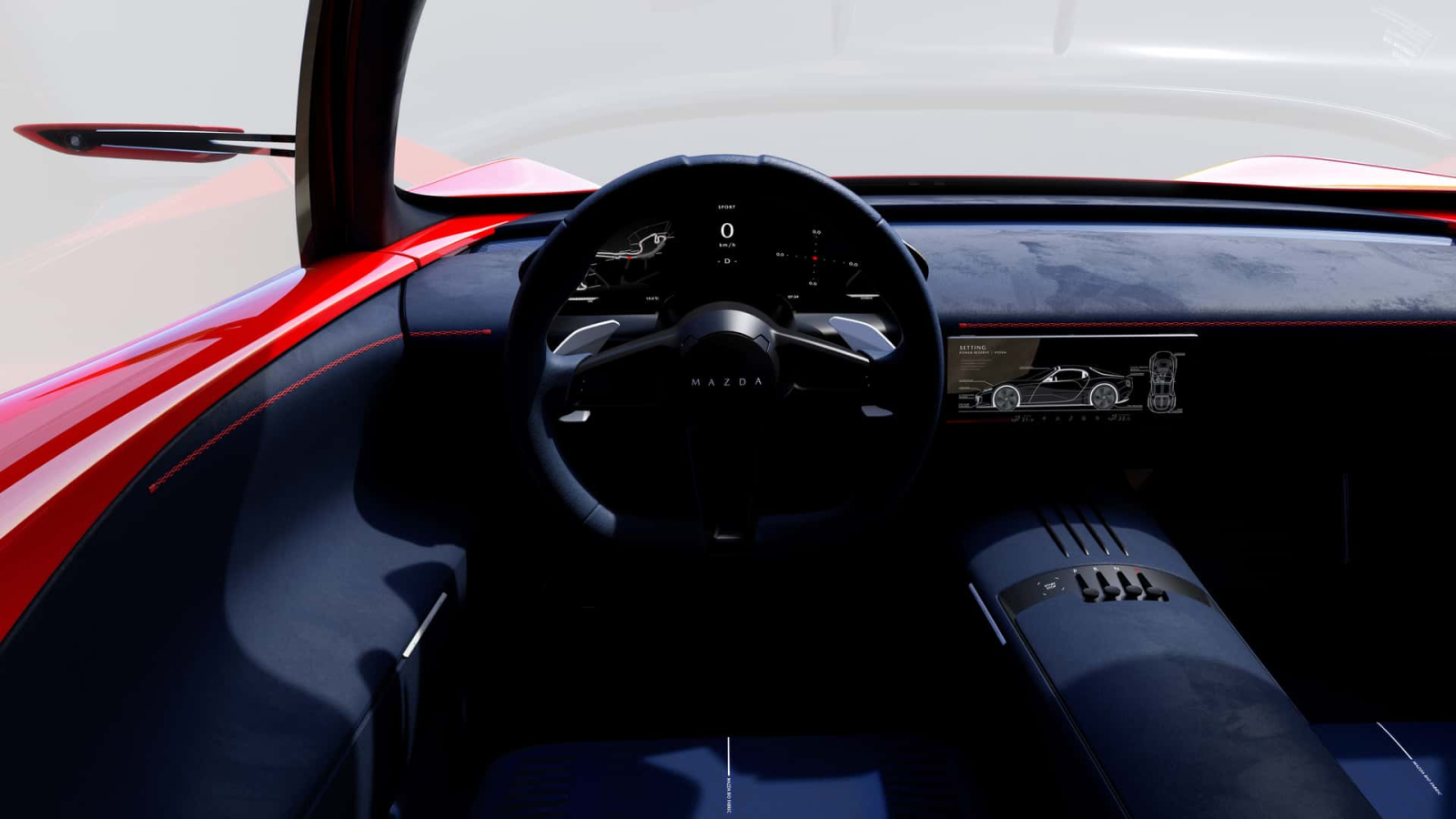
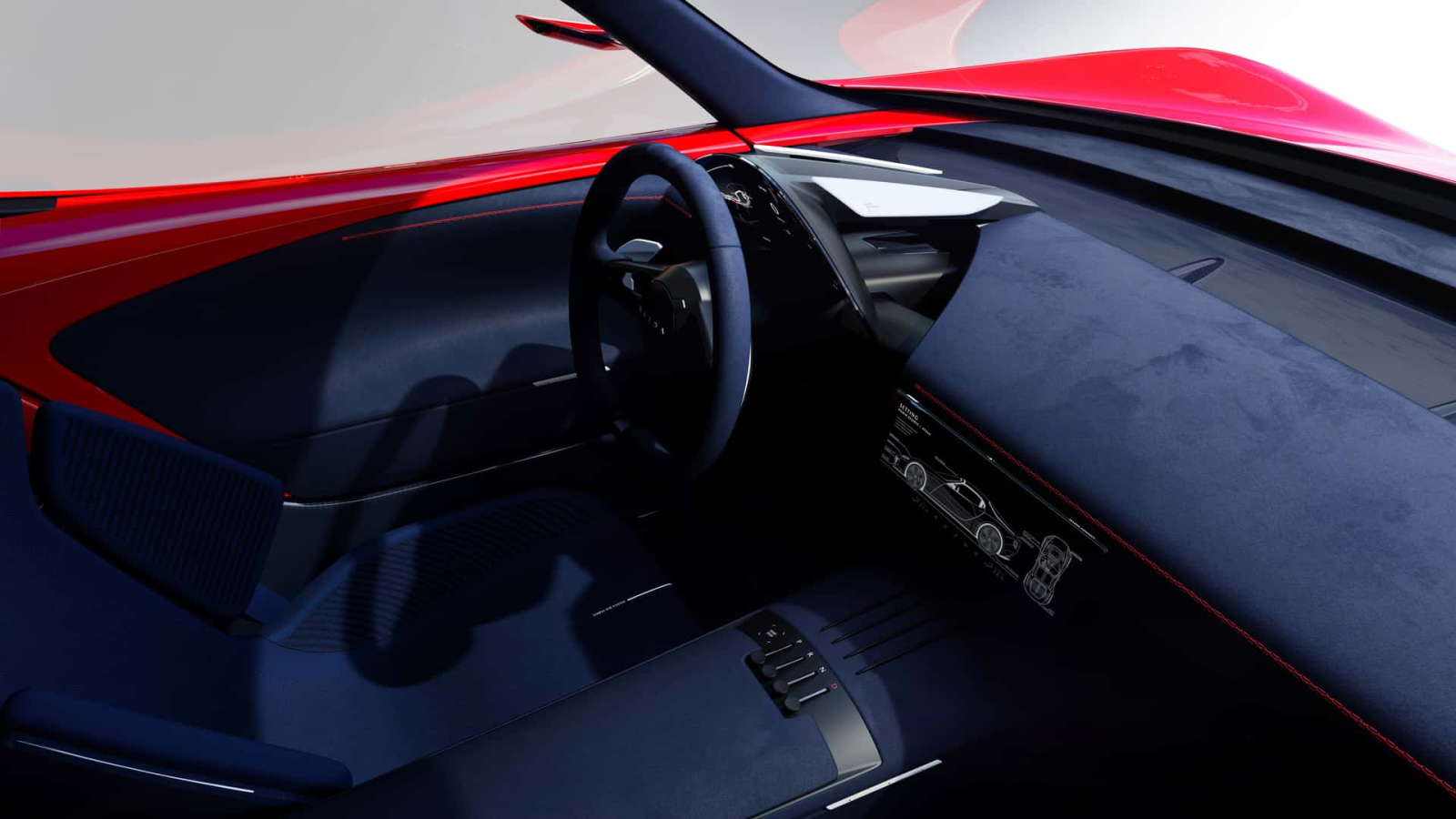
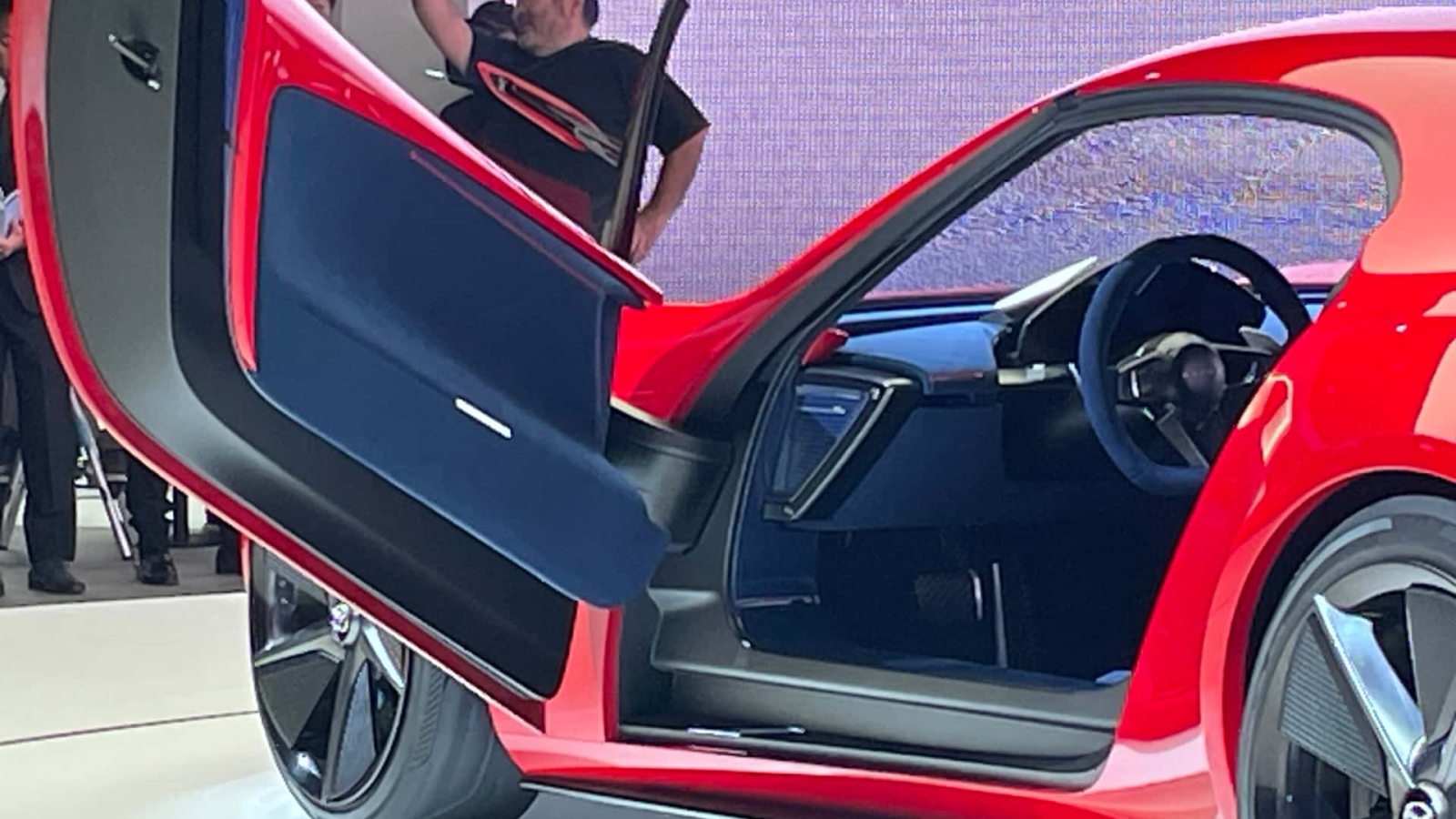
Photos in the catalog
More news