BMW’s Electric M3 Will Eclipse the Gas Version, But BMW M Says Enough Is Enough
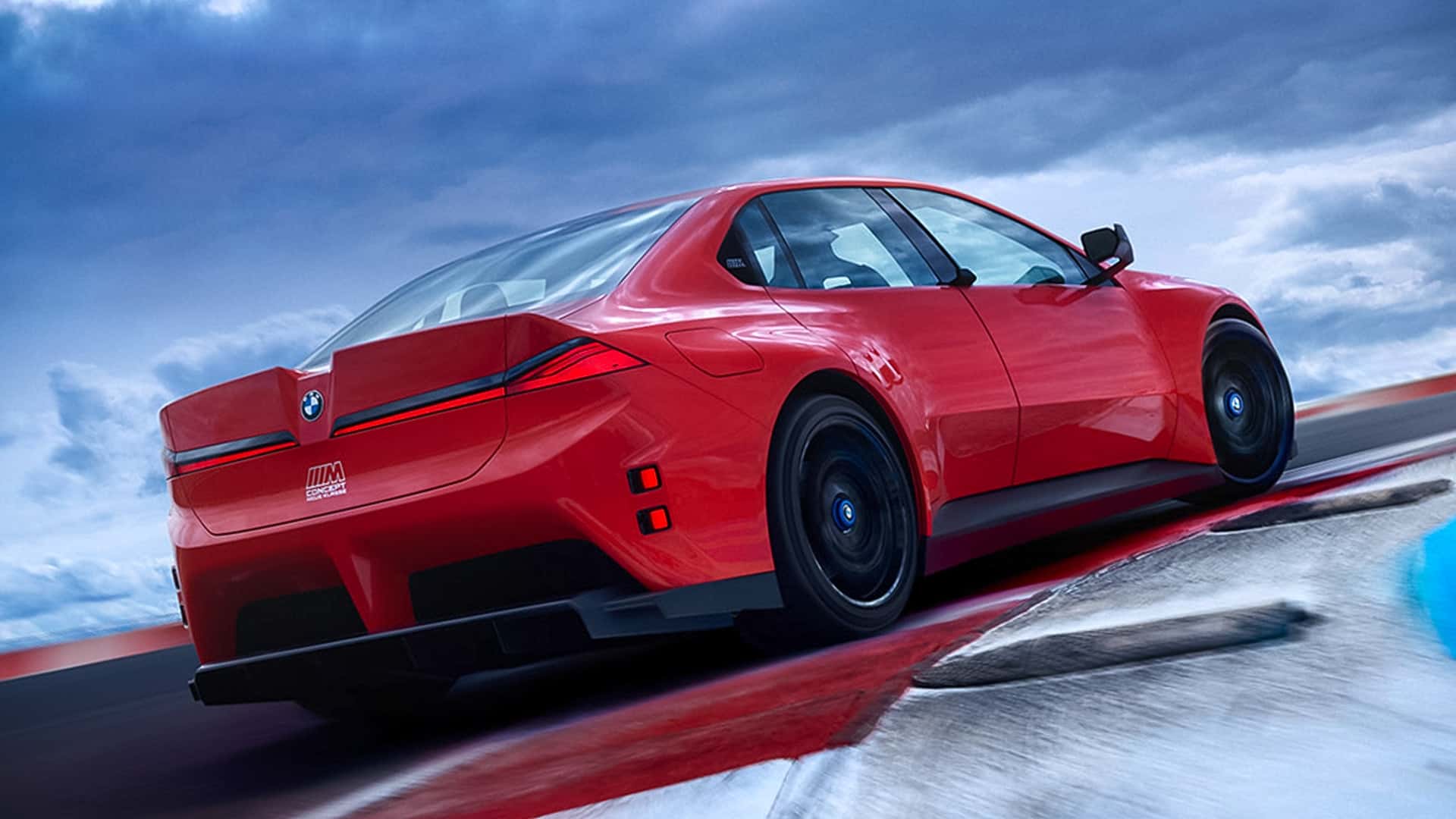
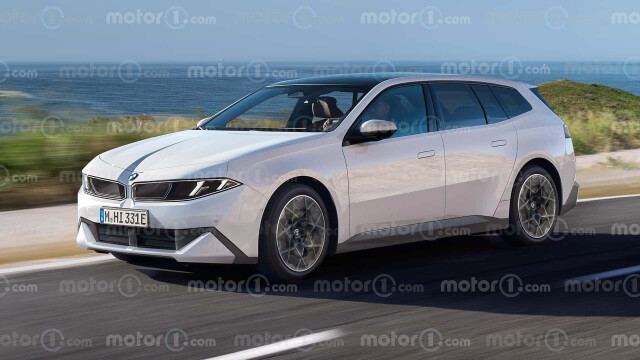
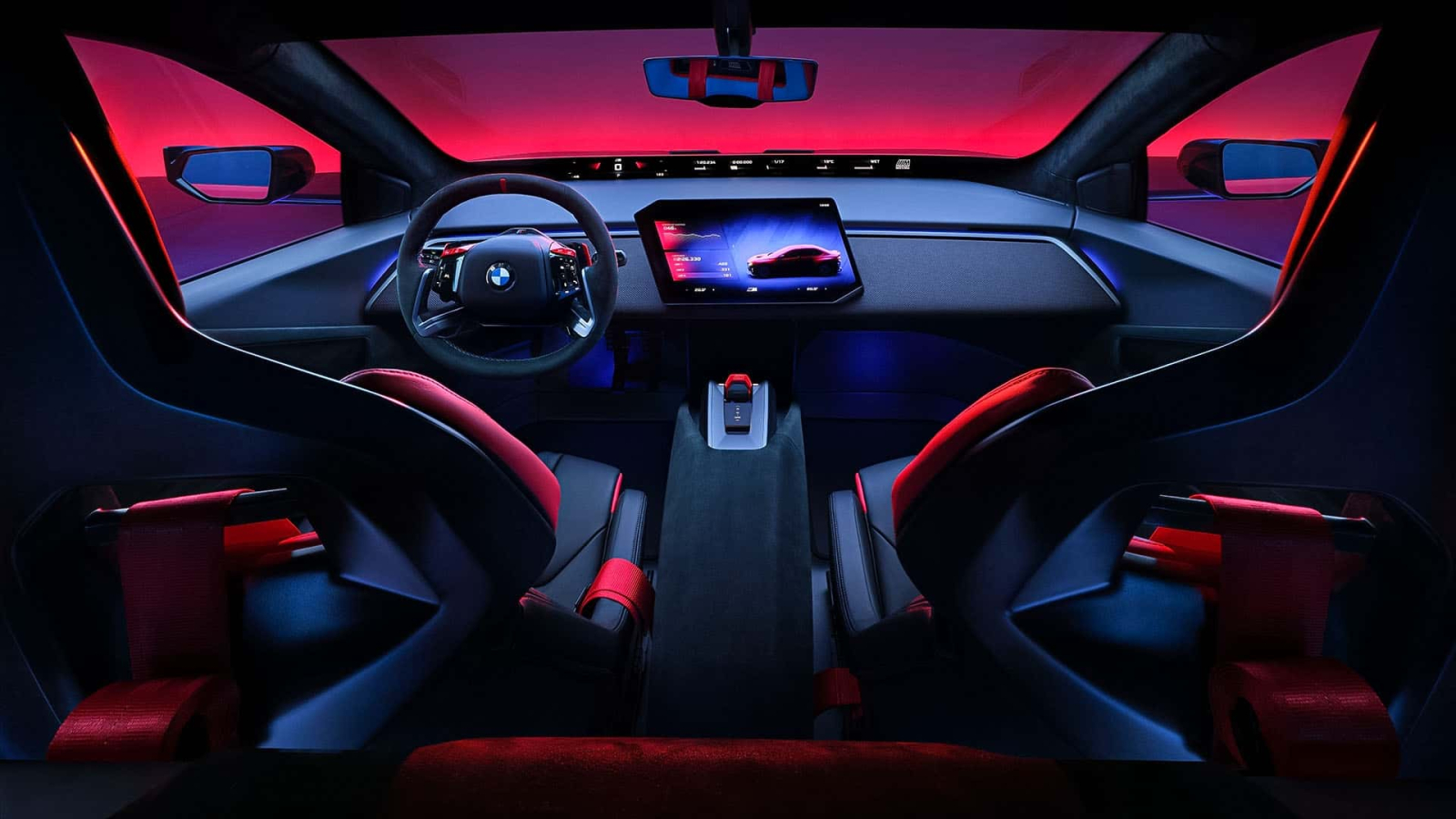
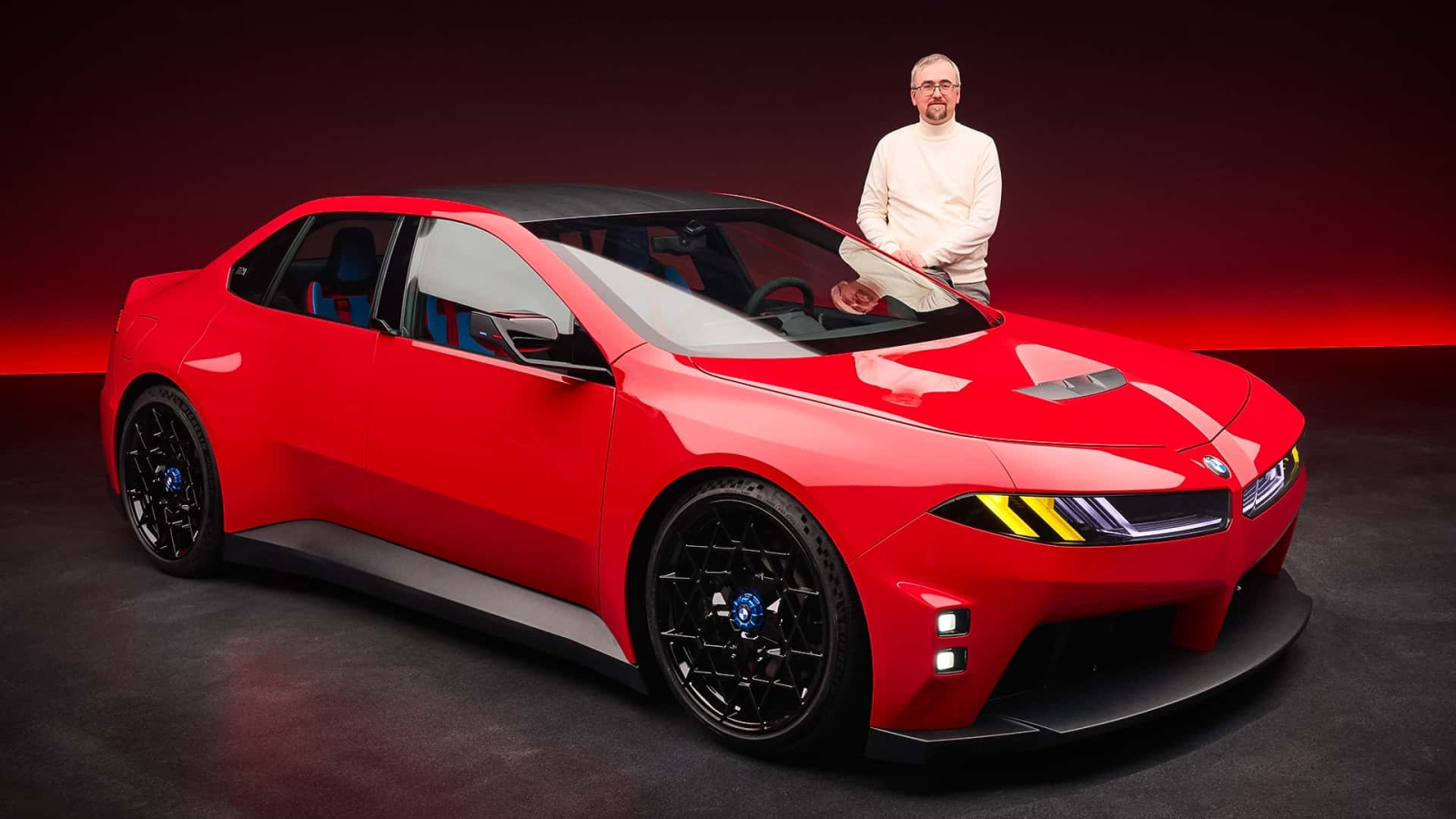
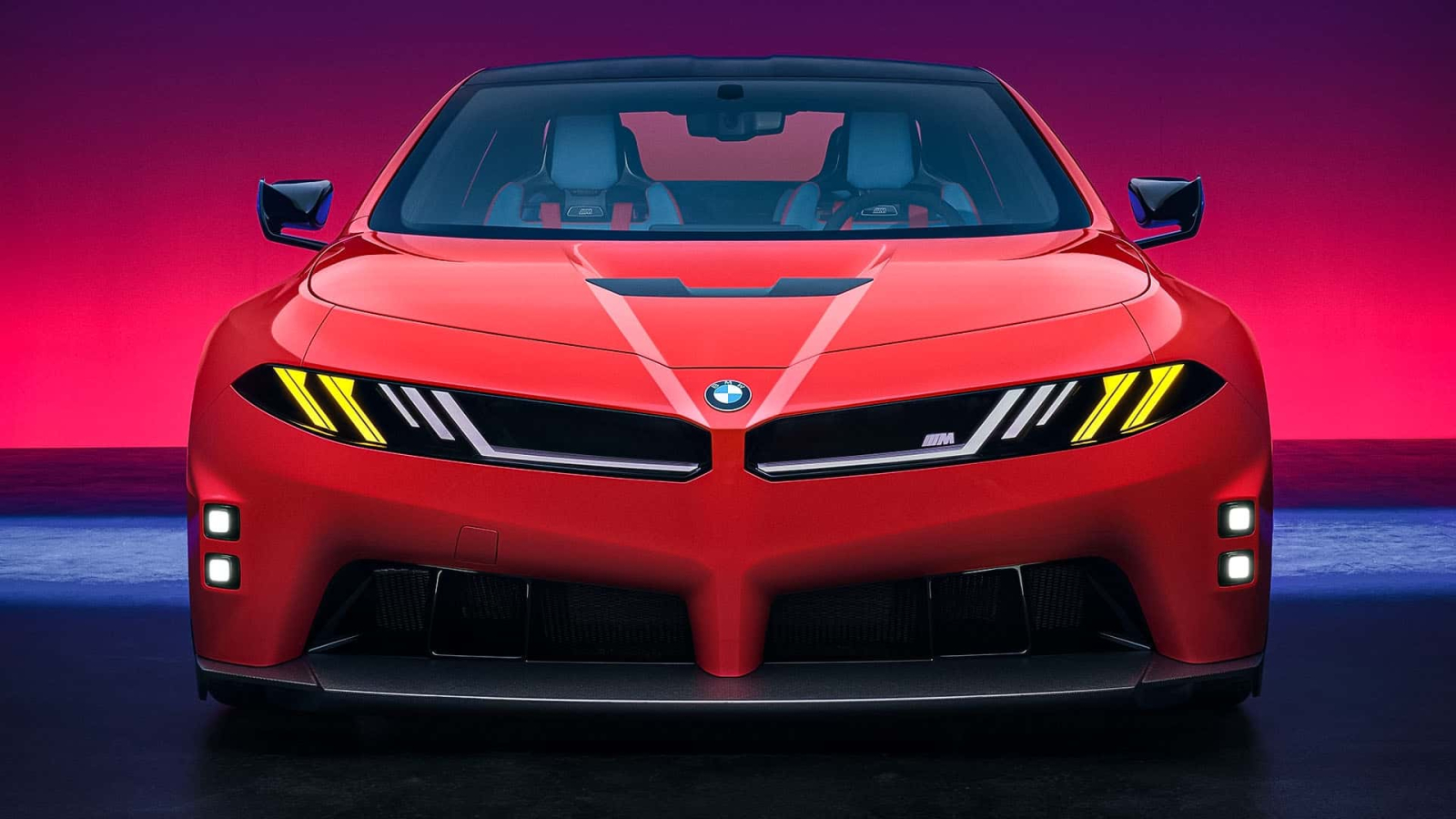
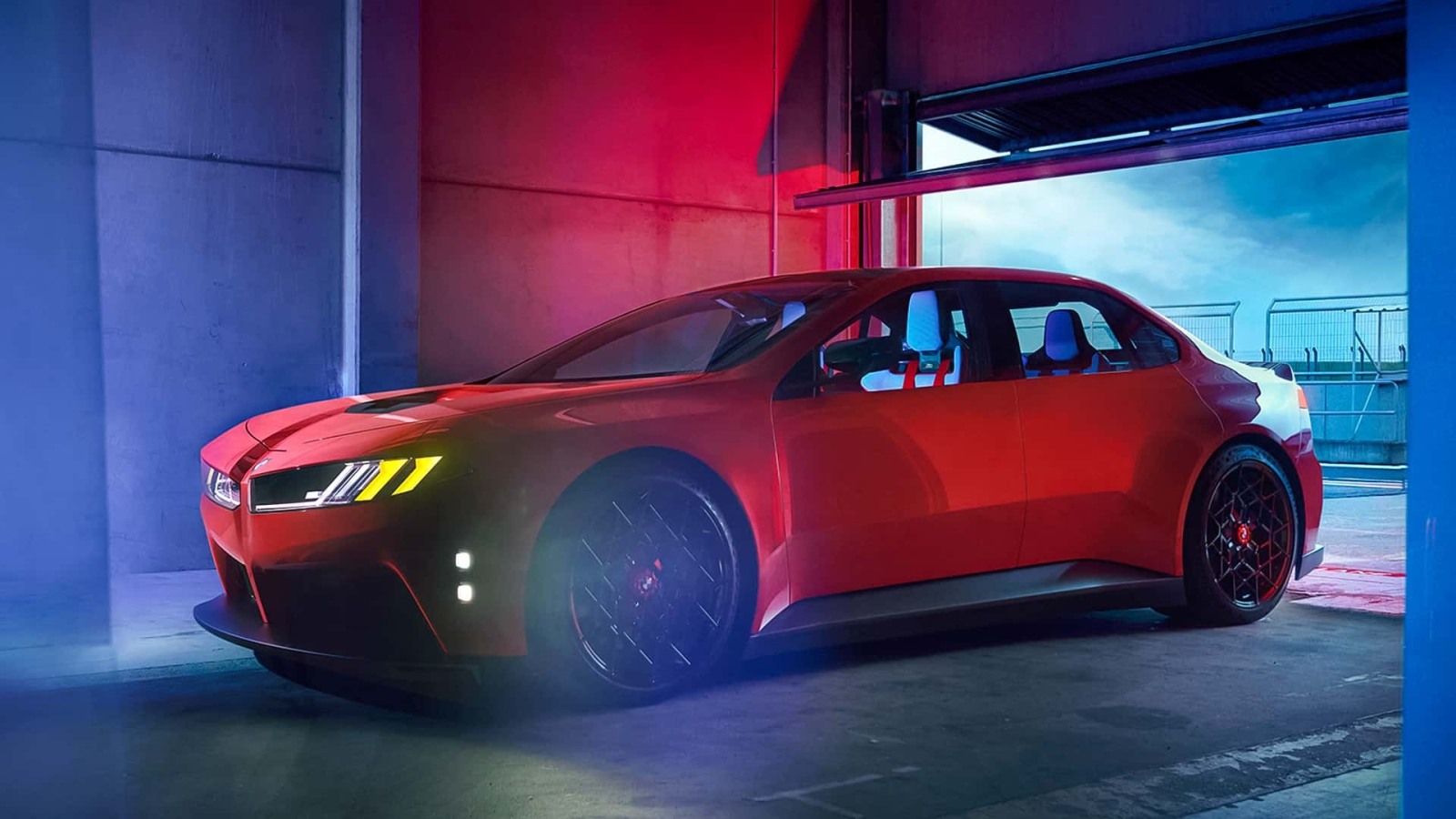
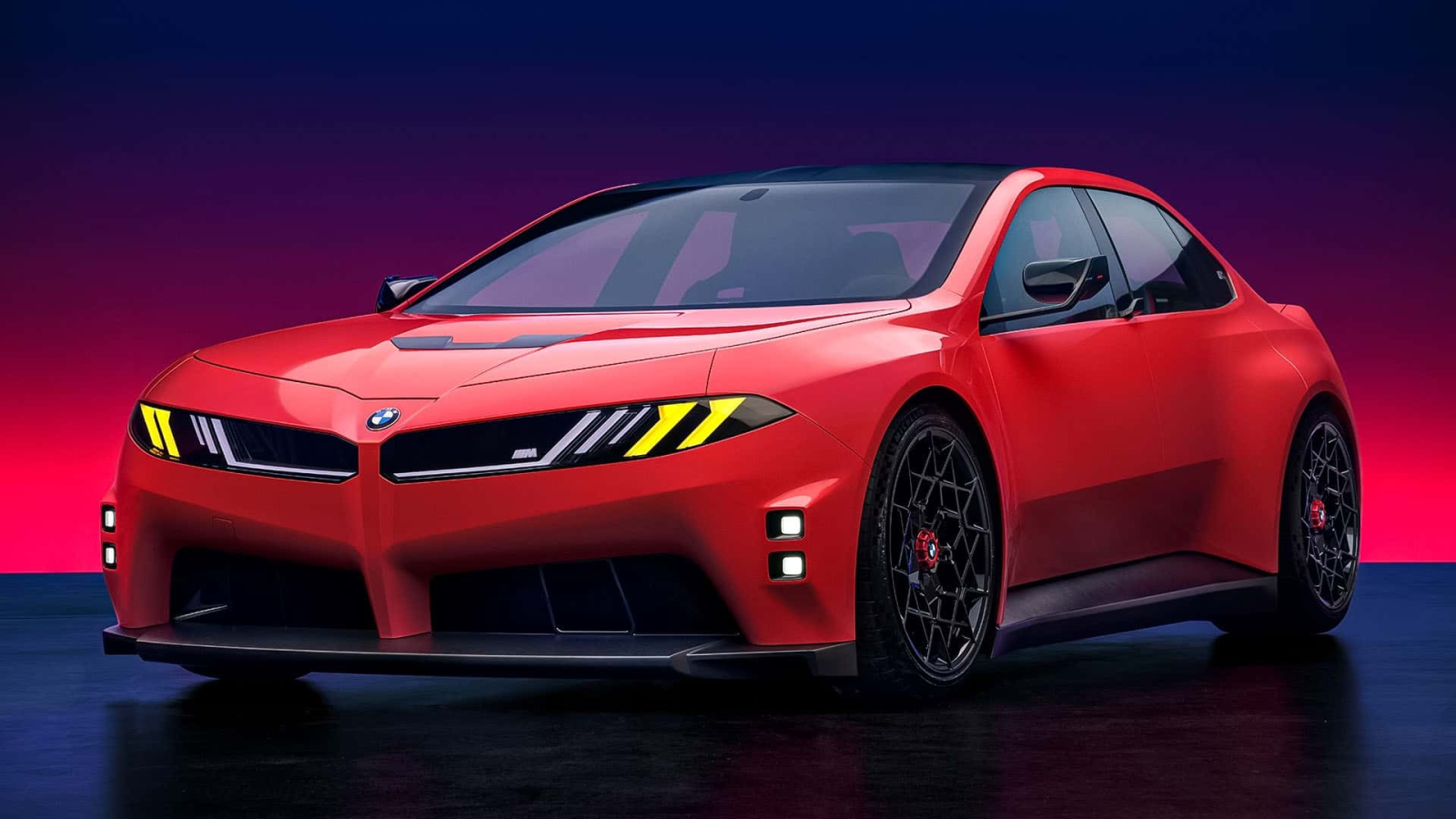
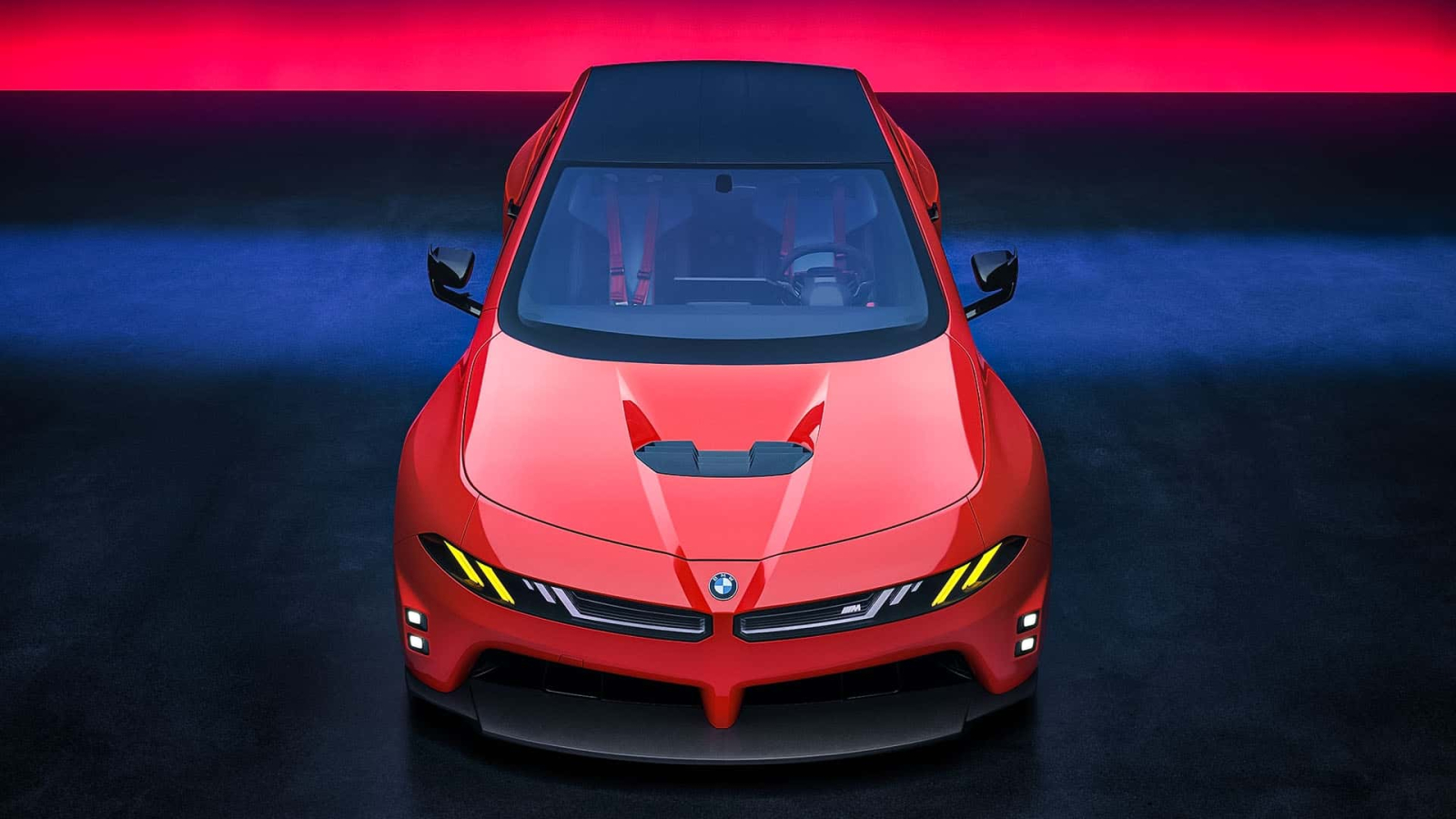
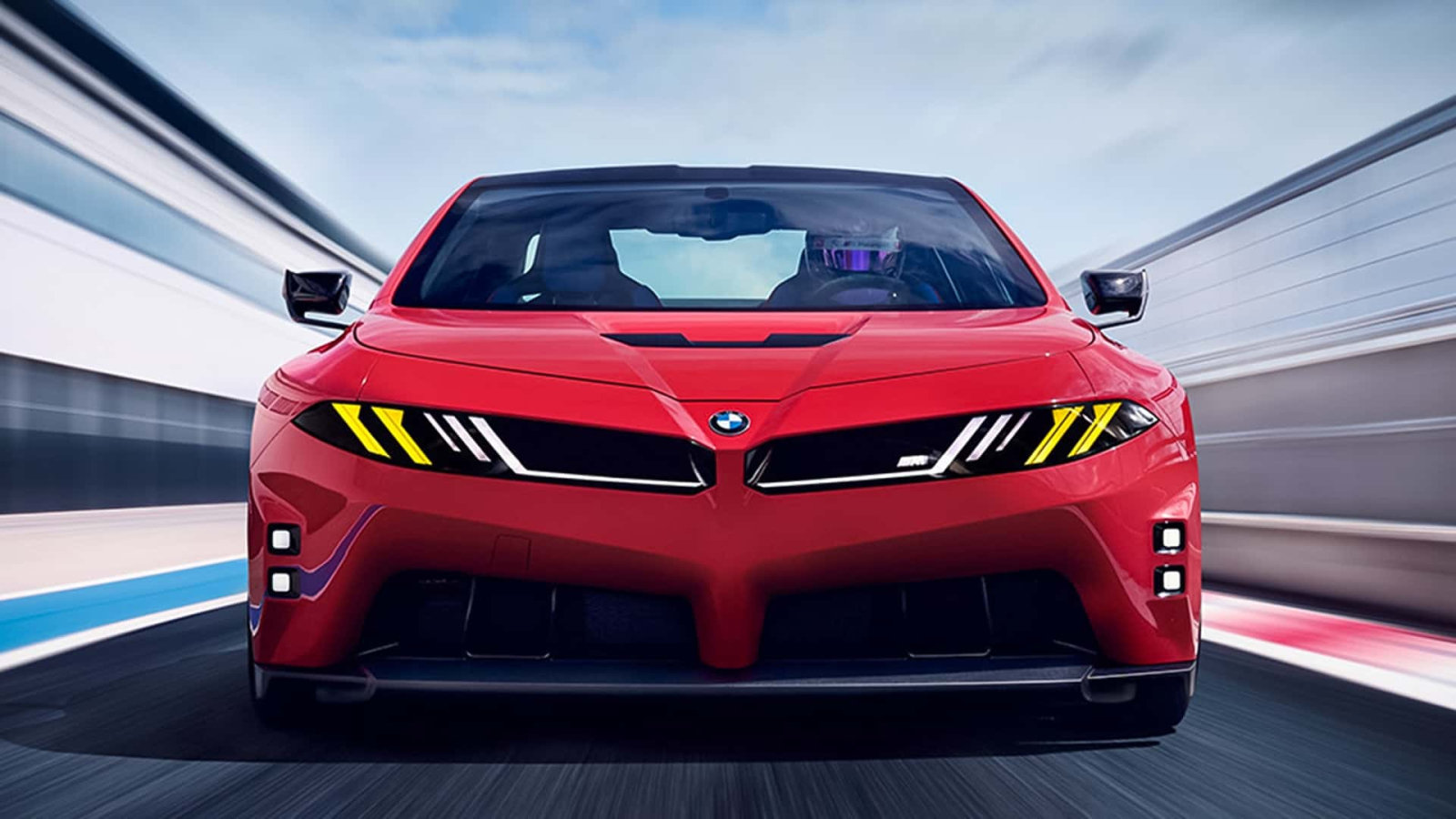
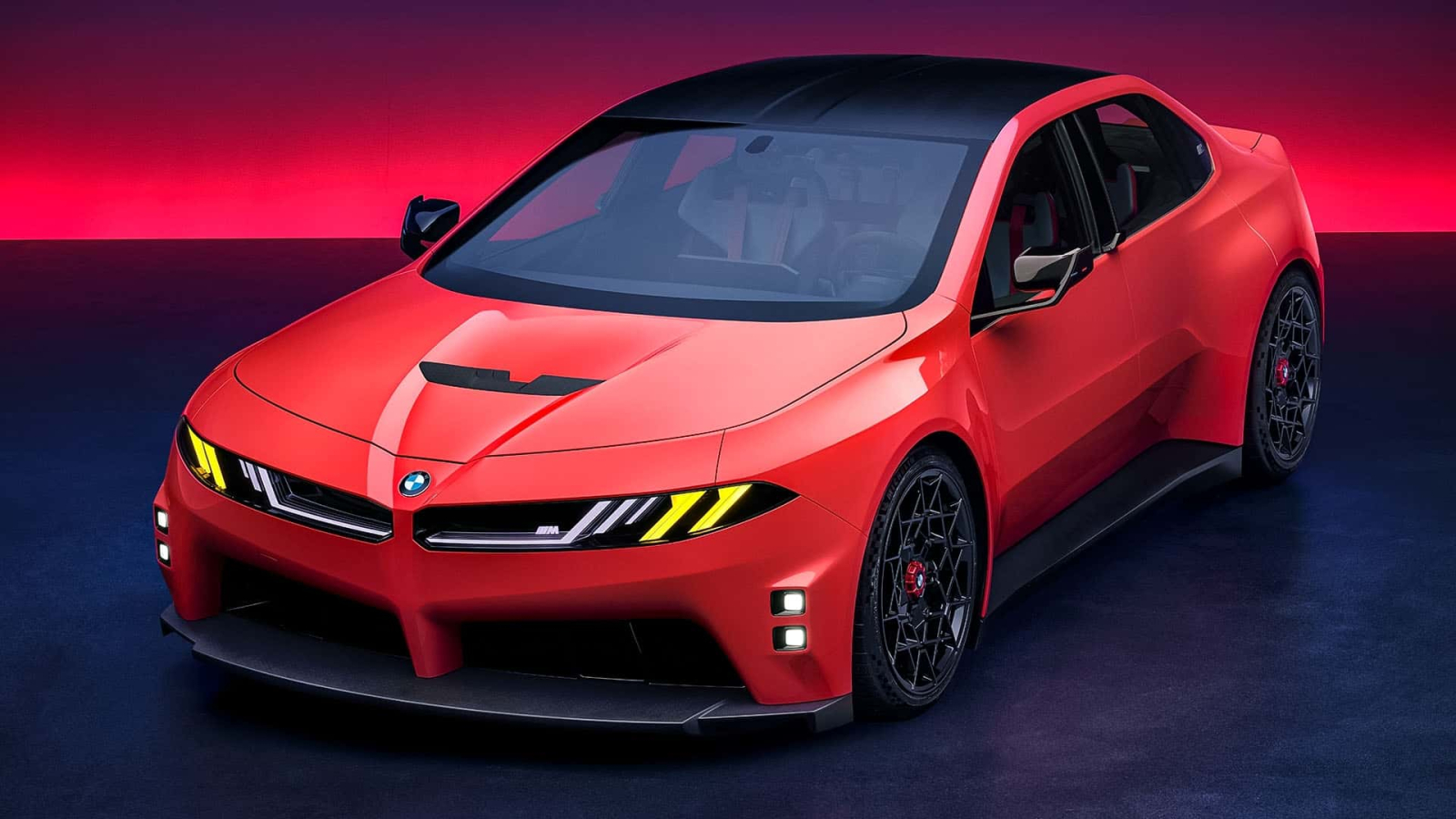
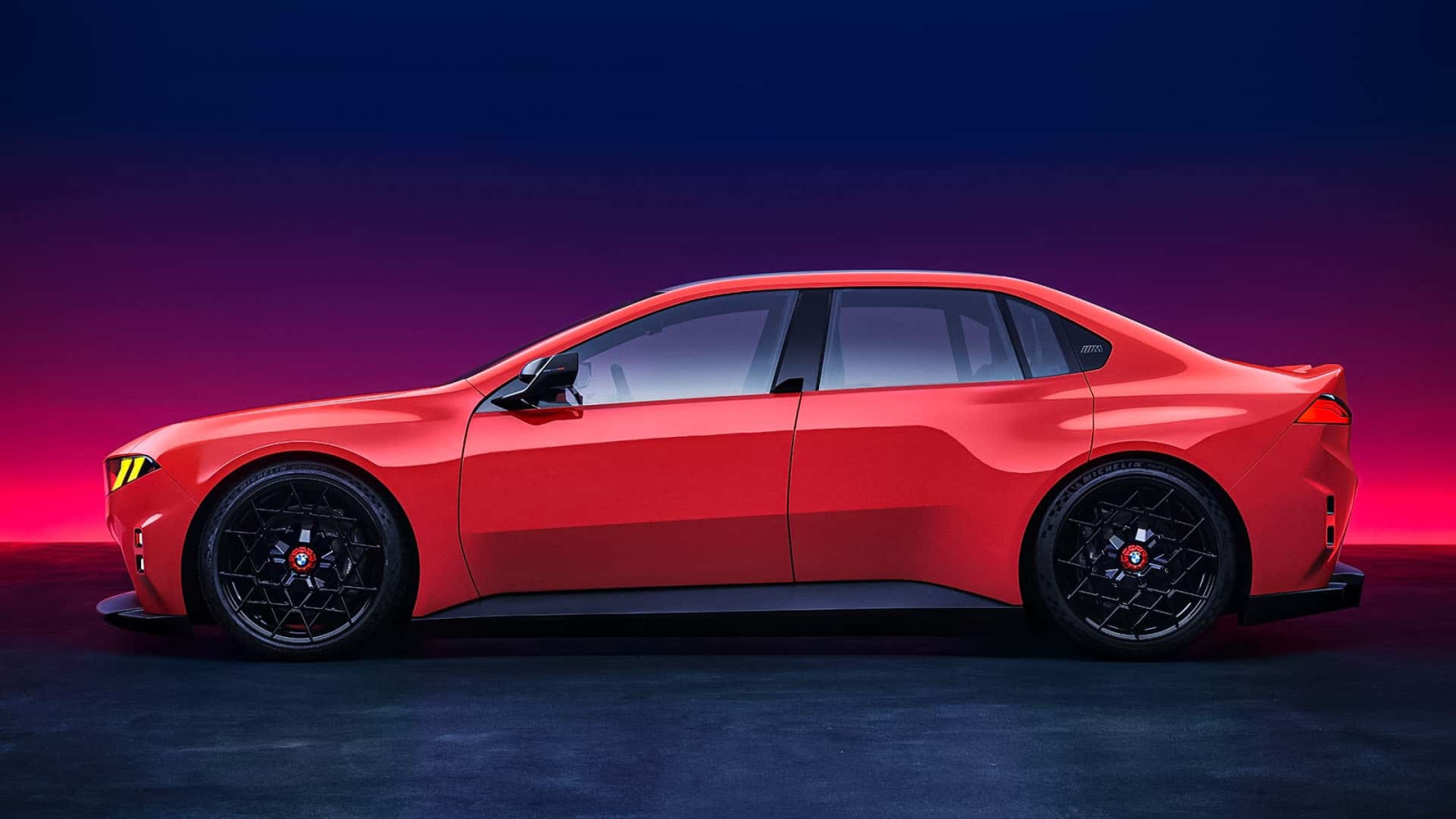
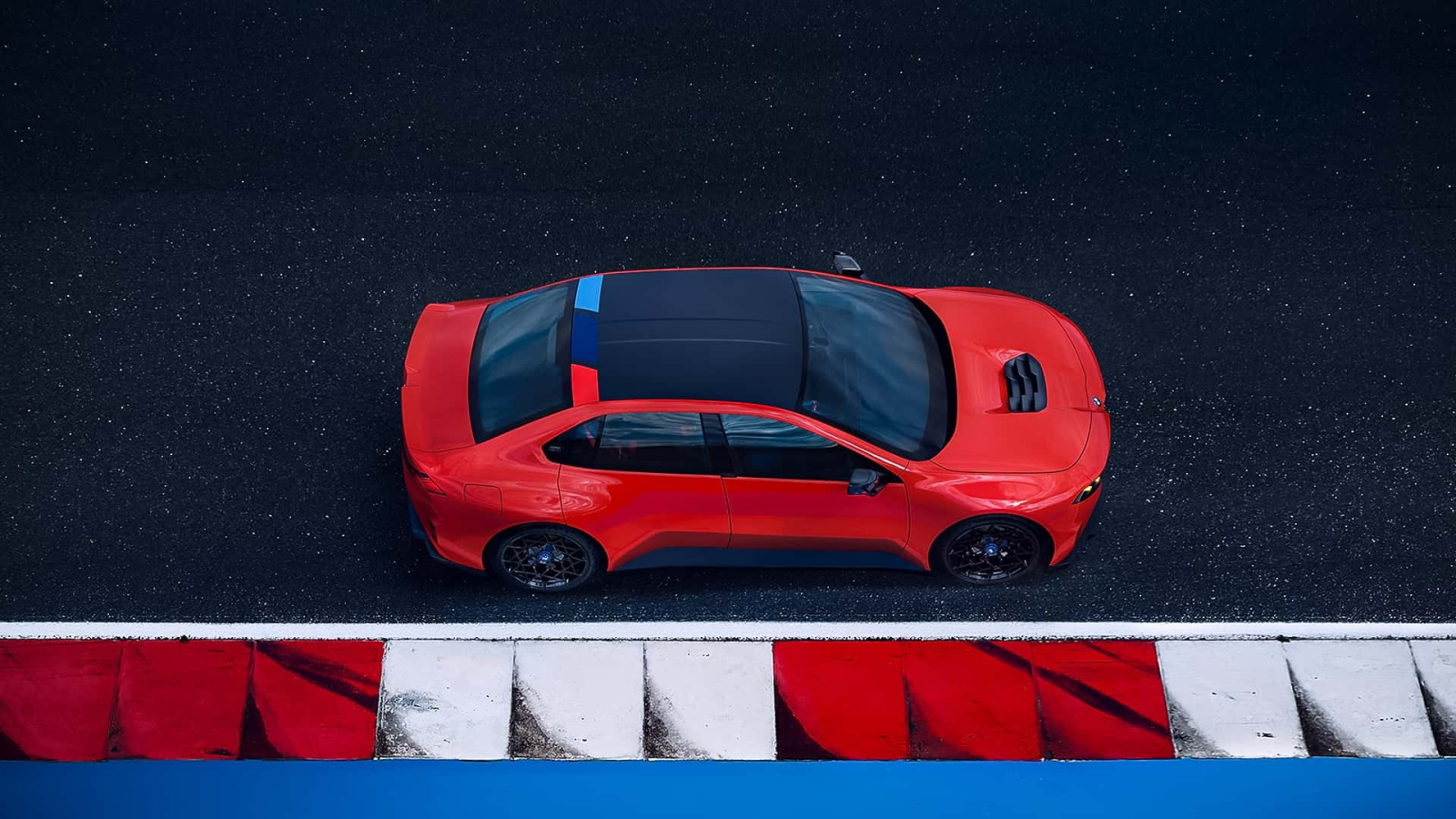
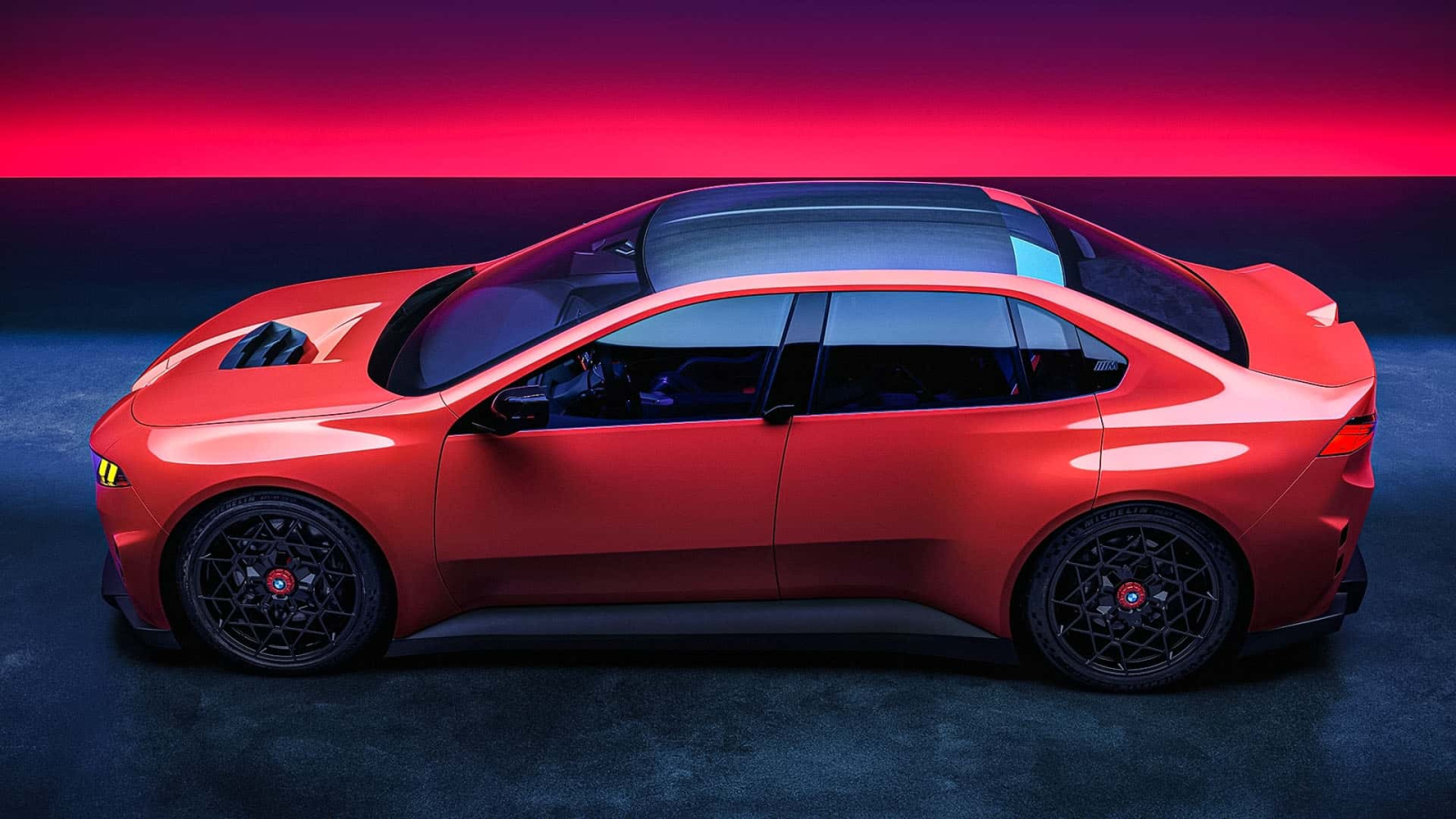
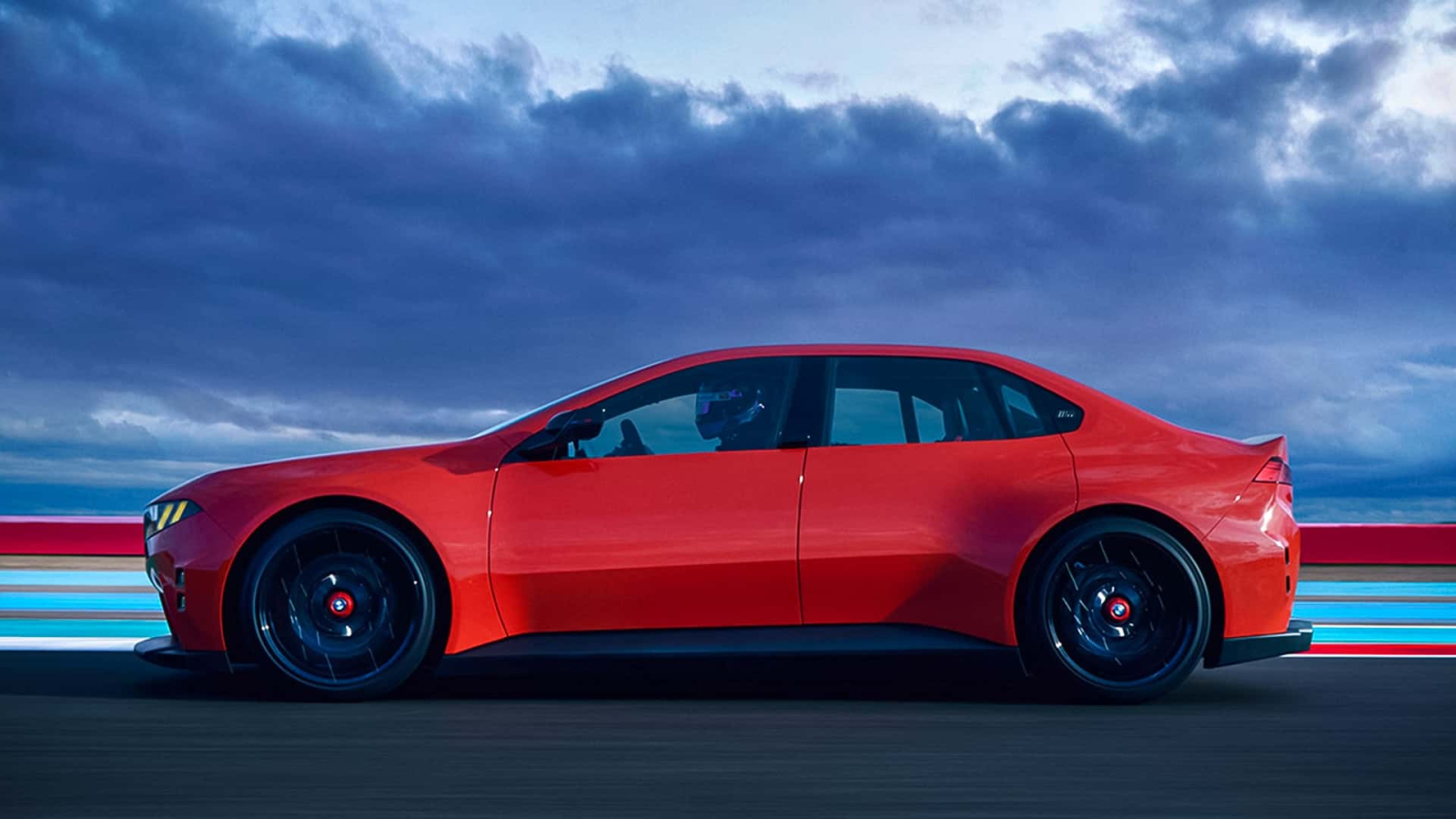
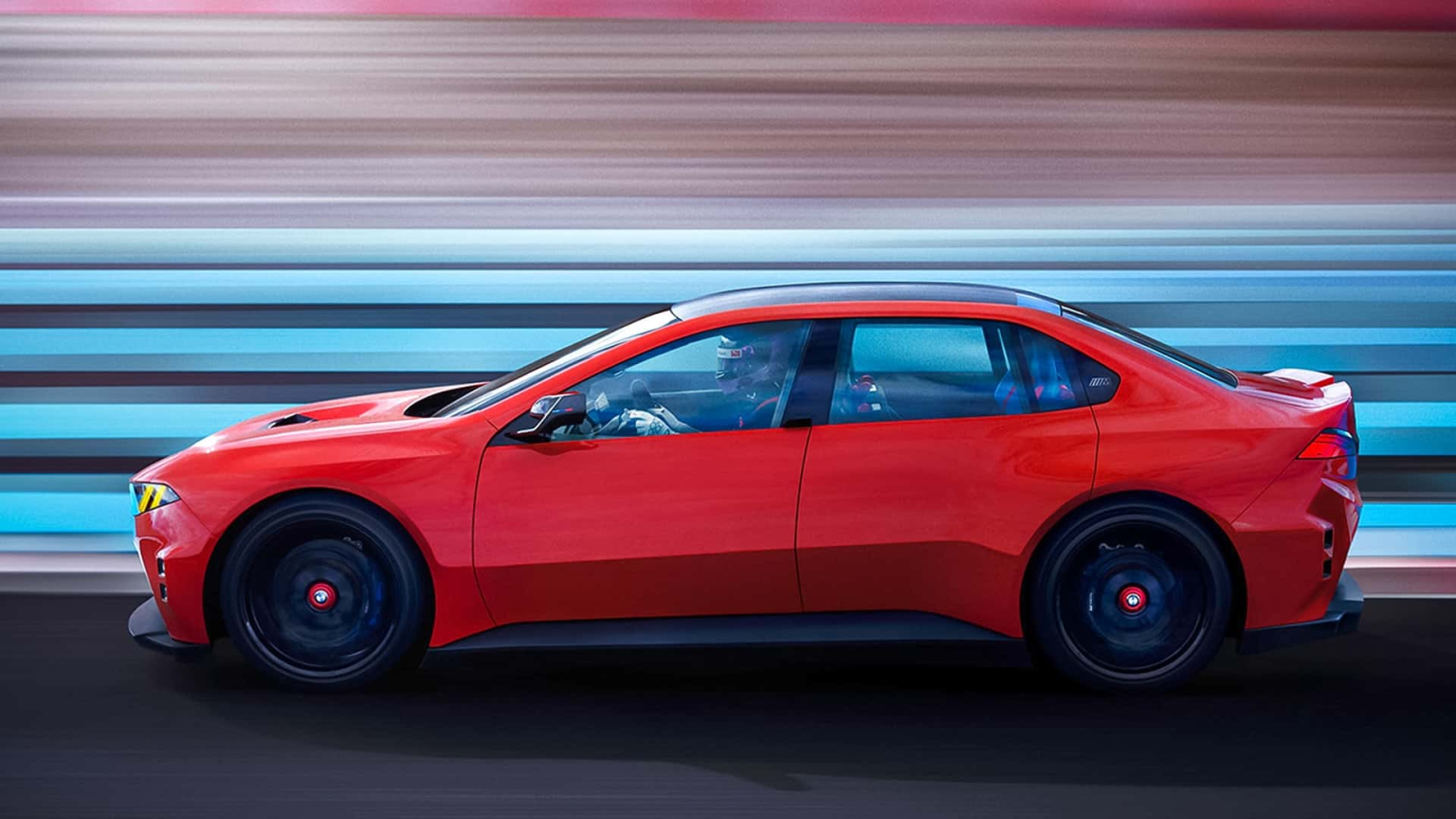
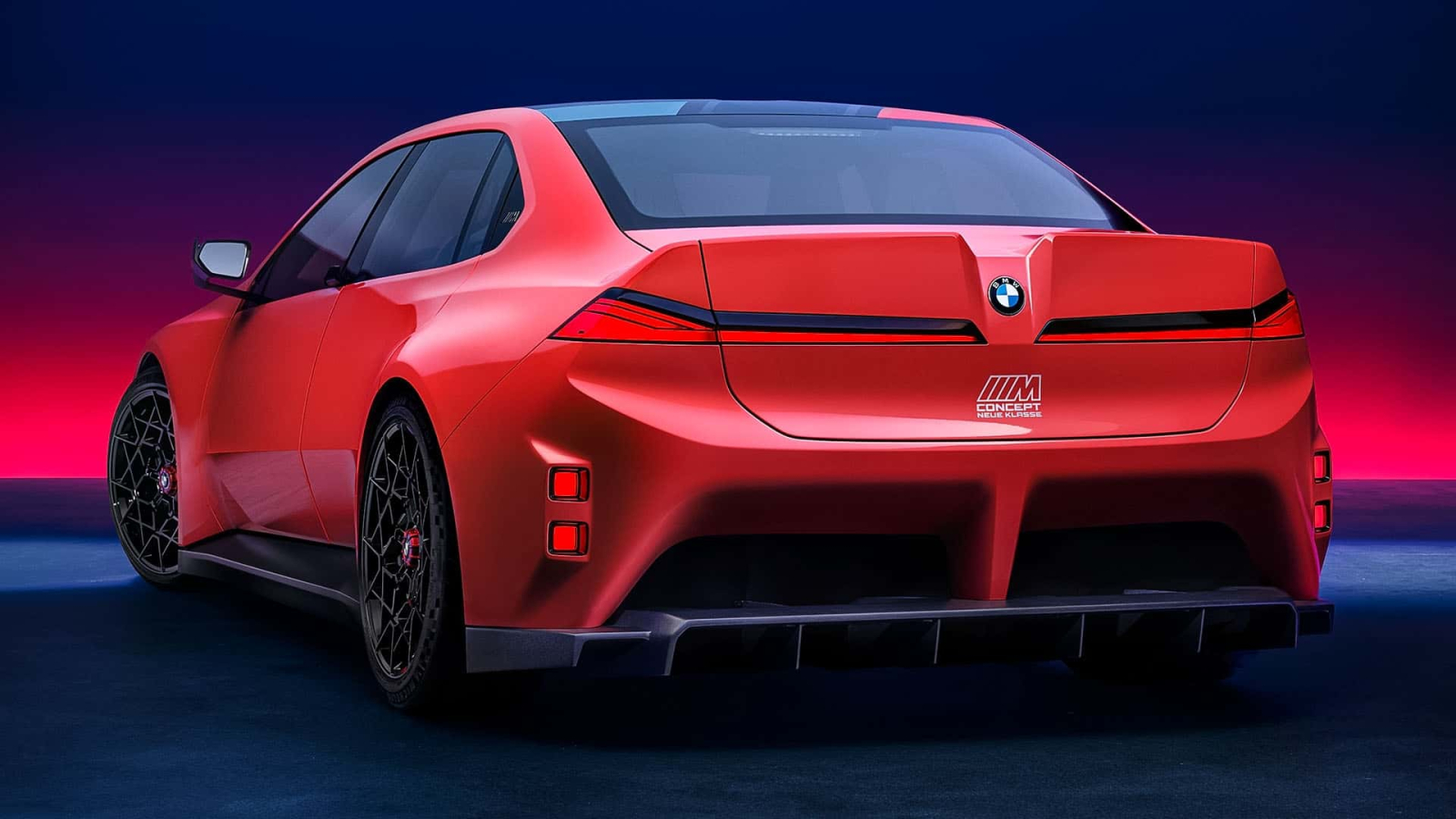
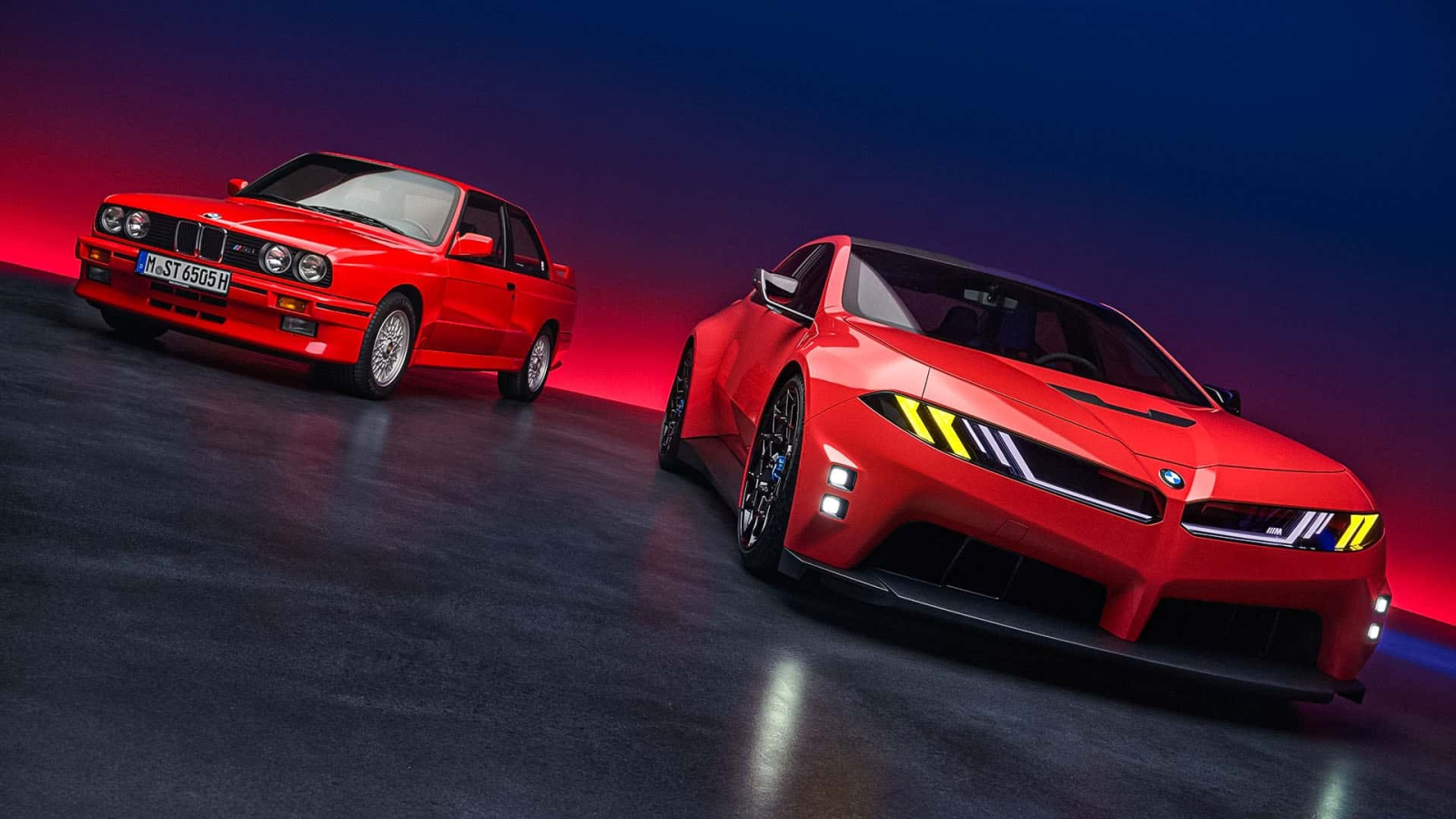
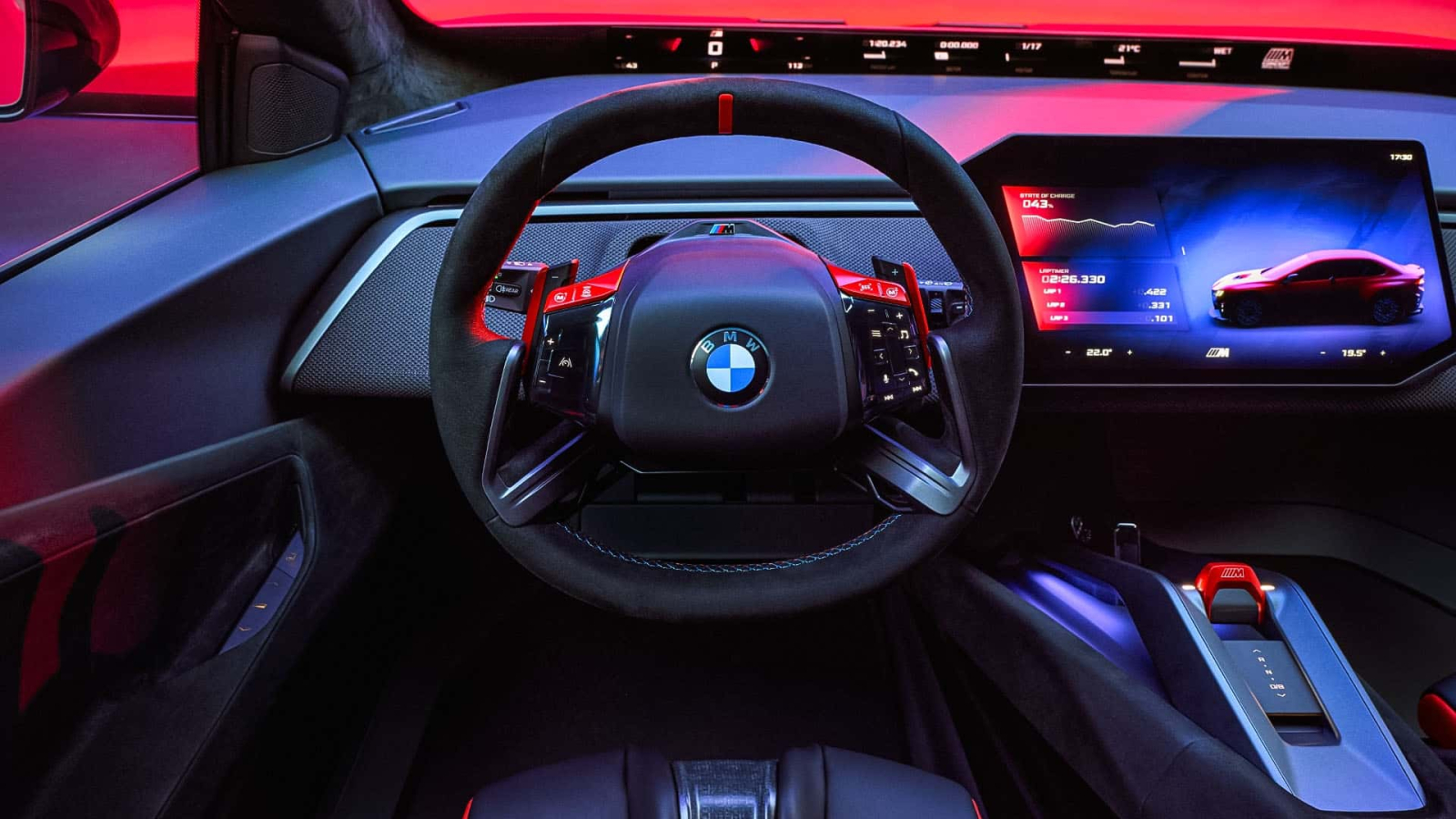
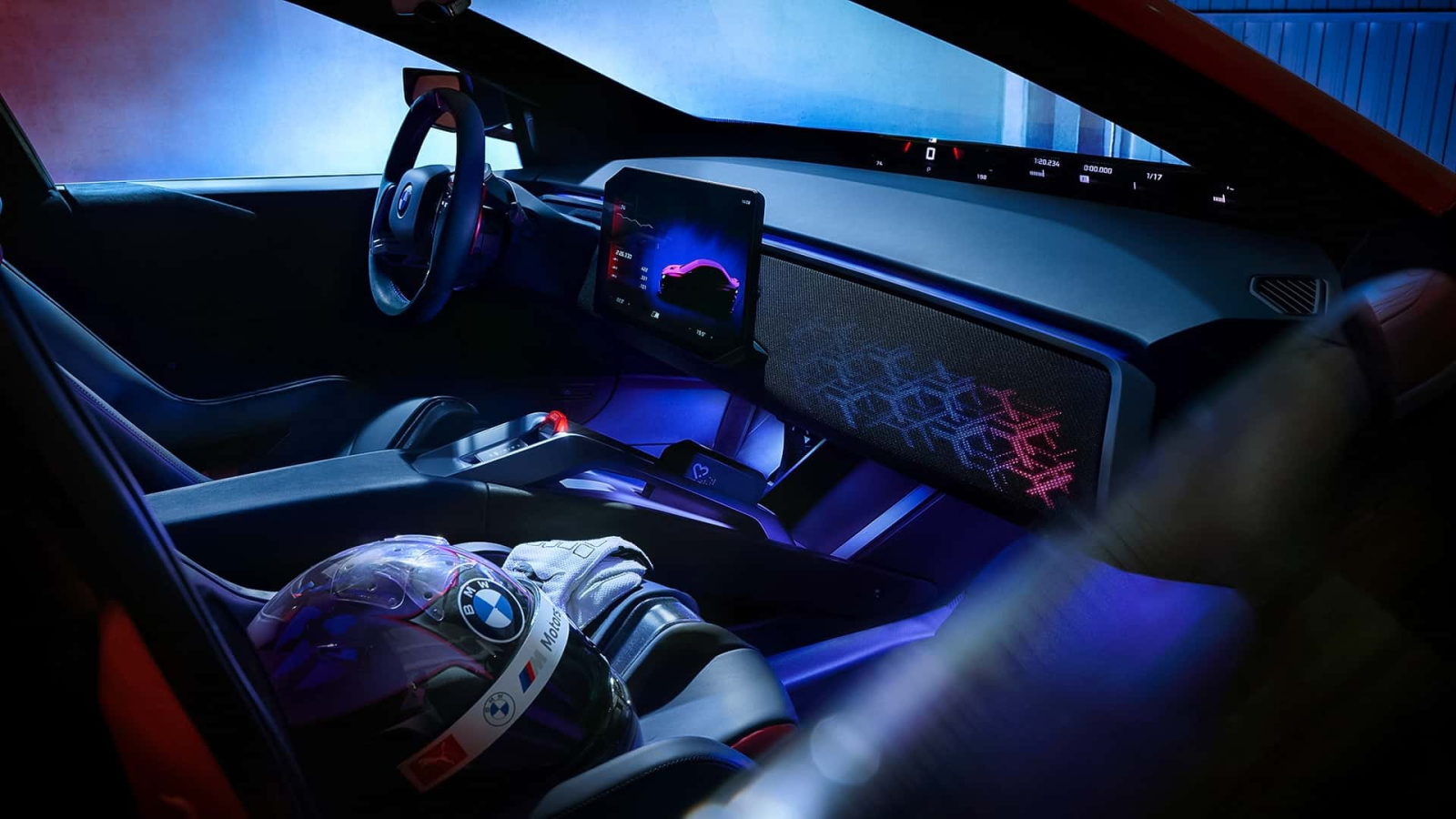
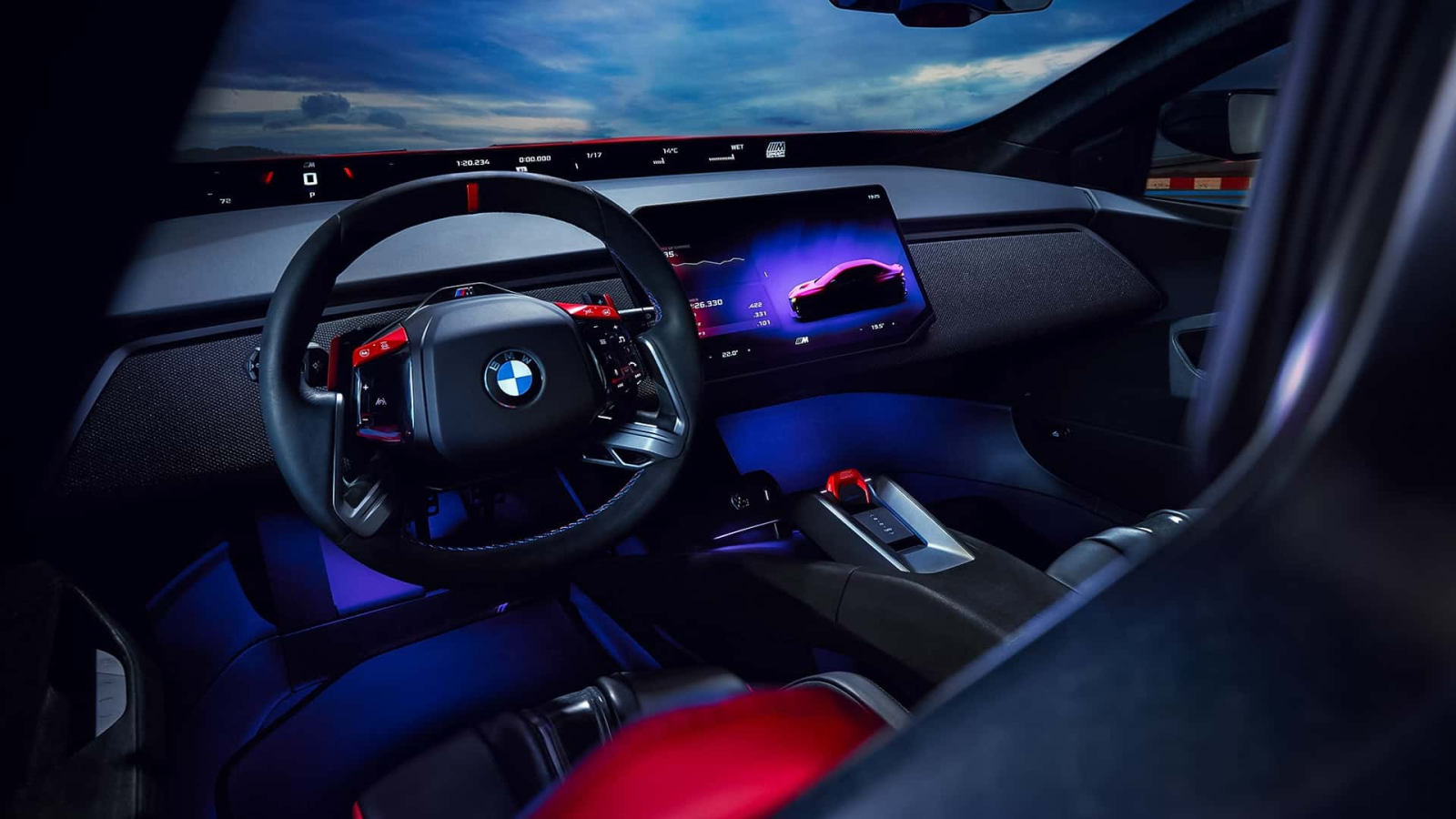
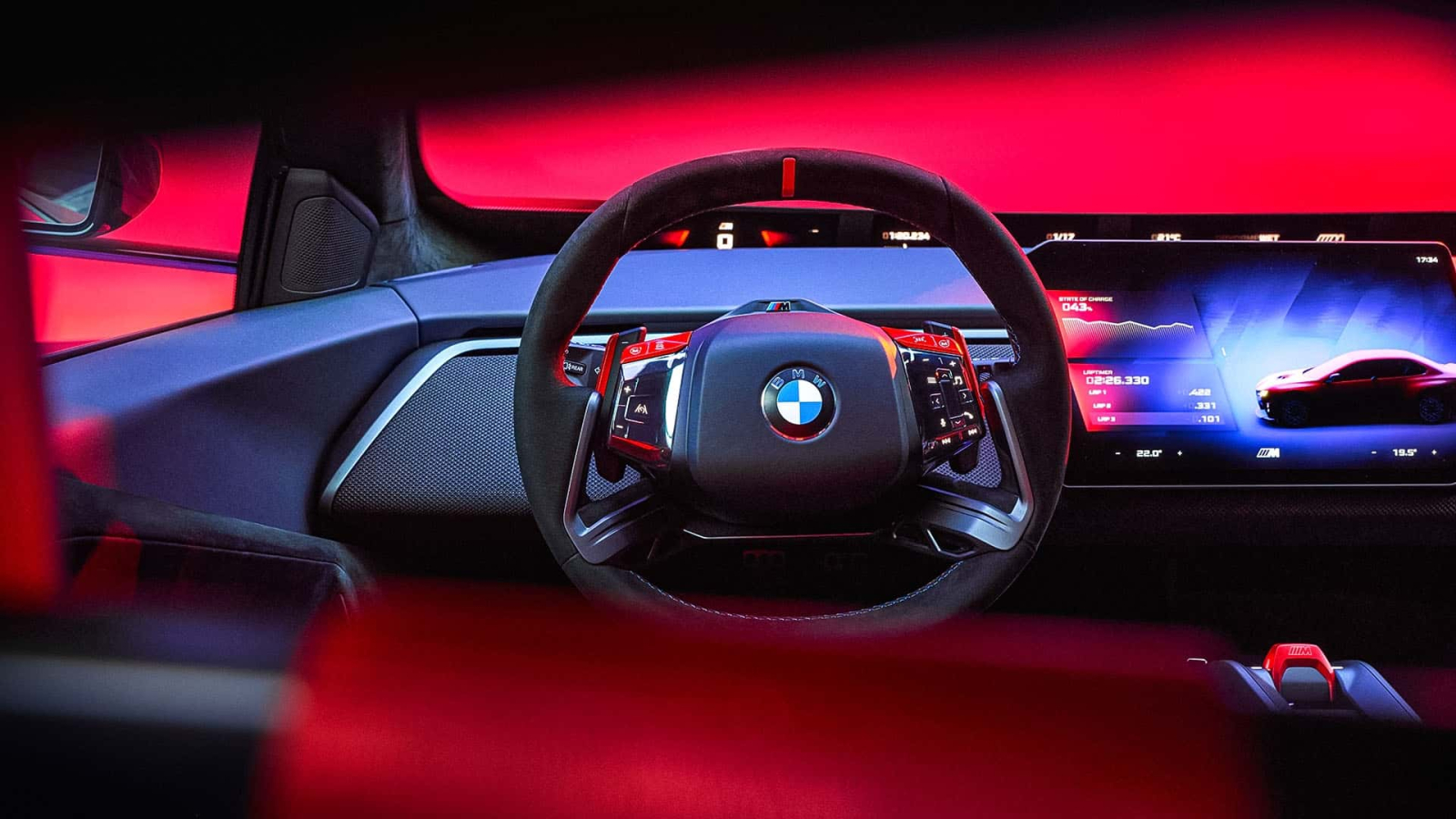
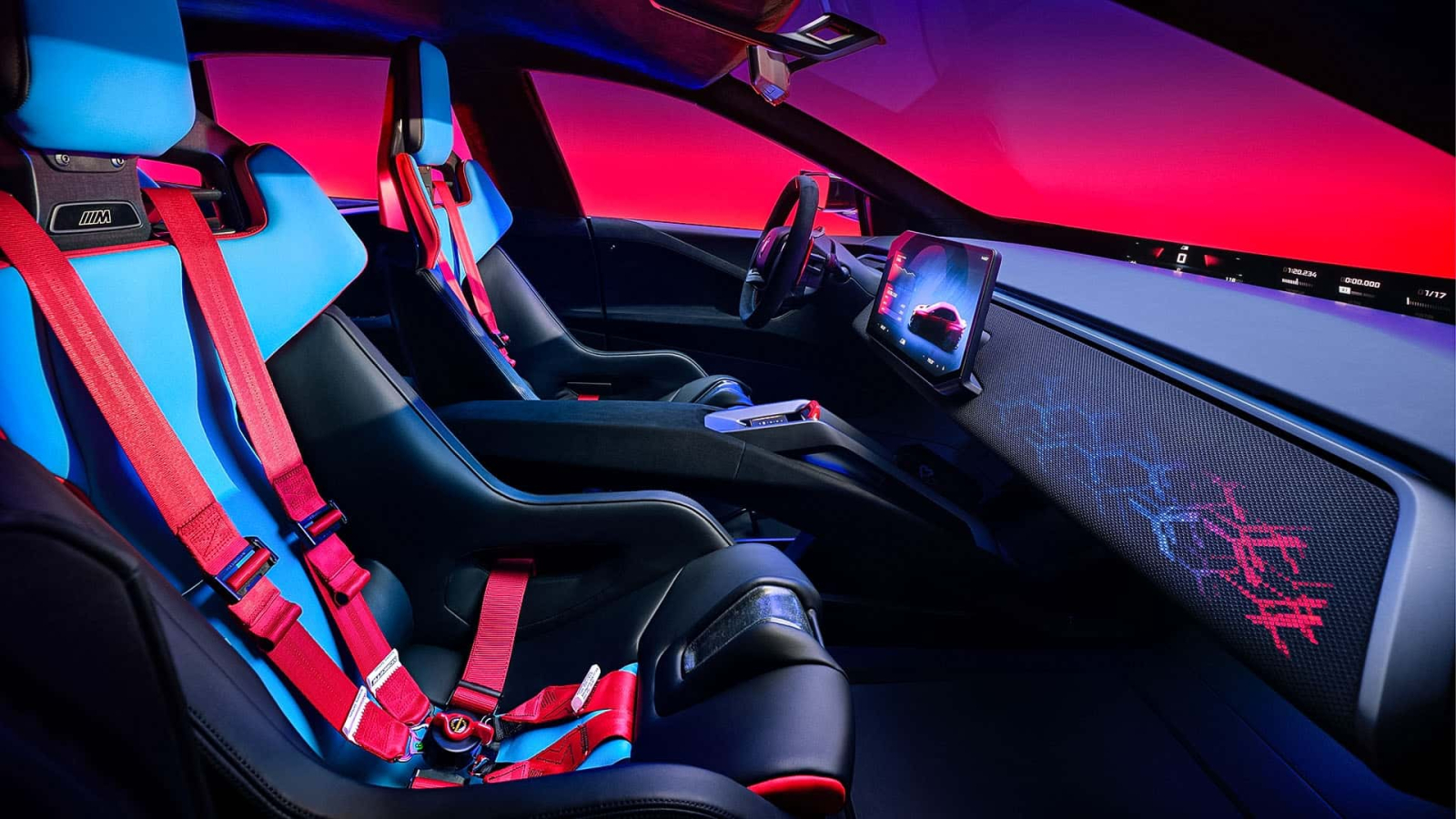
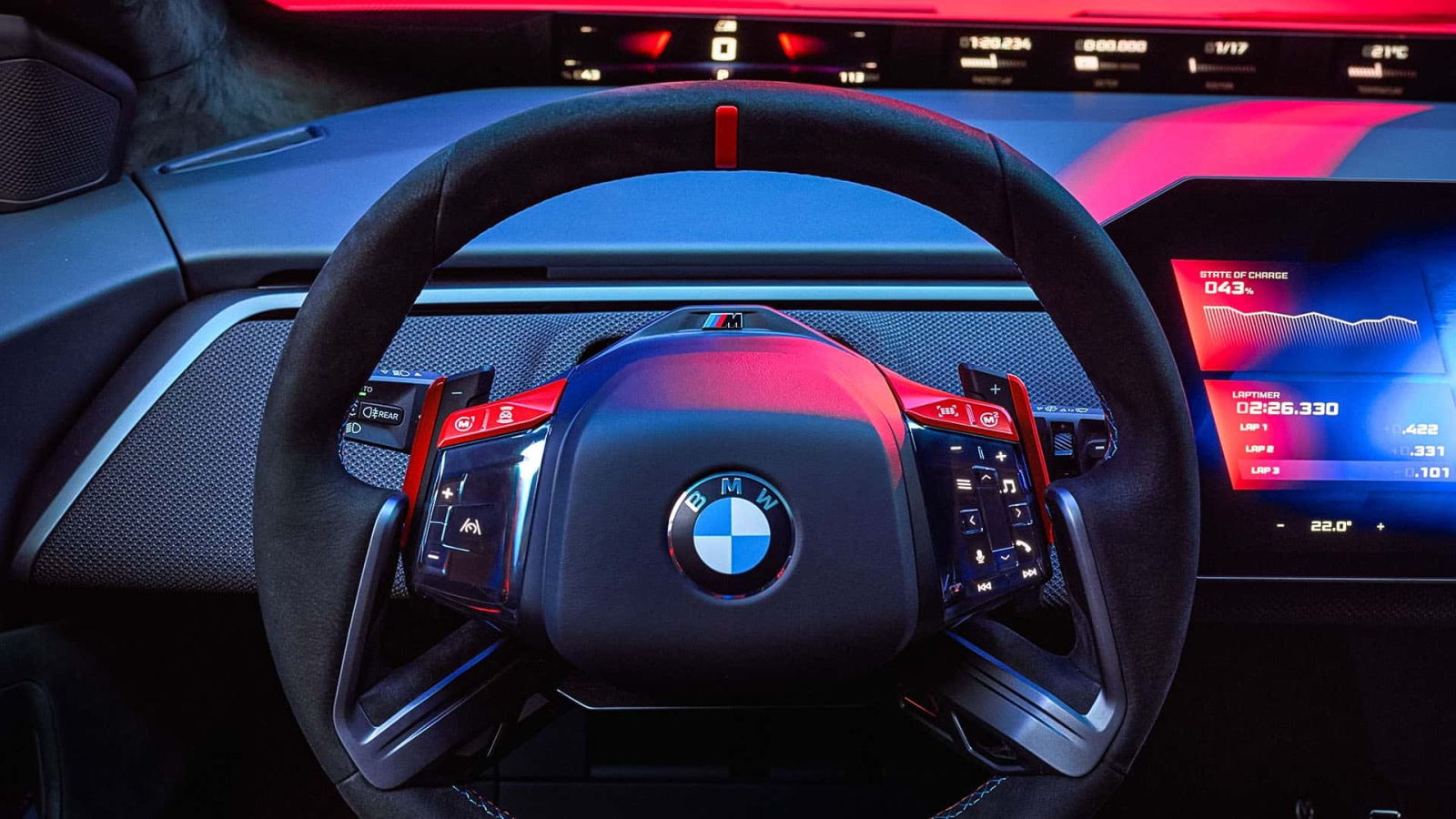
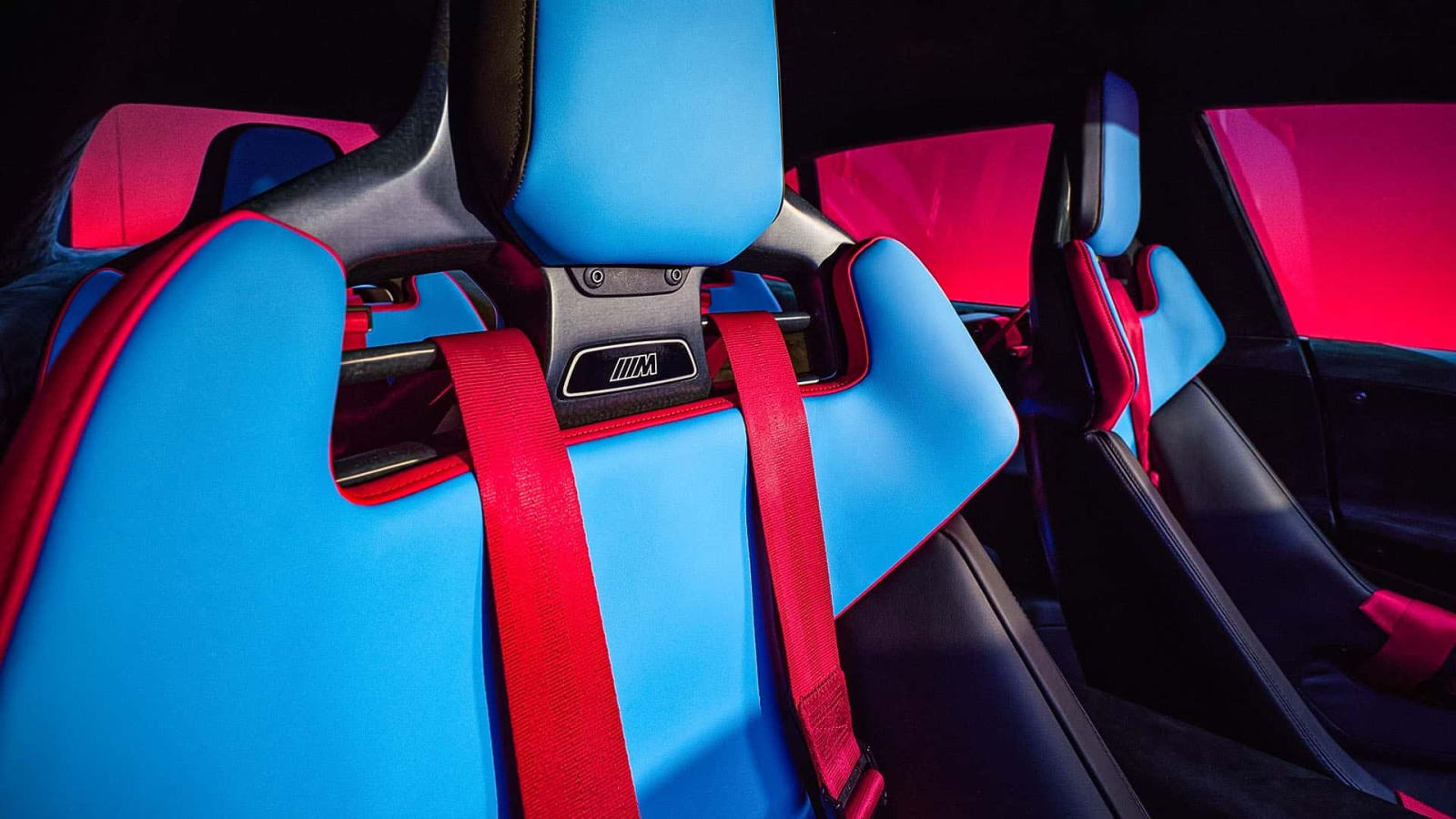
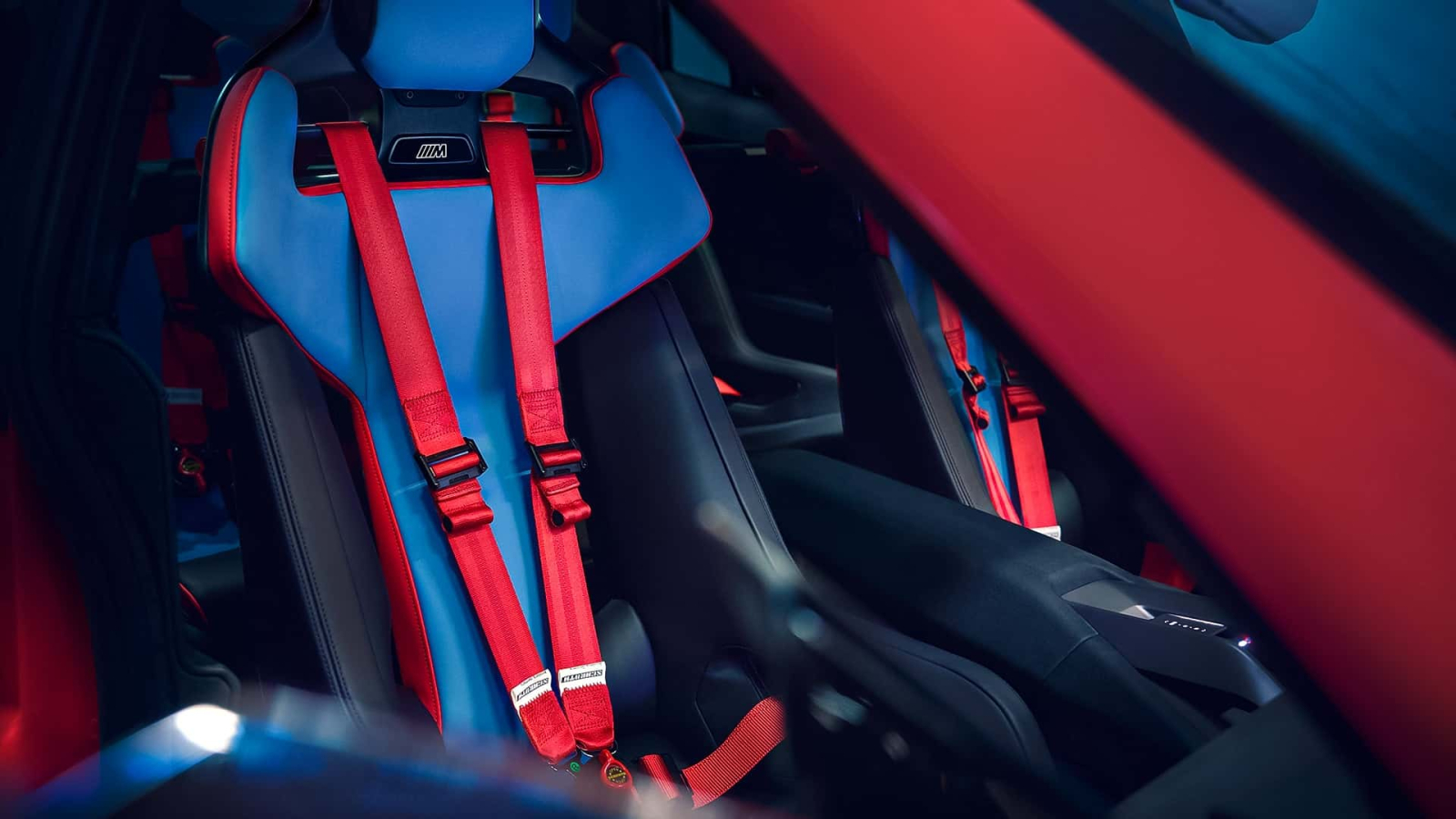
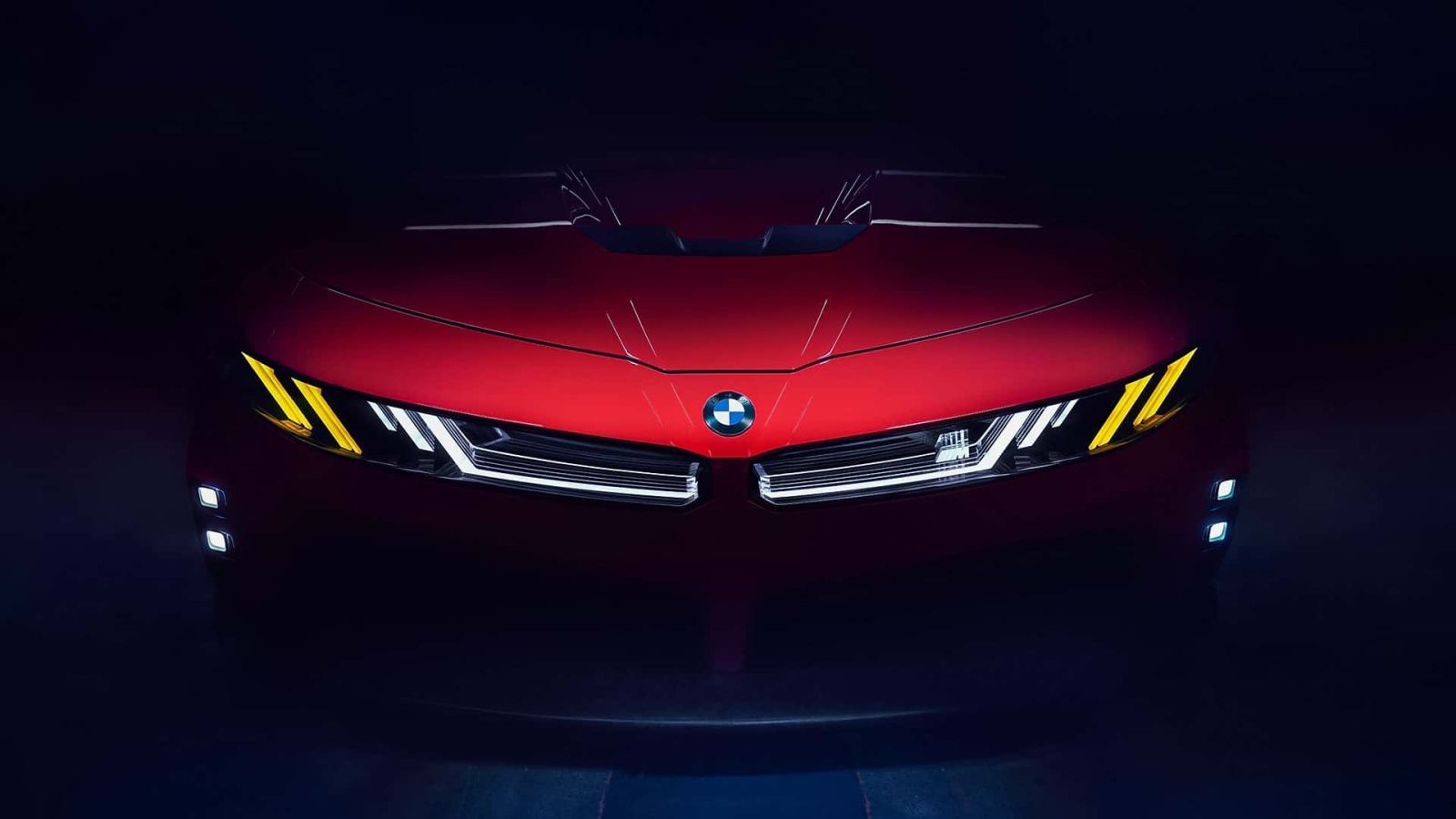
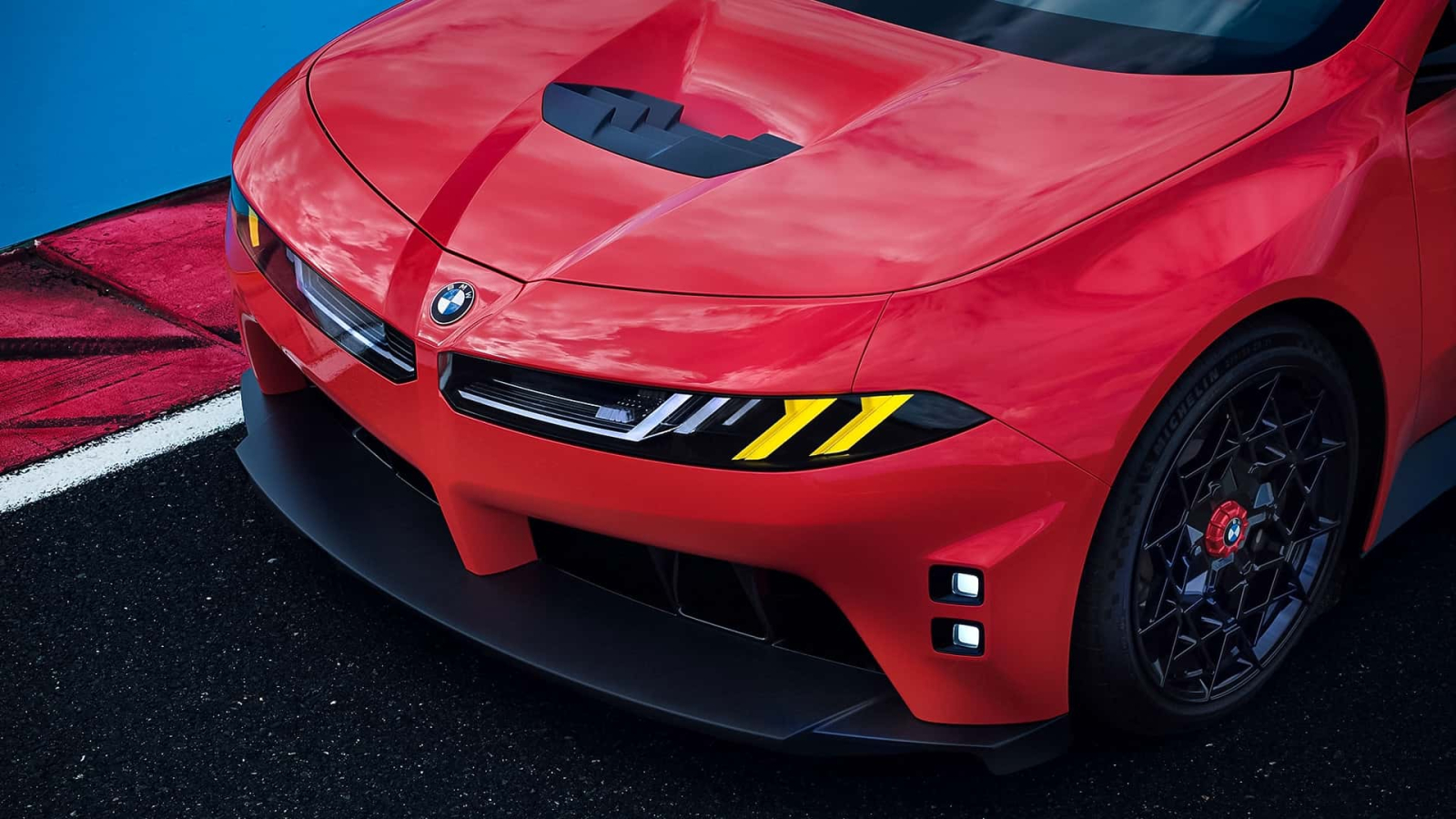
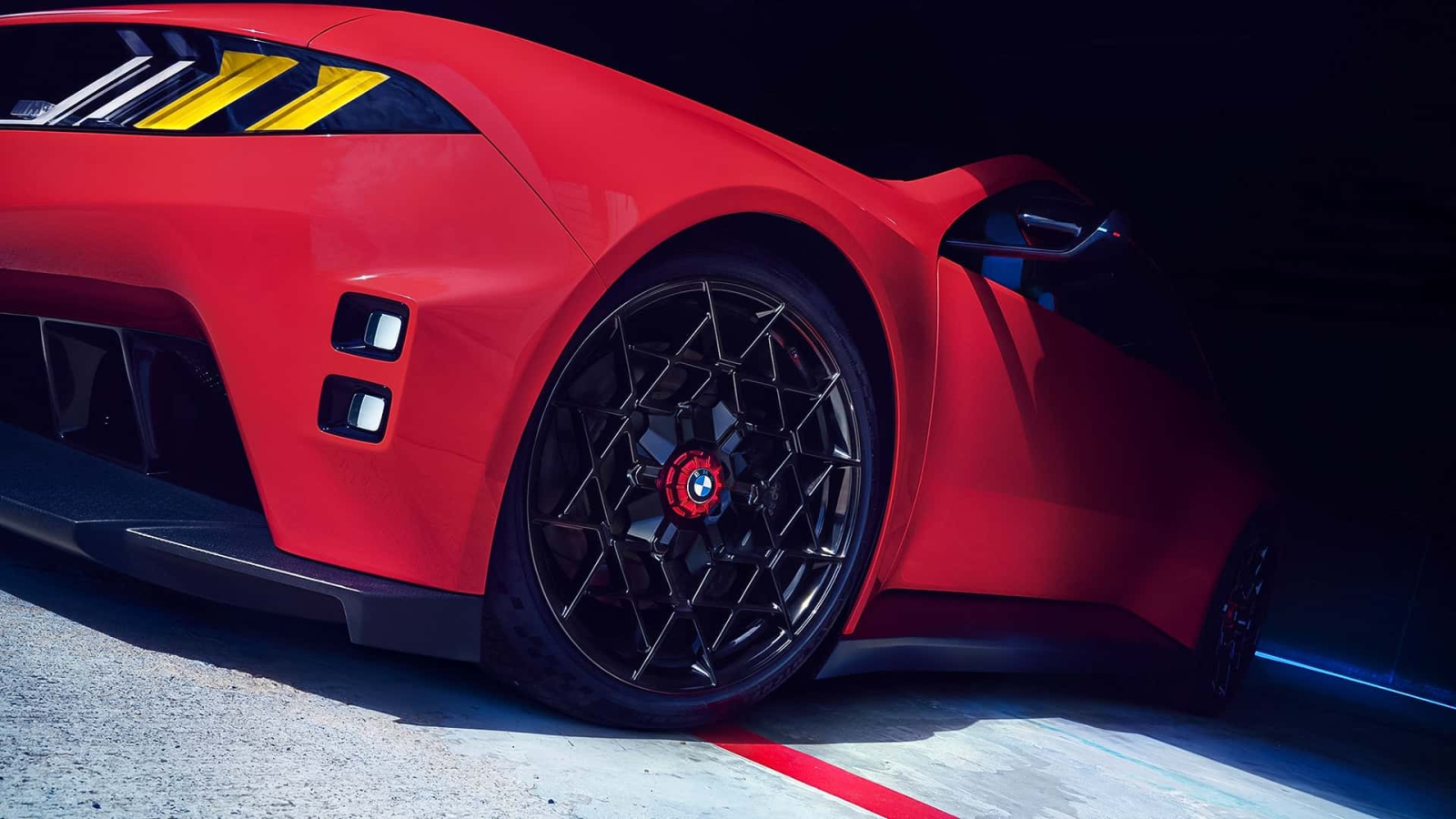
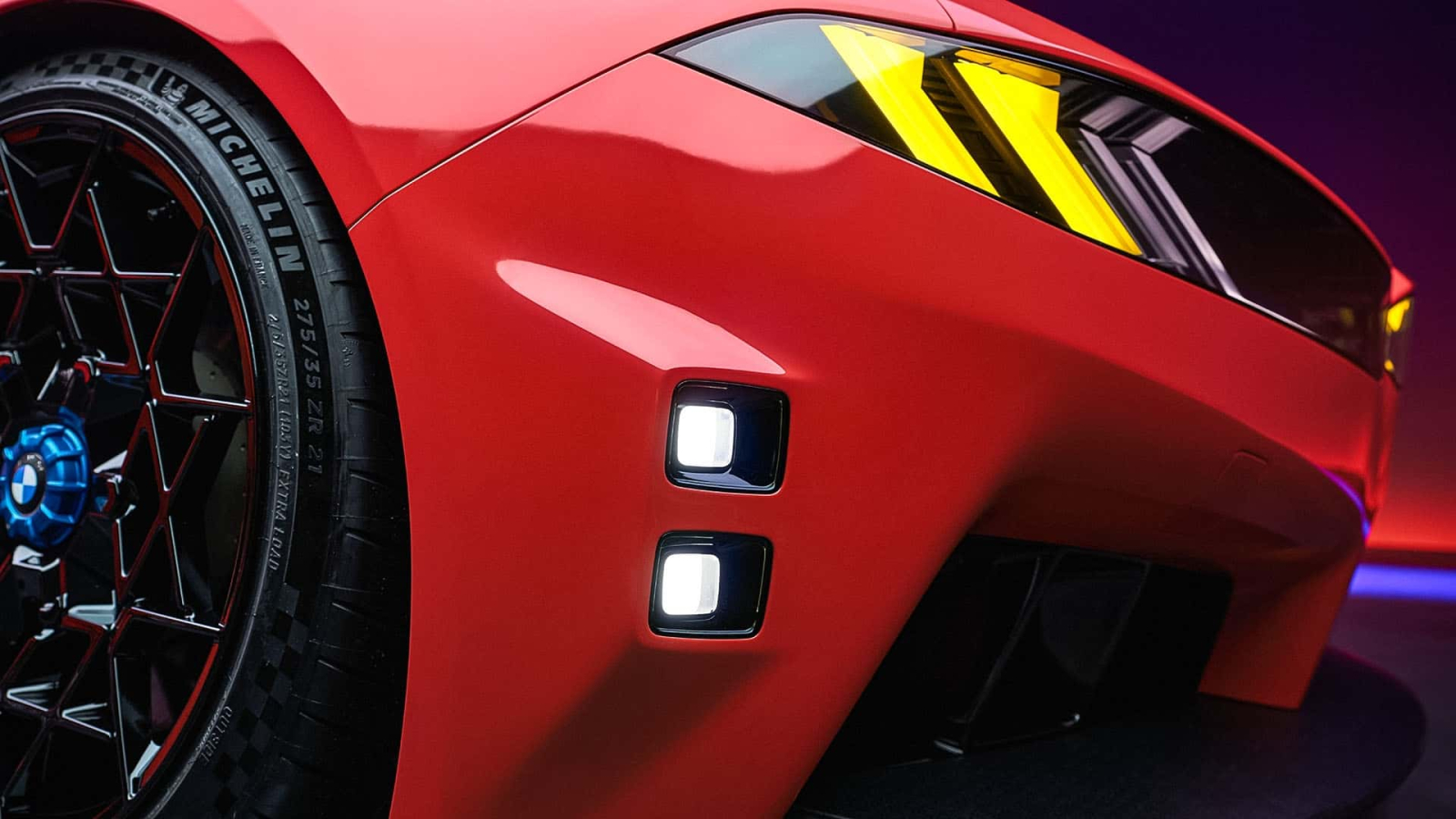
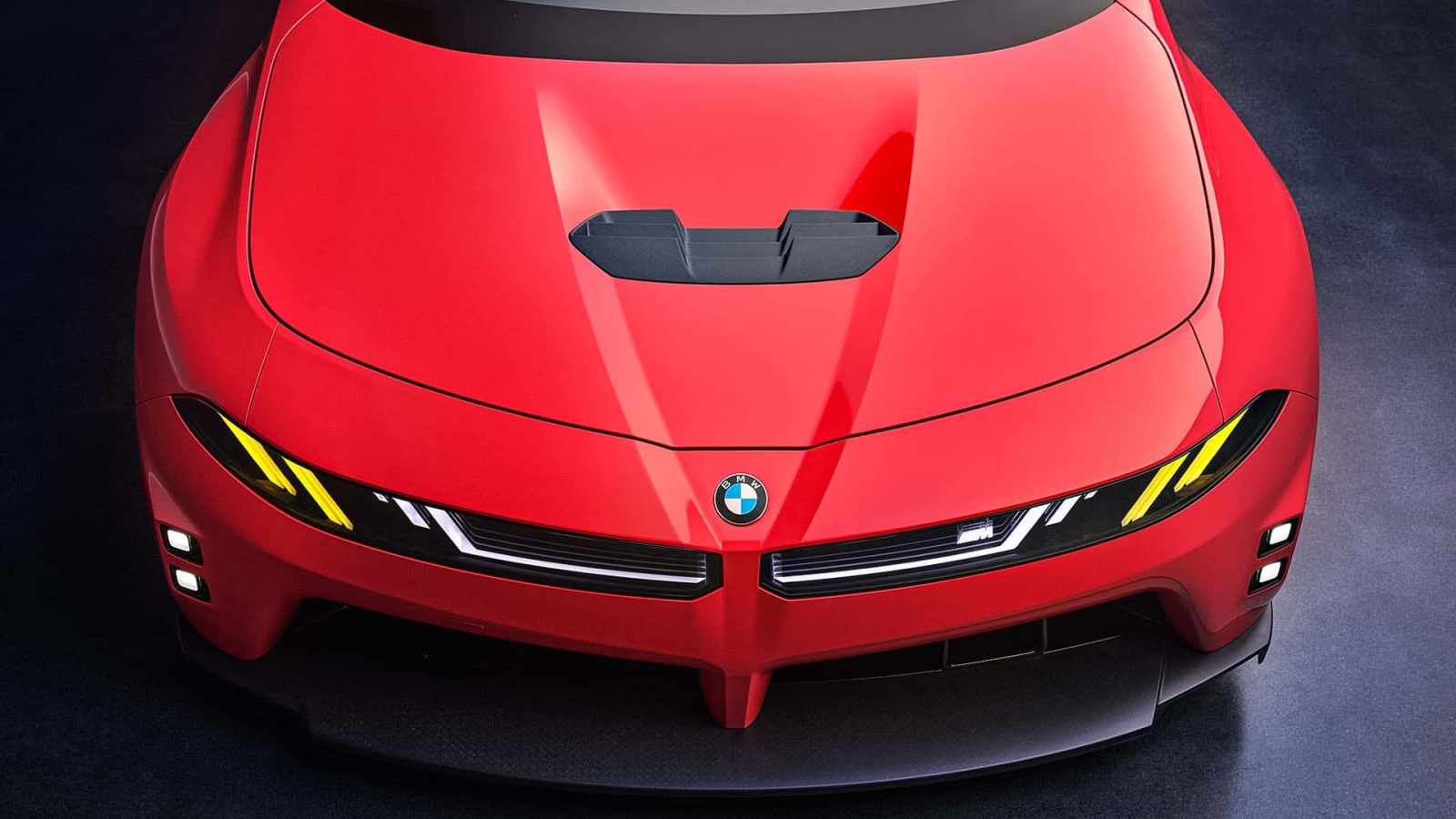
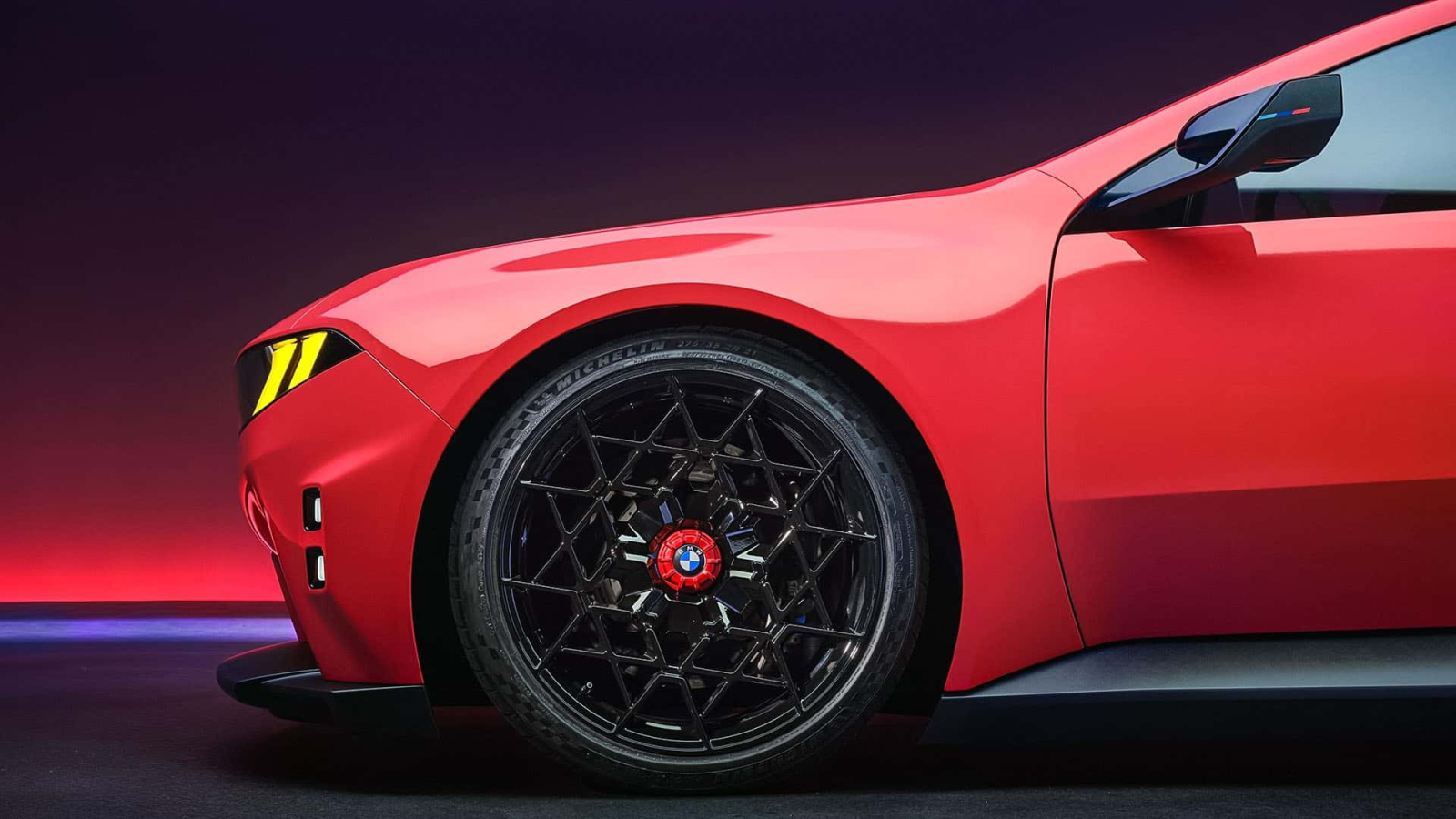
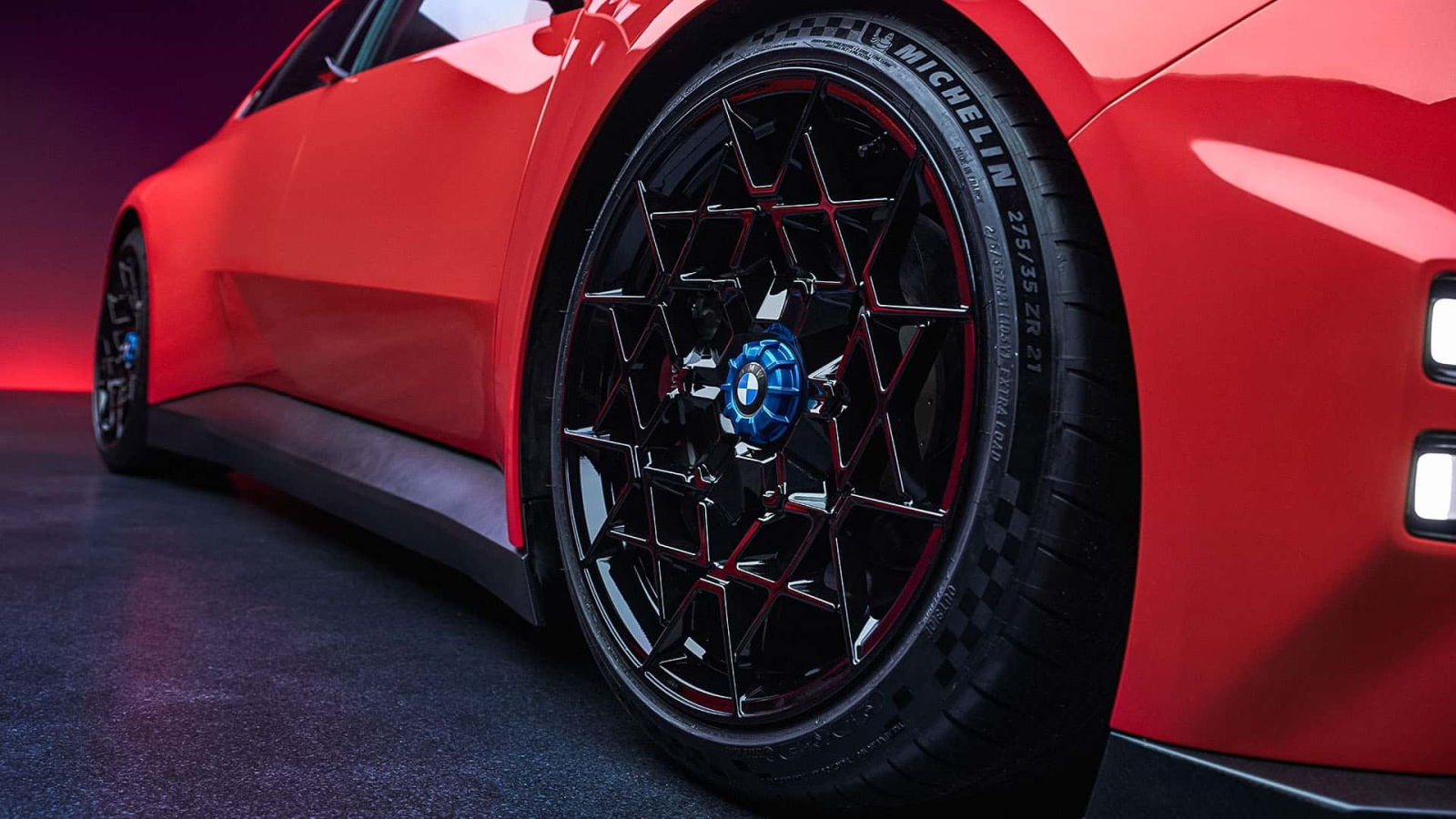
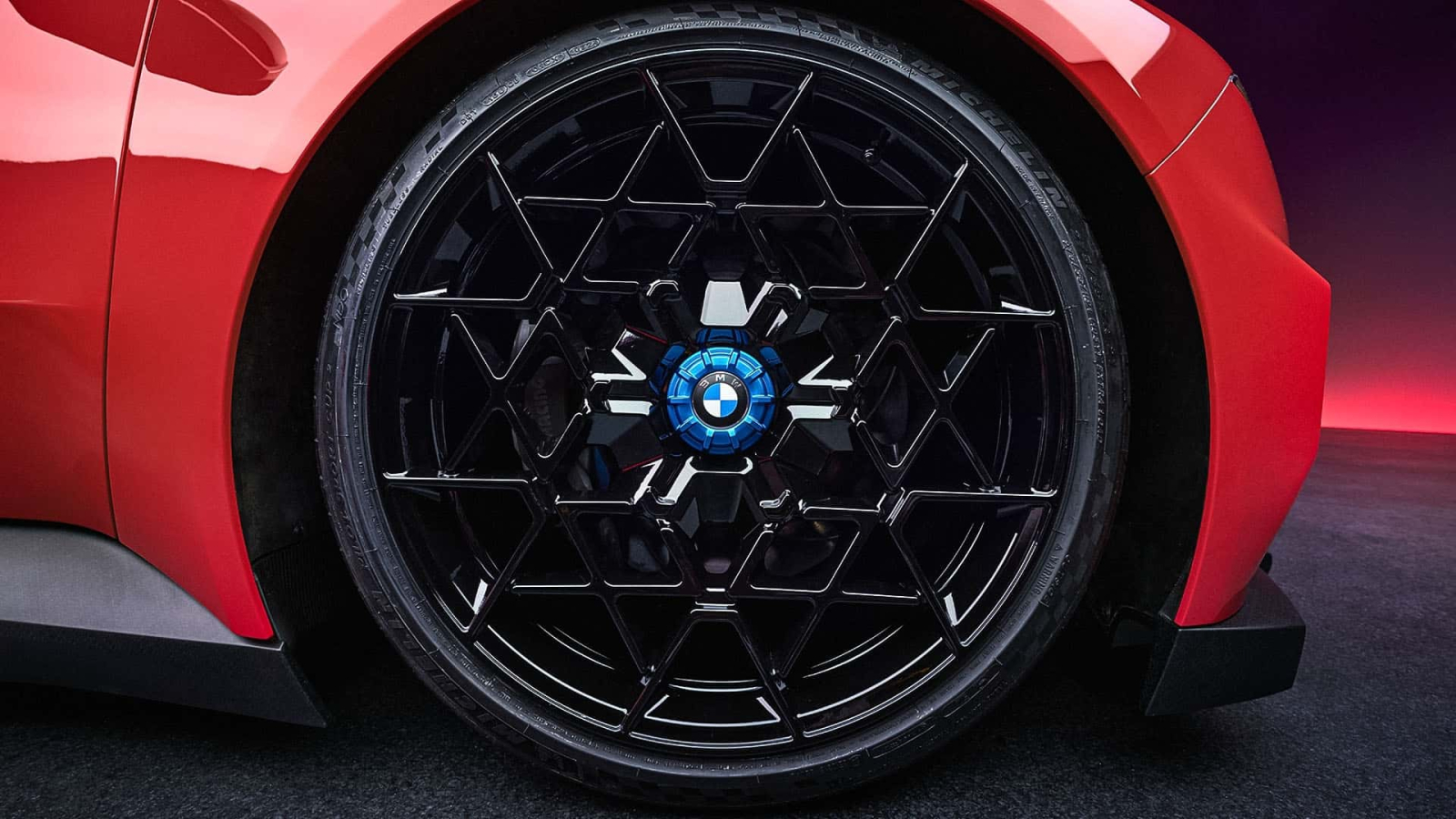
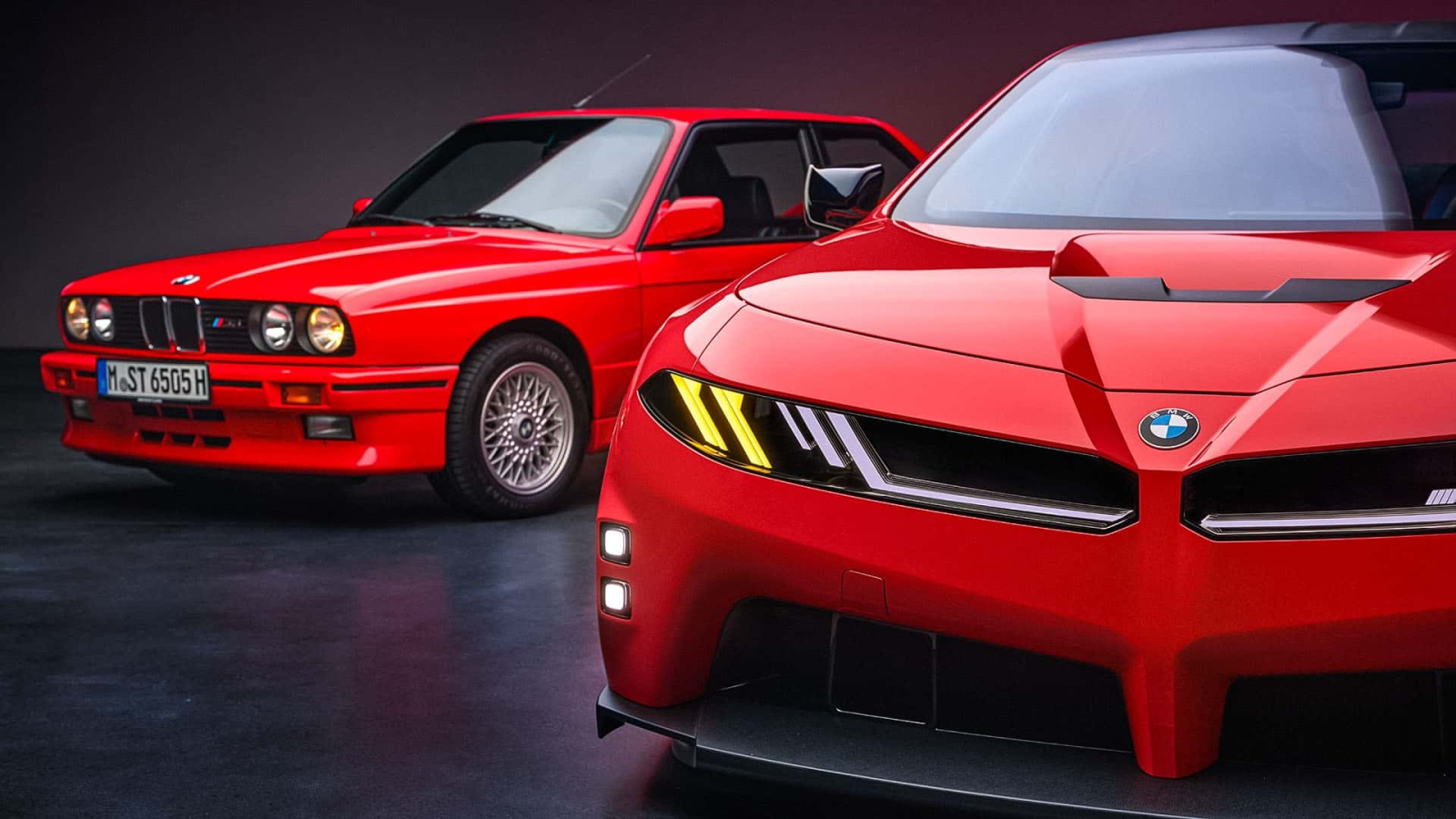
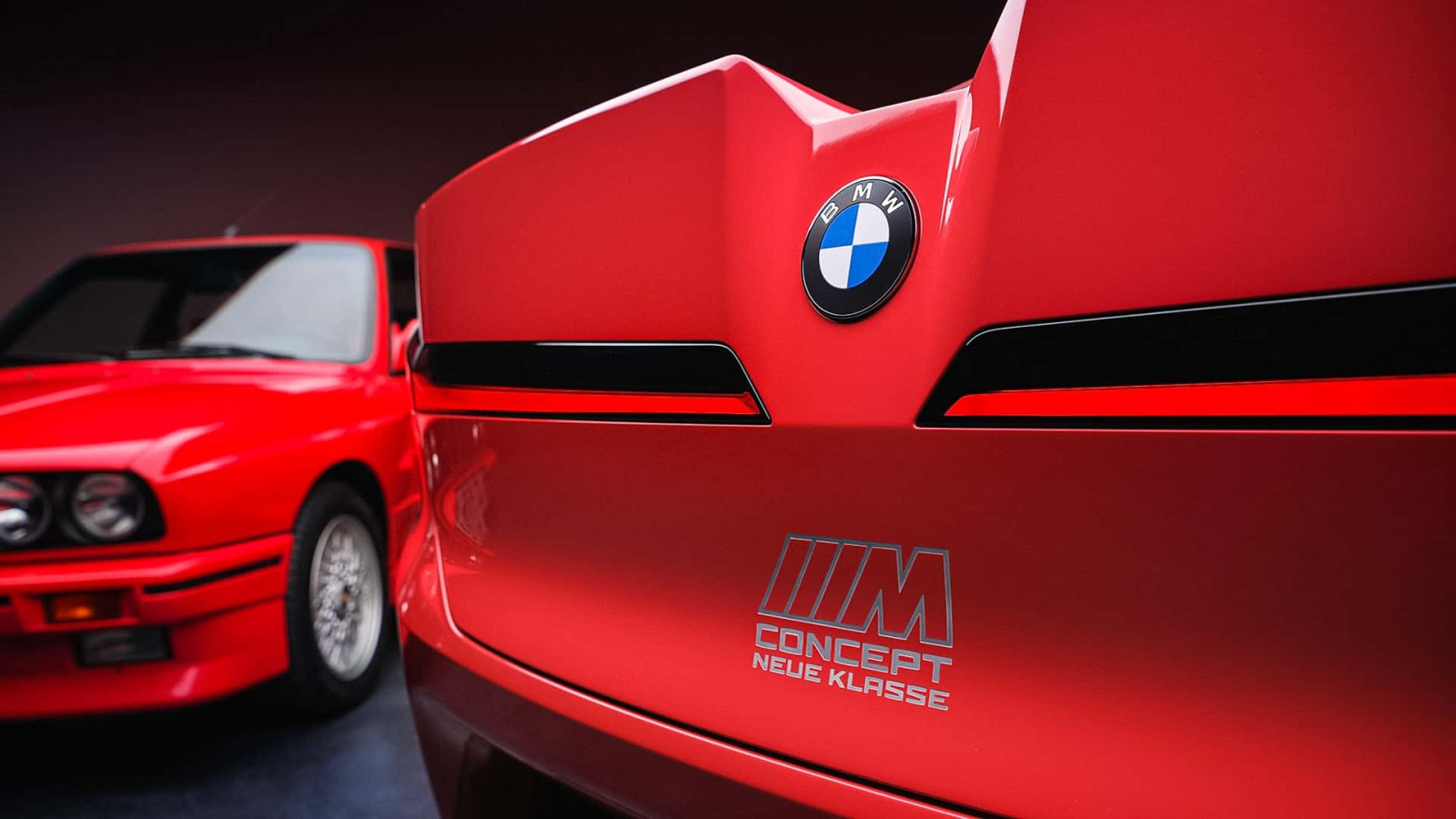
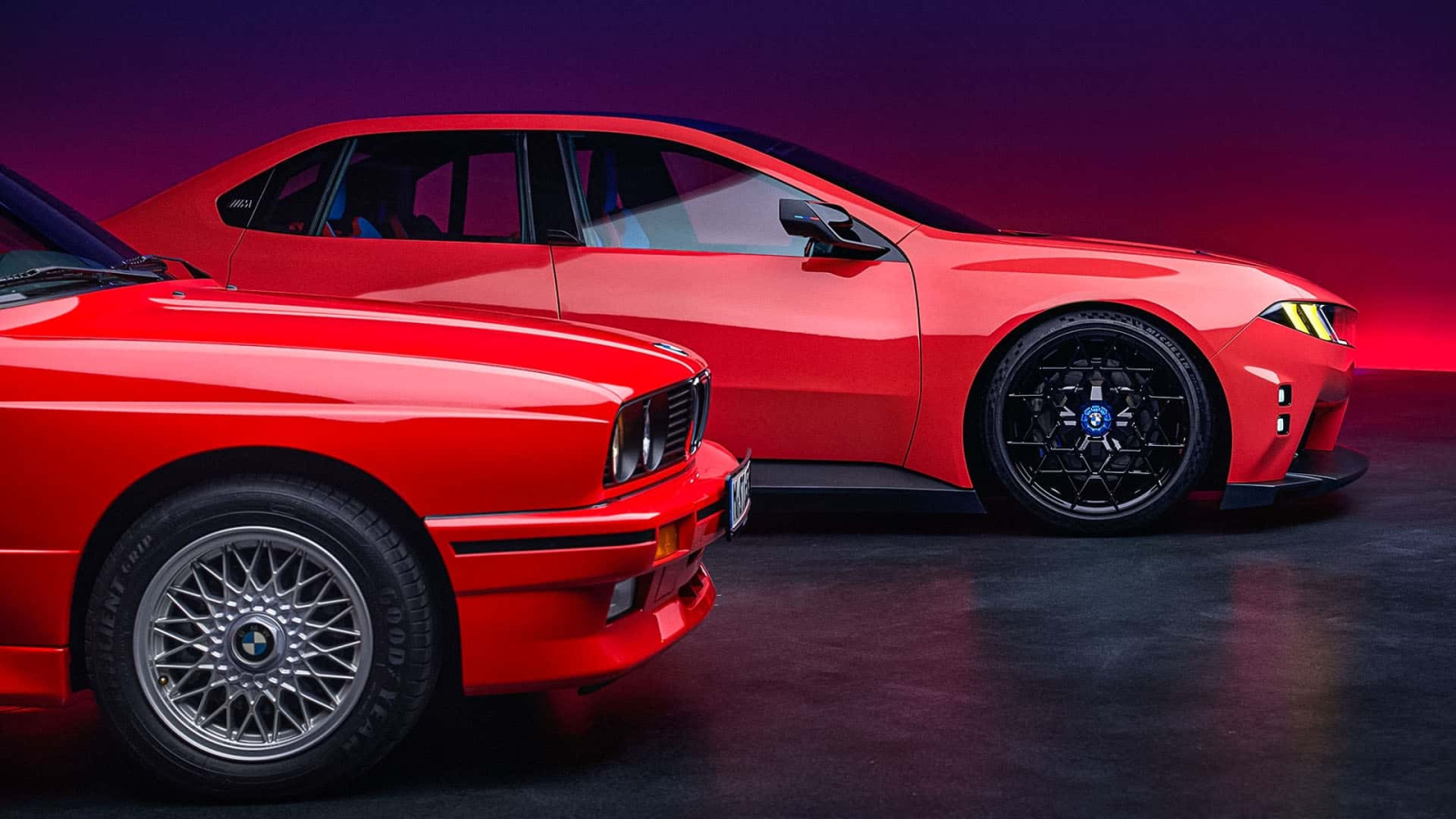
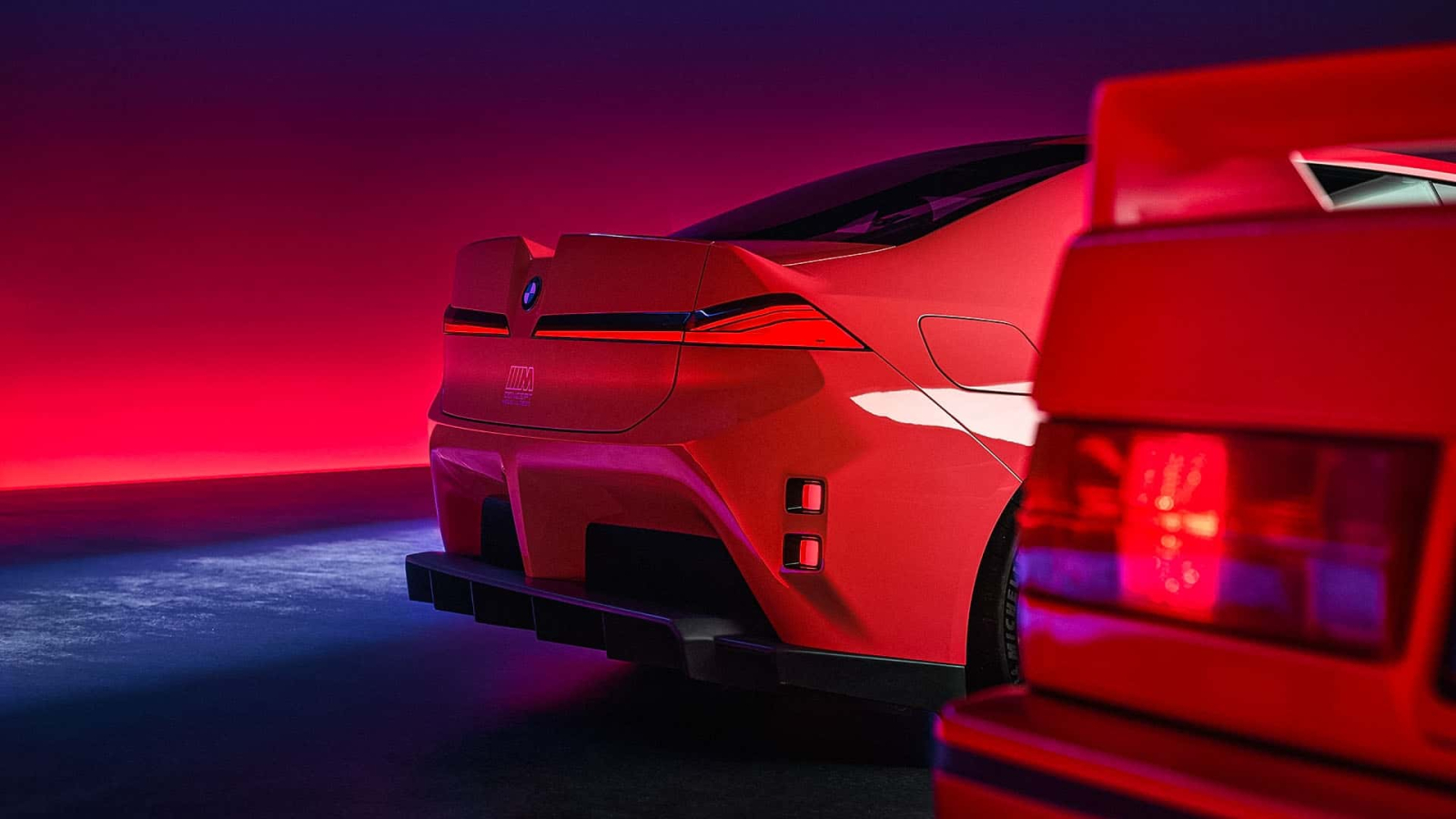
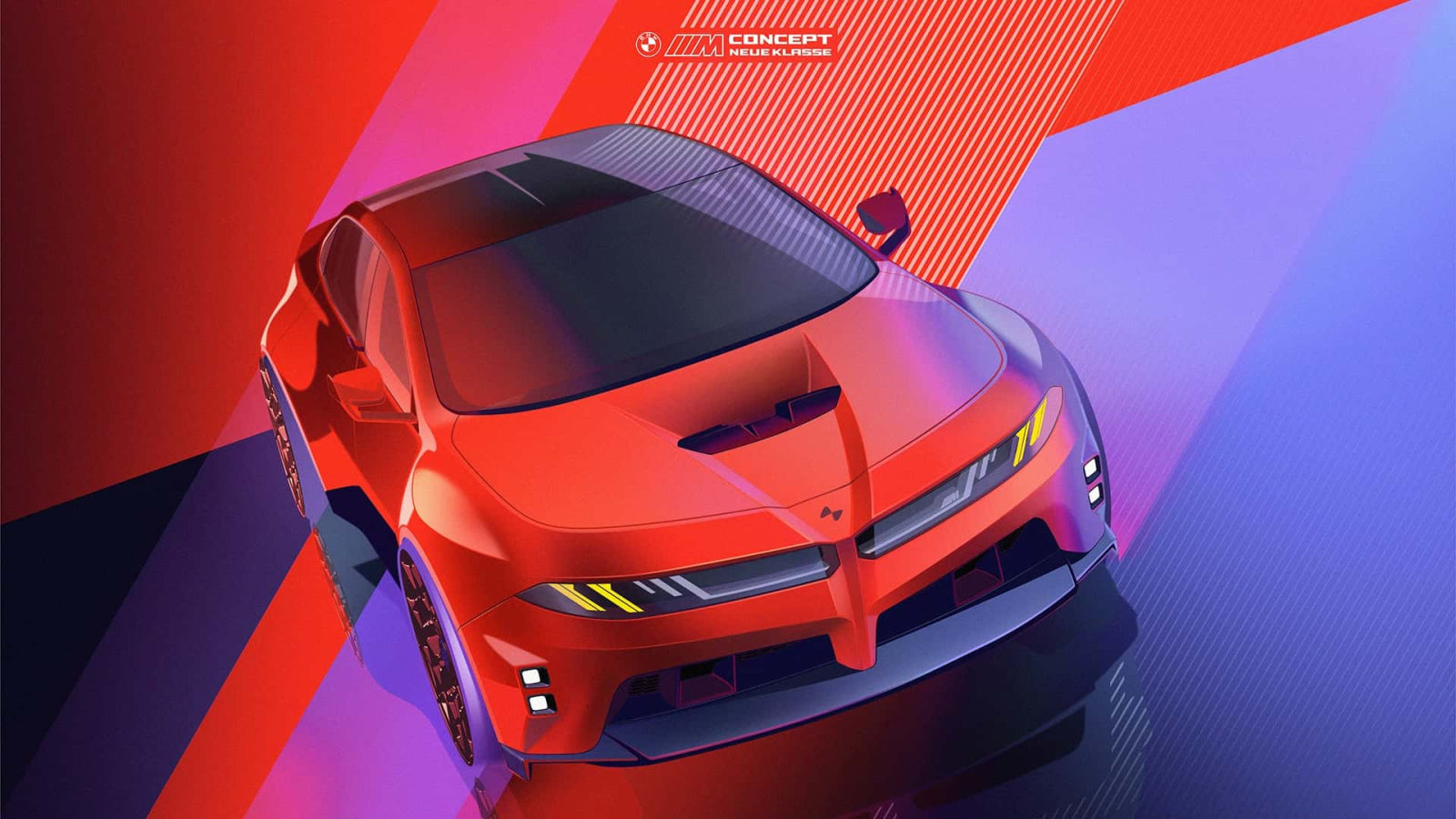
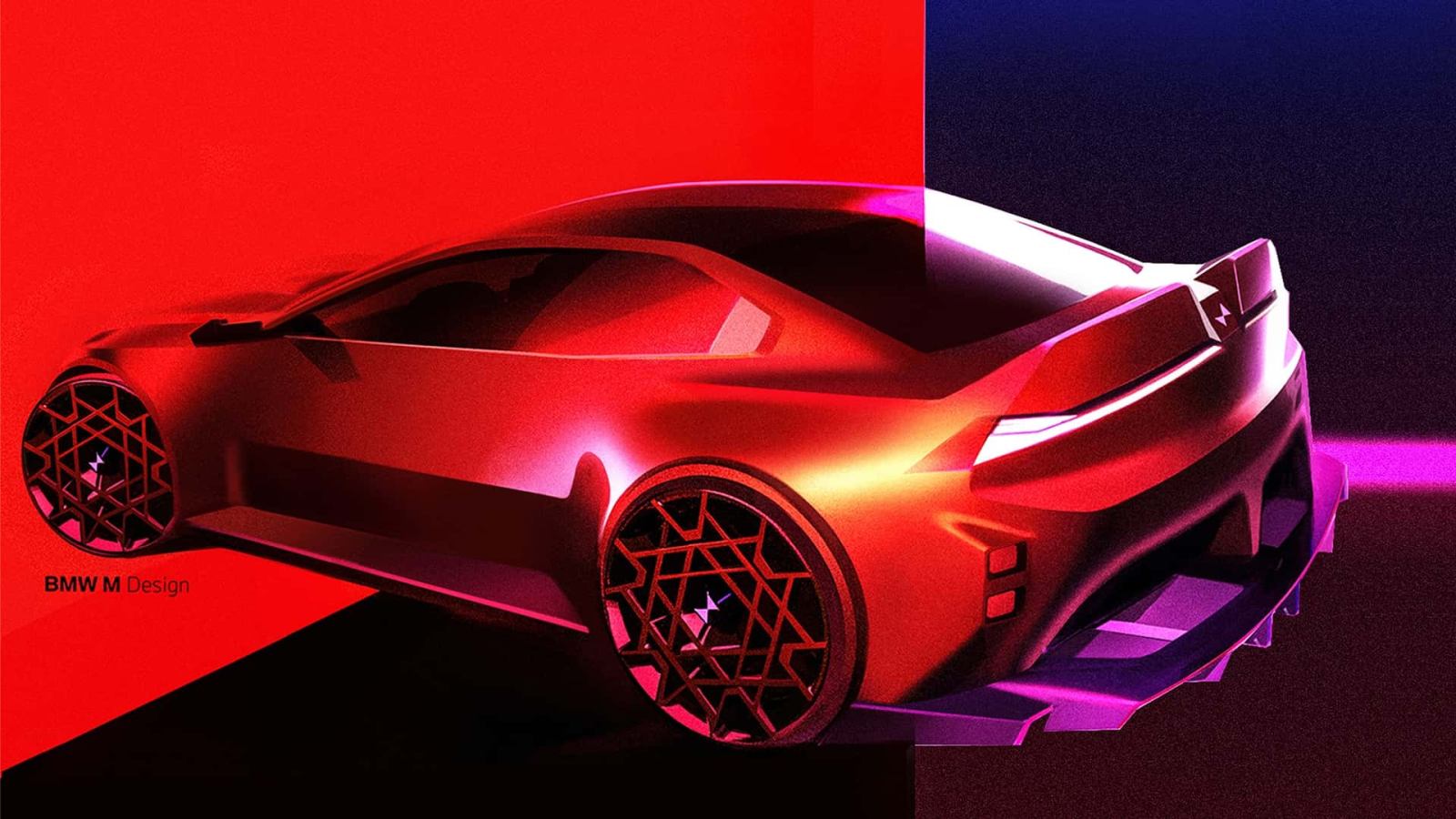
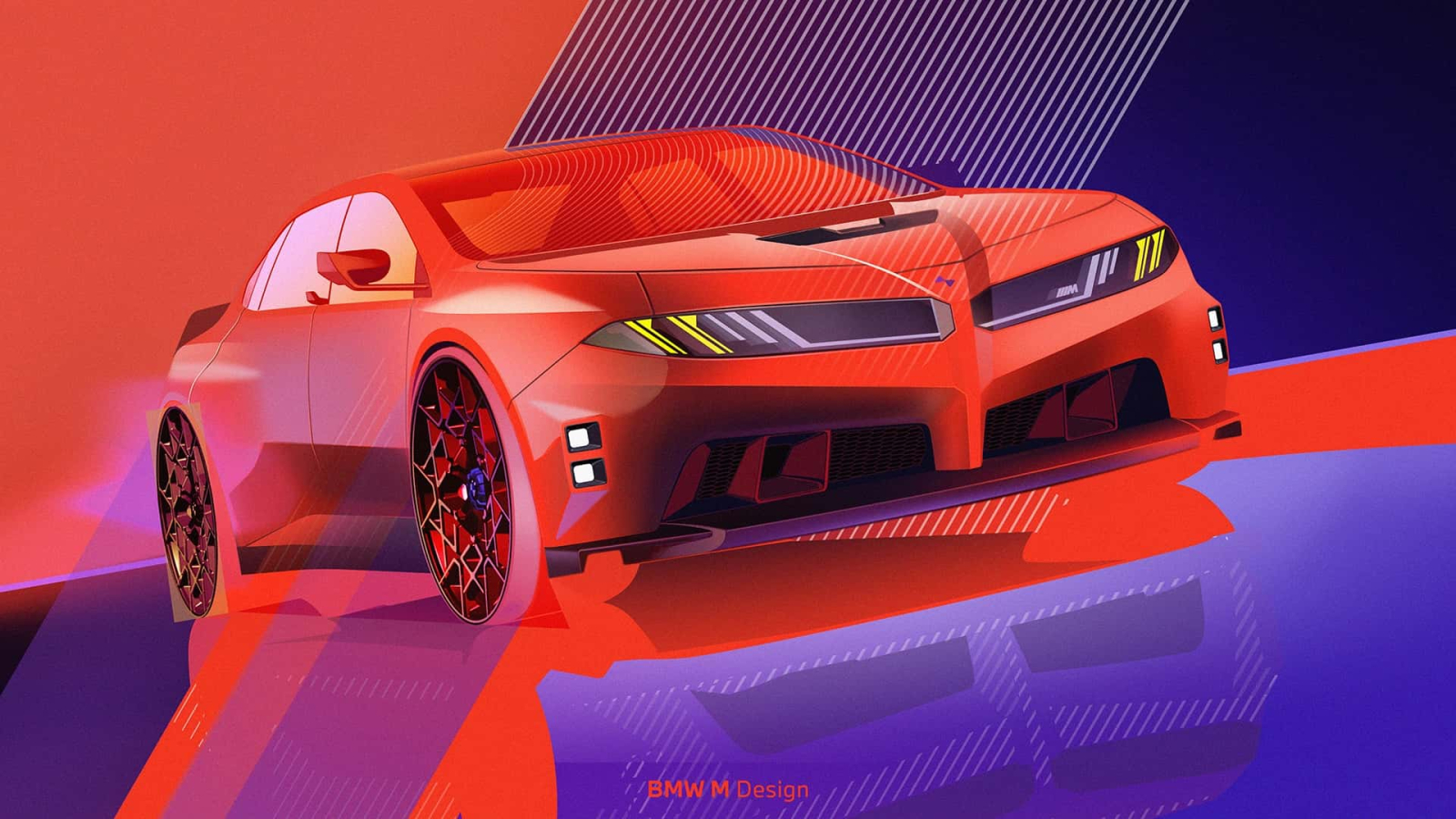
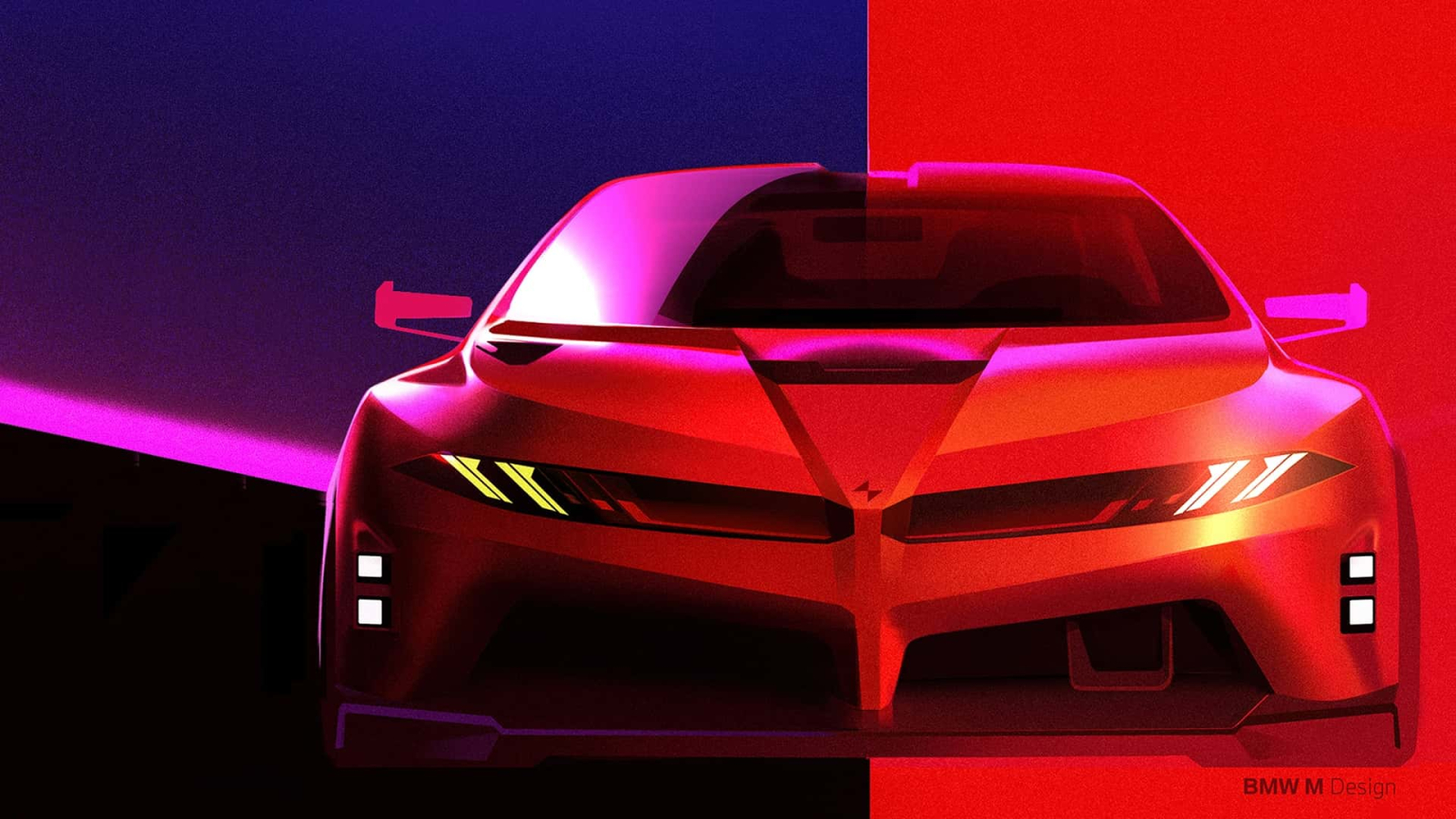
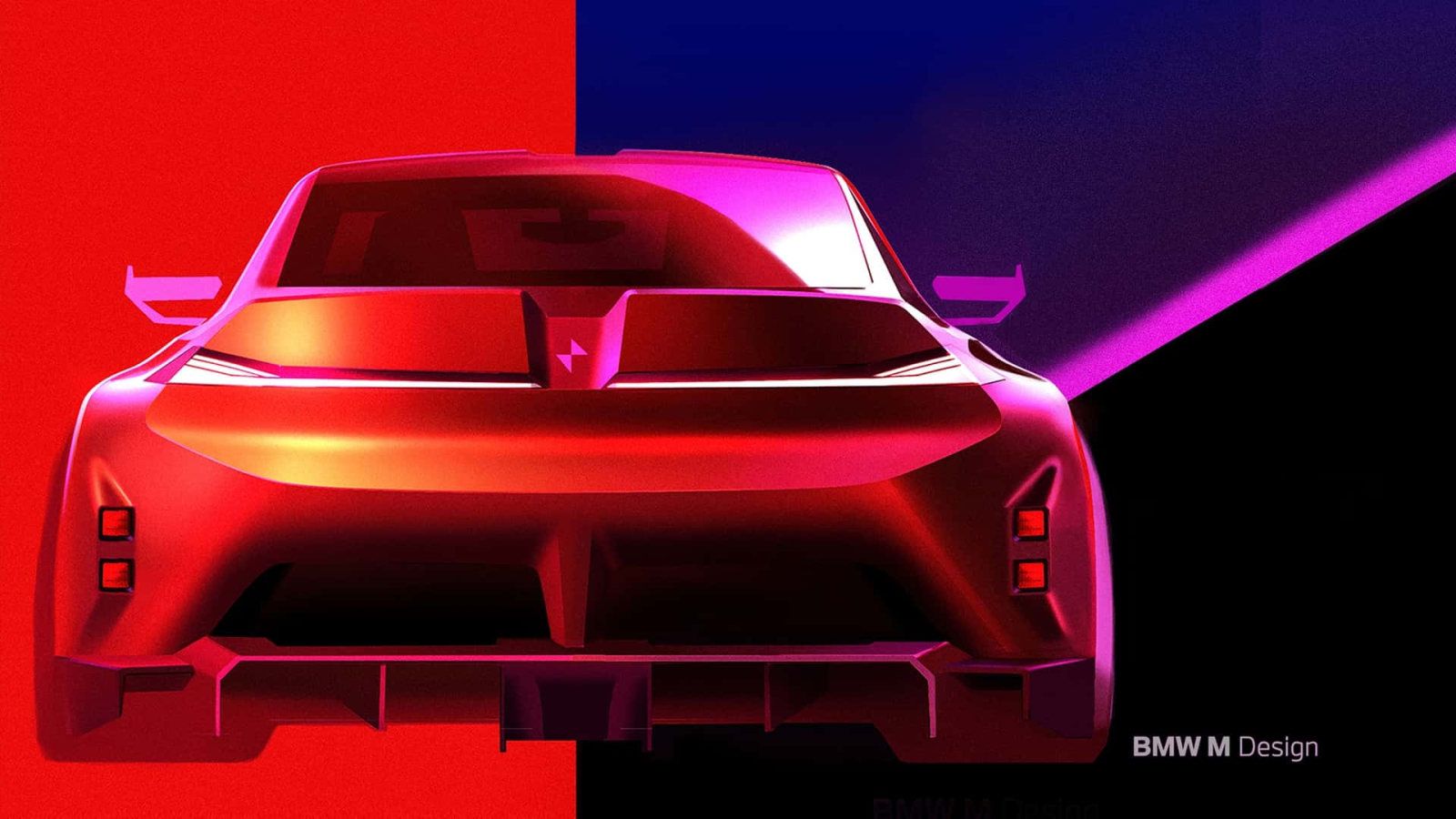
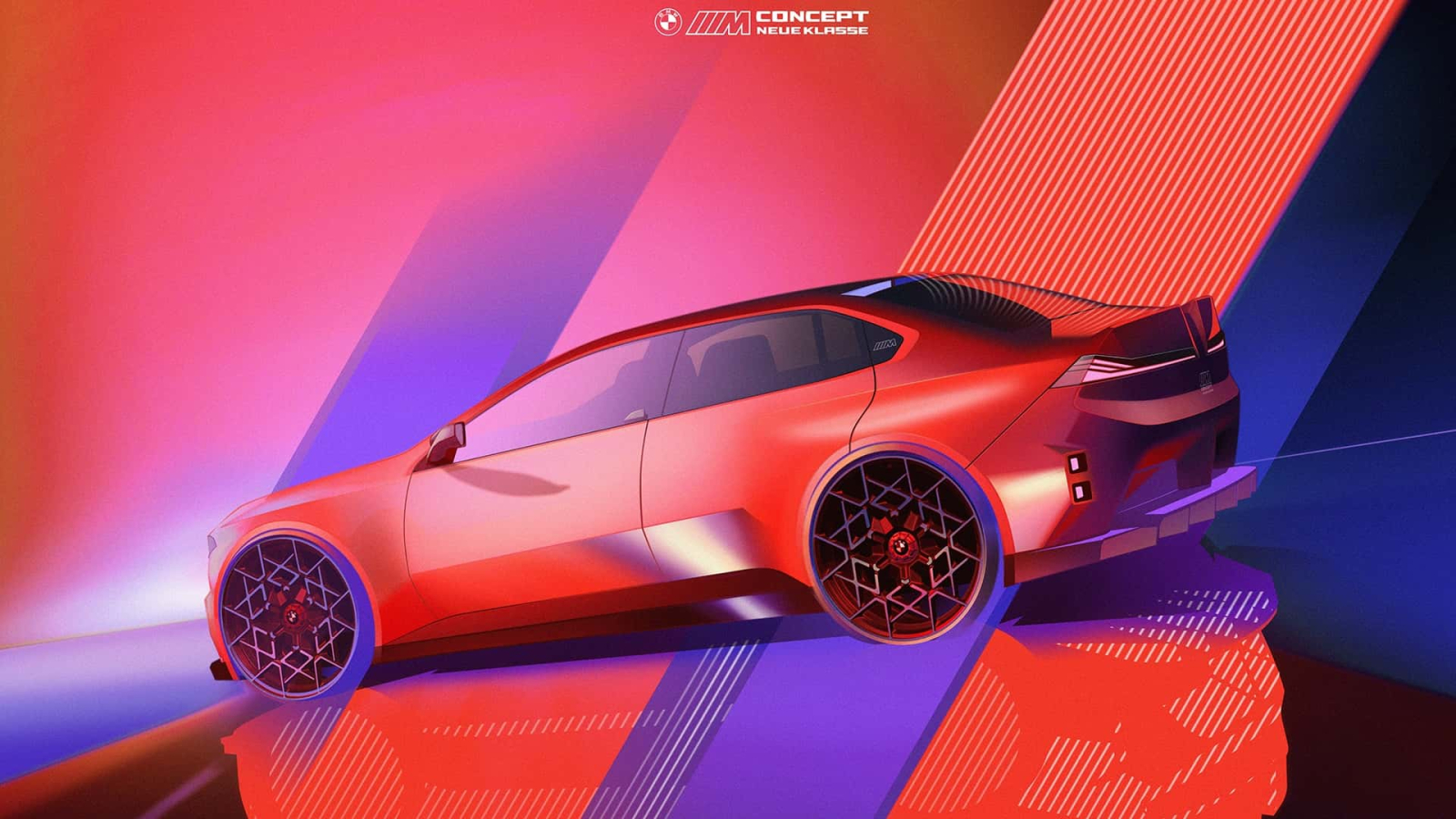
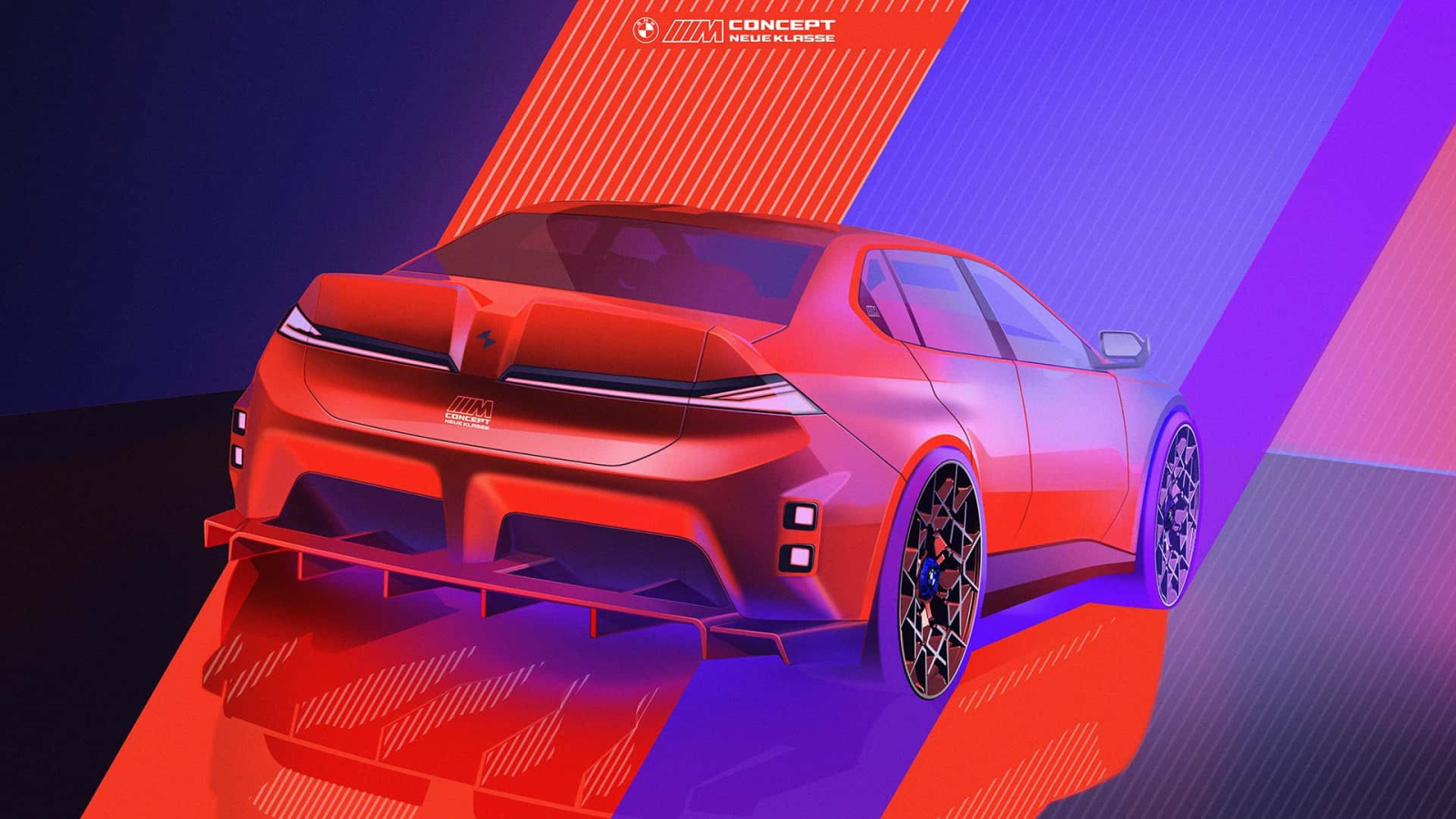
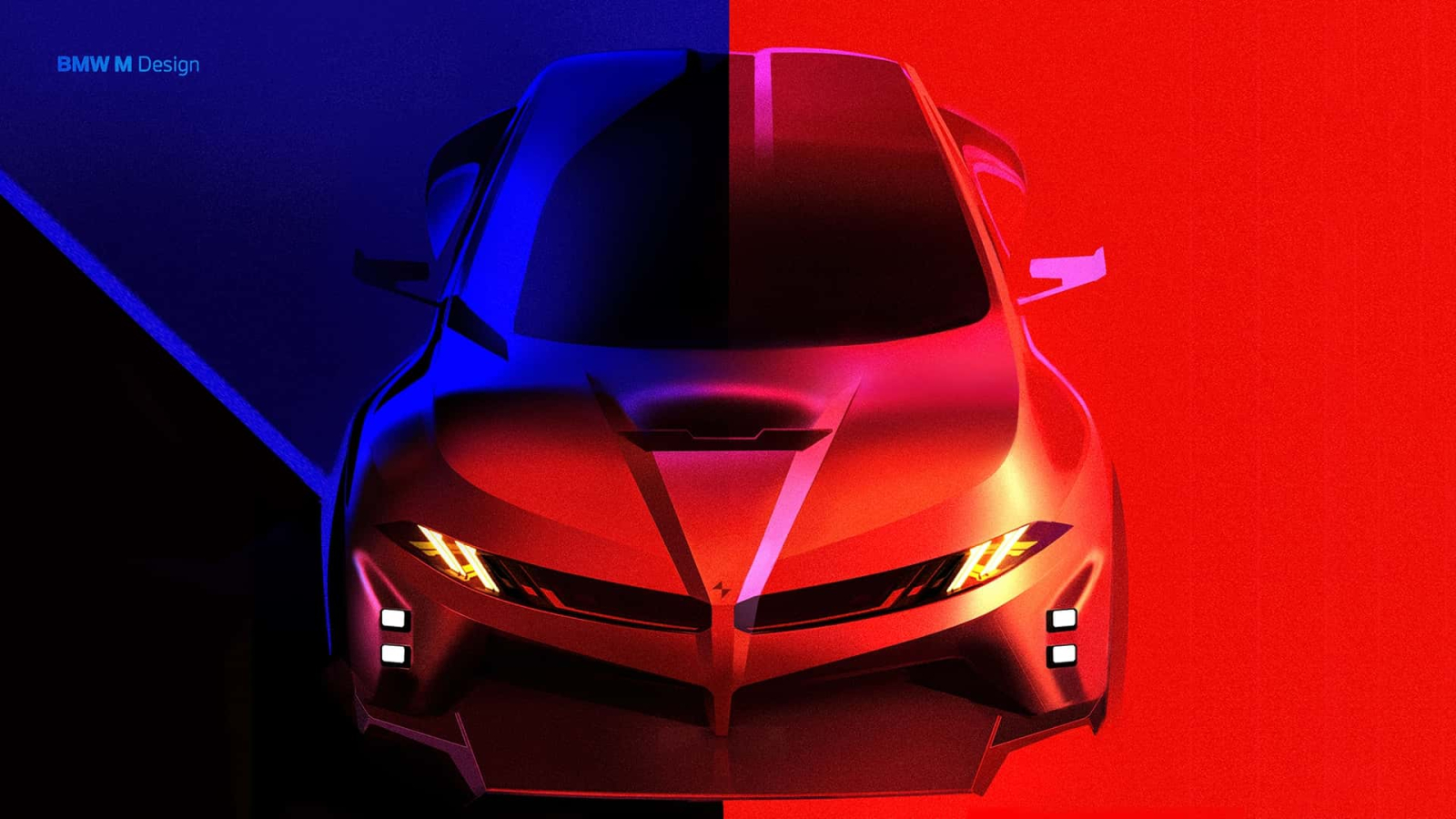
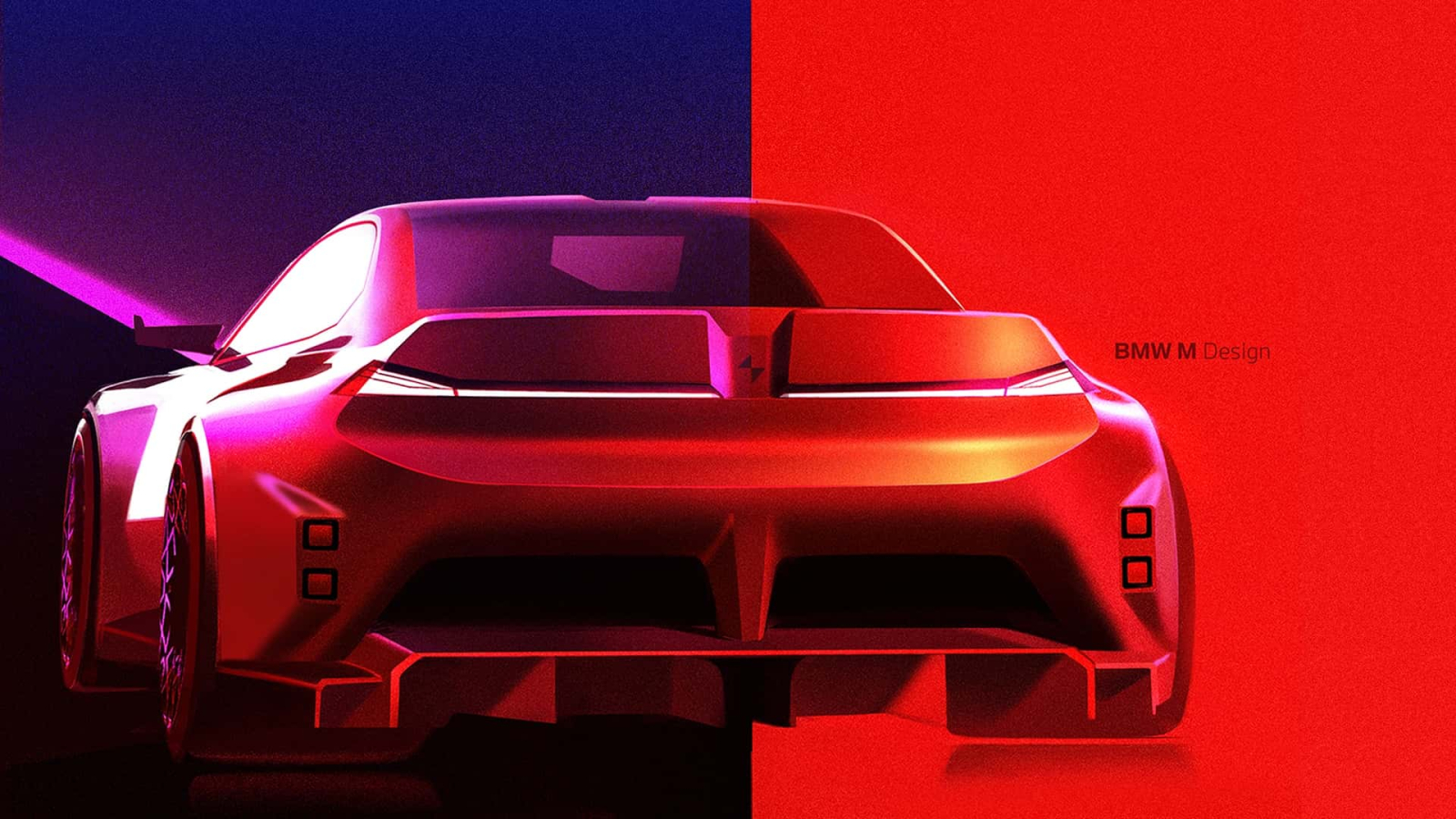
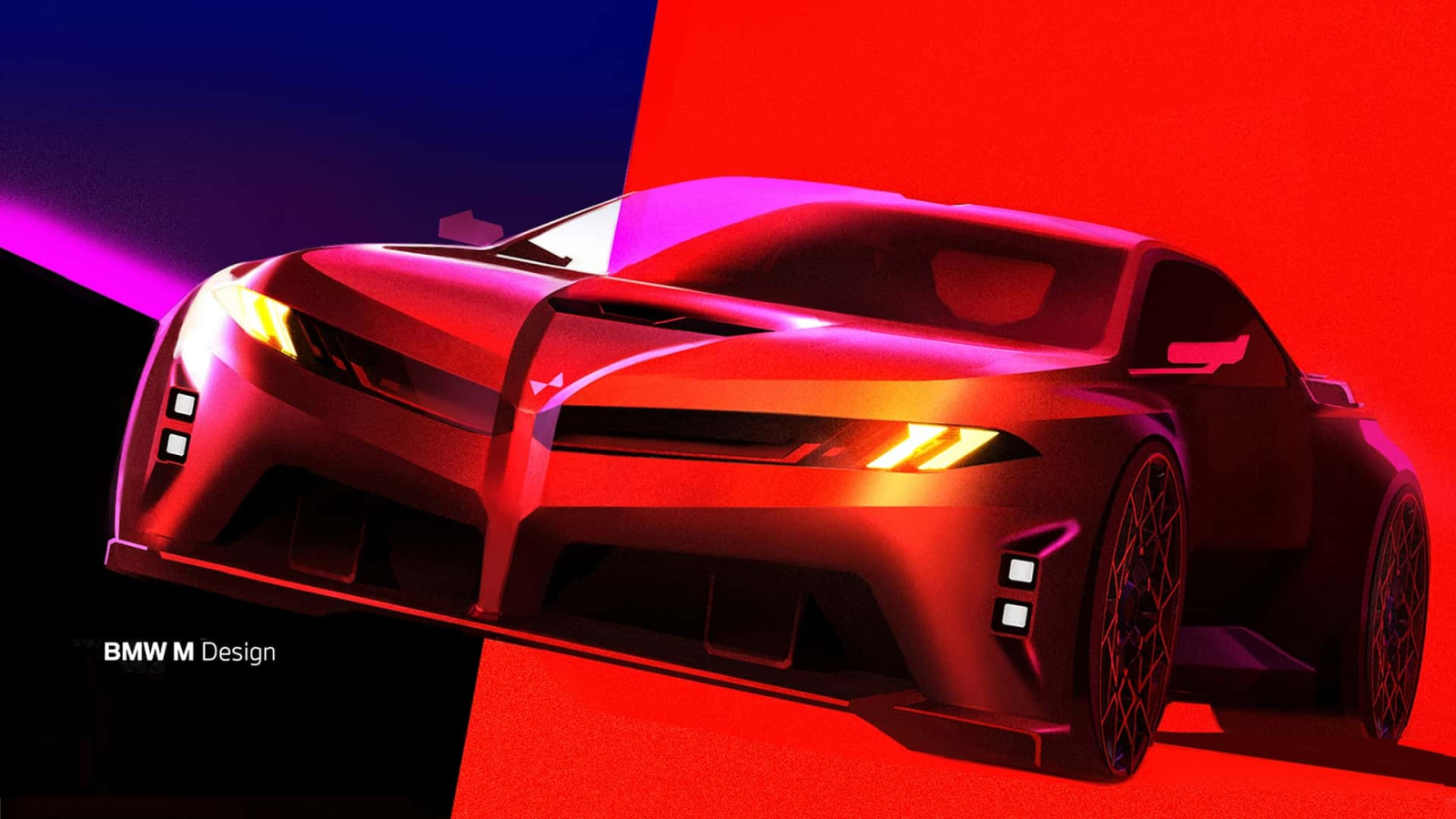
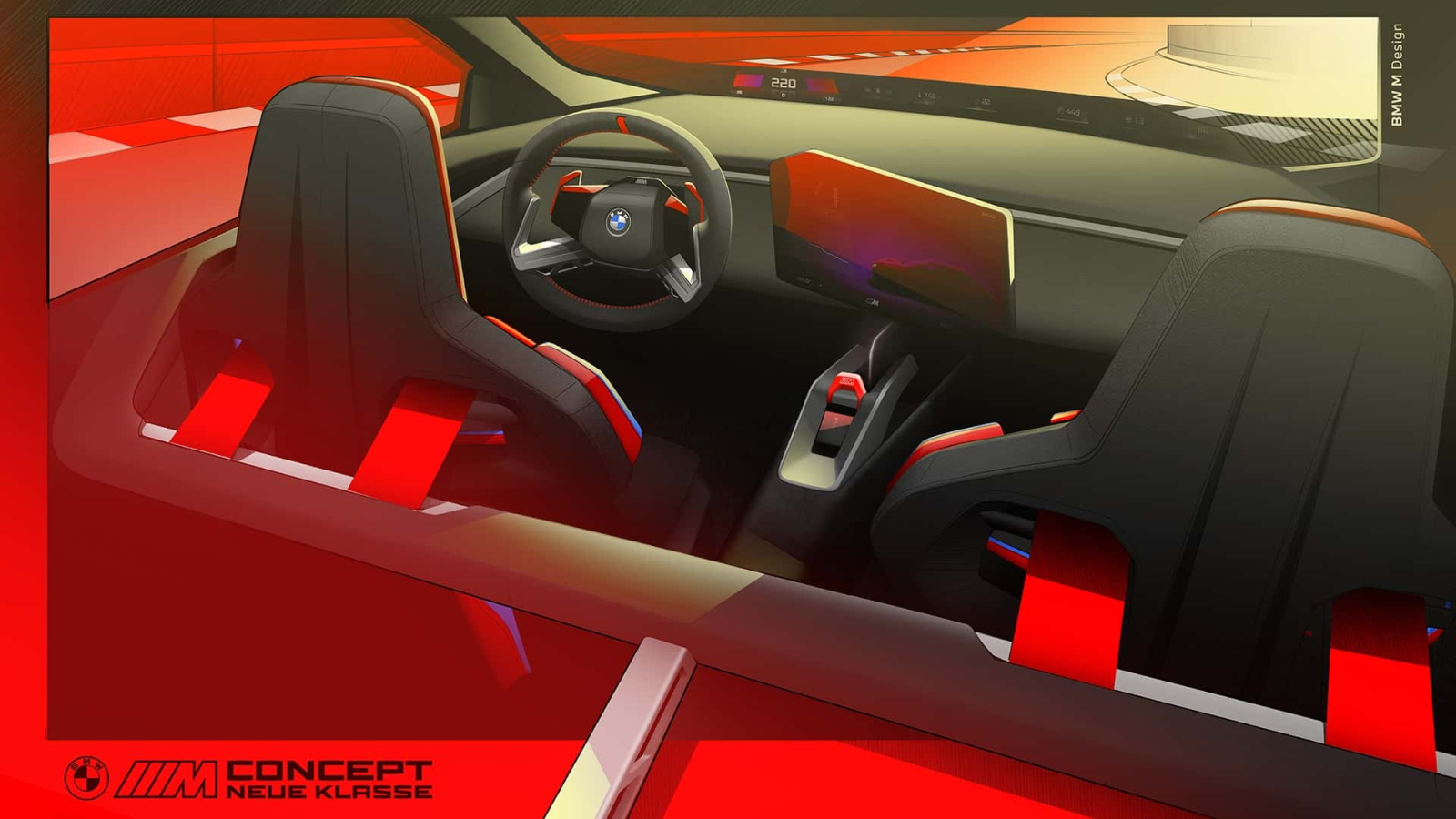
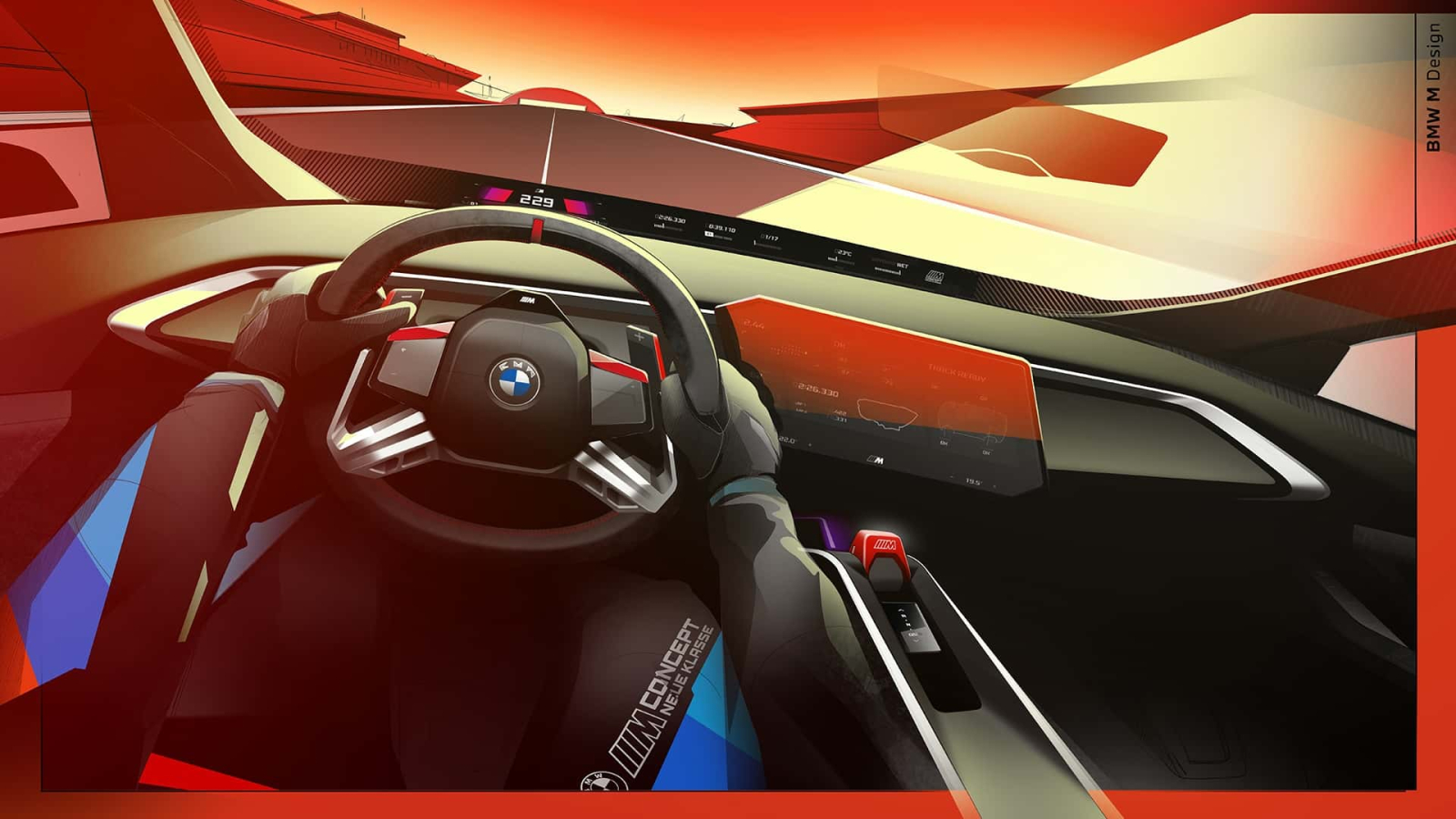
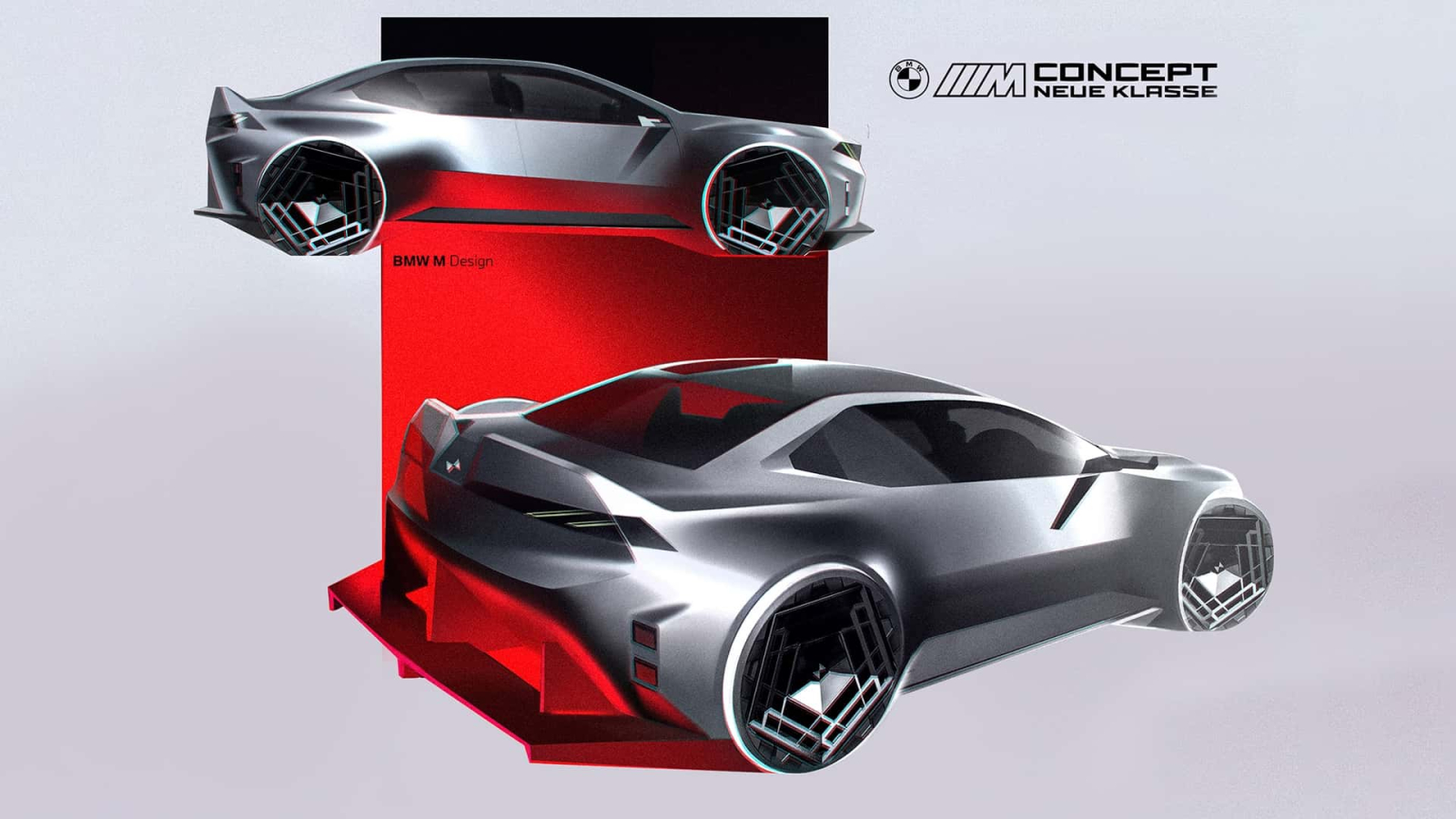
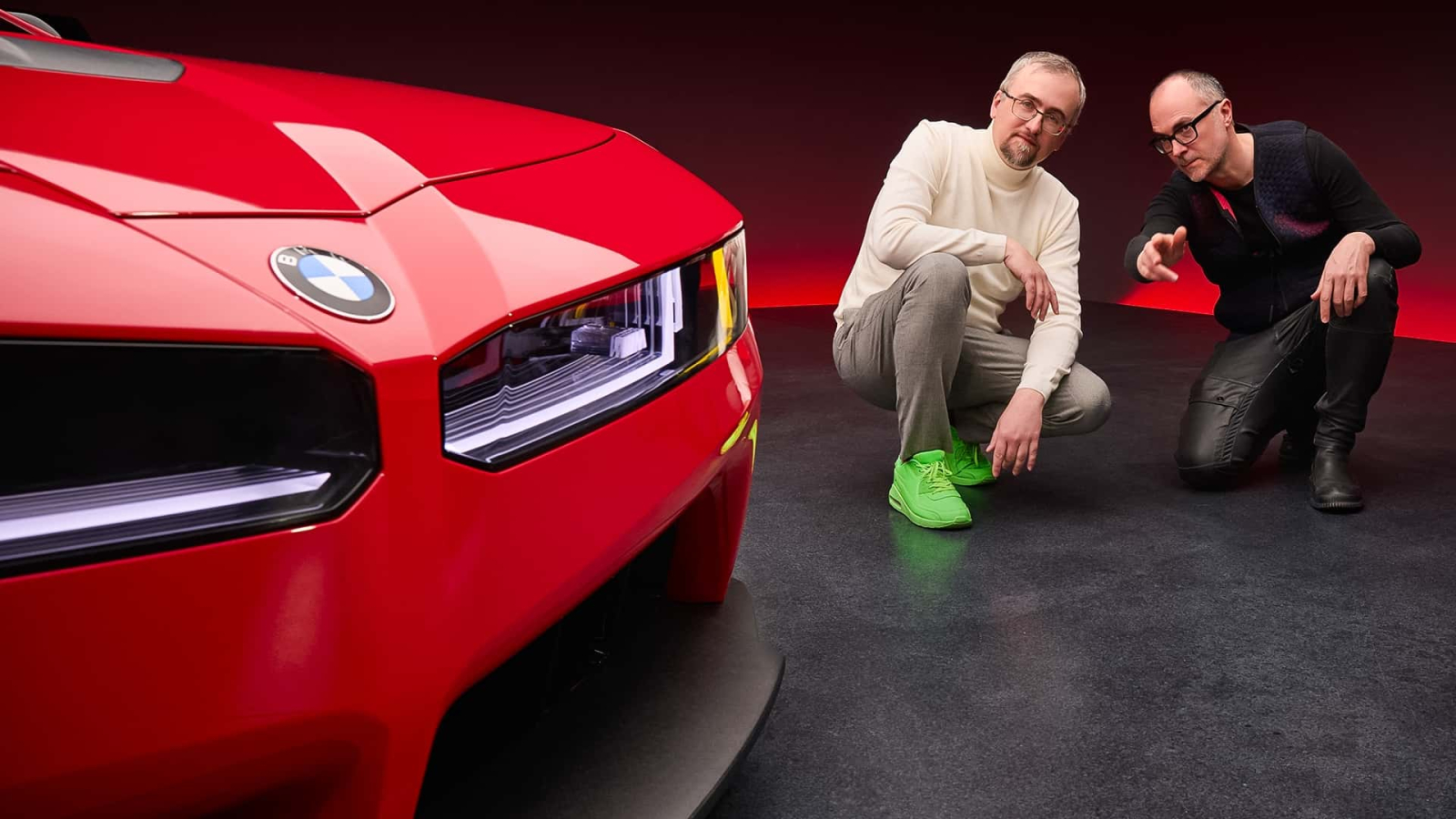
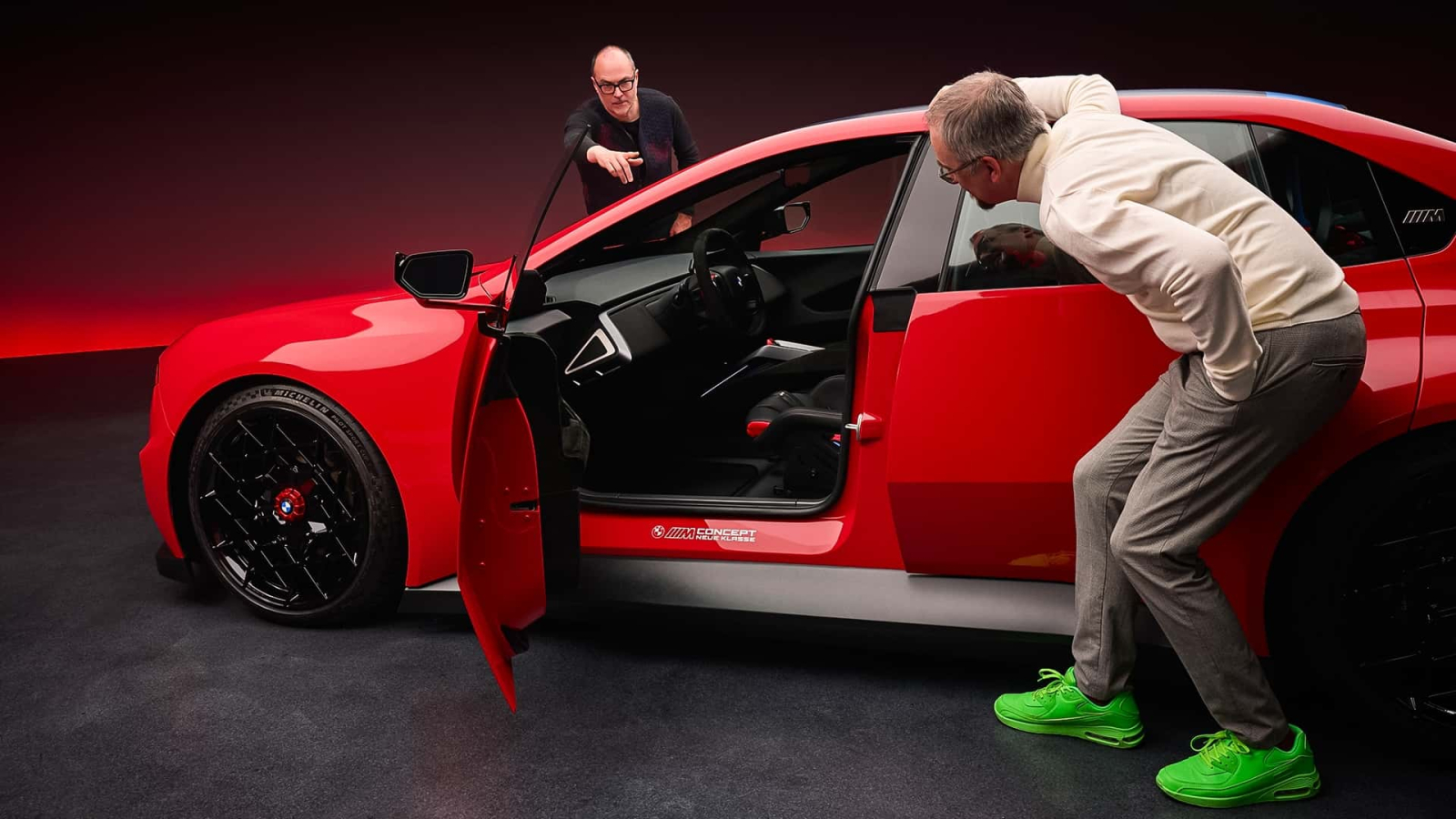
BMW’s next M3 EV is set to arrive with a four-motor setup, and the company has already made one thing clear: it will be stronger than the current six-cylinder car. Still, BMW M is not chasing extreme headline numbers just for the sake of it.
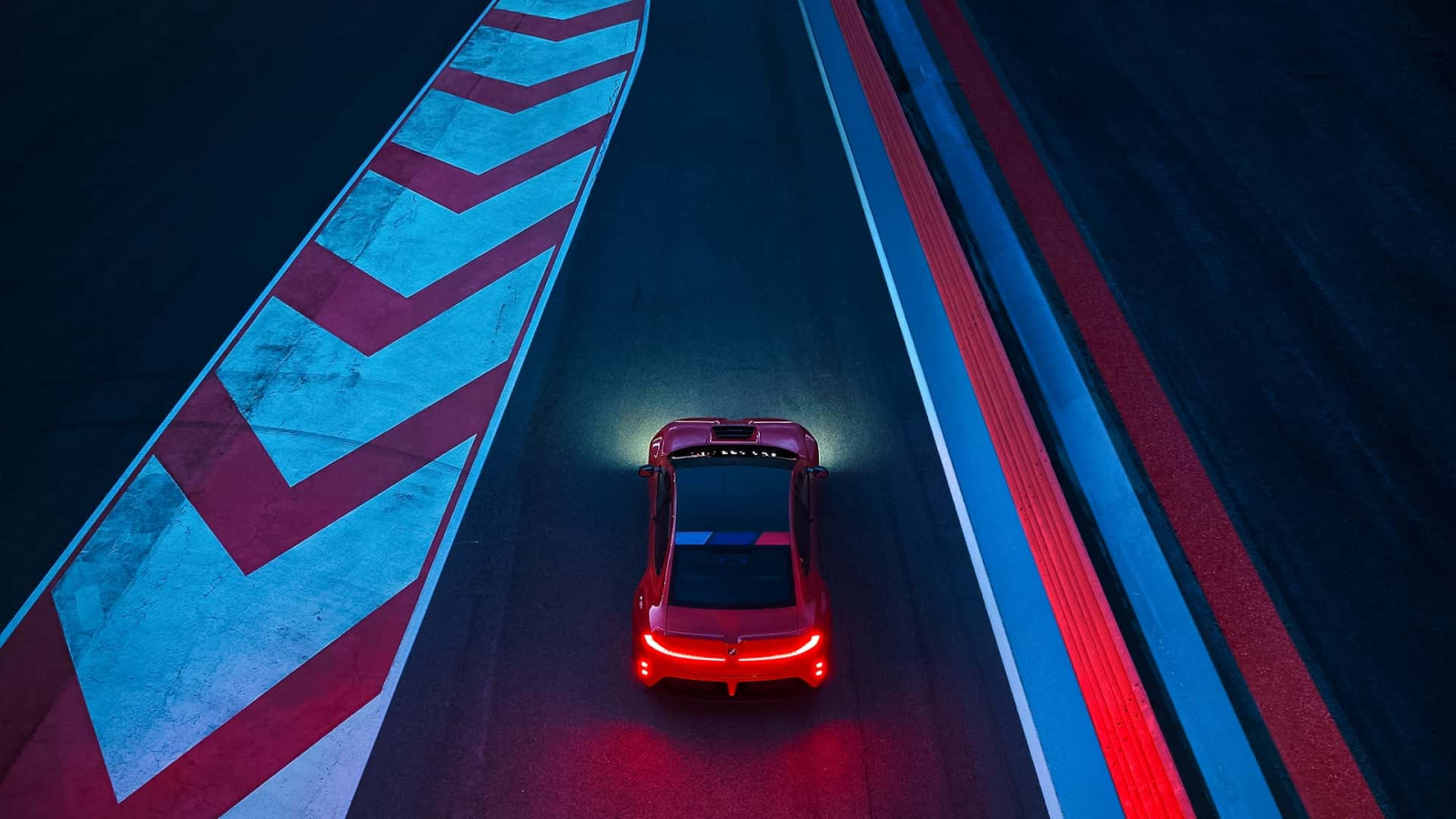
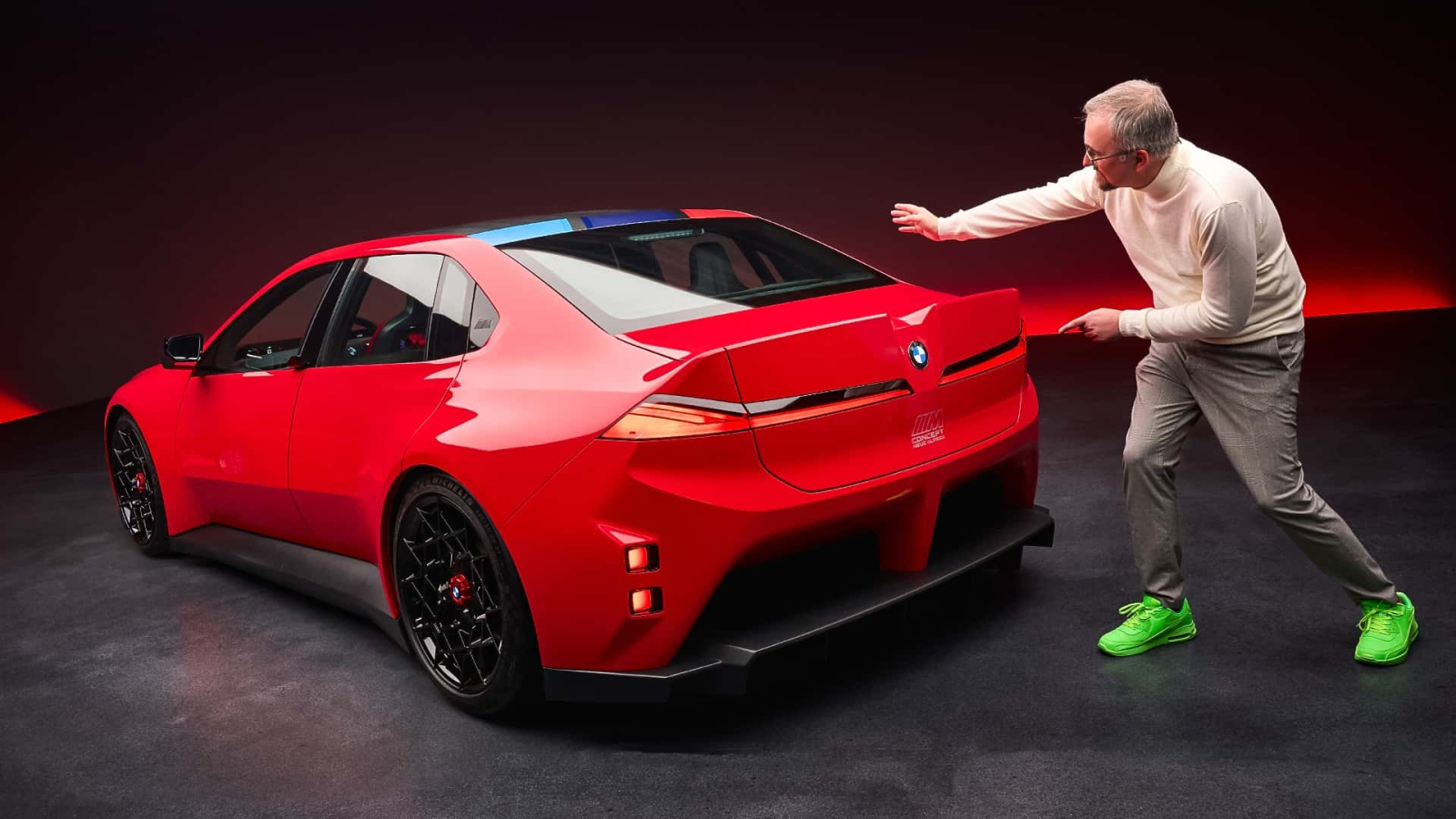
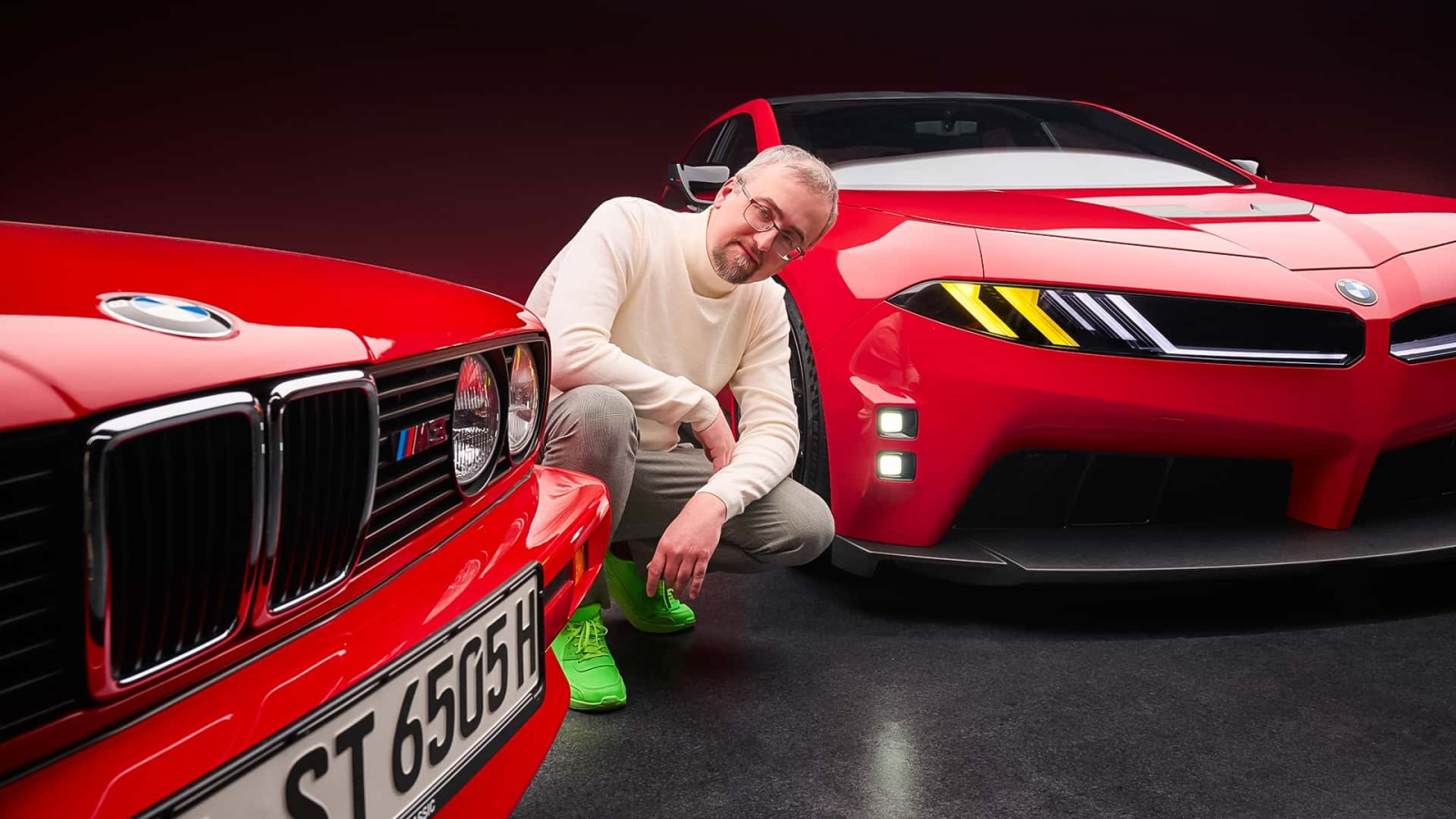
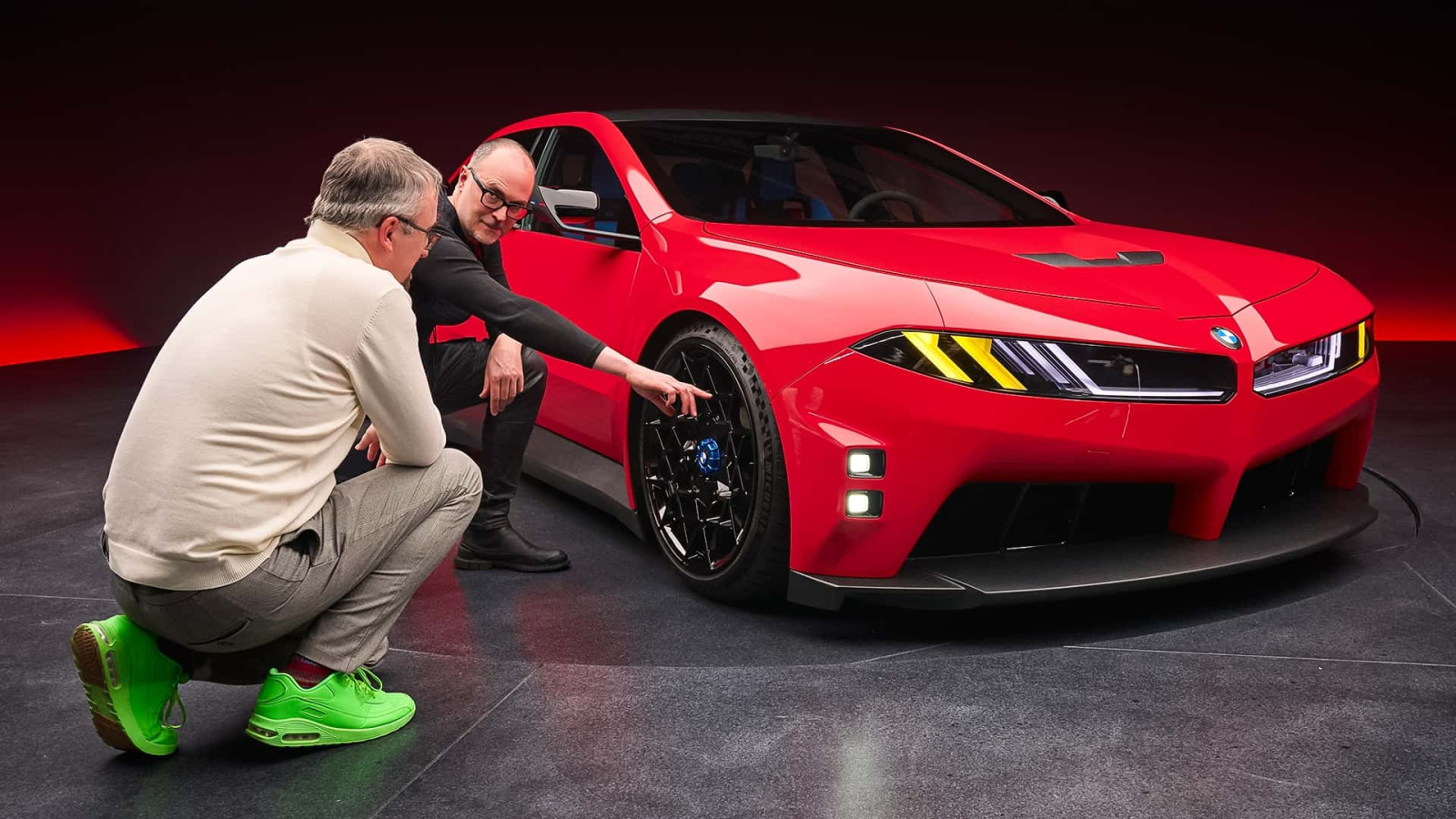
In a conversation with Bimmer Today, M boss Frank van Meel said the hardware is capable of far more than what a road car really needs. A megawatt of power is possible in theory, and the Vision Driving Experience concept already demonstrated that kind of potential with roughly 1,341 horsepower. But turning that into a production model brings major thermal and practicality challenges.
Van Meel explained that once power climbs that high, heat management becomes a serious limitation. A car may be able to launch brutally a few times, but sustained performance would suffer, and cooling systems cannot be endlessly scaled up. In his view, the real goal is not to hit an outrageous number, but to build something usable and durable.
BMW has not revealed the final output for the electric M3, but it will clearly exceed the most powerful combustion version, the 543-horsepower M3 CS. Since BMW M has dismissed the idea of 1,000 horsepower, the production EV is expected to stay well below that threshold, likely under 900 horsepower. More aggressive versions could still appear later.
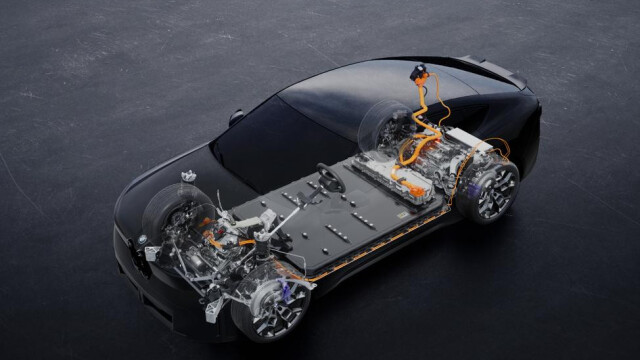
The brand has also confirmed that its electric M models will use four motors and all-wheel drive, with the option to disconnect the front axle for a rear-wheel-drive feel. That should help both efficiency and driving character. The M3 EV will also ride on a dedicated lithium-ion battery pack with more than 100 kWh of usable capacity.
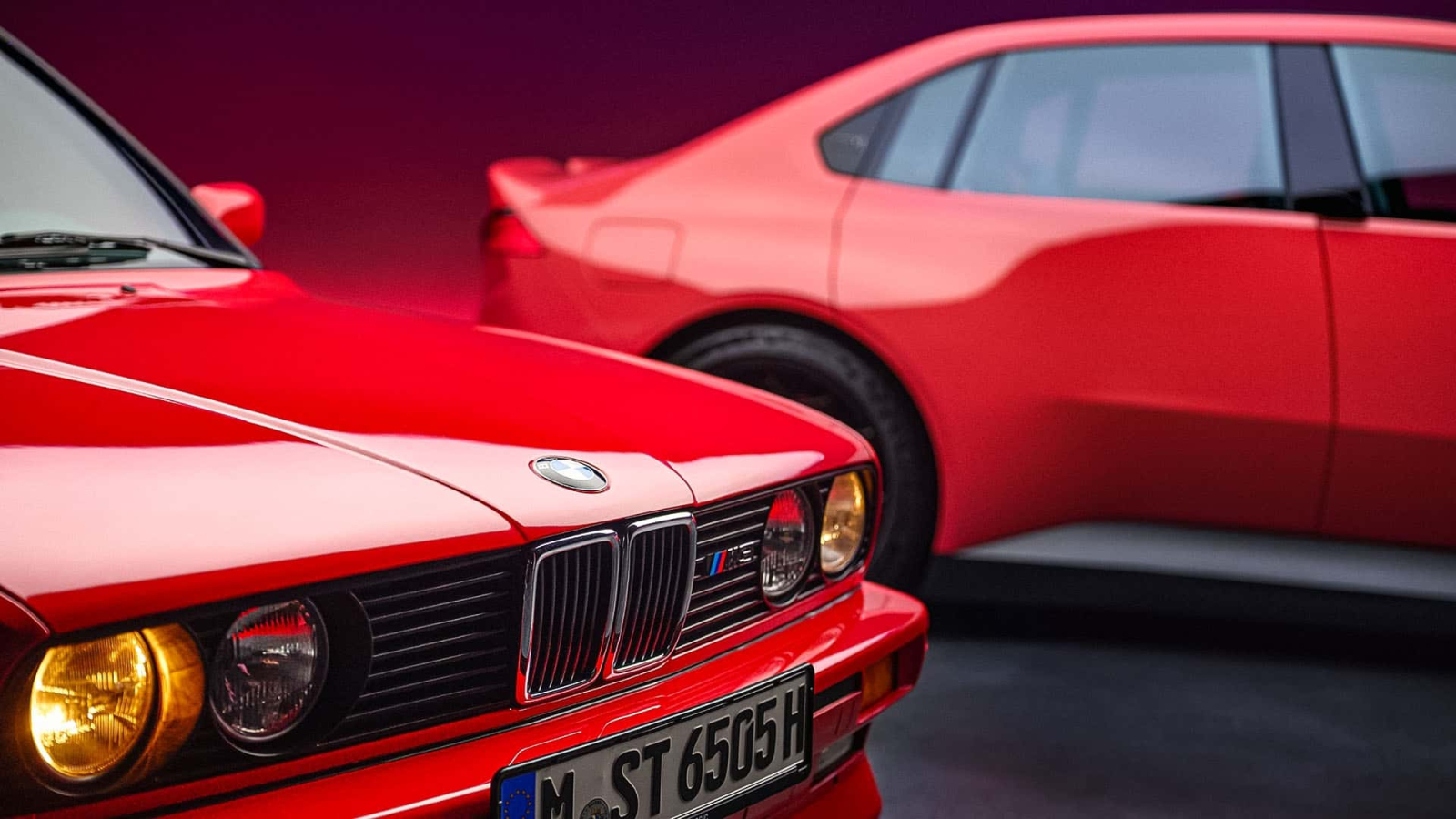
For enthusiasts worried about the future of the straight-six M3, BMW says the gasoline model is not going away. A new generation is planned, though it probably will not debut before 2028. The current S58 engine has already been updated for Euro 7 compliance, which also suggests a long future for the M2 and M4, since they use the same powertrain.
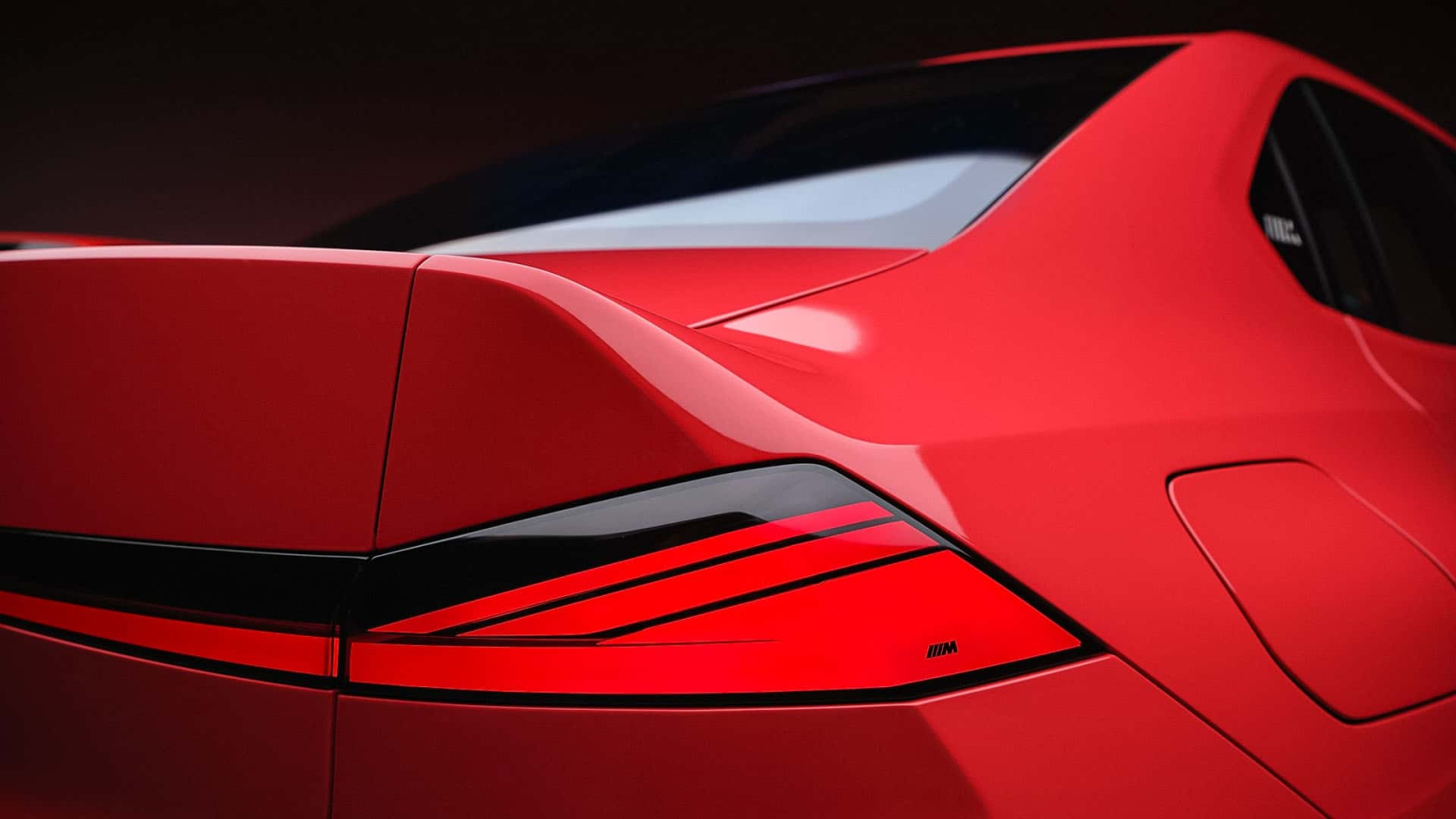
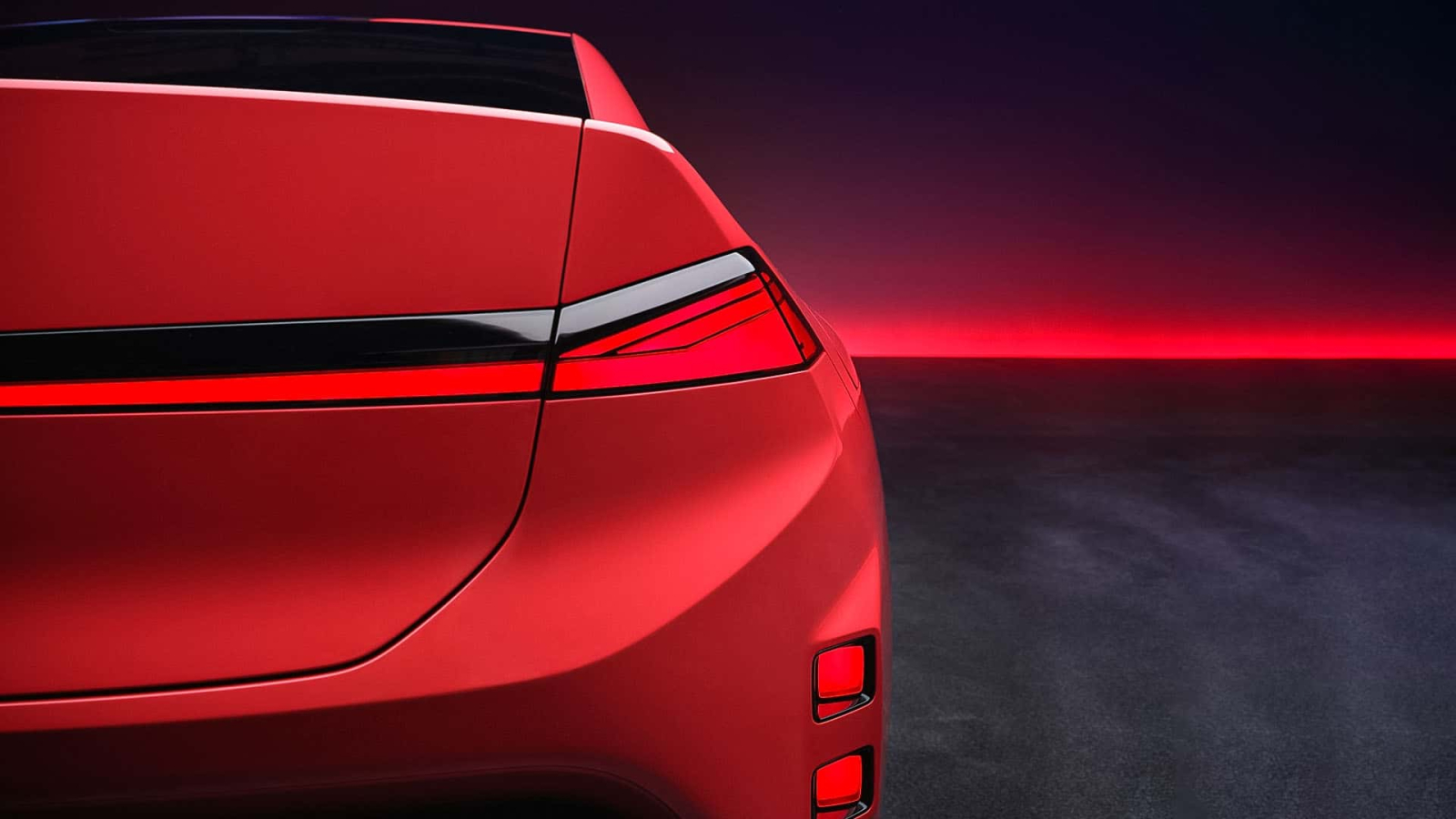
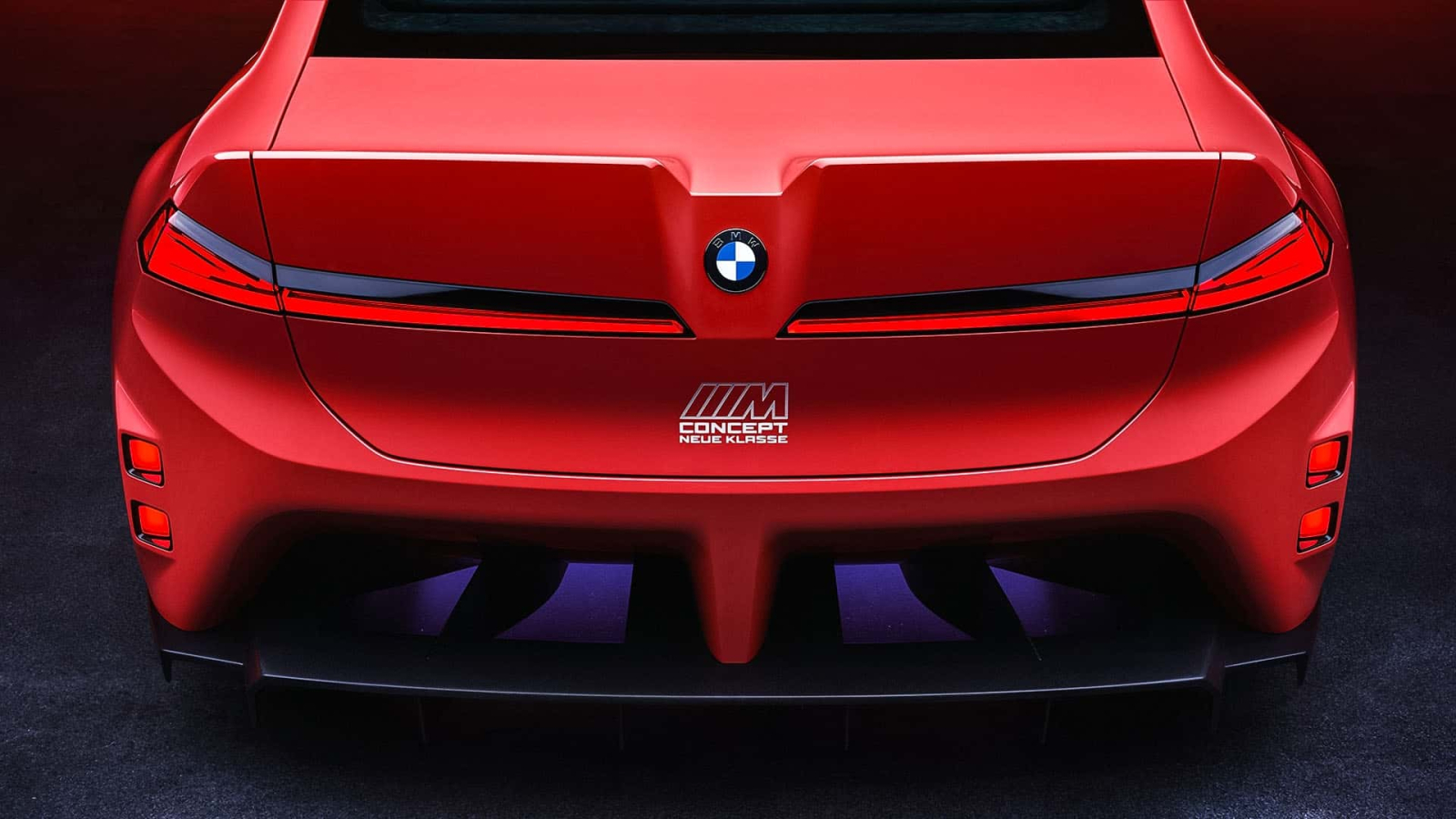
BMW’s approach suggests the electric M3 will aim to be fast, balanced, and versatile rather than absurdly overpowered. It will not replace the traditional M3, but sit alongside it, giving buyers a choice between two very different interpretations of the same badge.
Photos
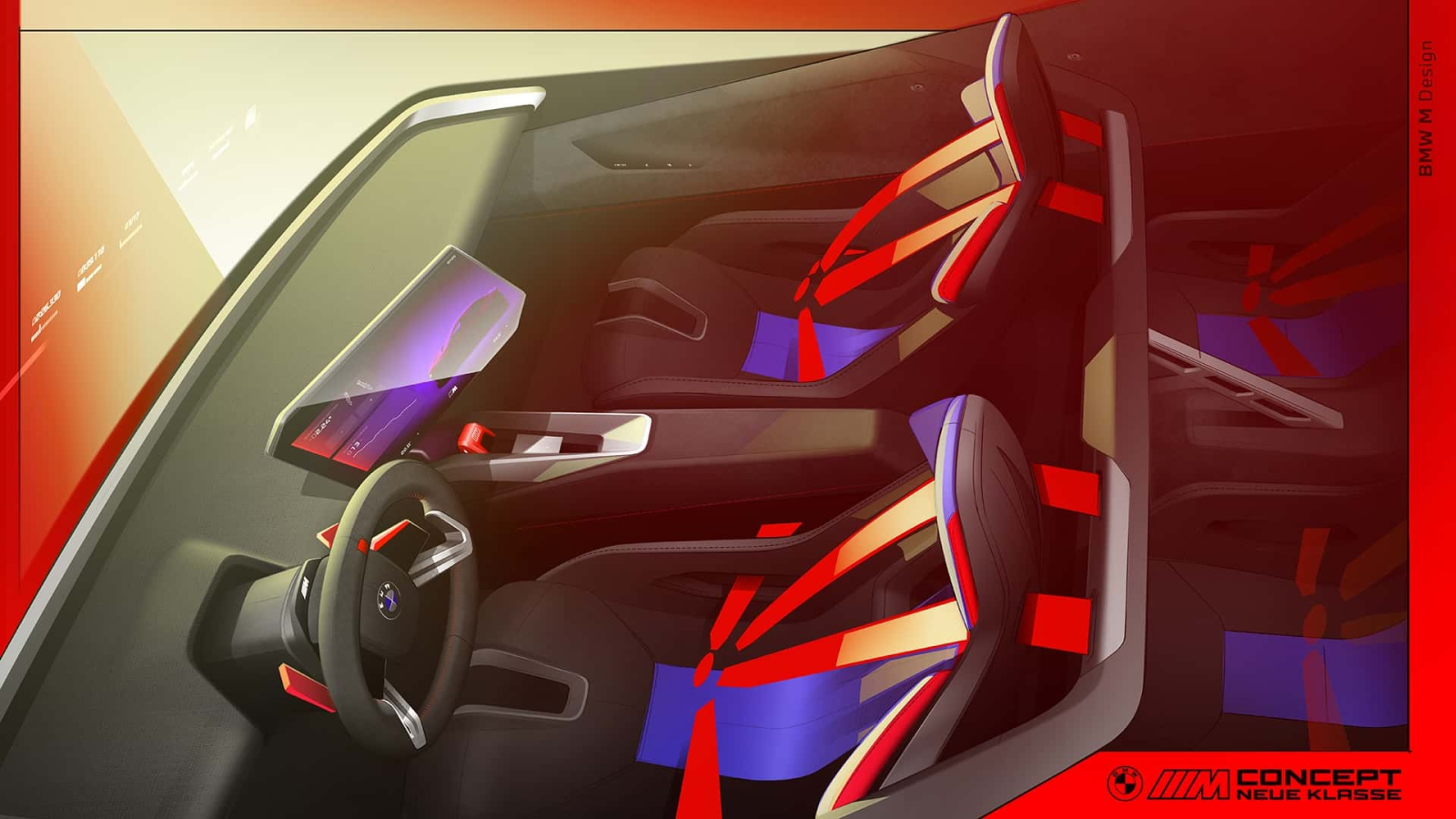
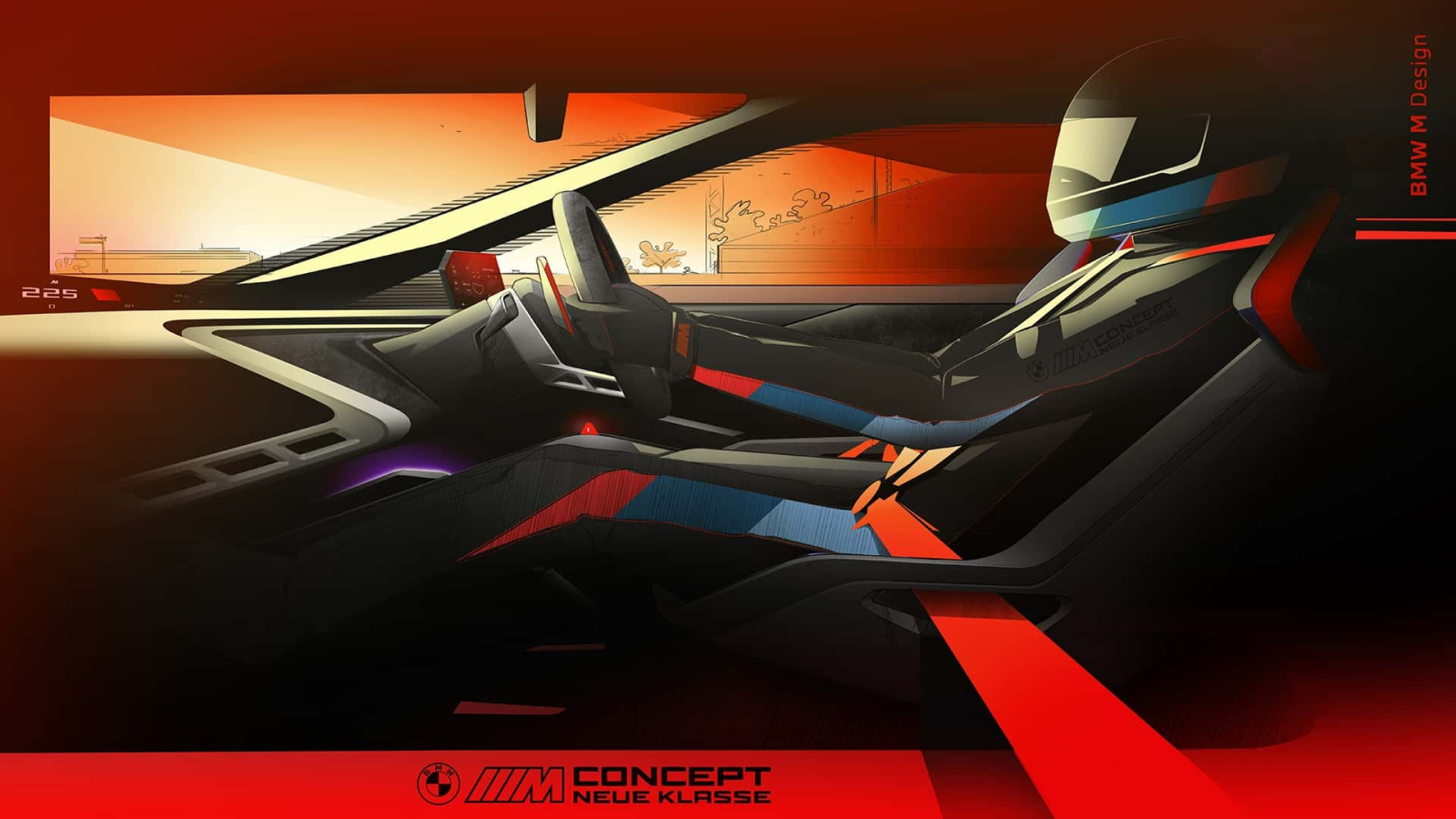
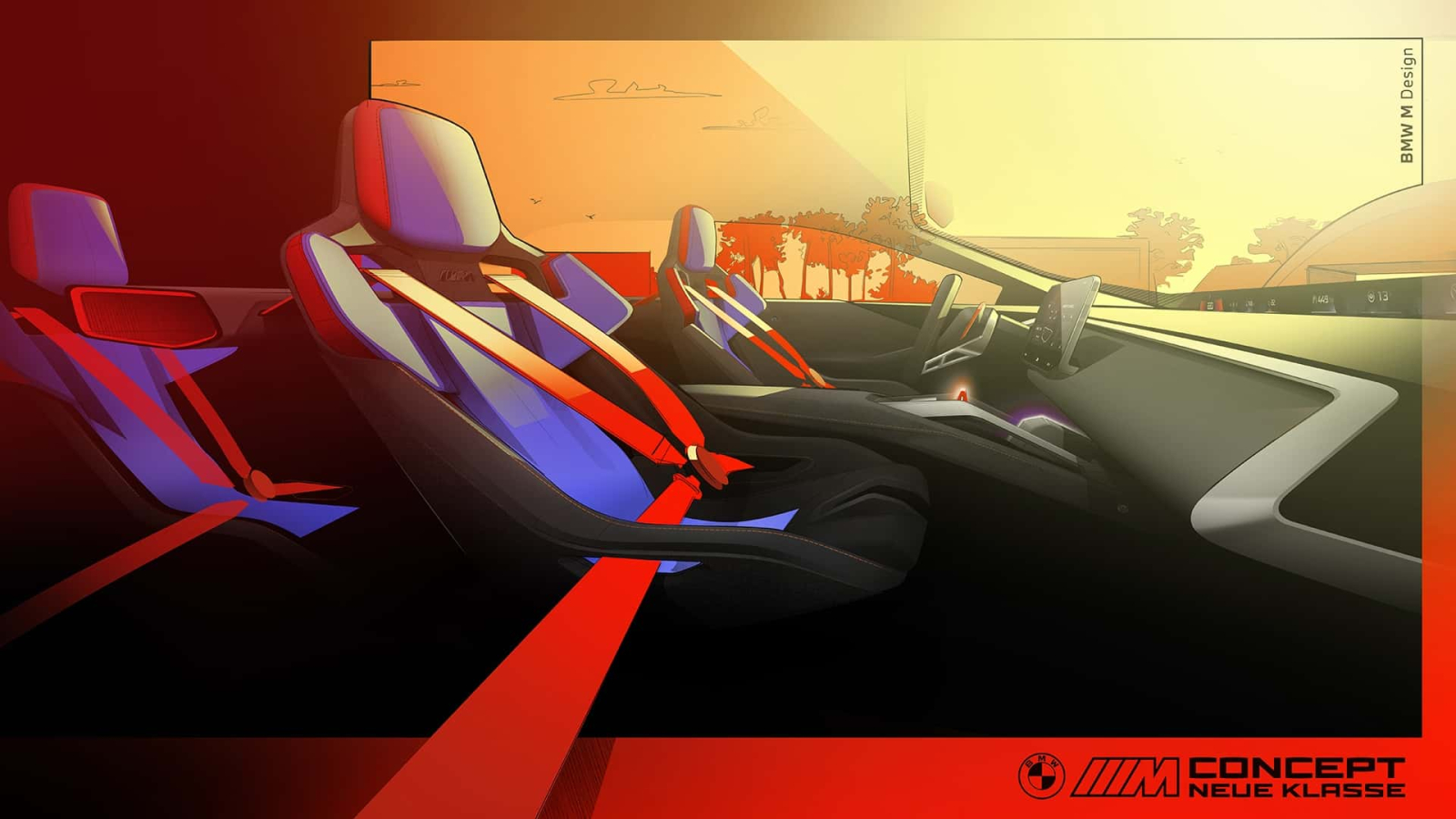
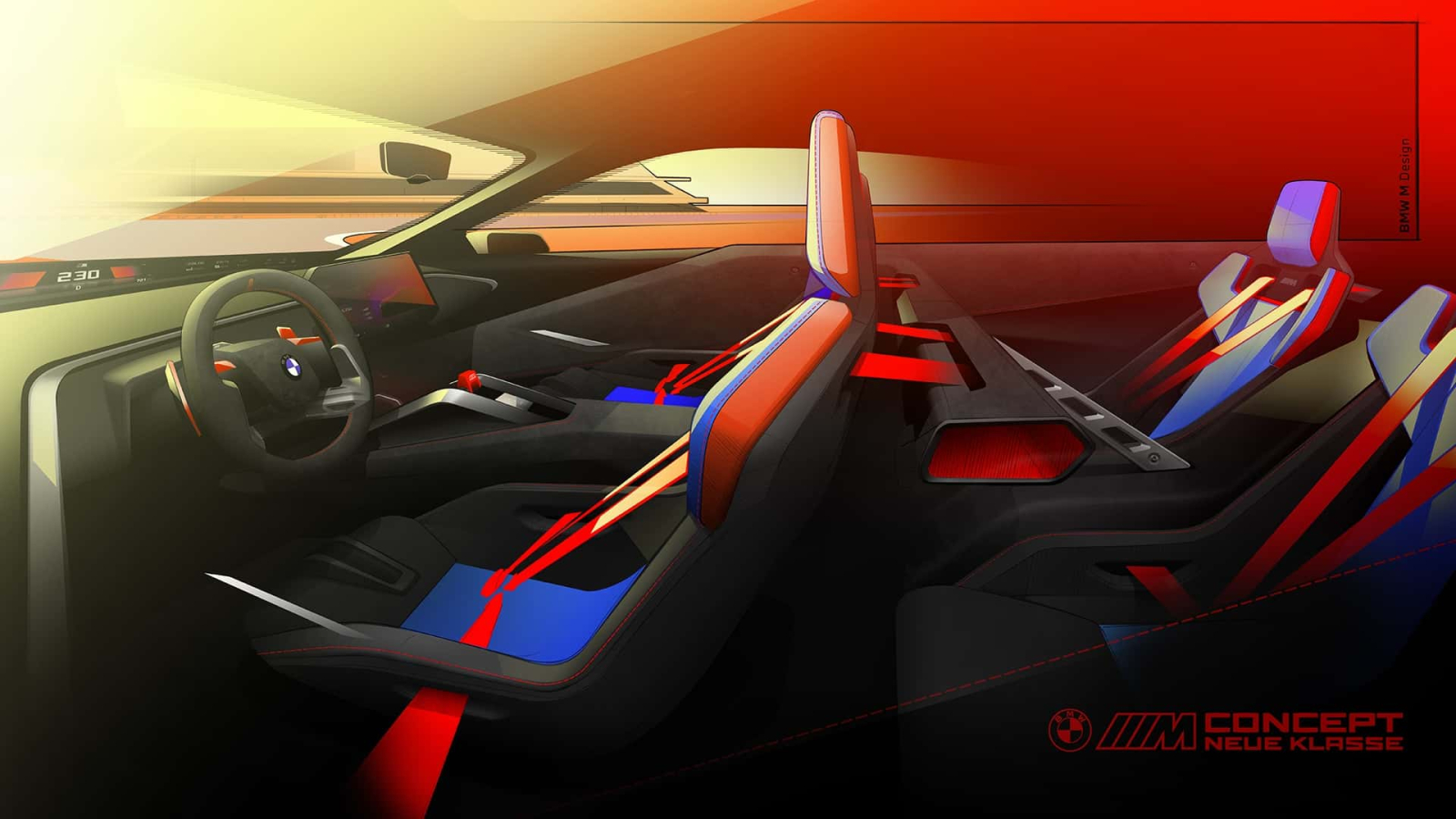
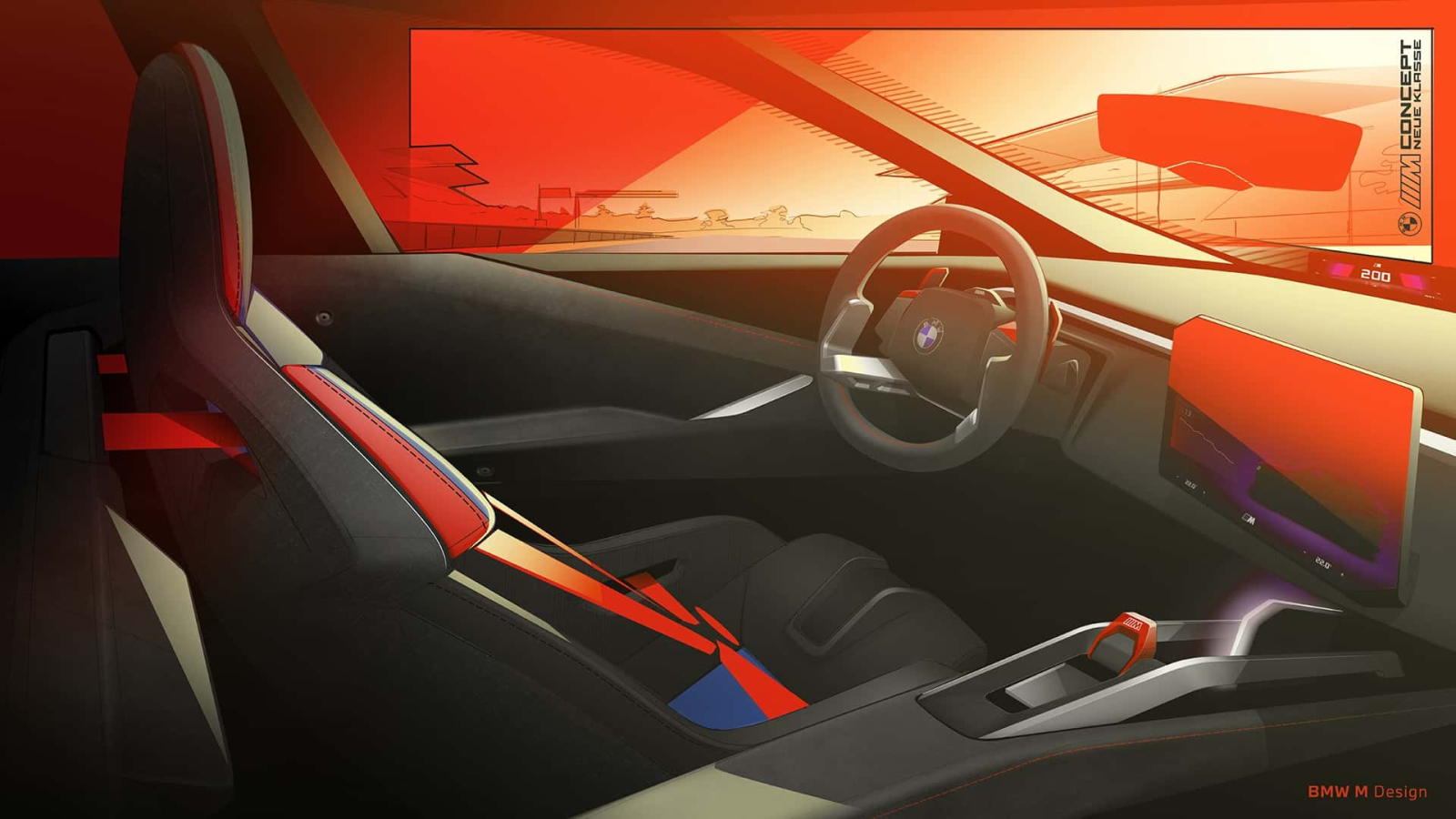
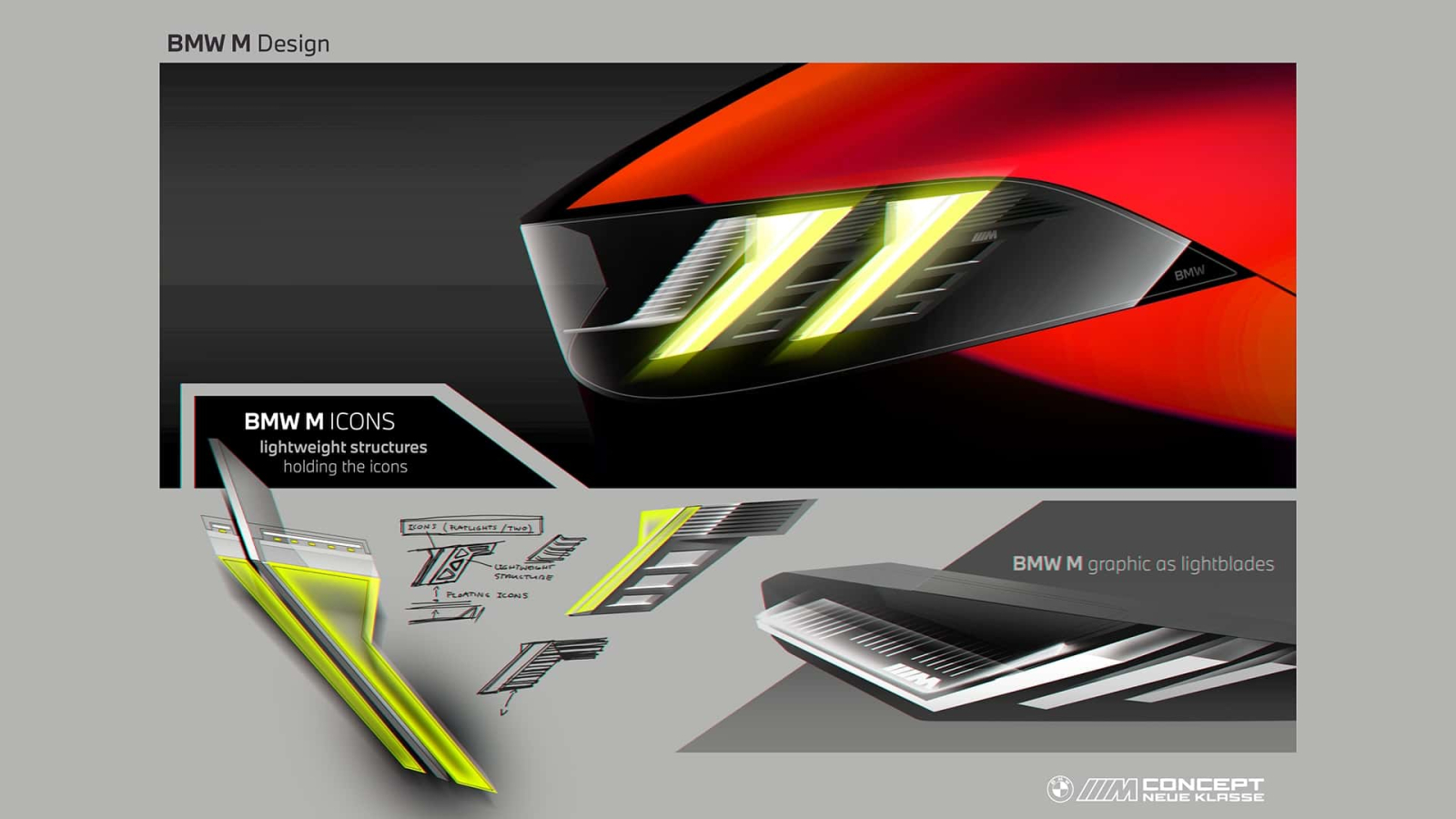
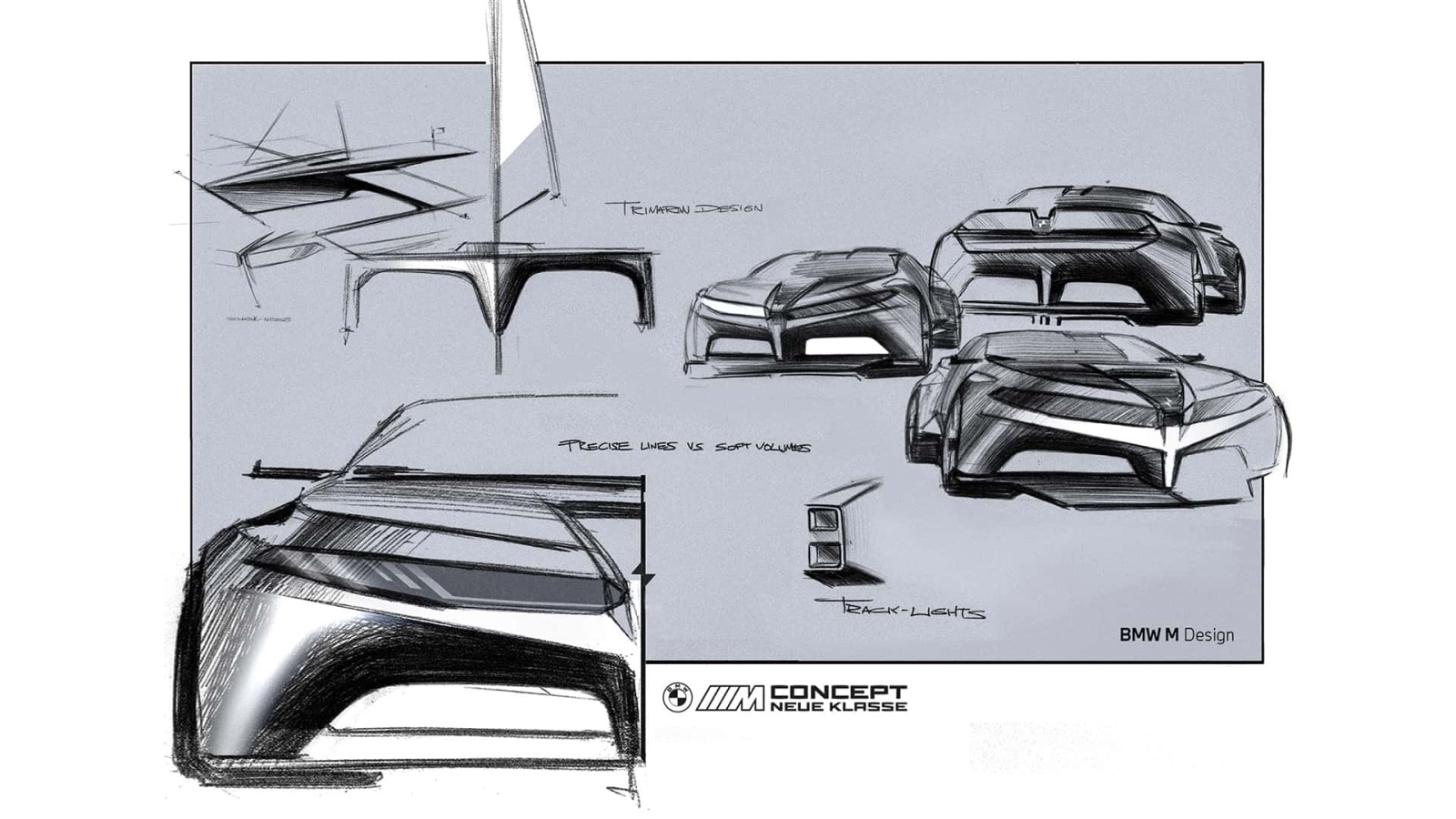
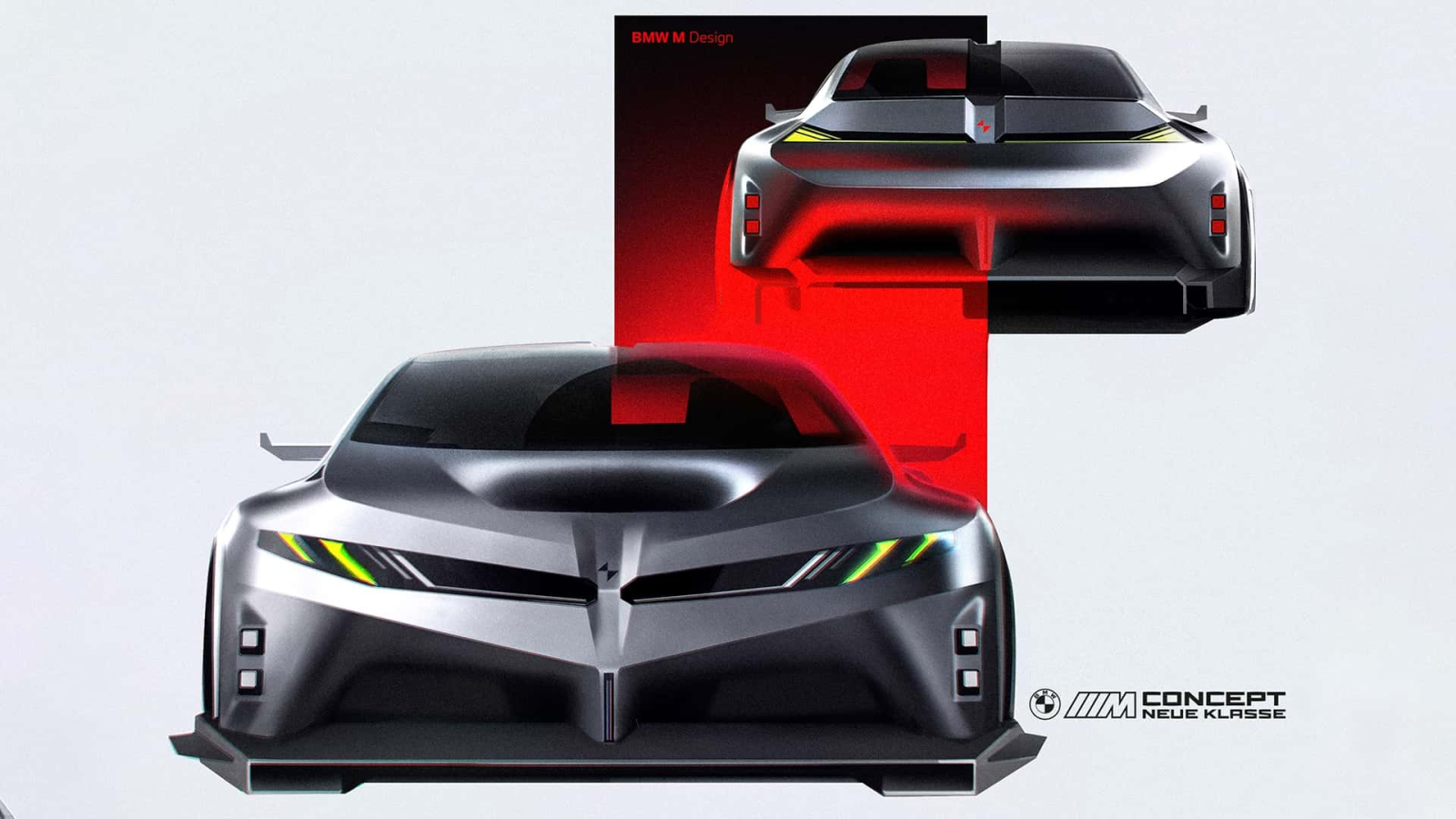
Photos in the catalog
More news