Audi SQ7 without Camouflage

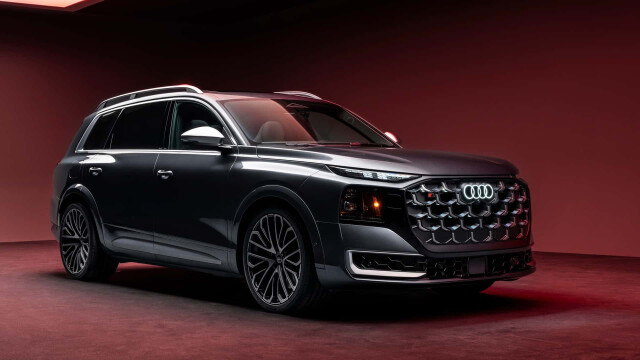
Paparazzi snapped a near-production prototype of the Audi SQ7. The model had no camouflage.

It is not that easy to detect the differences. A closer inspection can open that the lower portions of the front and rear bumpers have a new layout. A menacing quad exhaust set-up can also be found. The vehicle benefits from massive breaks, big black alloy wheels and a nonesuch paint scheme. By the way, the alloy wheels cannot be found in the standard second-gen Q7. If you step into the cabin, you will see that it is virtually the same. The only thing that differs is an “SQ7” logo on the tachometer.

The first Audi SQ7 is expected to debut at the Motor Show in Frankfurt this September. The vehicle will be equipped with an eight-cylinder turbodiesel engine having e-turbo technology. The engine will be connected to a quattro four-wheel drive system. The automaker has not announced the engine’s displacement yet. It looks like the producer will use a 4.0-litre or a 4.2-litre. Then the engine will produce more than 400 hp (or 298 kW). The car will be electrified enough to reach 0-62 mph (or 0-100 km/h) in just 5.5 seconds. The maximum speed of the vehicle will be 186 mph (or 300 km/h).

The automaker will start selling the SQ7 towards the end of 2015. The price will significantly differ from the €60,900 3.0 TDI Quattro. The new offering might cost nearly €80,000 or even more.

Photos

Photos in the catalog

More news
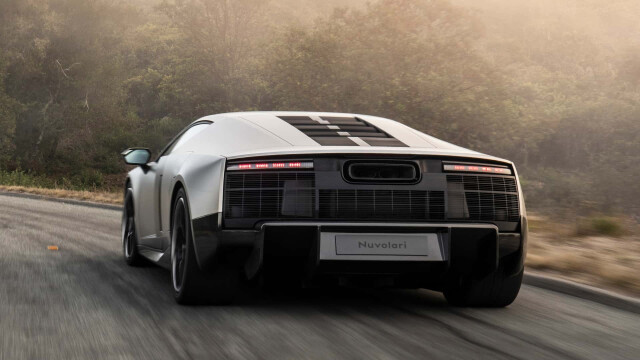
Audi Details What Makes Nuvolari $300,000 More Expensive Than Temerario
Audi has explained why the 987-hp Nuvolari costs roughly $300,000 more than the Lamborghini Temerario it is based on. Key upgrades include a full carbon-fiber body, F1-inspired active aero, and an exclusive run of 499 units.
13.Nov.2026
MotorTrend Tested the 987-HP Audi Nuvolari Hybrid Supercar at Jarama Circuit
The mid-engine Audi Nuvolari features a 987-hp plug-in hybrid powertrain combining a 4.0-liter twin-turbo flat-plane V8 and three electric motors. Audi plans a limited run of 499 units for the supercar, which previews the brand's future design language and vehicle dynamics.
09.Nov.2026
Audi's Upcoming Electric Targa Sports Car Will Share the Next Porsche 718 EV Platform
Porsche CFO Jochen Breckner confirmed that the production version of the Audi Concept C, known internally as C-Sport, will use the dedicated electric architecture developed for the next-generation 718 Boxster and Cayman. Both Porsche's electric sports cars and Audi's open-top targa are scheduled to debut in 2027.
28.Oct.2026
Audi Will Build the Q7, Q8, and Q9 SUVs at Its Future Plant in Georgia
Audi CEO Gernot Döllner confirmed that the company's upcoming US factory, with an annual capacity of up to 200,000 vehicles, will assemble combustion and plug-in hybrid Q7, Q8, and Q9 SUVs starting in the early 2030s.
27.Oct.2026
2026 Audi A6 Sedan with 362-HP V-6 Tested in MotorTrend Car of the Year Finals
MotorTrend evaluated the redesigned 2026 Audi A6 sedan during its Car of the Year testing, putting both Prestige and Sport trims through proving ground and road tests. Now powered exclusively by a 362-hp 3.0-liter turbocharged V-6, the luxury sedan reached the finalist round thanks to its cabin technology and handling, despite criticism of its throttle response and firm steel-spring ride.
20.Oct.2026
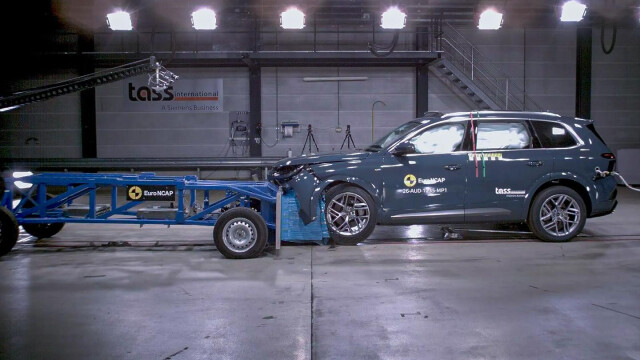
Next-Generation Audi Q7 Earns Five-Star Euro NCAP Safety Rating
European safety organization Euro NCAP has tested the new-generation Audi Q7, awarding the SUV a maximum five-star rating alongside a 100% score for post-crash safety. At the same time, testers noted weak head protection for cyclists and increased frontal impact severity for oncoming vehicles.
19.Oct.2026