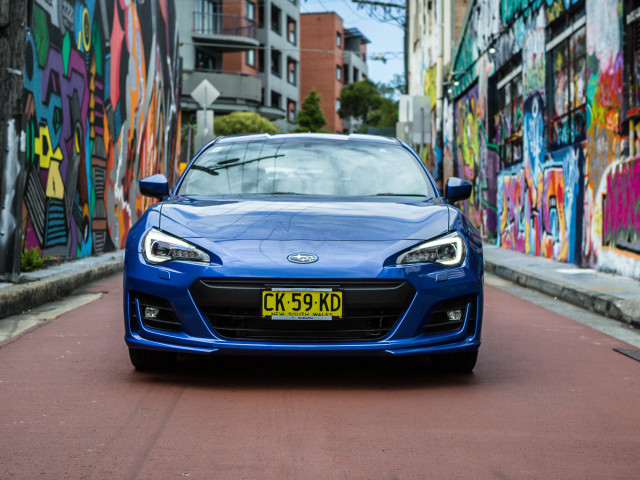
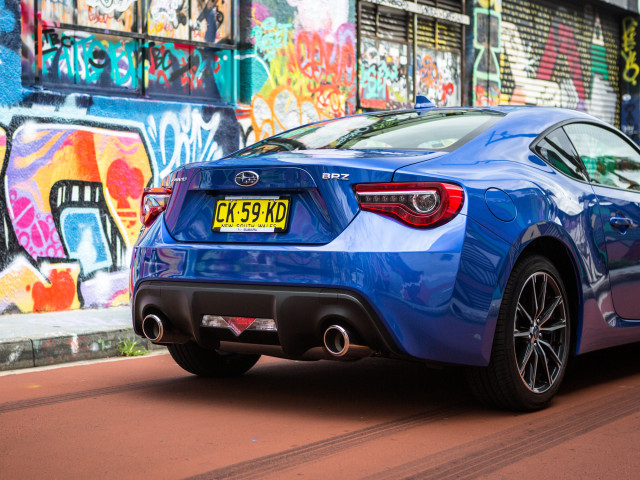
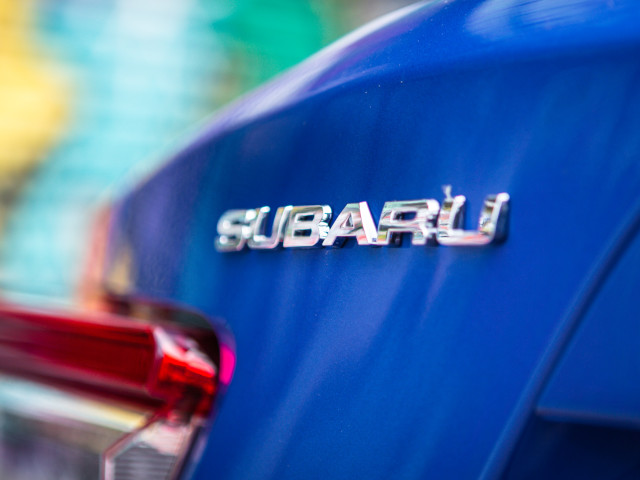
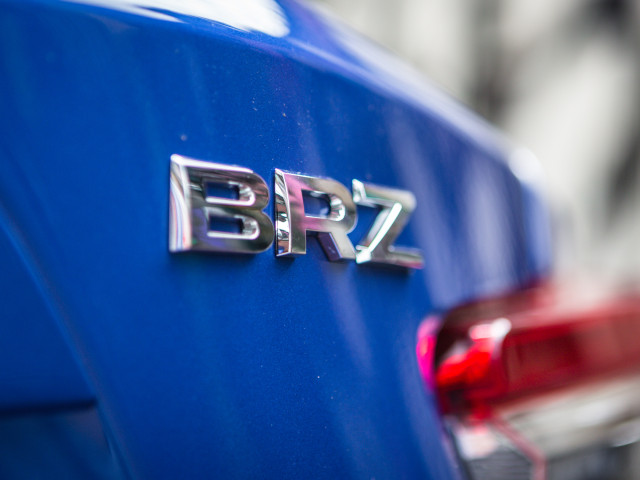
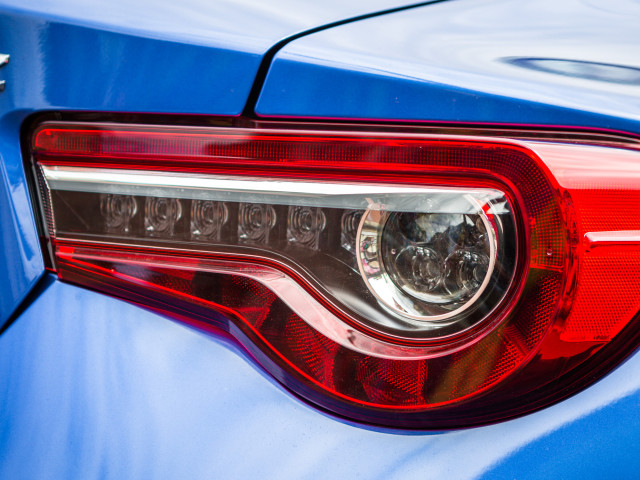
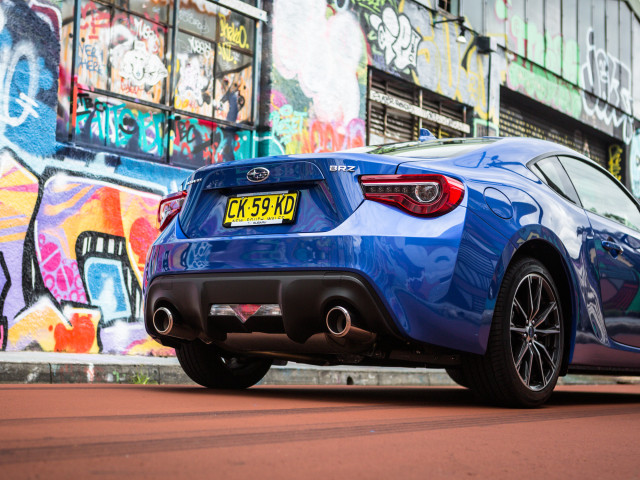
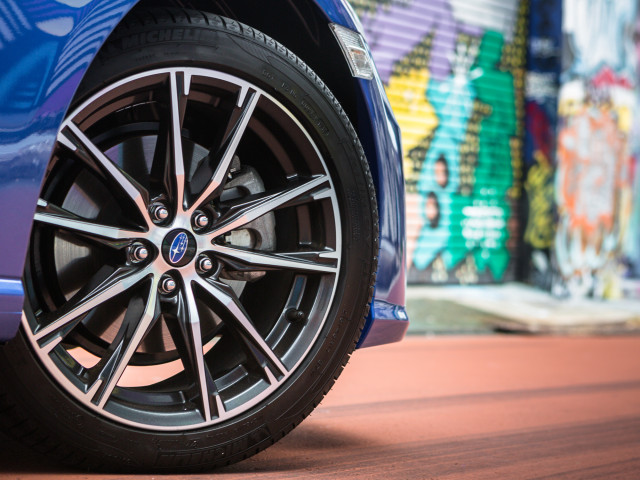
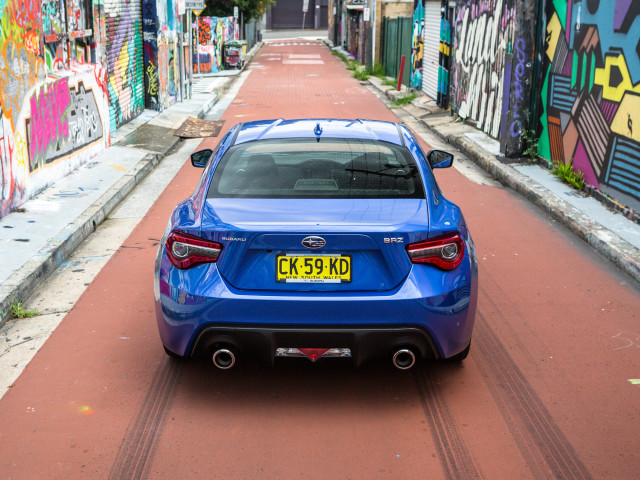
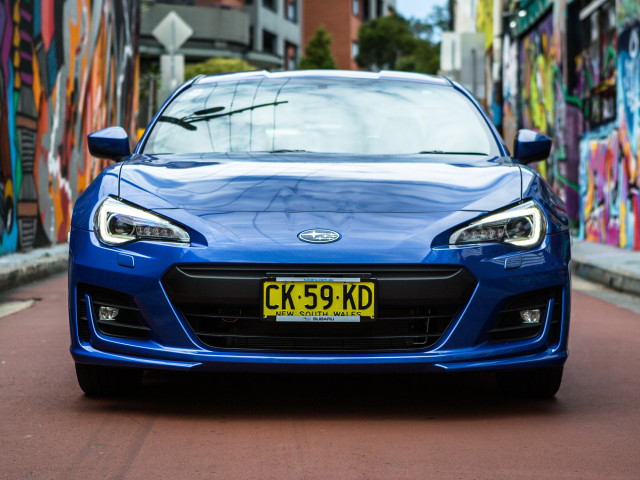
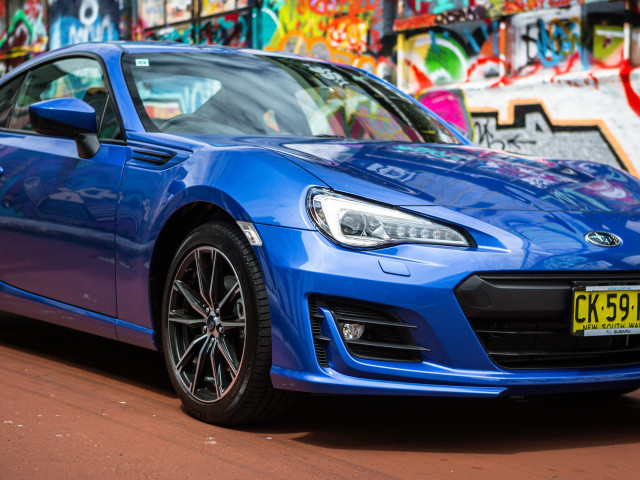
Subaru BRZ I (ZC6) photos

2012 — 2021 · coupe
212
photos
5
specifications
197–202
hp
7.4 s
best 0–100

About this generation

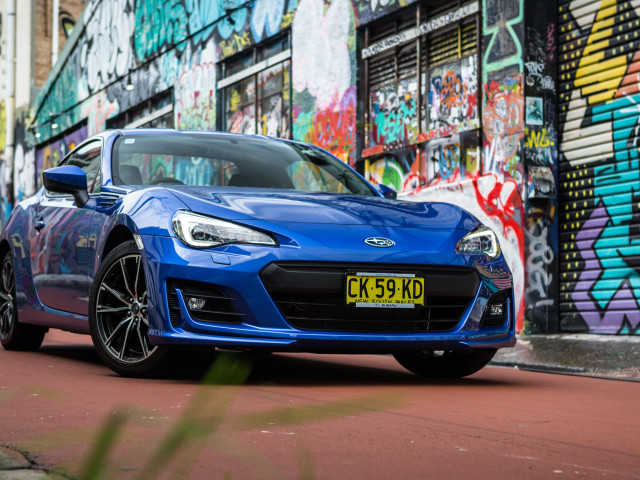
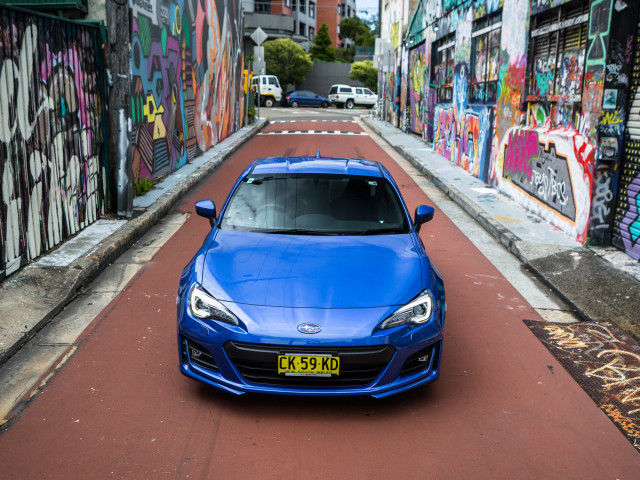
The first generation Subaru BRZ rear-wheel-drive sports coupe was co-developed with Toyota and powered by the 2.0-liter FA20 engine.

Unveiled at the 2011 Tokyo Motor Show, the first-generation Subaru BRZ (ZC6 chassis) was co-developed with Toyota as a lightweight, rear-wheel-drive sports coupe. The core engineering objective was achieving an ultra-low center of gravity (460 mm), enabled by the compact 2.0-liter FA20 naturally aspirated flat-four engine featuring Toyota's D-4S dual-injection technology (200 hp). The engineering setup effectively combined the low center of gravity inherent to the horizontally-opposed engine layout with a rigid chassis frame, delivering precise handling and composure across dry pavement and slippery surfaces alike. Engine bay packaging ensured optimal front-to-rear axle weight distribution alongside efficient thermal cooling under sustained driving loads.

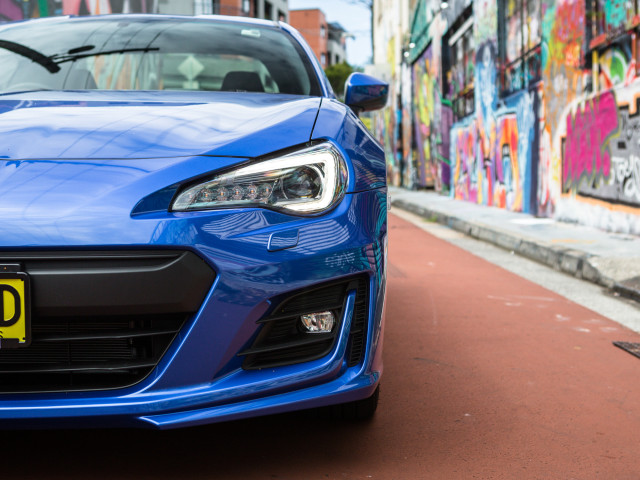
Power reached the rear wheels via a 6-speed manual or 6-speed automatic transmission paired with a Torsen limited-slip differential. A 2016 facelift bumped manual output to 205 hp, while updating the LED headlights, front fascia trim, and instrument cluster graphics. Performance-oriented tS trims added Sachs dampers and Brembo brakes. First-generation production concluded in 2021. Designers placed a strong emphasis on cabin ergonomics, occupant visibility, and long-distance driving comfort. Robust mechanical reliability across the drivetrain and suspension components helped establish this generation as a benchmark choice within its competitive market segment worldwide.

Specifications

5
Petrol
2.0 MT
197hp(147 kW)
2.0 l 6-speed manual RWD 0–100 7.6 s
2012–2016
Torque
205 Nm (151 lb-ft)
Top speed
226 km/h (140 mph)
Displacement
1998 cc
Cylinders
4
Engine
FA20D
Aspiration
naturally aspirated
Curb weight
1239 kg (2732 lb)
Fuel tank
50 l (13.2 gal US)
Fuel consumption
7.8 l/100 km (30 mpg US) NEDC
CO₂
181 g/km (NEDC)
Emissions standard
Euro 5
2.0 AT
197hp(147 kW)
2.0 l 6-speed automatic RWD 0–100 8.2 s
Torque
205 Nm (151 lb-ft)
Top speed
210 km/h (130 mph)
Displacement
1998 cc
Cylinders
4
Engine
FA20D
Aspiration
naturally aspirated
Curb weight
1262 kg (2782 lb)
Fuel tank
50 l (13.2 gal US)
Fuel consumption
7.1 l/100 km (33 mpg US) NEDC
CO₂
164 g/km (NEDC)
Emissions standard
Euro 5
tS / STI Sport 2.0 AT
197hp(147 kW)
2.0 l 6-speed automatic RWD
2017–2020
Torque
205 Nm (151 lb-ft)
Displacement
1998 cc
Cylinders
4
Engine
FA20D
Aspiration
naturally aspirated
Curb weight
1280 kg (2822 lb)
Fuel tank
50 l (13.2 gal US)
2.0 MT
202hp(151 kW)
2.0 l 6-speed manual RWD 0–100 7.4 s
2016–2021
Torque
212 Nm (156 lb-ft)
Top speed
226 km/h (140 mph)
Displacement
1998 cc
Cylinders
4
Engine
FA20D
Aspiration
naturally aspirated
Curb weight
1265 kg (2789 lb)
Fuel tank
50 l (13.2 gal US)
Fuel consumption
9.8 l/100 km (24 mpg US) EPA
tS / STI Sport 2.0 MT
202hp(151 kW)
2.0 l 6-speed manual RWD
2017–2020
Torque
212 Nm (156 lb-ft)
Displacement
1998 cc
Cylinders
4
Engine
FA20D
Aspiration
naturally aspirated
Curb weight
1280 kg (2822 lb)
Fuel tank
50 l (13.2 gal US)

Tap a card to see all specs

News

Subaru news

All Subaru news
Subaru WRX Sees a Sales Rebound After Price Cut
A lower starting price for the 2026 WRX appears to be drawing buyers back to Subaru showrooms.
13.May.2026
Subaru Affirms STI Legacy Will Continue
Subaru reassures fans that the legendary STI performance badge remains an active part of its future plans.
04.Mar.2026
2026 Sees the Return of Subaru’s Most Affordable WRX
Subaru reintroduces the entry-level WRX for the upcoming model year, with prices dropping across nearly all trims.
22.Jan.2026
Subaru Drops Another Hint at a New STI Model
A fresh teaser video suggests Subaru might be gearing up to showcase a new STI at the Tokyo Auto Salon. Could this be the start of a production comeback?
30.Dec.2025