Subaru Tests In-House 510-HP Electric Prototype Based on Outback Without Toyota
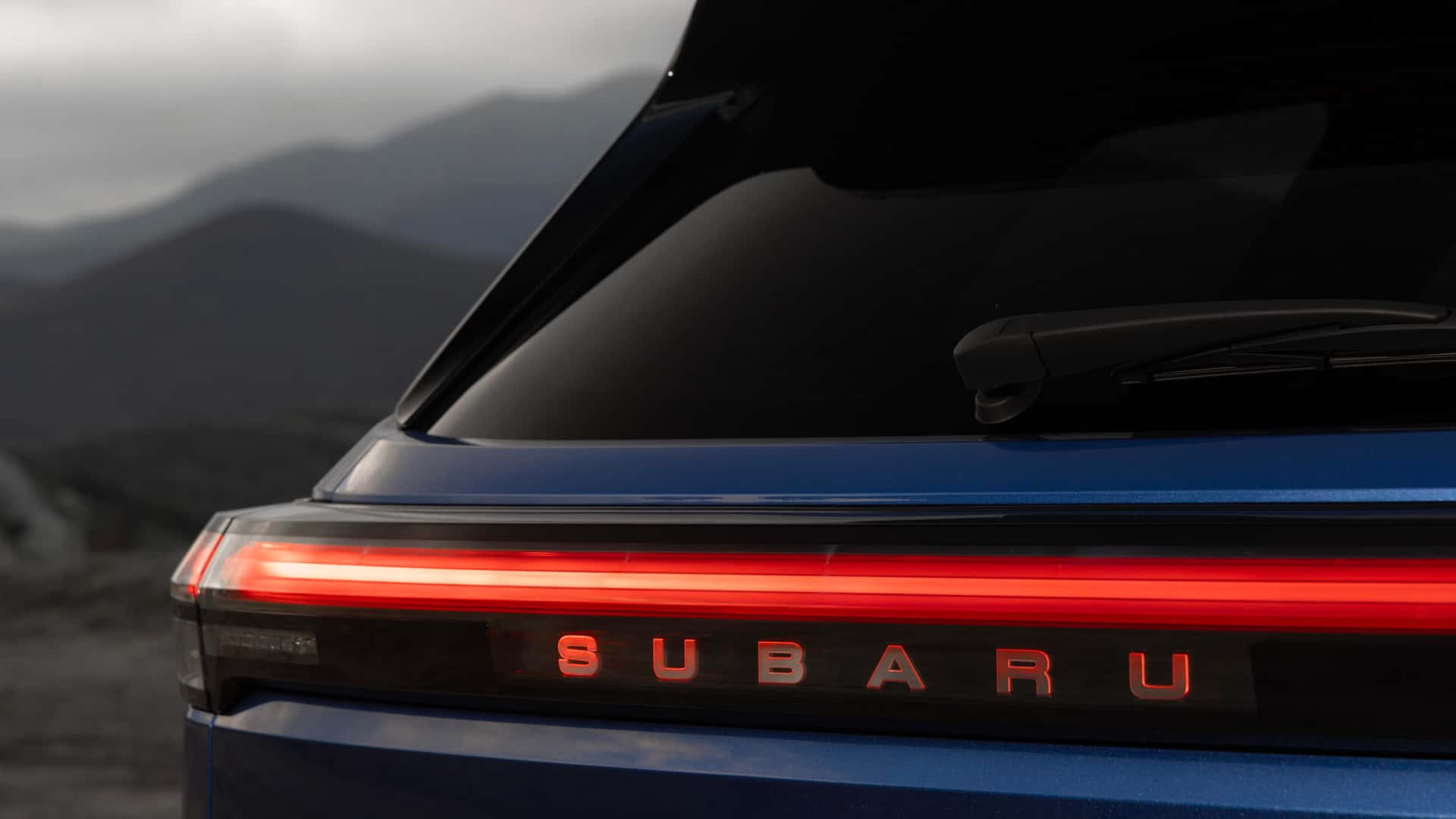
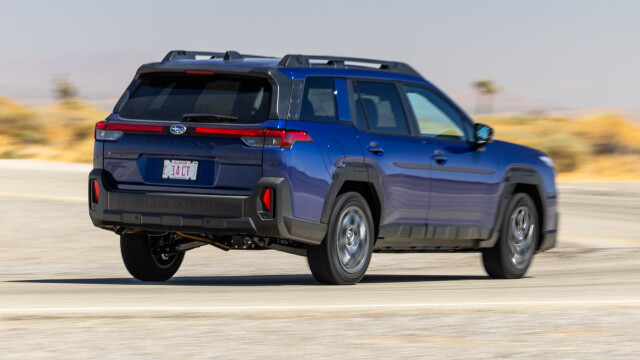
On October 18, Subaru demonstrated an all-electric test mule at its proving ground north of Tokyo, showcasing EV technology developed entirely in-house without Toyota's involvement. Built inside a modified Outback wagon body, the prototype produces roughly 510 horsepower from a dual-motor, all-wheel-drive powertrain. According to company executives, elements of the underlying hardware could reach production vehicles starting in 2029, although no specific showroom model has been announced yet and the wagon body is strictly for testing purposes.
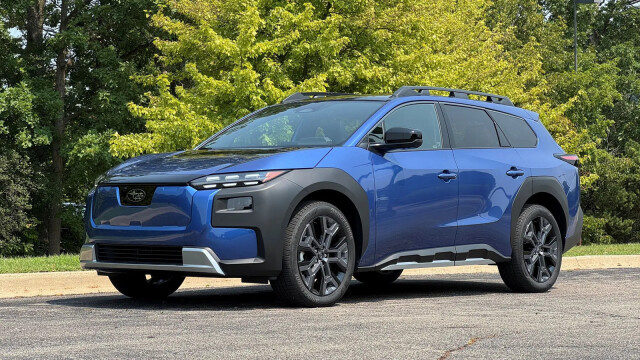
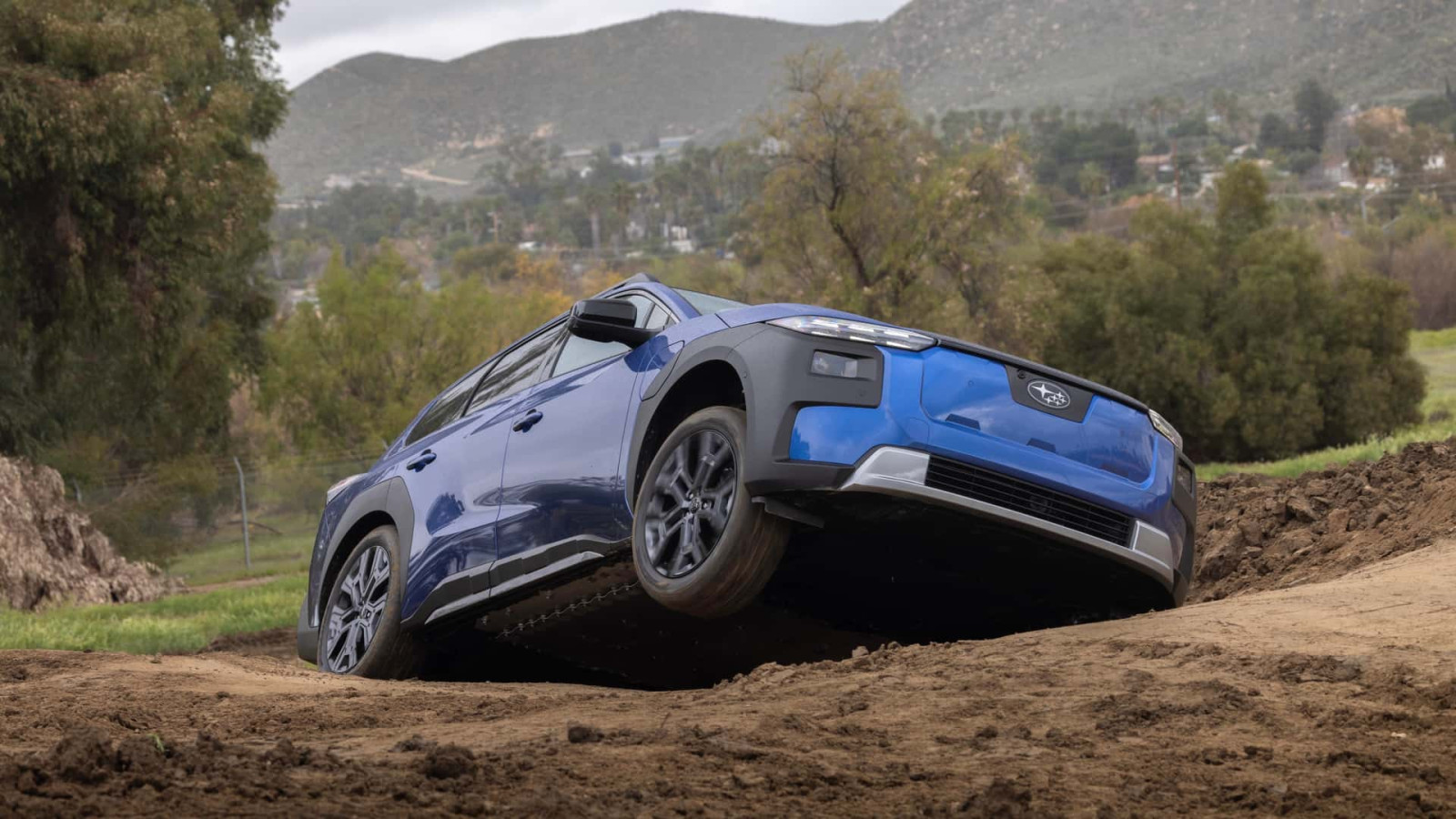
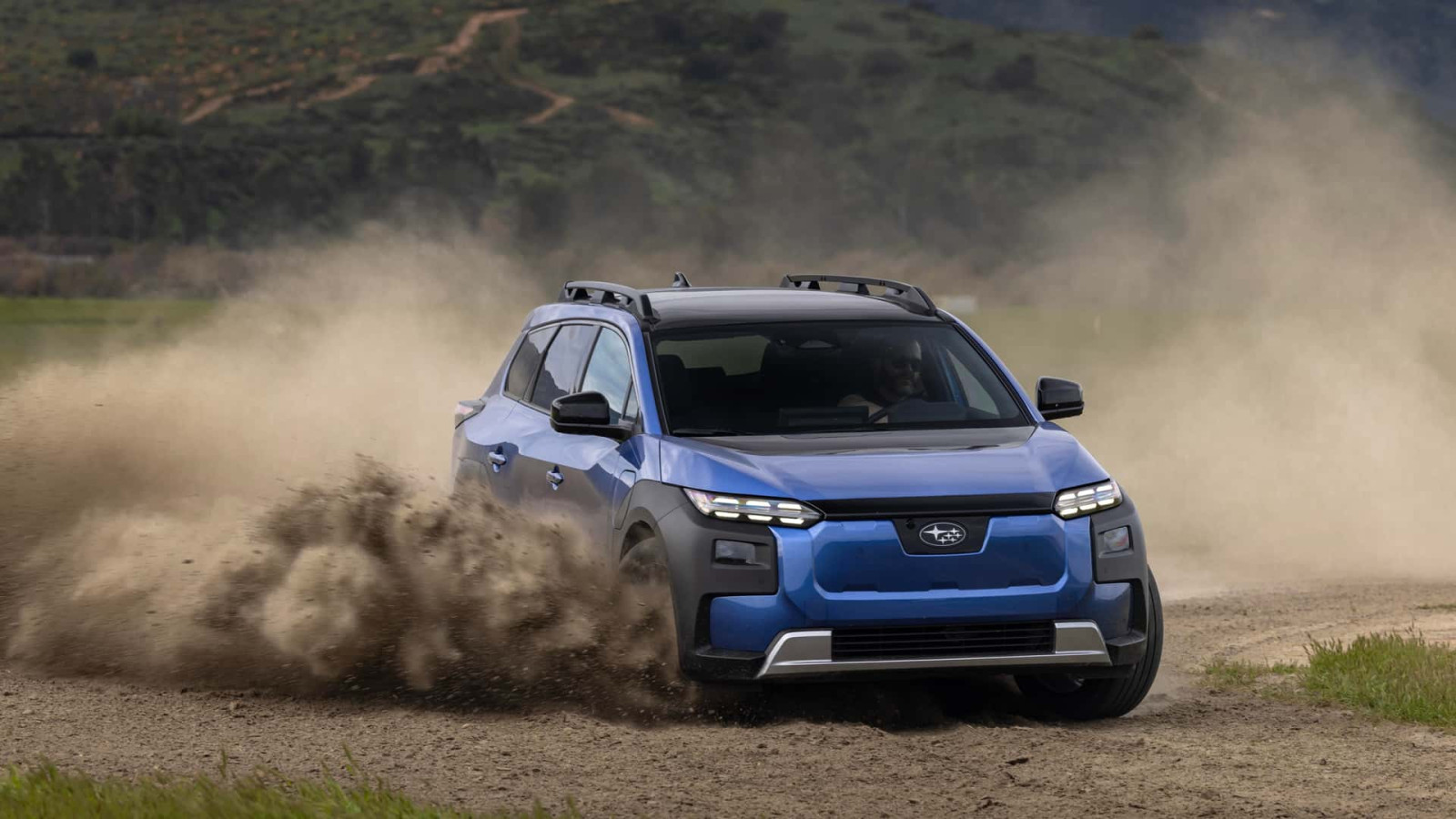
The prototype uses a front electric axle supplied by Aisin rated at 150 kW (201 hp) combined with a more powerful 230 kW (308 hp) rear unit. As reported by Automotive News, this configuration allows the test car to accelerate from 0 to 62 mph in under four seconds. Unlike Subaru's existing electric SUVs—including the compact Solterra, the wagon-style Trailseeker, the subcompact Uncharted, and the upcoming three-row Getaway scheduled to arrive early next year—this new architecture does not rely on Toyota's e-TNGA platform. Instead, Subaru engineered the dedicated electric chassis from the ground up, applying the brand's traditional symmetrical all-wheel-drive philosophy used in combustion models like the WRX and Outback to independently tune motor output and torque distribution across both axles.
Reducing weight was a primary goal during the platform's development. Subaru states that the new dedicated EV structure is approximately 220 pounds lighter than the architecture used in its current electric lineup. While exact battery capacity, charging speeds, and driving range have not been disclosed, the battery pack incorporates around 4,000 cylindrical cells and weighs about 25 percent less than the brand's previous pack. Subaru is targeting an energy density roughly 20 percent higher than the current industry average.
In addition to the lighter chassis and battery, Subaru developed an integrated control unit that manages the electric motors, battery pack, and software from a single central system rather than relying on multiple separate modules typical of older EV designs. This centralized architecture also enables over-the-air software updates, allowing the automaker to deliver performance adjustments and new features remotely after customers take delivery. While Subaru will continue rolling out previously confirmed Toyota-based electric SUVs over the next few years, the 510-hp prototype previews the company's long-term direction for independent EV engineering.
Photos
Photos in the catalog
More news