Mercedes-Benz Citan I (W415) photos
Photos
14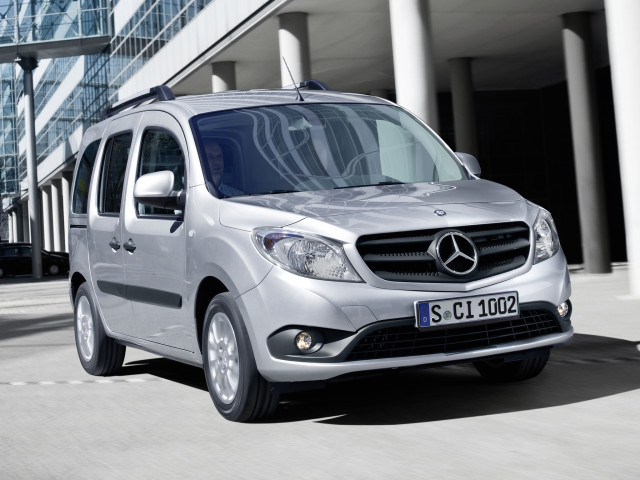 19
19
 21
21
 13
13
 23
23
 12
12
 17
17
 27
27
 29
29
 24
24
 21
21
 18
18
 18
18
 23
23
 21
21
About this generation
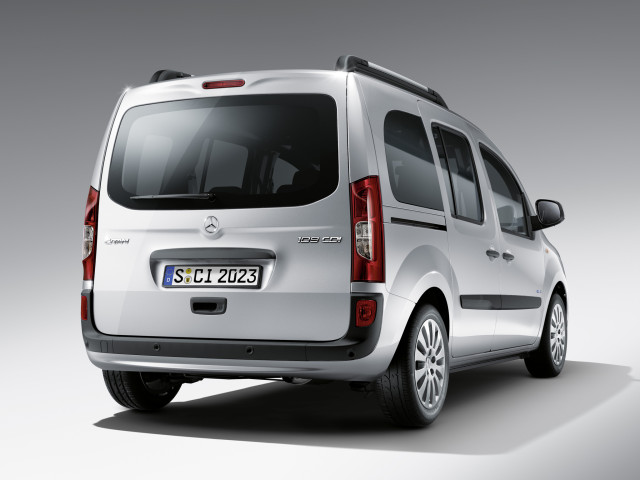
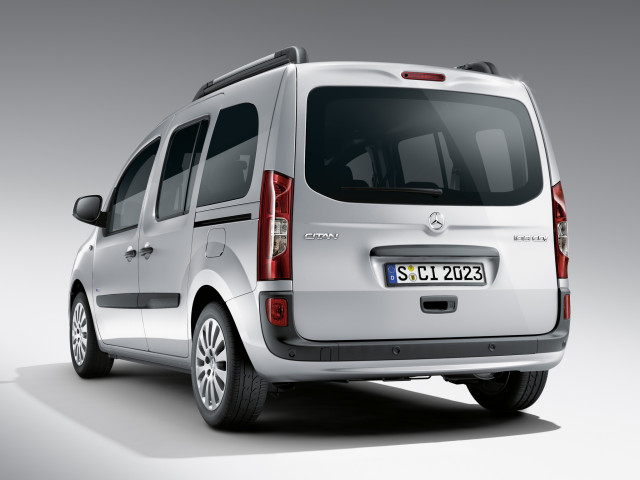
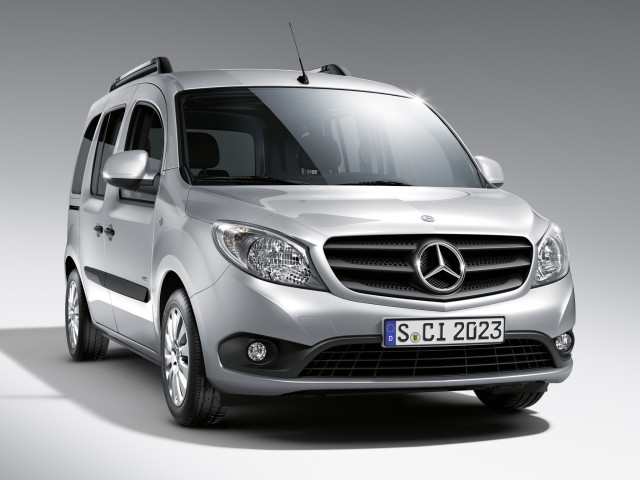
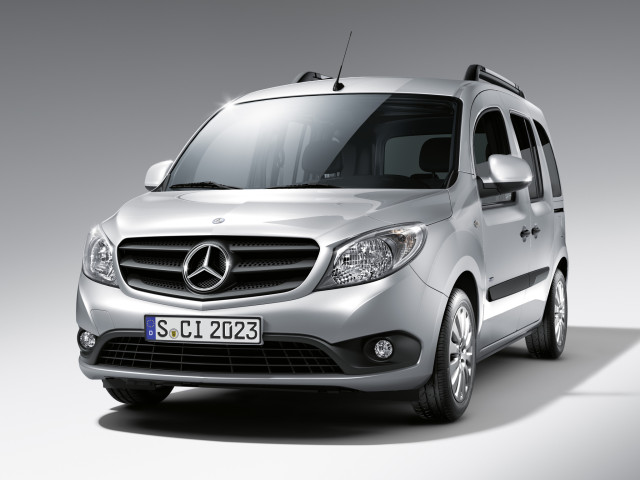
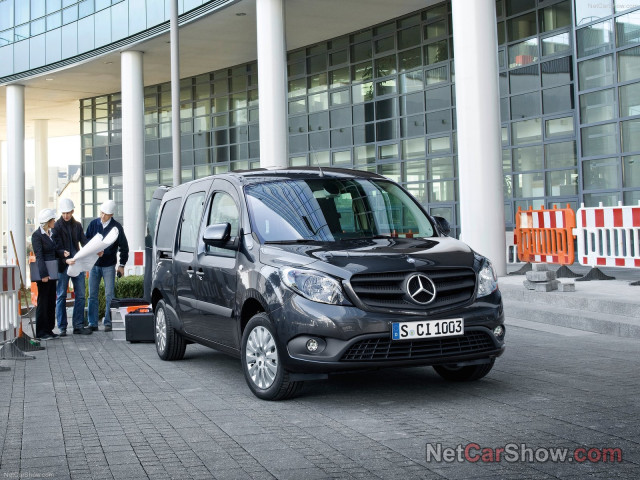
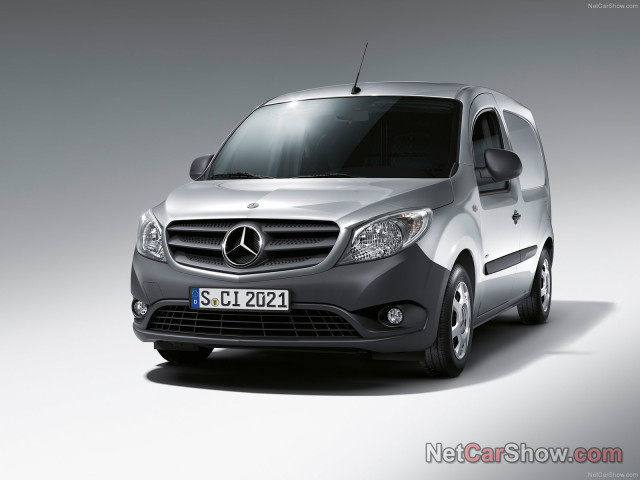
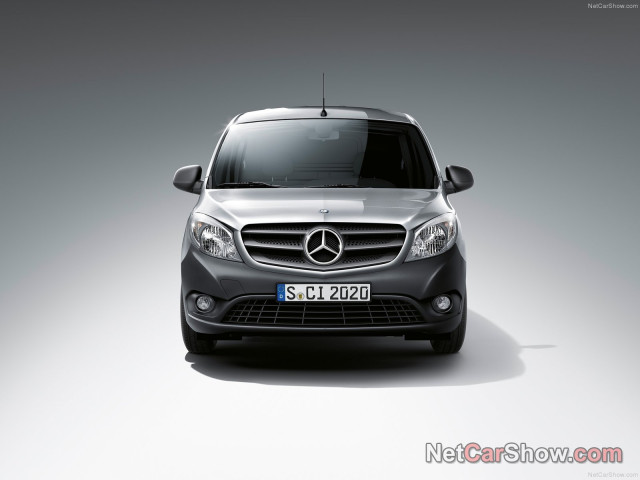
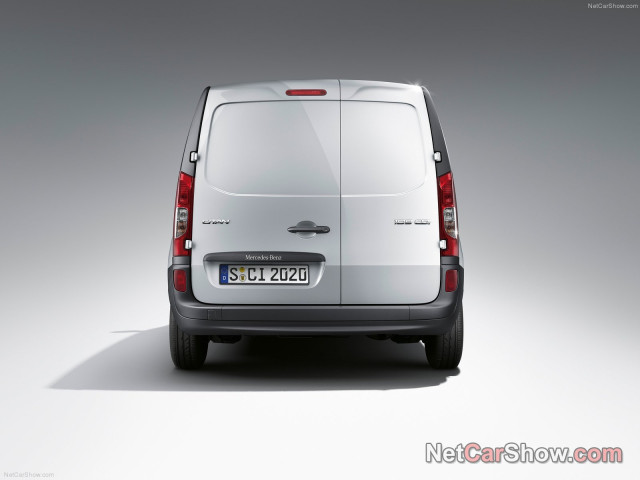
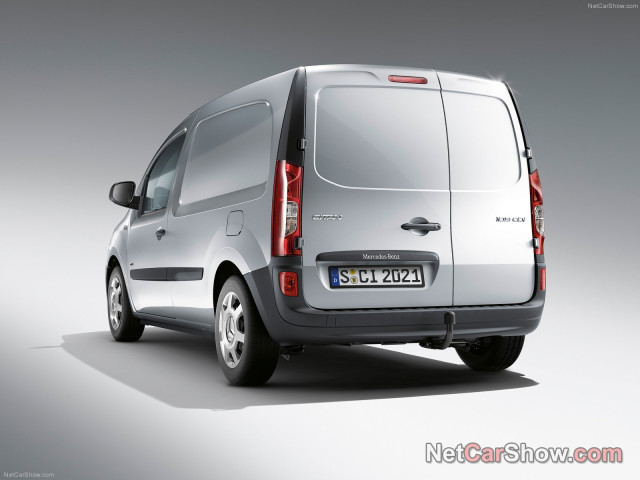
First generation of the compact commercial van Mercedes-Benz Citan (W415), developed on the Renault Kangoo II platform from 2012 to 2021.
The first-generation Mercedes-Benz Citan (chassis code W415) launched in 2012 as a light commercial urban delivery van. Created through the strategic alliance between Daimler AG and Renault-Nissan, it was built on the Renault Kangoo II platform while receiving Mercedes-specific front styling, custom interior trim, and calibrated suspension dampers.
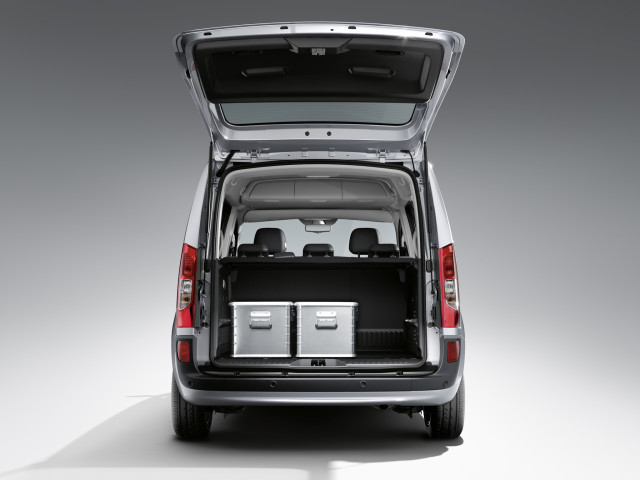
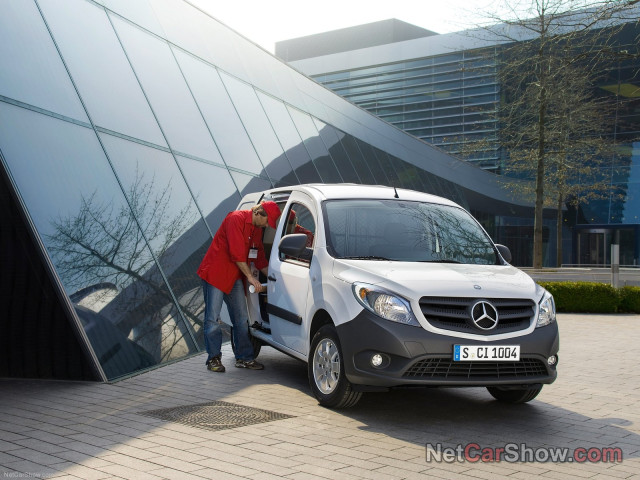
Available in three body lengths (Compact, Long, Extra Long), body variants included the Panel Van cargo carrier, Mixto crew van, and Tourer passenger MPV. Motivation was primarily supplied by 1.5-liter dCi four-cylinder turbodiesels (branded OM607/OM608) producing between 75 and 116 hp, alongside a 1.2-liter turbo gasoline engine. Production ended in 2021.
Specifications
18 in 2 body stylesPanel Van W415 9 specifications
Tap a card to see all specs
Tourer / Combi W415 9 specifications
Tap a card to see all specs
Mercedes-Benz news