Suzuki May Edge Past Honda in Sales for the First Time
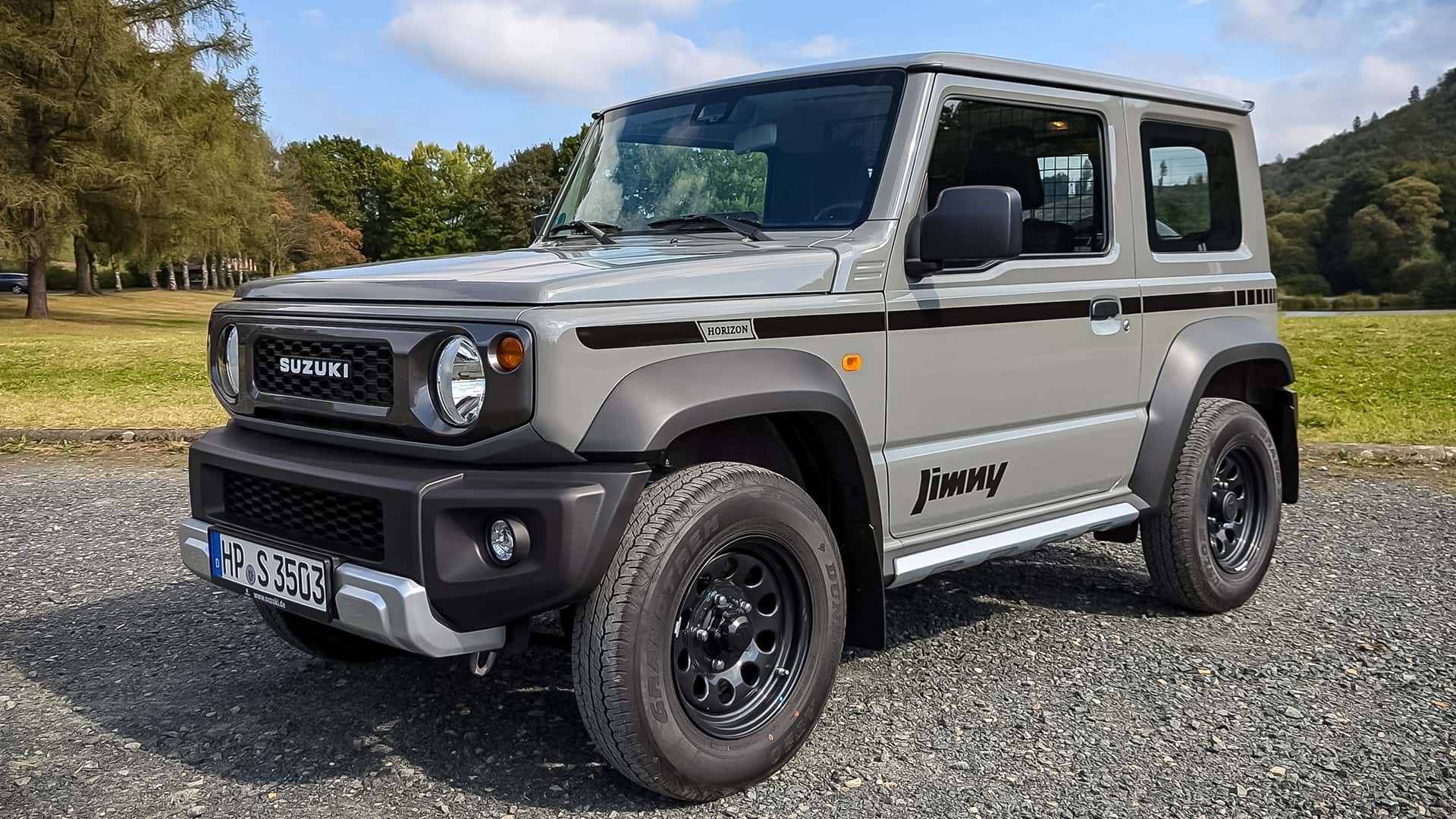
Suzuki is on track for a major milestone: the company expects its global sales to rise enough to surpass Honda in the next fiscal year. A big part of that momentum comes from India, where Suzuki continues to post especially strong results.
During the fiscal year that ended on March 31, 2026, Suzuki sold 3.32 million vehicles worldwide, up 2.4 percent from the year before. Of that total, 1.86 million units were delivered in India alone, accounting for more than half of the brand's global volume.
Looking ahead to the fiscal year ending March 31, 2027, Suzuki is forecasting a 7.1 percent increase, which would lift worldwide deliveries to 3.55 million vehicles.
Honda Still Leads, But Only Slightly
Honda remained ahead in the previous fiscal year with 3.38 million sales, despite an 8.9 percent decline. For the current year, however, the company is projecting only a slight improvement to 3.39 million units.
If those numbers hold, Suzuki would move ahead and claim the position of Japan's second-largest automaker for the first time. Toyota, which remains far out in front, is expected to sell about 10.5 million vehicles with Lexus included. Nissan is projected to finish fourth at 3.3 million units if its forecasted growth comes through.
Even so, Suzuki says its goals are not centered on beating rivals in the rankings. President Toshihiro Suzuki said the company's focus is on making vehicles customers want, while also helping strengthen the Indian market.
Toyota also plays a role in Suzuki's business through its stake in the company and occasional model-sharing partnerships. In some regions, the two automakers even trade badges on select vehicles.
While sales rankings can shift, they do not tell the whole story. Profitability and other financial measures matter just as much, if not more. Still, a Suzuki move past Honda would be a notable change in an industry where that outcome would have seemed unlikely not long ago.
One lingering disappointment is Suzuki's absence from the U.S. market. With demand still healthy for compact off-roaders, a return could attract interest, but rebuilding a dealer network and meeting American safety standards would make that a difficult step.
More news