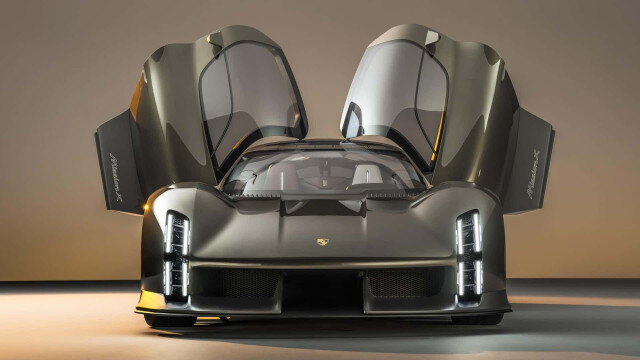
Porsche Developed the Mission S Hypercar Concept in Eight Months Under Its Sportwagenschmiede '35 Plan
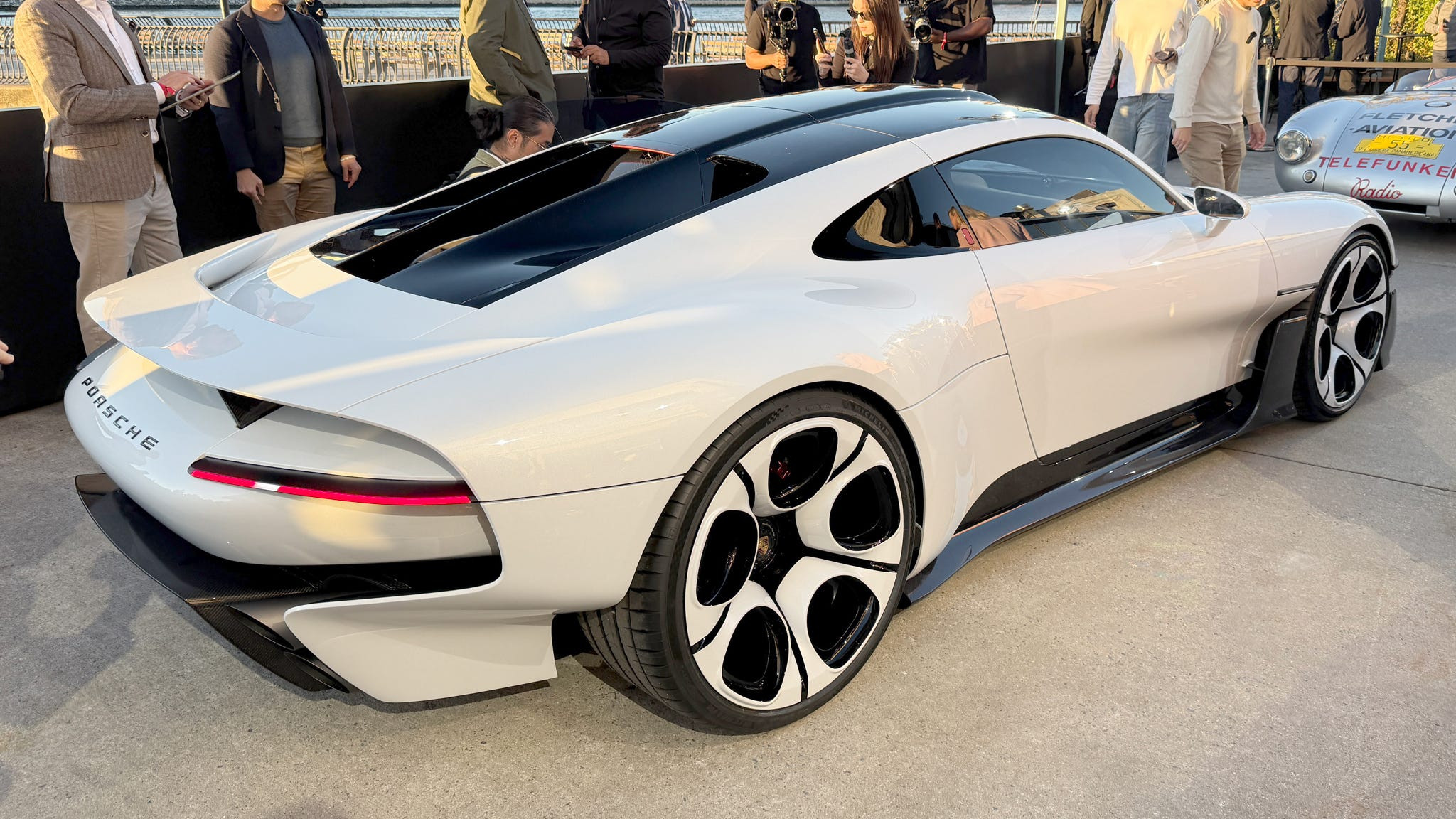
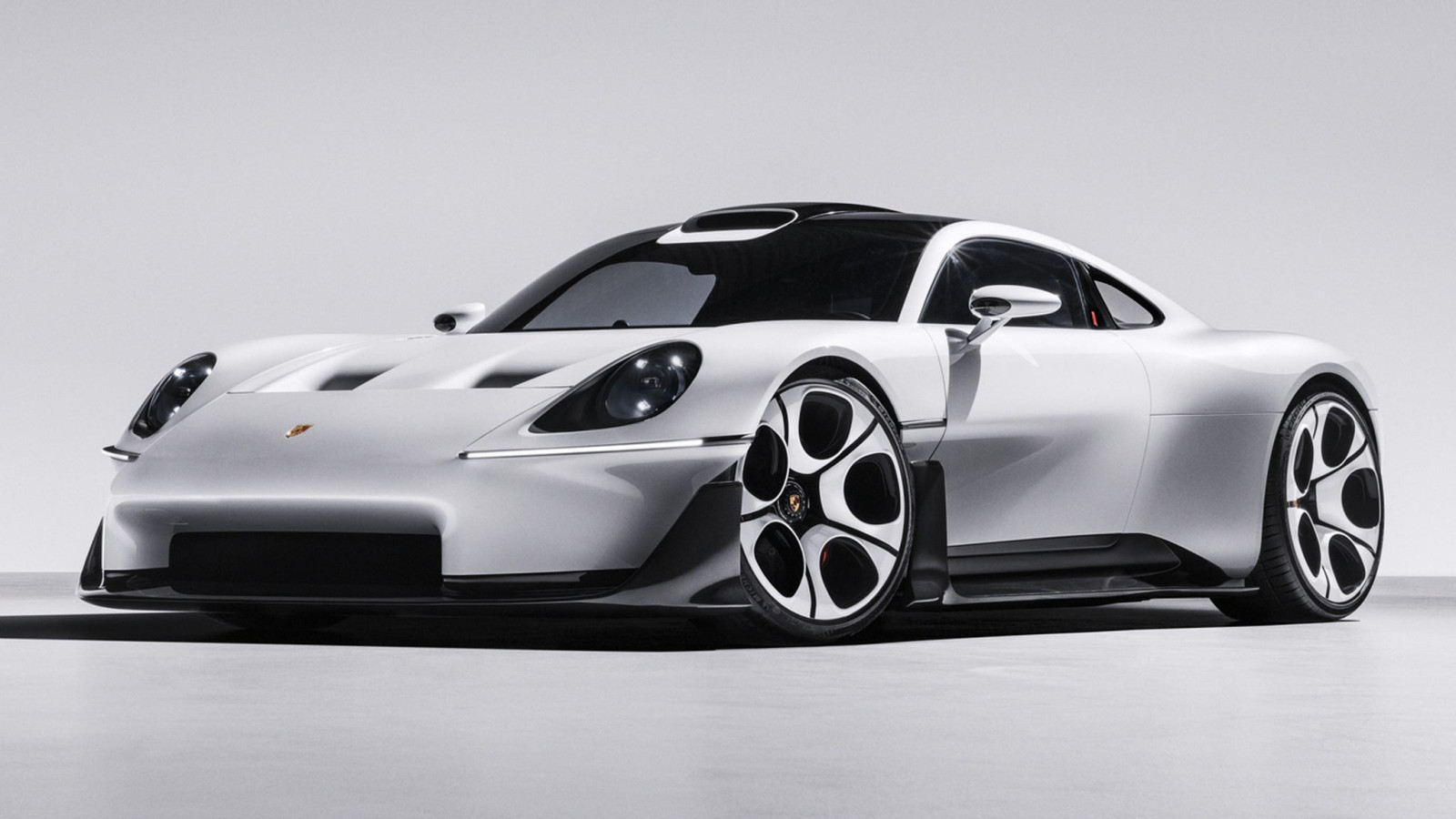
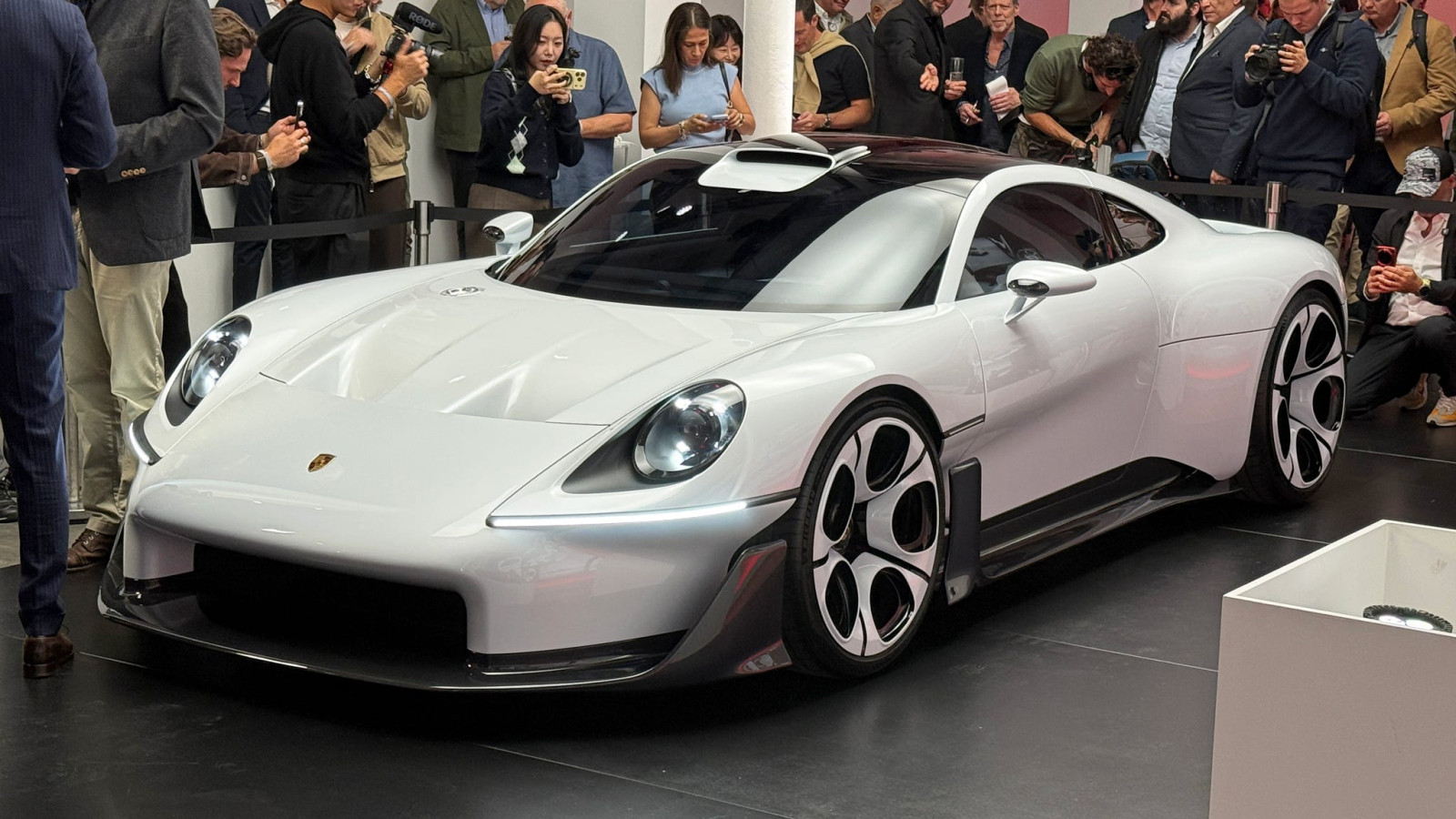
Roughly eight months ago, Porsche CEO Michael Leiters, who became chairman of the executive board of Porsche AG in January, called Tobias Sühlmann, who took over as Porsche head of style in February, to discuss designing a new hypercar positioned above the 911 at the top of the lineup. Following that initial conversation, Sühlmann and his team immediately began developing the concept that became the Porsche Mission S.
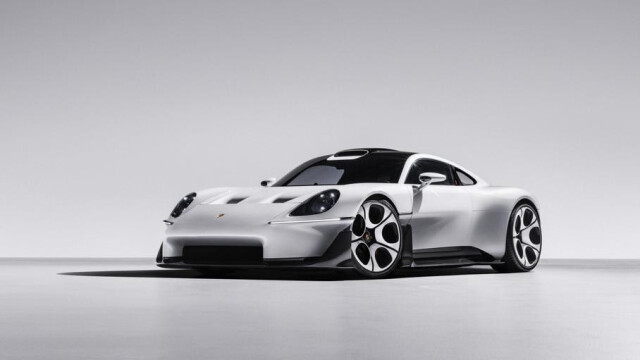
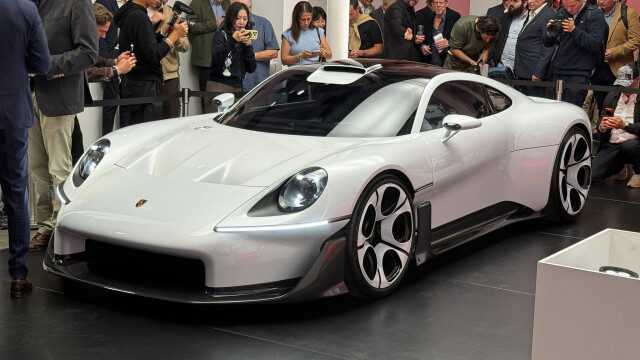
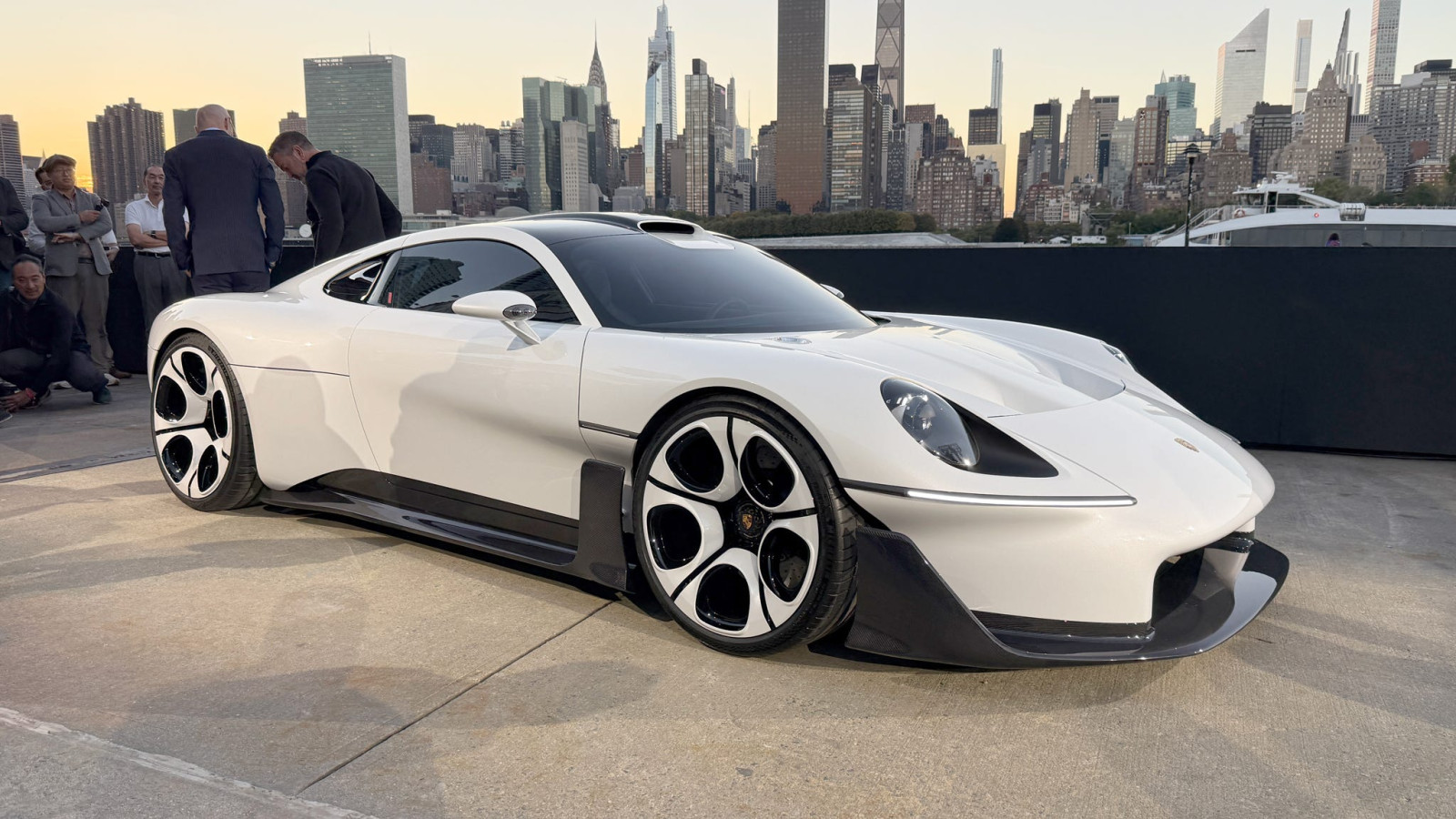
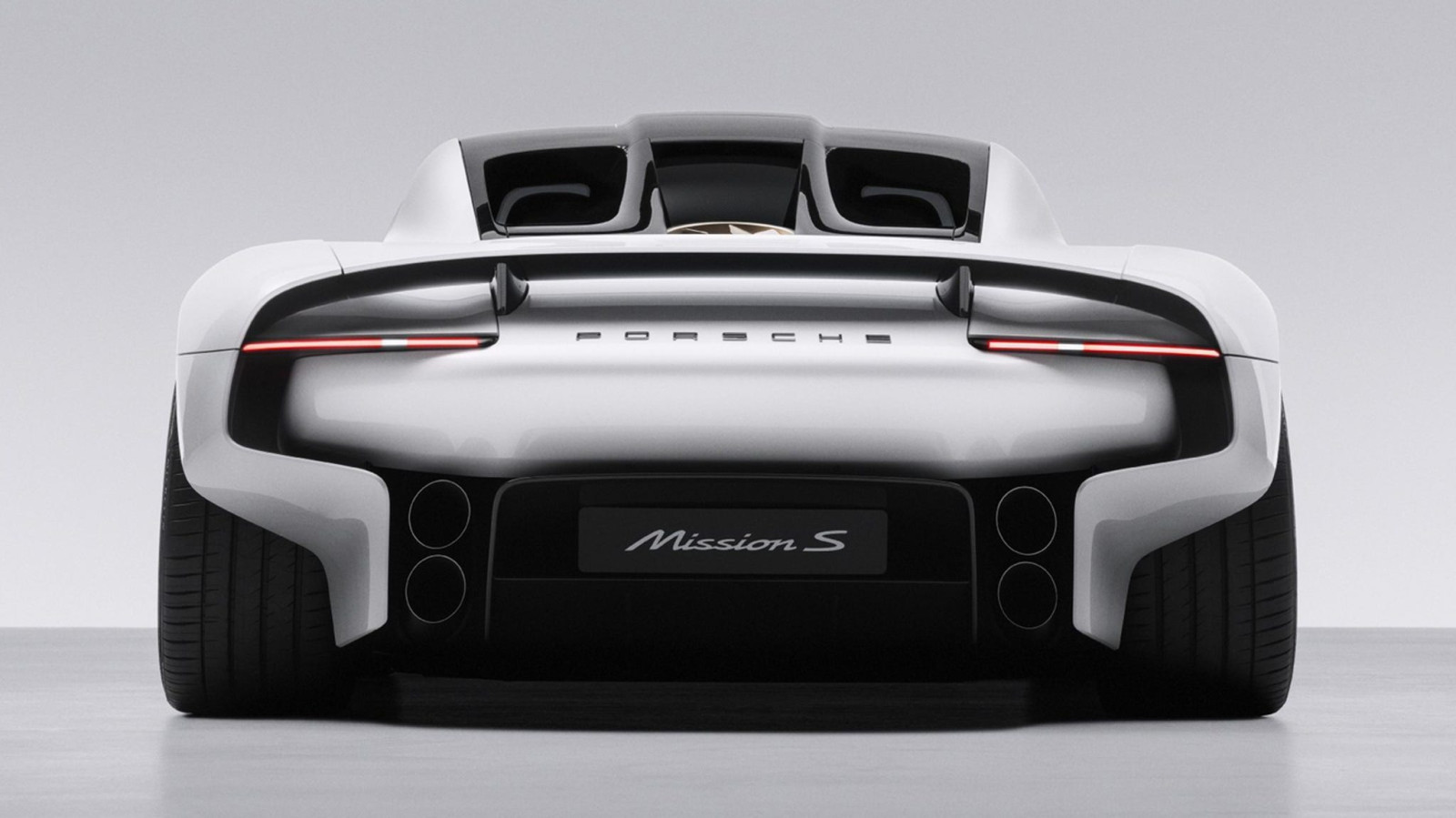
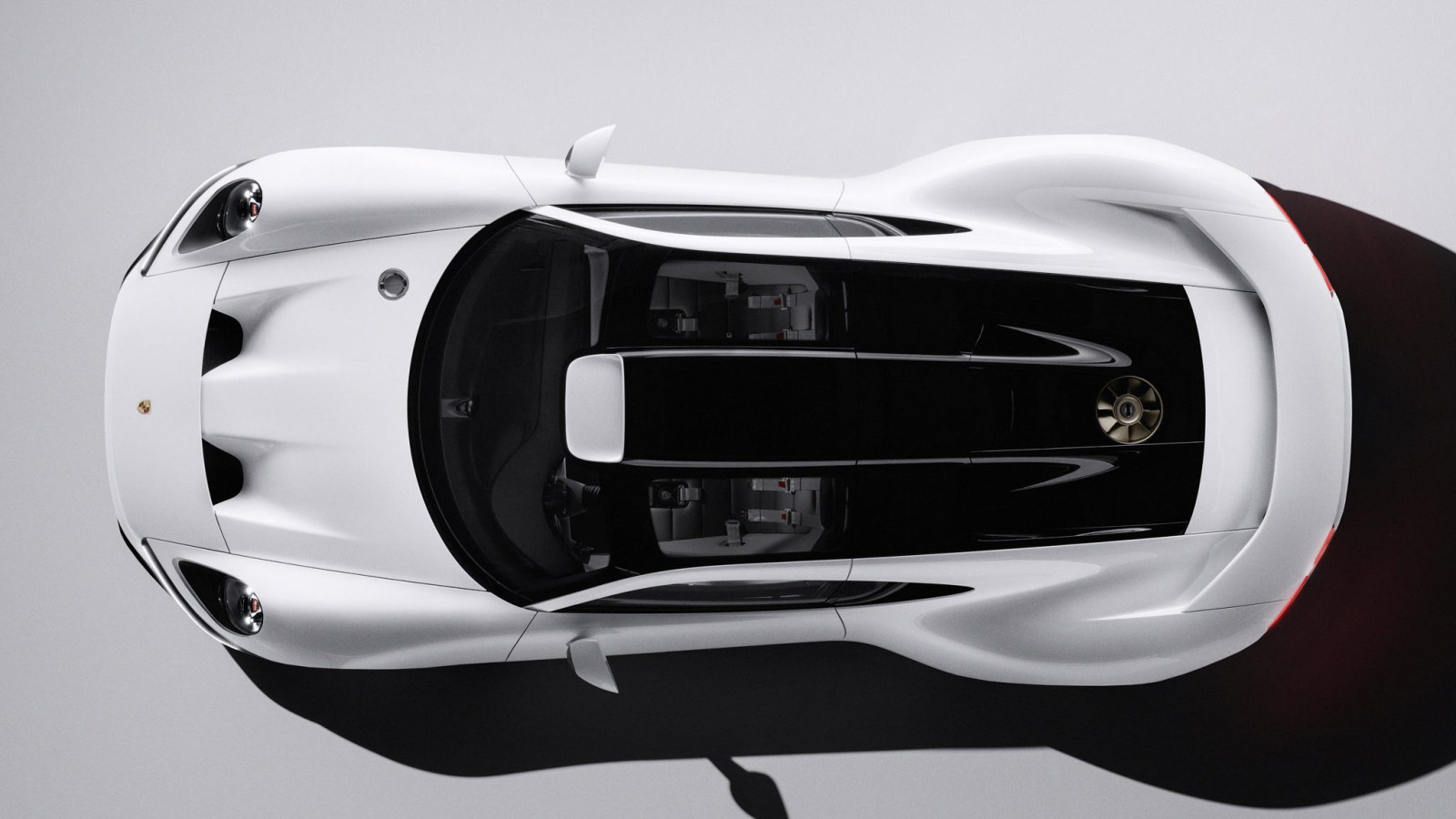
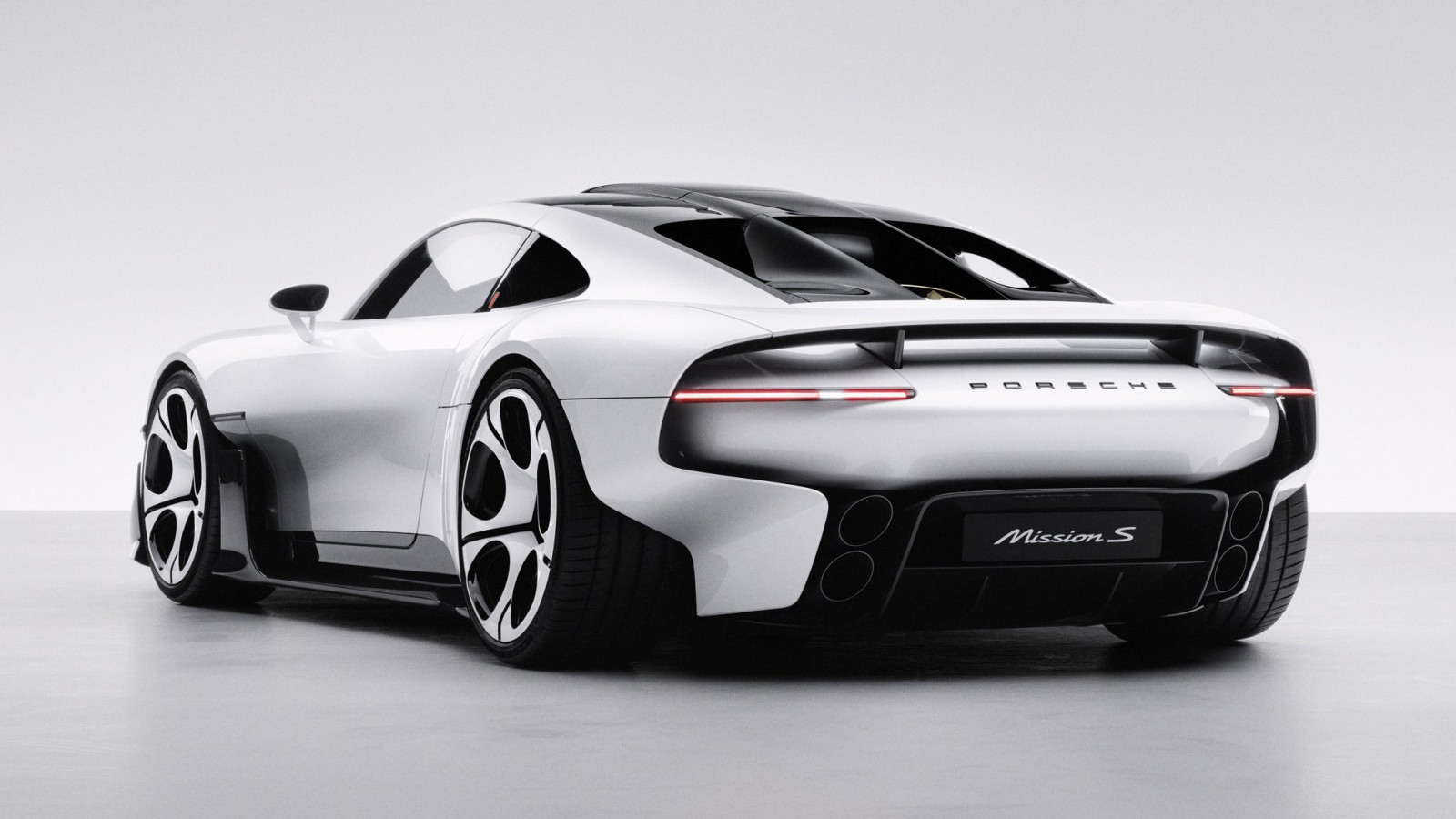
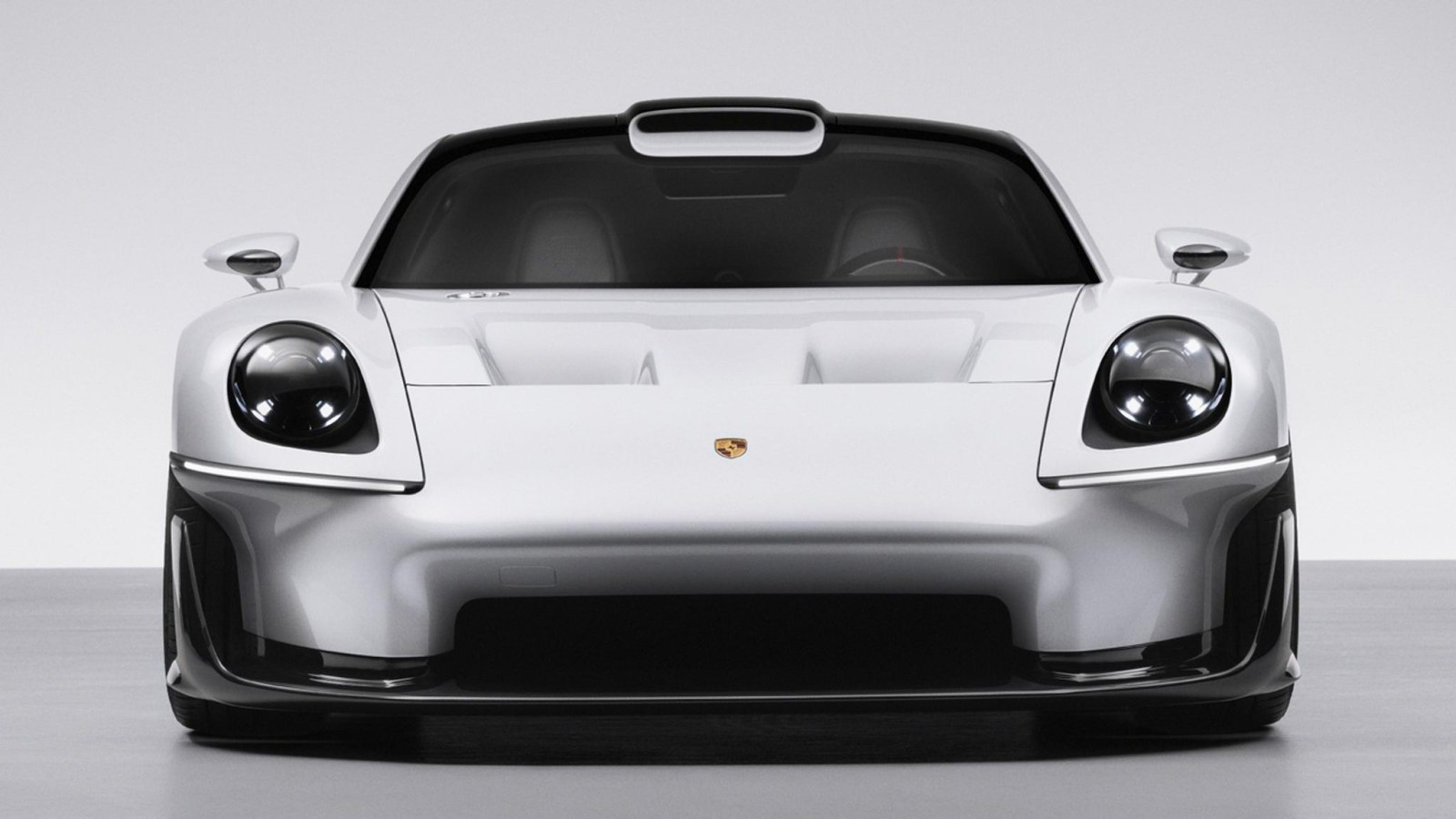
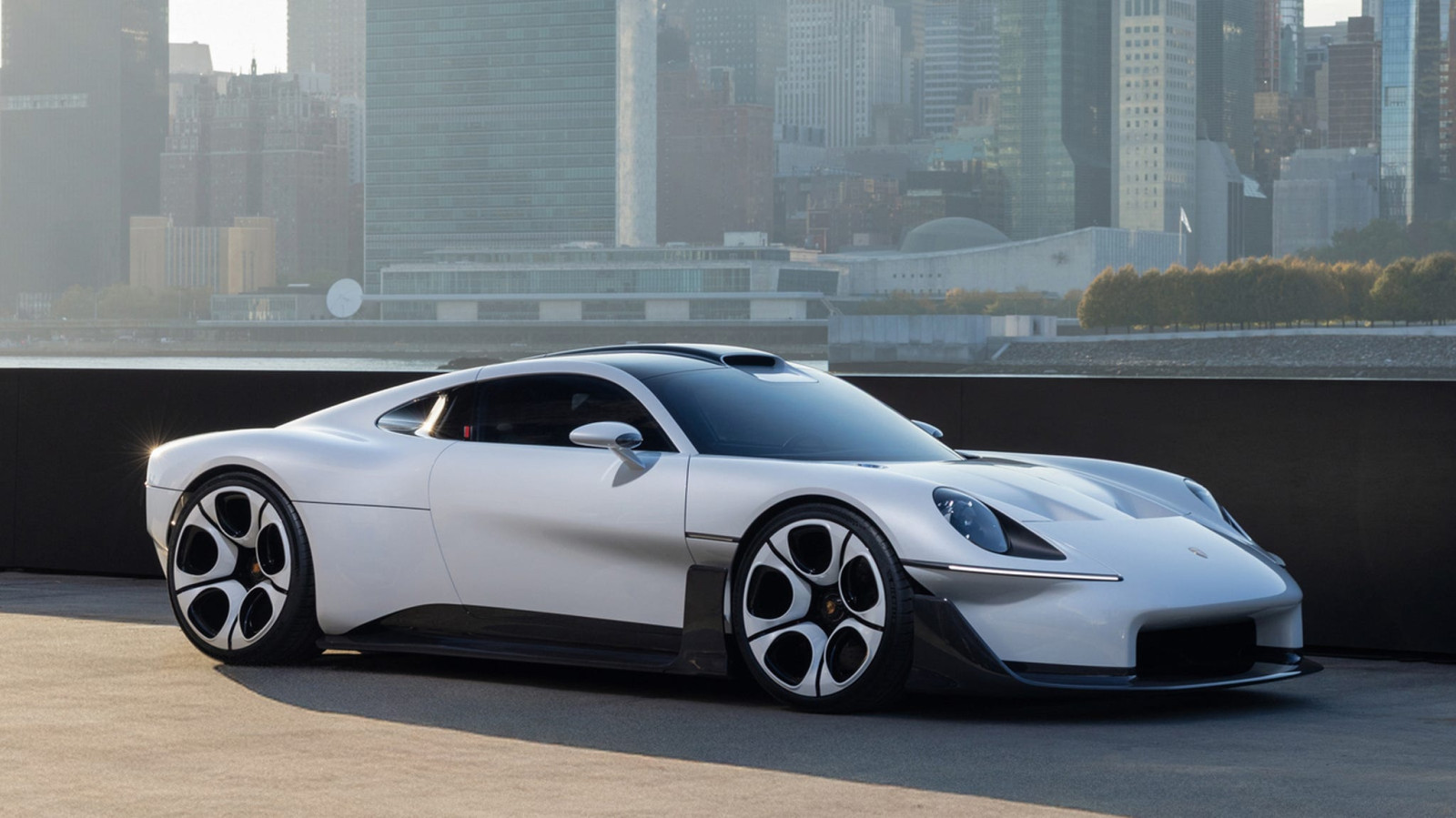
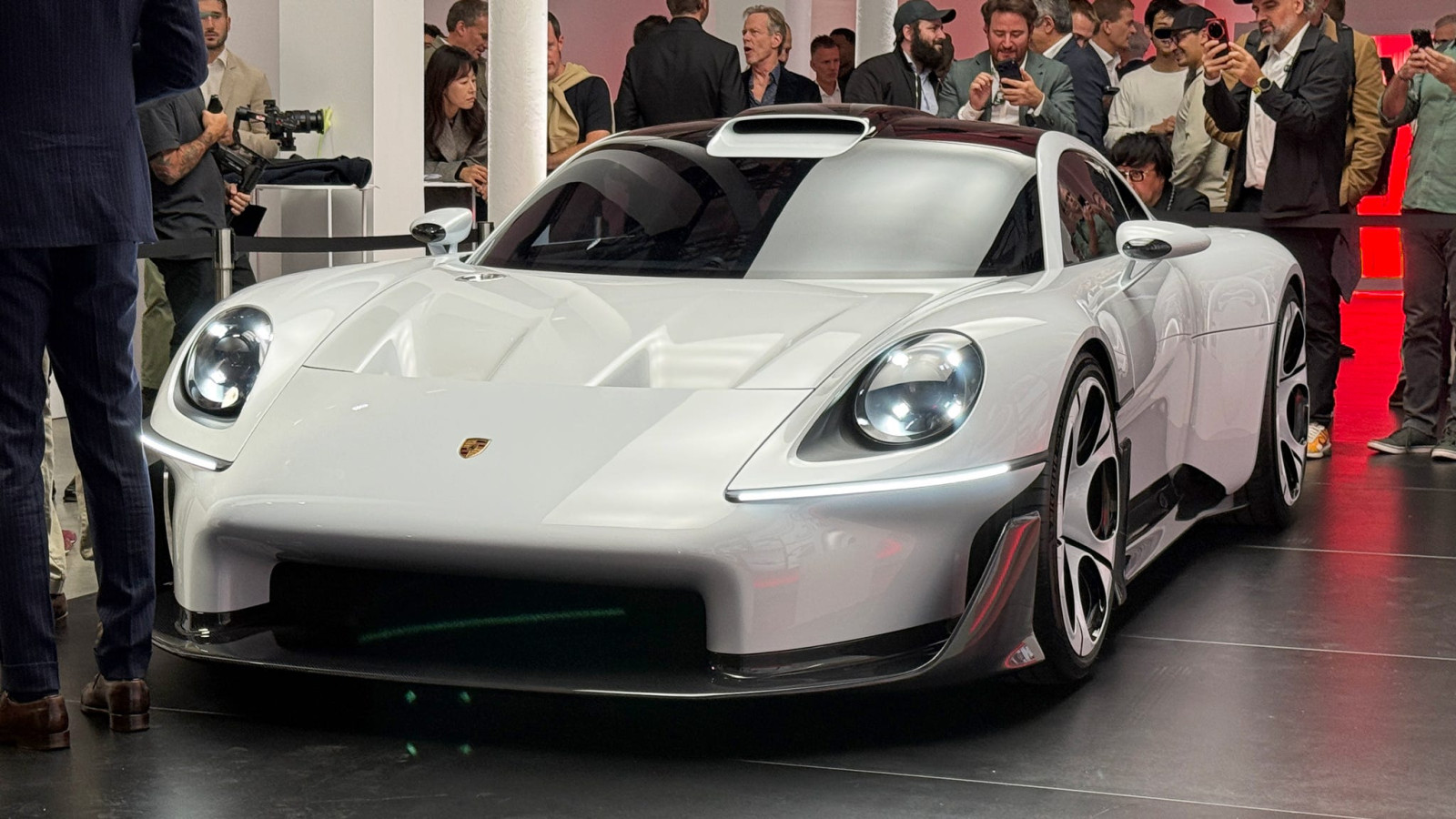
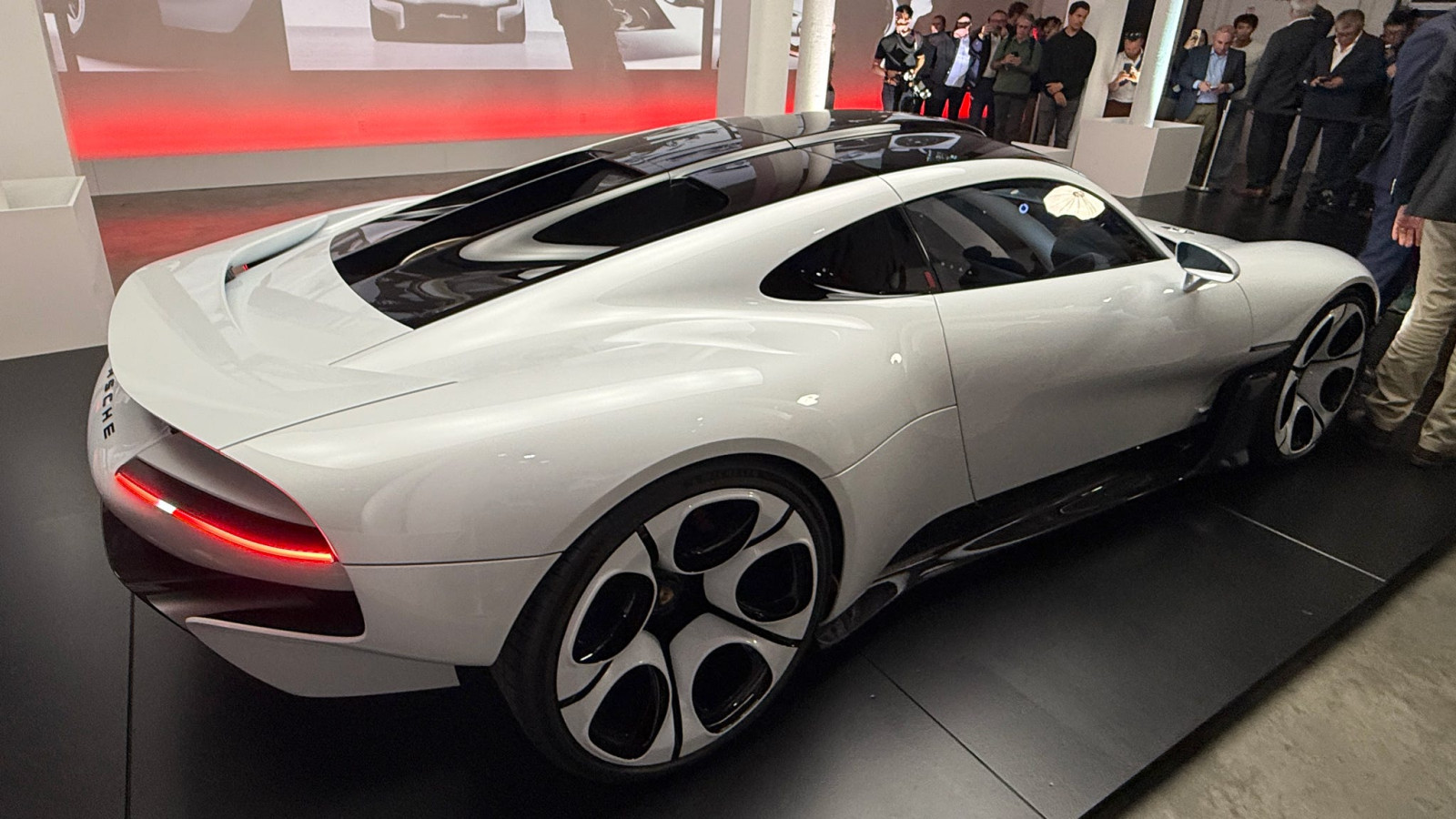
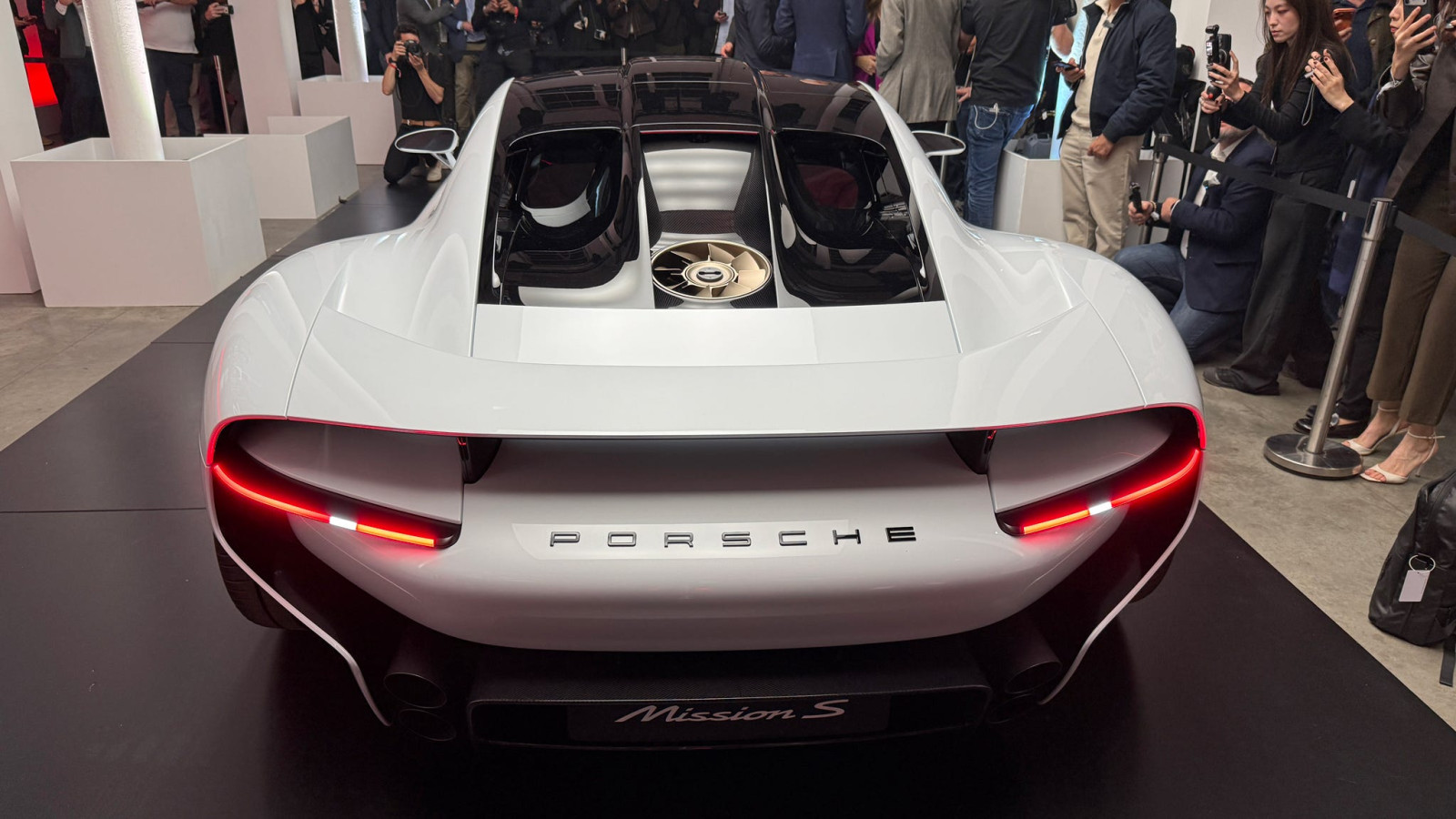
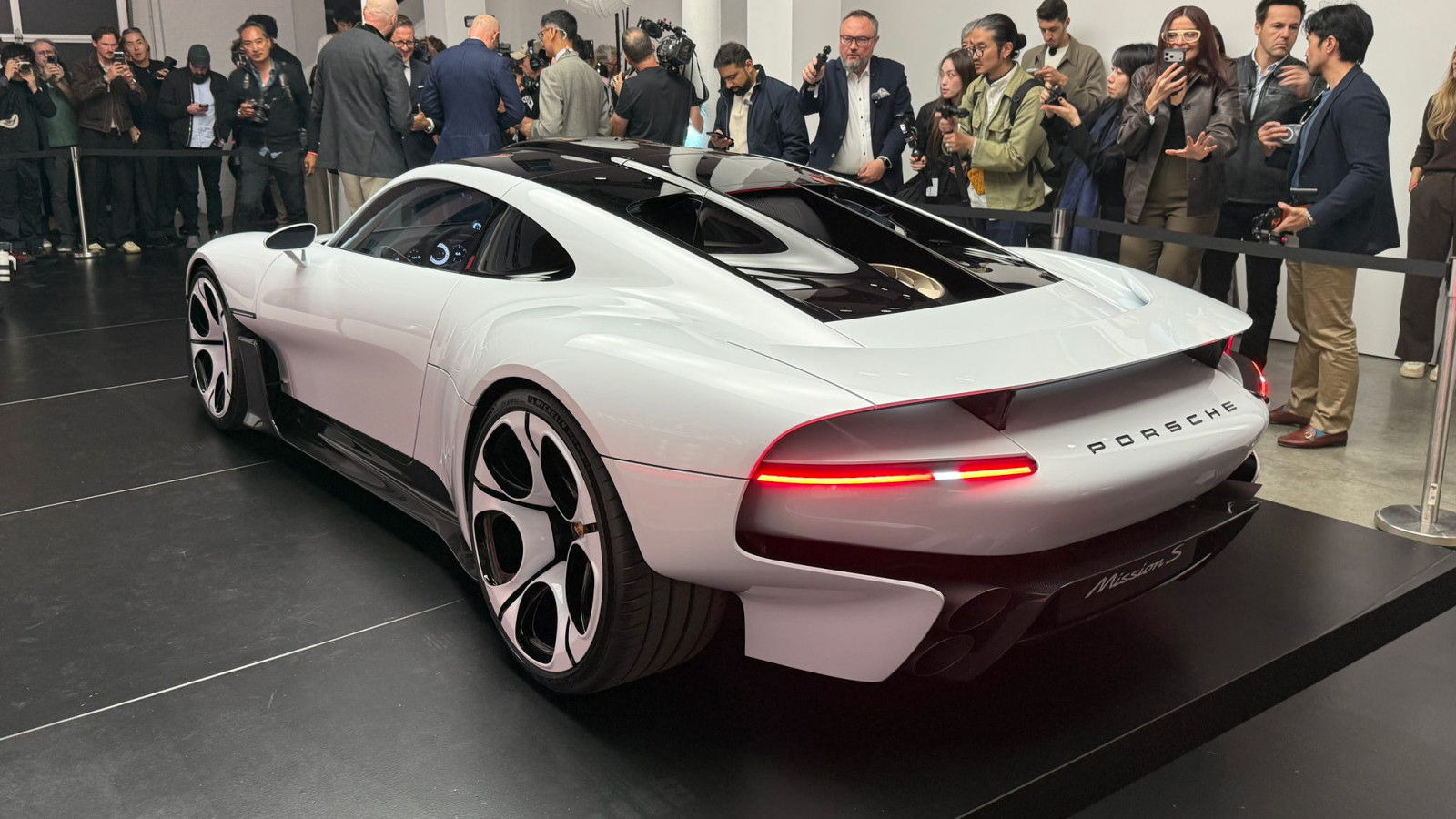
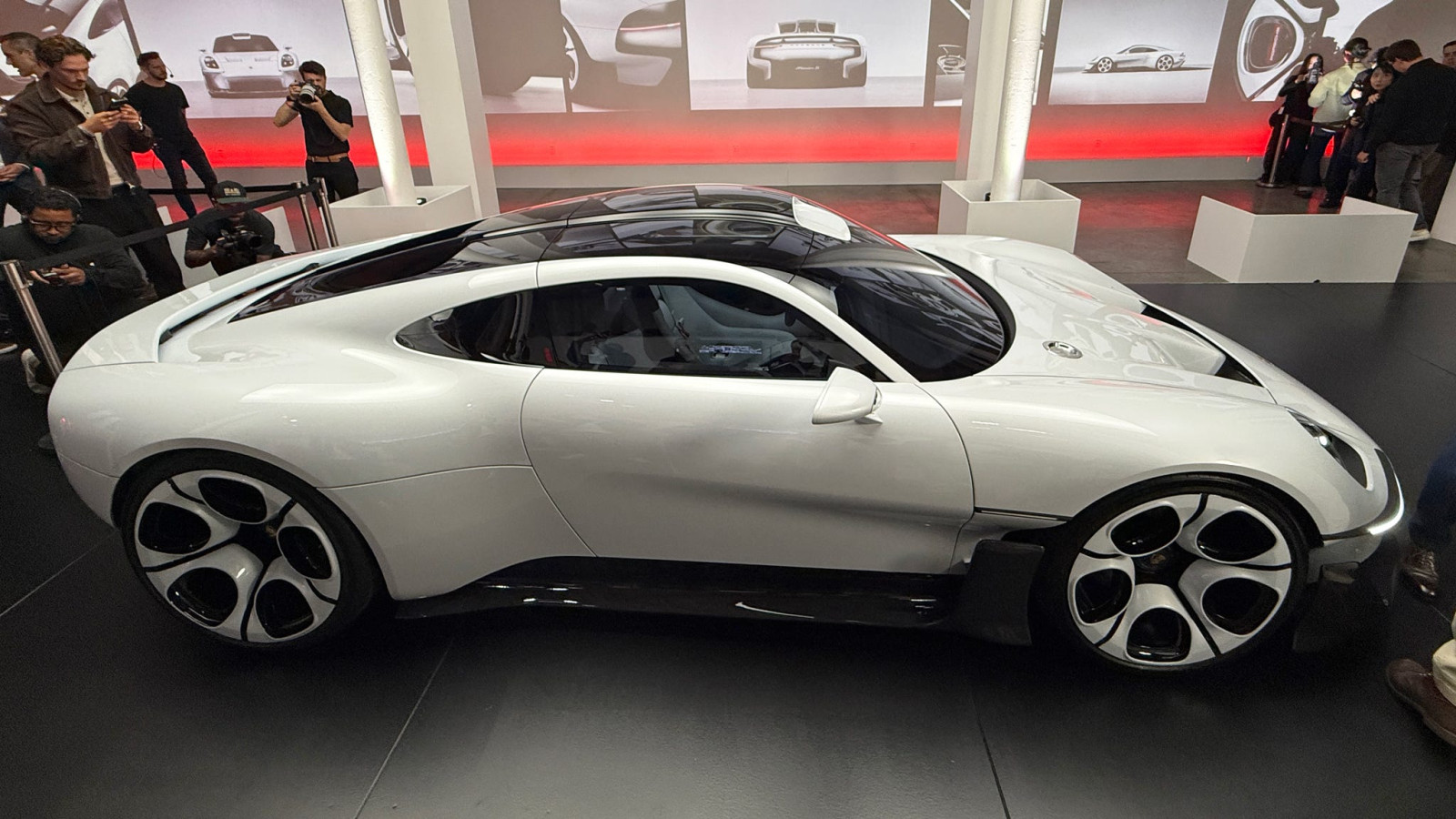
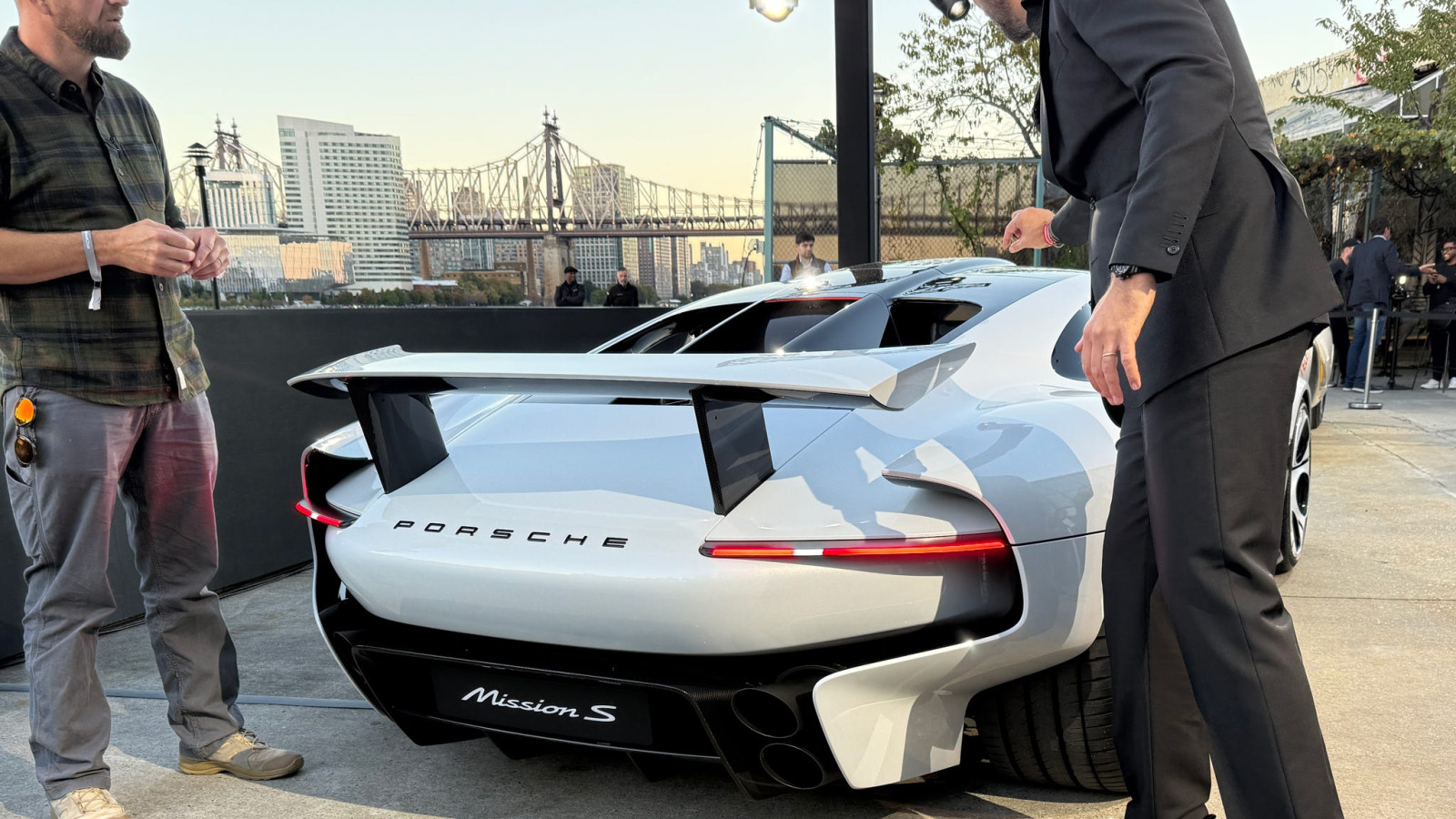
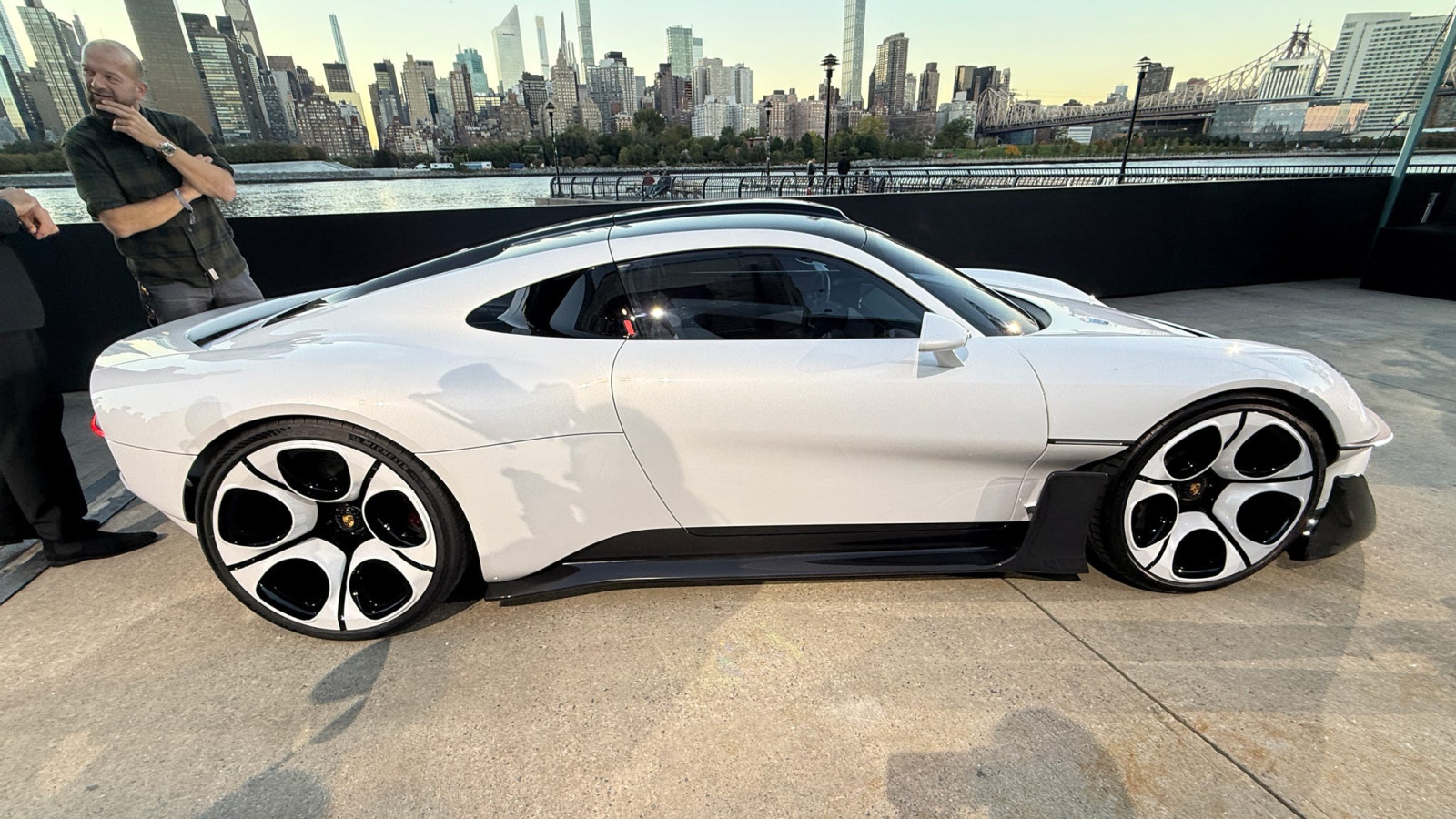
To prepare for the project, Sühlmann visited the Porsche Museum to immerse himself in the brand's history and stylistic evolution. He drew inspiration from classic road and race models across Porsche's portfolio, including the 911, 964, 928, Carrera GT, 550 Spyder, and 917. Once the strategy was defined, the design team collaborated closely with engineering and aerodynamics specialists to ensure that the sculpture's form worked functionally and that its styling elements could realistically transition to a future mid-engine production car. Among these signature production-feasible features are matching front and rear aero blade lights.
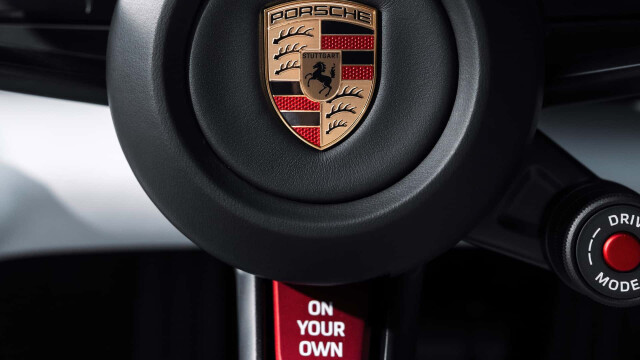
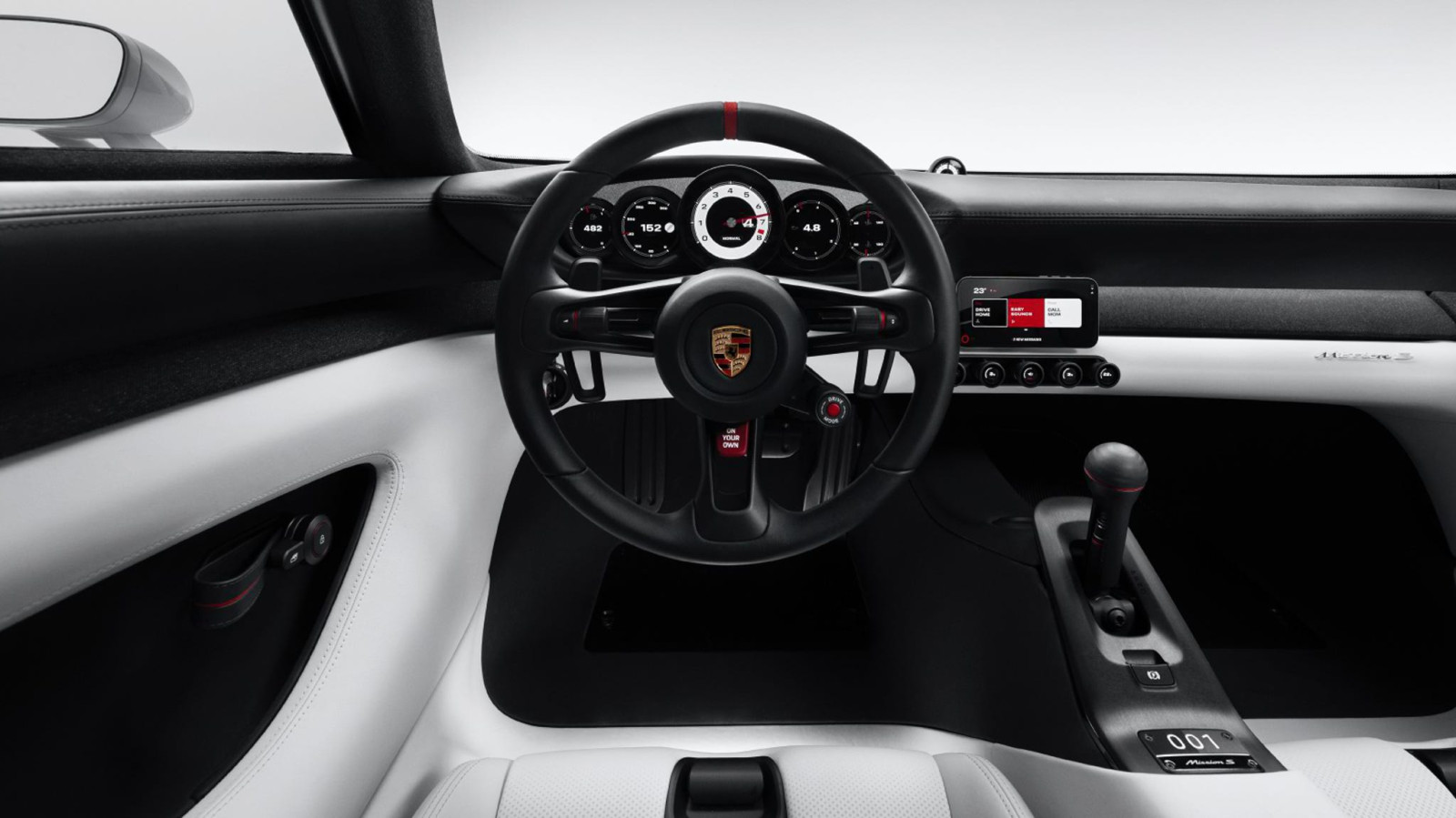
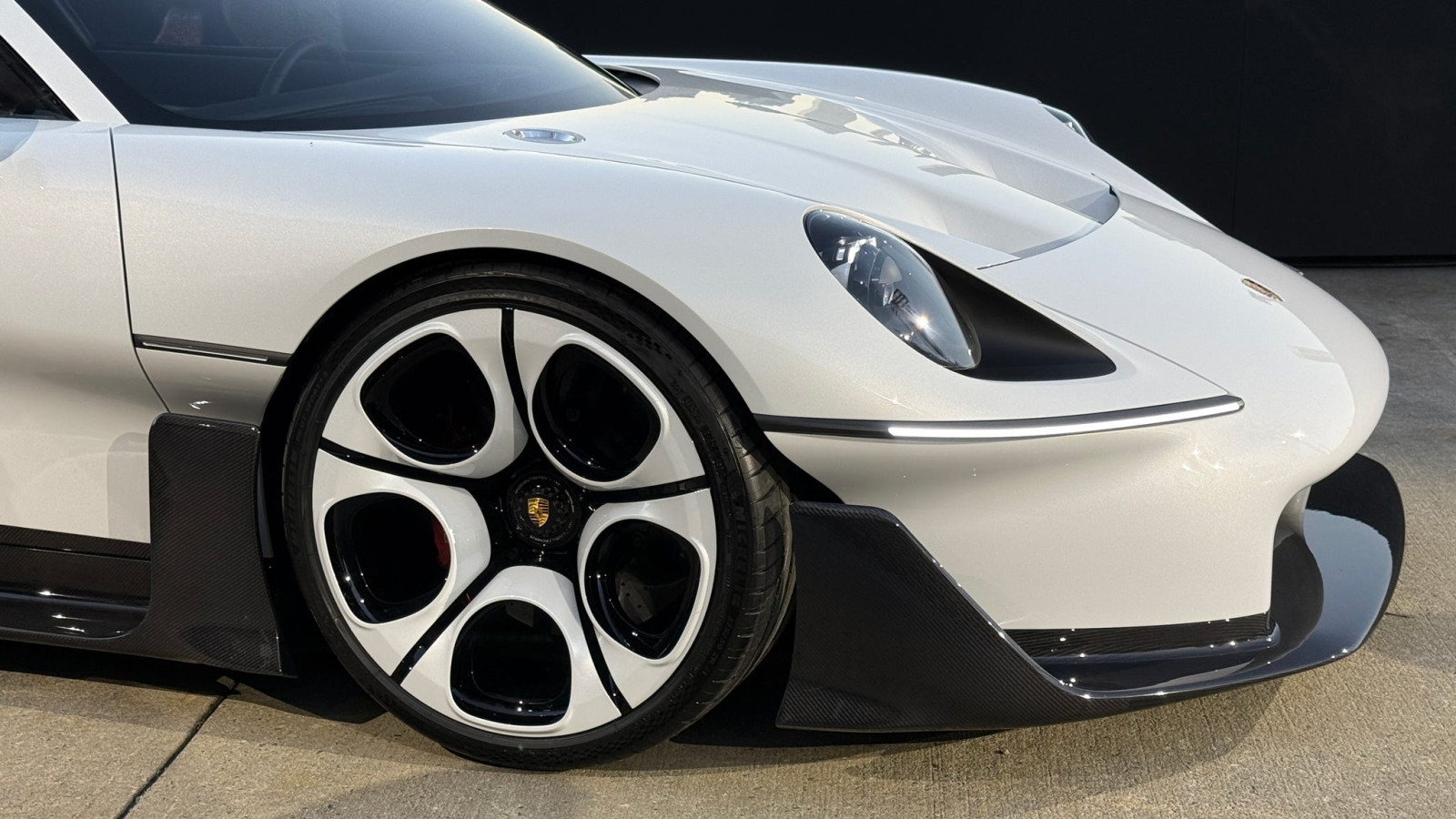
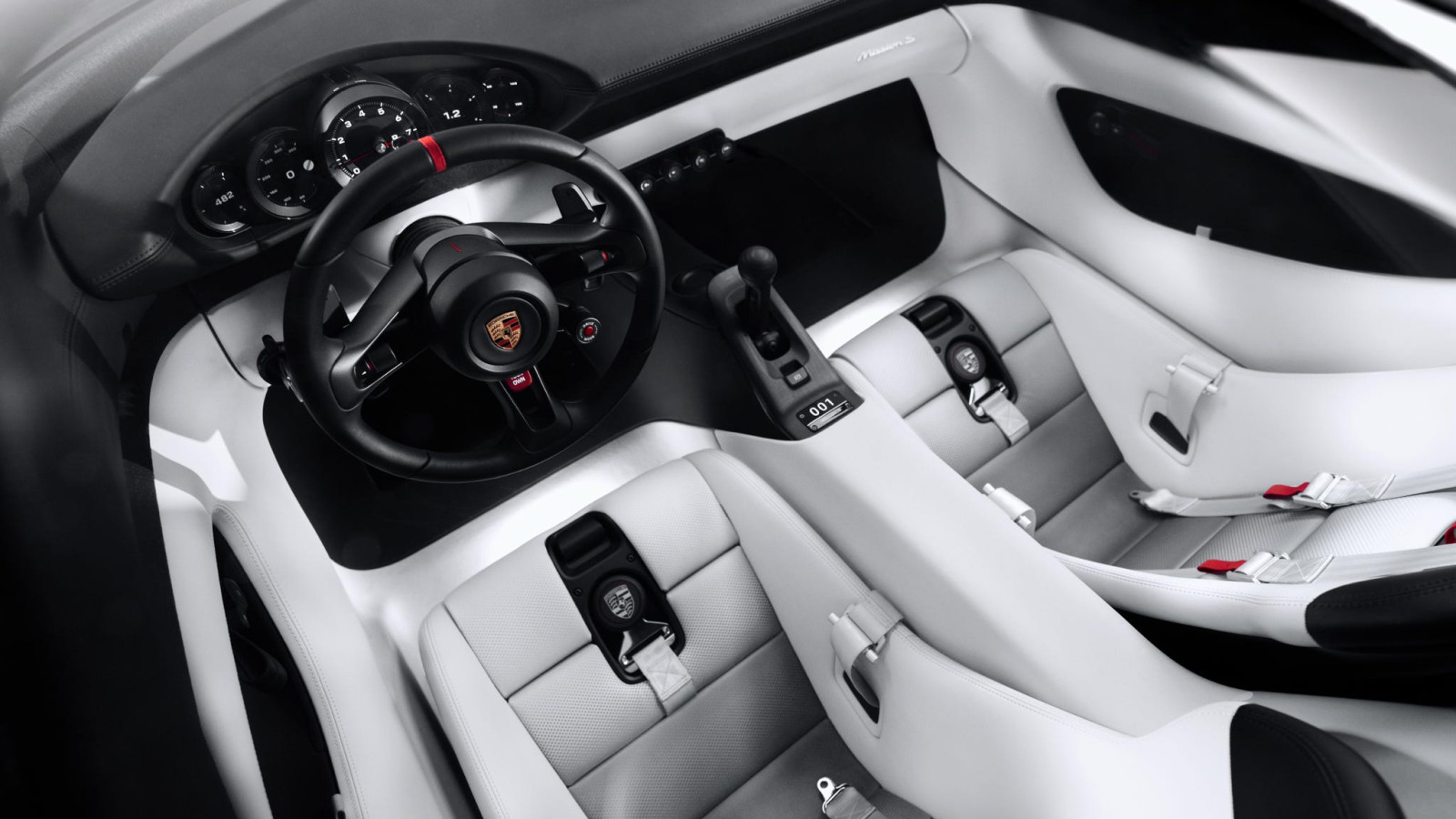
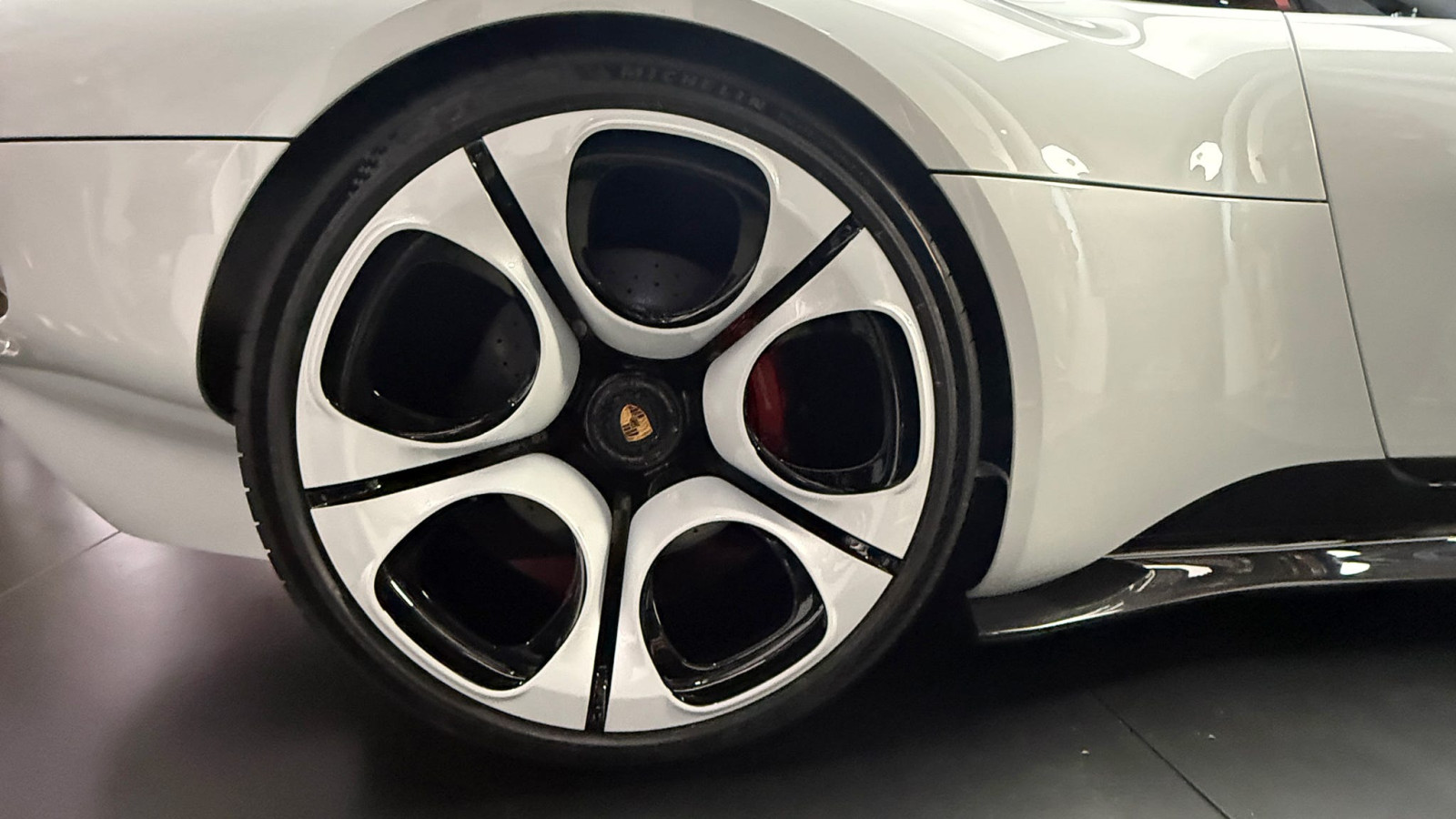
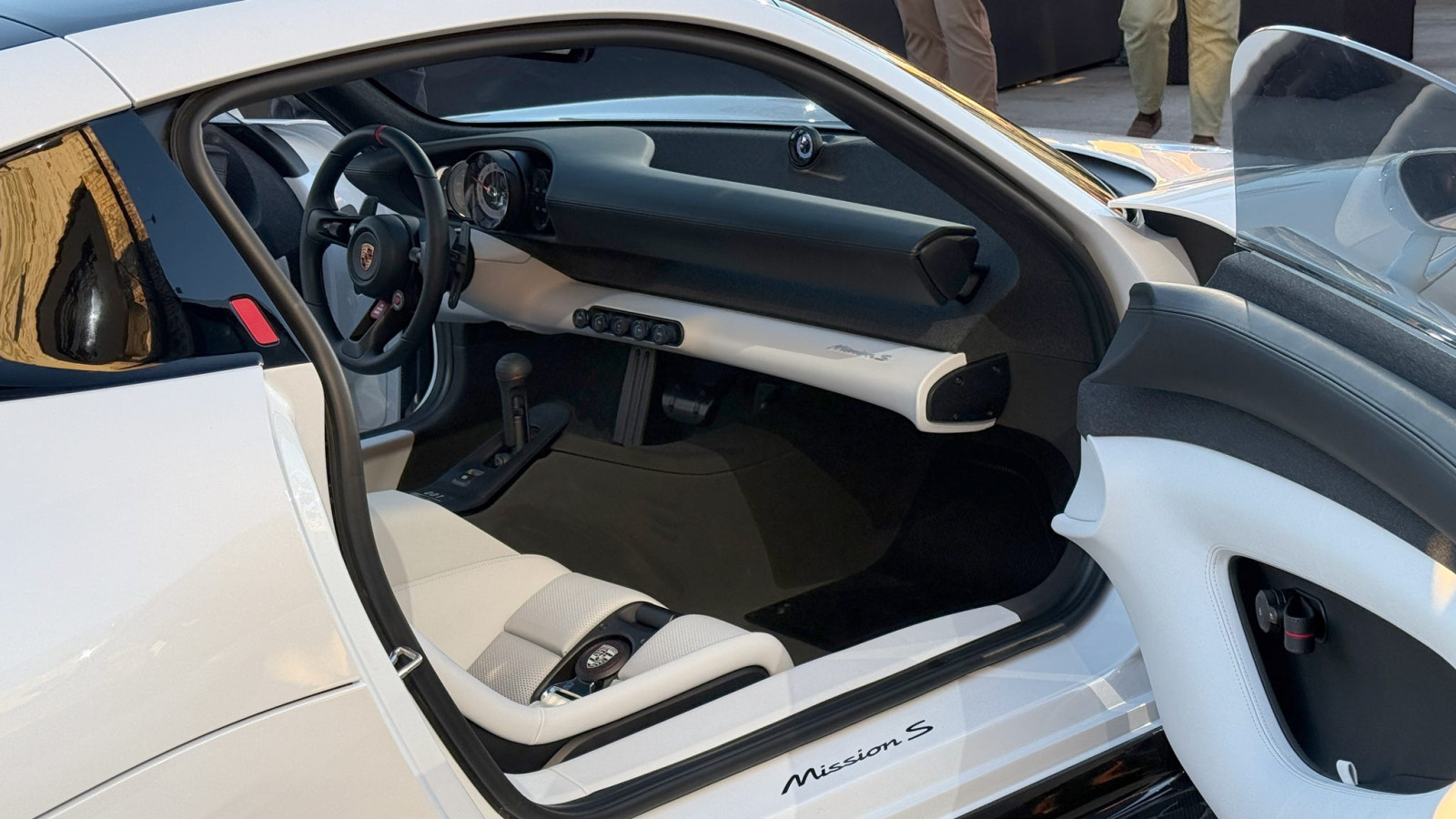
For the interior, the team debated the balance between digital and analog elements, ultimately choosing to lean more analog to prioritize the driving experience. The Mission S brings back a physical ignition key on the left side of the steering wheel and features a central rev counter combining an analog needle with a digital screen. When the driver changes modes on the steering wheel, the central rev counter physically moves forward toward the driver while the surrounding instrument globes recede into the background. Outside, the concept wears clean, functional wheels inspired by classic telephone-dial rims from the Porsche 928 and 944 as well as Porsche Cup race cars.
Sühlmann, a 20-year industry veteran who previously worked at Volkswagen (Arteon, Touareg), Aston Martin (V12 Speedster), Bugatti, and as head of design at McLaren (Solus GT), praised his Porsche design team for immediately grasping his vision.
The future production model derived from the Mission S is part of Porsche's broader Sportwagenschmiede '35 strategy, which calls for launching a new product every year. According to Leiters, this plan includes additional 911 derivatives, none of which will be purely electric, a new internal-combustion and plug-in hybrid cousin to the Macan arriving in 2028, and a seven-passenger SUV above the Cayenne built on the Audi Premium Platform Combustion architecture shared with the Audi Q9.
Sales and marketing board member Matthias Becker noted that Porsche is pursuing a value-over-volume strategy focused on high-performance models and scarcity. Pricing power increases by 29 percent from the 911 Carrera to the GTS, another 53 percent to the GT3, and 95 percent to the GT3 S/C. High-margin programs such as Sonderwunsch, Exclusive Manufaktur, and Manthey kits—where customers spend over $100,000 for upgrades—will also drive revenue. Additionally, Porsche is conducting factory restorations of classic Carreras on modern chassis priced between $500,000 and $785,000 (with 11 completed, 16 in production, and 21 in the pipeline), alongside bespoke one-offs like the Flachbau RS and 15 other special projects priced from $1.8 million to $15 million.
Photos
More news