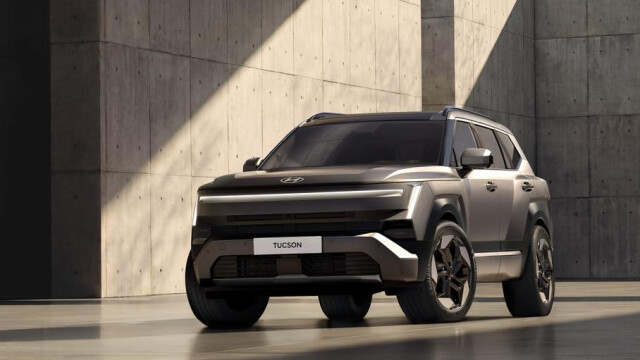
Hyundai Unveils Its Refined Design Approach: 'Stronger, Not Louder'
For nearly ten years, Hyundai has been redefining automotive styling by avoiding the repetition of a single design template across its diverse lineup.
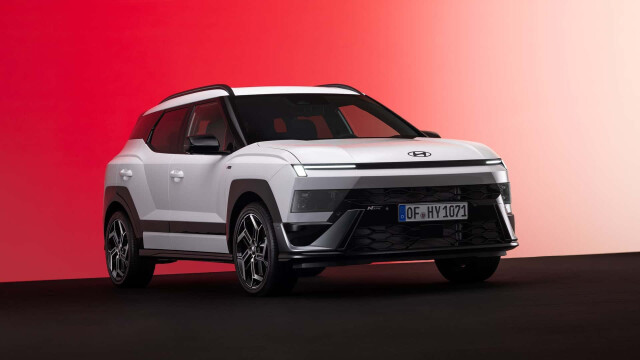
The company employs a 'chess piece' methodology, customizing design elements to fit each vehicle segment while maintaining a coherent visual language. For instance, the Santa Fe SUV and the Ioniq 5 electric crossover have distinctive looks tailored to their unique functions and audiences.
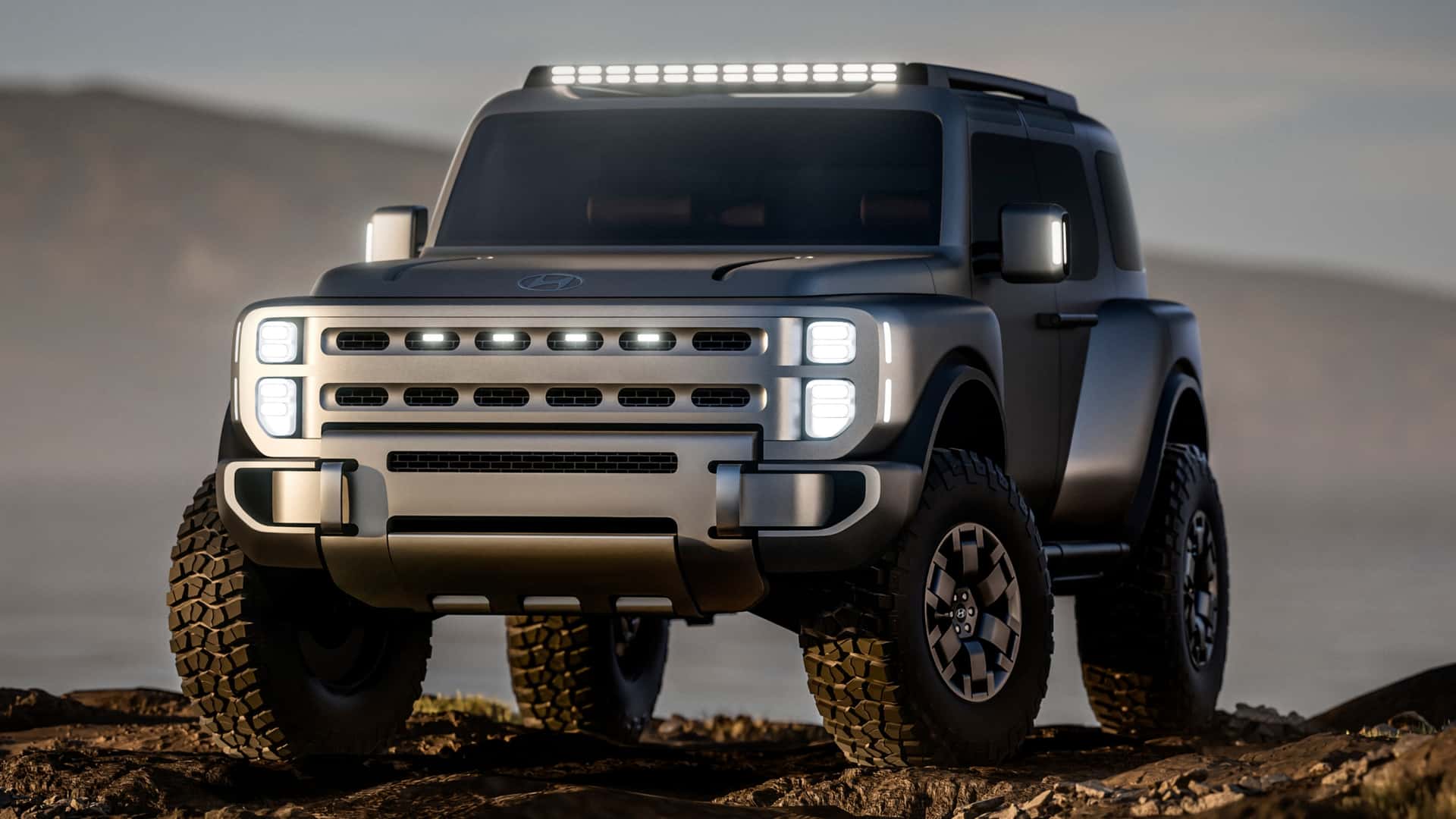
At the 2026 New York International Auto Show, Hyundai unveiled the body-on-frame Boulder concept alongside the newest evolution of its design ethos, dubbed 'Art of Steel.' We connected with Brad Arnold, Head of Hyundai Design North America, to explore the concept and the brand's design strategy.
Q: Could you share the journey behind the Boulder concept? What inspired its design and what were the key objectives?
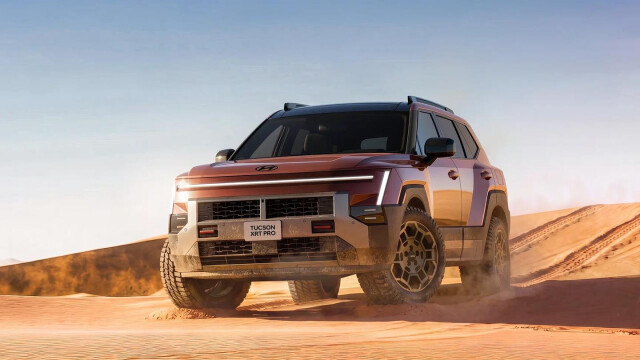
Brad Arnold: Our focus on crossover trucks (XRT) has intensified over the past five years, beginning with the Santa Cruz, which marked our initial entry into adventure-focused vehicles for the US market. That foundation has led us to where we are now, venturing into body-on-frame territory.
The core idea guiding Boulder was 'stronger, not louder'—we aimed to let the vehicle’s honest features shine through clearly. A bumper remains just a bumper, a tow hook a tow hook. Rather than disguising these elements, we celebrate their authenticity as defining design details.
SangYup Lee, our Global Design Head, described the 'Art of Steel' philosophy as embracing the natural qualities of materials without forcing them into unnatural shapes. Past manufacturing constraints often limited design surfaces, resulting in iconic yet simple forms. Today’s design trend craves that same simplicity and genuineness, which we embraced fully.
Q: Will distinctive elements from the Boulder or Crater concepts transition into upcoming production models?
Hyundai is a nimble company. Designs rarely exist solely as exercises; nearly every concept influences future models. With Boulder, we’re exploring multiple versions of adventure vehicles tailored to the US market. This concept reflects a broader strategic direction and is actively shaping our upcoming projects.
Q: Is there a particular feature on Boulder that stands out to you?
The 'Art of Steel' inspired the body’s form and fenders, emphasizing material integrity. One standout detail is the rear taillight design, which combines bold, pixelated shapes visible from afar with intricate technical craftsmanship up close.
Additionally, the ambient lighting around the tailgate subtly guides users to the most ergonomic grip points. The dual-hinged tailgate's design was influenced by rock climbing holds—comfort and function are paramount, so users can intuitively find where to grab and open without separate handles.
Q: Are the uniquely sculpted taillights feasible for mass production?
Yes, they are practical. The taillights can be manufactured as a single unit that installs from behind, making production straightforward while preserving the design’s impact.
Q: With the recent trend toward boxier vehicles, do you see this style evolving or shifting?
The boxy shape isn’t a trend we chased for its own sake. Instead, it’s a functional choice designed to maximize visibility, interior spaciousness, and connection to the outside environment. Upright windshields and tumblehome create airy cabins and open window graphics that flood interiors with natural light.
Moreover, the linear, angular profile makes it easier to mount accessories like ladders or storage boxes, offering customers a versatile platform that can reflect their unique outdoor lifestyles.
Q: How does designing a body-on-frame vehicle influence your approach compared to unibody models?
Body-on-frame architecture inherently provides greater capability, which grants us freedom to keep the design straightforward and honest without compensating for functional shortcomings.
It’s a form many associate with trucks instinctively—short wheelbases, high ground clearance, and minimal overhangs. Our goal is to showcase the vehicle’s true nature without over-styling, embracing restraint to communicate strength and purpose.
Q: Does Hyundai still follow the idea that each model carries its own design character?
Absolutely. The 'chess piece' analogy continues to guide us, reminding us that while each vehicle should serve distinct customer needs with tailored designs, there remains an underlying consistency tying our lineup together.
For our design teams, that consistency embodies the handshake between Hyundai and its customers, symbolized by the 'H' in our logo. Prioritizing the customer experience lets us explore diverse shapes and forms while always focusing on delivering meaningful, user-centric products.
More news