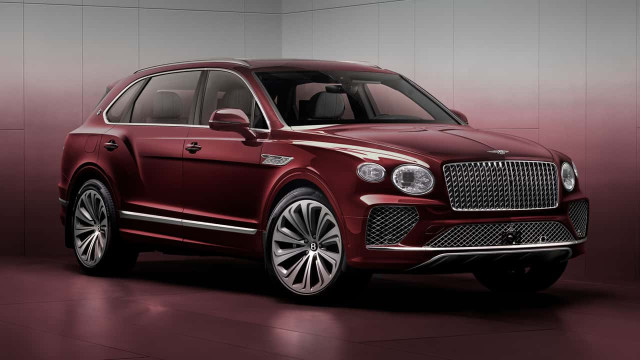
Bentley Scraps 2030 EV Target and Delays Full Electrification to 2035
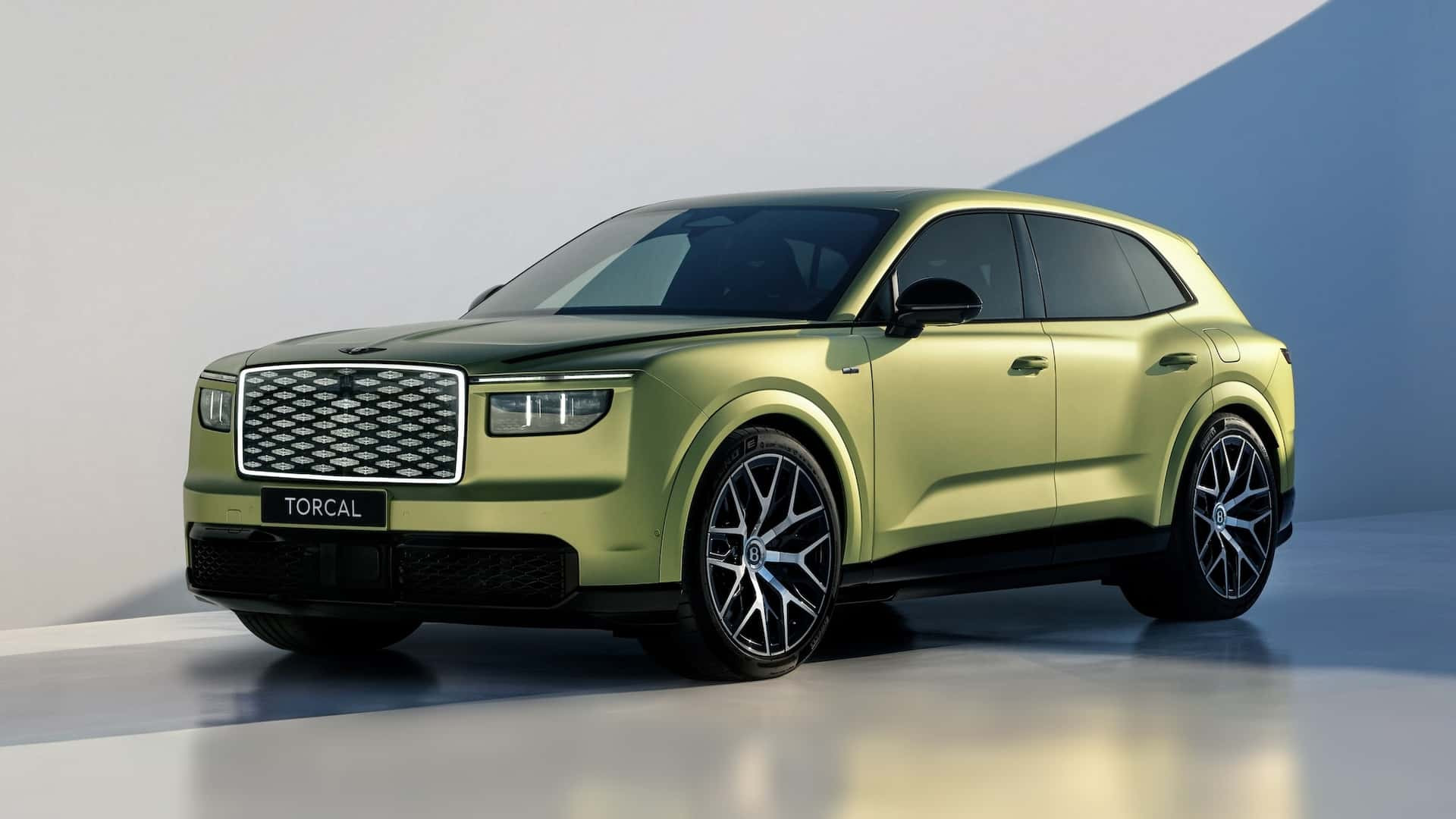
Bentley has officially abandoned its goal of becoming an all-electric automaker by 2030, opting instead for a flexible manufacturing strategy that keeps internal combustion engines and plug-in hybrids in production well into the next decade.
Speaking to reporters, Bentley CEO Frank-Steffen Walliser stated that the roadmap set six years ago in 2020 no longer reflects current market dynamics. He cited cooling demand for luxury electric vehicles and shifting global regulations as key reasons for the reversal. Under the revised Beyond100+ plan, the British luxury brand has pushed its full-electric target back to 2035. Rather than adhering to fixed deadlines, Bentley plans to build electric cars and plug-in hybrids alongside each other on the same production lines, adjusting output based on actual customer orders.
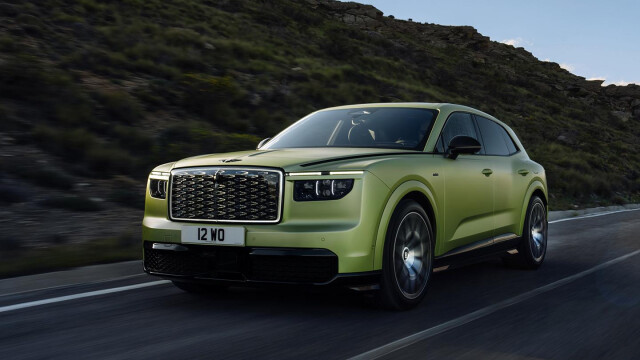
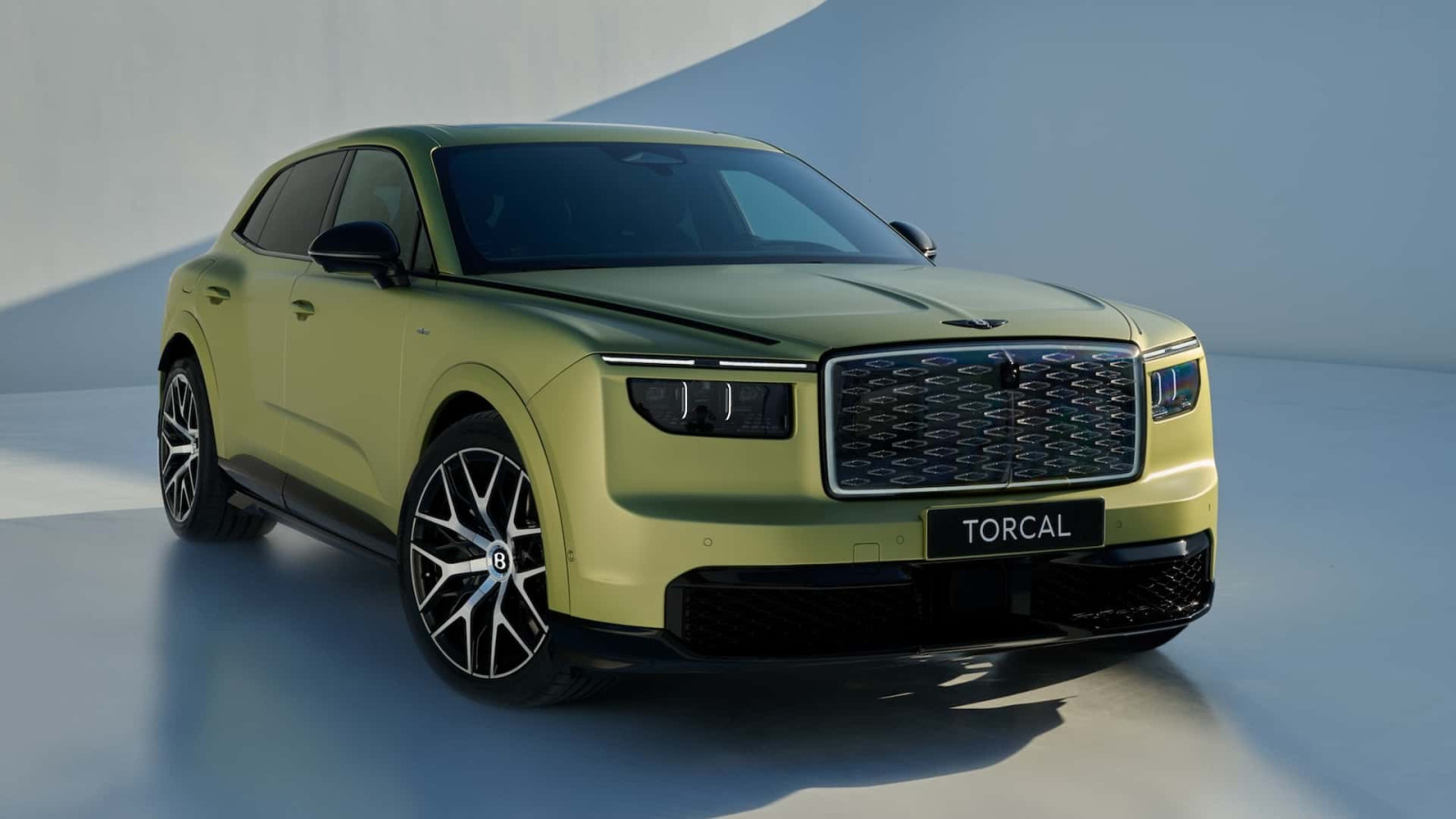
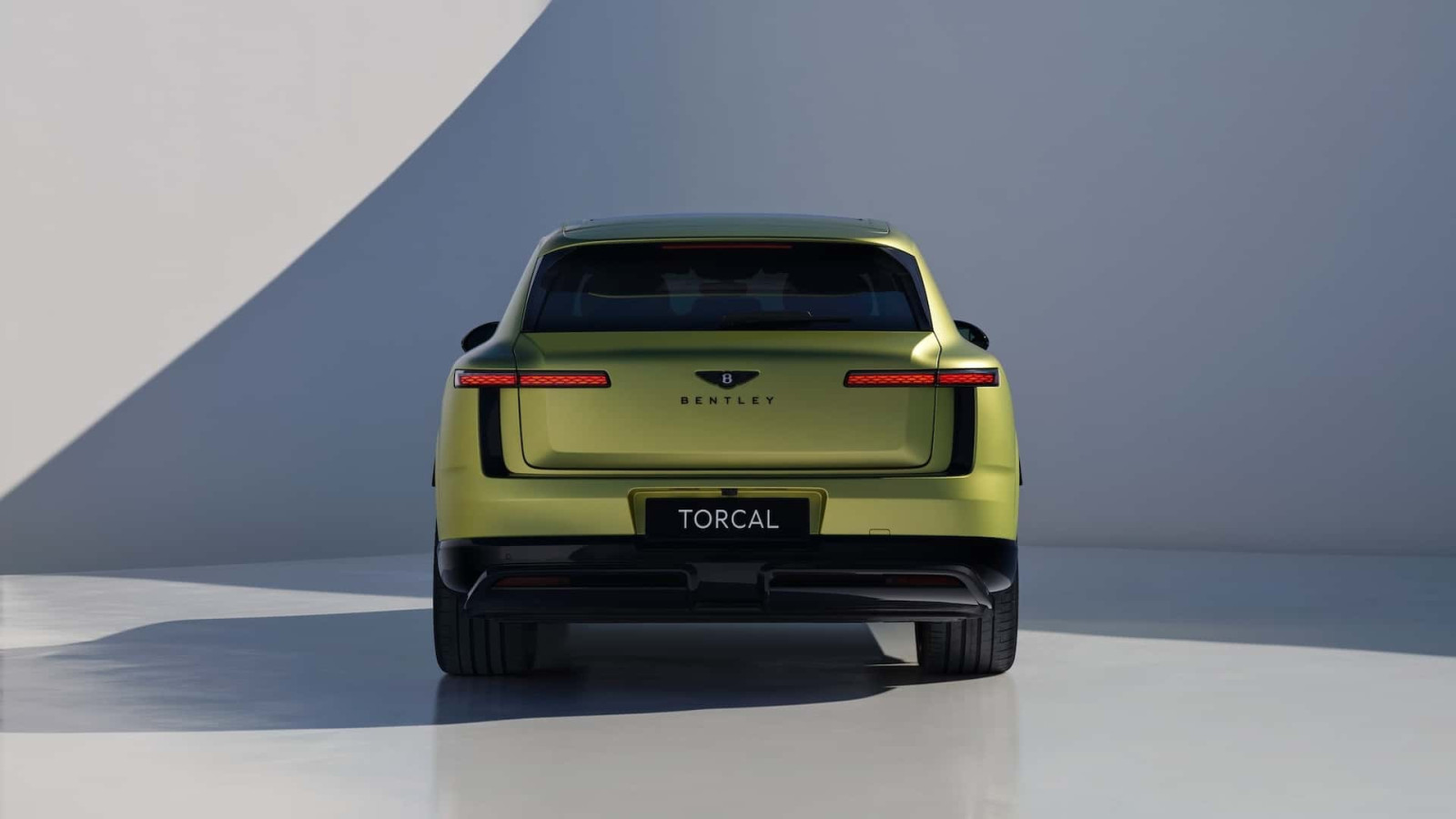
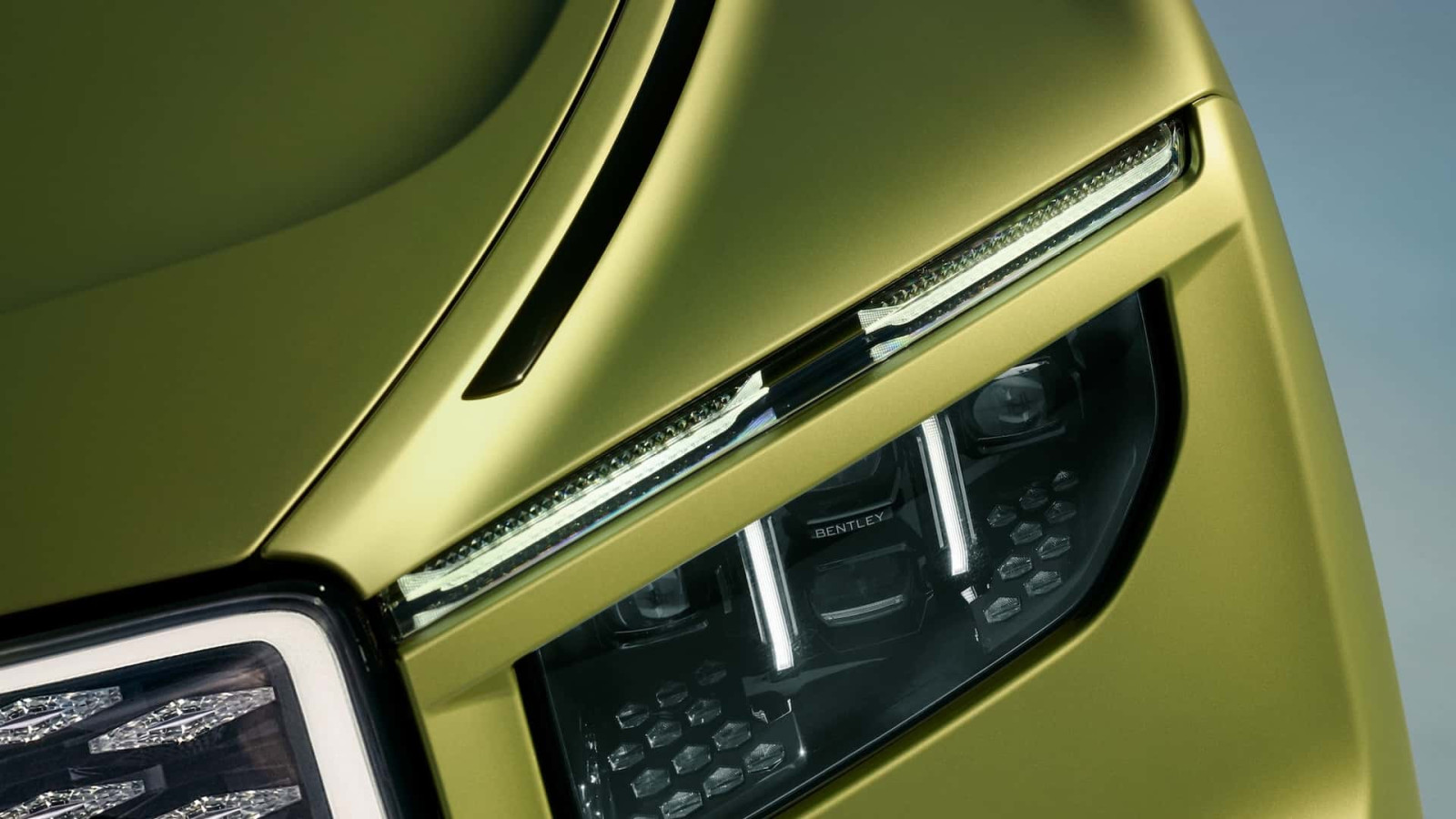
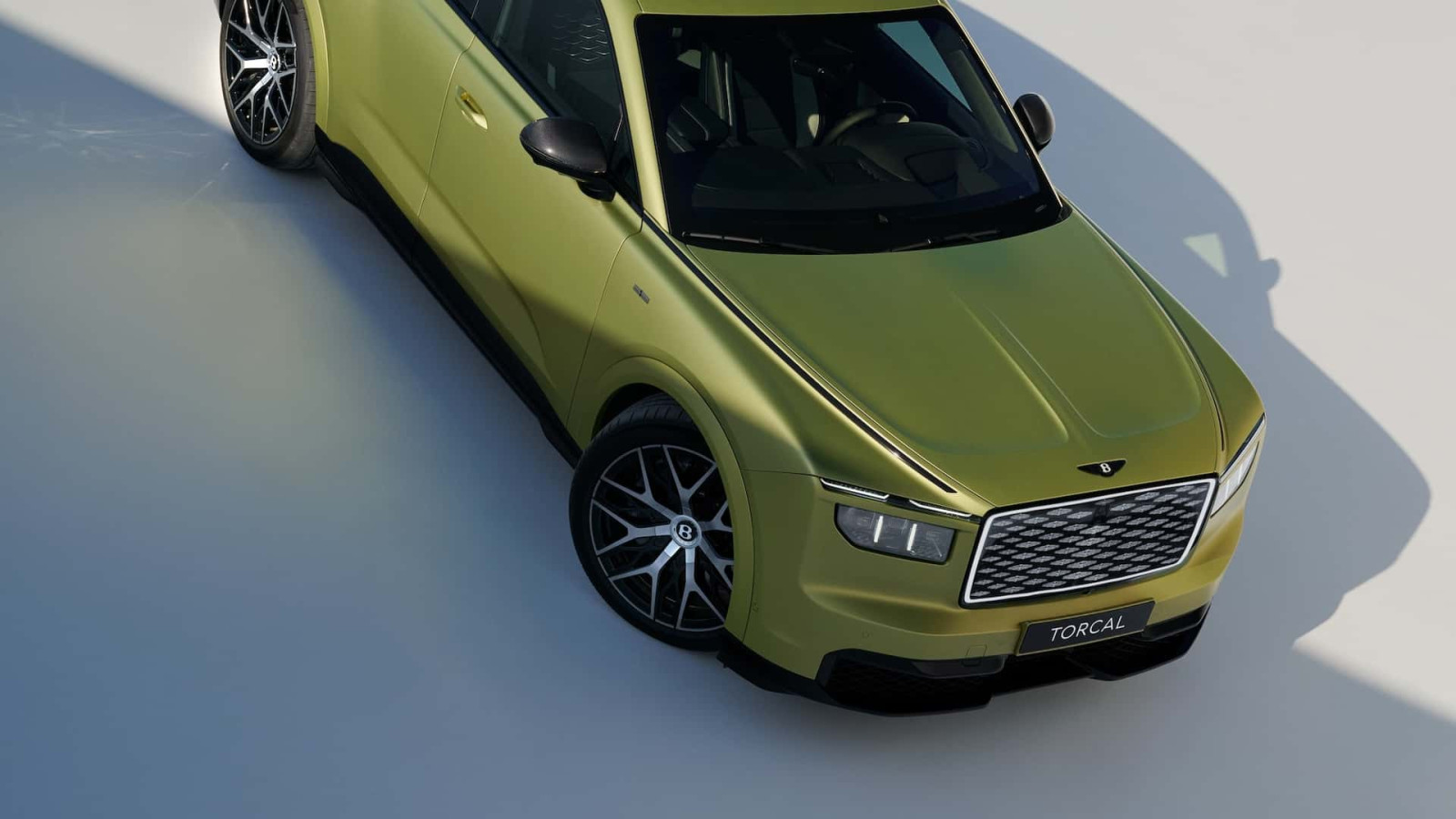
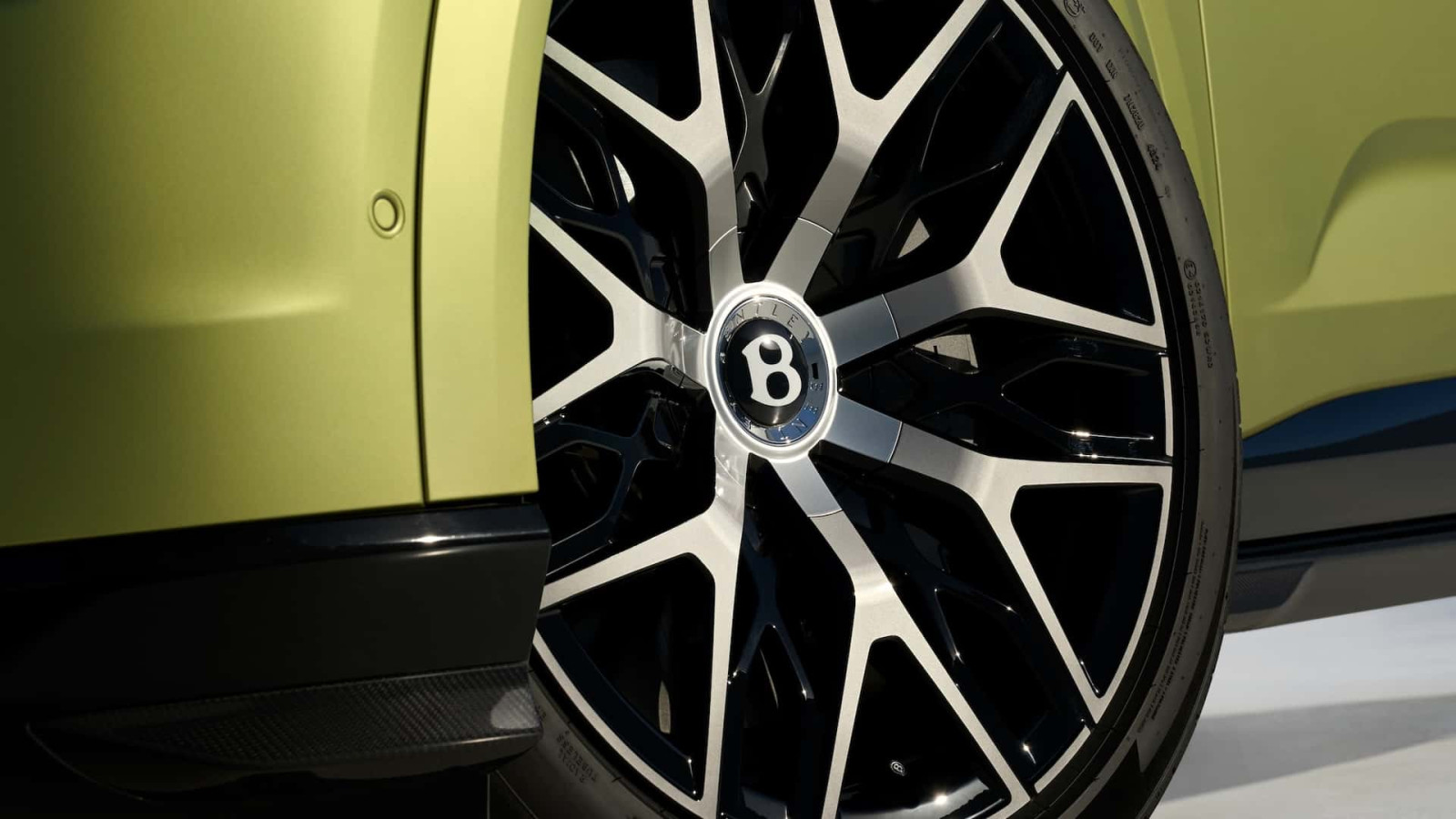
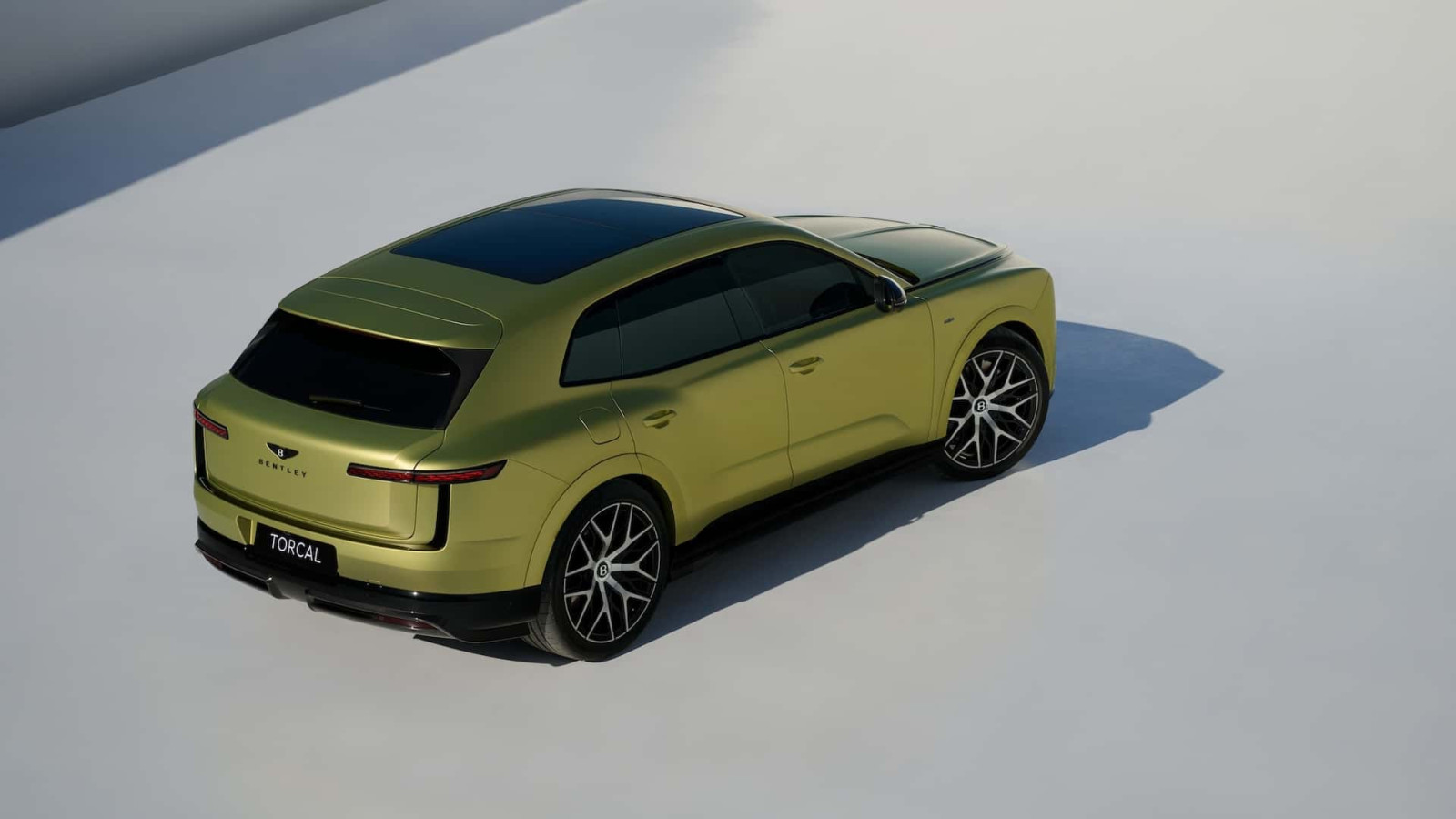
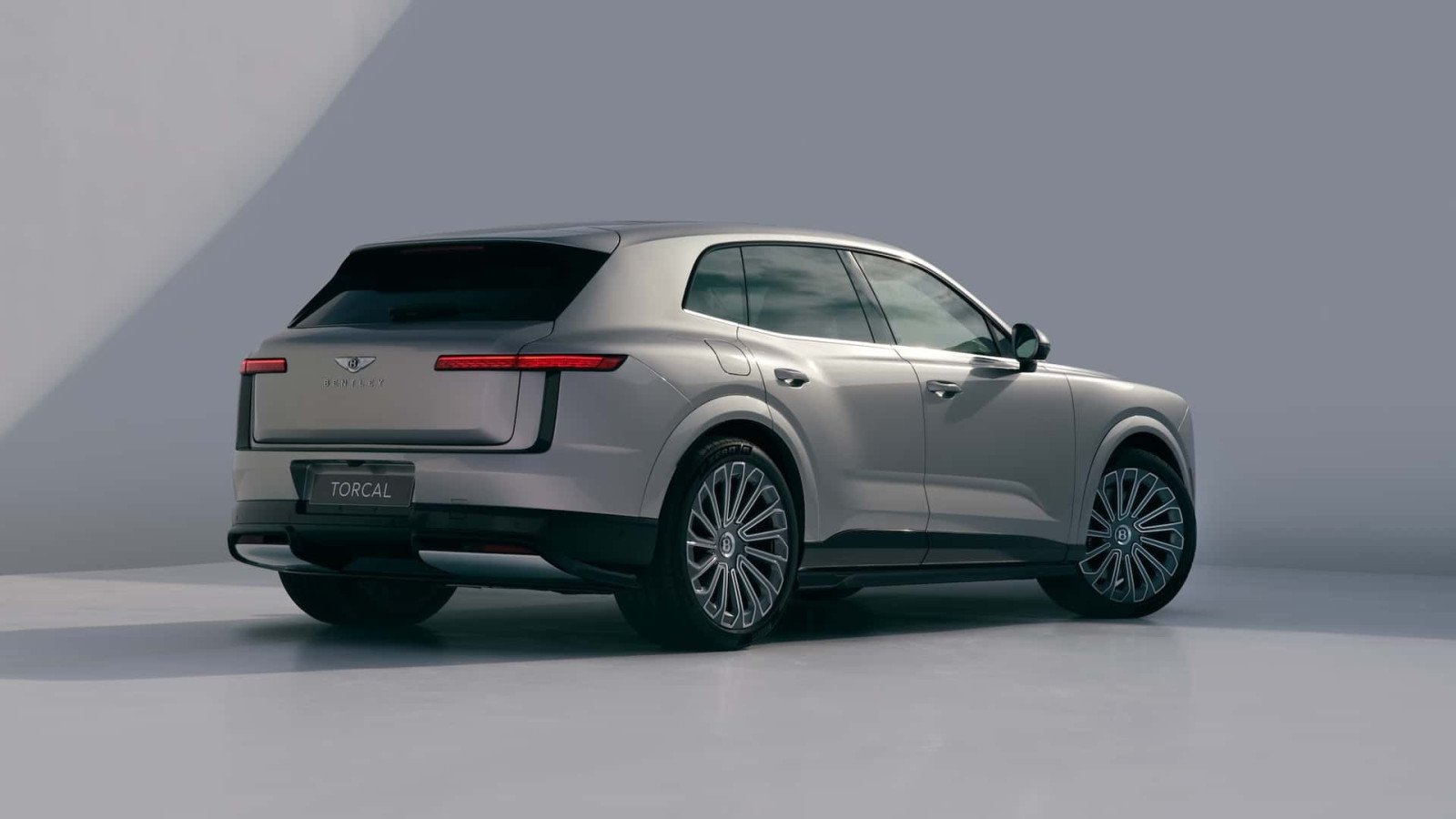
The strategic pivot coincides with the debut of the Torcal, Bentley’s first fully electric production model. Positioned as a 2028 model, the luxury electric SUV features an 800-volt architecture, rapid DC charging, and a 113-kWh battery pack. In standard specification, the electric crossover produces 810 horsepower, while higher-performance variants push output up to 876 horsepower, allowing the Torcal S to accelerate from 0 to 60 mph in a claimed 2.8 seconds.
Bentley made it clear that the Torcal will not spawn a gasoline or hybrid counterpart. Built on a dedicated EV platform, the model’s electric identity remains intact, with US sales slated to begin early next year following its September 2026 reveal. However, Bentley’s subsequent electric models have been delayed until the start of the next decade, when they are expected to adopt the Volkswagen Group’s upcoming SSP architecture.
Bentley is not the only high-end automaker adjusting its electrification timetable; rival Rolls-Royce recently retreated from its 2030 EV commitment to maintain its V12 lineup. For Bentley, continuing combustion and plug-in hybrid production alongside halo EVs like the Torcal provides commercial resilience during an unpredictable market transition.
Photos
Photos in the catalog
More news