The Return of the LFA: A Fresh Take Compared to the Original V-10 Legend
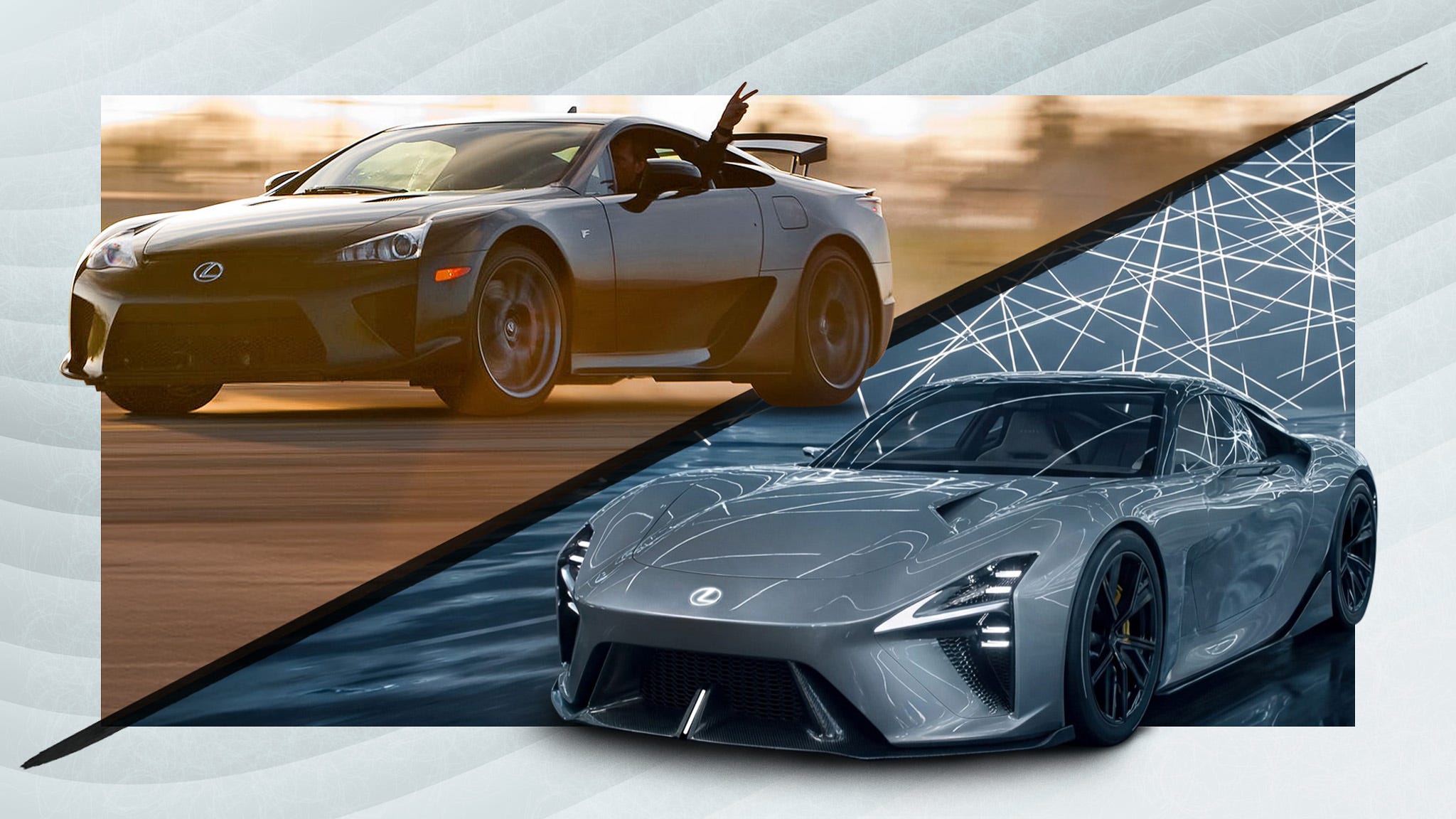
The Lexus LFA is a name that resonates deeply within automotive circles. First introduced in 2010, the original LFA established itself as a benchmark for design and engineering excellence, laying the foundation for Lexus's high-performance F division. Now, the LFA moniker is making a comeback, promising a glimpse into Lexus and Toyota’s future performance ambitions.
The new LFA Concept serves as a forward-looking statement from Lexus, Toyota's GR performance division, and Toyota itself. Although many technical details remain under development, this fresh iteration offers a striking contrast to the V-10-powered icon that came before it.
Engineering Evolution
During its development phase, the original LFA underwent several transformations—from aluminum to carbon fiber construction, and from concepts powered by either a V-10 or hybrid V-8 engine. Ultimately, Lexus delivered a carbon-fiber-bodied supercar powered by a hand-built 4.8-liter V-10 engine. This powerplant, created in partnership with Yamaha, featured individual throttle bodies per cylinder, a 78-degree bank angle, and dry-sump lubrication, producing 552 horsepower and 354 lb-ft of torque. Its high-revving nature, with a redline near 9,000 rpm, gave the car a distinct, thrilling character.
The new LFA Concept adopts a modern path, moving away from combustion engines to electric propulsion. Built on the chassis of Toyota’s new GR GT supercar, this vehicle replaces the V-10 with rapid-response electric motors powered by an emerging solid-state battery. This battery technology is expected to improve charging speed, energy density, and weight compared to current lithium-ion systems. As with the original, final powertrain specifications will evolve as the concept progresses toward production.
Design and Interior Highlights
Styling for the new LFA Concept is reportedly finalized, retaining some thematic elements from the original while embracing a more aerodynamic and contemporary shape. Compared to the sharper, more aggressive lines of the 2010 model, the new version is longer, wider, and lower, with a stretched wheelbase that should enhance stability at high speeds. Visually, the car takes inspiration from Toyota’s classic 2000GT, featuring smooth curves and flowing forms.
Despite the shift to electric power, the front fascia maintains a nod to the original LFA’s distinctive grille and air intakes, even if they’re functionally unnecessary for an EV. The headlights borrow cues from the Lexus LC, and the rear design pays homage to the original’s iconic rear grille and tri-tip exhaust through unique lighting and grille elements.
Inside, the cabin presents a futuristic, driver-centric environment with digital displays arranged in a retro-futuristic style, a yoke steering control, and a central console that separates driver and passenger. The gear selector dial subtly references the original’s drive mode selector, and the digital instrument cluster carries forward the LFA’s legacy of advanced, performance-focused instrumentation.
While it may still be some time before the new LFA reaches production, the early indications suggest Lexus is aiming to create a worthy successor that honors the spirit of the original while embracing the future of automotive technology.
Photos in the catalog
More news