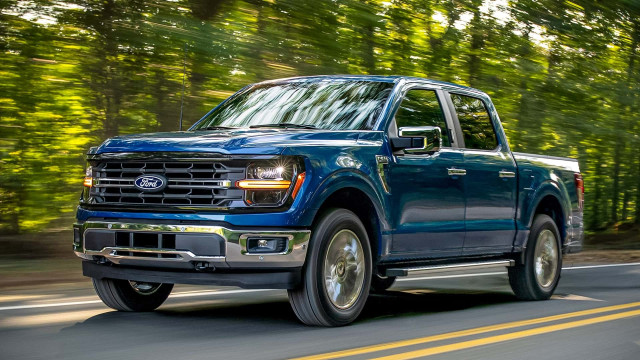
Ford Shifts Gears: The Pure Electric F-150 Lightning Ends, Replaced by a 700-Mile Hybrid Model
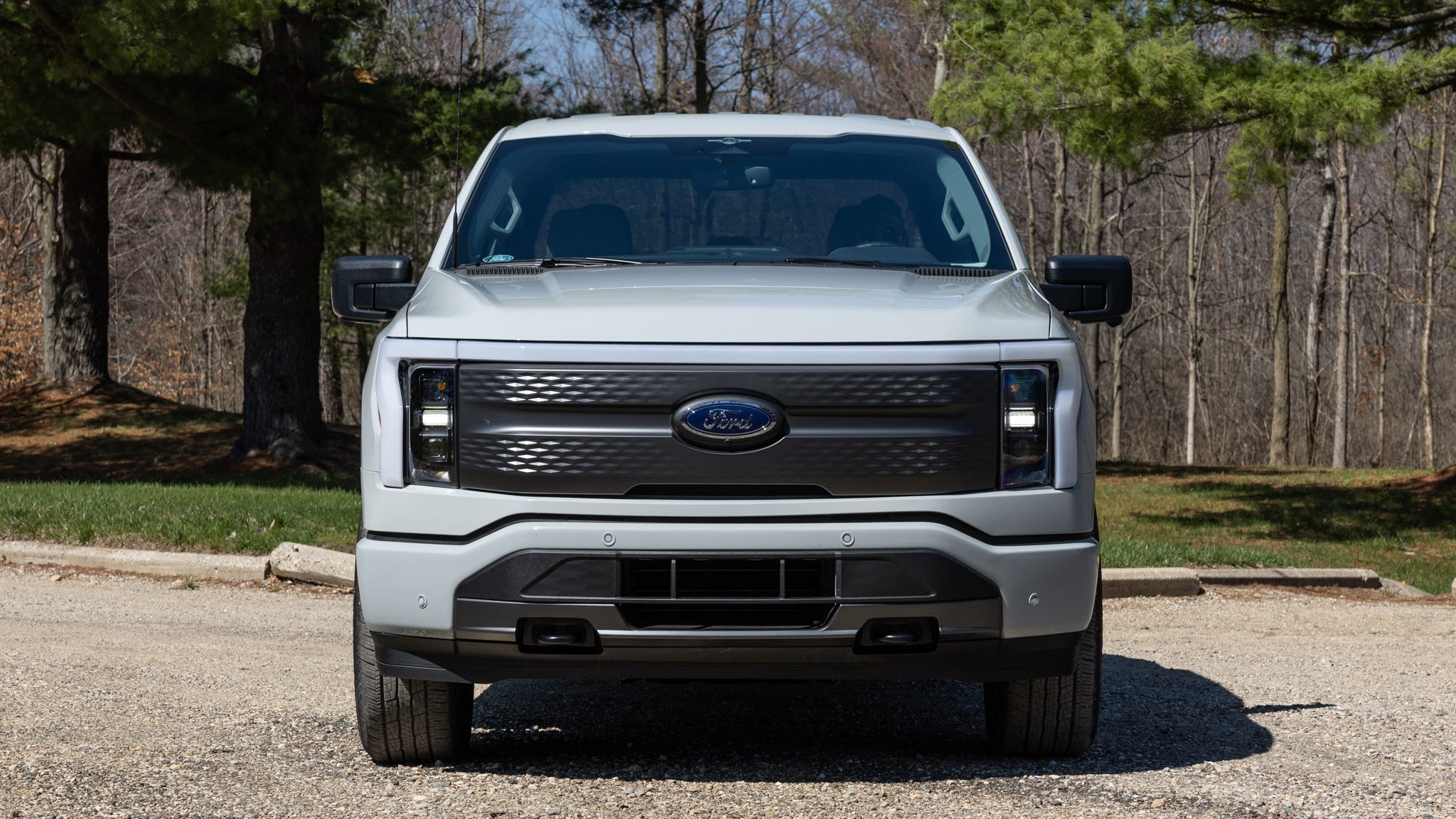
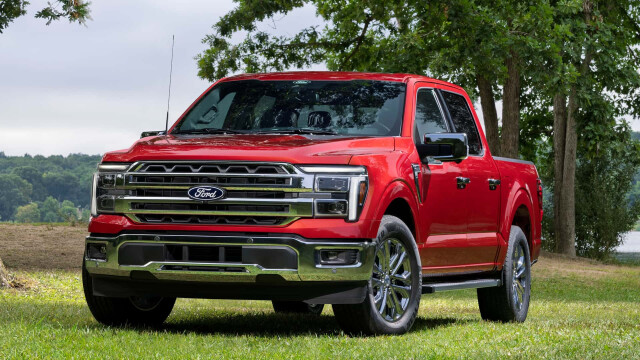
Ford is taking inspiration from competitors like Ram by transforming the next-generation F-150 Lightning into an extended-range hybrid vehicle. This new approach will enhance both the truck’s driving range and its towing capacity.
As a result, the fully electric version of the Lightning as we know it is being discontinued. Production has already stopped, with Ford repurposing the Rouge plant to manufacture internal combustion engine F-Series trucks—a move initially intended to be temporary but now permanent.
Ford’s long-term plan involves producing an extended-range electric vehicle (EREV), where a gasoline engine functions solely as a generator. This hybrid model will be assembled in Dearborn, though the company has not yet announced when it will hit the market.
This strategy mirrors what Stellantis did with its Ram line, which abandoned its pure electric REV truck in favor of the hybrid Ramcharger EREV after weak demand for fully electric pickups. Ford is following suit, but its transition comes at a steep cost—an estimated $19.5 billion—since it had already launched the Lightning and was progressing on a fully electric successor.
Volkswagen’s Scout brand is also entering the extended-range electric truck and SUV segment, signaling a broader industry trend.
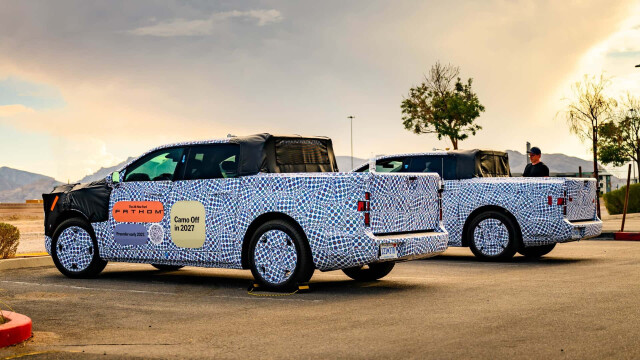
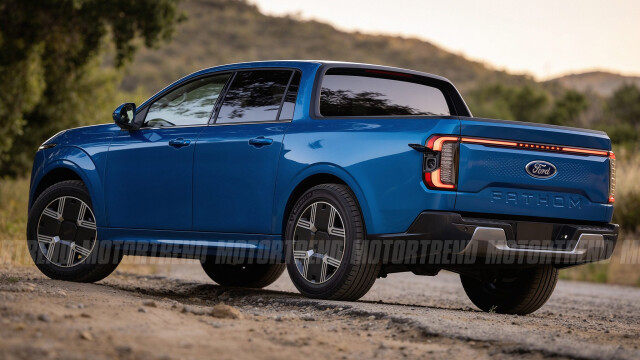
According to Andrew Frick, president of FordBlue and Ford Model e, this shift is driven by customer preferences and market realities rather than past projections. Today's buyers prioritize affordability and sufficient range for their daily needs. The upcoming Lightning EREV will boast over 700 miles of range, and Ford plans to release a lineup of more budget-friendly electric vehicles starting in 2027, beginning with a compact pickup.
By 2030, Ford anticipates that half of its global sales will come from hybrids, EREVs, and fully electric vehicles—up from 17 percent currently—while maintaining profitability.
Ford is also expanding into battery energy storage, leveraging its joint-venture battery plants in Kentucky and Michigan. These facilities, originally slated to produce batteries for the next-gen T3 electric vehicles (now canceled), will shift to manufacturing lithium iron phosphate (LFP) batteries to serve energy storage markets such as data centers.
This pivot will cause temporary layoffs, including 1,600 workers at Kentucky 1 battery plant, but Ford plans to hire approximately 2,100 new employees to support the rollout of 20-GWh energy storage systems by 2027. Similar changes are expected at the Marshall, Michigan plant.
Ford also intends to increase production of trucks, SUVs, and vans. At its Ohio plant, it will add jobs to build commercial vans and introduce a new gas and hybrid van. Meanwhile, at the Kentucky Blue Oval plant, gas-powered F-Series trucks will be produced alongside a new, smaller, affordable pickup. Additionally, the BlueOval City facility in Tennessee will start manufacturing more gas-powered trucks beginning in 2029.
Photos in the catalog
More news