Saab 900 I (Classic) photos
Photos
14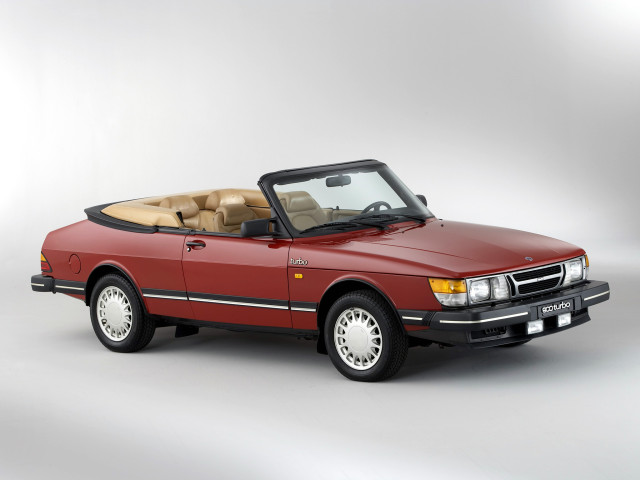 44
44
 23
23
 24
24
 23
23
 25
25
 23
23
 26
26
 29
29
 22
22
 18
18
 21
21
 21
21
 22
22
 20
20
About this generation
The iconic first-generation Saab mid-size executive car celebrated for its aircraft-inspired design and pioneering turbocharging technology.
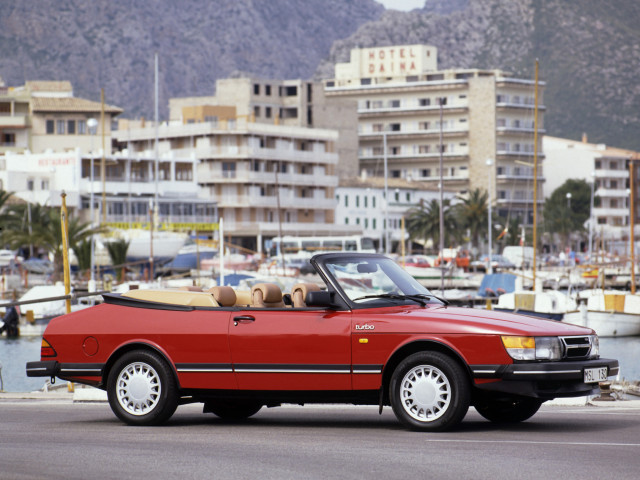
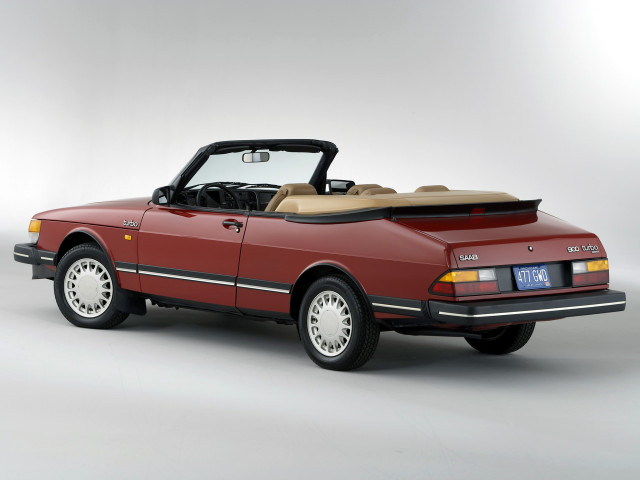
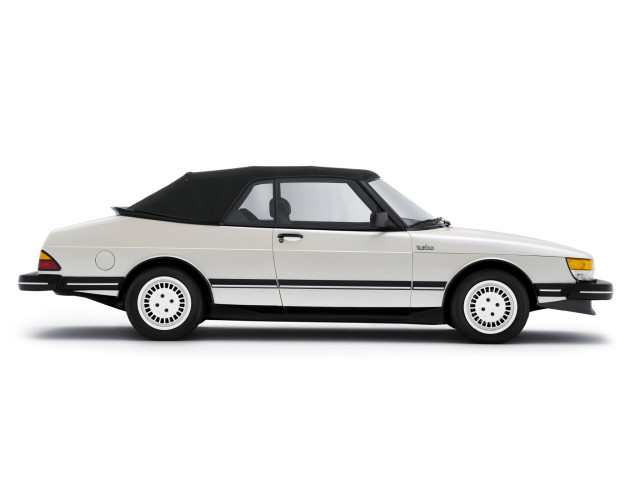
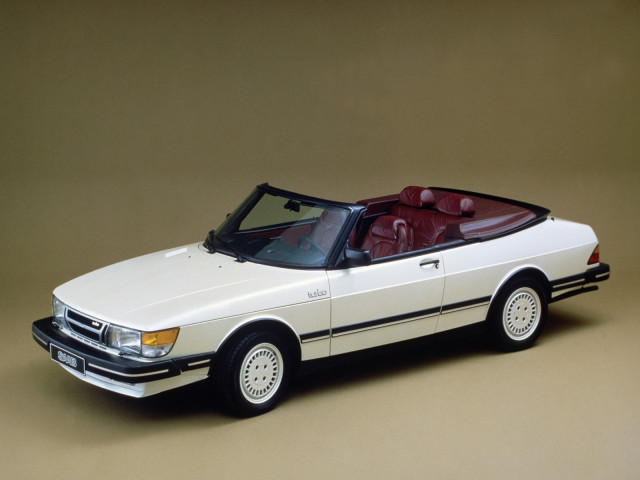
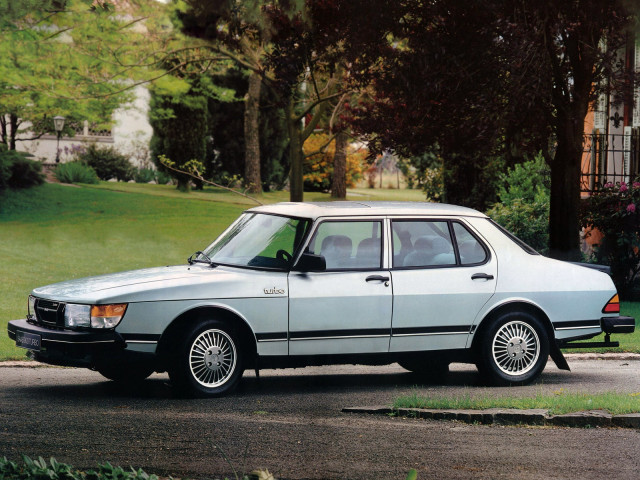
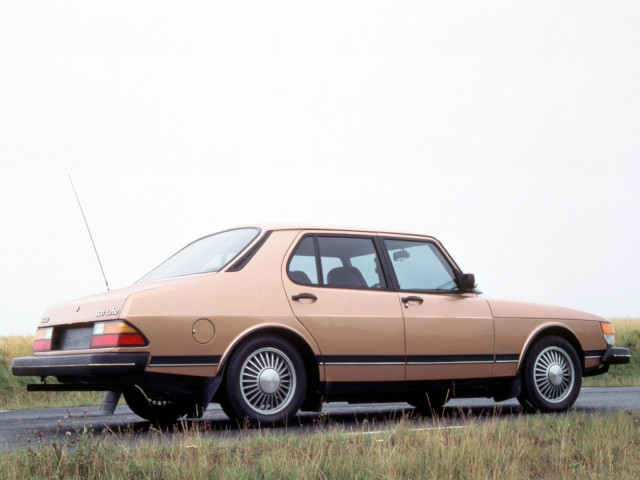
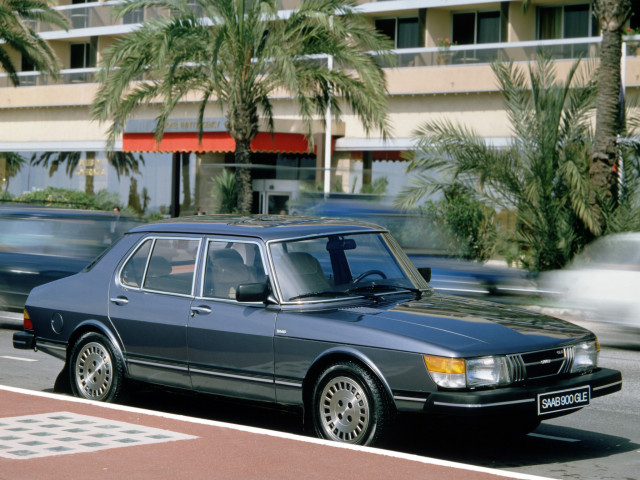
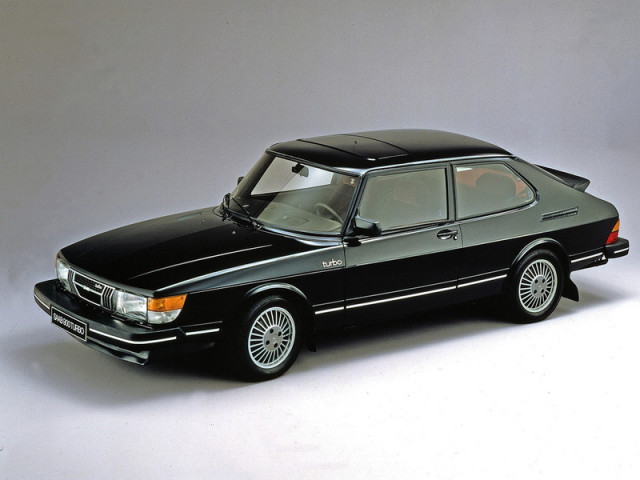
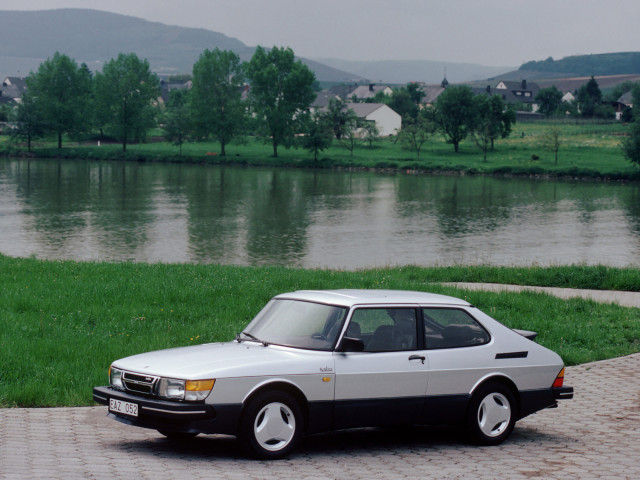
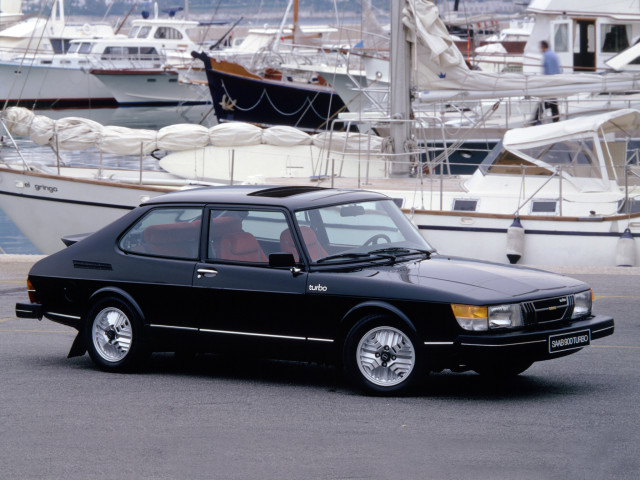
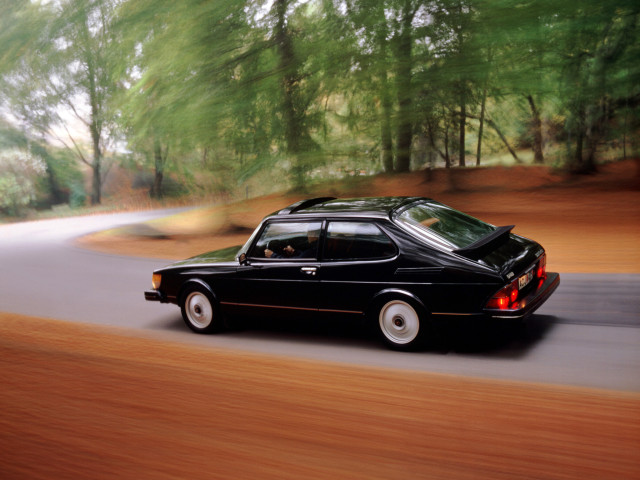
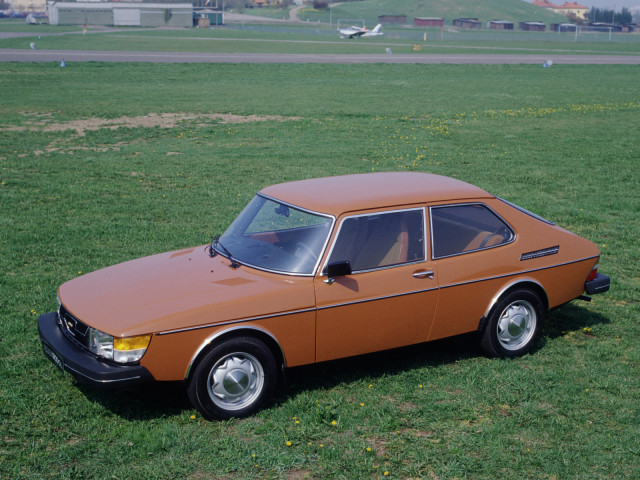
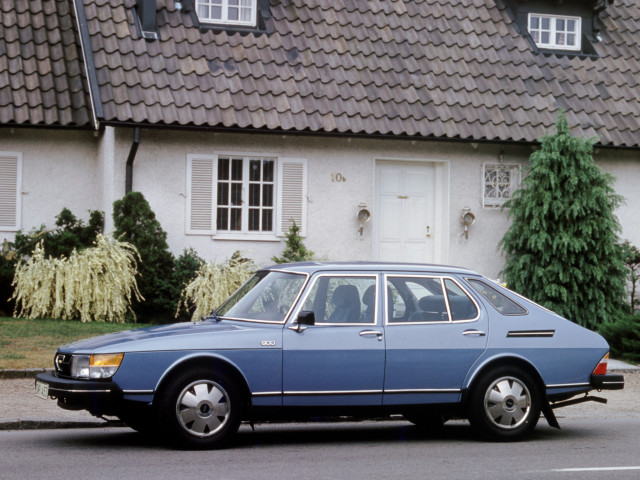
The first-generation Saab 900, retroactively referred to by enthusiasts as the Classic 900, debuted in 1978 as an advanced evolution of the Saab 99 architecture. It featured an extended front crumple zone engineered for demanding crash standards, a signature deeply curved panoramic windshield, and a center-console-mounted ignition switch. The vehicle was offered in three-door and five-door combi-coupe (hatchback) configurations, two-door and four-door notchback sedans, and a highly successful convertible variant that entered production in 1986. Power came from longitudinally mounted, angled 2.0-liter inline-four petrol engines—initially the B-engine and subsequently the refined H-engine family—available in naturally aspirated and pioneering turbocharged forms. Advanced innovations included 16-valve cylinder heads, intercoolers, and Saab's patented Automatic Performance Control (APC) boost management system, followed later by a 2.1-liter B212 engine. Power was delivered to the front wheels via a transaxle gearbox integrated directly beneath the engine oil pan, utilizing four-speed or five-speed manual transmissions or a three-speed automatic. A comprehensive facelift in 1987 introduced slanted front-end styling, integrated aerodynamic bumpers, and revised headlamps. Renowned globally for robust build quality, high winter driving capability, and distinct design, the classic generation remained in production until early 1994, totaling more than 900,000 units sold across Europe and North America.
Saab news