Maserati Mexico I (Tipo 112) gallery (1966–1972)
An elegant high-end grand tourer featuring potent V8 engines and bespoke coachwork crafted by Vignale.
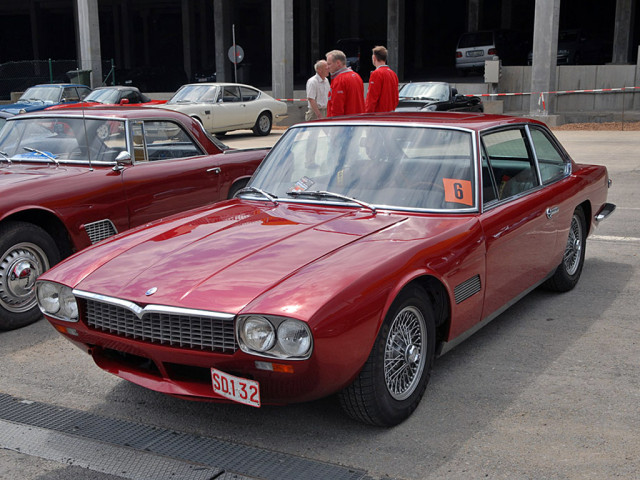
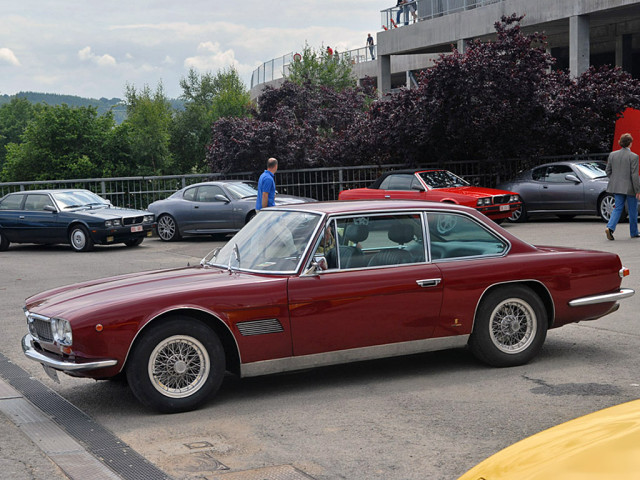
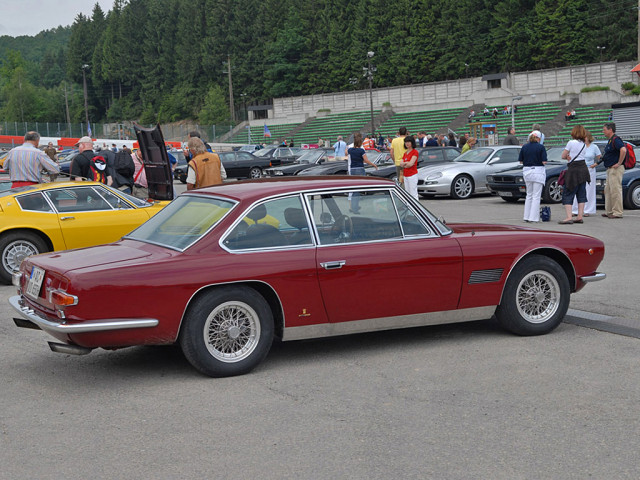
The Maserati Mexico was introduced at the 1966 Paris Motor Show as a luxurious four-seater grand tourer designed for effortless high-speed cross-country cruising. Built on a shortened tubular steel chassis derived from the first-generation Quattroporte (Tipo 107), the car featured independent front suspension with double wishbones and a live rear axle mounted on semi-elliptic leaf springs. The clean, refined, and understated coachwork was styled and manufactured by Carrozzeria Vignale under the direction of Virginio Vairo. Power was supplied by all-aluminum quad-cam naturally aspirated V8 engines fed by four twin-choke Weber carburetors: a standard 4.2-liter unit producing around 260 to 290 hp, and a potent 4.7-liter version sourced from the Ghibli generating 290 to 330 hp. Transmission options included a five-speed manual gearbox by ZF as standard, while a BorgWarner three-speed automatic transmission was available as an option primarily for the 4.7-liter variants. The Mexico holds an important technical milestone for Maserati, as it was the marque's first production model equipped with servo-assisted ventilated disc brakes on all four wheels as standard equipment. The bespoke cabin offered Connolly leather upholstery, wood veneer dashboard trimming, power windows, and air conditioning. Sold across European and North American luxury markets, a total of 485 examples were produced during its run.