Introducing the C-HR+: Toyota's Latest Electric Crossover with an Unconventional Name
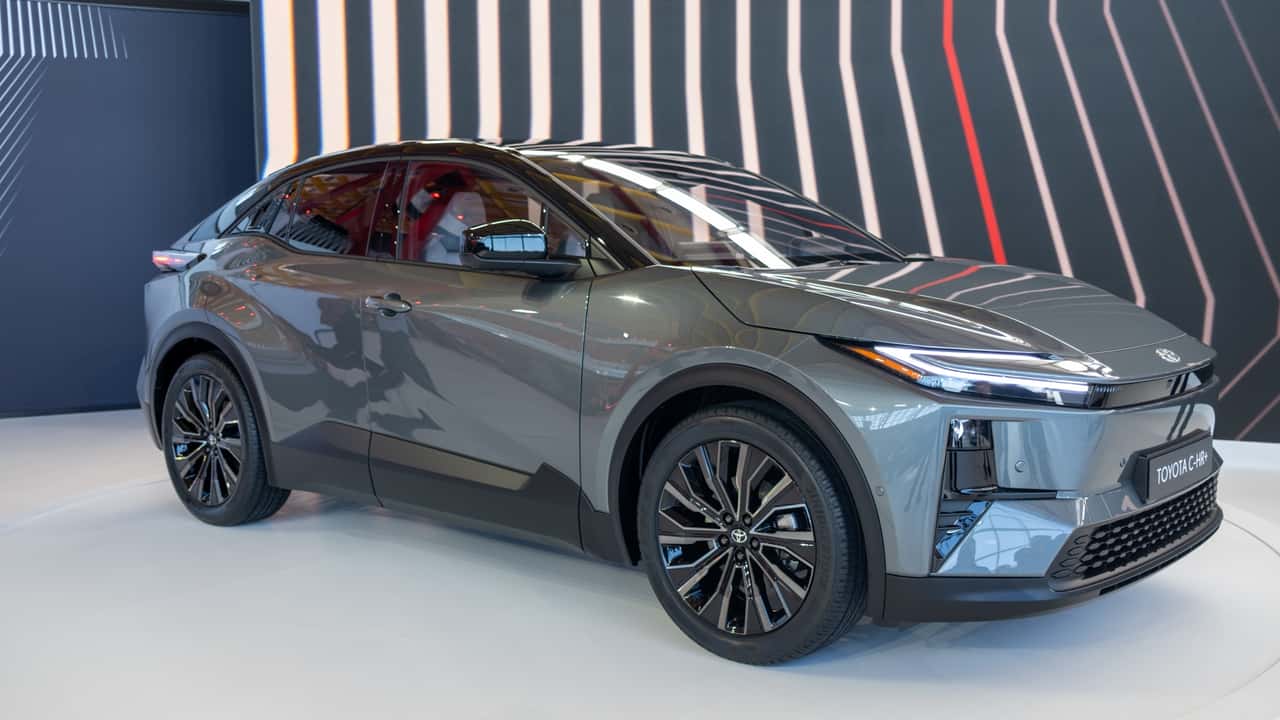
Toyota may have arrived fashionably late to the European electric vehicle scene, but the company is making strides to catch up. Alongside the refreshed bZ4X and the upcoming Urban Cruiser, Toyota is debuting the C-HR+. Contrary to what its name and similar aesthetic might suggest, Toyota clarifies that the C-HR+ isn't a purely electric version of the standard C-HR, which is available in hybrid and plug-in hybrid variants in Europe. Instead, it represents a separate model offering.
Despite potential confusion surrounding its nomenclature, it's a relief that the model isn't classified under the bZ series. Toyota has decided to move away from the "beyond zero" naming scheme, opting for a more customer-friendly naming approach. It's commendable that the Japanese manufacturer resisted adopting a sporty nomenclature, unlike other brands gearing up with names like the 2026 Acura RSX.
Enhanced Dimensions and Space
Stretching to 178 inches (4520 millimeters), the C-HR+ boasts a significantly larger frame, exceeding the standard model by 6.3 inches (160 millimeters) in length. Its wheelbase is extended to 108.2 inches (2750 millimeters), providing an additional 4.3 inches (110 millimeters) between the axles compared to the gasoline engine variants.
This expanded size translates to more passenger legroom and increased cargo space. The rear can accommodate up to 14.69 cubic feet (416 liters) of luggage, which is 1 cubic foot (28 liters) more than the 1.8-liter hybrid C-HR and 1.83 cubic feet (52 liters) more than the 2.0-liter hybrid version. Compared to the plug-in hybrid model, there's an extra 3.74 cubic feet (106 liters) of space available.
Distinctive features such as elevated rear door handles integrated into the C-pillars, traditional front door handles instead of the pop-out style found in the hybrid models, elongated rear doors, updated lighting, redesigned bumpers, and an elevated beltline set the C-HR+ apart. Additionally, a small quarter glass on the A-pillars is a noticeable design element.
2026 Toyota C-HR+
Inside, the C-HR+ has received several updates, including a digital instrument cluster positioned above the dashboard. A standard 14-inch touchscreen now houses the climate control system, unlike the regular C-HR, which uses separate physical buttons for temperature and other adjustments. The C-HR+ still retains some physical buttons for quick access to certain functions and features dual wireless charging pads. Additional amenities include rear climate controls, a panoramic sunroof, and a more compact gear selector.
The C-HR+ is available in both front-wheel and all-wheel-drive configurations. The single-motor version delivers 165 horsepower (123 kW) with a standard 57.7-kWh battery. Opting for the larger 77-kWh pack boosts the output to 221 hp (165 kW). Toyota projects a maximum WLTP range of up to 373 miles (600 kilometers) depending on the variant and trim level.
Performance and Charging
The dual-motor variant, equipped with the larger battery, offers a combined output of 338 hp (252 kW), making the C-HR+ one of Toyota's most powerful models in Europe, excluding the GR Supra. This version is impressively quick, accelerating from 0 to 62 mph (100 km/h) in just 5.2 seconds.
While Toyota hasn't specified the exact charging time, the C-HR+ supports DC fast charging at up to 150 kW. The battery is designed to maintain at least 70% of its capacity after a decade of use. Built on the e-TNGA platform, it shares more in common with the bZ4X than with the traditional C-HR.
The Toyota C-HR+ is set to launch in selected European markets by the end of this year, with a continent-wide release planned for later in 2026.
More news