Polestar Formula 2030 Concept Previews Future Production EV Design
Polestar is preparing to exit the United States market following the implementation of the US Connected Vehicles Rule, which establishes a de facto ban on China-linked automotive technology beginning with the 2027 model year. Despite losing the American market, which represented a modest portion of its global deliveries, the Geely-owned electric vehicle brand is looking ahead with the debut of the Formula 2030 concept.
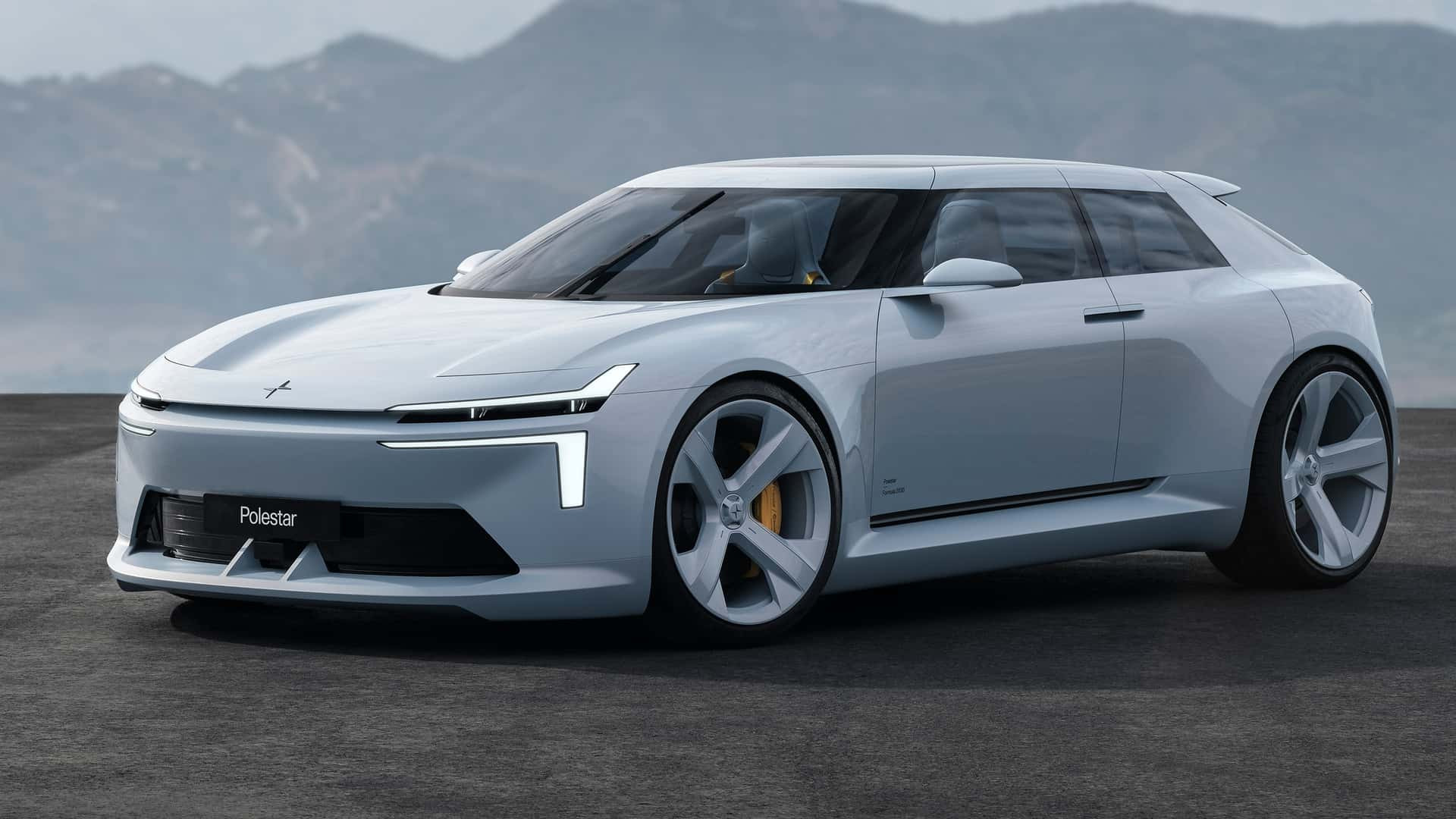
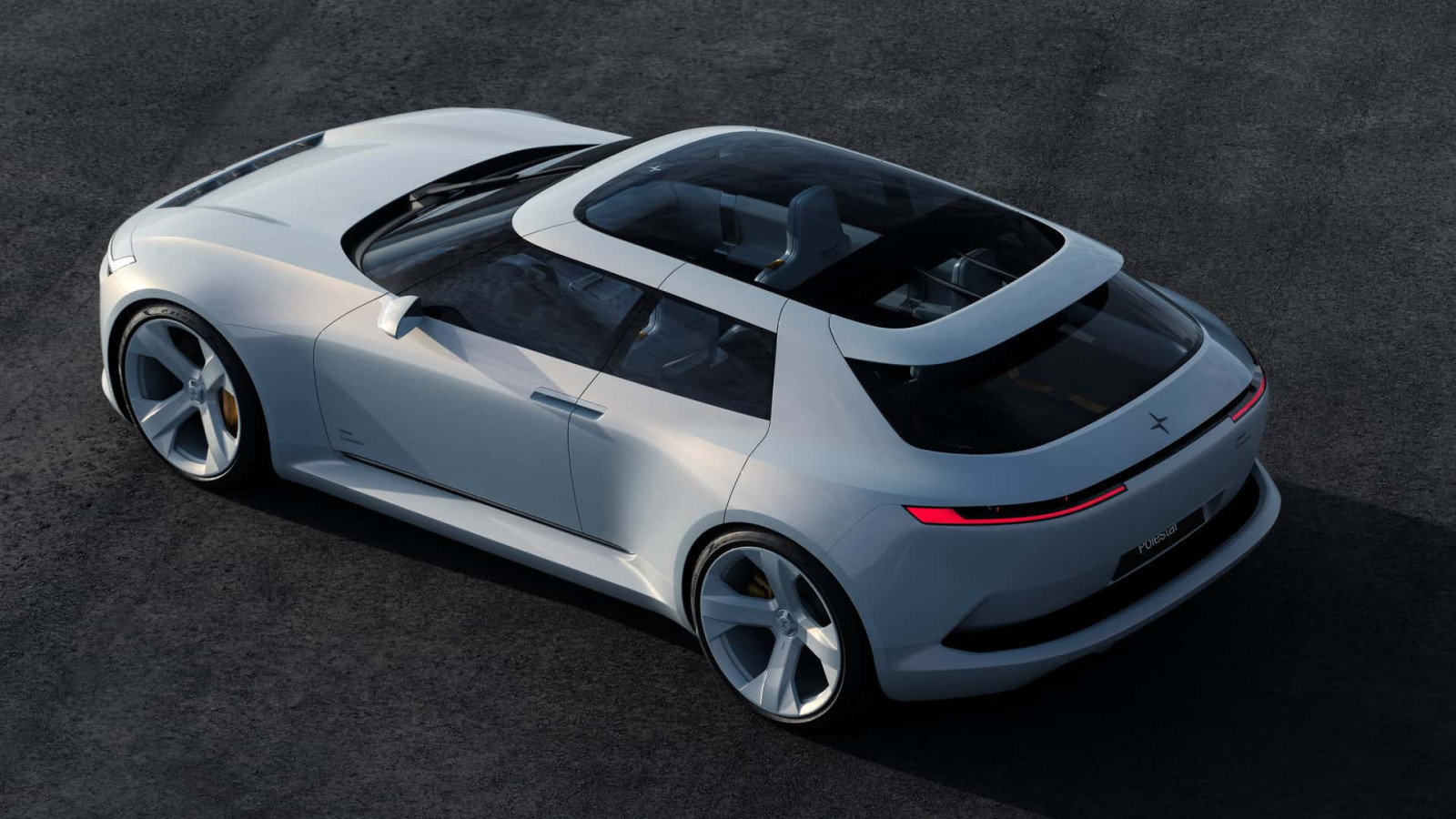
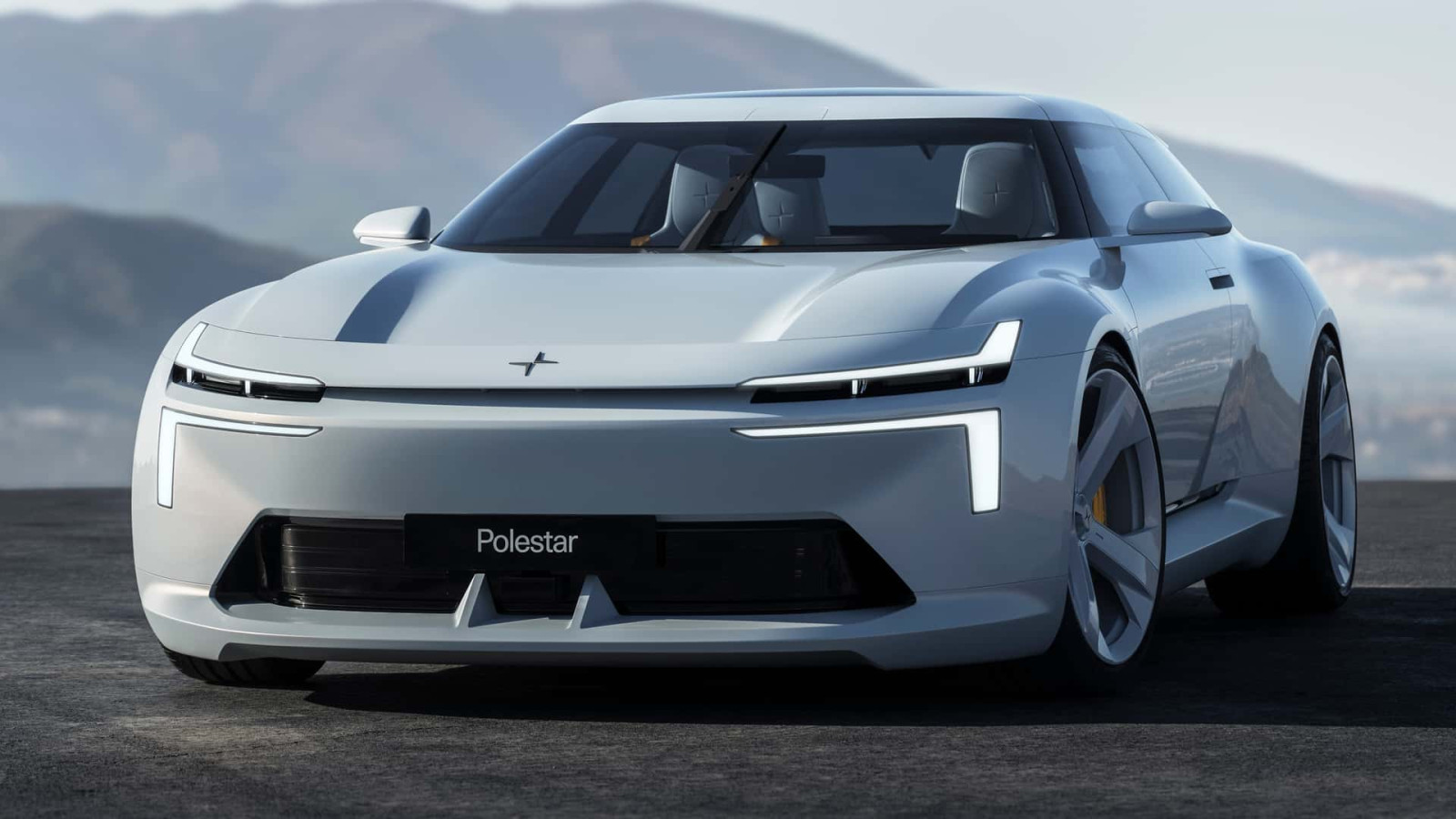
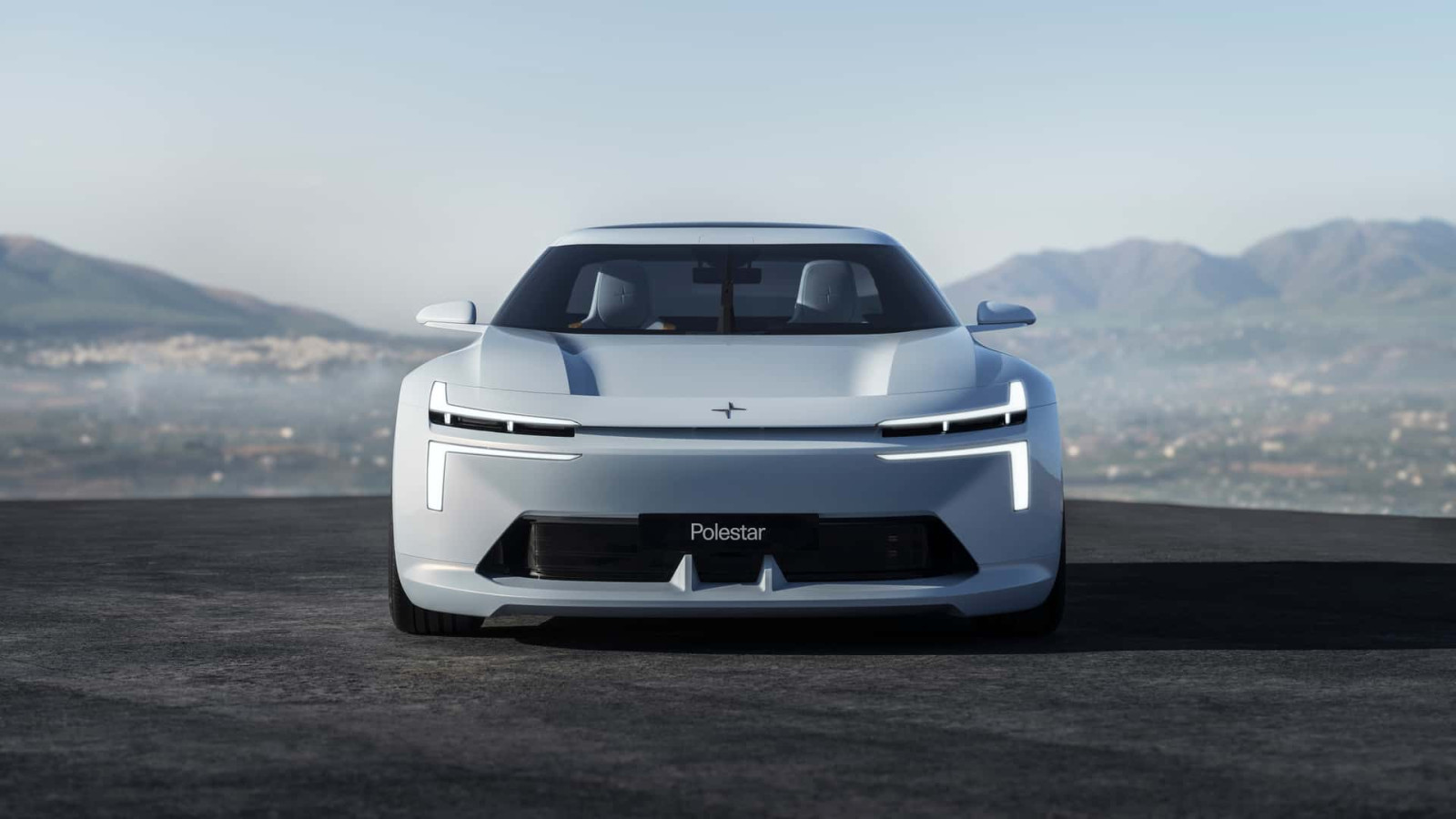
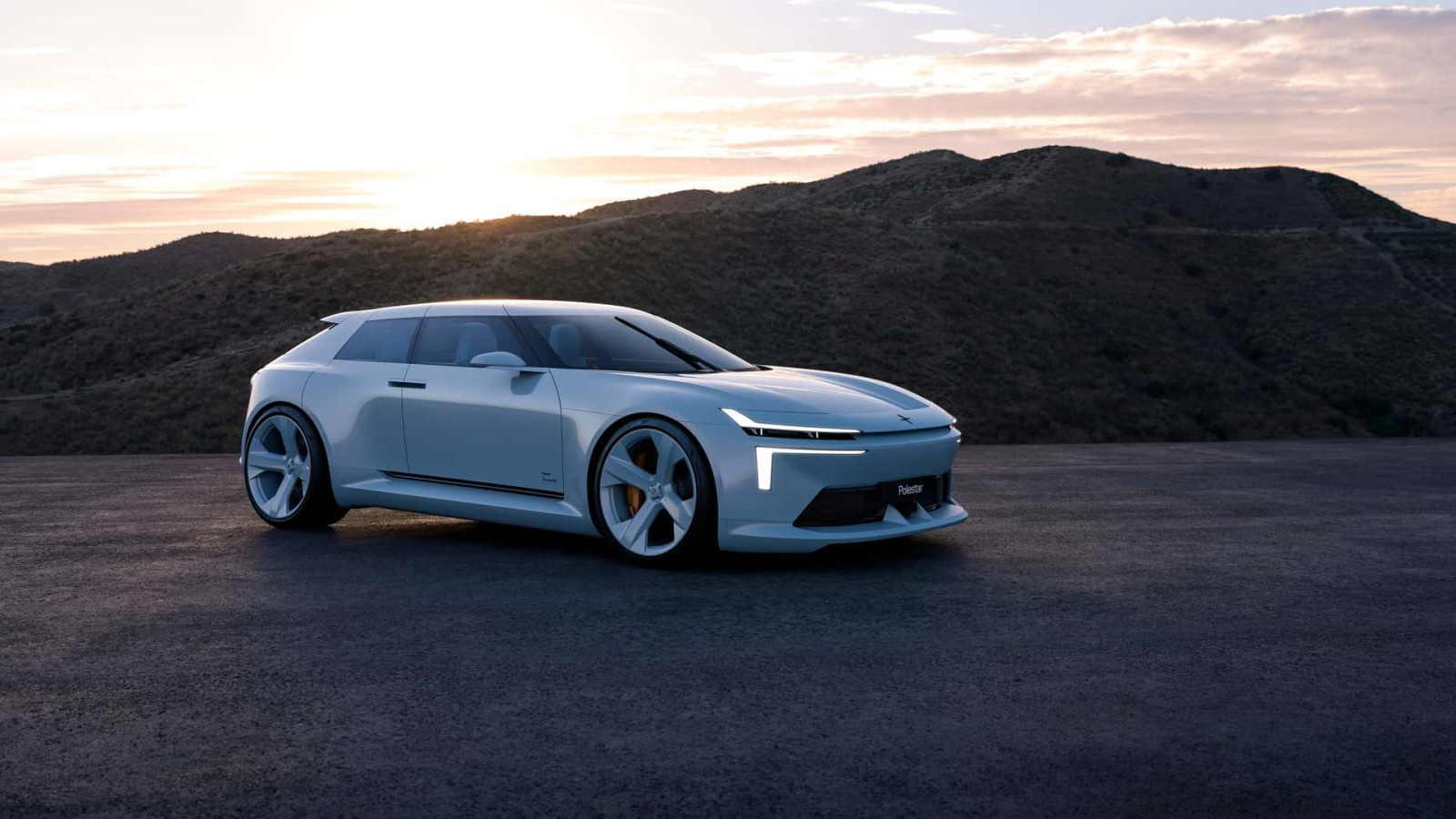
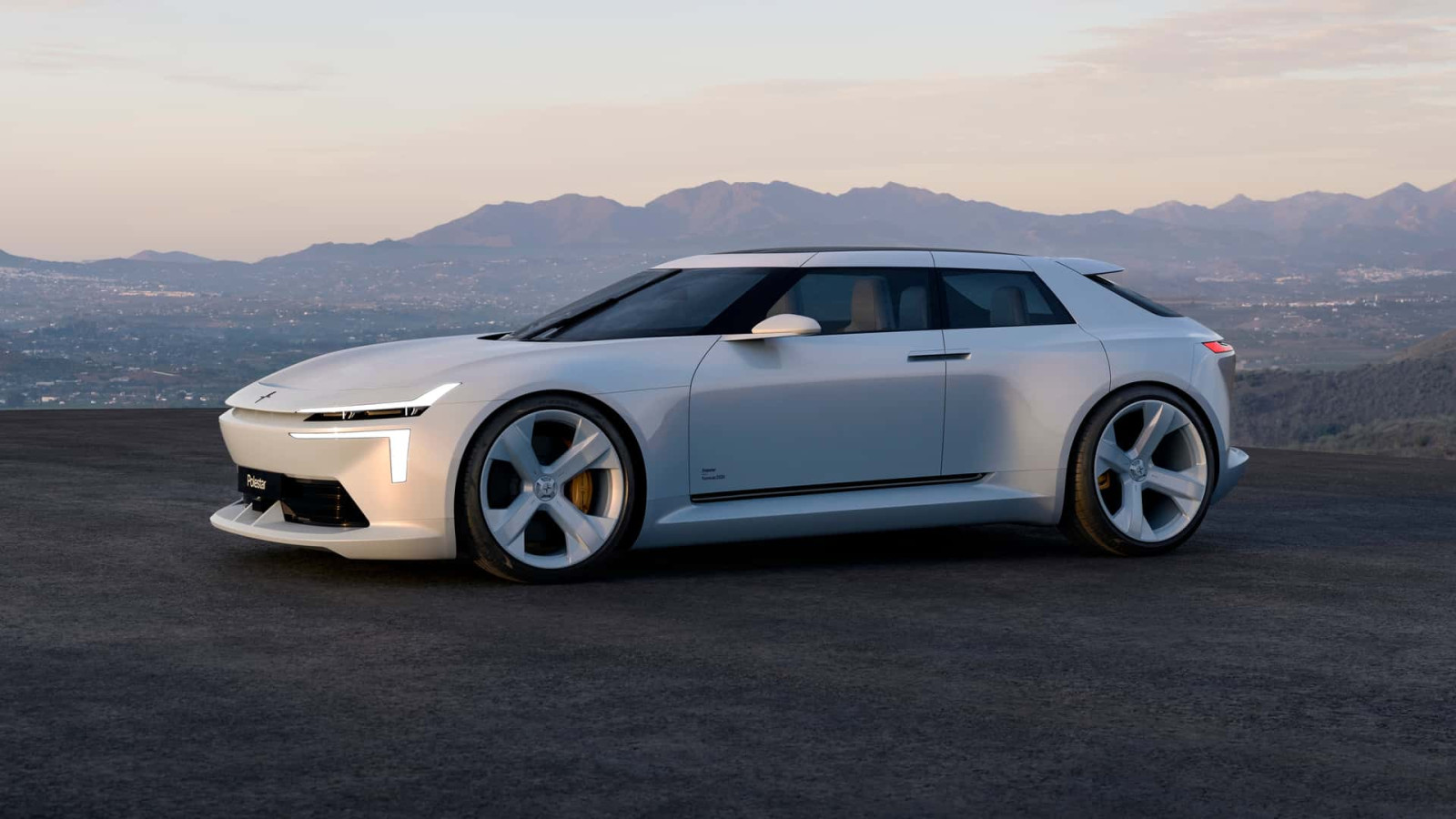
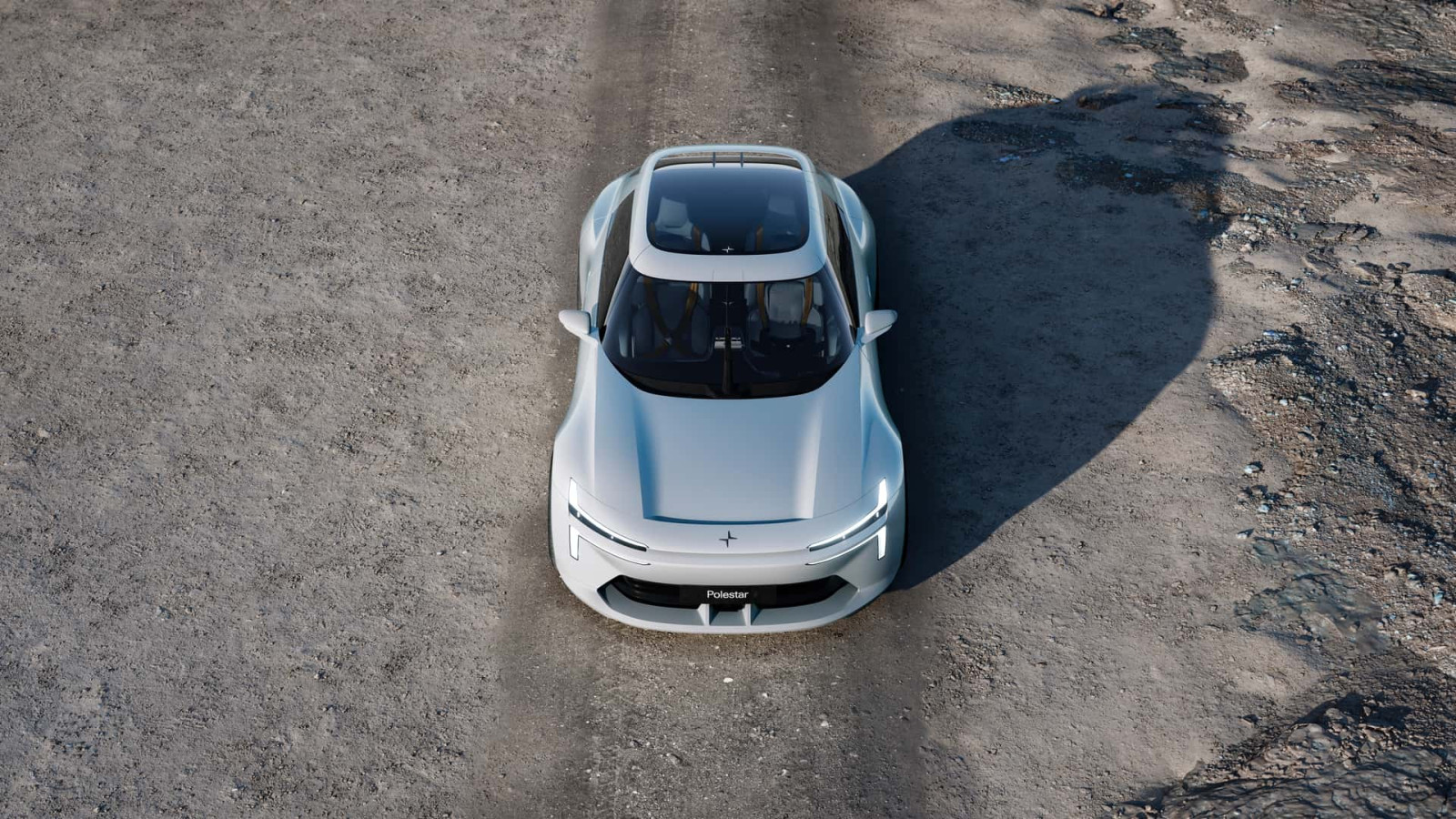
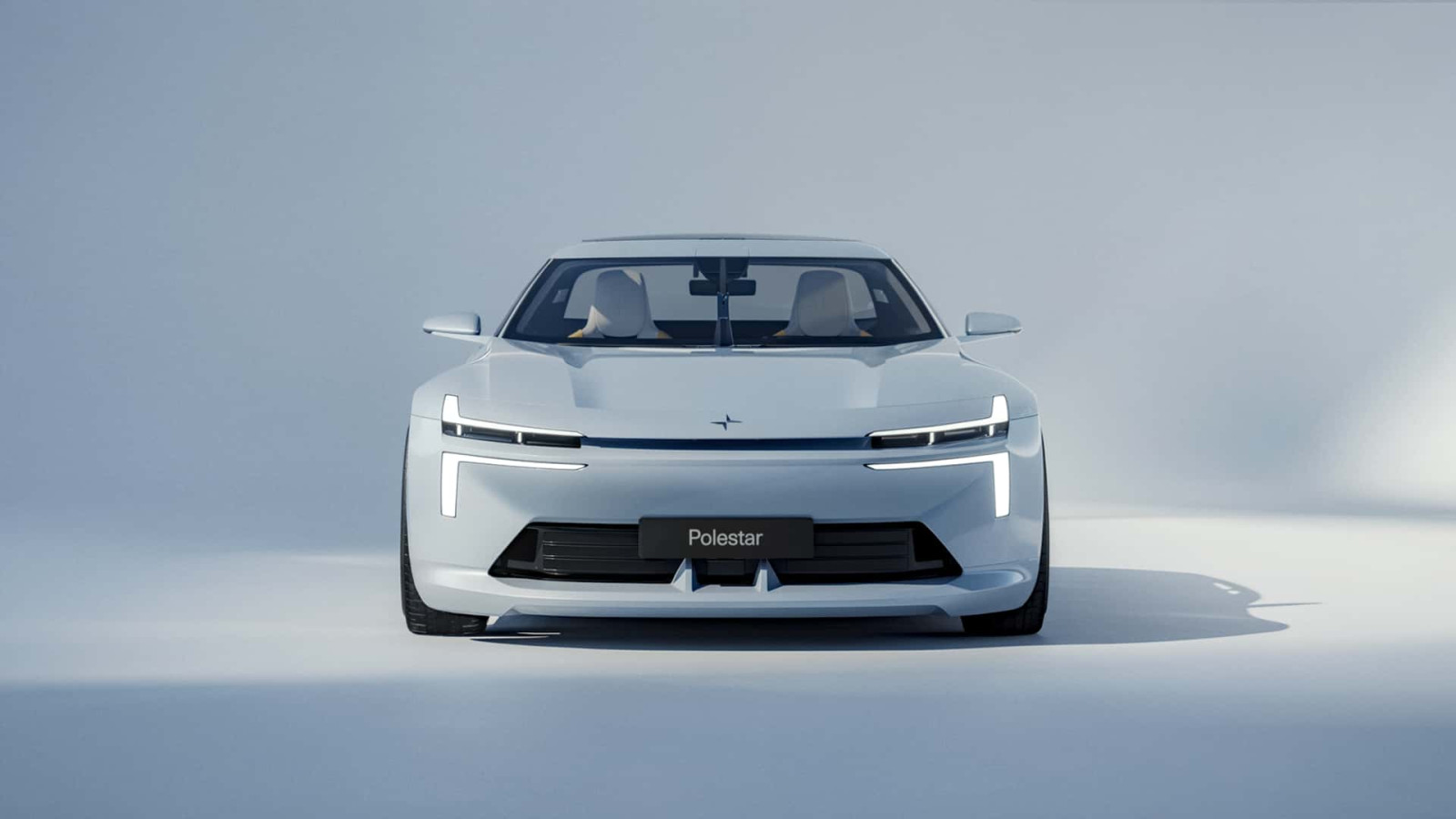
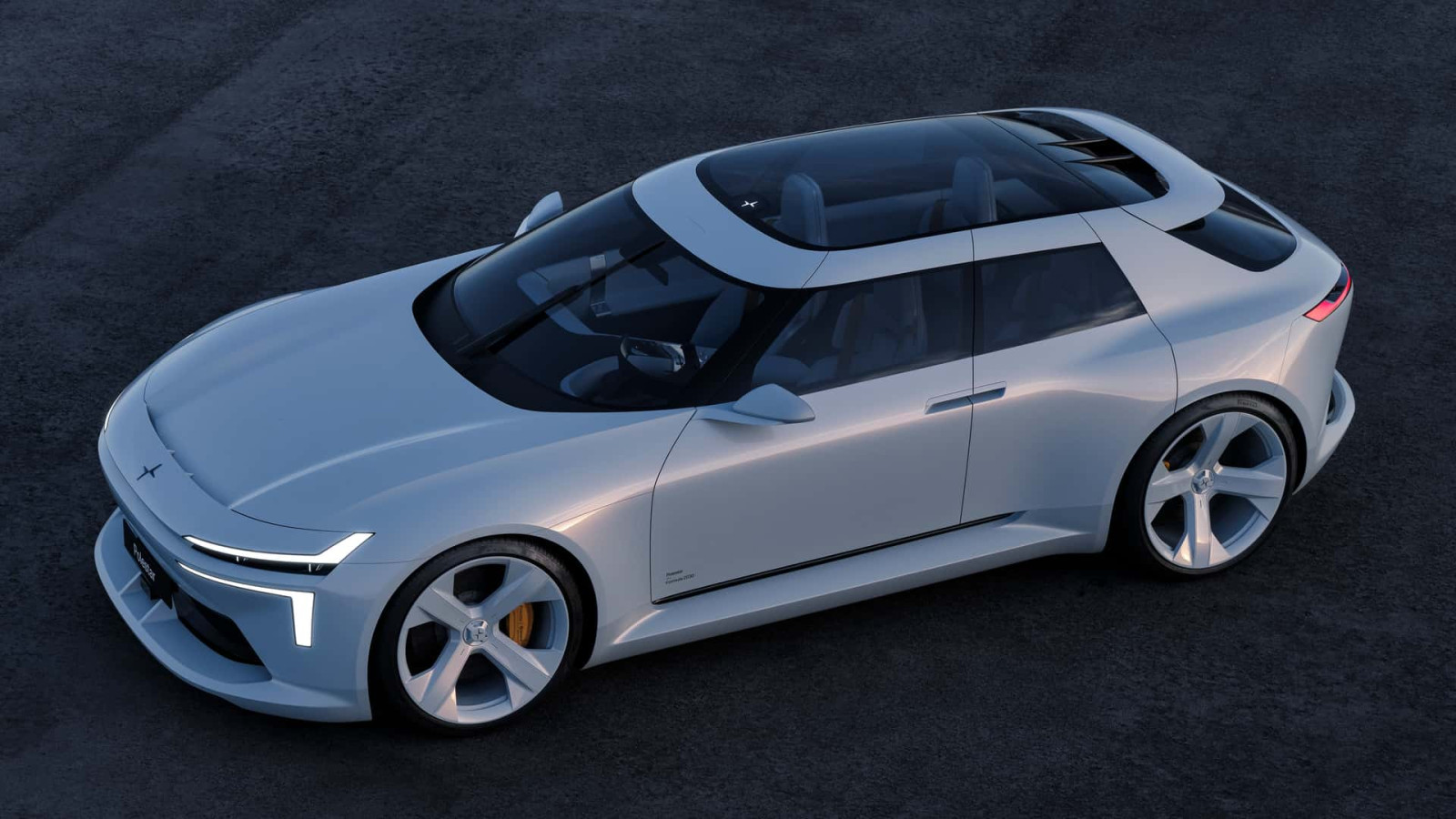
The Formula 2030 is conceived as a futuristic widebody electric hatchback with an aggressive, low-slung stance. It measures 4,680 millimeters (184.3 inches) long, 2,021 mm (79.6 inches) wide, and only 1,350 mm (53.1 inches) tall, making it longer than the current Polestar 2 and lower than the Polestar 4. Built on a dedicated EV platform, the car features a 2,780 mm (109.4-inch) wheelbase and rides on 22-inch center-lock wheels. Its silhouette channels cues of the classic Volvo C30, brought into the next decade with a pillarless bodyshell, rear-hinged doors, and a wraparound greenhouse. Notable exterior touches include a single vertical windshield wiper inspired by motorsport, an all-glass roof terminating in an integrated spoiler, a deployable roof LiDAR unit for autonomous driving, and a UFO-inspired rear end that replaces the conventional full-width light bar with a fresh taillight signature.
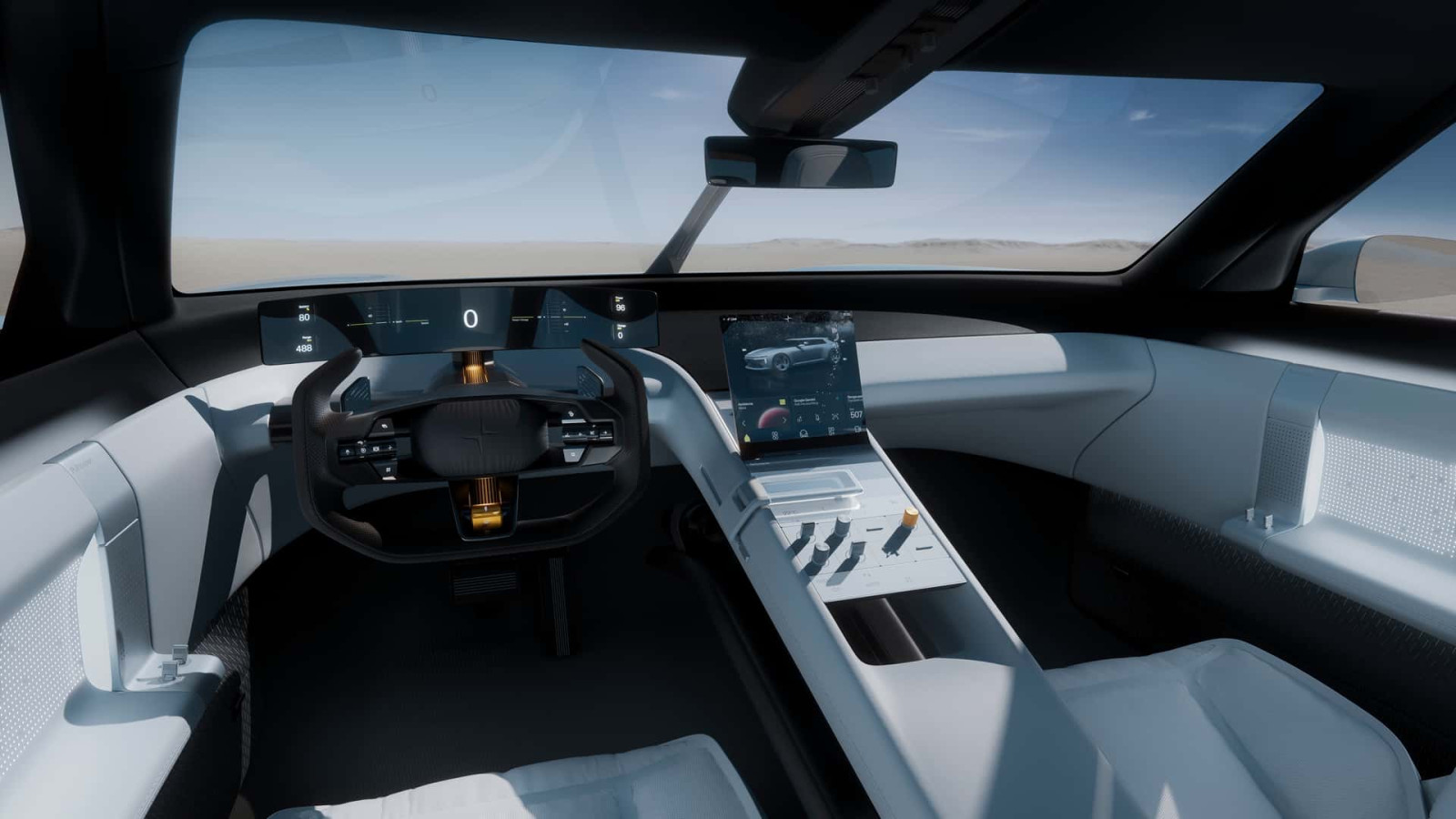
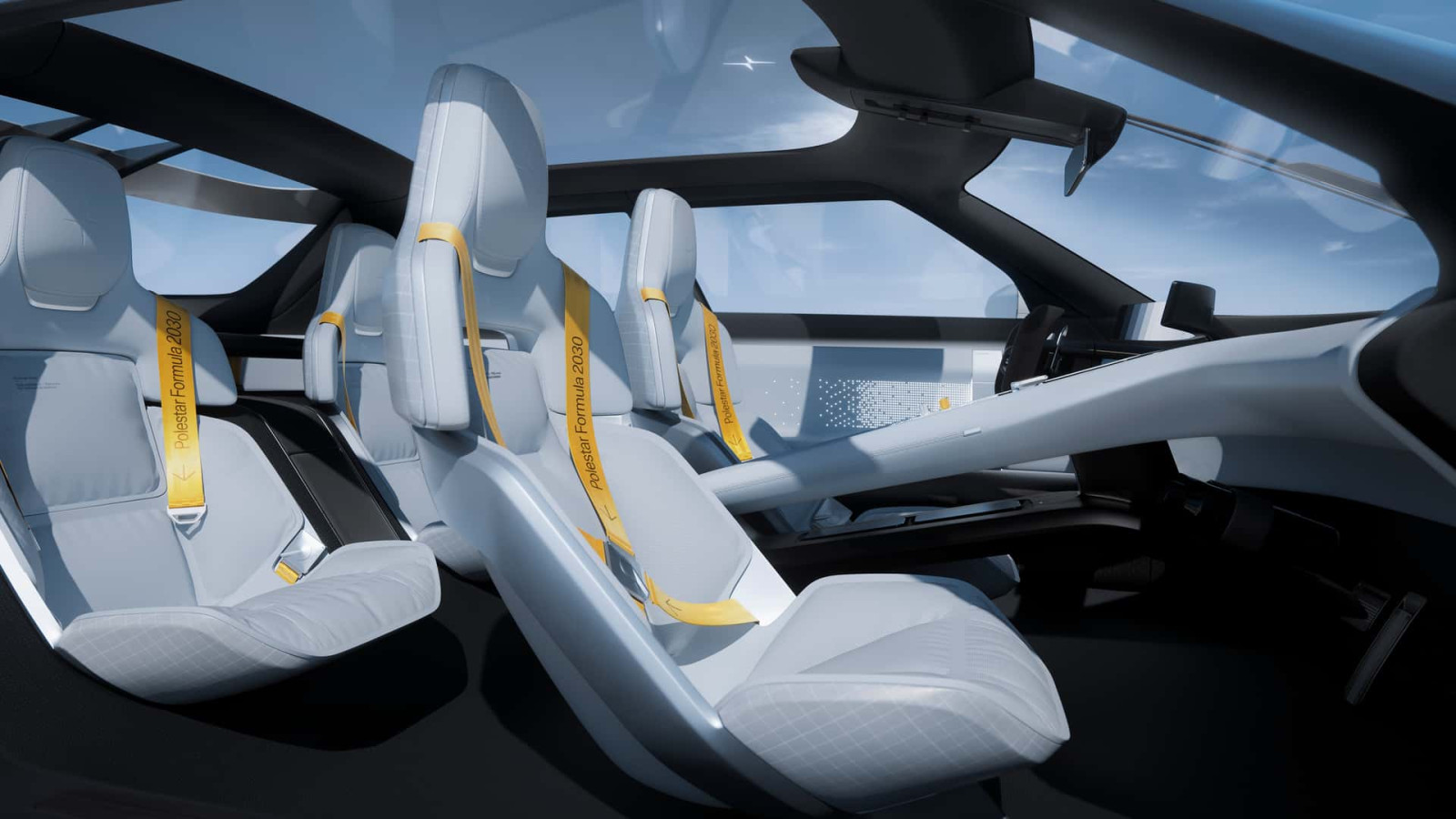
The four-seat cabin is heavily driver-oriented and features adaptive seating with inflatable cushions and bolsters. Facing the driver is a 20-inch curved instrument display mounted straight to the steering column, paired with a 12.2-inch center display integrated into the console. Rather than transitioning completely to digital controls, Polestar installed eight customizable physical switches and rotary controllers. The interior reconfigures itself depending on the selected drive mode: selecting Autonomous raises the central display while the steering wheel and seat move apart, while Performance mode pulls the steering wheel and gauge cluster closer to the driver.
Polestar has not revealed battery capacity, motor configuration, or horsepower ratings. Nonetheless, chassis hardware includes race-derived Öhlins dampers, a gold front strut brace, and dedicated front-trunk mounts for racing helmets and a fire extinguisher. While the concept will not reach assembly lines as a standalone vehicle, Polestar confirmed that several design elements will be applied to the next-generation Polestar 2 arriving in 2027 and the upcoming Polestar 7 compact crossover planned for 2028.
Photos
More news