China to Outlaw Yoke-Style Steering Wheels Over Safety Issues
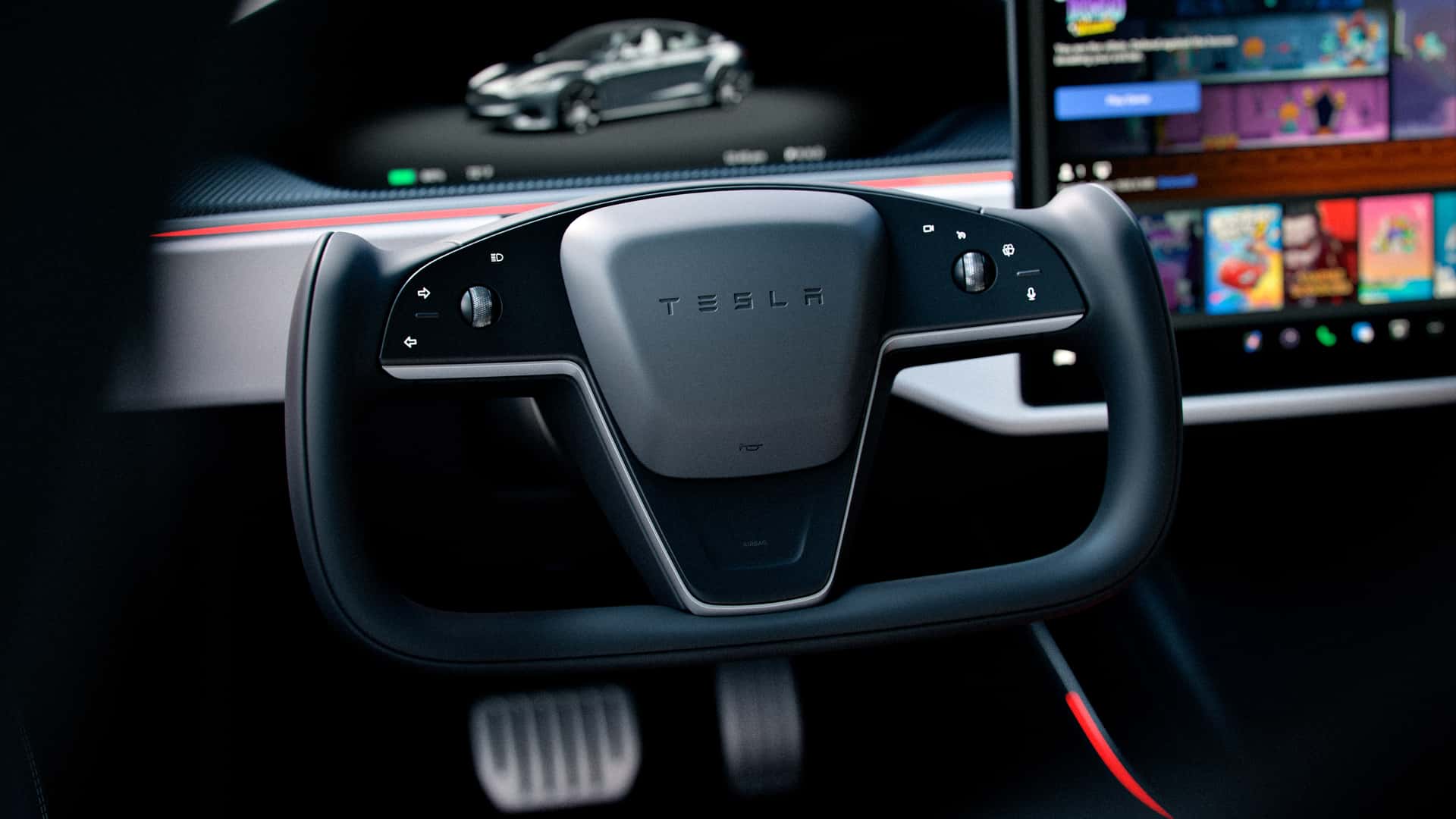
China is moving forward with new automotive safety regulations that will prohibit the use of yoke-shaped steering wheels. The Ministry of Industry and Information Technology (MIIT) has identified these unconventional steering devices as a safety hazard.
The ban is set to come into effect on January 1, 2027, marking a significant change in vehicle design standards within the country.
The yoke steering wheel gained popularity after Tesla introduced its unique design in the updated Model S and Model X models back in 2021. This distinctive, rectangular-style wheel has since been adopted by various manufacturers, including Lexus in the U.S. and some domestic automakers in China.
However, Chinese regulators have now decided to crack down on this trend due to concerns about driver safety. According to a report from Chinese automotive media Autohome, the MIIT has released a draft for a new national standard (GB 11557-202X) titled "Protection for Drivers Against Injury From Vehicle Steering Mechanisms." This standard will replace the decade-old regulation GB 11557-2011.
The updated safety requirements include rigorous impact testing at ten distinct points along the steering wheel rim, including vulnerable areas that the yoke design lacks. This testing aims to reduce injuries caused by the steering wheel during collisions.
Data cited by Chinese officials indicates that nearly half of driver injuries are linked directly to the steering mechanism. The yoke steering wheel’s reduced protective surface increases the likelihood of harm in accidents compared to traditional round wheels.
Currently, there is no indication that similar restrictions will be implemented in the United States, where Tesla continues to offer its yoke steering wheel option on certain models, and Lexus features it on its RZ electric vehicle.
While yoke-style wheels may offer a futuristic look, practical safety concerns could limit their acceptance globally. China’s forthcoming ban may set a precedent, potentially influencing other countries to reconsider the use of this steering design.
More news