VAZ 2101 I (2101) gallery (1970–1988)
The iconic first model of the Volga Automobile Plant that launched the era of mass motorization in the USSR.
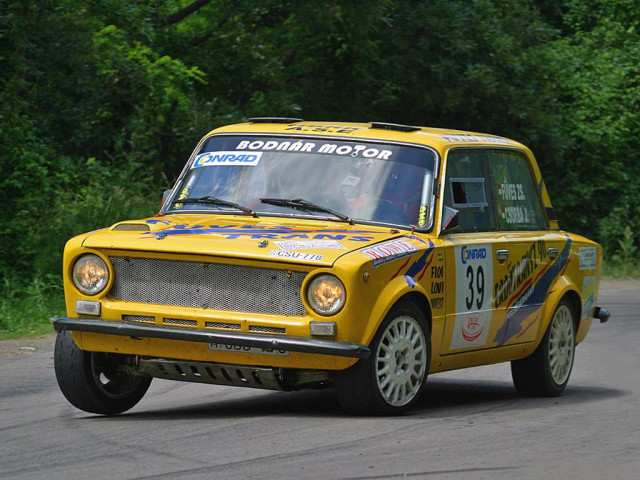
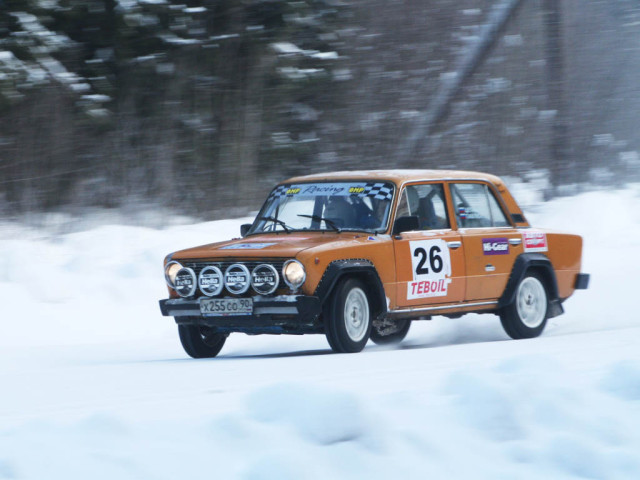
The VAZ-2101, known domestically as the Zhiguli and internationally marketed as the Lada 1200 or Lada 1300, is a compact rear-wheel-drive four-door sedan that served as the foundational model for AvtoVAZ. Based on the 1966 Fiat 124, which had won the European Car of the Year award, the platform was profoundly re-engineered to endure severe Soviet road conditions and freezing climates. Soviet and Italian engineers introduced more than eight hundred structural modifications, including substantially reinforcing the monocoque body, raising ground clearance from 140 mm to 170 mm, redesigning the suspension system with heavy-duty components, and replacing fragile rear disc brakes with durable closed-drum assemblies. The overhead-camshaft carbureted inline-four engine was developed with an increased cylinder bore pitch to facilitate future displacements, starting with a 1.2-liter unit producing 64 hp and later offering a 1.3-liter unit delivering 69 hp. Power was directed to the solid rear axle through a robust four-speed manual gearbox with fully synchronized forward gears. In 1974, the plant introduced the upgraded 21011 variant (and later the 21013), featuring a revised grille with finer vertical slots, rubber bumper inserts instead of traditional bumper overriders, plastic cabin extractor vents on the C-pillars, and an improved dashboard layout. The 2101 series gained immense popularity across the Eastern Bloc and was heavily exported to Western Europe, Scandinavia, and Canada.