Saab 99 I gallery (1968–1984)
The Saab 99 established the brand's iconic design and engineering ethos while pioneering mainstream passenger-car turbocharging.
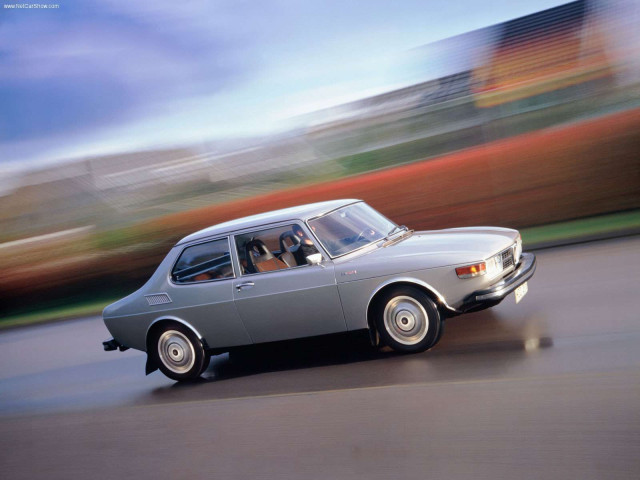
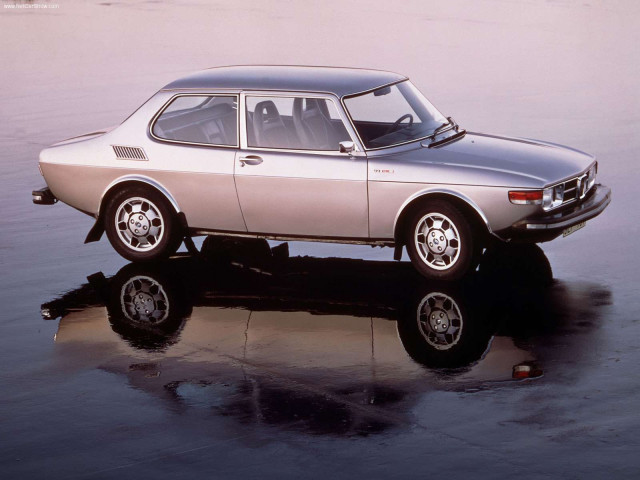
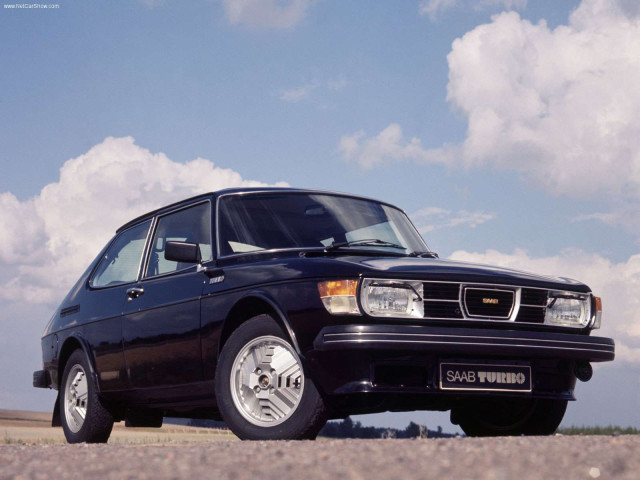
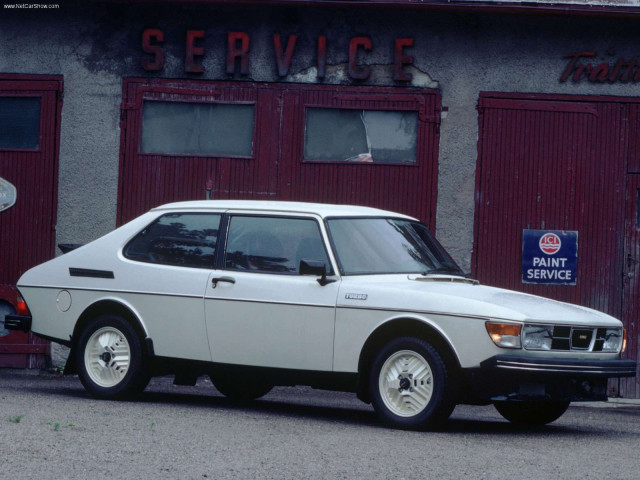
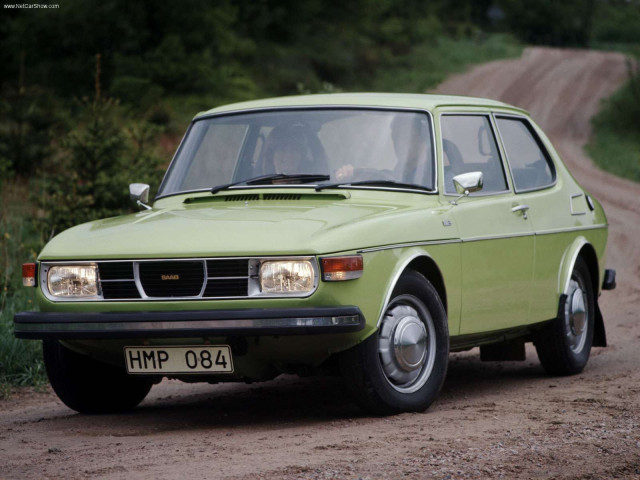
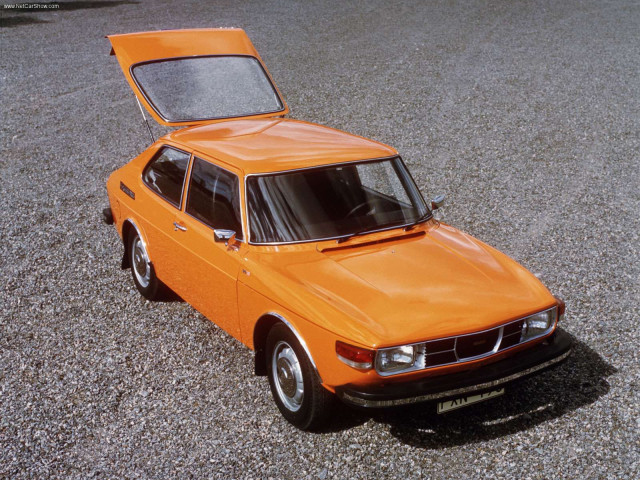
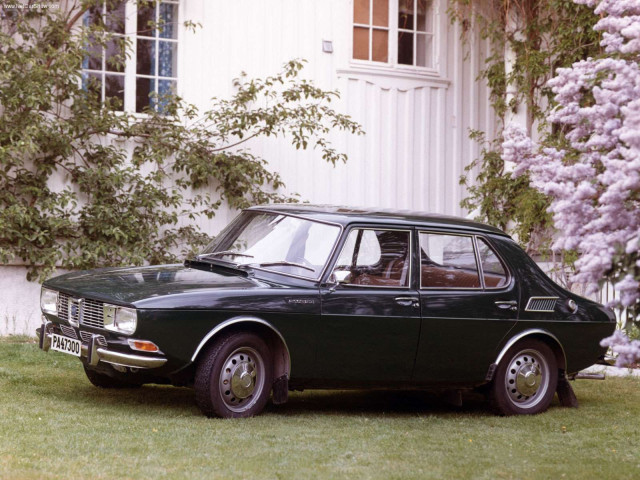
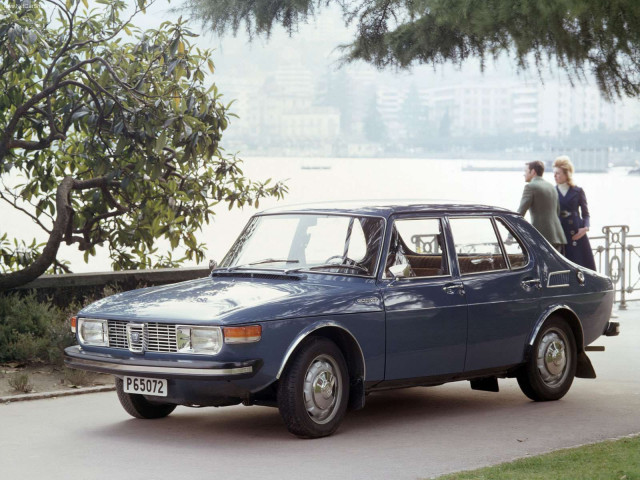
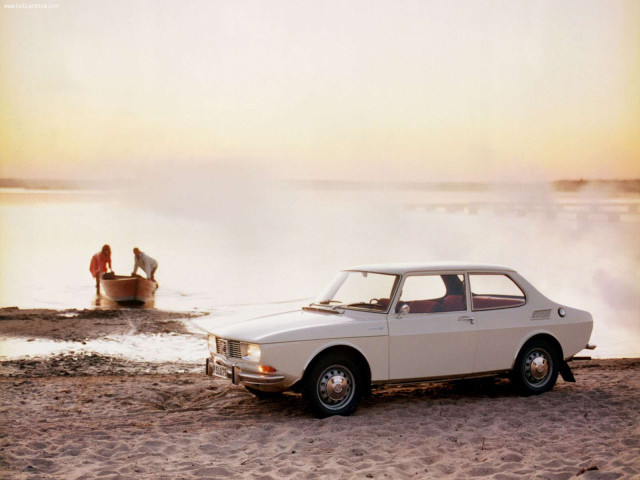
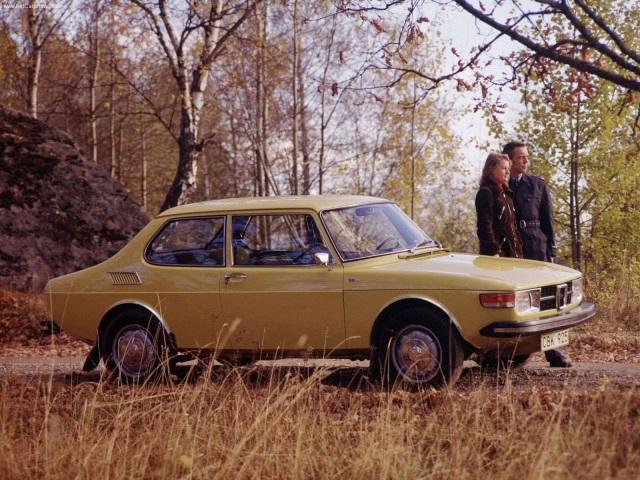
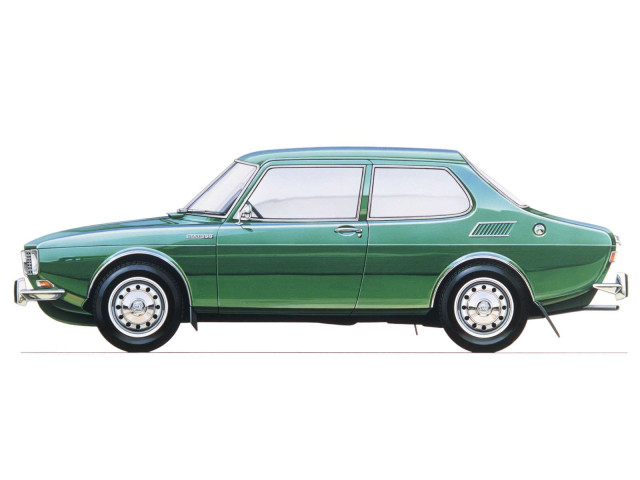
Entering production in 1968, the Saab 99 represented a major technological leap for the Swedish manufacturer, moving away from the small platforms of the Saab 96. Built on a brand-new front-wheel-drive architecture, the car introduced iconic design cues such as the wraparound windshield, exceptional passive safety structure, and the floor-mounted ignition switch between the front seats. Initially sold as a two-door sedan, the body range subsequently expanded to include four-door sedans, two-door notchback coupes, and the versatile three-door and five-door Combi Coupe configurations. Early powerplants included 1.7-liter and 1.85-liter Triumph Slant-four engines, which Saab heavily redesigned into its own durable 2.0-liter B-engine and later the refined H-engine. In 1977, the historic Saab 99 Turbo arrived equipped with a Garrett T3 turbocharger, demonstrating the viability of turbocharged power in mass-market road vehicles. Transmissions included 4-speed and 5-speed manuals alongside a 3-speed BorgWarner automatic. Exported broadly across Europe and North America, the 99 defined modern Saab engineering.