Saab 96 I gallery (1960–1980)
An iconic aerodynamic two-door sedan that succeeded the Saab 93 and remained in production for two decades.
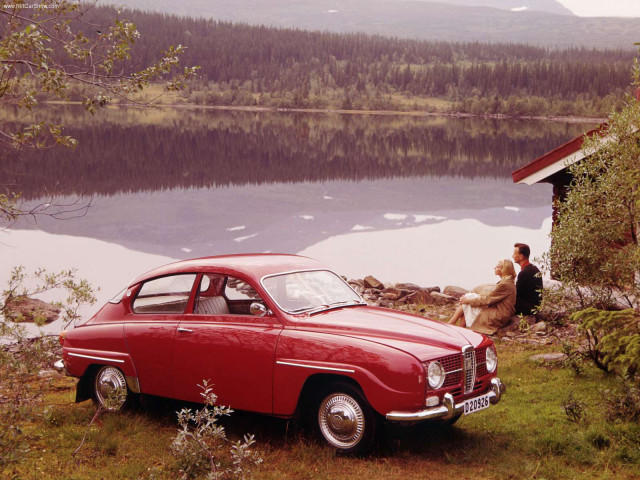
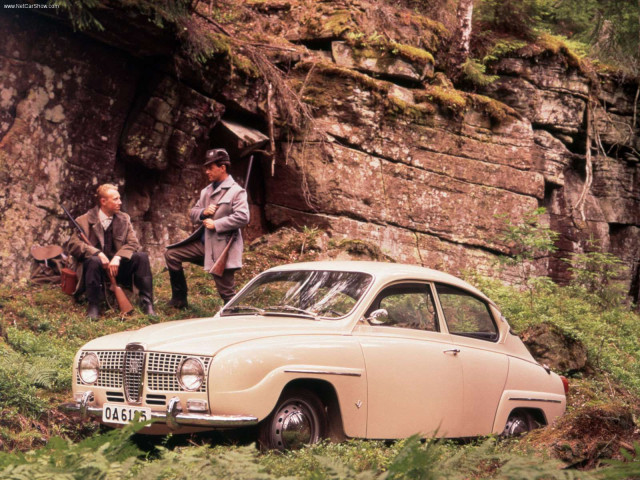
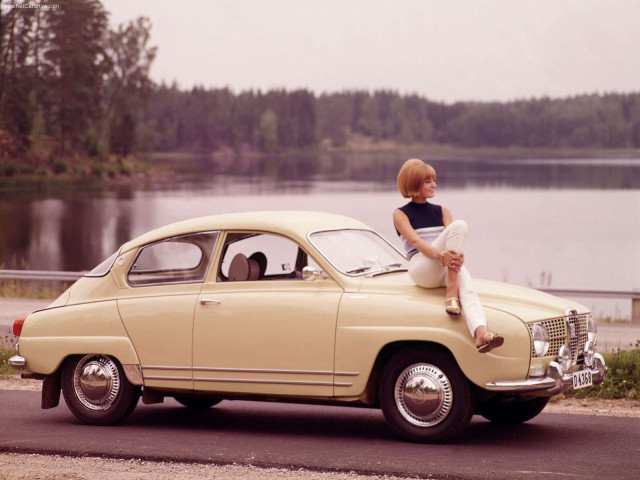
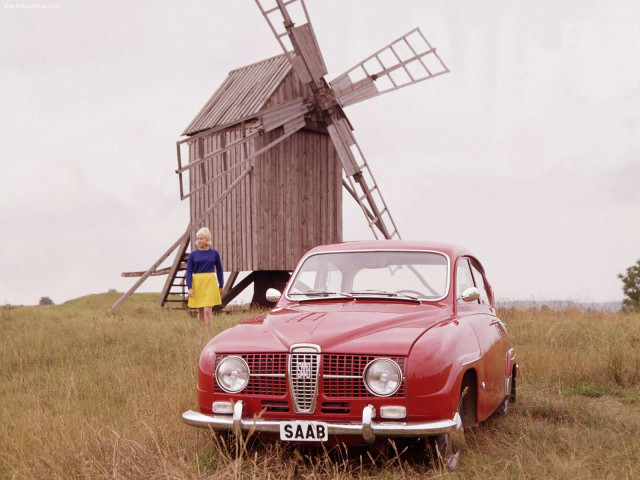
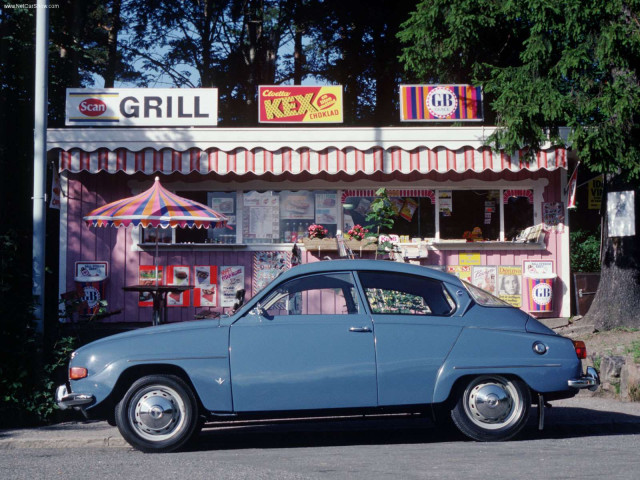
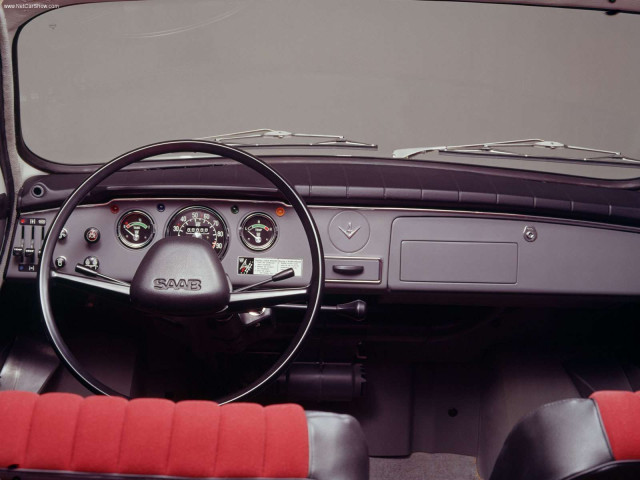
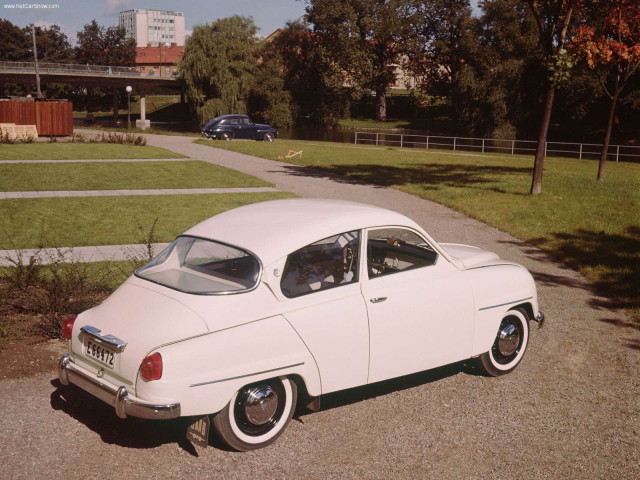
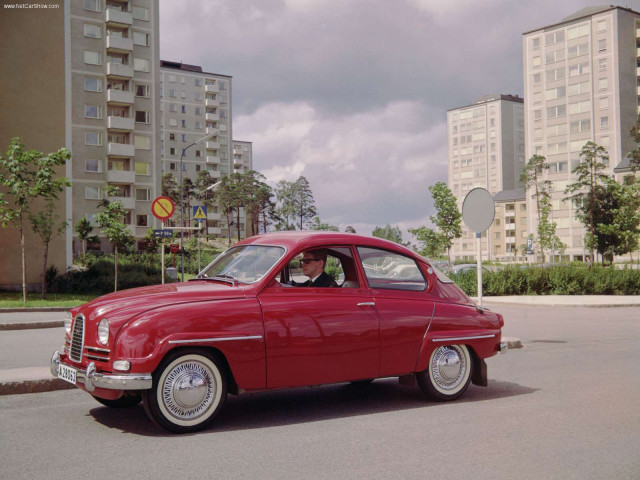
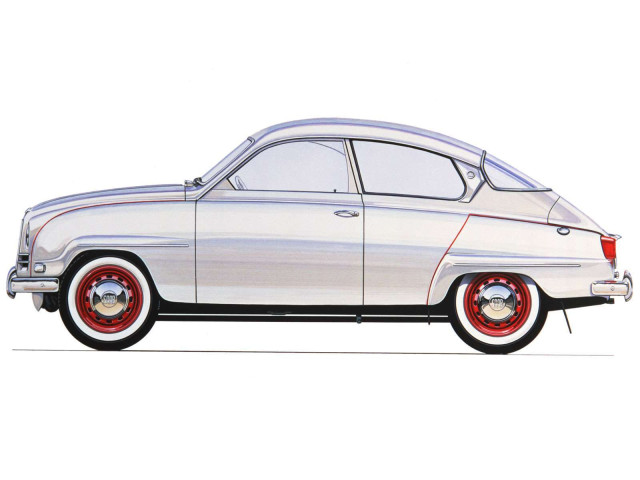
The Saab 96 debuted in 1960 as a comprehensive evolution of the Saab 93 and was produced until 1980 at manufacturing facilities in Trollhättan, Sweden, and Uusikaupunki, Finland. The model retained its distinctive aerodynamic teardrop-shaped two-door sedan body with an integrated unibody construction. Initially, the car was powered by a longitudinally mounted two-stroke three-cylinder engine displacing 841 cc, paired with a three- or four-speed manual transmission featuring a freewheel mechanism. A major engineering transition occurred in 1967 with the introduction of the Ford-sourced 1.5-liter Taunus V4 four-stroke engine (later expanded to 1.7 liters in the North American market), which significantly improved commercial appeal and powered the car to legendary international rally victories. Over its twenty-year lifecycle, the 96 underwent numerous updates, including rectangular headlights, front disc brakes, energy-absorbing bumpers, and improved interior ergonomics. The model was widely exported across Western Europe and North America, cementing Saab's reputation worldwide.