Rolls-Royce 25/30 I gallery (1936–1938)
The Rolls-Royce 25/30 is an interwar British luxury car developed as a more powerful evolutionary successor to the 20/25 model.
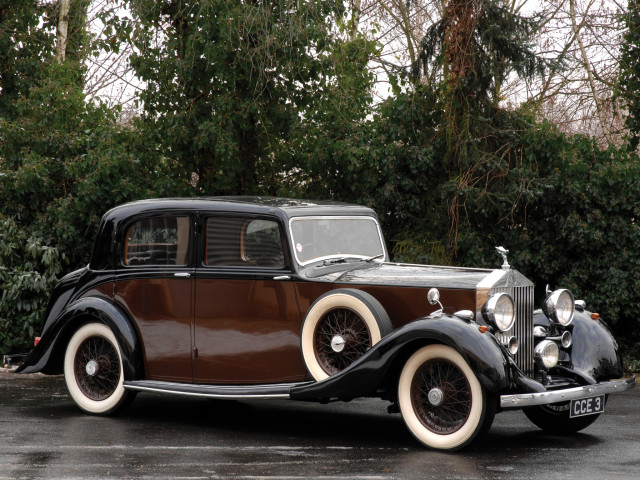
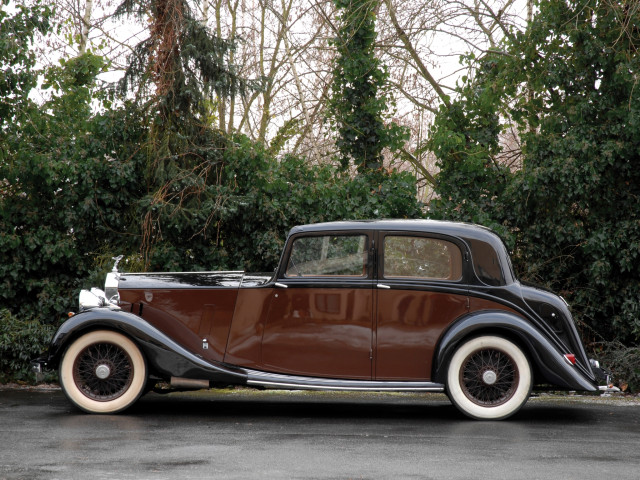
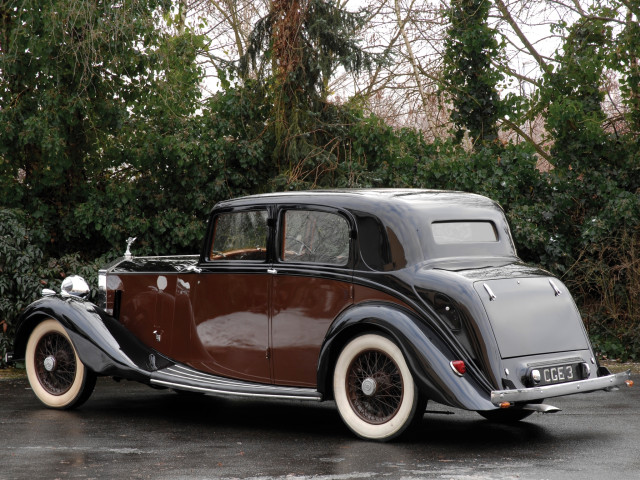
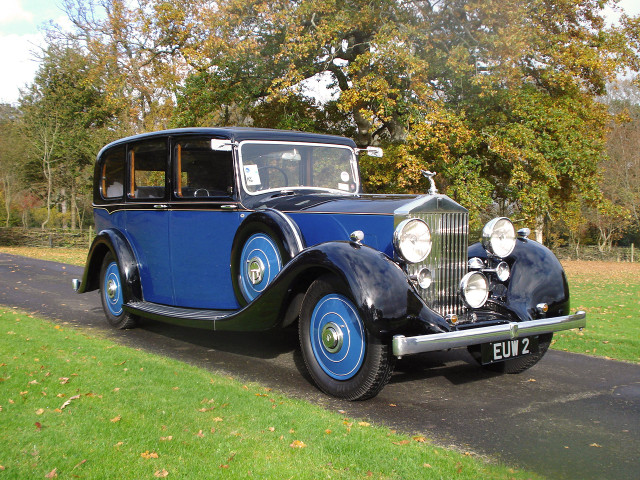
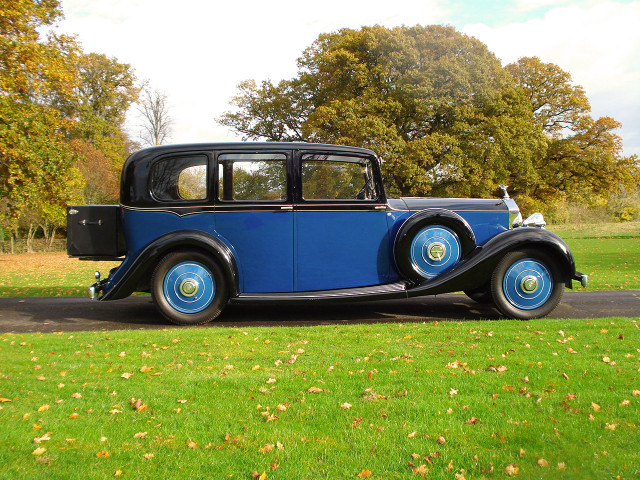
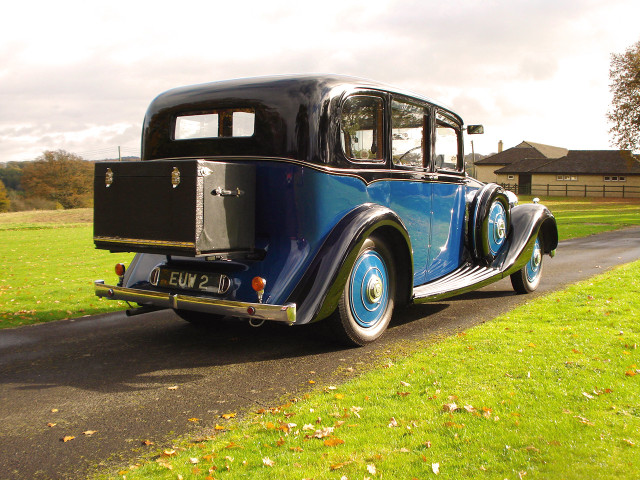
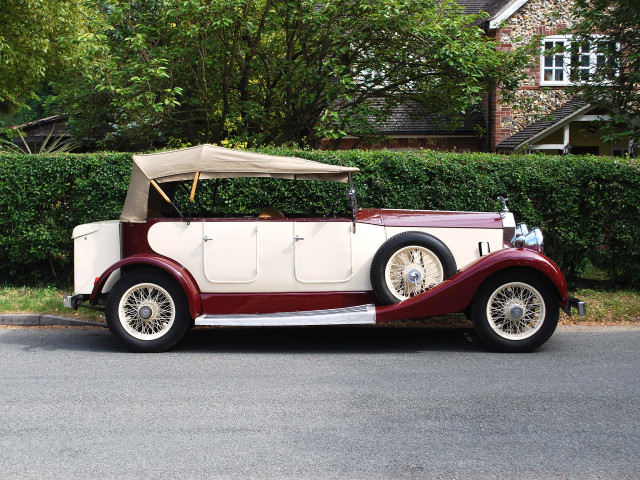
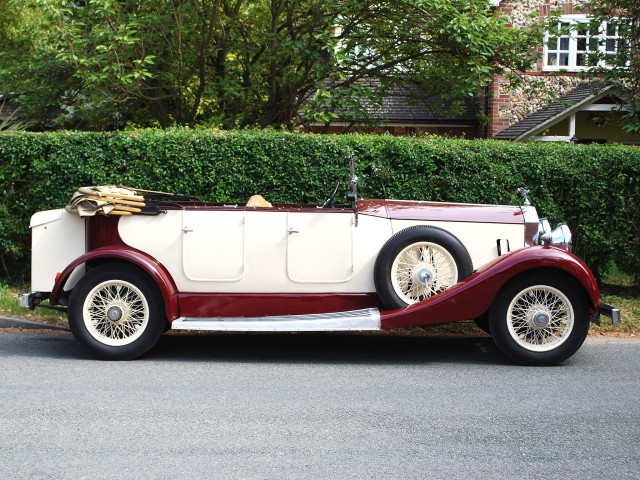
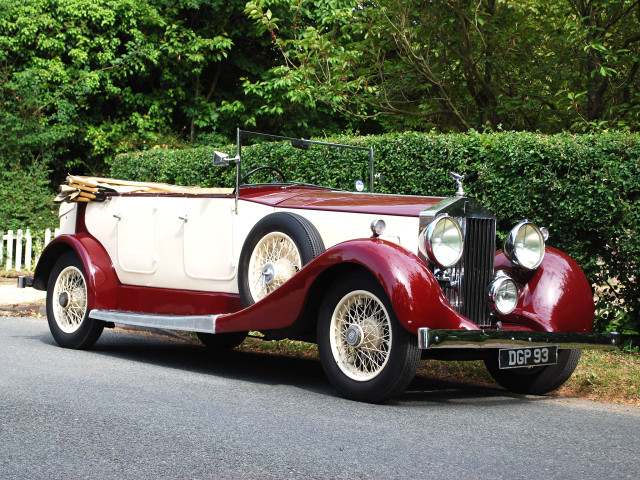
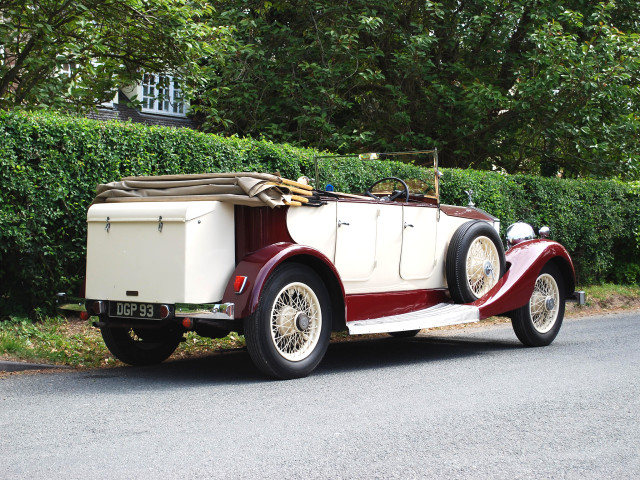
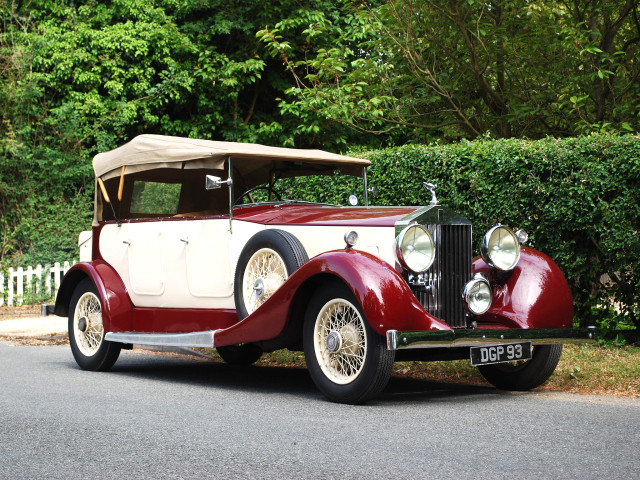
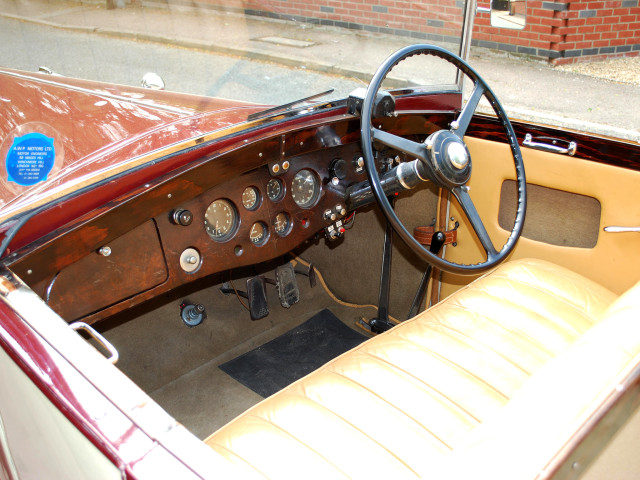
Produced between 1936 and 1938, the Rolls-Royce 25/30 was an updated version of the previous 20/25 hp model, designed primarily to handle increasingly heavy bespoke coachwork requested by wealthy clientele. The displacement of the inline-six pushrod overhead-valve engine was increased from 3.7 liters to 4.25 liters (4,257 cc), providing significantly better performance and refinement. The engine was paired with an in-house Stromberg-type carburetor and a four-speed manual gearbox featuring synchromesh on third and fourth gears. Like all pre-war Rolls-Royce vehicles, the factory manufactured rolling chassis only, allowing bespoke coachbuilders such as Barker, Park Ward, Hooper, H.J. Mulliner, and Thrupp & Maberly to craft bodies ranging from formal saloons and limousines to sporting coupés and open tourers. The chassis featured a rigid ladder-frame platform with rigid front and rear axles suspended on semi-elliptical leaf springs, complemented by four-wheel mechanical drum brakes with a mechanical servo driven from the gearbox. Aimed primarily at the owner-driver market across Great Britain, the Commonwealth, and export markets, 1,201 chassis were completed before the model was replaced by the Rolls-Royce Wraith.